REVIEW · POKHARA
Morning Half Day Tibetan cultural tour to Tibetan Settlements
Book on Viator →Bookable on Viator
A morning tour like this teaches fast. You start at 5:30 a.m. and still end up with more than photos, thanks to your guide’s connections to the Tibetan refugee community and the calm rhythm of monastery life. I like how this isn’t a generic cultural stop-it’s built around people who came from Tibet and now live in Nepal, with Mr. Thupten Gyatso explaining what you’re seeing and why it matters.
The second big win for me is the breakfast and tea stop. You’ll have a traditional Tibetan breakfast with a local family, then keep going with visits that include morning group prayer and a chance to meet monastic students. One thing to consider: this runs only about 3 to 4 hours, and it does not include lunch, so you’ll want a solid plan for what comes after 9:00 a.m.
In This Review
- Key Things I’d Put on Your Radar
- Why This Morning Tibetan Tour Works: Timing, Transport, and Tea
- Meet Mr. Thupten Gyatso: Learning Through a Tibetan Refugee Community
- Stop 1: Jangchub Choeling Tibetan Monastery and Morning Group Prayer
- Stop 2: Tashi Palkhel Settlement Home Visit and Traditional Breakfast
- Stop 3: Pema Ts’al Sakya Monastic Institute and Seeing Monastic Life Up Close
- Price and Value in Pokhara: What $60 Really Buys You
- Practical Tips for a Smooth 5:30 a.m. Start
- Who This Tour Suits Best (and Who Might Want Another Option)
- Should You Book This Tour?
- FAQ
- What time does the tour start and end?
- How long is the Morning Half Day Tibetan cultural tour?
- What stops are included in the tour?
- Is hotel pickup and drop-off included?
- Is breakfast included?
- Do I need to pay admission tickets for the stops?
- Who is the guide?
- Is bottled water included?
- What is not included in the price?
- How much does the tour cost, and how far in advance should I book?
Key Things I’d Put on Your Radar
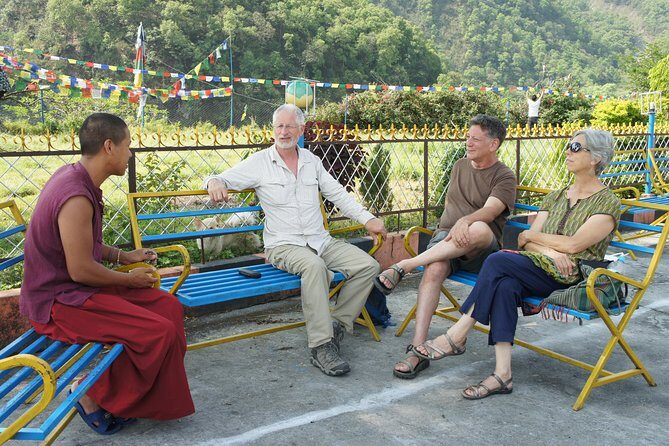
- Mr. Thupten Gyatso guides you with insight from the Tibetan refugee community
- Jangchub Choeling Tibetan Monastery includes morning group prayer during your visit
- Tashi Palkhel settlement features a traditional Tibetan family breakfast experience
- Pema Ts’al Sakya Monastic Institute includes meeting a young monk eager to share monastic life and education
- The tour is built for convenience with hotel pickup and drop-off plus bottled water
Why This Morning Tibetan Tour Works: Timing, Transport, and Tea
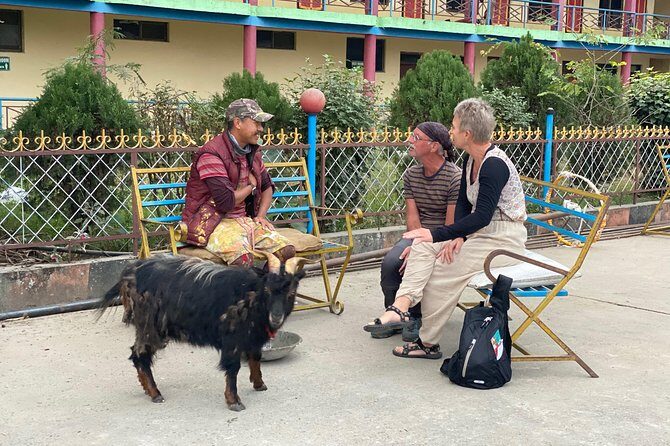
This tour is short, purposeful, and scheduled early on purpose. You leave Pokhara at 5:30 a.m. and are back around 9:00 a.m., so it fits cleanly into a day when you also want to explore lakeside cafes or nearby viewpoints.
I also appreciate the no-drama logistics. Hotel pickup and drop-off handles the hardest part, especially if you’re not sure where the monasteries and settlements are from town. Bottled water is included, plus coffee and/or tea, which makes the early start feel more manageable.
The biggest value is that you’re not just passing buildings. You’re there for morning activity: you’ll visit the monastery during group prayer time, then move to community spaces where daily life, food, and faith intersect.
Other Tibetan settlement and cultural tours in Pokhara
Meet Mr. Thupten Gyatso: Learning Through a Tibetan Refugee Community
A lot of “culture tours” can feel like watching from the outside. Here, your guide, Mr. Thupten Gyatso, comes from the Tibetan refugee community, and that shapes the whole tone of the morning.
That matters because he can explain context beyond what’s painted on walls or written on plaques. You’ll get insight into the challenges residents face as refugees in Nepal, and you’ll hear how Tibetan Buddhism connects to symbols, images, and daily practice.
I like the balance of this approach: you’re shown spirituality, but you’re also grounded in real life. It’s less about spectacle and more about understanding what people are carrying, preserving, and passing on.
Stop 1: Jangchub Choeling Tibetan Monastery and Morning Group Prayer
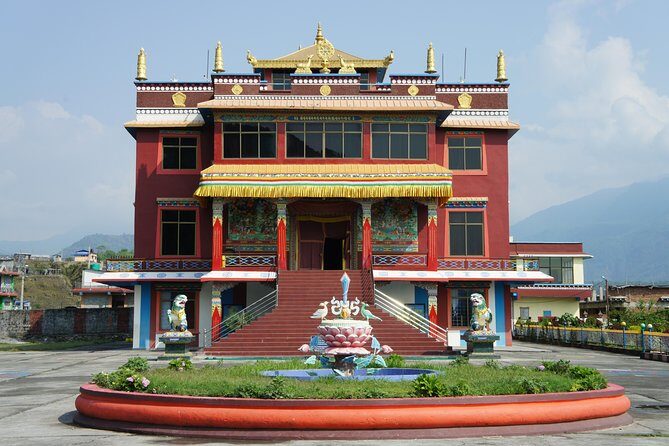
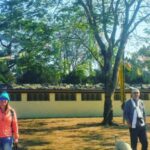
Your first stop is Jangchub Choeling Tibetan Monastery. The visit runs about 1 hour, and the admission ticket is free, which keeps things simple and inexpensive.
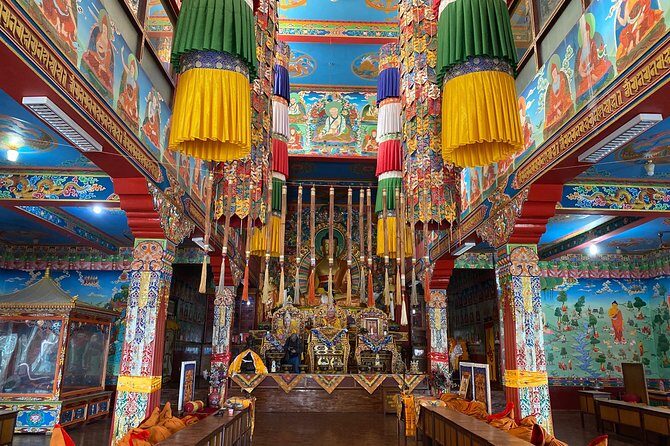
This is where you’ll slow down. The tour is timed so you can attend morning group prayer, which is usually when monasteries feel most alive. Even if you’re not fluent in the practices, you’ll pick up the rhythm—people gather, prayer begins, and the focus stays steady.
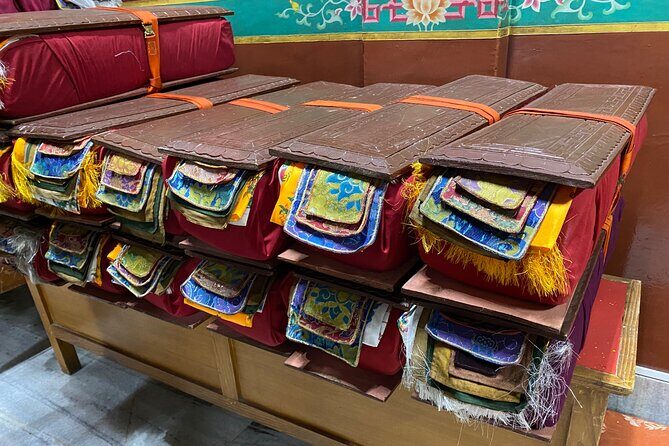
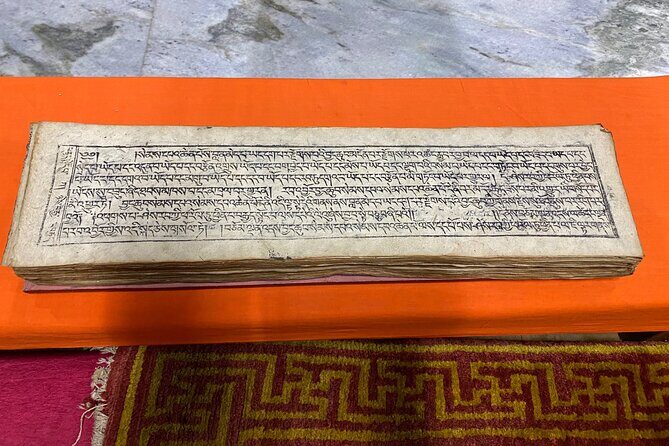
During this stop, your guide is also there to help you read the visual language of Tibetan Buddhism. The tour includes time to learn about symbols and images you might see around the monastery, which makes it easier to notice details you would otherwise miss.
What to keep in mind: Monastery environments can be quiet and serious, so you’ll want to keep your voice low and follow your guide’s cues. If you’re the type who hates early mornings, this is still the payoff stop—but you’ll feel it more if you’re already running on low sleep.
Stop 2: Tashi Palkhel Settlement Home Visit and Traditional Breakfast
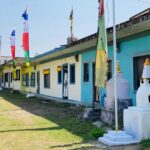
Next you’ll head to Tashi Palkhel Tibetan Settlement. This stop is also about 1 hour, and again the admission ticket is free.
Here’s the heart of the tour: you’ll visit a local Tibetan family’s home and experience a traditional Tibetan breakfast. This isn’t just about eating. You’ll also get a guided introduction to Tibetan food—your guide shares the history and cultural side of what’s on the table, helping you understand why these meals matter to identity in a new country.
If you’ve ever wondered why some food tastes different in another place, this is the answer in real time. You’ll see how community life shows up in the simplest things, like what’s served in the morning, how people talk about dishes, and how routine supports faith and family.
One practical consideration: breakfast with a family happens in a home setting. That means it can be less formal than a restaurant and more about conversation and respect. Wear something easy to manage, and be ready to behave like a polite visitor, not a tourist in a rush.
Stop 3: Pema Ts’al Sakya Monastic Institute and Seeing Monastic Life Up Close
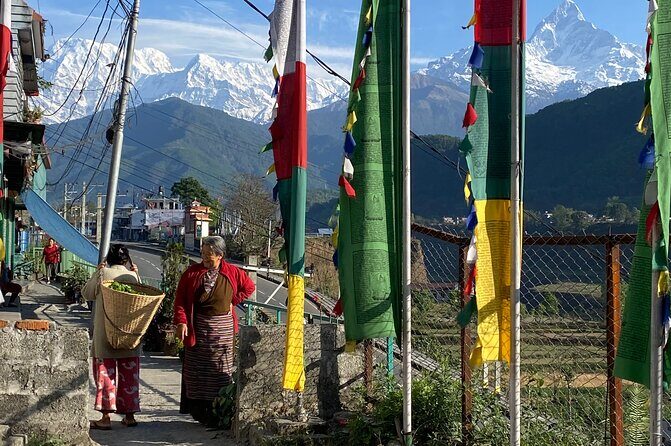
Your final visit is Pema Ts’al Sakya Monastic Institute. It’s another 1 hour stop, with admission ticket marked as free.
This part adds a different angle from the monastery prayer experience. Instead of only observing prayers, you’ll get a chance to meet a young monk who’s eager to share insights into monastic life and education.
That’s a rare opportunity in a short morning schedule: you’re not just walking past religious spaces; you’re getting a human explanation of what goes on inside. You’ll likely come away with questions you didn’t know to ask before, like how learning fits into discipline and why the community structures life around study and practice.
What could be challenging: because the tour is time-tight, you may feel slightly rushed if you love long conversations. Still, for 3 to 4 hours total, this stop helps balance the morning—faith plus education, not only temples plus ceremonies.
Other historical tours in Pokhara
Price and Value in Pokhara: What $60 Really Buys You
At $60.00 per person, this tour is in the “worth it if you care about meaning” category. You’re paying for three things that add up fast in Nepal: a capable guide, organized transport, and access to people and places you might not easily reach on your own early in the morning.
Your inclusions are practical:
- hotel pickup and drop-off
- a professional guide
- bottled water
- breakfast plus coffee and/or tea
- driver/guide support
Admission is also covered for the stops you visit, with tickets marked as free. That reduces the usual “hidden extras” feeling, where you think you’ve got one price and then face separate entry fees.
There’s also a human value here that you can’t measure exactly, but you can feel. Meeting refugees from Tibet, hearing their stories, and spending time with monastics and residents turns this from sightseeing into education.
If your travel style is strictly sightseeing-only, $60 might feel steep for a short morning. If you want an early start that pays off with real context, it’s a strong deal.
Practical Tips for a Smooth 5:30 a.m. Start
This is a morning half-day, with a 05:30 a.m. departure. That’s early enough that you’ll feel it. Plan your evening to help yourself wake up, and don’t schedule anything critical right after the return at about 09:00 a.m..
Bring a light layer. Even when mornings aren’t cold, monasteries and early travel can feel chilly or windy, and you’ll want to stay comfortable for an hour at each stop.
For the home breakfast stop, keep expectations simple: you’re there for a shared meal and conversation, not a full-course culinary experience at a restaurant. If you’re sensitive to religious spaces, remember you’ll be around prayer and monastic education, so keep your phone use respectful and follow your guide’s pace.
Also note what’s not included. Lunch isn’t included, and a DVD is available to purchase, but it’s optional. Make sure you eat after the tour, so the morning doesn’t leave you hungry and cranky.
Who This Tour Suits Best (and Who Might Want Another Option)
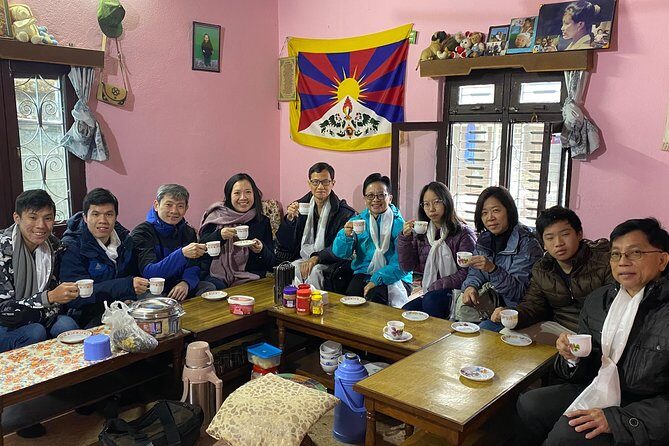
This tour fits best if you want authentic cultural learning in a short window. You’ll enjoy it most if you like:
- meeting people face-to-face rather than just photographing
- understanding the symbols and images of Tibetan Buddhism with explanations
- visiting monasteries at a time when prayer is happening
It’s also a solid option if you’re staying in Pokhara and don’t want to figure out early transport yourself. Pickup and drop-off are included, which helps a lot when you’re trying to make the morning count.
If you dislike early starts, you might find the timing tougher than the content. And if you need a full half-day with lunch built in, you’ll probably prefer a longer tour or plan your late breakfast carefully for afterward.
Should You Book This Tour?
Yes, I think you should book it if you want a morning in Pokhara that’s actually about people and meaning, not just buildings. The combination of a guide from the Tibetan refugee community, monastery time during group prayer, and a home visit for traditional Tibetan breakfast makes the 3 to 4 hours feel focused.
I’d skip it only if you’re not interested in early wake-up energy, or if you need lunch included. Otherwise, this is exactly the kind of short cultural tour that helps you understand what you’re seeing and who keeps these traditions alive in Nepal.
If you do book, go with an open mindset and follow your guide’s lead on respectful behavior. That’s when the experience is most rewarding.
FAQ
What time does the tour start and end?
The tour departs at 05:30 a.m. and returns around 09:00 a.m.
How long is the Morning Half Day Tibetan cultural tour?
The duration is approximately 3 to 4 hours.
What stops are included in the tour?
You visit Jangchub Choeling Tibetan Monastery, Tashi Palkhel Tibetan Settlement, and Pema Ts’al Sakya Monastic Institute.
Is hotel pickup and drop-off included?
Yes, hotel pickup and drop-off are included.
Is breakfast included?
Yes, breakfast is included, along with coffee and/or tea.
Do I need to pay admission tickets for the stops?
Admission ticket fees are listed as free for the stops included on the tour.
Who is the guide?
The guide is Mr. Thupten Gyatso, and the tour notes he provides insights with ties to the Tibetan refugee community.
Is bottled water included?
Yes, bottled water is included.
What is not included in the price?
Lunch is not included. A DVD may be available for purchase, but it is not included.
How much does the tour cost, and how far in advance should I book?
The price is $60.00 per person, and on average it is booked about 5 days in advance.