REVIEW · POKHARA
Afternoon Tibetan cultural tour
Book on GetYourGuide →Operated by The Tibetan Encounter Day Tours (P) Ltd · Bookable on GetYourGuide
Want Tibetan culture without the museum fog? This afternoon tour near Pokhara is a close-up look at daily Tibetan life in exile, with a conversation with a young monk and time at a Tibetan refugee settlement. I like that it is not just temples-and-photos. You’ll learn what Buddhist symbols mean in everyday routines, then finish with Tibetan tea and snacks that actually taste like Tibet.
What I also love is the way Mr. Thupten Gyatso strings it all together—history, religion, and personal stories—so you understand why people keep traditions going. The only real drawback to consider is timing: it’s a tight 4-hour half-day, so you’ll want dinner plans that do not start immediately after chanting and tea.
In This Review
- Key Things You’ll Notice On This Tour
- Tibetan Culture Near Pokhara: Not Just Another Temple Stop
- Meet Mr. Thupten Gyatso and the Small-Group Rhythm
- Pema Ts’al Sakya Monastic Institute: Seeing Buddhist Symbols With Meaning
- Tashi Palkhel Tibetan Settlement: The Tea Break That Explains Daily Life
- Talking With a Young Monk: What You’ll Really Ask
- Afternoon Prayer Chanting at a Monastery: Hear Ritual Up Close
- Tibetan Butter Tea, Tsampa, and Snacks: What to Expect on Your Taste Test
- Price for a 4-Hour Cultural Tour: Where the Value Comes From
- Timing and What a Half-Day Feels Like From Lakeside
- Who Should Book This Tour (And Who Might Not Love It)
- Should You Book This Afternoon Tibetan Cultural Tour?
- FAQ
- How long is the afternoon Tibetan cultural tour?
- Where does the tour pick up and drop off?
- Is the tour in English?
- How big is the group?
- What are the main cultural activities during the tour?
- Do you try Tibetan food or drinks?
- What does the tour include regarding the monasteries?
- Is the tour suitable for children or wheelchair users?
- What is the price per person?
Key Things You’ll Notice On This Tour
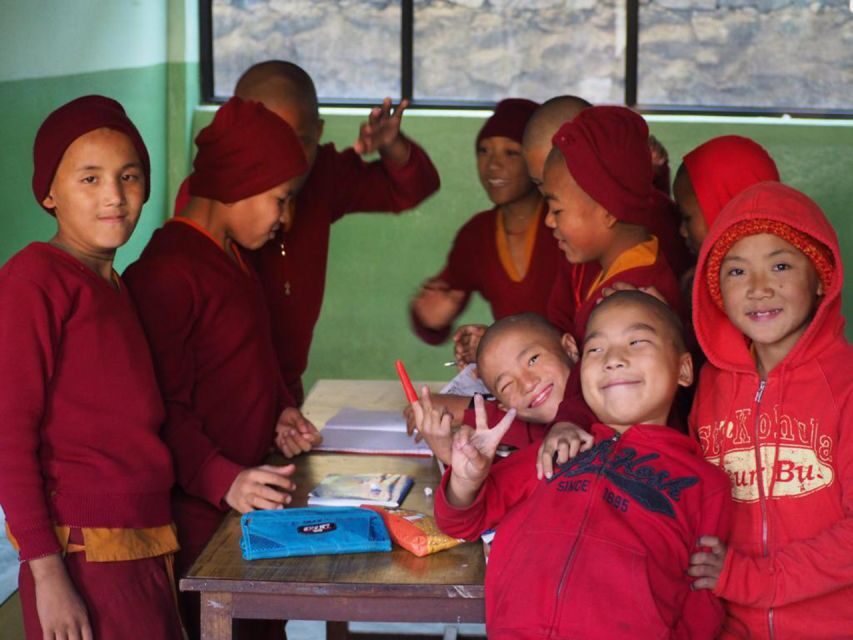
- Mr. Thupten Gyatso guides the whole experience with thoughtful storytelling and English that keeps up with your questions.
- Buddhist symbols become practical: you learn what you’re seeing, not just what it looks like.
- Two monastic moments: a monastery visit plus an afternoon group prayer chanting session.
- A real community setting at a Tibetan refugee settlement with tea and food.
- Tibetan butter tea and snacks (including salted butter tea and tsampa) make the culture feel personal.
- Small group of up to 8 people, so you get time to talk, not just watch.
Tibetan Culture Near Pokhara: Not Just Another Temple Stop
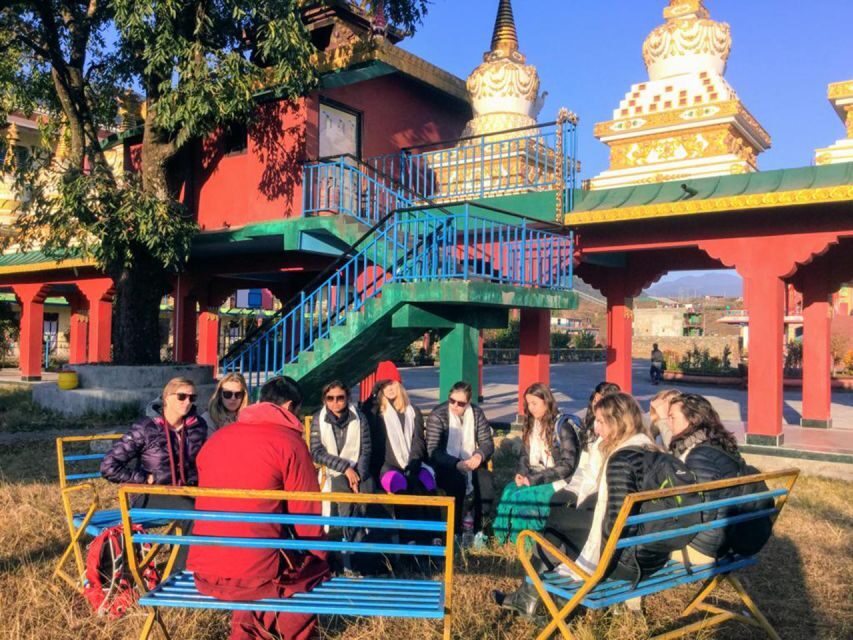
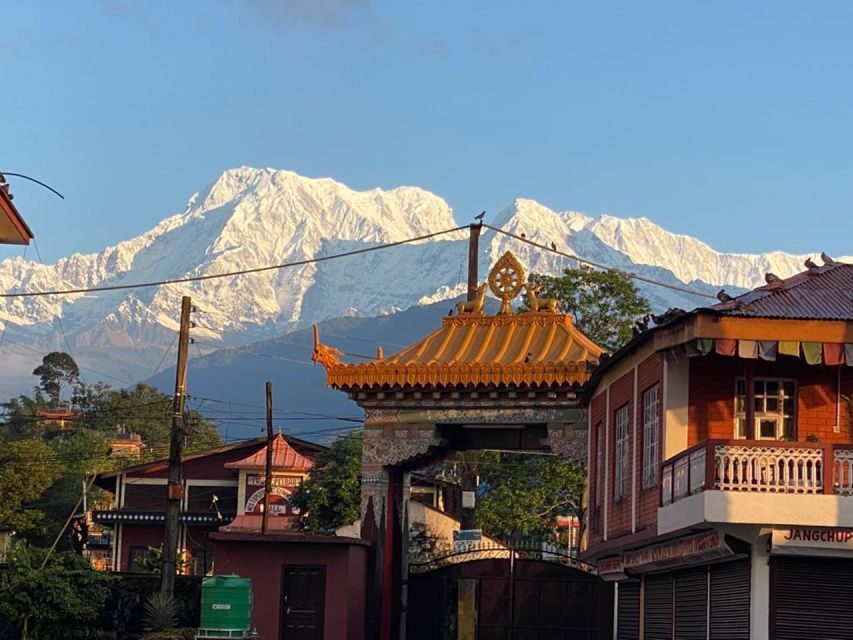
Pokhara is packed with scenic viewpoints, trekking talk, and quick day trips. This tour trades the usual routine for something more human: how Tibetan refugees maintain language, identity, and Buddhist tradition in Nepal. The setting matters here. You’re not studying Buddhism from a distance—you’re seeing it practiced as part of everyday life.
You’ll also get an immediate “translation layer.” The guide explains symbols that many visitors spot but never understand. Things like prayer wheels, prayer flags, and stupas become concepts you can connect to daily meaning, not background decorations.
Other Tibetan settlement and cultural tours in Pokhara
Meet Mr. Thupten Gyatso and the Small-Group Rhythm
The experience is led by Mr. Thupten Gyatso, a Tibetan native rooted in the region. His role is bigger than logistics. He frames what you’re seeing with context about Tibet, Tibetan life in Nepal, and the refugee experience, so the tour feels like learning with a person—not learning at a pace set by a crowd.
The group size is capped at 8 participants, and that changes the whole feel. You’re not shouting over a busload. You’re more likely to ask the question that’s been sitting in your head since the first monastery stop—especially during the monk conversation.
Pema Ts’al Sakya Monastic Institute: Seeing Buddhist Symbols With Meaning
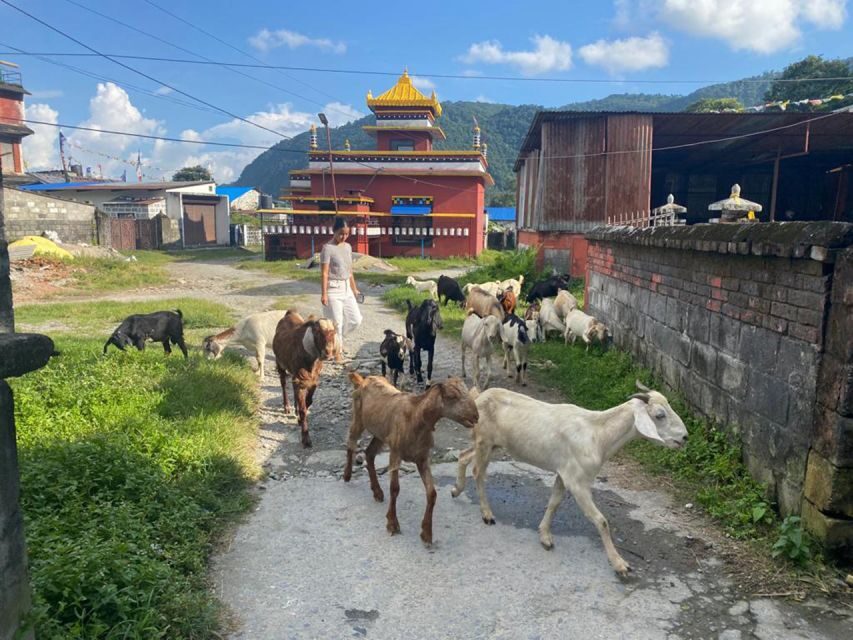
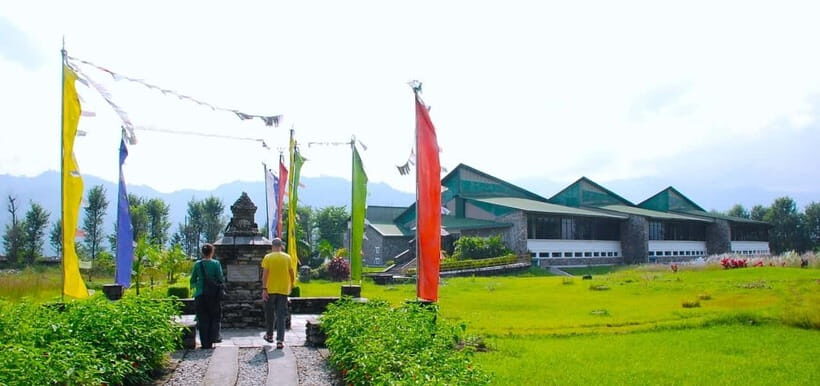
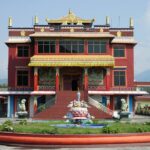
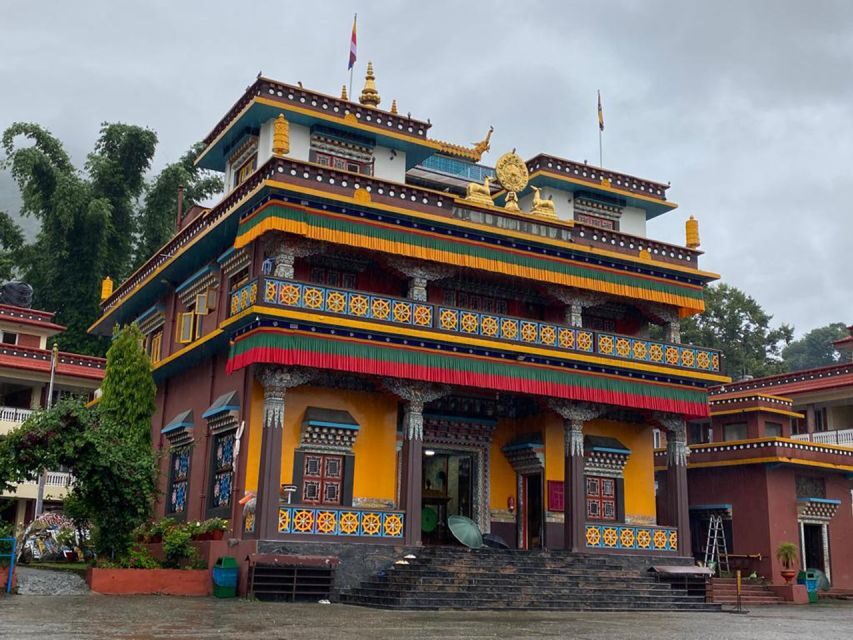
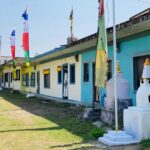
Your day starts with pickup around Lakeside (then you’re driven out for about an hour to the first monastery stop). The visit to Pema Ts’al Sakya Monastic Institute includes a photo stop and a guided tour, plus time for sightseeing and walking around.
Here’s why that first stop is valuable: it’s your foundation. Before you reach the refugee settlement and the tea at a local home, you’re taught how to read what you’ll keep seeing. You’ll learn about Buddhist signs and symbols that matter in daily practice, including how items like prayer wheels connect to devotion and routine.
A practical point: monasteries can involve quiet moments and slower movement. Wear shoes you can walk in comfortably, and keep your expectations flexible. Even if the schedule is smooth, the mood is calm.
Tashi Palkhel Tibetan Settlement: The Tea Break That Explains Daily Life
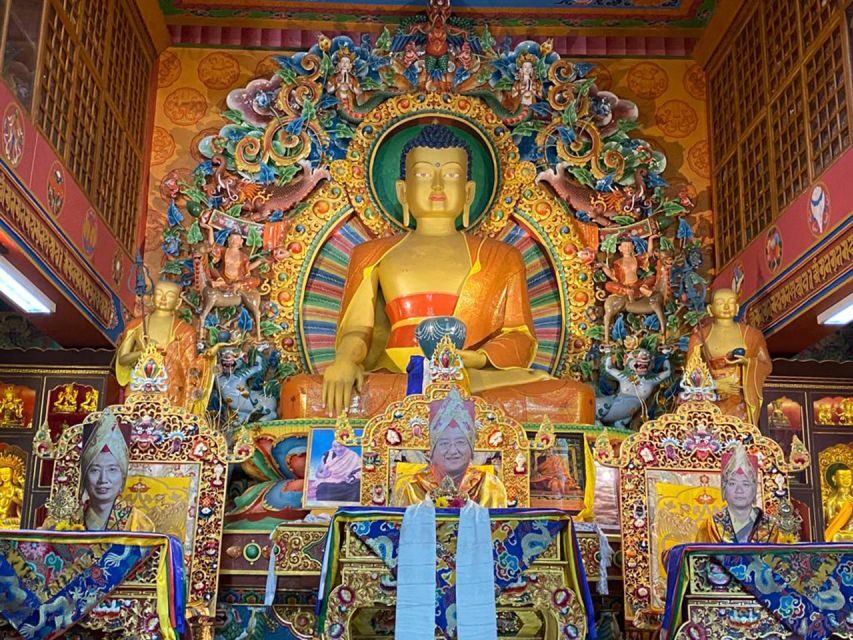
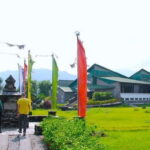
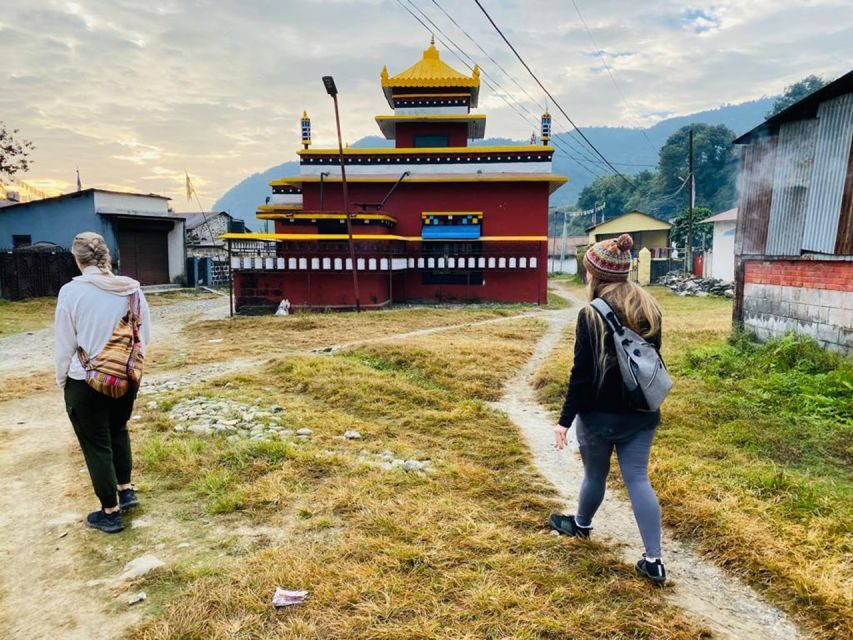
After the monastery, you head to Tashi Palkhel Tibetan Settlement, where the focus shifts from religious learning to everyday continuity. Expect a guided walk, photo stops, local snacks, and food tasting, plus some scenic views along the way.
This is the heart of the tour for many people. You’re learning how Tibetan communities preserved language and identity while building a life outside Tibet. And you’re doing it in a place where traditions show up naturally, not only during a performance.
You’ll also enjoy tea and a meal-style break during this segment. Based on what’s offered on the day, you should plan for salted butter tea and Tibetan staples tied to the culture of the settlement. If you’re the type who eats on the road, this is a chance to slow down and taste with meaning instead of speed.
Talking With a Young Monk: What You’ll Really Ask
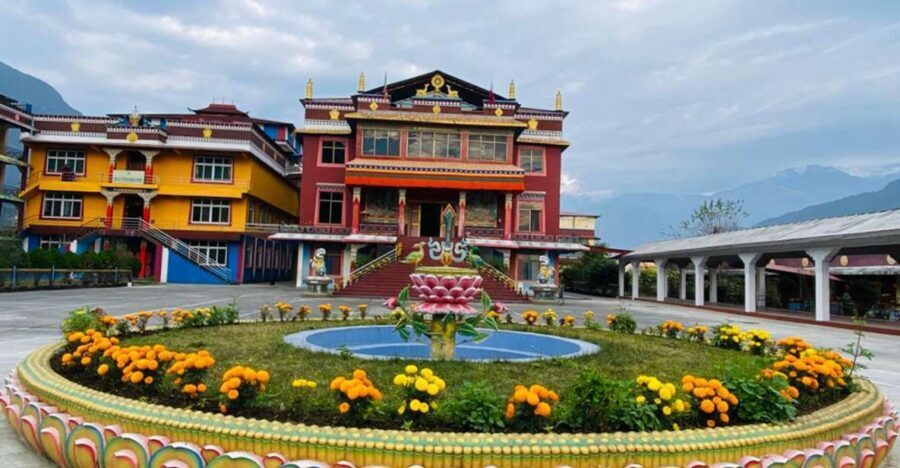
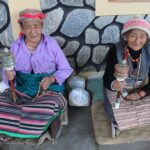
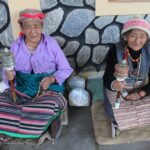
One of the most praised parts of the day is the chance for a conversation with a young Buddhist monk. You’ll learn about monastic life: studies, daily activities, and what life looks like inside a monastery.
This moment works because it’s not theory-heavy. You can ask questions that turn abstract Buddhism into something more personal. People consistently seem to leave with a better feel for how vows and routine shape a monk’s day.
A useful tip: prepare one or two questions that are not too big. For example, ask how study fits into daily practice, or what a typical routine looks like from morning to afternoon. Your guide will help you connect the dots, but your questions steer the conversation to what you care about.
Other historical tours in Pokhara
Afternoon Prayer Chanting at a Monastery: Hear Ritual Up Close
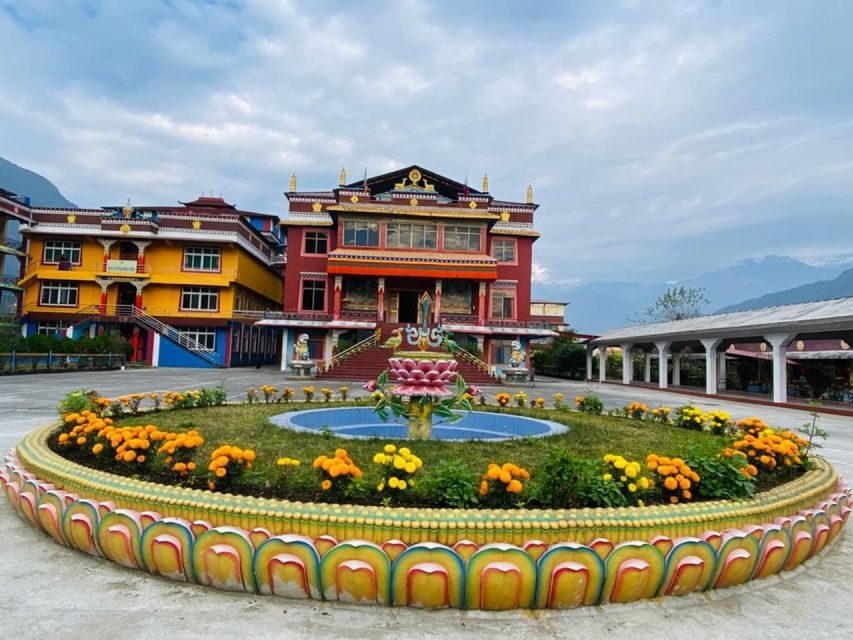
Later, you’ll attend afternoon group prayer chanting with monks at a monastery. This is more than watching a service. The experience includes listening to chanting along with musical instruments used during prayer, and the day’s description points to a physical sense of the chanting—something you feel as much as you hear.
That matters for first-time visitors. Chanting can be hard to understand if you expect a sermon-style explanation. Here, you get the sound, the structure, and the atmosphere. Then your guide helps you interpret what you’re seeing and why it matters.
If you’re sensitive to noise, plan for a sensory experience. If you’re curious about how spiritual practice sounds and moves as a community act, this portion will likely be the emotional peak.
Tibetan Butter Tea, Tsampa, and Snacks: What to Expect on Your Taste Test
Food on this tour is not an afterthought. It’s part of the culture you’re learning.
You’ll be served authentic Tibetan butter tea, specifically salted butter tea. You may also encounter tsampa (roasted barley flour) and Tibetan homemade bread. The bread can come with toppings like honey and butter, and in some tastings you might see peanut butter as part of the spread.
The goal here is simple: give your taste buds something real so the symbolism and monastic stories stop floating above the ground. When you’re drinking tea in a Tibetan family setting after hearing about daily practice, the flavors suddenly feel like they belong to a living system.
One practical note: do not plan a heavy meal right after the tour. People often find the tea and snacks satisfying, and the day ends at Lakeside.
Price for a 4-Hour Cultural Tour: Where the Value Comes From
At $56 per person for about 4 hours, the price can look small—until you list what’s included. Your tour includes a dedicated Tibetan guide, round-trip pickup and drop-off around Lakeside, visits to a Tibetan refugee settlement and monasteries, afternoon prayer chanting, conversation with a monk, and Tibetan food tasting plus mineral water.
In plain terms, you’re paying for access and interpretation: the guide’s time and the chance to speak directly with a monk, not just walk past religious buildings. That’s harder to DIY in Pokhara unless you already have local connections.
Two logistics points to factor in:
- Pickup/drop-off is included only for hotels around Lakeside. If your hotel is outside Lakeside, there’s an extra transportation fee depending on your location.
- The tour is designed for English-speaking guests, with a live guide for the full experience.
Timing and What a Half-Day Feels Like From Lakeside
This is an afternoon half-day tour, and the rhythm is practical: you start with transport to the first monastery, move on to the refugee settlement, then finish with monastic chanting and tea/snacks before returning to Lakeside.
Because it’s only four hours, it moves at a steady pace. The upside is focus. You’re not stuck in travel for half the day. The downside is that you’ll likely want more time at the settlement or during the monk conversation, especially if your questions are good.
If you like hands-on culture—talking, asking, tasting—this duration works well. If you prefer slow walks and long sit-down stays, consider a longer full-day option if your schedule allows.
Who Should Book This Tour (And Who Might Not Love It)
This experience fits best if you want more than sightseeing. It’s ideal for you if you’re interested in:
- Tibetan culture and Buddhism as daily practice
- Learning what Buddhist symbols mean in real life
- Understanding the refugee experience in Nepal through community stories
- Hearing chanting and seeing monastic life up close
- Trying Tibetan butter tea and other snacks
It may not be the best fit if you need wheelchair accessibility, since the tour is marked as not suitable for wheelchair users. It also isn’t for children under 5 years.
Should You Book This Afternoon Tibetan Cultural Tour?
If you want a Pokhara activity that feels thoughtful, personal, and grounded in real community life, this is an easy yes. The combination of monastery visits, a monk conversation, afternoon prayer chanting, and Tibetan tea and snacks gives you multiple angles on the same culture. The small group size makes it feel less like a show and more like learning with time to ask real questions.
Before you book, check your expectations. This is a short tour, so it’s not designed for lingering hours in one place. If you’re ready for a focused afternoon—good. If you hate schedule pressure, you might want to pair this with a slow morning around Lakeside instead of rushing your entire day.
If you can arrange it, ask specifically for Mr. Thupten Gyatso. People consistently emphasize that his storytelling and openness make the tour feel human, not scripted.
FAQ
How long is the afternoon Tibetan cultural tour?
The tour runs for about 4 hours.
Where does the tour pick up and drop off?
Pickup and drop-off are included around the Lakeside area. If your hotel is outside Lakeside, an additional transportation fee applies based on where you’re staying.
Is the tour in English?
Yes, the live tour guide speaks English.
How big is the group?
The group is limited to a small size, with up to 8 participants.
What are the main cultural activities during the tour?
You’ll visit a Tibetan refugee settlement, visit monasteries, learn about Buddhist symbols, join afternoon prayer chanting, and have a conversation with a young Buddhist monk.
Do you try Tibetan food or drinks?
Yes. You’ll taste Tibetan butter tea and other traditional snacks such as tsampa and Tibetan homemade bread.
What does the tour include regarding the monasteries?
The tour includes visits to monasteries, and it also includes attending afternoon group prayer chanting with the monks.
Is the tour suitable for children or wheelchair users?
It is not suitable for children under 5 years and is not suitable for wheelchair users.
What is the price per person?
The price is $56 per person. Mineral water is included.