Pokhara is full of views, but this 3-hour class puts you in a local family kitchen. You get a hands-on Thakali cooking experience, led by an English-speaking family chef, where you actively help prepare a signature dish like Dal Bhat. It’s one of those rare activities where you don’t just watch—you work.
I love how much time you spend actually cooking, from chopping to stirring pots, and how the chef guides you step-by-step without rushing. Another big win: you taste as you go, so you understand how the flavors build in real time, not after the fact. In my experience with this setup, the hosts also keep the vibe relaxed and welcoming, like Shanta and her family’s patient teaching style.
One caution: Thakali food often runs spice-forward, and the kitchen team uses a lot of spices in the dish. If you’re not a spice fan, you’ll want to tell the chef early, and don’t show up after a heavy breakfast because you’ll be hungry again fast.
In This Review
- Key Things to Know Before You Go
- Entering a Thakali Kitchen in Pokhara
- What You’ll Cook: Dal Bhat and Other Thakali Favorites
- The Hands-On Cooking Part (Where You Actually Work)
- How Thakali Flavor Gets Built: Spices, Technique, and Balance
- Lunch You Earn: Soft Drinks, Big Portions, and a Full Finish
- Price and Value: Is $45 Fair for 3 Hours?
- The Best Fit: Who Should Book This Cooking Class
- Should You Book This Pokhara Thakali Cooking Class?
- FAQ
- How long is the Thakali dish cooking class in Pokhara?
- Where does the class happen?
- Does the tour include pickup and drop-off?
- Will I cook or just watch?
- What dish will I learn to cook?
- Is lunch included?
- Is this activity private?
- What’s included in the price?
- Is tipping required?
- What’s the cancellation policy?
Key Things to Know Before You Go
- Family-chef instruction in an English-speaking home kitchen, not a formal classroom
- Hands-on cooking where you do the prep and help finish the dish
- A signature Thakali meal (often Dal Bhat or another traditional specialty)
- Tasting during cooking, so you learn what changes the flavor
- Hotel pickup and drop-off by private car, round trip
- Lunch with soft drinks included, so you’re not planning your next meal
Entering a Thakali Kitchen in Pokhara
You start with an easy pick-up from your hotel. The plan includes round-trip transfer by private car, so you’re not figuring out routes or squeezing into shared transport. That matters in Pokhara, where you can burn time fast if you’re moving around for every single activity.
Once you arrive, the pace shifts from street life to kitchen life. You’ll get a welcome and a clear intro to what makes Thakali cuisine “Thakali”—the spices, the ingredients, and the cooking habits that are passed down. This isn’t just food talk. It sets you up for what you’ll be doing in the next part: prepping vegetables, handling spices, and cooking the dish with the method your chef uses at home.
You’re also stepping into a real family workspace. Several sessions are taught by cooking families with warm hospitality, and the teaching style tends to be patient. That shows up in small things: the way spices are kept organized, the way tasks are broken into steps you can actually follow, and the way the chef keeps you involved without making you feel clumsy.
If you like experiences where people explain, laugh, and cook at the same time, this is a good match.
Other Nepalese cooking classes (momo, dal bhat) in Pokhara


What You’ll Cook: Dal Bhat and Other Thakali Favorites
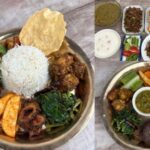
The class centers on one signature dish. The most common example given is Dal Bhat, but you can expect other traditional specialties depending on what your kitchen decides that day. Either way, you’re learning the core logic of Thakali flavor rather than chasing a one-off recipe.
Dal Bhat-style meals give you a strong foundation because you’re dealing with multiple parts: a main plate component, sauce-like elements, and the balance between staples and spices. Even when the menu changes, the teaching approach stays the same: you learn how the chef builds flavor, how long things cook, and what signs to look for while the food is cooking.
The kitchen also uses vegetables that are familiar to the region. In one of the sessions I tracked, the team used plenty of veggies seen growing locally, and that helped the cooking feel practical. You’re not learning to make food with mystery ingredients that you can’t find back home. You’re learning how everyday produce becomes part of the final flavor system.
Before you start chopping, your chef typically explains what goes into the dish and why. That matters, because if you only memorize a list, cooking becomes guesswork. Here, you learn the method behind the taste.
The Hands-On Cooking Part (Where You Actually Work)
This is the core value. You’ll head to the kitchen and put your hands to work. Expect the typical rhythm: roll up your sleeves, start with prep tasks like chopping vegetables, then move into cooking steps like stirring pots and adjusting seasonings.
What makes this class better than the basic cooking demo style is that you don’t just stand near the counter taking photos. You handle ingredients under guidance. In sessions like these, you can often see how the chef works efficiently—spices organized so they’re easy to grab, clear task flow, and constant check-ins to keep you safe and on track.
One of the strongest teaching moments is when you taste while things are still cooking. That’s how you connect cause and effect. If the dish tastes flat, you learn what the chef adjusts. If the spice level needs balancing, you learn the timing and how to add without wrecking the pot. For a lot of people, this becomes the real souvenir: confidence you can use later.
It also helps that you’re cooking in a home kitchen. That means you’re working with traditional utensils and real-world methods rather than polished show tools. You pick up practical habits, like how to control heat and how to keep your prep clean so the final plating looks like the family meal it’s meant to be.
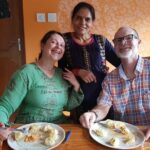
And yes, you’ll likely end up talking with the family while you cook. Names that come up in these kitchens include Shanta, Sanva (with her cousin in the kitchen team), and Roma and Rita. Different days, different family setups—but the common thread is clear: you’re invited into the process.
How Thakali Flavor Gets Built: Spices, Technique, and Balance
Thakali cuisine is known for aromatic spices and wholesome ingredients, but the real lesson is balance. Your chef’s job isn’t to dump spice in and hope. It’s to layer flavor so everything works together—spices, vegetables, timing, and heat.
In practice, this often looks like:
- spices used in multiple steps, not just once at the beginning
- cooking techniques that let ingredients soften and flavor up
- tasting along the way so the chef can correct before the dish is finished
When the kitchen uses a lot of spices, it can sound intimidating. But with guidance, it becomes manageable. If you’re spice-sensitive, tell your chef early. The best part of hands-on teaching is that you can adjust your portion and learn without forcing your palate to suffer.
You’ll also learn about the kitchen approach to local ingredients. One review-style insight you’ll benefit from: the veggies are not random. They’re the ones you’ll recognize and understand in the region. That makes the lesson more transferable because you can recreate the logic with similar produce wherever you travel.
And because the class is guided by a family chef in English, you’re not stuck guessing what matters. You’ll get the why behind what you’re doing, not just the what.
Lunch You Earn: Soft Drinks, Big Portions, and a Full Finish
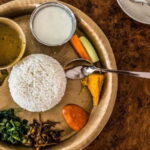
You’ll end with lunch included, plus soft drinks. That’s important because it turns the class into a full experience, not a half meal with a recipe handout.
This is where the “don’t eat breakfast beforehand” advice really comes alive. Thakali dishes are filling, and the kitchen tends to put out enough food for a proper meal, not a tiny tasting plate. If you go in hungry, you’ll enjoy the flavors more because you can actually taste them. If you go in stuffed, you’ll still probably enjoy it, but the lesson gets harder to feel.
You’ll also understand the dish better after seeing it served. During cooking, flavors can seem subtle in the pot. On the plate, with the right balance and portioning, it all clicks. That’s the payoff of tasting while cooking and then eating the finished meal.
One thing I like about a lunch finish is how it anchors the entire 3-hour experience. You’re not scrambling to find food afterward or trying to decide where to go next. You get fed first, then you can enjoy the rest of your day in Pokhara with a clear stomach and the satisfaction of having learned something you can repeat.
Other cooking classes in Pokhara
Price and Value: Is $45 Fair for 3 Hours?
At $45 per person for about 3 hours, the value depends on what you want from Pokhara. If you’re shopping for a quick activity, this might feel like a lot. If you want an experience you can actually use, it’s a solid deal.
Here’s why it can feel fair:
- Hotel pickup and drop-off are included, which saves time and transport hassle
- You get round-trip transfer by private car, not shared routing
- The instruction is delivered by an English-speaking cooking family chef
- All ingredients and utensils are included, so you’re not buying anything extra
- Lunch with soft drinks is part of the package
When you add those up, you’re paying for a full experience, not just a recipe lesson. And because you’re cooking for yourself (and eating what you make), you’re getting more than entertainment. You’re getting skill.
It also helps that the activity is private for your group. That can mean less waiting and more hands-on attention, especially if your group is small.
For people traveling with kids, this kind of structured kitchen work can be a win. One session described an 8-year-old having fun with the process, which makes sense: chopping, stirring, tasting, and eating are easy to understand when the chef keeps things calm and guided.
The Best Fit: Who Should Book This Cooking Class
This is a good choice if you want:
- a practical food lesson you can recreate later
- a home-style experience with a family chef team
- active participation, not just watching from the side
- a meal included at the end that feels like part of the lesson
It’s also a strong fit if you like cooking methods and spice handling. You’ll learn how the chef uses spices across steps and how to aim for balance, not chaos.
Consider skipping or adjusting your expectations if you:
- can’t handle spice-heavy food without discomfort
- prefer very formal, restaurant-style presentations
- want a long evening activity instead of a focused 3-hour session
For most people, the spice factor is manageable if you communicate early. You’ll have a chance to learn flavor-building rather than just eating something hot.
Should You Book This Pokhara Thakali Cooking Class?
If you want a Pokhara experience that feels personal, useful, and genuinely tied to local life, I’d book it. The biggest reason is the hands-on format: you cook, you taste during the process, and you finish with a full lunch in the same setting.
Go for it if you like learning by doing and you’re hungry enough to enjoy the meal. If you’re spice-averse, don’t assume you’ll hate it—just tell your chef what you can handle and aim for a lighter pace while you learn the balance.
Given the included pickup, private transfer, ingredients, utensils, and lunch, the $45 price feels more like paying for a full day-plan experience than paying for a short demo.
FAQ
How long is the Thakali dish cooking class in Pokhara?
It runs for about 3 hours.
Where does the class happen?
The class is in Pokhara, Nepal, in a local family kitchen setting.
Does the tour include pickup and drop-off?
Yes. Hotel pickup and drop-off are included, with round trip transfer by private car.
Will I cook or just watch?
You’ll participate actively in the cooking process, including tasks like chopping and stirring, guided by the cooking family chef.
What dish will I learn to cook?
The class focuses on a signature Thakali dish, such as Dal Bhat or other traditional specialties.
Is lunch included?
Yes. Lunch with soft drinks is included.
Is this activity private?
Yes. It’s a private tour/activity, so only your group participates.
What’s included in the price?
Included items are hotel pickup and drop-off, round trip transfer by private car, an English speaking experienced cooking family chef, all cooking ingredients and utensils, and lunch with soft drinks.
Is tipping required?
Gratitude is listed as optional.
What’s the cancellation policy?
Free cancellation is available. You can cancel up to 24 hours in advance for a full refund. If you cancel less than 24 hours before the experience’s start time, the amount you paid is not refunded.