REVIEW · POKHARA
Pokhara: Nepali Cooking Class and Momo Making Workshop
Book on GetYourGuide →Operated by My Dream Adventure · Bookable on GetYourGuide
Dumplings meet Nepali home cooking in Pokhara. This 3-hour Pokhara cooking class puts you in a real home-kitchen setting with a local Aama chef, where you cook classic comfort foods like momos and dal bhat, then sit down to eat what you made. It’s small-group, taught in English, and designed for anyone from first-timers to food lovers.
I especially like two things: the hands-on teaching style (you’re cooking, not just watching), and the way the session walks you through choices like ingredients and techniques so the dishes actually make sense. Between the market shopping component and the step-by-step guidance, you leave with practical skills you can use later.
One consideration: this experience isn’t suitable for people with food allergies. If you have dietary needs, it’s smart to mention them in advance so the instructor can plan accordingly.
In This Review
- Key things that make this workshop worth your time
- A Pokhara cooking class that feels like being invited in
- Pickup, timing, and how the day fits around Lakeside
- Market shopping first: where flavor actually starts
- Your cooking menu: dal bhat or momos (and why that choice matters)
- Dal bhat: rice and lentil set logic
- Momo: dumplings with real technique behind them
- Both options include more than one dish
- In the home kitchen: what the Aama-led instruction feels like
- The meal and tea: why you don’t leave hungry (or empty-handed)
- Price and value: what $42 really covers
- Who should book this workshop (and who might want to skip)
- Practical tips to get the most from your session
- Final verdict: should you book the Pokhara momo and dal bhat class?
- FAQ
- How long is the Pokhara Nepali cooking class?
- What is the price per person?
- Do I get hotel pickup and drop-off?
- Is the class taught in English?
- What dishes can I cook?
- Is Nepali masala tea included?
- Is this class suitable for people with food allergies?
- What should I bring with me?
- Is alcohol included?
Key things that make this workshop worth your time
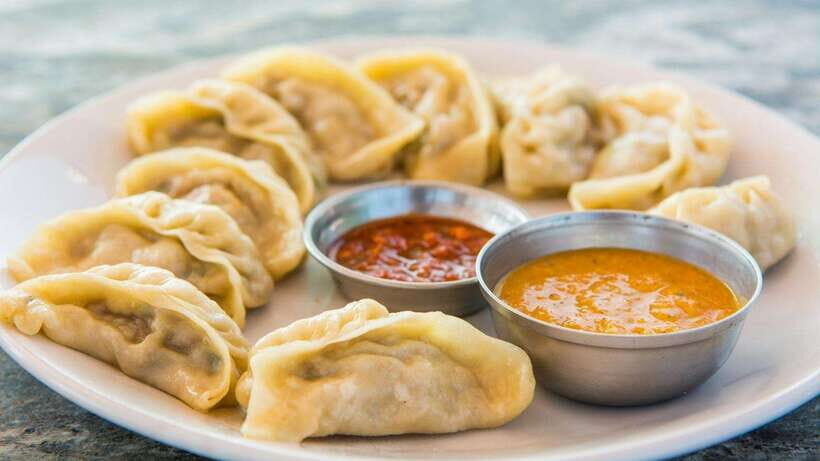
- A real Nepali home-kitchen feel with a local Aama chef instructor leading the class
- Small group size (up to 8) so questions don’t get lost
- You choose a focus: dal bhat or momo (with chicken or vegetarian fillings)
- Ingredient shopping time for vegetables, spices, and meat before you cook
- You eat the meal you make, plus Nepali masala tea during the lesson
- Optional keepsakes show up in some sessions, like a laminated completion certificate and Tika in the course flow
A Pokhara cooking class that feels like being invited in
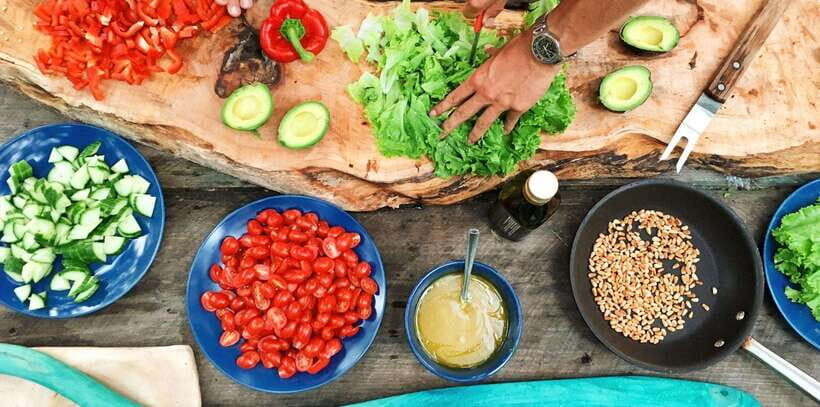
Pokhara is known for its lakes and laid-back pace, but this activity gives you something more hands-on than sightseeing. You’re not in a demo kitchen. You’re in a home-kitchen setting, guided by a local Aama (household head and chef instructor), and that changes the tone fast. The lesson is more personal, and the pace is steady enough that beginners can keep up.
You’ll also get a useful mix of practical cooking and cultural context. The class is set up to help you understand not just what to do, but why certain steps matter in Nepali cooking. That’s the difference between collecting recipes and actually learning technique.
And because it’s limited to a small group (up to eight), the instructor can pay attention to your chopping, your dough work, your simmering, and your questions—without turning it into a “line up and follow along” situation.
Other Nepalese cooking classes (momo, dal bhat) in Pokhara

Pickup, timing, and how the day fits around Lakeside
The schedule is simple: you’re picked up from your hotel in Pokhara with a name card, then you head to the cooking location and spend about 3 hours in total. At the end, you’re returned to Pokhara.
This matters more than it sounds. Short food experiences work best when they don’t chew up your whole day. Here, you get a full cooking lesson plus a meal without needing to rearrange your entire itinerary. If you’re staying in or near Lakeside, you’ll likely enjoy the fact that after the class you can get on with a lakeshore walk and an easy evening plan.
The practical side: wear comfortable clothes and closed-toe shoes you don’t mind getting stained. Cooking in a kitchen setting usually means standing, moving a bit, and working at a counter height that might feel different than your own home.
Market shopping first: where flavor actually starts
One of the best parts of the session is that it doesn’t treat ingredients like a checklist. Before you cook, you explore the local market to pick up vegetables, spices, and meat for the class. This is where your Nepali cooking lesson becomes real.
You’ll learn how ingredient selection affects results. Even if you can’t replicate the exact same brand of spices at home, you’ll understand the “why” behind the spice choices and what to look for when shopping. For example, Nepali curries and staples often rely on spice blends and fresh aromatics. Knowing what goes into the pot changes how you’ll cook next time.
Also, this adds a gentle cultural moment. You’re not just learning flavors in a vacuum. You’re seeing how the basics of Nepali food come together at ground level—what’s fresh, what’s available, and how a household meal gets built from real ingredients.
If you want photos, bring your camera. The market time gives you plenty of chances to capture the sights without it being forced.
Your cooking menu: dal bhat or momos (and why that choice matters)
This class gives you a meaningful decision: you can pick Dal Bhat or Momo as your main focus. Both are iconic, but they teach different skills.
Dal bhat: rice and lentil set logic
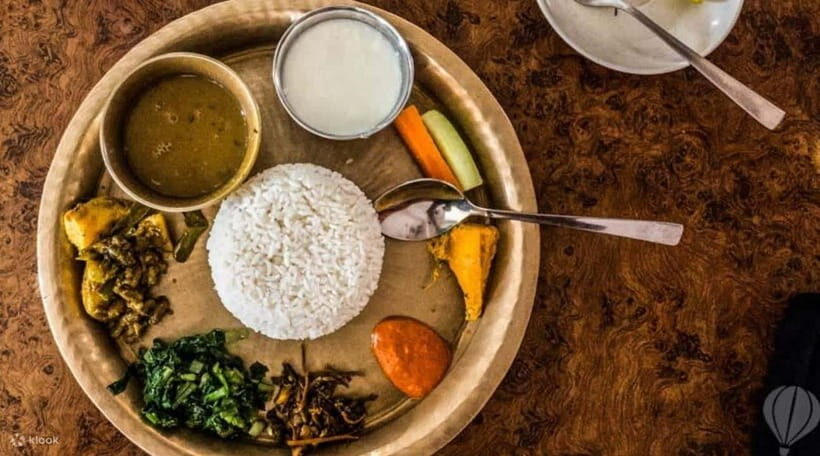
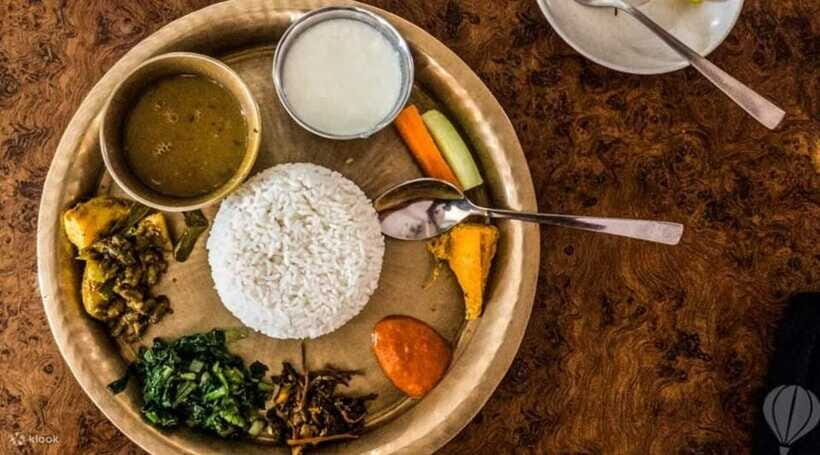
Dal bhat is a quintessential Nepali plate—rice paired with lentil soup (dal). In this class, the dal bhat option is a great choice if you want comfort-food technique: managing simmer, balancing seasoning, and understanding how the meal components work together.
Because dal bhat is a daily-style staple in Nepal, it’s also the dish that teaches you how Nepali dining is structured. You’re not chasing fancy presentation. You’re learning how the meal lands: warm rice, savory lentils, and the supporting flavors that make it satisfying.
Other cooking classes in Pokhara
Momo: dumplings with real technique behind them
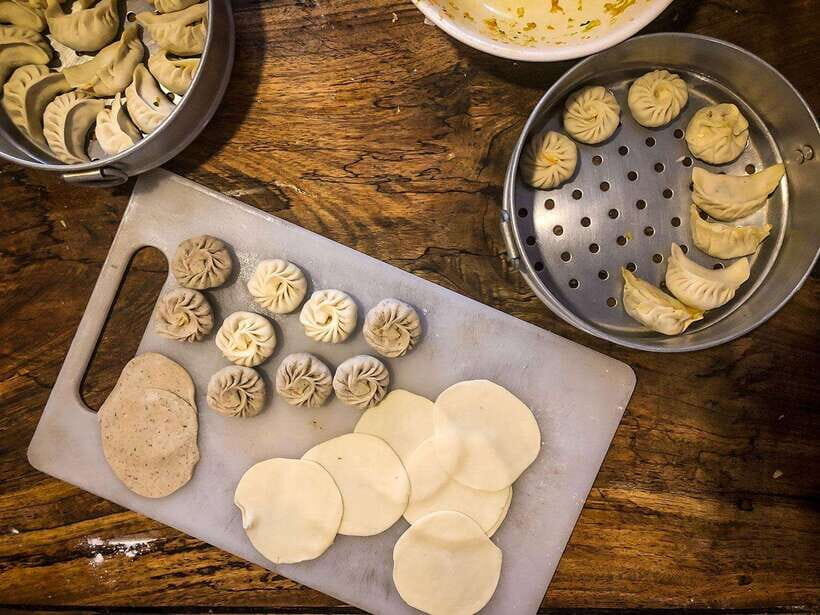
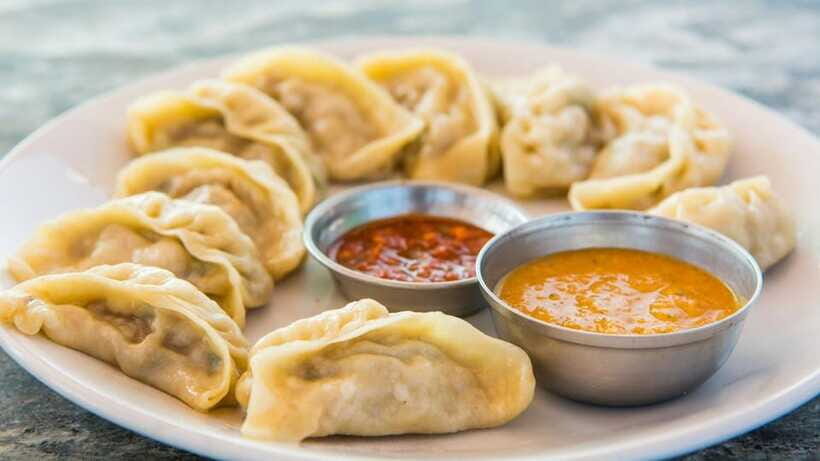
Momo is dumplings, and you’ll have a choice of chicken or vegetarian fillings. If you’re the type who enjoys food with texture—chewy wrappers, flavorful filling, and a satisfying bite—momo is the clear win.
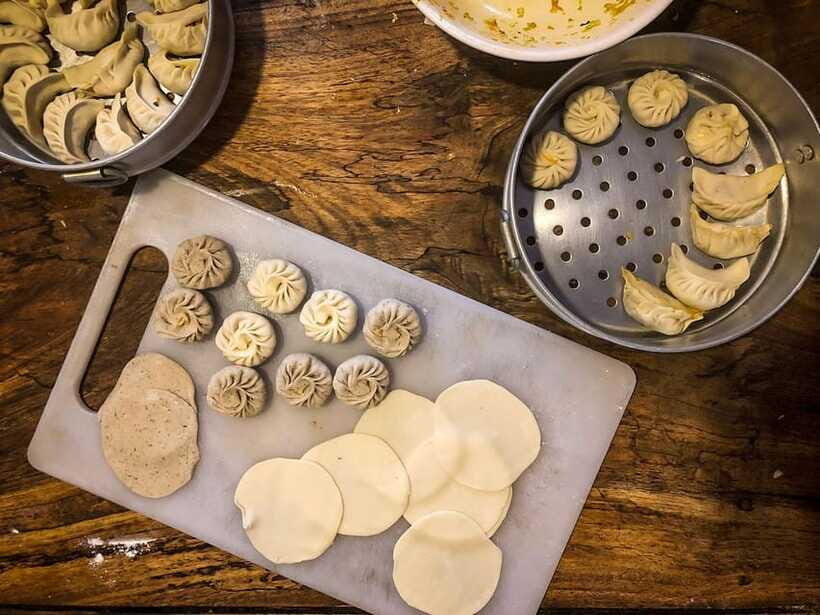
Momo-making teaches you dough handling, portioning, and shaping—skills you can reuse. And because dumplings are forgiving in a learning environment, they’re ideal when you want to feel accomplished quickly. You’ll get guidance from the kitchen head and work step-by-step.
Both options include more than one dish
Even if you choose one headline dish, the lesson includes other flavorful curries and familiar Nepali components. The goal isn’t to leave with just one recipe—it’s to leave with a mini understanding of how a Nepali meal is assembled.
In the home kitchen: what the Aama-led instruction feels like
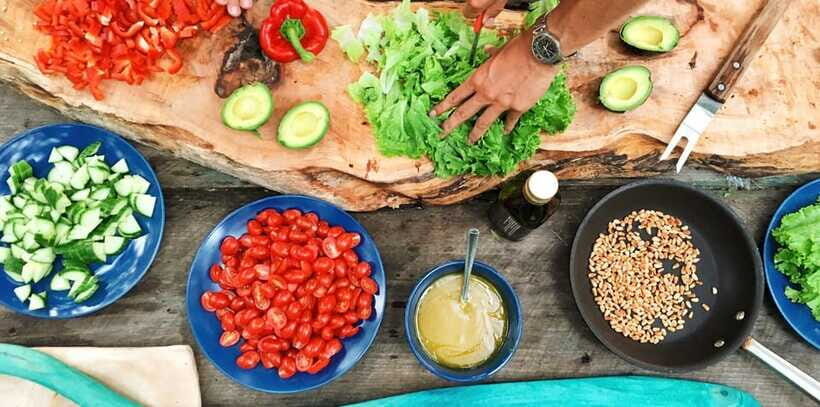
Once you reach the kitchen, the mood shifts from market browsing to cooking focus. You’ll be greeted with the aroma of spices and the warmth of the Aama chef instructor.
The instruction style is practical: step-by-step guidance, hands-on cooking, and plenty of time to follow along. You’re also tasting as you go, then sitting down for the full tasting/meal session of what you prepared.
Here’s what this setting does especially well: it makes you feel safe to ask basic questions. Cooking has lots of small moments—how soft dough should feel, how thick a curry should be, and how to season as you work. In a small group with an English-speaking instructor, you’re more likely to get clear answers instead of feeling rushed.
You’ll also learn the cultural significance of the dishes as part of the teaching. That can be as simple as understanding why a staple is paired with rice and how momo fits into everyday Nepalese eating. It turns dinner into something you can talk about, not just something you ate.
The meal and tea: why you don’t leave hungry (or empty-handed)
This workshop includes Nepali masala tea during the lesson. That small detail matters because it turns breaks into part of the experience instead of dead time. Tea also helps you reset your palate while you’re adjusting flavors.
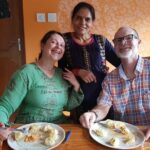
Then you eat a meal made from the dishes you prepared. This is one of the most direct ways the class delivers value: you’re not paying for instruction alone. You’re paying for groceries, equipment, teaching, and food at the same time.
If you’re on a food trip, this is a smart use of time. Many cooking classes teach you a lot and send you away with only a few bites. Here, the tasting and meal are built in—so you walk out satisfied and still carrying techniques you can repeat.
Price and value: what $42 really covers
At $42 per person for about 3 hours, the value comes from what’s included. The class covers hotel pickup and drop-off, a local Aama instructor, step-by-step cooking instruction, and all ingredients and equipment. You also get the meal you make and Nepali masala tea.
So you’re not just paying for “a cookery afternoon.” You’re paying for transportation, market ingredient sourcing, and hands-on teaching that includes equipment and food. For many travelers, that’s the difference between feeling like you bought a ticket and feeling like you bought a full experience that feeds you and teaches you.
Also, the small group size (up to 8) usually means better teaching attention per person. That’s hard to measure, but you’ll feel it in how quickly you get help when you’re shaping dumplings or adjusting seasoning.
Who should book this workshop (and who might want to skip)
You’ll like this class if you want a practical, beginner-friendly introduction to Nepali cooking—especially if you’re interested in momo technique or dal bhat basics. The format works well for food enthusiasts and also for people who don’t cook much but want an approachable, guided experience.
It can be a great fit for:
- Couples or small groups who want a shared activity
- Solo travelers who like meeting a small group and getting hands-on
- Anyone who wants more than a restaurant meal and prefers to learn the process
It’s not a fit if:
- You have food allergies (not suitable, based on the activity info)
- You want a hands-off tasting-only tour rather than actual cooking
Practical tips to get the most from your session
A few simple things will make your cooking time smoother.
- Wear clothes you can move in and that tolerate spice and heat.
- Bring a camera if you want photos of the kitchen, market ingredient picks, and your finished food.
- If you have dietary restrictions, tell the instructor in advance.
- Expect a real kitchen rhythm: you’ll stand, chop, stir, shape, and follow instructions closely.
One small advantage of this kind of workshop is that you can choose your dish focus. If you’re craving street-food energy, pick momos. If you want comfort-food structure, pick dal bhat.
Final verdict: should you book the Pokhara momo and dal bhat class?
Book it if you want a short, high-impact food experience that includes pickup, teaching, ingredients, and the meal—while learning in a genuinely local home-kitchen setting with an Aama chef instructor. It’s especially compelling if you’re torn between dishes and want to end the day knowing how Nepali staples are actually put together.
Skip it if you’re dealing with food allergies, or if cooking is not your thing at all. In that case, a restaurant meal alone might suit you better.
If you’re visiting Pokhara and you care about food beyond taste—technique, ingredients, and how everyday Nepali meals work—this is the kind of class that gives you something lasting. You’ll eat well that day, and you’ll carry a few cooking skills home with you.
FAQ
How long is the Pokhara Nepali cooking class?
The duration is 3 hours.
What is the price per person?
The price is $42 per person.
Do I get hotel pickup and drop-off?
Yes. Hotel pickup and drop-off are included, and pickup is arranged from your hotel using a name card.
Is the class taught in English?
Yes. The instructor speaks English.
What dishes can I cook?
You can choose between Dal Bhat or Momo. The class also includes other flavorful curries, and momo can have chicken or vegetarian fillings.
Is Nepali masala tea included?
Yes. Nepali masala tea is included during the lesson.
Is this class suitable for people with food allergies?
No. The activity is not suitable for people with food allergies.
What should I bring with me?
Bring a camera and wear comfortable clothes suitable for cooking.
Is alcohol included?
No. Alcoholic beverages are not included.