REVIEW · POKHARA
Pokhara: Poon Hill Ghorepani Short Trek
Book on Viator →Operated by Fewa Trail Treks and Expedition Pvt Ltd · Bookable on Viator
Pokhara’s Poon Hill trek is a fast ticket to real mountain views. What makes this one work is the short duration plus the logistics that keep you moving without chaos: you get 2 nights in a guesthouse, national park fees and trekking permits are included, and you’re guided safely by someone who knows both the scenery and the smart way to handle emergencies. I like the private-tour feel (personal attention, not a cattle-car group), and I also like that the route still delivers forest walking, rural village rhythm, and that big early-morning payoff. One thing to consider: this is moderately difficult, so you’ll want a solid walking base, and you’ll also be up very early on day 3.
I’ve also learned to watch for how a guide treats the trip tempo. In this trek, the guide approach really stands out—Dodi is described as friendly and caring, attentive to needs, yet professional enough to give you space when you need it. That matters on a short trek, where comfort and pacing can make or break the experience.
Finally, the value is easiest to see when you do the math on what’s included. At $290 per person, you’re not just buying views—you’re covering guide support, transfers (sharing jeep or bus), 2 nights of guesthouse accommodation, and permits (ACAP and TIMS). Meals and drinks are not included, so you’ll plan for food budgeting during the trek and at guesthouses.
In This Review
- Key things that make this Poon Hill trek worth your time
- Why Poon Hill is the easiest Himalayan hit from Pokhara
- Day 1 to Tadapani: drives first, then your first trekking day
- Day 2 to Ghorepani: forests, farming hills, and guesthouse night
- Day 3 from Ghorepani to Poon Hill: the 4:00 AM sunrise run
- Price and logistics: what $290 buys (and what it doesn’t)
- The guide factor: why Dodi’s style matters on a short trek
- How hard is it really? Moderate trekking that still asks for effort
- What to expect at each stop: scenes, timing, and realities
- Tips that make this trek smoother (especially in the cold morning)
- Should you book this Poon Hill short trek?
- FAQ
- Is pickup and drop-off included?
- How many nights of accommodation are included?
- Are the trekking permits and national park fees included?
- What is the duration of the trek?
- What time do we start the Poon Hill sunrise part?
- What if I need to cancel?
Key things that make this Poon Hill trek worth your time
- Permits and national park fees are included, so you don’t have to chase paperwork mid-plan
- 2 nights of guesthouse accommodation are built into the trek, not tacked on later
- Private tour with a professional trekking guide means you get help and flexibility, not just a route
- An efficient Pokhara-to-trail transfer via highway and shared jeep keeps wasted time down
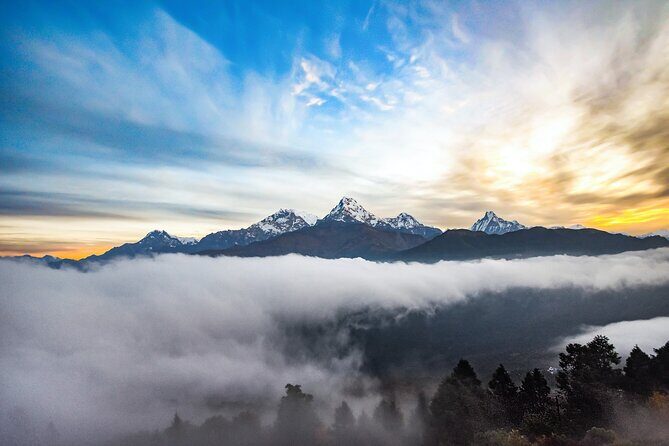
- Sunrise at Poon Hill (3210 m) is the big payoff, with an early 4:00 AM start
- A moderate fitness level fits the design, so active walkers can keep it enjoyable
Why Poon Hill is the easiest Himalayan hit from Pokhara
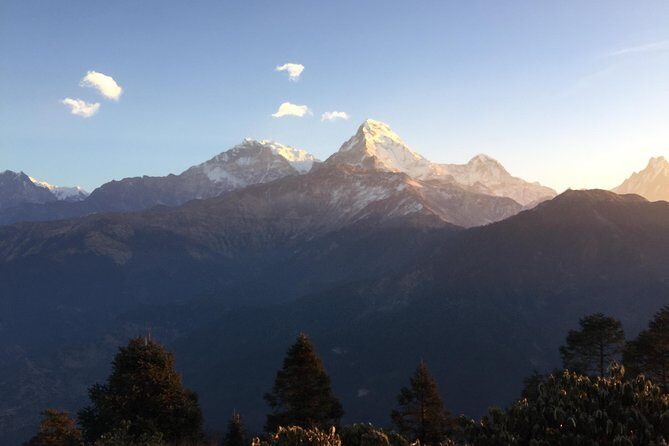
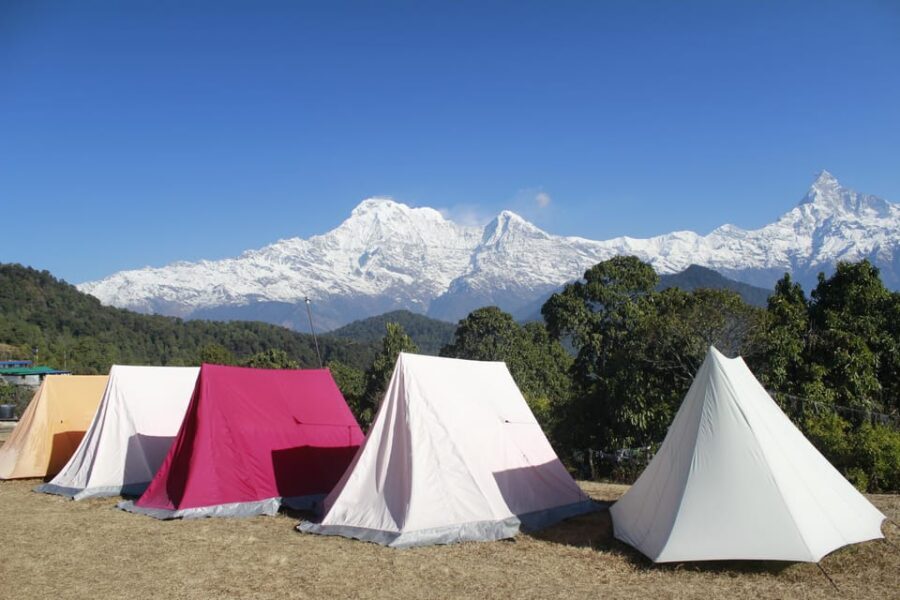
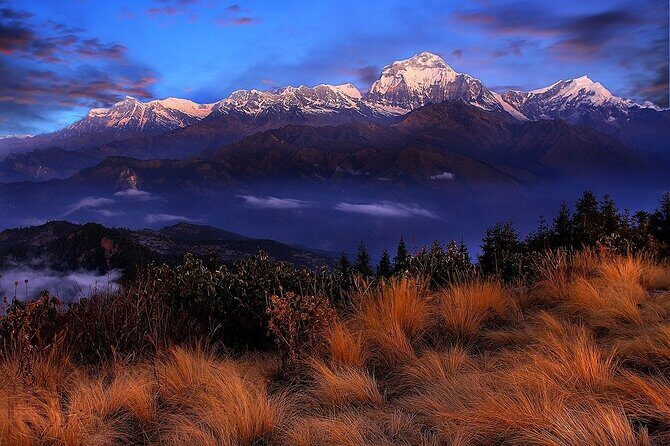
If you want Himalayan views but don’t want a multi-week commitment, Poon Hill is one of the best options in Nepal. The attraction is simple: you hike into the Annapurna Range views without needing months of endurance training. You’ll still get that classic trekking rhythm—forests, hills, farm villages, tea-house style rests—without the long-haul “survival expedition” vibe.
What I like most is how the trek balances effort and reward. The walking days aren’t presented as a beginner stroll, but they’re not framed as extreme either. That moderate difficulty is a key selling point for you if you’re active and want something challenging enough to feel like a real trek, yet short enough that you’re not drained before the best views.
And because this starts from Pokhara, you don’t have to rearrange your whole life to reach the mountains. The tour includes pickup and drop-off, plus transfers to the trailhead. In practical terms, that means less stress when your legs are fresh—and that matters on a 3-day trip where there’s no room for wasted time.
Other Ghorepani and Poon Hill treks in Pokhara
Day 1 to Tadapani: drives first, then your first trekking day
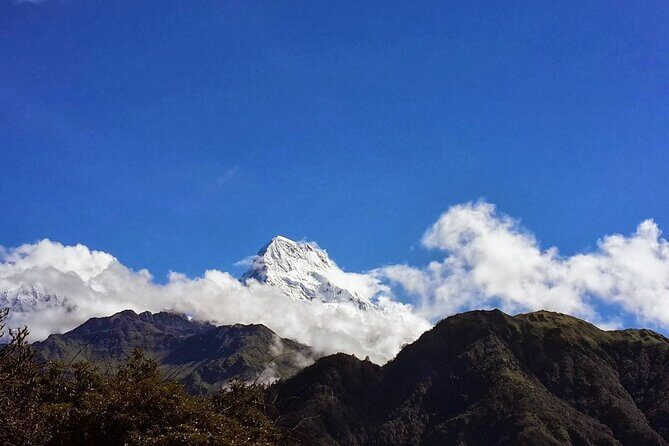
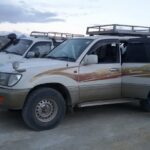
Day 1 begins with a meet-up at your hotel lobby in Pokhara. From there, you move by car to the trail area: a scenic highway drive to Nayapul takes about 1.5 hours, then you switch to an off-road shared jeep up toward Kimche for around another hour.
These early transfers might not look glamorous on paper, but they’re a huge part of why this trek is so convenient. You’re compressing travel time so your first real effort is concentrated. And that off-road jeep section tells you something important about the route: the trek area isn’t flat suburb hiking—it’s country terrain, which is exactly what makes the scenery feel more real.
After the drives, you trek toward Tadapani and settle in for your first night. Your day includes a total on-the-go window listed at about 7 hours, so expect a long day where pacing matters. If you’re the type who starts too fast because you’re excited, day 1 is where you can gently train yourself to keep energy for tomorrow’s longer walking.
What you should know before you go: on a short trek, your body learns quickly. The smartest plan is to walk at a steady pace rather than “rush to get it over with.” You’ll arrive fresher, and you’ll sleep better, which pays off on the sunrise day.
Day 2 to Ghorepani: forests, farming hills, and guesthouse night
Day 2 is where the trek starts feeling like proper trekking country. You begin through forests, and you should get impressive Annapurna views along the way. The walk is listed at roughly 6 hours to reach Ghorepani, with an overnight stay in a guesthouse.
I like this day because it’s the bridge between travel mode and summit-reward mode. You’re not just trekking in the dark or rushing to a single viewpoint. Instead, you get hours of changing scenes: green hills, tree cover, and open sightlines when the mountains decide to show themselves.
Ghorepani is a base that works for two reasons. First, it places you in position for the sunrise push. Second, it gives you time to reset—rest, hydrate, and eat before the early morning. On a 3-day itinerary, guesthouse comfort isn’t a luxury; it’s part of your performance.
Potential drawback to keep in mind: a forested hike can mean damp patches and cooler air under canopy. Even when the weather is mostly fine, your feet can feel different by mid-day. Pack for comfort and plan to move smartly, not just fast.
Day 3 from Ghorepani to Poon Hill: the 4:00 AM sunrise run
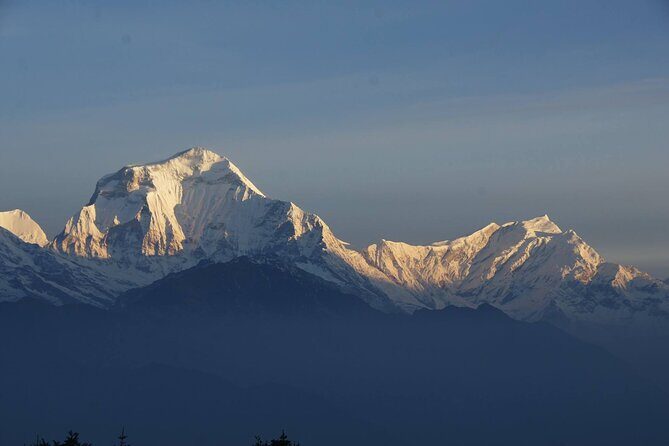
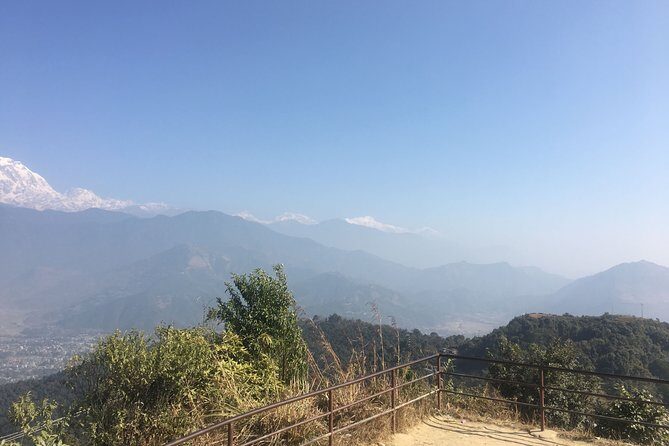
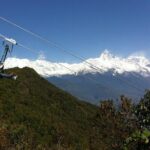
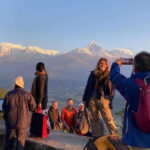
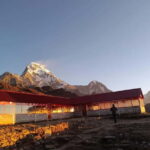
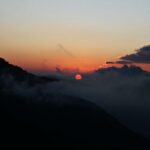
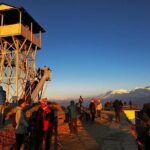
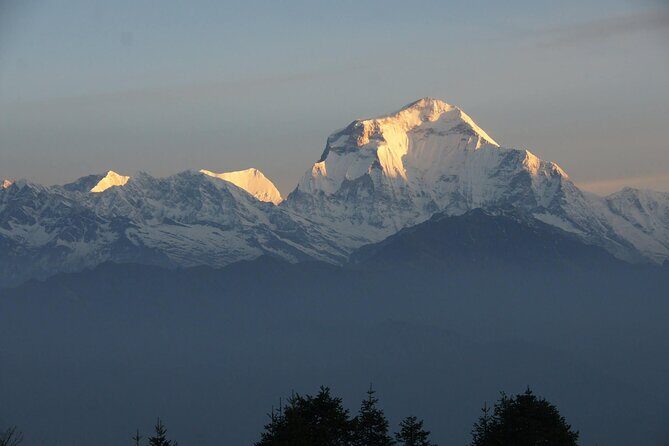
This is the signature moment. You wake up early at 4:00 AM, trek about 45 minutes to the top of Poon Hill at 3210 meters, then enjoy panoramic views of the Annapurna ranges at sunrise. After that, you descend back toward Ghorepani.
Let’s talk about why this early schedule is worth it, and why it can also be annoying. Sunrise hiking feels intense in the pre-dawn hours, but it’s also when you’re most likely to get clear mountain visibility. And when it works, it’s exactly the kind of payoff that makes the whole short trek feel “just enough.”
The descent is also important. Going up gives you the view. Going down keeps the trek within the 3-day package without turning it into an all-day grind. So you’re not stuck slogging around forever on day 3.
Practical timing note: expect your morning to feel like a small mission—quick breakfast or a grab-and-go, headtorch/flashlight if needed, warm layers, then the short climb. If you’re someone who hates waking early, this is the one trade-off you should accept before you book.
Price and logistics: what $290 buys (and what it doesn’t)
At $290 per person, you’re paying for a setup that covers the “hard-to-organize” parts of trekking. The included items are substantial:
- 2 nights accommodation in guesthouses
- trekking permits (ACAP and TIMS) and national park fees
- professional trekking guide
- private tour
- hotel pickup and drop-off
- round-trip transfer by sharing jeep or bus
That’s a lot of moving parts bundled together, which is where value lives on short trips. You’re not just paying for the hike; you’re paying for routing, safety support, and the permission paperwork that keeps everything legal and smoother on the ground.
What’s not included is food and drinks. That’s normal for many treks, but it changes your budgeting. You’ll want to plan for meals along the way and factor in water and warm drinks at guesthouses. If you’re used to buying your way through tourism, treat this as a chance to slow down and eat what’s available on the trail—usually simple and filling.
Other hiking tours in Pokhara
The guide factor: why Dodi’s style matters on a short trek
Short treks leave little room for “figuring it out.” That’s why the guide style is more than a nice perk. In the experience I’m basing this review on, Dodi is specifically described as friendly, caring, and attentive, with a warm professional approach. The same feedback highlights that he doesn’t hover—he gives you space when you need time.
In practical terms, that shows up in pacing and comfort:
- If someone feels slower, the guide can adjust without making it awkward.
- If you want breaks for photos or rest, you’re not rushed.
- If something feels off (weather, footing, energy), you’ll get real guidance instead of guesswork.
For you, that means less stress. On a 3-day trek, “stress” costs more than extra effort. A good guide keeps your day moving, but also keeps it sane.
How hard is it really? Moderate trekking that still asks for effort
The trek is described as moderately difficult, suited to active travelers. Translation: you should feel comfortable walking for hours on uneven terrain, climbing uphill stretches, and handling early morning starts without collapsing.
You don’t need to be an ultra-athlete. But you do need to be honest about your fitness. If you’re used to casual sightseeing walks only, you may find day 2 and the early day 3 climb demanding. If you can do regular hikes at home or at least brisk walks with hills, you’ll likely enjoy the trek more than you suffer through it.
Also, altitude is part of the story. You reach Poon Hill at 3210 meters. The climb is short, but your body still notices altitude. The smart move is to keep your effort steady rather than sprinting upward.
What to expect at each stop: scenes, timing, and realities
Here’s the vibe you can anticipate, stop by stop, without the fairy dust:
Tadapani (Day 1)
You arrive after the drives and a long walking day. Expect a full day on your feet, then the payoff of a night at a guesthouse so you can sleep and reset.
Ghorepani (Night 1 and base for sunrise)
This is where you position yourself for the early summit push. The trekking route includes forest walking and views, and you end day 2 ready for an early wake-up.
Poon Hill (Day 3 sunrise)
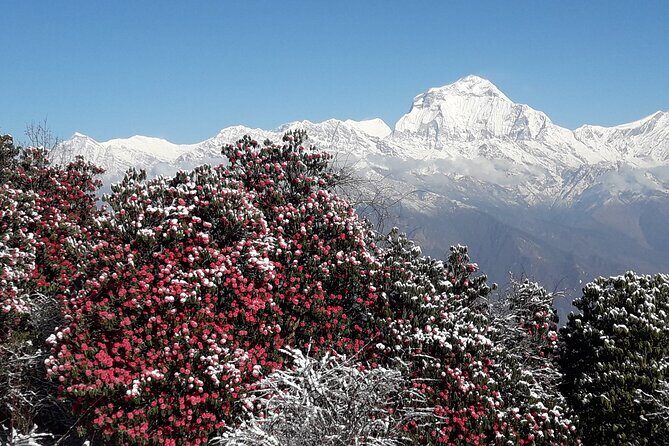
The big event is the sunrise timing. The climb is relatively short, but you need to be ready for cold early morning air and low light. Once you’re up top, you’ll take in wide panoramic views of the Annapurna ranges, then descend back for the rest of the day.
One subtle reality: on short treks, the schedule is tight. So bring patience. The “short and sweet” format is great, but it doesn’t leave room for lingering for hours if you fall behind.
Tips that make this trek smoother (especially in the cold morning)
You’ll get the best experience if you plan a little for comfort.
- Pack warm layers for sunrise. Even if daytime is mild, early morning at height can feel chilly.
- Wear shoes you trust for slippery or uneven paths. Forest sections and descents are where foot problems start.
- Bring a simple day plan: water, a snack, and an easy pace.
- Don’t forget that meals aren’t included. Plan for cash/card depending on what the guesthouse can handle and how you like to eat.
Also, if you’re sensitive to waking early, sleep strategy matters. Day 1 is your best friend for rest—don’t stay up late in your guesthouse “because you can.”
Should you book this Poon Hill short trek?
If you want the Annapurna views without a big time commitment, this trek is a strong match. I’d book it if you’re active, you like the idea of a sunrise viewpoint, and you want a guided route that handles permits, fees, and transfers for you. The private tour and guide attention (with Dodi’s described warm, professional style) are extra reasons the trip feels more personal than “just join a group.”
I’d think twice if waking up at 4:00 AM feels like a deal-breaker, or if you’re not comfortable walking uphill for multiple hours on uneven paths. The trek is labeled moderately difficult for a reason.
FAQ
Is pickup and drop-off included?
Yes. The tour includes hotel pickup and drop-off in Pokhara.
How many nights of accommodation are included?
Two nights of accommodation in guesthouses are included.
Are the trekking permits and national park fees included?
Yes. National park fees and trekking permits are included, including ACAP and TIMS.
What is the duration of the trek?
It runs for about 3 days.
What time do we start the Poon Hill sunrise part?
You wake up early at 4:00 AM for the trek to Poon Hill.
What if I need to cancel?
You can cancel up to 6 days in advance for a full refund, and a partial refund may be available if you cancel 2–6 days before the experience starts.