REVIEW · POKHARA
Mardi Himal Base Camp Trek (5 Days)
Book on Viator →Operated by Nepal_first · Bookable on Viator
Mardi Himal hits hard in just five days. I love the calmer feel compared with bigger routes and the chance for big mountain views without a huge time commitment. The main drawback to plan for is early mornings plus weather that can hide the views if fog rolls in.
On this trek, you walk through the Annapurna Conservation Area, stay in simple tea houses, and hike with a local guide who knows the trails and the rhythm of the mountains. In the guidance I saw in feedback, names like Madhav and Madu came up often, and that usually means logistics are handled and you can focus on your step and the scenery.
In This Review
- Key Highlights I Think You’ll Really Notice
- Mardi Himal Base Camp in 5 Days: The Calm Alternative to Annapurna
- Value and Inclusions: What $480 Buys You (and What It Doesn’t)
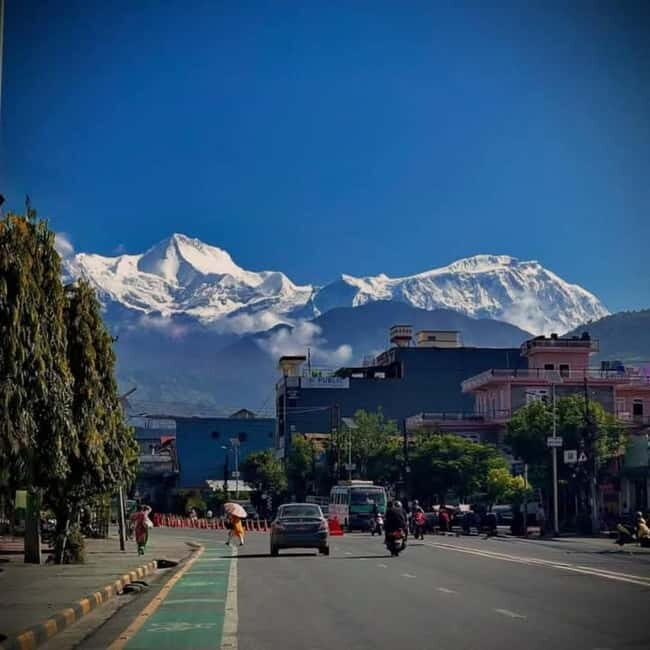
- Getting to Pokhara Lakeside and Starting Smart
- Walking from Khande to High Camp: The 5-Day Experience
- Day 1: Pokhara Lakeside to Forest Camp (about 6 hours)
- Day 2: Forest walking toward Badal Dhanda (about 6 hours)
- Day 3: High Camp (about 5 hours)
- Day 4: Sunrise push to Mardi Himal Base Camp (about 6 hours)
- Day 5: Hike back to Sidhing and return to Pokhara (about 8 hours)
- Teahouses, Food, and the Rhythm of the Trek
- Guide Factor: Pace, Culture, and Practical Calm
- Gear, Porter Choices, and How to Stay Comfortable
- Crowds, Weather, and When Mardi Himal Makes Sense
- Should You Book the Mardi Himal Base Camp Trek?
- FAQ
- How long is the Mardi Himal Base Camp Trek?
- Where does the trek start in Pokhara?
- Is pickup offered?
- What permits are included?
- What’s included in the tour price?
- Is this a private tour?
Key Highlights I Think You’ll Really Notice
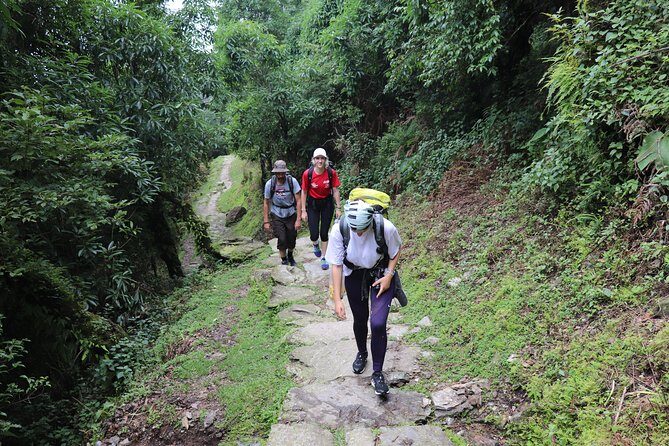
- Fewer crowds than the more famous base-camp treks so you get quieter hiking time.
- Sunrise push toward Mardi Himal Base Camp, with a backup viewpoint plan if needed.
- Tea-house nights at Forest Camp and on higher stops for a classic, low-stress rhythm.
- High Camp 360-degree views when the sky cooperates.
- Private group experience with your own schedule and pace.
Mardi Himal Base Camp in 5 Days: The Calm Alternative to Annapurna
Mardi Himal is one of those treks that feels made for people who want the Himalaya without turning every trail into a human traffic jam. You still get real mountain drama—big ridgelines, sharp silhouettes, and those moments where the sky looks dangerously close—but you’re less likely to feel swallowed by crowds.
You’ll also notice how the route is built for a short trip. Five days is not a typo: you’re doing real trekking time, but it’s set up so you can enjoy the journey and still be back in Pokhara with energy to spare.
The vibe is also “watch the landscape, not the clock.” Daytime is mostly hiking at a moderate pace, then mornings get serious when sunrise is the goal.
Other Mardi Himal treks reviewed in Pokhara
Value and Inclusions: What $480 Buys You (and What It Doesn’t)
For $480 per person, the best value part is what’s included on the mountain. Your price covers the essentials that can quietly add up: permits (TIMS and ACAP/Annapurna Conservation Area Project), food, and accommodation on the trek, plus private transportation.
Here’s what you’re covered for:
- All fees and taxes
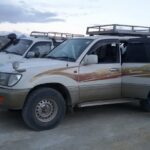
- Private transportation
- Permits (TIMS and ACAP)
- Food and lodging during the trek (breakfast, lunch, dinner)
- Pickup offered and a mobile ticket
What’s not included:
- Trekking equipment
- Porter services
- Personal expenses
So the “real” value question for you is this: do you want help with logistics and meals while you focus on hiking? If yes, this price makes sense. If you already have gear, love managing routes yourself, and plan to carry everything without support, a cheaper DIY option might exist. But most people doing Mardi Himal for views and simplicity end up preferring a guided, package-style approach.
Getting to Pokhara Lakeside and Starting Smart
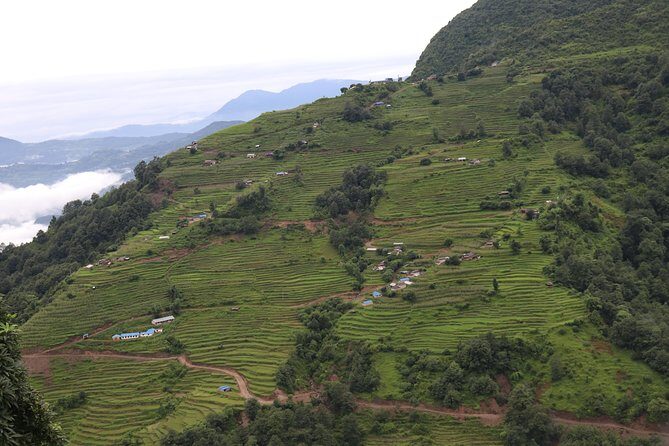
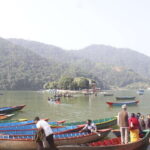
Your trekking story starts in Pokhara, early from Lakeside. You begin the day before the heat and crowds fully show up, then get to the trail entrance area via a ride. The first day sets the tone: start early, walk steadily, and let the mountains take over your attention.
This matters more than you might think. With sunrise goals later, the trek runs on an early schedule. Starting well on day 1 helps you avoid the classic trap of feeling tired before the altitude work begins.
Also, this is a private tour/activity, meaning you’re not stuck blending into a mixed group with strangers. Your experience stays more personal, and your guide can adjust pace for your group.
Walking from Khande to High Camp: The 5-Day Experience
The route is short, but it’s not a casual stroll. Think of each day as a step higher in both elevation and payoff—forest walking, then ridgeline views, then that sunrise morning you’ll remember.
Day 1: Pokhara Lakeside to Forest Camp (about 6 hours)
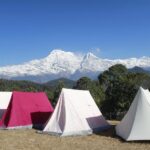
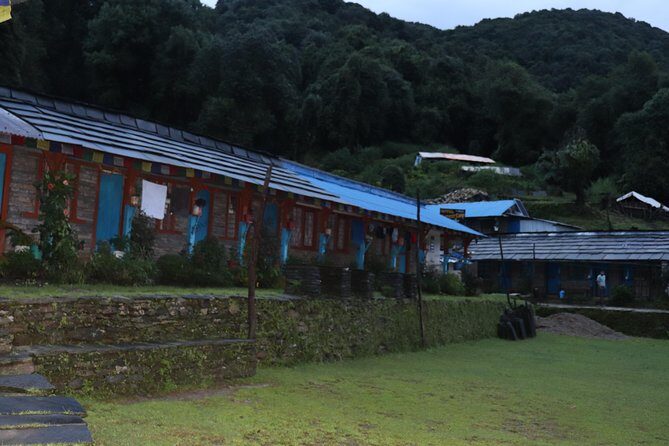
You leave Pokhara Lakeside early and travel to Khande to begin trekking. From there you hike to Forest Camp, where you sleep in a local tea house.
Why this day is important: Forest Camp gives you an easy landing. It’s not all about “getting there fast.” It’s about settling into the trekking rhythm—walking time, tea-house time, and enough recovery to be ready for the next push.
What to watch for: this is the day your legs learn the routine. If you start too fast, you’ll feel it later when the trek tilts upward.
Other hiking tours in Pokhara
Day 2: Forest walking toward Badal Dhanda (about 6 hours)
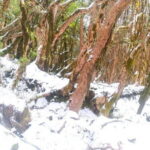
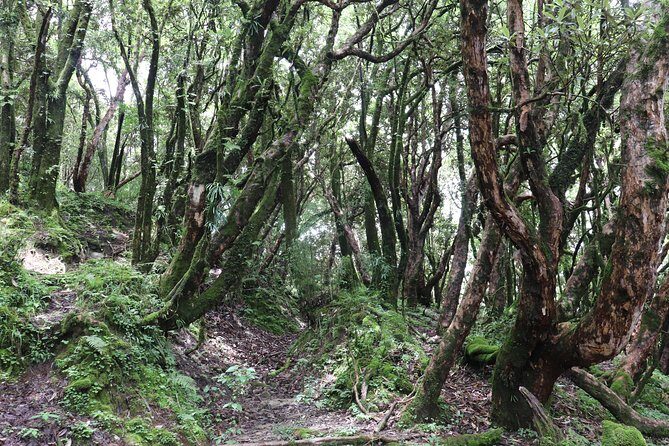
After breakfast, you trek toward Badal Dhanda. This segment is described as jungle and forest walking in the Annapurna Conservation Area—trees, some wildlife chances, and plenty of quiet.
This is the day you feel the trek’s calmer side. Fewer people on the trail means you can actually hear wind through trees and pick out birdsong instead of only footsteps.
Possible drawback: forests also mean your view moments may be limited. The “reward” here is the atmosphere—shade, calm, and a sense of leaving the busy world behind.
Day 3: High Camp (about 5 hours)
Day 3 is where you start stepping into the bigger view territory. You march toward High Camp, a trek segment that takes about 4–5 hours.
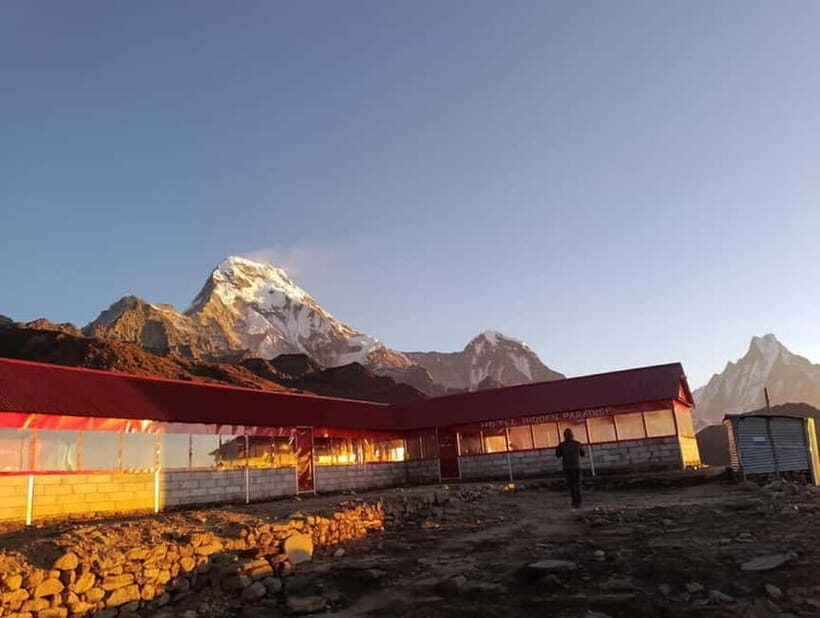
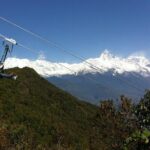
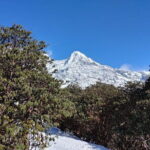
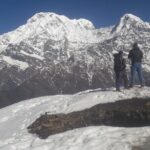
The payoff is described as 360-degree views across the Annapurna Conservation District and the Himalayan mountains. When weather is clear, High Camp can feel like the moment the whole route clicks into place: you finally see what you’ve been hiking toward.
If weather turns gray, don’t panic. You’re still at a higher point, and the tea-house evening usually gives you a chance to regroup and wait out fog.
Day 4: Sunrise push to Mardi Himal Base Camp (about 6 hours)
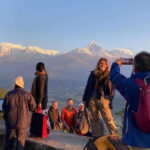
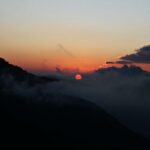
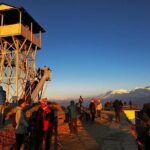
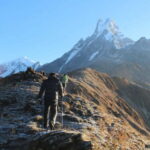
This is the headline day. You start very early—around 4:00 to 4:30 AM—to reach Mardi Himal Base Camp for sunrise. If you can’t make base camp before the first light, there’s a backup plan: you trek to a nearby viewpoint for the best possible views.
This timing is a big part of why people love this trek. Watching sunrise from the high ground changes the whole day. It also changes how you feel on the trail after that, because you’ll be walking with a sense of having already “done the hard part.”
Important consideration: early starts plus fog happen. One experience described foggy conditions at the beginning, but the trek still delivered strong views later. So go in with patience, not just a checklist.
Day 5: Hike back to Sidhing and return to Pokhara (about 8 hours)
On the final day, you start trekking back to Pokhara, beginning early again. You head toward Sidhing, then catch your ride back to Pokhara.
This day is longer—about 8 hours. It’s not technical, but it’s a steady walking day. I like to treat day 5 like a victory lap: keep your pace comfortable, stop when you need water, and enjoy the shift from altitude back to town life.
Teahouses, Food, and the Rhythm of the Trek
One of the simplest reasons this trek works well for first-timers and time-crunched travelers is that it includes food and accommodation on the trek. You’re not spending your mental energy figuring out meals at every stop.
The package includes:
- Breakfast (4)
- Lunch (4)
- Dinner (4)
- Accommodation on the trek
Tea houses are basic by design, so the comfort level won’t be like a hotel. But it’s the right kind of basic: enough warmth, a place to eat, and a bed so you can wake up and hike again.
This is also a trek where guide knowledge helps. In feedback, guides like Madhav/Madu were praised for sharing ideas about what you see and even suggesting food options from the forest area. That kind of guidance doesn’t change the trek map, but it changes your day-to-day experience.
Guide Factor: Pace, Culture, and Practical Calm
A trekking guide can make the difference between walking through scenery and actually understanding it. In the feedback you provided, the common theme is that guides take your pace seriously and explain what you’re seeing along the way.
Names you’ll see repeatedly include:
- Madhav
- Madu / Madhu (different spellings show up, but the same guide presence appears across feedback)
You also see a logistics strength in the way guides helped coordinate things like routes and local travel connections. Even when you’re staying focused on the trail, you don’t want to spend your limited vacation time solving transport puzzles.
One practical tip for you: pick a pace that matches your comfort, and tell your guide early. When your guide knows your interests and energy level, the trek becomes more enjoyable and less about pushing.
Gear, Porter Choices, and How to Stay Comfortable
Your price does not include trekking equipment or porter services. That means you’ll want to plan your own pack reality.
If you carry your own bag:
- Keep it light enough that your shoulders don’t take over by day 3 or 4.
- Focus on moisture management and comfortable footwear.
If you prefer less carrying:
- Consider adding a porter if it fits your budget and preferences. The package doesn’t include it, but the option exists based on how the trek is presented.
The “moderate physical fitness” note is also worth respecting. Mardi Himal is short, but you’re still hiking for multiple days with uphill walking and early starts. If you’re comfortable walking daily at a steady pace at home, you’re likely in the right ballpark.
Crowds, Weather, and When Mardi Himal Makes Sense
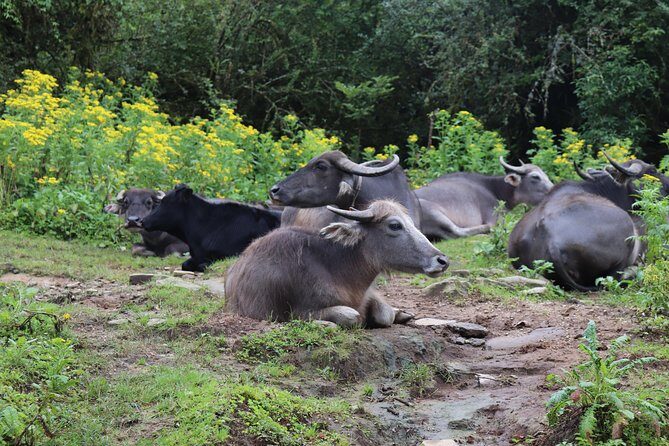
Compared with the bigger base camp treks, Mardi Himal is described as less populated. That matters. Fewer people means less noise, fewer delays at popular photo spots, and more chances to hike in calm stretches.
Weather is the other big variable. This trek requires good weather, and there’s a plan if poor conditions cancel the experience: you’ll be offered a different date or a full refund.
Fog can also affect visibility. One account mentioned foggy weather early on, yet the trip still ended with strong views later. That’s a reminder to stay flexible. If you can’t see everything at first, keep moving—the mountains often reveal themselves when conditions shift.
Should You Book the Mardi Himal Base Camp Trek?
I’d book this trek if you want:
- A short, high-reward Himalayan experience
- Less crowd pressure than the more famous routes
- A guided, logistics-handled plan with food and lodging included
- Sunrise as a real goal, not just a maybe
I’d think twice if:
- You hate early mornings
- You’re unwilling to carry your own gear (since porters aren’t included)
- You want a guaranteed clear-view sunrise no matter what the sky does
If you’re the type who likes calm trails, clear goals, and mountain views that feel close enough to touch, Mardi Himal is a strong choice.
FAQ
How long is the Mardi Himal Base Camp Trek?
It runs for 5 days (approx.).
Where does the trek start in Pokhara?
You start from Pokhara Lakeside early in the day.
Is pickup offered?
Yes, pickup is offered.
What permits are included?
Your permits include TIMS and the Annapurna Conservation Area Project (ACAP).
What’s included in the tour price?
The price includes all fees and taxes, private transportation, permits (TIMS and ACAP), and food and accommodation on the trek, including 4 breakfasts, 4 lunches, and 4 dinners.
Is this a private tour?
Yes. It’s a private tour/activity, so only your group participates.