REVIEW · POKHARA
Pokhara: 2-Day Ullerai, Ghorepani & Poon Hill – Sunrise Trek
Book on GetYourGuide →Operated by Snow Peak Tours and Travels pvt. ltd. · Bookable on GetYourGuide
Pokhara to Poon Hill in two days is a sweet deal for your legs and your camera. You’ll ride into the Annapurna region, hike through rhododendron forests, and end with that magic sunrise over the Dhaulagiri–Annapurna skyline. I especially like how this trip gives you big-mountain drama without a huge time commitment.
What I also like is the human side: you’re not just walking from signpost to signpost. Your guide helps you make sense of what you’re seeing—mountains, village life, and local culture—while the overnight stop in Ghorepani keeps things cozy and manageable. The main thing to consider is the cold early morning at altitude; you’ll want warm layers and patience before the sun shows up.
In This Review
- Key Things I Think You’ll Really Notice
- Why This Poon Hill Sunrise Trek Works So Well
- Pokhara Start: Pickup and the Scenic Ride Into the Annapurnas
- Ulleri: The Viewpoint Village That Gets You Ready
- The Hike to Ghorepani Through Rhododendron and Oak Forest
- Ghorepani Teahouse Night: Simple Comfort and Real Mountain Pace
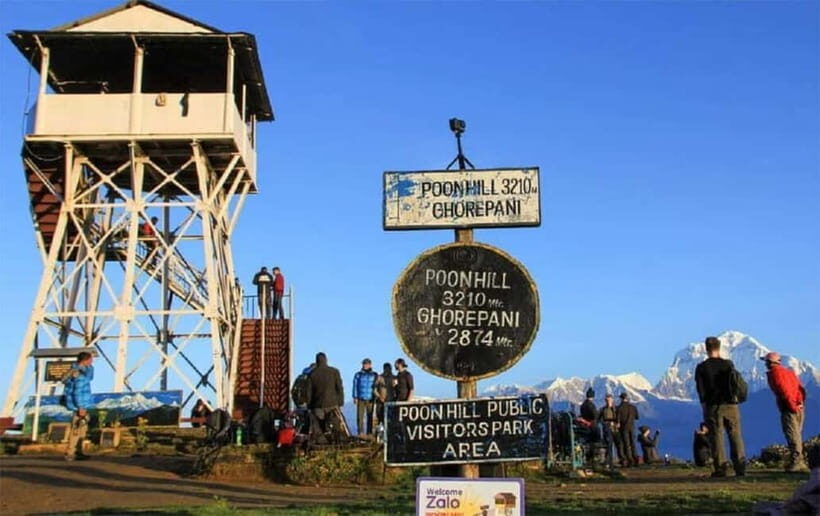
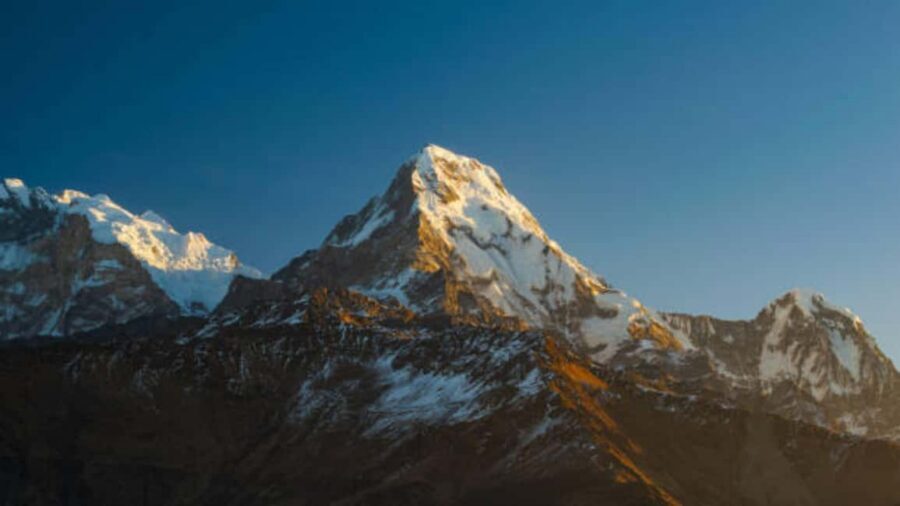
- Poon Hill Sunrise: The Golden Moment at 3,210 m
- The Descent Back to Ulleri and Your Return to Pokhara
- Guide, Permits, and the Real Value of $108
- What to Pack (So the Trek Stays Fun)
- How Tough Is It, Really?
- Should You Book This 2-Day Poon Hill Trek?
- FAQ
- What are the dates and duration for this Poon Hill trek?
- Where does pickup happen in Pokhara?
- How do you get from Pokhara to the trekking starting point?
- Is accommodation included?
- What meals are included?
- Do I need permits for the trek?
- What kind of guide will I have?
- What should I bring for sunrise and cold weather?
Key Things I Think You’ll Really Notice
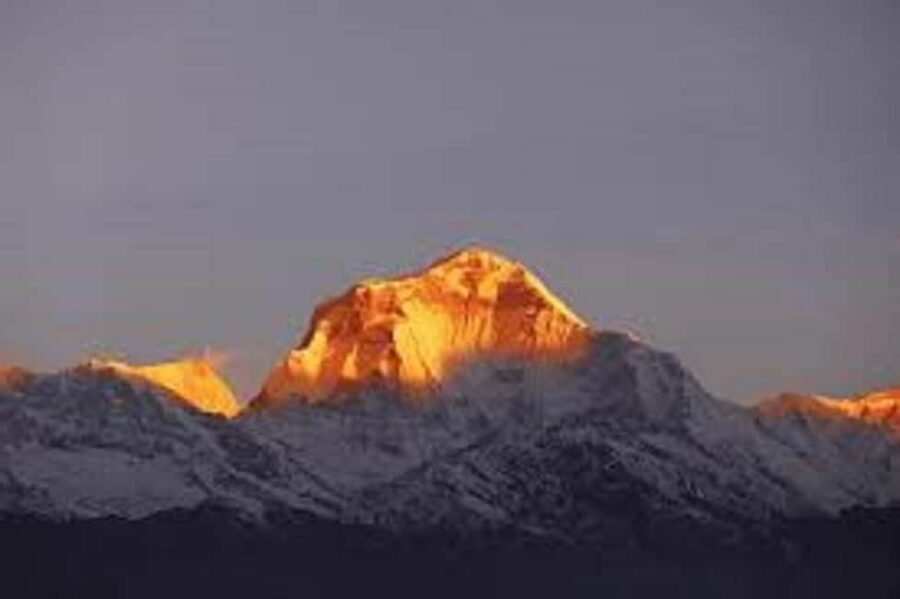
- Sunrise from Poon Hill (3,210 m): quick hike, massive payoff with the peaks turning golden.
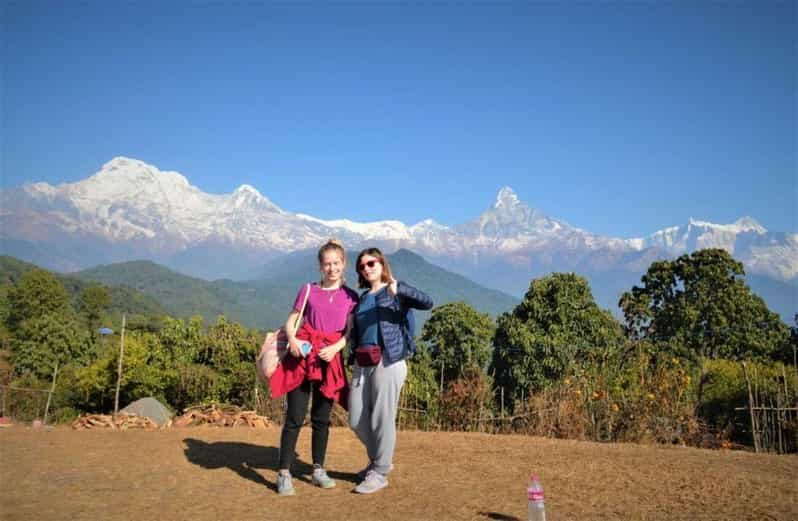
- Ulleri as the warm-up village: that first view of Annapurna South and Machhapuchhre gets you in the mood.
- Rhododendron + oak forest hiking: a calmer walk with birds and seasonal flowers.
- Ghorepani tea houses at 2,880 m: simple lodge stays in a Magar village setting.
- A government-certified, English-speaking guide: you get explanations, not just directions.
- Private-group feel with real logistics: pickup, permits, and transport handled so you can focus on the trail.
Why This Poon Hill Sunrise Trek Works So Well
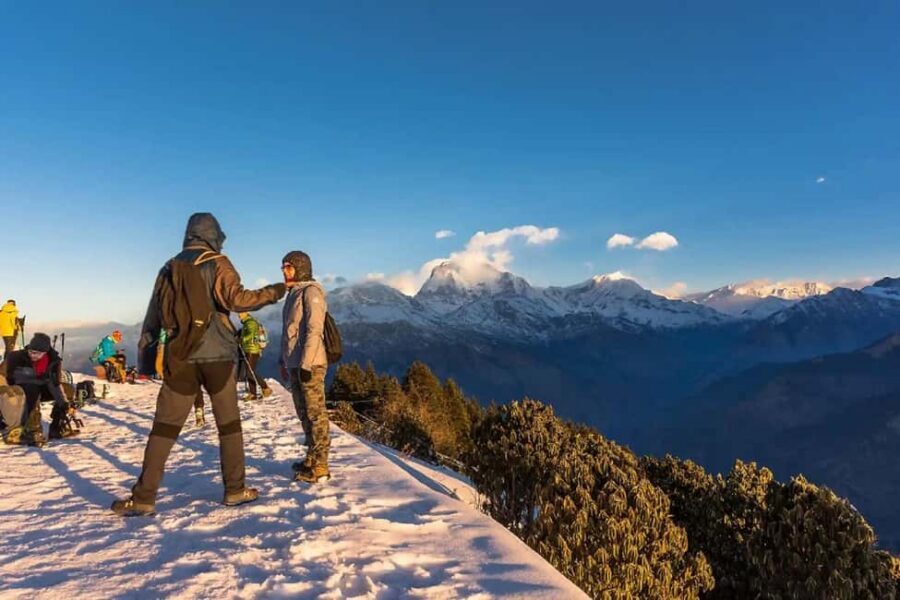
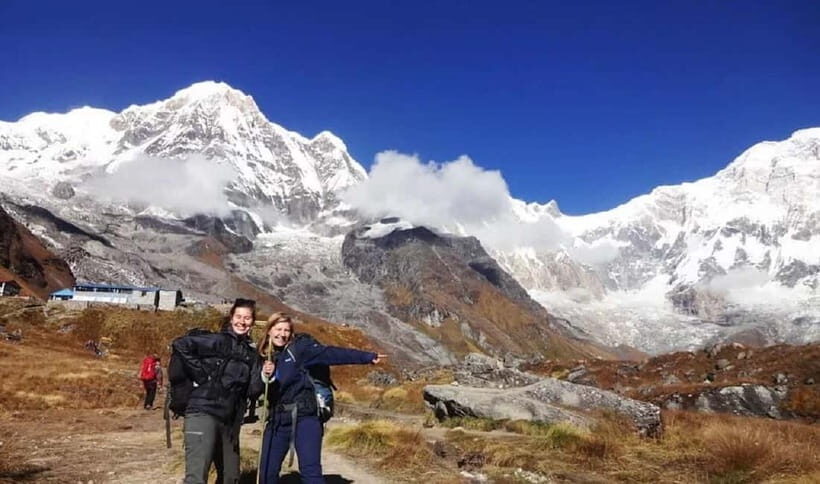
Poon Hill is famous for a reason: it’s one of the most efficient places in Nepal to see a whole wall of the Annapurna region. And doing it as a 2-day trek from Pokhara changes the game. Instead of losing days to travel and acclimatization, you get a classic mountain experience with minimal fuss.
This is also a smart choice if you want a trek you can actually plan around. Day one focuses on getting into the hills and reaching Ghorepani comfortably. Day two is early, short, and intense in the best way—sunrise first, big views forever.
One more thing I appreciate: the route mixes scenery and culture. Yes, you come for the Himalayas. But you also walk through terraced fields, forest trails, and local villages—so you’re not staring at mountains the whole time like a zombie with a passport photo.
Other Ghorepani and Poon Hill treks in Pokhara
Pokhara Start: Pickup and the Scenic Ride Into the Annapurnas
Your day kicks off with pickup from your hotel in the Pokhara Lakeside area (there are multiple pickup options). Your guide arrives a little early, and you’ll be able to spot them with a sign—small detail, but it reduces that anxious wandering around hotel lobbies.
From Pokhara, the drive heads through places like Nayapul, Birethanti, Hile, and Tikhedhunga before climbing toward Ulleri. This part matters more than you might think. The road climb gradually shifts you from lakeside Nepal into the hills, and you start spotting the terraced patterns, waterfalls, and village clusters that make the Annapurna region feel lived-in.
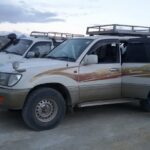
Transport back is handled too. Depending on what’s arranged for your group, you’ll use a shared jeep/suv or a bus/coach, then return to Pokhara. That means no awkward scramble for rides at the end when you’re already tired.
Ulleri: The Viewpoint Village That Gets You Ready
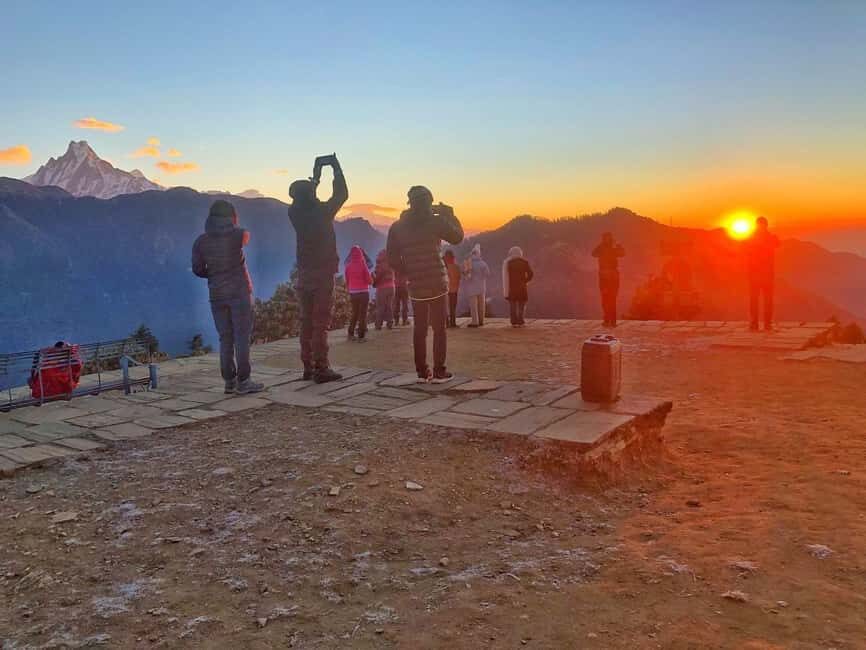
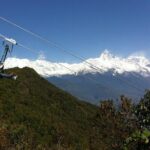
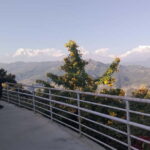
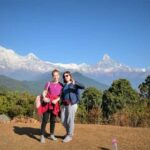
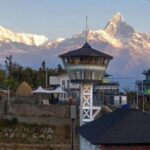
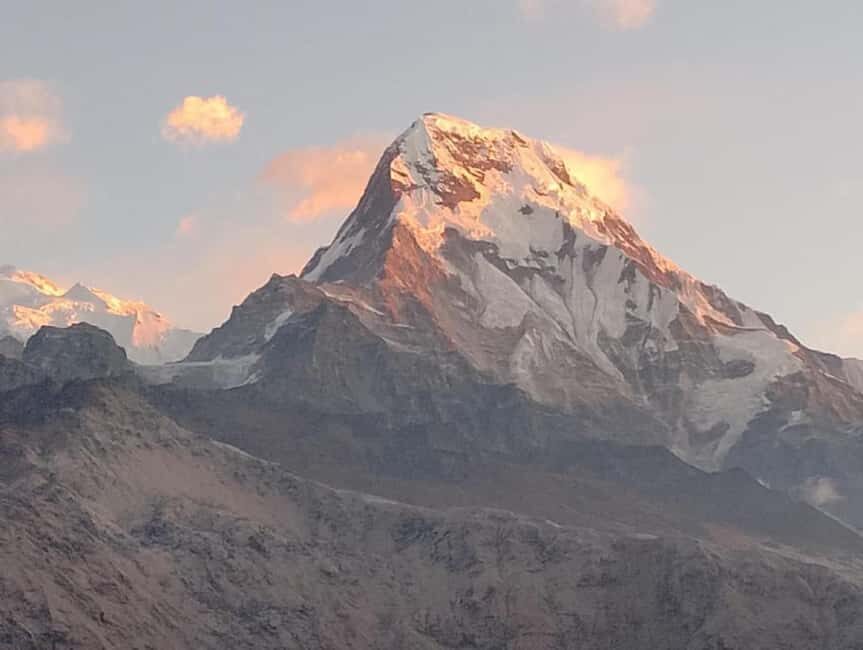
Once the drive reaches Ulleri (1,960 m), you get a break and a short guided orientation (it’s brief, around 10 minutes). Ulleri sits on a hillside village setting with excellent views—especially of Annapurna South and Machhapuchhre (Fish Tail).
Why this stop is worth it: it gives you a mental check-in. Before your real hiking starts, you see the mountains you’re walking toward. You also get a chance to stretch, snack, and get your layers right because you’ll move from warmer roadside air into cooler trekking weather fast.
Ulleri also gives you the taste of local life you’ll keep seeing along the trail—small houses, fields, and that constant sense that the mountains are always close, even when you’re not looking up.
The Hike to Ghorepani Through Rhododendron and Oak Forest
Day one’s trek is where the trail starts to feel like a real Nepal hike—less road, more atmosphere.
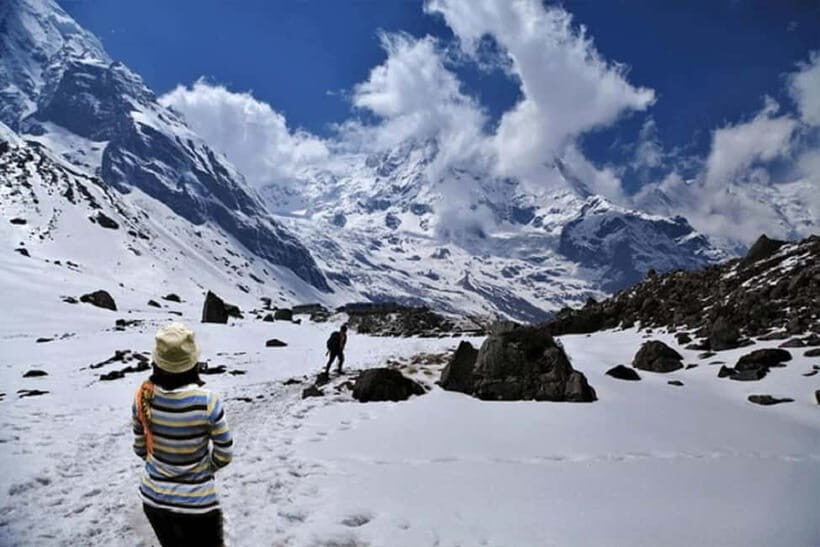
After Ulleri, you move into rhododendron and oak forests. It’s a gentler kind of climb compared to big expedition trekking, but you still feel the altitude change as you hike. This section is known for birds and seasonal flowers, and it’s one of those walks where your eyes keep switching between the path and the glimpses through the trees.
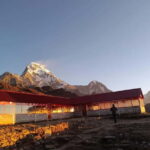
You’ll hike roughly 4–5 hours before reaching Ghorepani (2,880 m). Ghorepani is a welcoming Magar village, and that matters because the teahouse experience here isn’t just about sleeping bags—it’s about sharing space with real mountain community life.
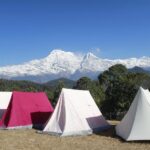
At night, you’ll stay in a simple tea house or lodge. Think warm rooms, communal areas, basic comforts, and the kind of dinner that tastes extra good because you earned it.
Ghorepani Teahouse Night: Simple Comfort and Real Mountain Pace
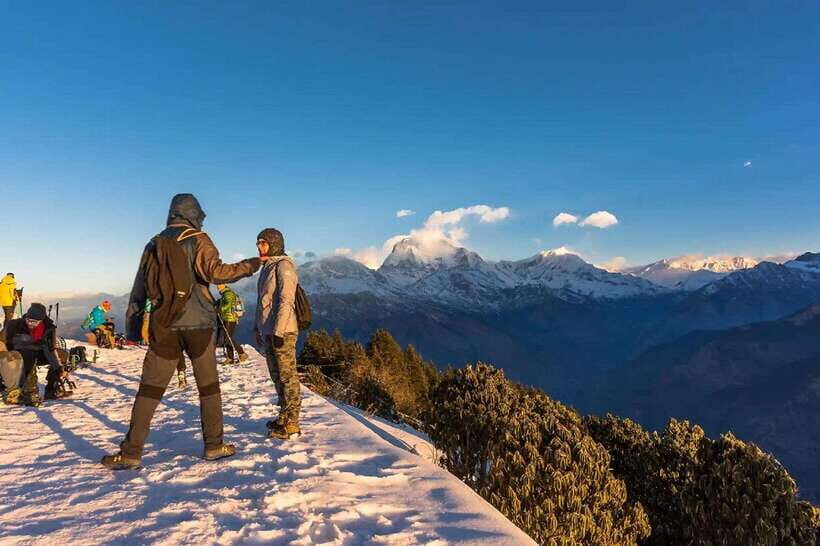
The overnight stop is a big part of why this trek feels doable. Instead of camping, you’re hosted in local lodges along the route. The lodges are described as simple, and that’s exactly the point: you’re not spending your short trip fighting for luxury. You’re using the time for views, walking, and getting your body used to being in the hills.
Because it’s a short trek, Ghorepani doesn’t feel like a checkpoint. It feels like your staging area for sunrise. After trekking all day, you’ll be grateful for the included breakfast and the ability to buy lunch/dinner/drinks if you want. (And breakfast is included even if you choose the option that says without meals.)
If you like a trek that keeps your rhythm human—hike, eat, talk, sleep—this is the right formula.
Other hiking tours in Pokhara
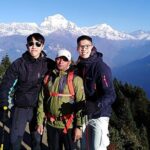
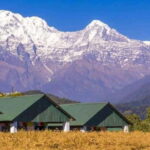
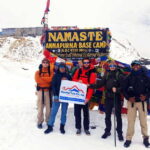
Poon Hill Sunrise: The Golden Moment at 3,210 m
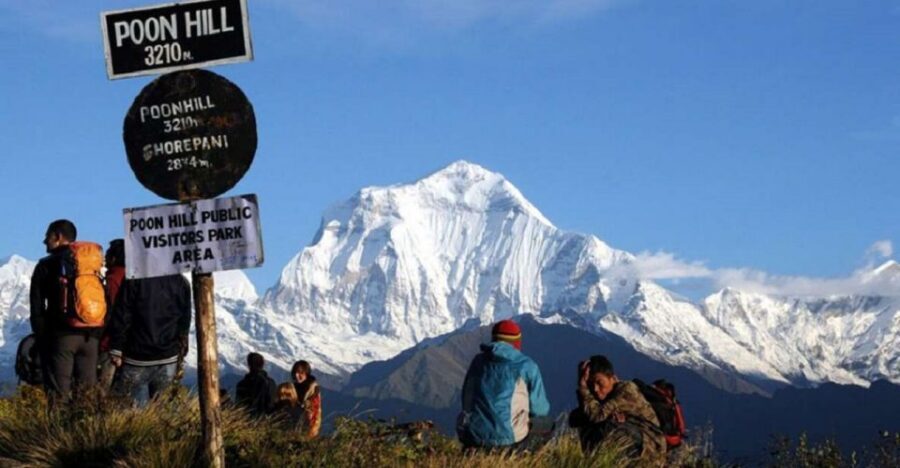
This is the headline, and the hike to reach it is intentionally short.
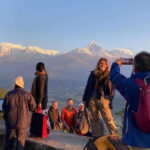
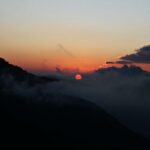
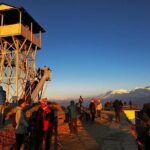
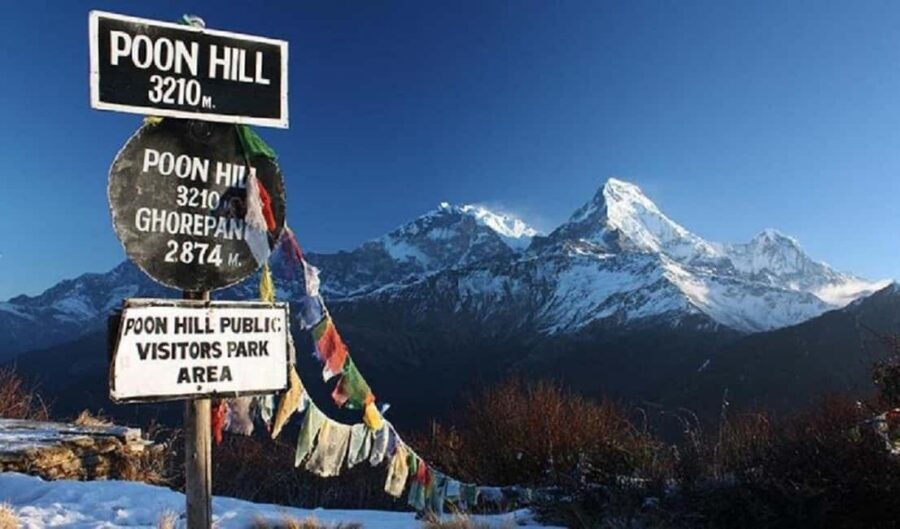
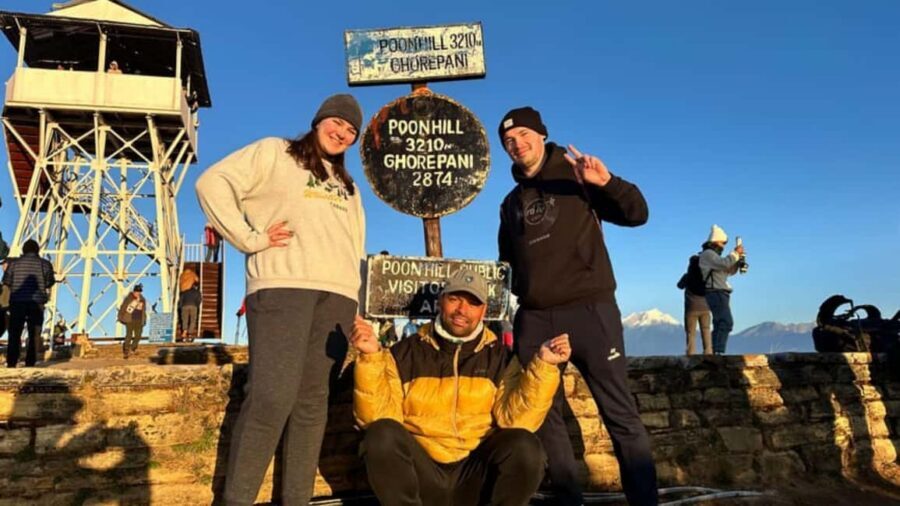
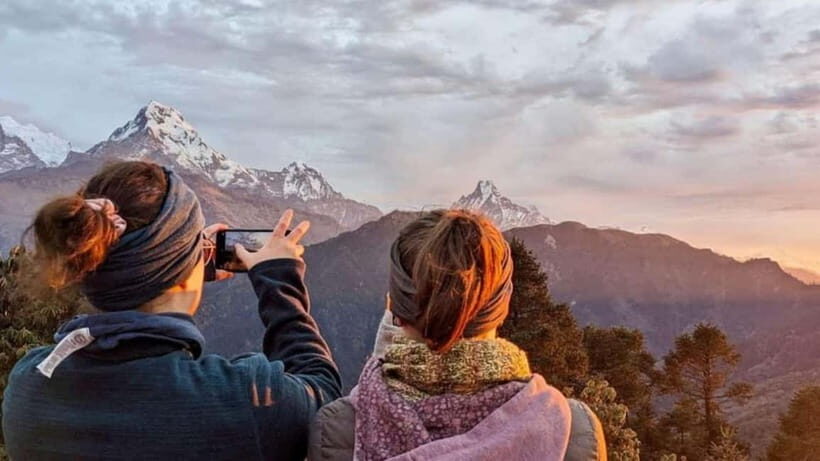
You start early, then walk up to Poon Hill (3,210 m). On a clear morning, this is one of the best sunrise setups in Nepal because you’re high enough to see far, but not so high that the trek turns into a survival test. You’ll spend about 1.5 hours around the viewpoint for sunrise viewing and photos.
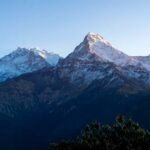
When the sun comes up, the mountain names start making sense fast. The peaks you can expect to glow include:
- Dhaulagiri
- Nilgiri
- Annapurna
- Machhapuchhre
- Lamjung
- Manaslu
Here’s the practical trick: treat sunrise like an event. Warm layers on, headlamp or phone light ready if it’s dark, and don’t burn all your energy racing to the perfect spot. You’ll have time for the view—this is one of those moments where slow is better.
Cold note: temperatures at this altitude can drop hard. You’ll be moving, but waiting for sunrise means you’ll stand still for long stretches. That’s why your warm clothing matters more than having the fanciest gear.
The Descent Back to Ulleri and Your Return to Pokhara
After sunrise, you go back to Ghorepani for breakfast. Then you hike down through forested trails and village areas back toward Ulleri.
This is where your legs get to do the work in reverse. Descents can feel easier mentally, but they can still be hard on knees if your shoes and pacing aren’t right. Good hiking shoes and a careful step rhythm make a real difference here.
Once you reach Ulleri, you’ll take the shared jeep or bus back to Pokhara. The day is designed to end comfortably—no late-night scrambling, no extra trekking to “finish strong.” You’ll return with that classic feeling of a short trek done right: tired, satisfied, and already thinking about how you’ll explain the view to friends later.
One more bonus: your luggage can be stored safely in Pokhara, so you don’t have to lug everything up the trail.
Guide, Permits, and the Real Value of $108
Let’s talk money, but in a useful way.
This trek is priced at $108 per person for a 2-day experience in the Annapurna region. What makes that number feel fair is what’s included:
- Round-trip transportation between your hotel/airport and the trek starting area
- Trekking permits, including TIMS fees and the required paperwork
- Accommodation in simple tea houses/lodges
- Breakfast (hearty and included even if you choose an option that says without meals)
- A professional, English-speaking guide certified by the Nepal Government
- Luggage storage in Pokhara
- First aid kit
- The guide’s insurance and expenses
- Trekking gear like a stick and/or sleeping bag as needed
In other words, you’re not just paying for someone to walk beside you. You’re paying for the parts that usually steal time and stress: permits, coordination, and handling the logistics that make rural trekking smoother.
One pattern from real-world feedback you can take seriously: guides here tend to bring the route to life. Names you might meet include Sandeep Timilsina, Bishnu, Jeet Bahadur Nepali, and Chandra. People highlight the way their guides explain mountains and villages, keep the mood positive, and help with practical choices like where to stop for lunch.
What to Pack (So the Trek Stays Fun)
Don’t overthink it, but do plan for cold mornings and wet-on-the-trail possibilities. Based on what you’ll want for this route, pack:
- Warm clothing (for sunrise waiting)
- Sun hat
- Snacks
- Hiking shoes
- Sunscreen
- Waterproof camera option
- Comfortable clothes for layering
- Hiking pants
- Waterproof bag
- Travel insurance
- Travel documents (you’ll need passport copy for permits)
A smart approach: carry what you’ll use in layers, not what you wish you had. Also, bring a waterproof setup for anything you care about near rain or morning mist.
And yes, you’ll get trekking gear like a stick or sleeping bag as needed, but you should still plan on having your own comfortable basics—especially shoes.
How Tough Is It, Really?
This trek is described as short and easy, but it’s still trekking at altitude. Poon Hill reaches 3,210 m, and Ghorepani sits at 2,880 m. For some people, that can feel demanding even when the total distance is manageable.
So the honest fit is this:
- Great for first-time trekkers who want the Annapurna viewpoint experience without a long commitment
- Great if you like mountains but also like having your day structured
- A better idea if you’re in reasonable fitness and can handle steady uphill walking
If you have any health concerns, treat this seriously and pace yourself. This is not a treadmill hike, and cold mornings can make everything feel tougher until you warm up.
Should You Book This 2-Day Poon Hill Trek?
If you want a short trek that delivers the big Annapurna sunrise payoff, I think this one is a strong bet. It’s built for people who have limited time, want village life, and don’t want to spend days on permits, planning, or logistics.
Book it if:
- You want sunrise at Poon Hill with minimal trekking days
- You’d rather have a guide handle permits and coordination
- You like teahouse-style nights over rough camping
Skip it (or ask more questions first) if:
- You hate early starts and cold mornings
- You want a luxury hotel experience on the mountain (this is simple lodge life)
- You’re not comfortable with some physical effort at altitude
If you do book, show up with warm layers, solid hiking shoes, and a willingness to go a bit slow before sunrise. Then you’ll get the classic payoff: a quick hike up, a golden line of peaks, and a descent back to real life that feels earned.
FAQ
What are the dates and duration for this Poon Hill trek?
This is a 2-day trek. You’ll need to check availability for your starting time.
Where does pickup happen in Pokhara?
Pickup is included from the Pokhara Lakeside area, with 10 pickup location options. After booking, your pickup time is discussed and confirmed, and your guide arrives about 10 minutes early with a sign.
How do you get from Pokhara to the trekking starting point?
You use round-trip transportation. The drive is listed as either jeep/suv (about 2.5 hours) or bus/coach (about 3 hours) depending on arrangements.
Is accommodation included?
Yes. You’ll have overnight stays in simple tea houses or lodges along the route.
What meals are included?
Breakfast is included, even if you select an option marked without meals. Lunch, dinner, and drinks can be purchased during the trek depending on your option.
Do I need permits for the trek?
Yes, trekking permits and TIMS fees are included. You’ll also need to submit a copy of your passport at least one day before the trek so the necessary paperwork can be arranged.
What kind of guide will I have?
You’ll have a professional, friendly, English-speaking trekking guide certified by the Nepal Government. The guide may speak English, Hindi, and Nepali.
What should I bring for sunrise and cold weather?
Bring warm clothing, a sun hat, sunscreen, hiking shoes, and layers for changing temperatures at altitude. A waterproof bag and waterproof camera protection are also recommended.