REVIEW · POKHARA
Annapurna: 2 Days Poon Hill Trek from Pokhara
Book on Viator →Operated by Couch Adventure Nepal (CAN) · Bookable on Viator
Sunrise at Poon Hill is the main show. This short trek from Pokhara is built around one big goal: getting you up to Poon Hill at 3,210 meters for early light over the Annapurna region. I like how the route also gives you forests, villages, and a real mountain rhythm, not just a quick viewpoint stop.
Two things I really liked: the 4WD jeep transfer from Pokhara (about 3 hours via Nayapul), which saves you a lot of hassle, and the way the trip is guided and organized around your pace, with English-speaking trekking support.
One possible drawback to plan for: it is stair-heavy, and Day 2 starts at 4am, so if you hate early mornings or long uphill effort, this may feel more intense than the word short suggests.
In This Review
- Key highlights worth getting excited about
- Why this 2-day Poon Hill trek feels bigger than it is
- Day 1 from Pokhara to Ghorepani: jeep ride, stairs, and rhododendron forests
- The overnight in Ghorepani: where you reset for sunrise
- Day 2: the 4am climb to Poon Hill and the sunrise payoff
- Guide support matters: what Amrit and Biru-style pacing gets you
- Price and value: what $230 covers for two days in the mountains
- What to pack and how to prepare (so the stairs don’t win)
- Weather is the rule: how to handle sunrise uncertainty
- Who should book this trek from Pokhara?
- Should you book this Poon Hill trek? My practical take
- FAQ
- How long is the Annapurna 2 Days Poon Hill Trek from Pokhara?
- Where does the trek start from?
- How long is the jeep ride from Pokhara?
- What time does the hike to Poon Hill start on Day 2?
- What elevation is Poon Hill?
- Where do you sleep during the trek?
- Are meals included in the price?
- What permits are included?
- Is this a private tour?
- What happens if weather is bad for sunrise?
- Can I cancel for a full refund?
Key highlights worth getting excited about
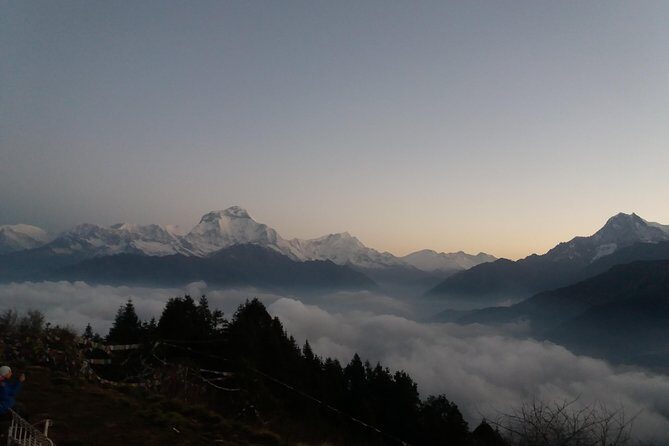
- Poon Hill sunrise at 3,210m with big views toward the Annapurna area
- 4WD jeep logistics from Pokhara to Tirkhedhunga, so your legs start on the trail
- Rhododendron forest climbing on Day 1, with hundreds of stairs
- Guesthouse overnight included in the trek pace (meals are separate)
- Guide pacing and support (Amrit and Biru stand out for keeping things comfortable)
- Permits handled with trekking permit and TIMS card included
Why this 2-day Poon Hill trek feels bigger than it is
Let’s be honest: the draw here is sunrise. Poon Hill is Nepal’s “everybody knows this name” viewpoint, and for good reason—its elevation puts you in the right zone to watch the light roll across the Annapurna area. In a compact 2 days, you get the full trekking setup: a proper uphill on day one, an even earlier wake-up on day two, then descent.
What makes this version smart for most people is the structure. You get hotel pickup, a 4WD jeep to the start of the climb, and an itinerary that focuses on the timing that matters—especially that 4am push to reach Poon Hill in time. When the timing works, sunrise is unforgettable. When weather is tricky, you’ll still have a full trekking day and a plan that can be adjusted.
The “short but intense” feeling shows up in the details. Day 1 includes a lot of stair climbing through rhododendron forests. Day 2 includes a pre-dawn hike up to the viewpoint. This isn’t a flat walk, so you’ll want to come prepared, pace yourself, and let your guide do the work of keeping you moving steadily.
Other Ghorepani and Poon Hill treks in Pokhara
Day 1 from Pokhara to Ghorepani: jeep ride, stairs, and rhododendron forests
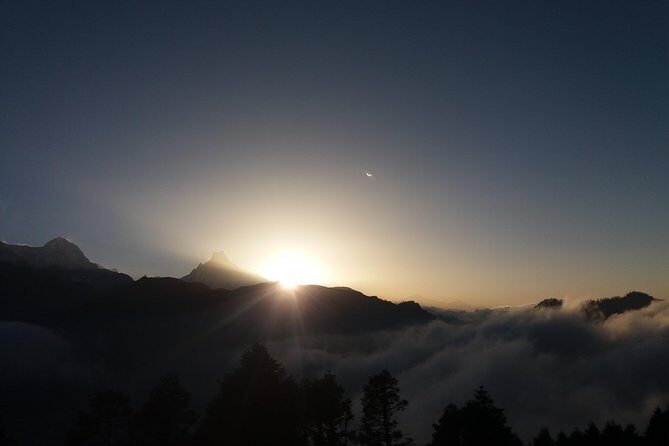
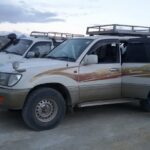
Your day starts early, with a hotel pickup at 8am. Then you ride in a 4WD jeep for about 3 hours to Tirkhedhunga, traveling via Nayapul. This transfer matters because the trailhead location is far enough from Pokhara that you’d burn time (and energy) without the included transport.
Once you start trekking, the workload kicks in. Expect hundreds of stairs and a climb through rhododendron forests. That’s the trade for coming here on a short schedule: you’re not gaining elevation slowly over days. You’re earning it with your legs right away.
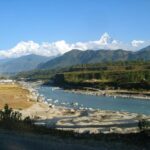
Along the way, the trail gives you more than just exercise. You’ll pass through the kind of mountain villages that make Poon Hill feel lived-in rather than staged—small paths, quiet corners, and tea house culture that’s part of the trekking ecosystem. If you’re used to cities, you’ll notice how the day is paced by turns of the footpath and short breaks rather than clocks.
Also, keep your expectations realistic about Day 1. The trek duration listed is about 6 hours, and while it’s not all uphill the whole time, your legs will feel that stair climbing at the end of the day. This is why a good guide can make or break the experience: they’ll keep you moving without turning it into a race.
The overnight in Ghorepani: where you reset for sunrise
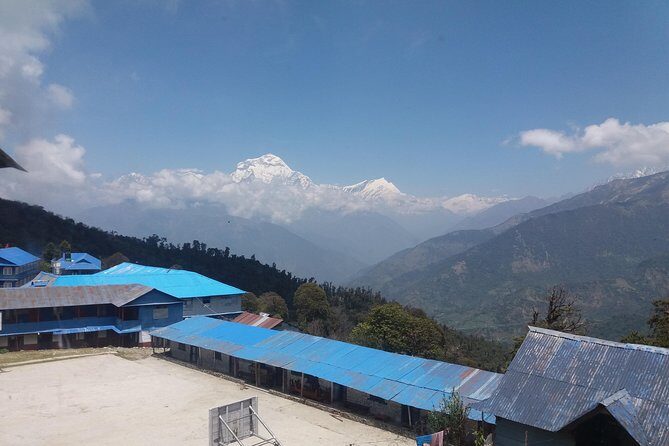
At the end of Day 1, you get accommodation in a guesthouse. That part is included, so you don’t have to hunt for a place to sleep or worry about where you’ll land after the climb. The goal overnight is simple: recover, eat something you can handle in the morning, and sleep enough to get up early.
Even though lodging is included, meals and drinks are not included. In practice, that means you’ll likely pay for food at guesthouses or along the route. The upside is that you can choose what you want, and you’re not locked into one menu.
This is also when your guide’s personality shows up. In real-world trekking, the best guides help you time your evening and your morning snack so you aren’t starving at 4am. Some guides are especially good at making lunch and meal stops feel flexible rather than rushed, which helps when you’re tired.
Day 2: the 4am climb to Poon Hill and the sunrise payoff
Day 2 starts at 4am. This is the part many people remember most, and you should treat it like a mission: get moving while it’s cool, walk efficiently, and plan to stay warm until the sky does its thing.
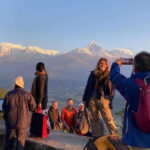
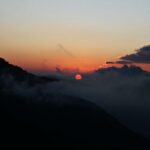
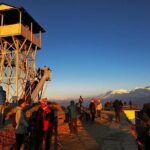
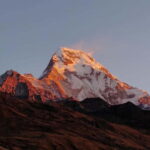
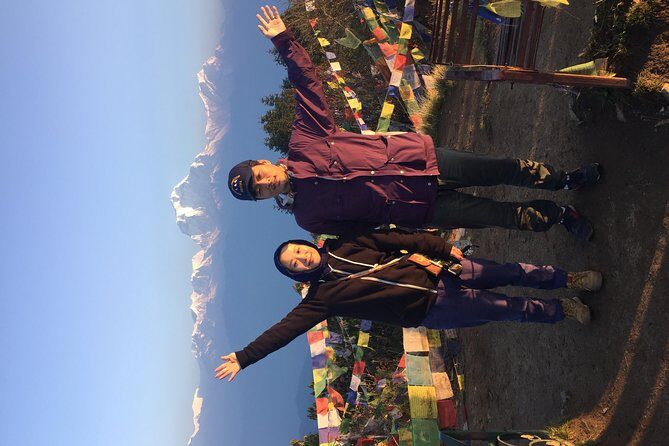
You’ll hike up to Poon Hill at 3,210 meters for the sunrise viewpoint over the Annapurna region. The time at the top is the payoff. You’ll likely want to bundle up even if you think you’ll be fine—pre-dawn can feel colder than you expect at elevation.
After sunrise, you don’t just celebrate and float down. You hike back toward Ghorepani, then continue descending using the same general route pattern back down. Day 2 is listed at about 7 hours, which means even after the sunrise highlight, you still have a full day of trekking.
Here’s a practical point: because it’s early and the trail has stairs and steep bits, your pace matters more than you think. Going too fast up top can leave you wiped out for the descent, which is where trips can feel tougher than planned. A supportive guide helps you keep your effort controlled.
Guide support matters: what Amrit and Biru-style pacing gets you
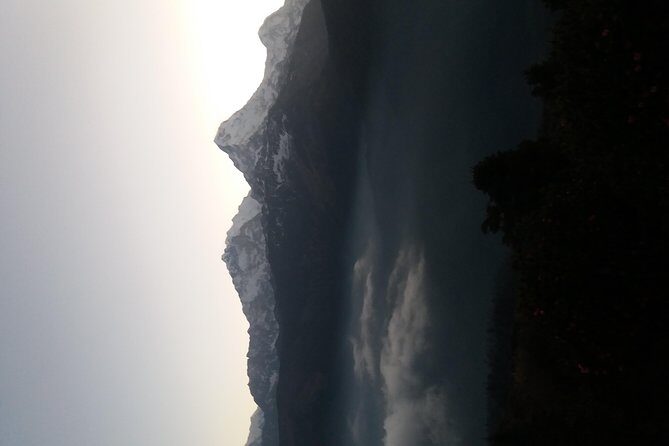
This trek is short, but your guide’s role is big. You’re dealing with early starts, steep stair sections, and timing for sunrise. The guides mentioned here—Amrit and Biru—came through in a consistent way: they were attentive, supportive, and punctual, and they worked to keep the group comfortable.
One detail I like is the way good guides manage pacing. A guide who helps the last person keep up without slowing the whole group makes the experience feel fair. There’s also the benefit of local know-how: the itinerary mentions that guides know ways and shortcuts. Even if you don’t notice every change, those small adjustments can reduce bottlenecks and keep your energy from getting burned early.
Another useful quality: flexible meal timing. You’ll be walking a lot, so fixed schedules rarely match reality. When your guide can adjust lunch timing so you don’t eat too early or too late, it usually means less stomach misery and better overall stamina.
Other hiking tours in Pokhara
Price and value: what $230 covers for two days in the mountains
For a $230 price tag, this trek includes several high-value items: English speaking trekking guide, round trip 4WD jeep, private vehicle transfer, and the important paperwork pieces (trekking permit and TIMS card). It also includes guesthouse accommodation for the night.
What isn’t included matters too. Meals and drinks are not included, and you’d pay for food along the way. Rescue costs in an emergency are also not included, so treat travel insurance as non-negotiable if you’re budgeting carefully.
So is $230 good value? For many people, yes—because transport and permits can be the parts that get messy when you try to DIY. Here, the planning work is handled. The trek still requires you to do the physical work, but you’re not doing the logistics work.
One more point: this is listed as a private tour/activity with only your group participating. That can make the experience feel less crowded and more controlled. If you’re traveling as a small group or family and want a quieter pace, that setup is part of the value.
What to pack and how to prepare (so the stairs don’t win)
Even though this is marketed as short, treat it like a real trekking day. Here’s how I’d prep based on the effort pattern: stairs on Day 1, pre-dawn hike on Day 2, and a long day of descending after sunrise.
Wear shoes with good grip. The stair sections can be slick, especially if there’s mist or damp trail conditions. Bring layers for temperature swings—sunrise hikes can start cold and end brighter quickly. A headlamp or flashlight is smart for the early departure, even if you’ll follow your guide’s pace and timing.
For the body side: don’t underestimate the effect of going from sea-level breathing patterns to altitude walking, even on a short climb. You don’t need to become a mountain athlete, but you should show up with at least moderate fitness and be ready for steady climbing.
Food-wise, remember that meals aren’t included. Plan for tea house style meals and snacks. If you’re picky about timing, bring small items you can tolerate early in the morning.
Weather is the rule: how to handle sunrise uncertainty
This trek requires good weather. That’s not a “maybe” detail—it’s central. If conditions are poor, the experience can be canceled and you’ll be offered a different date or a full refund. That means you should build flexibility into your Pokhara schedule if sunrise is your priority.
What you can control is your attitude. Even when sunrise doesn’t deliver exactly what you pictured, the actual walking days are still meaningful: forests, village paths, and the whole rhythm of getting higher, waiting, then heading back down.
Who should book this trek from Pokhara?
This 2-day Poon Hill trek works best if you:
- Want a short, structured trekking experience without planning permits and transport yourself
- Can handle stair climbing and a very early start
- Like the idea of a sunrise viewpoint but still want a full walking day, not just a photo stop
- Prefer a guided experience with support from people like Amrit or Biru, especially if pacing matters to your group
It might be less ideal if you:
- Struggle with early morning hikes
- Dislike stairs and repetitive uphill segments
- Want meals fully included in the price (here, you’ll pay for food on the way)
Should you book this Poon Hill trek? My practical take
If you want a compact trek with real payoff, this is a strong option. The included mix of jeep transfer, guide support, guesthouse overnight, and permits makes it feel easier to pull off than a DIY plan. And if sunrise is the headline, the itinerary is built around the timing that gets you there.
I’d book it if your fitness level is moderate and you’re okay with effort that is concentrated rather than spread out. The early wake-up on Day 2 is non-optional, but that’s also where the magic tends to happen.
I wouldn’t book it if you’re hoping for a relaxed stroll, or if your schedule can’t flex when weather affects sunrise conditions.
FAQ
How long is the Annapurna 2 Days Poon Hill Trek from Pokhara?
It runs for about 2 days.
Where does the trek start from?
Your guide picks you up from your hotel, and then you travel by 4WD jeep to Tirkhedhunga.
How long is the jeep ride from Pokhara?
The jeep ride is about 3 hours.
What time does the hike to Poon Hill start on Day 2?
It starts at 4am.
What elevation is Poon Hill?
Poon Hill is 3,210 meters.
Where do you sleep during the trek?
Accommodation in a guesthouse is included for the overnight.
Are meals included in the price?
No. All meals and drinks are not included, and you can purchase them.
What permits are included?
The trekking permit and TIMS card are included.
Is this a private tour?
Yes. It is a private trip/activity with only your group participating.
What happens if weather is bad for sunrise?
The experience requires good weather. If it’s canceled due to poor weather, you’ll be offered a different date or a full refund.
Can I cancel for a full refund?
Yes, if you cancel at least 24 hours in advance of the experience start time.