REVIEW · POKHARA
Pokhara: 3-Day Trek
Book on GetYourGuide →Operated by iTourNepal P Ltd · Bookable on GetYourGuide
A short hike can still feel like real Himalayas. This Pokhara 3-Day Trek keeps the walking manageable while putting you up for big Annapurna sunrise/sunset views and comfortable lodge stays with attached bathrooms. One caution: I’d confirm your day-before briefing and pickup details early, since smooth starts aren’t guaranteed for every booking.
What I really like is the way this route gets you out of Pokhara city and onto ridge paths above the valley—so your views change often without you feeling wrecked. You’ll also get cultural context from the guide and porter team as you pass through villages like Dhampus, Pothana, and Astam.
The biggest drawback is logistical: pickup is included only if your hotel is in the Lakeside area of Pokhara, and other locations can mean extra cost. Plan around that, and you’ll start relaxed instead of hunting for the meeting point.
In This Review
- Key things to love about this Pokhara 3-Day Trek
- Why this foothills trek feels like Himalayas, not just a walk
- From Lakeside Pokhara to Naudanda: getting started right
- Day 1: Naudanda to Dhampus, Pothana lunch, and Australian Camp overnight
- Night at Australian Camp: hot showers and attached facilities
- Day 2: The ridge walk to Astam and the Annapurna Eco Village Resort highlight
- The eco-village angle: organic food and water reuse
- Staying in Astam: simple rooms, attached bathroom/ toilet
- Day 3: Astam down to the highway, then back to Pokhara
- Guides and porters: how this stays safe and personal
- Comfort and bathrooms: why the lodge setup changes everything
- Price and value: why $250 can make sense here
- Who should book this, and who should skip it
- A short packing list that matches the trek details
- Should you book the Pokhara 3-Day Trek?
- FAQ
- How long is the Pokhara 3-Day Trek?
- Where is this trek located?
- What does the tour cost?
- What’s included in the price?
- Are meals included?
- Do the lodges have attached bathrooms?
- Is pickup included from every hotel in Pokhara?
- What language is the guide?
- Is the trek suitable for everyone?
- What should I bring for the trek?
Key things to love about this Pokhara 3-Day Trek
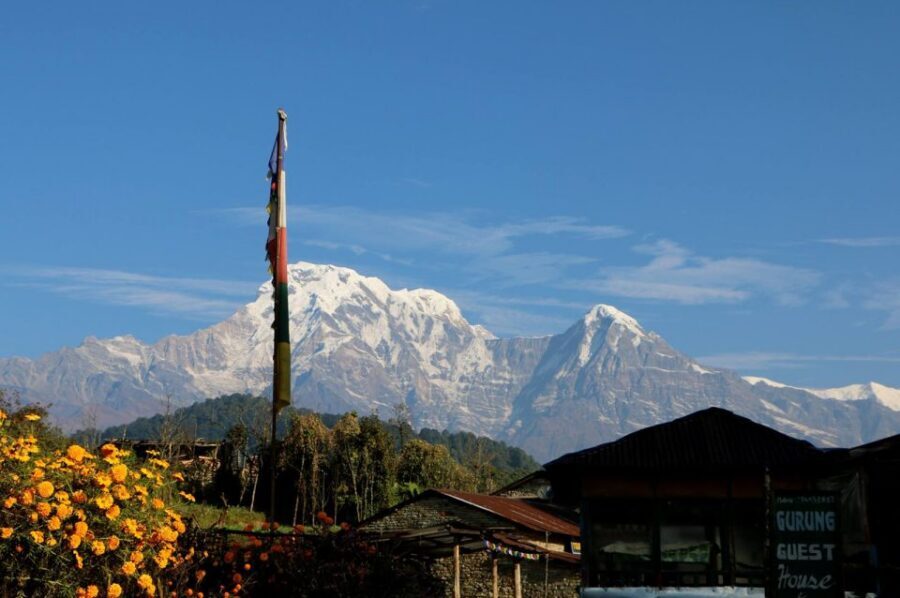
- An easy Himalayan taste: ridge walking with a pace you can customize
- Teahouses with real comfort: en-suite toilet/bathroom on both nights, including hot showers first night
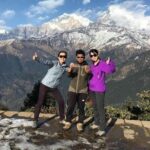
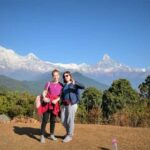
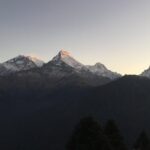
- Two standout viewpoint moments: sunrise at Australian Camp and day views over the Annapurna Range
- Village-to-village variety: Dhampus, Pothana, Australian Camp, then Astam
- Eco-village stop with organic farming focus: a hands-on feel for how the community manages water and food
- Licensed guide + porter support: you focus on the hike; they handle luggage and local explanation
Why this foothills trek feels like Himalayas, not just a walk
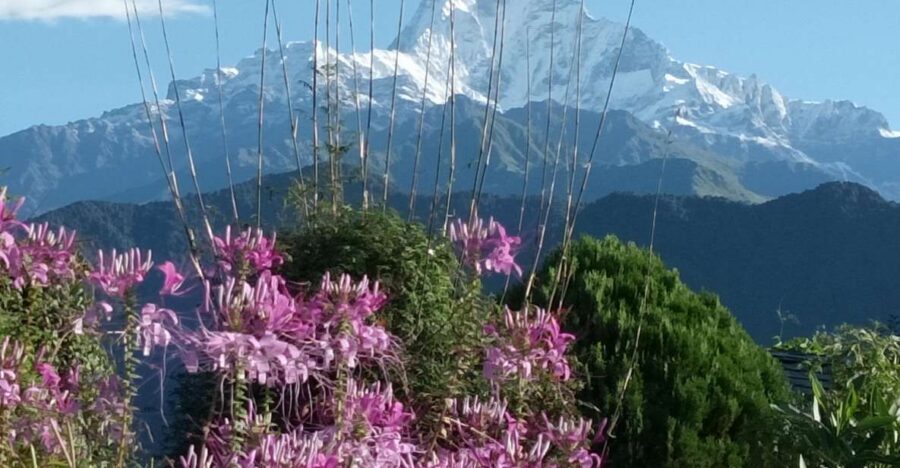
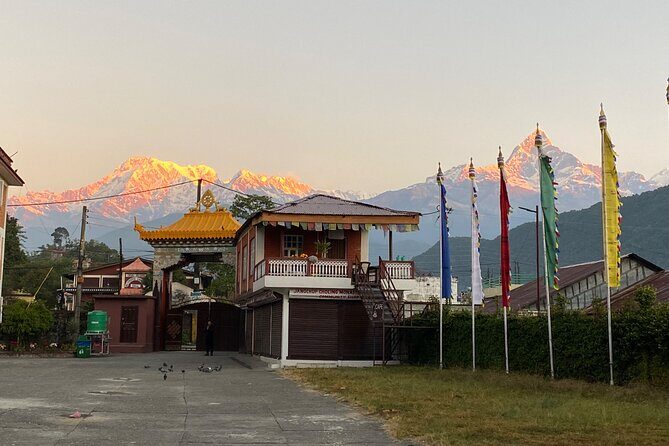
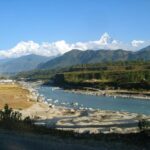
This is a smart choice if you want the Annapurna feel without turning your legs into regret. The route swings out from Pokhara toward the foothills area about 30 kilometers northwest, where the big mountains start to look close enough to touch. You’ll spend three days moving between ridges and village paths, with the view doing most of the work for you.
The “comfortable-lodge” style also changes the trip. Instead of sleeping basic and worrying all night, you’re in established teahouses designed for trekkers, with attached facilities and a hot shower on the first overnight. That means you can keep your energy for the best moments—especially early light over the Annapurna Range.
Most days are short-to-moderate. The itinerary builds in breaks at villages like Pothana (for lunch) and keeps your overall effort realistic for a 3-day commitment.
Other hiking tours in Pokhara
From Lakeside Pokhara to Naudanda: getting started right
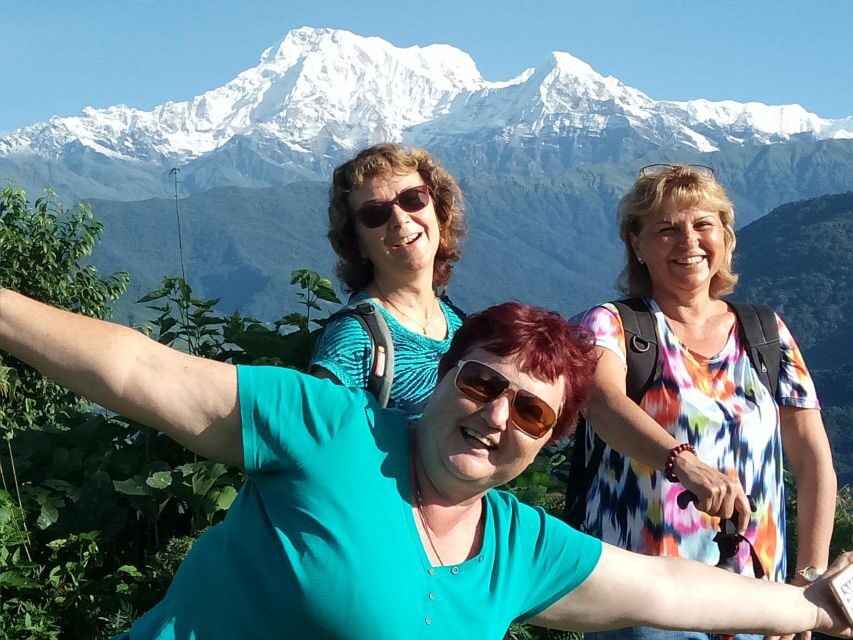
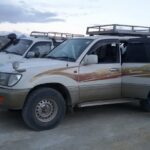
You’re picked up from your hotel in the Lakeside area of Pokhara, then transferred to the trailhead zone. The operator also meets you the day before for a trek briefing, where they set your departure time for the next day. Then, on trek day, the guide shows up by car for your start.
That day-before briefing matters more than people think. It’s your chance to confirm the plan, know what time you’ll leave, and ask about your exact pace. One booking note highlighted a “wait then sort it out” moment, so I’d treat that briefing as non-optional.
Once you’re dropped near Naudanda, the walking begins gradually down toward a stream and then up toward Dhampus. This is a good way to ease into the altitude experience—views show up while you still feel fresh.
Day 1: Naudanda to Dhampus, Pothana lunch, and Australian Camp overnight
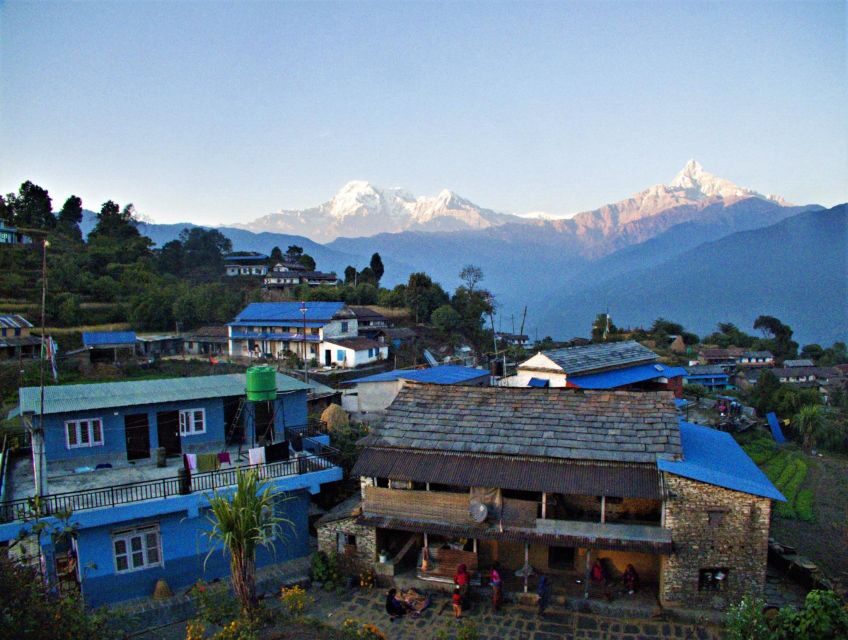
Day 1 is the longest walking day of the trip, but it’s still very manageable if you keep a steady pace. You’ll walk about 2 hours down toward the stream and then up to Dhampus. After that, it’s another roughly hour to Pothana village, where you stop for lunch.
Pothana is the kind of pause that makes a trek feel like a journey instead of just steps. You’ll get a break in village life before continuing on, which helps your energy for the final push.
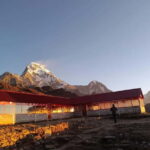
After lunch, you walk about 30 minutes to Australian Camp, your overnight stop. This area is known as a teahouse settlement sitting above Dhampus in rhododendron forest. In plain terms: you get your first “real trekking” night out of the city, with established lodges made for trekkers.
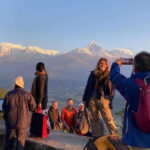
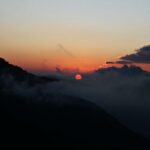
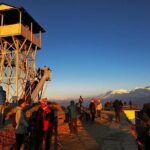
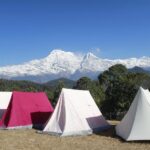
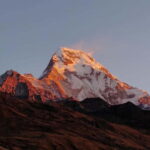
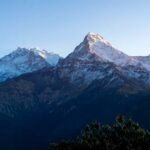
What makes Australian Camp special is the view angle. You’re positioned for sunrise (and the surrounding Annapurna views that come with it). One booking detail also emphasized a sunrise panorama over the Himalayas, which is exactly what you should hope for on this first night.
Night at Australian Camp: hot showers and attached facilities
Your first night includes a teahouse with an attached toilet and bathroom and a hot shower. That’s a big deal on a short trek because it turns a cold evening into something you can actually enjoy. You’ll still be in the countryside, but comfort here keeps the trek feeling easy.
Day 2: The ridge walk to Astam and the Annapurna Eco Village Resort highlight
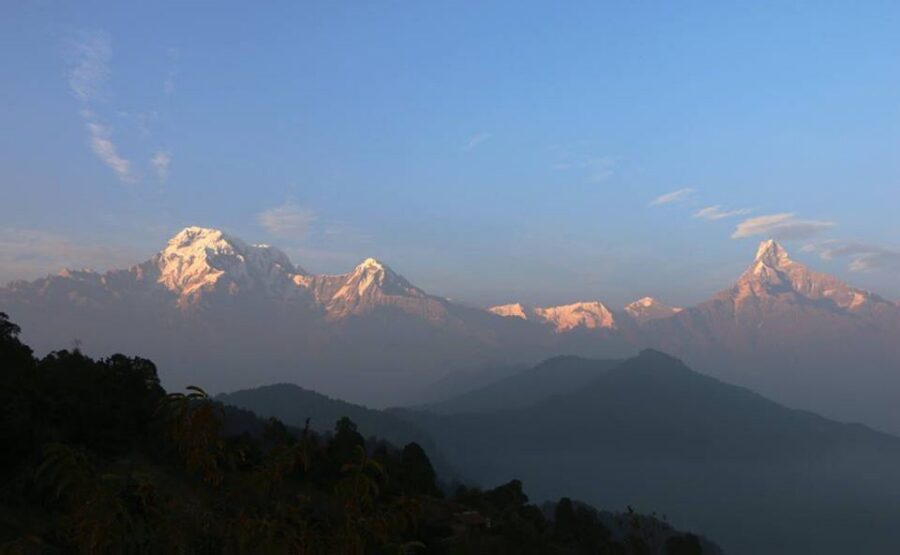
Day 2 starts with breakfast while you’re still in that early-view mood. Then you move along the ridge toward Astam village. The walking time is about 4 hours, and the route here is all about changing scenes: ridge views out over the valley and passes through villages and forested sections.
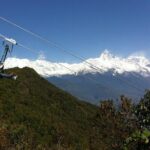
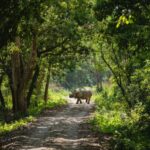
That ridge walking is the “feel the Himalayas” part for many people. You don’t need a big, technical trek to see how the terrain shapes life below. Seasonal crops on terraces, village clusters, and those distant snow peaks all reinforce why people come to this region in the first place.
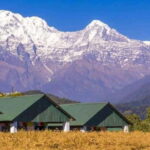
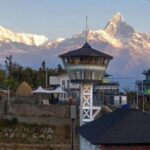
When you reach Astam, you check in to Annapurna Eco Village Resort for your second night. This is one of the best-value elements of the trip because it gives you a different kind of “peak” experience. You’re not just looking at mountains—you’re seeing how a community thinks about water and farming.
A few more Pokhara tours and experiences worth a look
The eco-village angle: organic food and water reuse
The eco resort operates with eco-friendly measures like reusing water, rainwater harvesting, and organic farming. You can also learn about the organic farm and village practices while you’re there. It’s a reminder that trekking routes exist inside real communities, not museum backdrops.
Your meals aren’t included in the package price, but you can order meals at the teahouses and pay directly. At the eco resort, you’ll enjoy the organic meals as part of the stay. If you’re picky, you’ll still want to communicate your preferences early, since you’re relying on what’s available locally.
Staying in Astam: simple rooms, attached bathroom/ toilet
Your Astam overnight is in simple yet comfortable rooms with attached bathroom/toilet. It’s not a luxury hotel, but it’s built for trekkers and focuses on cleanliness and function—so you can sleep, recharge, and wake up ready for the last day.
Day 3: Astam down to the highway, then back to Pokhara
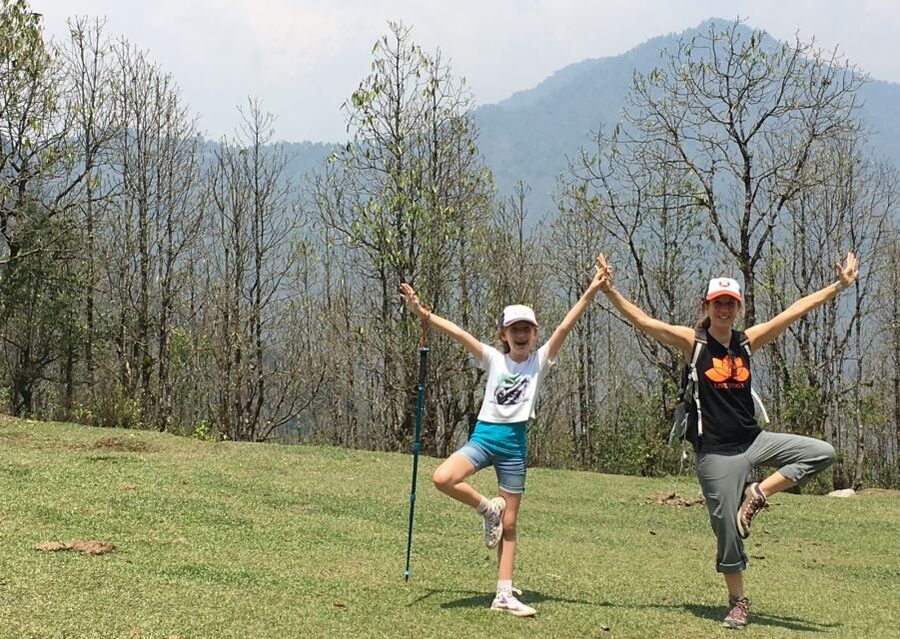
Day 3 is the payoff: a shorter trek day that ends with driving back to Pokhara. You’ll walk about 2 hours down to the highway, then your private transportation takes you back.
The descent helps you finish strong. Instead of pushing for one more big view, you’re moving downhill through the last stretch of village-to-road terrain. That’s ideal for people who want to feel completed without rushing.
It also keeps the whole trip aligned with its core promise: a short, easy trekking experience around Pokhara that still feels like a real Himalayan journey.
Guides and porters: how this stays safe and personal
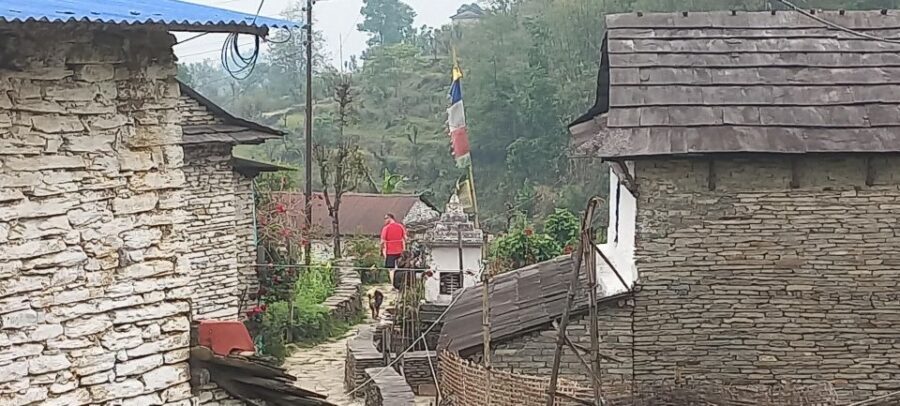
This trek runs with a professional, licensed, experienced trekking guide who leads the walking. There are also porters who carry luggage to each day’s destination, so you’re not balancing your whole life on your shoulders.
Why this matters: on a short trek, fatigue piles up fast if you carry too much. Having a porter means your effort stays focused on the trail and the views, not on managing your pack weight.
The guide experience also shapes the trip quality. In the names I’ve seen associated with this route—Jit, Prabin, Dansay, Basanta, and Probin—there’s a clear pattern of attention to safety and local storytelling. You can expect cultural insight into countryside life around Annapurna, plus practical guidance for where to look and how to pace yourself.
If you want a trek that feels supportive rather than “leader disappears ahead,” choose this for the guide-led structure. You’re not just buying scenery; you’re buying a person who knows how to manage the day.
Comfort and bathrooms: why the lodge setup changes everything
A lot of “budget trek” promises sound good until you remember cold water, shared toilets, and thin blankets. This trip reduces those stress points on purpose.
You’ll sleep:
- Night 1 at Australian Camp with an attached toilet and bathroom and a hot shower
- Night 2 at Annapurna Eco Village Resort with simple rooms and an attached bathroom/toilet
Those basics are the difference between surviving a trip and enjoying it. When you can wash comfortably and use a proper toilet, you wake up clearer and happier—especially for sunrise viewing.
One practical note: meals aren’t included. That means you’ll want to budget for lunch/dinner/breakfast at the teahouses as needed. The good part is that you can order meals directly in the teahouses, including simple international options, so you’re not forced into one-food-only choices.
Also, bring sunglasses and comfortable shoes. Those two items do more for your comfort than people expect on bright ridge walking.
Price and value: why $250 can make sense here
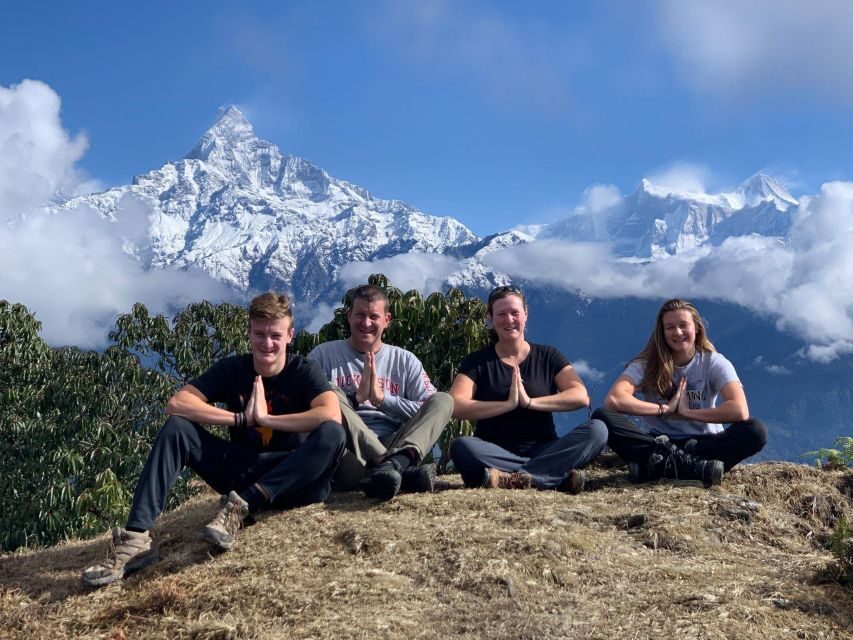
At $250 per person, you’re paying for more than “some nights and a hike.” What’s included is private transportation to and from the trailhead, the two nights of teahouse accommodation with attached facilities, plus a licensed guide and porter support.
Meals not being included can feel like a small add-on, but it also gives you flexibility. You can order what you want at each stop instead of following a fixed menu. And because the walking is short, you’re not locked into spending every hour eating only whatever is served.
For value, look at the combination:
- Comfortable lodges in established trekking areas
- Attached bathrooms (including hot shower first night)
- Transport + guide + porter to remove the heavy lifting
For many people, that bundle matters more than squeezing in a “cheaper” trek that sacrifices comfort and support.
Who should book this, and who should skip it
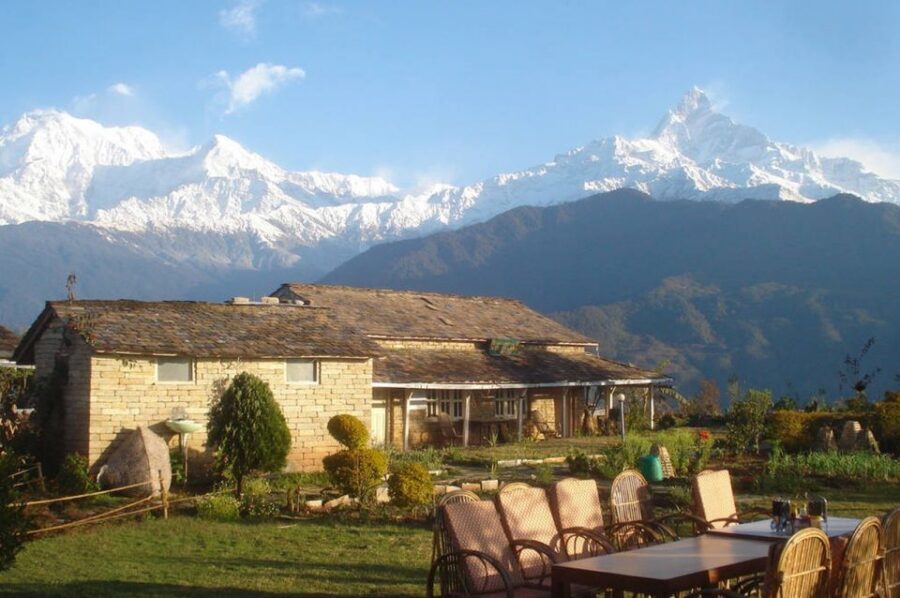
This trek is ideal if you:
- want an easy, short route around Pokhara with genuine Himalayan views
- care about comfortable lodges and hot showers
- enjoy village culture and want guidance, not just directions
- want a safe, well-run trek with a licensed guide
It’s also a good “first trek” structure: three days, clear daily segments, and time for sunrise views without a day-long slog.
But it’s not suitable for pregnant women or people with mobility impairments, based on the tour’s stated limitations. If either applies to you, look for an itinerary designed around accessibility and adjusted terrain.
A short packing list that matches the trek details
The essentials from the provided info:
- Comfortable shoes
- Sunglasses
Based on a practical packing note from past hikers on this route, I’d also plan for:
- sunscreen
- mosquito spray
Even on a short trek, those small items can make your days more comfortable, especially around forested and terrace village sections.
Should you book the Pokhara 3-Day Trek?
If your goal is an approachable trek near Pokhara with clear Annapurna Range views, comfortable lodge nights, and guide support, this is a strong pick. You get a structured route through Dhampus, Pothana, Australian Camp, and Astam—so you’re not stuck doing the same kind of walking all three days.
Before you book, do two things that protect your sanity:
- Confirm pickup details if your hotel isn’t in the Lakeside area of Pokhara.
- Treat the day-before briefing as important. If you’ve got questions about pace, timing, or what to expect, this is when you ask.
If you’re ready for a short trek that feels authentic, with comfortable stays and real mountain views, I’d say go for it. Just pick it for the right reason: a low-stress route that still delivers that Himalayan wow.
FAQ
How long is the Pokhara 3-Day Trek?
It lasts 3 days.
Where is this trek located?
It’s in the Western Region of Nepal, in the Pokhara area (Pashchimanchal), with the route around Pokhara’s foothills toward the Annapurna region.
What does the tour cost?
The price is $250 per person.
What’s included in the price?
Private transportation to and from the trekking trail head, comfortable teahouse accommodation with attached bathroom/toilet, and a trekking guide plus a porter.
Are meals included?
Meals are not included, but you can order meals at the teahouses and pay directly.
Do the lodges have attached bathrooms?
Yes. The first night at Australian Camp includes an attached toilet and bathroom with a hot shower. The second night at Annapurna Eco Village Resort has attached bathroom/toilet.
Is pickup included from every hotel in Pokhara?
Pickup is included only if your hotel is in the Lakeside area. Hotels away from Phewa Lakeside may require extra pickup cost.
What language is the guide?
The trek is led in English.
Is the trek suitable for everyone?
No. It is not suitable for pregnant women or people with mobility impairments.
What should I bring for the trek?
The provided list recommends comfortable shoes and sunglasses.