REVIEW · POKHARA
Pokhara: 4-Day Mardi Himal Trek
Book on GetYourGuide →Operated by MTA Trekking Pvt. Ltd. · Bookable on GetYourGuide
Four days can change how you see mountains. This Mardi Himal trek in Nepal’s Annapurna region pairs big sunrise views with a route that feels like a quiet secret: forests, terraced slopes, and traditional Gurung and Magar villages. I like how the guides on this trip keep things human-sized, checking in often and adjusting the pace, like Gobinda and Ramit are known to do.
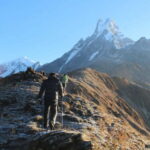
I also really like the way the itinerary builds toward the main payoff. You hike up to Viewpoint around 4,200m, then the early start turns into a sky-show over Mt. Fishtail (Machhapuchhre) and the Annapurna range. And after that, the descent is still scenic and calm, with Machhapuchhre staying in view as you drop toward Kalimati.
One thing to think about: this trek is not hard in a technical sense, but it is step-heavy, and the higher tea houses can be basic. So if you want comfort like a city hotel, you may find the higher nights a bit spartan.
In This Review
- Key highlights that matter in real life
- Why Mardi Himal feels special in the Annapurna region
- Day 1: Pokhara to Kande, then Forest Camp at 2,600m
- Day 2: Forest Camp to High Camp at 3,550m
- Day 3: High Camp to sunrise viewpoint (about 4,200m) and back
- Day 3 shortcut or extra credit: Base Camp only when it’s safe
- Day 4: Forest Camp down to Kalimati and back to Pokhara
- Guides like Lalit, Ramit, Kaji, and Prabit: the real quality signal
- Price and value: what $139 really means for this trek
- What to pack for Mardi Himal (and what actually helps)
- Weather, seasons, and why visibility can vary
- Who this trek suits best
- Should you book the 4-day Mardi Himal Trek with MTA Trekking?
- FAQ
- How long is the Mardi Himal trek?
- Where does the trek start and end?
- What altitude do you reach?
- Is this trek suitable for beginners?
- Do I have to hike to Mardi Himal Base Camp?
- What’s included in the trek package price?
- Are meals included?
- Is there an extra cost for a porter?
- What is the best time of year to go?
- What should I bring?
Key highlights that matter in real life
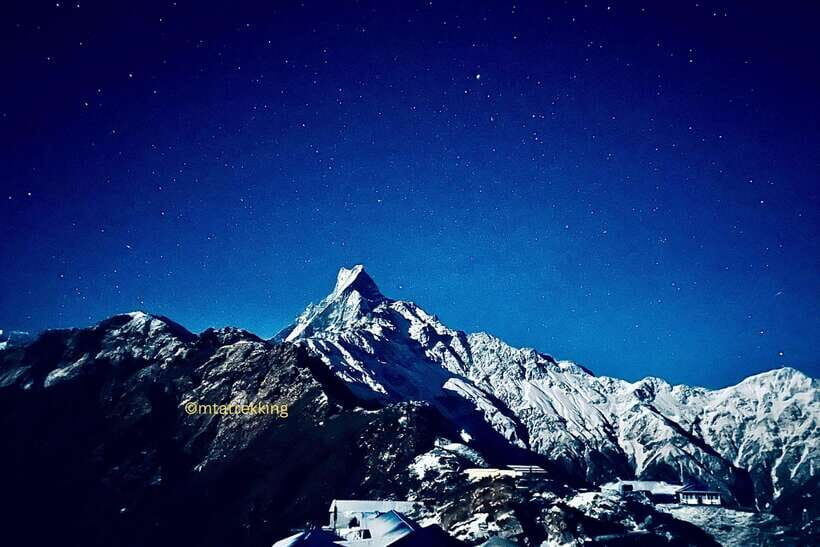
- Sunrise payoff at 4,200m: expect a tough-to-forget look at Fishtail and the Annapurna peaks
- Forest-to-alpine hiking: rhododendron and jungle vibes early, then quieter higher trails
- Guides who manage your energy: many people rave about the pace-checking and support (names like Lalit, Prabit, Kaji)
- Tea house nights that feel welcoming: cozy, warm stays after long walking days
- Optional bonus to Base Camp: if weather permits, you can push higher than the viewpoint
Why Mardi Himal feels special in the Annapurna region
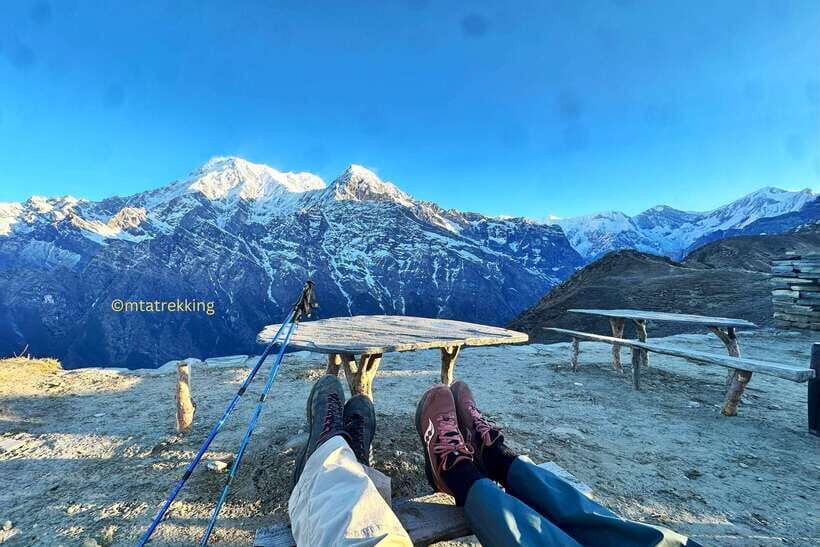
Most Annapurna treks feel busy. Mardi Himal has a different tone. The route pulls you through smaller villages and forest paths before you reach the higher, more dramatic ridges. You get that slow build: the mountain presence grows day by day, not all at once.
What really sells it is the combination of views and variety. You’ll walk through lush forests, cross terraced fields, and pass traditional settlements where life keeps going as trekkers move through. You’re also likely to spot birds and butterflies, and even Himalayan thar if you’re lucky and attentive.
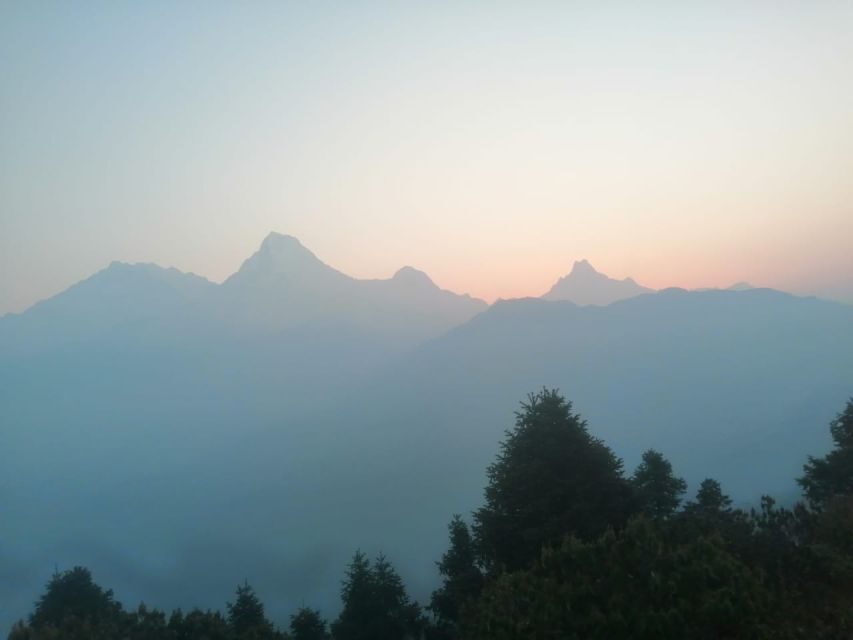
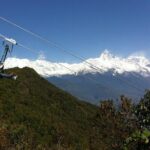
And yes, the sunrise part is a big reason people choose this trek. The viewpoint sits at roughly 4,200m, and the early wake-up is worth it when Machhapuchhre’s signature shape shows up clearly against the morning sky. If clouds roll in, the mountain may hide—but the timing and planning built into the hike gives you the best shot.
Other Mardi Himal treks reviewed in Pokhara
Day 1: Pokhara to Kande, then Forest Camp at 2,600m
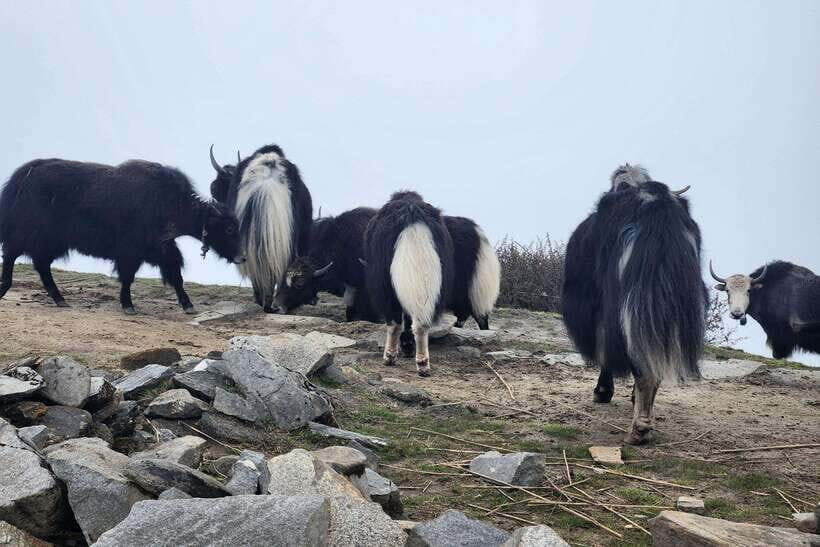
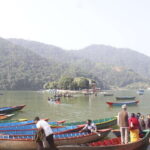
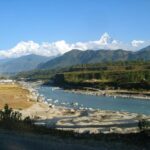
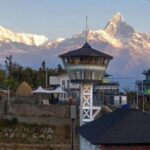
Your day starts in Pokhara with pickup (multiple options around the city). From there, you ride to Kande—about a 1.5-hour drive—passing fields, dense forest, and views over the Seti River. This is one of those “warm up” starts. It’s scenic, not stressful.
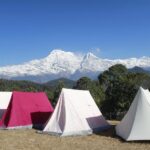
Then you hike roughly 5 hours from Kande to Forest Camp at about 2,600m. Expect a lot of forest time. This is where the trek feels most alive: birds, shifting light under trees, and the steady rhythm of walking uphill. A midday tea house stop helps break the day up and gives you an easy reset.
Practical note: if you start late in the day, the lower trails can feel hot. On longer days like this, starting early from Pokhara matters more than you’d think.
Day 2: Forest Camp to High Camp at 3,550m
Day 2 is the “get higher” day. You wake up, eat breakfast, and trek for about 5 hours from Forest Camp up toward High Camp around 3,550m (with the high camp at roughly 4,000m referenced in the plan). This is where the trail turns more serious—still not technical, but definitely more physical.
The higher altitude changes everything: the air feels thinner, the pace needs to slow, and the hike starts to demand consistency. Many guides handle this well by managing your tempo. People frequently mention how guides like Ramit and Lalit keep a comfortable pace, check how you’re feeling, and plan rest and lunch breaks so you’re not rushing at altitude.
This is also a good day for wildlife moments. You might see animals like birds, and the forest atmosphere can shift from lush and humid to crisp as you climb. You’ll sleep at High Camp, surrounded by big views that often feel close enough to reach.
Day 3: High Camp to sunrise viewpoint (about 4,200m) and back
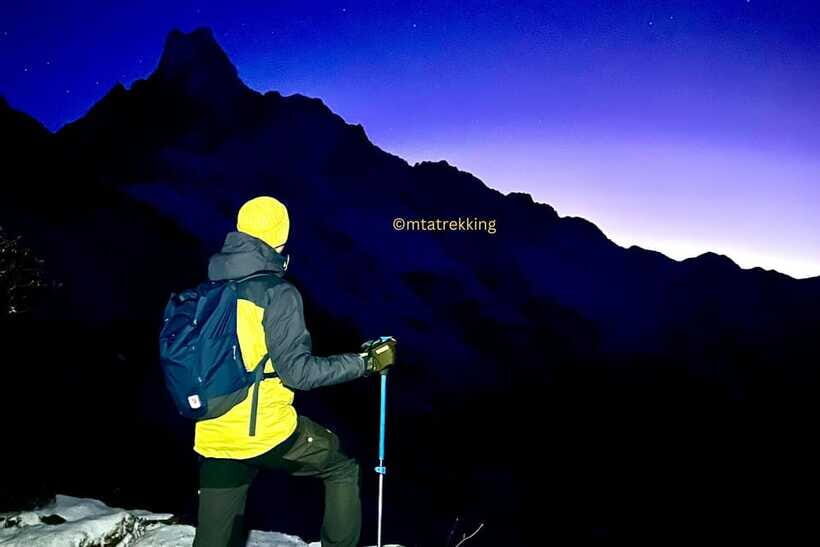
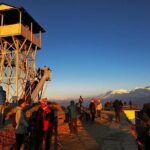
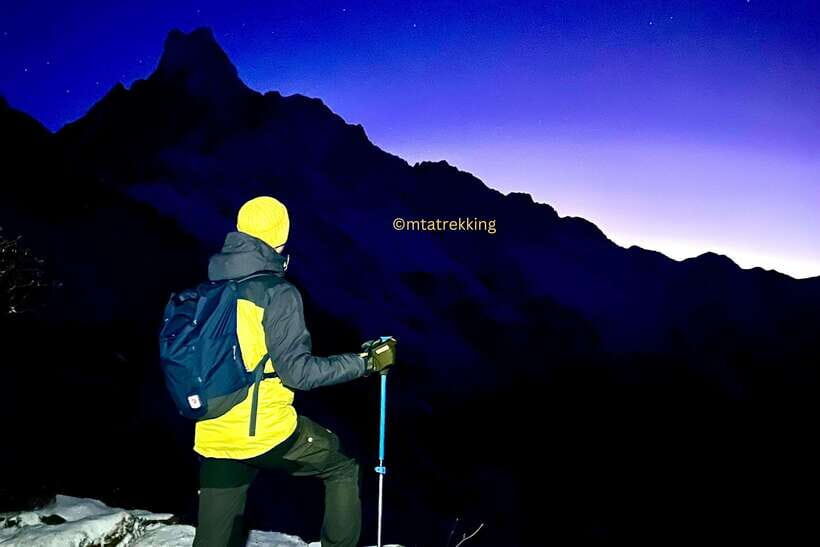
This is the day you’ll remember. You’ll likely start your hike around 4:00am for an early climb to the sunrise viewpoint area (the plan mentions roughly 4,300m and a viewpoint hike of about 1.5 to 2 hours, depending on conditions).
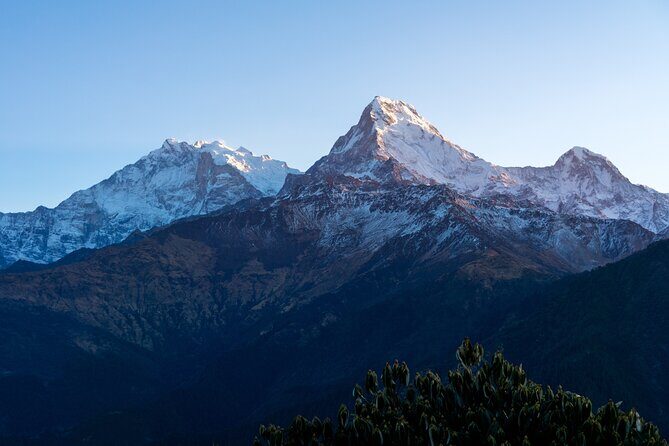
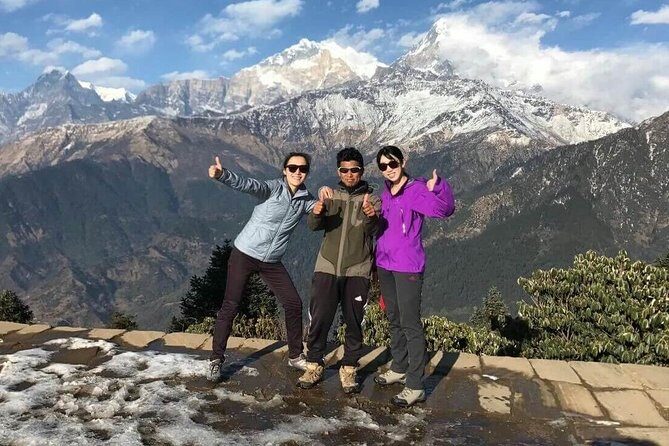
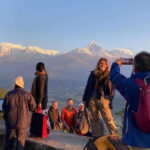
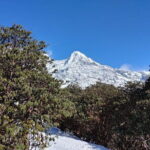
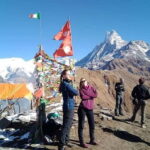
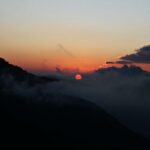
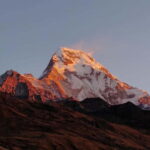
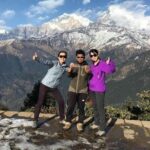
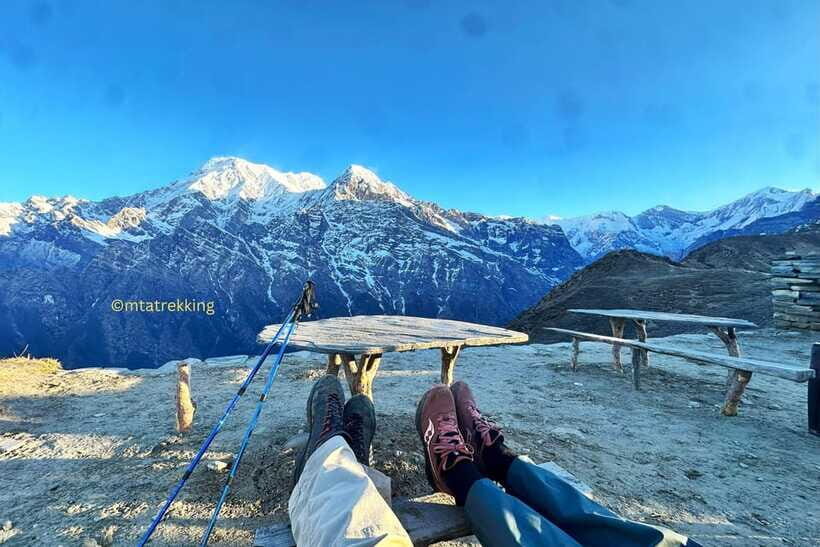
Then you wait for sunrise. When the light hits, Mt. Fishtail (Machhapuchhre) often becomes the star of the show, with the Annapurna range and Mardi Himal fitting into the same wide view. Even the act of watching clouds break can be part of the experience. And if you’ve ever wondered what people mean by mountain scale, this is where it clicks.
After breakfast, you start descending back toward Forest Camp. One nice thing here: the same mountains keep you company during the descent. Machhapuchhre and the Annapurna range stay in clear view for many of your downhill steps.
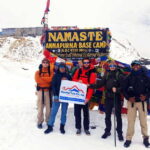
Optional bonus: the plan allows you to continue toward Mardi Himal Base Camp at around 4,500m if conditions are right. During winter, heavy snow can make that higher push harder, and crampons may be advised. The guide should decide based on weather and snow, not on wishful thinking.
Day 3 shortcut or extra credit: Base Camp only when it’s safe
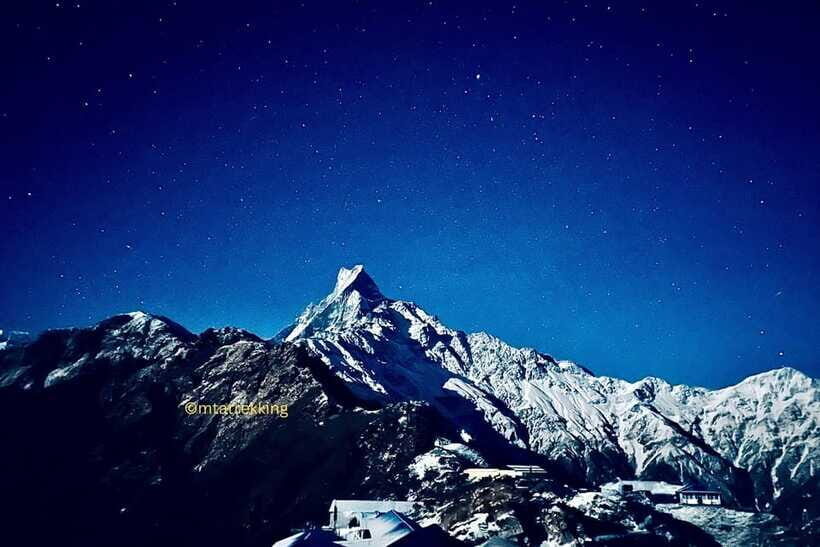
If the extra push is offered, you’ll want to trust the decision-making. The information you’re given is clear that Mardi Himal Base Camp sits around 4,500m, and the trail above Viewpoint can become steep and slippery in winter or poor weather. There’s also less safety infrastructure once conditions worsen.
This is where a good guide earns their money. In the stories you’ll hear, guides don’t just drive you forward. They look at how you’re feeling, what the weather is doing, and whether continuing makes sense. If the summit day doesn’t work out fully, you’ll still get the main viewpoint moment, which is the heart of the trek for most people.
So think of Base Camp as extra credit. Viewpoint is the core.
Other hiking tours in Pokhara
Day 4: Forest Camp down to Kalimati and back to Pokhara
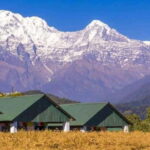
Day 4 is a relief day, but not a dead one. You start after breakfast on the way down. The plan has you trek from Forest Camp toward Kalimati around 1,800m (with low camp mentioned around 2,600m earlier). The descent is a mix of forest paths, small bridges, gentle waterfalls, and bird sounds that make the drop feel more peaceful than you might expect.
Kalimati is where you switch modes. From there, you take a jeep or SUV back to Pokhara, typically about 1.5 to 2 hours. It’s a clean finish to a hike: less walking at the end, more recovery.
One more reality check: the earlier tea house nights mean late arrivals can happen on tighter schedules. If you’re doing the 4-day version, start strong and don’t assume each day will feel easy just because it’s shorter. You’ll likely still find that days 2 and 3 take work.
Guides like Lalit, Ramit, Kaji, and Prabit: the real quality signal
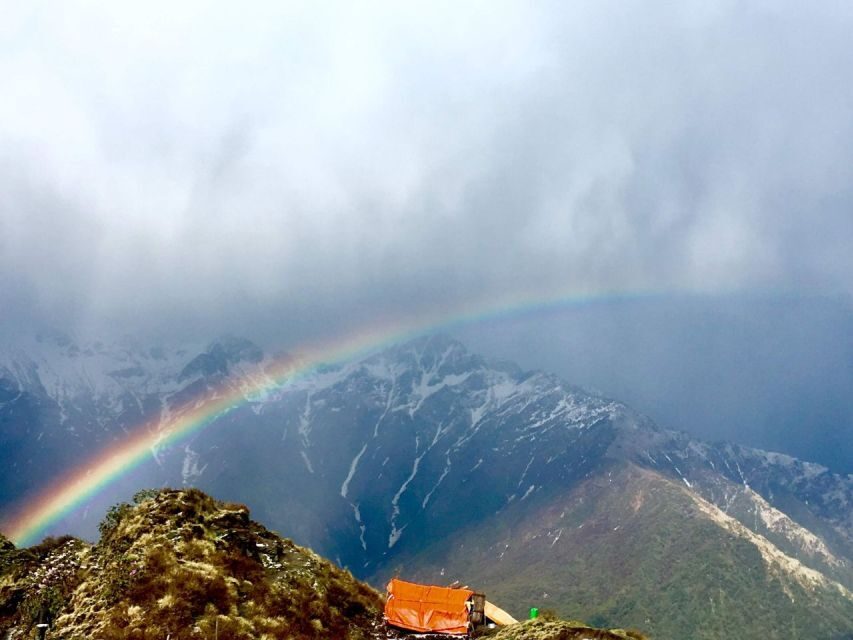
In my view, the guide matters more than the brochure. This trek is simple on paper, but altitude and long stair sections can turn it into a grind if pacing is wrong. People consistently praise guides for exactly that: staying attentive, adjusting progress, and keeping comfort and safety front and center.
Names you’ll see connected with these experiences include Gobinda, Ramit, Lalit, Prabit, Kaji, Shishir, Santosh, Binod, and Jeevan. Even across different guide styles, the pattern is the same: they manage the day so you’re not constantly guessing how hard to push.
A small example that shows up again and again: guide-led photo stops and frequent check-ins. That’s not just nice. It helps you take breaks before you’re exhausted, which is what you want when you’re hiking at higher altitude.
Price and value: what $139 really means for this trek
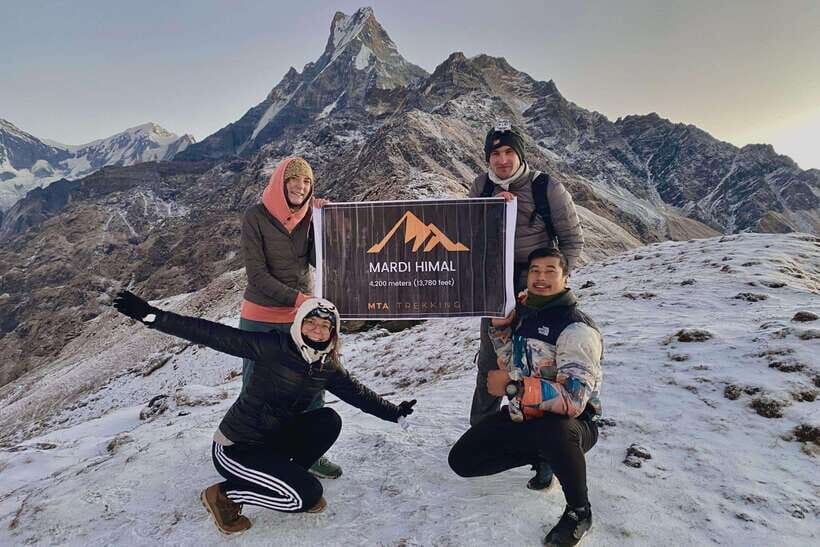
The listed price is $139 per person for a 4-day trek. That sounds like a budget trek, but the value depends on which package you choose.
Here’s the practical breakdown:
- You’re getting a licensed English-speaking guide, permits (including TIMS and the required paperwork), and government taxes.
- You’ll have transport within the region and tea house or accommodation for the Standard package.
- Trekking gear is provided, including trekking poles and a sleeping bag.
The key variable is meals. Meals are included only in the Full Package. In the Standard Package, meals are not included. That matters because tea houses usually run on cash payments for food and drinks. Some people also suggest bringing extra cash for snacks and local drinks, because it’s part of the experience and also part of how these communities survive during trekking seasons.
Also note: private accommodation is part of the trek setup, but solo travelers may need to share rooms in peak season due to limited availability. Porter costs are extra—listed at $20 per day—so if you want help carrying your load, plan for that.
So is it good value? If you match your expectations—basic mountain lodging, guided safety, and flexible day pacing—it’s a strong deal. If you expect included meals and full-service comfort at altitude, you’ll want to choose your package carefully.
What to pack for Mardi Himal (and what actually helps)
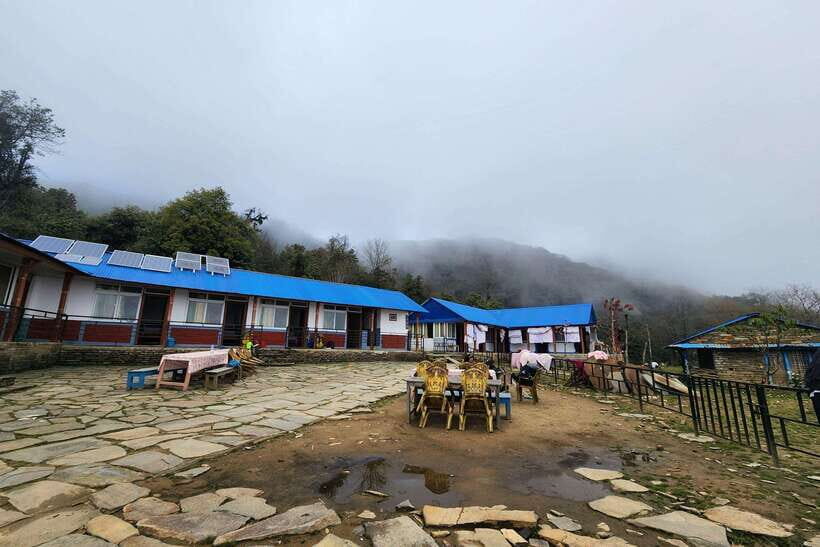
The plan is straightforward about essentials:
- Warm clothing (layers beat one big jacket)
- Sunglasses and sunscreen
- Sun hat
- Flashlight
I’d also add a few reality-based items based on common issues on these tea house routes:
- A sleeping bag can help comfort and hygiene, especially when you’re sleeping in shared or older tea house setups. Some trekkers specifically recommend bringing one even if it’s offered, because personal cleanliness feels better.
- Water and snacks: you’ll be tempted to buy everything along the trail, but it’s smarter to have your core snacks ready so you’re not waiting for the next stop.
- Cash: if you choose Standard and pay for tea house meals separately, you’ll want enough money for food and hot drinks.
On higher days, phone signal can be unreliable, and showers may be absent or limited at camps. Pack your expectations accordingly. A flashlight and a calm mindset go a long way.
Weather, seasons, and why visibility can vary
Timing helps. The best seasons listed are spring (March to May) and autumn (September to November) for more stable weather and better views. Those windows are when you’re most likely to see the peaks clearly around sunrise.
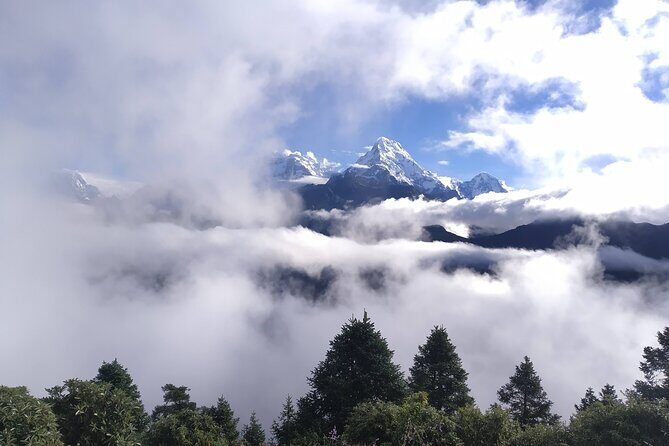
But clouds can happen even in good seasons. One experience noted cloudy conditions for most of the trek, which meant not always seeing the summit clearly. The lesson: choose weather-smart days, and accept that mountain visibility is never guaranteed.
Winter brings more risk. Snow and slippery sections above Viewpoint can reduce safety, which is why continuing to Base Camp depends on conditions. Monsoon season also affects trail comfort and safety.
Who this trek suits best
This trek is described as moderate and suitable for all levels, including beginners seeking adventure. The big catch is effort. It’s not technical climbing, but it includes a lot of steps and steady uphill walking, especially on days leading toward High Camp and the sunrise viewpoint.
This trek may be a poor match if:
- You’re prone to altitude sickness (the plan explicitly says people with altitude sickness should not do it)
- You’re pregnant (not suitable)
- You’re over 70 years old (not suitable)
If you’re comfortable with long hikes, and you like forests, villages, and mountain mornings, Mardi Himal fits well. If you hate slow stair climbing, you may find it tedious even though it’s manageable.
Should you book the 4-day Mardi Himal Trek with MTA Trekking?
I’d book this trek if you want a real Annapurna experience without the huge crowds. The combination of sunrise at Viewpoint 4,200m, forest-and-village walking, and a supportive guide setup makes it a strong choice—especially for first-timers who still want a mountain moment that feels big.
Book it especially if:
- You want guided pacing and safety checks (people consistently mention how guides monitor how you’re doing)
- You like cozy tea house nights and don’t need luxury at 3,500m
- You’re okay budgeting for tea house meals depending on your package
Skip or choose differently if you strongly need included meals, smooth comfort everywhere, or you’re hoping for a totally flat, easy stroll. Mardi Himal is simple in route design, but it still asks you to work.
If you get the season right and bring layers, this is the kind of trek where you come home with a new respect for the mountains—and a sunrise you won’t forget.
FAQ
How long is the Mardi Himal trek?
The trek is 4 days.
Where does the trek start and end?
It starts in Pokhara and returns to Pokhara at the end. You’ll also connect with Kande and Kalimati during the trek and transportation segments.
What altitude do you reach?
The itinerary includes a sunrise viewpoint around 4,200m and Mardi Himal Base Camp at about 4,500m as an optional continuation depending on weather.
Is this trek suitable for beginners?
Yes. The trek is described as moderate and suitable for all levels, including beginners looking for adventure.
Do I have to hike to Mardi Himal Base Camp?
No. The Base Camp continuation is optional and depends on weather and snow conditions.
What’s included in the trek package price?
Included items cover a licensed English-speaking guide, trekking permits and TIMS fees, taxes, tea house or accommodation for the Standard package, transportation, and trekking gear such as trekking poles and a sleeping bag. Private accommodation is provided during the trek (with room sharing possible for solo travelers in peak season).
Are meals included?
Meals are included only in the Full Package. The Standard Package does not include meals.
Is there an extra cost for a porter?
Yes. Porter costs are listed at $20 per day.
What is the best time of year to go?
The ideal seasons are spring (March to May) and autumn (September to November).
What should I bring?
Bring warm clothing, sunglasses, a sun hat, sunscreen, and a flashlight.