REVIEW · POKHARA
From Pokhara: 4-Day Mardi Himal Base Camp Trek
Book on GetYourGuide →Operated by Snow Peak Tours and Travels pvt. ltd. · Bookable on GetYourGuide
Short trek, big Himalayan rewards. This private Mardi Himal route from Pokhara mixes peaceful trails with high-altitude drama, including the chance at sunrise over Machapuchhre from higher viewpoints. The main catch is that the trail can feel like nonstop stairs and cold climbs, so you’ll want a solid fitness base and warm layers.
What also makes it worth your time is how the trek is run day-to-day: a certified English-speaking guide (with languages also including Hindi and Nepali) keeps the pace realistic and the route moving at a level that works for you. In past groups, guides like Anil, Santosh, Bala, Jeet, Tanka, and Dhanapati stood out for staying patient, adjusting speed, and helping with morale when it got steep.
In This Review
- Key highlights that actually matter
- Why Mardi Himal Fits a 4-Day Trek (Without Feeling Rushed)
- Pokhara Start: Getting to Kande Without Losing Your Morning
- Day 1: Kande to Forest Camp (2,550 m) Through Rhododendron Country
- Day 2: Forest Camp to High Camp (3,580 m) for Machapuchhre Views
- Day 3: Sunrise at Mardi Himal Viewpoint (4,200 m), Optional Base Camp, Then Low Camp
- Day 4: Low Camp Down to Siding, Lumre Walk, and Back to Pokhara
- Tea Houses, Meals, and the Real Budget Reality
- Guides and Porters: The Secret Ingredient in a Private Trek
- Altitude, Cold Mornings, and How to Train for This Trek
- Price and Value: Is $138 a Fair Deal?
- Who This Trek Suits Best (And Who Might Want a Different Plan)
- Should You Book This 4-Day Mardi Himal Trek?
- FAQ
- What is the duration and difficulty level of this Mardi Himal trek?
- What elevations will I reach on this route?
- Is this trek private or shared?
- Are permits included?
- What meals and accommodation are included?
- What should I bring and is travel insurance required?
Key highlights that actually matter
- Rhododendron and oak forests first, alpine meadows later: the scenery changes fast, so you don’t get bored by day two.
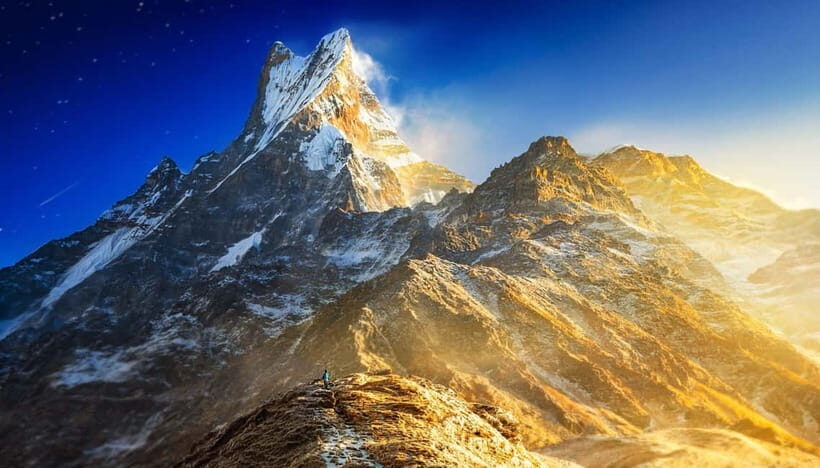
- High Camp views at 3,580 m: Machapuchhre and Annapurna South show up early enough to matter.
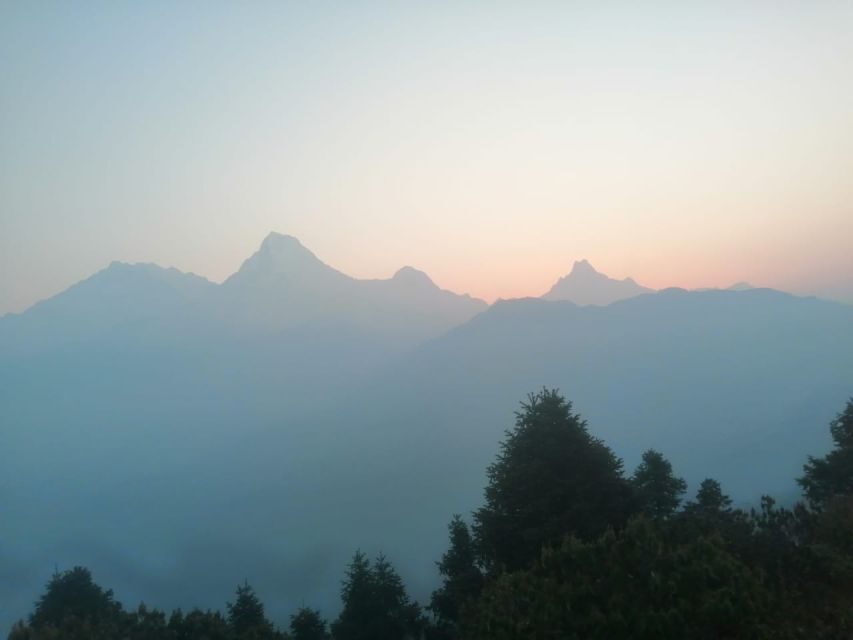
- Mardi Himal Viewpoint for sunrise: the big early-morning effort is aimed at mountain light, not just exercise.
- Optional push toward Base Camp (about 4,500 m): you decide based on how you feel that day.
- Private guiding, with pace control: guides adjust for trekking ability and even illness recovery.
- Tea houses in remote villages: it’s simple, cozy, and part of why the trek feels real.
Why Mardi Himal Fits a 4-Day Trek (Without Feeling Rushed)
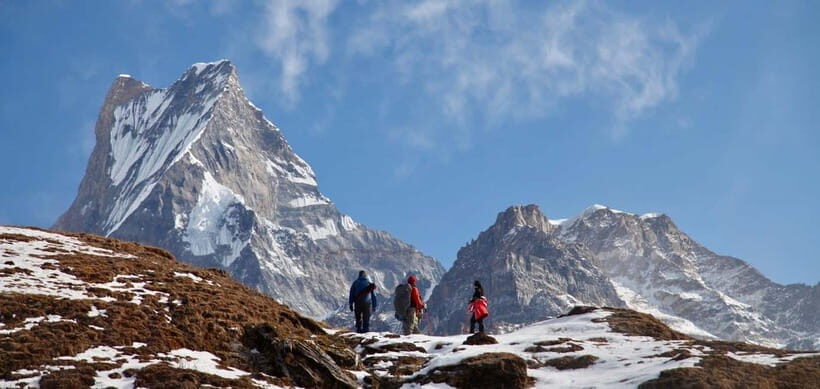
Mardi Himal is one of those Annapurna-region treks that gives you mountain payoff quickly. You’re not spending a full week just getting into the mountains. Instead, in four days you go from forest paths to steep high-country viewpoints, with a realistic chance to see the big peaks in changing light.
The trade-off is that this is not a flat “wander and enjoy” hike. Even with a private setup, you’re building altitude each day and spending hours on uphill trail, often on stone steps. If you like steady effort and you don’t mind cold mornings, this schedule works.
I like the fact that the trek focuses on viewpoints and a base-camp-area experience without requiring weeks of logistics. You still get the Annapurna feeling: ridgelines, big walls, and that moment when the mountains finally fill your view.
Other Mardi Himal treks reviewed in Pokhara
Pokhara Start: Getting to Kande Without Losing Your Morning
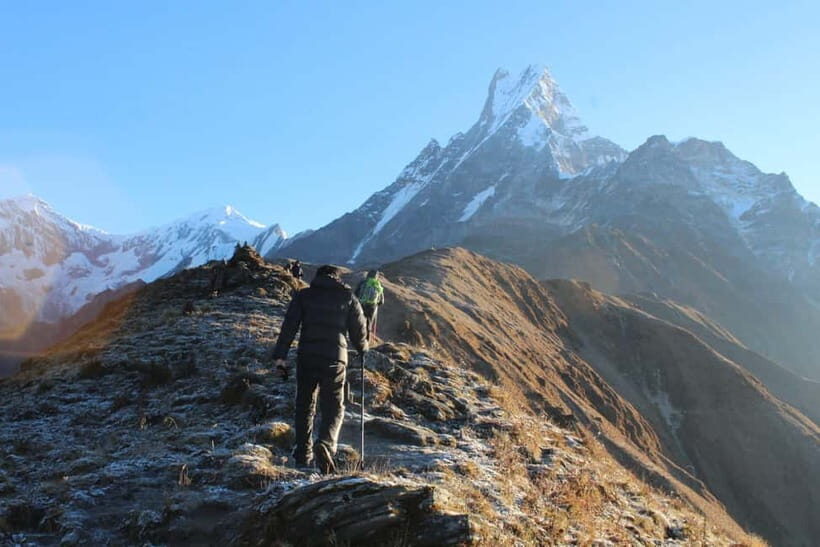
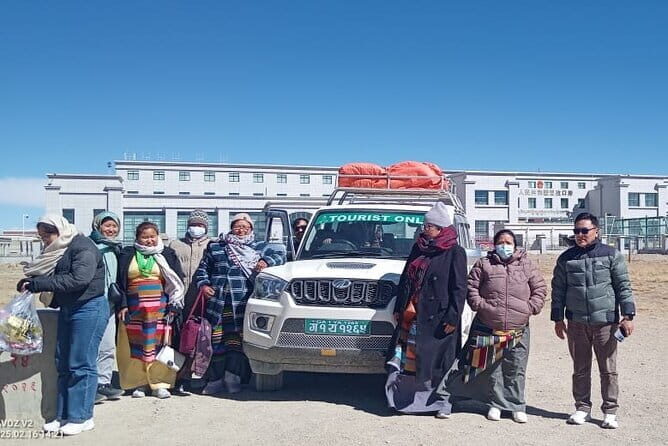
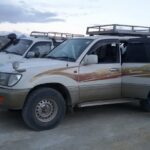
Your trek begins with a drive from Pokhara to Kande, roughly one hour. The good news is that the plan builds in a smooth start rather than asking you to figure out transport on your own.
If you’re staying in the Lakeside area or around Sarangkot, pickup is included, and you can also be collected from Pokhara International Airport. The guide and vehicle arrive about five minutes early with a name sign, which helps if you’re not used to Nepali meeting points.
Two practical perks to take advantage of:
- Luggage storage in Pokhara while you’re trekking, so you’re not hauling extra bags.
- Clear permit handling: you’ll need to submit a copy of your passport at least one day before the trek so permits can be arranged.
If you’re traveling light, this trek is easier to enjoy. You’ll still need to bring a few essentials for cold and rain risk, but you won’t be forced to carry your whole life.
Day 1: Kande to Forest Camp (2,550 m) Through Rhododendron Country
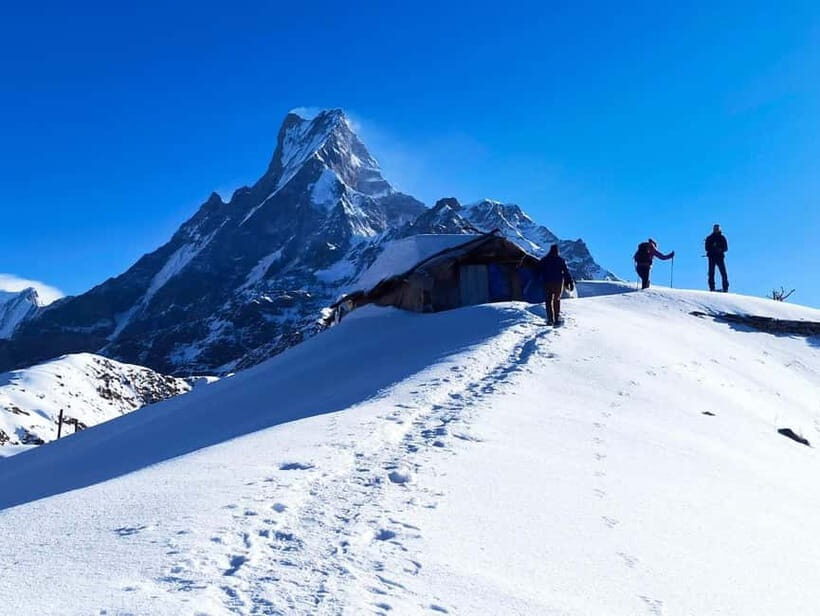
Day one is where the trek starts to feel like Nepal, not just exercise. After the drive to Kande, the hike begins on forest trails through areas like Australian Camp and Pothana. This is where you’ll likely notice the rhododendron and oak mix—shady stretches, bird-song quiet, and cooler air as you gain elevation.
Expect about 5–6 hours trekking to reach Forest Camp (2,550 m). The long enough walk means you’ll warm up, but the forest keeps it comfortable compared with the later cold high points.
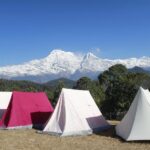
Why this stop matters: Forest Camp is your first real “sleep in the mountains” moment. You’re not guessing what the tea house life feels like—you experience it right away. Teahouse accommodations are simple, but that simplicity is part of the charm.
A small drawback to plan for: day-one rain or mist can make footing slick on stone and dirt. Bring shoes you trust on uneven steps, not “city shoes.”
Day 2: Forest Camp to High Camp (3,580 m) for Machapuchhre Views
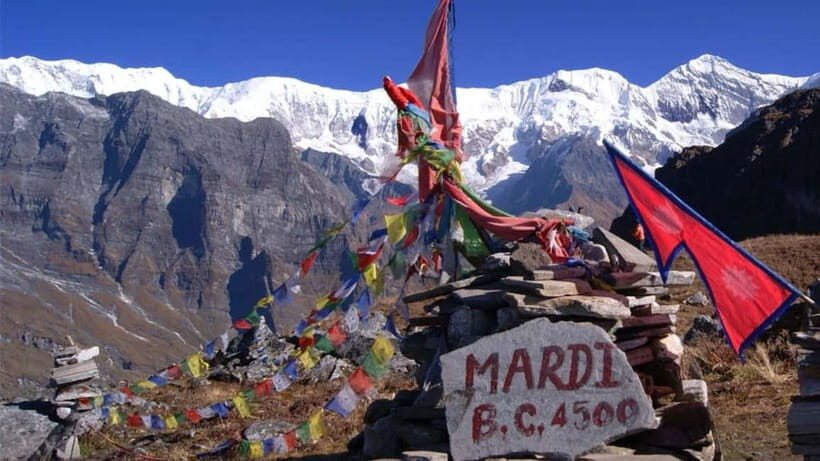
This is the day most people remember. You keep climbing for roughly 6–7 hours, and the trail goes from dense forest into more open, higher terrain. Expect rhododendron and oak as you move upward, then a gradual shift toward alpine conditions.
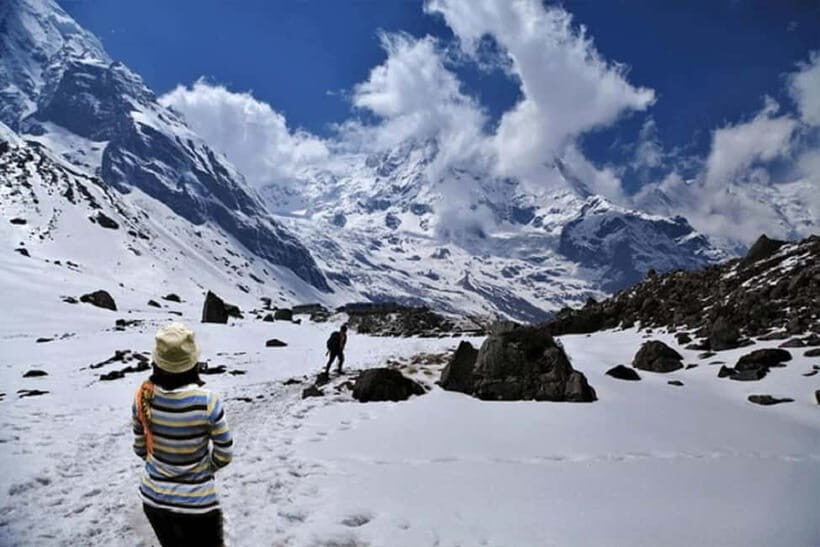
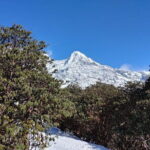
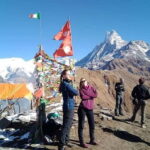
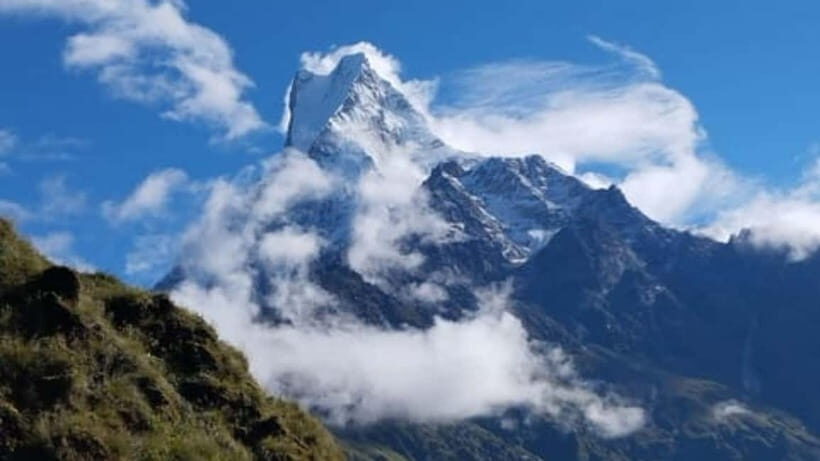
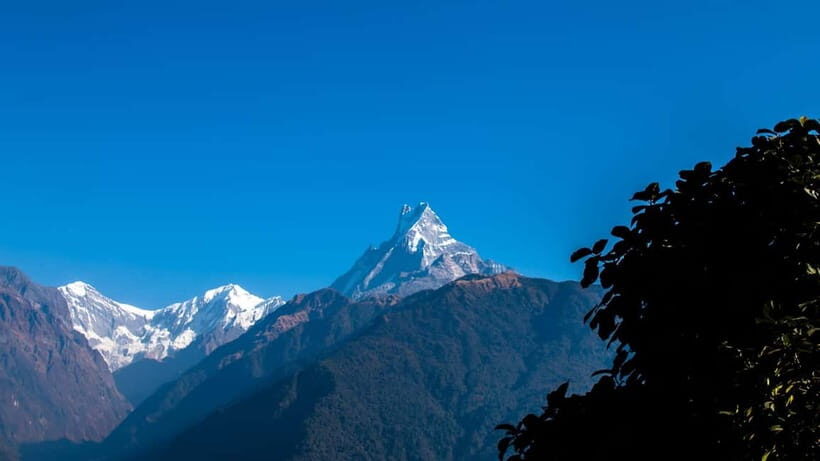
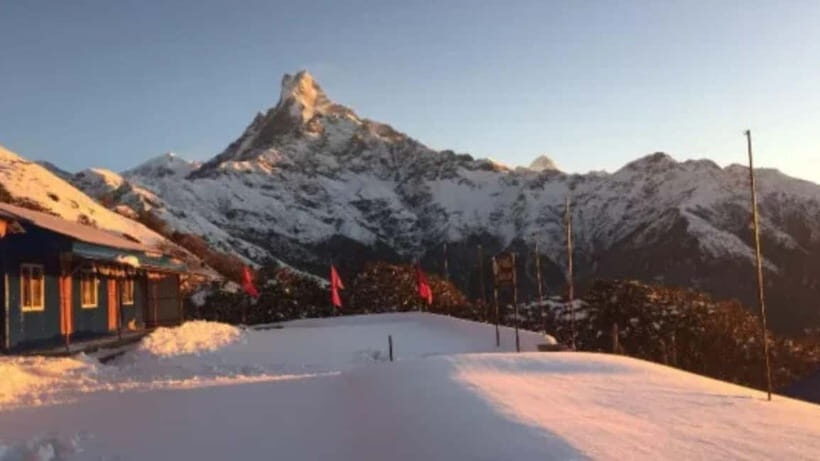
You reach High Camp (3,580 m), and this is where the mountain payoff ramps up. From High Camp you’re positioned for major views of Machapuchhre and Annapurna South.
The key here is not just seeing the peaks—it’s when you see them. High altitude viewpoints later in the trip feel extra earned because you’ve already felt the climb. High Camp is the first checkpoint that makes the effort click.
One more thing I appreciate: since this is a private trek, your guide can pace the ascent. In past trips, guides such as Anil and Santosh were praised for adjusting speed and checking in when participants needed a slower rhythm. That matters because the steep parts can take more out of you than the distance alone.
Overnight in High Camp is also your first taste of how cold it gets higher up. The information is clear: temperatures can vary a lot, and higher altitudes are often very cold. Pack layers for warmth before you’re shivering.
Day 3: Sunrise at Mardi Himal Viewpoint (4,200 m), Optional Base Camp, Then Low Camp
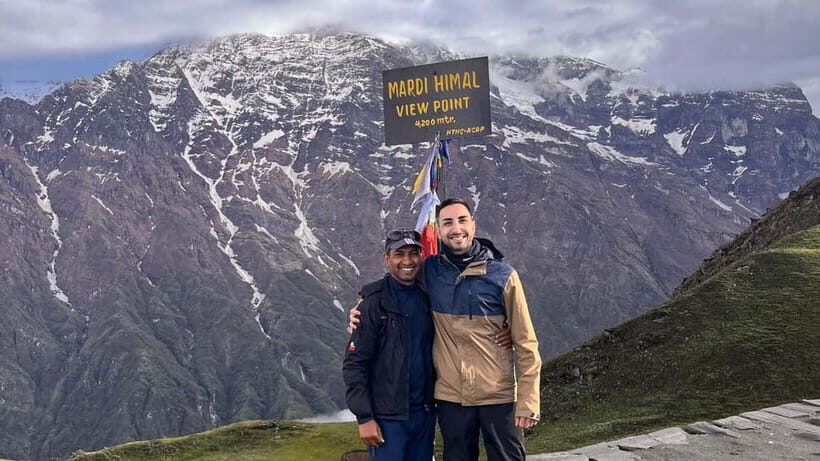
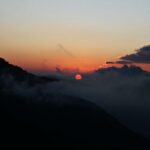
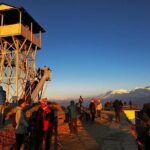
Day three is an early-morning mission. You hike about 3–4 hours up to Mardi Himal Viewpoint (around 4,200 m). The goal is sunrise over the Annapurna range, and specifically the view moments linked to Machapuchhre.
If you feel strong, there’s an optional extension to Base Camp (about 4,500 m). This is smart planning because you don’t force everyone to the same altitude. You can choose what fits your energy that day.
Then you descend to Low Camp (2,970 m), about 3–4 hours downhill. Downhill can be rough on knees, and it’s still physically demanding, just in a different way. Stairs can keep coming, but at least the air starts to warm and your body feels more settled.
This is also the day when a good guide makes a difference in how you experience the climb. Guides in prior groups—Bala, Jeet, and others—were noted for patient encouragement and for helping people who needed breaks. That kind of support doesn’t remove effort, but it keeps the trek from feeling like a fight.
Other hiking tours in Pokhara
Day 4: Low Camp Down to Siding, Lumre Walk, and Back to Pokhara
After the mountain morning, day four is about finishing strong and getting back to normal life without rushing.
You trek downhill for about 4–5 hours to Siding Village, then take a shorter walk of around 1 hour to Lumre. Finally, you drive back to Pokhara, roughly 1 hour.
Why I like this ending: you don’t end with a dramatic scramble. It’s a steady descent that helps your body recover from the earlier altitude days. You also get to pass through villages rather than cutting straight back to vehicles.
A practical tip: descent day is when you should mind your pace. It’s tempting to speed up when you’re tired, but the risk of slipping or overloading legs goes up. Private guiding helps here because the guide can keep your steps controlled.
Tea Houses, Meals, and the Real Budget Reality
Your trek includes accommodation in simple tea houses or lodges along the route. Meals are included only if you choose that option. The important part is that tea houses are where you’ll eat either way.
One traveler who skipped the included meals option estimated around 3,600 NPR per person per day for meals and drinks. That doesn’t mean you’ll spend the exact same amount, but it gives you a grounded idea that “food included” may not always be the best deal.
I’ll say this plainly: check what you’re paying for meal inclusion against how you normally travel. If you’re comfortable ordering food at tea houses, you might prefer paying as you go. If you want less decision-making, the included meals option can reduce stress.
Tea houses can also be surprisingly thoughtful in small ways. One trekker mentioned tea house staff even made a birthday cake—proof that the simple places can still feel warm and personal.
Guides and Porters: The Secret Ingredient in a Private Trek
A private trek is only as good as the human support behind it. Here, you get a professional, Nepal Government certified trekking guide and you have the option for a porter if selected.
In reviews, several guides came up repeatedly for the right reasons:
- Anil: attentive, patient, and able to slow the pace for a first-time trekker recovering from flu.
- Santosh: practical trekking tips and support when the route got challenging.
- Bala: helped with tough sections and kept spirits up with humor.
- Jeet: flexible and adjusted the trek plan to match what participants could handle.
- Tanka and Dhanapati: praised for caring attitudes and good organization.
Porters also matter. People reported that porters made steep stair climbs easier by helping with bags, and that support can turn “this hurts” into “I can do this.”
If you’re considering bringing a porter, I’d treat it as a performance tool, not charity. Carrying less helps you enjoy the views instead of bargaining with your legs.
Altitude, Cold Mornings, and How to Train for This Trek
This trek can be physically demanding, and that’s not a marketing line. The schedule is built on long uphill days and high-altitude cold.
The tour info highlights temperature swings and frequent cold at higher elevation. So don’t show up hoping for the best. Bring warm layers you can add and remove as the day changes.
Also plan for the trail style:
- You’ll hit steep sections and lots of stairs.
- The days feel long even when the distance isn’t huge.
- On summit-style days (like sunrise at 4,200 m), the air can change how you feel fast.
One smart approach is to prioritize consistent pacing over pushing for speed. On a private trek, your guide can match your rhythm, which helps prevent early exhaustion. And if you need to adjust goals—like opting out of the full Base Camp push—this trek is set up to handle that without drama.
Emergency rescue services are available if required, and a first aid kit is included. That doesn’t remove risk, but it does help you feel less stranded.
Price and Value: Is $138 a Fair Deal?
The price is listed as $138 per person for a 4-day experience. The biggest value in that number is what gets handled for you, not just the trek itself.
Included items that add real value:
- Round-trip transportation between your hotel (or airport) and the trek starting point.
- Permits and TIMS fees for the trek.
- Tea house accommodation along the route.
- A certified English-speaking guide (plus other languages).
- Luggage storage in Pokhara.
- Trekking gear as needed (like trekking stick/sleeping bag).
- First aid kit, plus insurance and administrative coverage for the guide.
Not included:
- Personal expenses (snacks, extras, drinks beyond what you choose).
The way reviews read, organization and pacing support are strong. That matters, because on Himalayan treks, stress costs energy. When logistics are handled well, you can focus on the trail.
If you want a private guide and a short Annapurna-region trek with mountain viewpoints, the pricing can feel reasonable. If your main goal is lowest cost possible, you might compare against group trek options in Nepal. But for a private 4-day route, this setup looks designed for value.
Who This Trek Suits Best (And Who Might Want a Different Plan)
This is a great fit for you if:
- You want an Annapurna-region trek but don’t have a week or more.
- You enjoy forests and want the scenery shift as altitude rises.
- You like sunrise viewpoints and are okay with an early start.
- You want private guiding so your pace can match your needs.
You might want a different plan if:
- Long days on steep stairs are a problem for your body.
- You’re sensitive to very cold mornings at higher elevation.
- You’re not comfortable with a route that can become demanding quickly.
The good news is the optional Base Camp extension lets some people scale the challenge without abandoning the whole day.
Should You Book This 4-Day Mardi Himal Trek?
I’d book it if you’re after a short, high-reward Himalayan trek with real mountain moments, especially sunrise-linked views and a chance to reach near-base-camp scenery. The private guide setup plus permit handling and transport removes a lot of headaches that can drain fun.
Before you book, do a quick reality check:
- Make sure you can handle steep stairs for hours.
- Pack for cold, not just for daytime warmth.
- Decide in advance how you feel about meal inclusion versus ordering at tea houses.
If that sounds like your kind of challenge, Mardi Himal in four days is the kind of plan that gives you stories worth carrying home.
FAQ
What is the duration and difficulty level of this Mardi Himal trek?
The trek is 4 days. It’s physically demanding for some participants, with long uphill hiking and steep stair sections, plus cold temperatures at higher altitudes.
What elevations will I reach on this route?
You start trekking around Kande and reach Forest Camp at about 2,550 m. The itinerary includes High Camp at about 3,580 m, Mardi Himal Viewpoint around 4,200 m, and an optional Base Camp area around 4,500 m if you’re fit. You finish at Low Camp about 2,970 m and then hike down to Siding and Lumre.
Is this trek private or shared?
It’s listed as a private group. A professional guide leads the trek.
Are permits included?
Yes. All required trekking permits, necessary paperwork, and TIMS fees are included. You’re asked to submit a copy of your passport at least one day before the trek so the permits can be arranged.
What meals and accommodation are included?
Accommodation is included in simple tea houses or lodges along the route. Breakfast, lunch, and dinner are included only if you select the meals option. Otherwise, you’ll eat at tea houses as you go.
What should I bring and is travel insurance required?
You should bring a passport or ID card, comfortable shoes and hiking pants, warm clothing for cold higher elevations, cash, and any needed camera and waterproof protection. Travel insurance is mandatory for your safety and peace of mind.