REVIEW · POKHARA
Full Day Car Drive to Explore Places of Interest of Pokhara
Book on Viator →Operated by AM Travels and Tours · Bookable on Viator
Seven hours of Pokhara, minus the taxi math. I like how this is a private day with a driver and English-speaking guide, so you move fast between viewpoints and religious sites without guessing routes. I also like the mix: mountain-and-lake panoramas at Sarangkot, cultural stops on hilltops, and then the water-focused drama of Devi’s Fall and Gupteshwor Mahadev Cave. One thing to plan for: most entrance tickets are not included, and the best views depend on good weather.
This tour is especially handy when you want to cover a lot but still feel looked after. You get pickup and drop-off from Lakeside area hotels, plus a bottle of water per person, which sounds small until you’re out in the heat. The route is a straight day-drive circuit, so it’s also a smart option if you’re bouncing between trekking plans and regular sightseeing.
In This Review
- Key things to know before you go
- Why this Pokhara day-drive beats DIY in real life
- Price and value: what $93.26 per person really buys
- Sarangkot hill, Bindhyabasini Temple, and Matepani Gumba
- Stop 1: Sarangkot hilltop viewpoint
- Stop 2: Shree Bindhyabasini Temple
- Stop 3: Matepani Gumba (Buddhist monastery)
- Why this hill block works
- Lakeside time: Begnas Lake and Phewa Tal
- Stop 4: Begnas Lake
- Stop 5: Phewa Tal (Fewa Lake) quick scenic viewing
- Devi’s Fall and Gupteshwor Mahadev Cave: water with a plot twist
- Stop 6: Devi’s Fall
- Stop 7: Gupteshwor Mahadev Cave
- What I like about stacking these two stops
- World Peace Pagoda on the hill: the big finishing view
- What the guide actually changes (and why Gobinda’s name comes up)
- Timing, weather, and how to plan your day
- Who this Pokhara private car drive is for
- Should you book this full-day car drive?
- FAQ
- How long is the Pokhara full-day car drive?
- Where does the pickup happen?
- Is this a private tour?
- What’s included in the price?
- Are entrance fees included?
- Are meals included?
- Can I go boating on Begnas Lake?
- Do I need good weather for this tour?
- Is the guide language English?
Key things to know before you go
- Private car, driver, and English-speaking guide for a full 7–8 hour circuit
- Hotel pickup and drop-off in the Lakeside area so you don’t start your day with confusion
- Sarangkot + hilltop temples/monastery for big views and calmer cultural moments
- Two lake stops (Begnas and Phewa Tal) with optional boating at Begnas
- Devi’s Fall and Gupteshwor Mahadev Cave for a change of pace from scenery
- World Peace Pagoda as the “final view” on a hill before returning to your hotel
Why this Pokhara day-drive beats DIY in real life
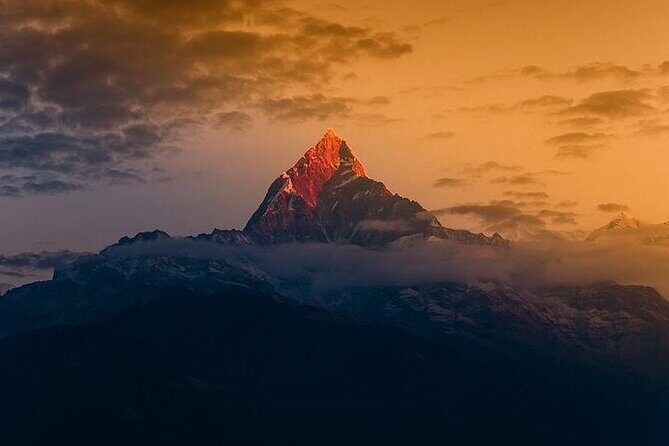
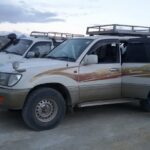
Pokhara rewards people who plan their timing. The views from Sarangkot and the World Peace Pagoda are the kind of places where you want to be in the right spot, at the right time, without wasting half your day on transport wrangling. This tour solves that with a round-trip private car and a guide who helps you connect the dots—what you’re seeing, where it fits in local life, and what to pay attention to as you move.
The private format also matters. Instead of sharing a vehicle with strangers and everyone’s different pace, you keep the day tight and logical. If your group wants more time at a viewpoint or needs a short break, you’re not fighting the schedule of a bus-load of people.
And yes, the practical stuff is included: bottled water per participant, plus transfers from Lakeside hotels. That makes a difference when your day includes a lot of short drives and a few hilltop climbs.
A few more Pokhara tours and experiences worth a look
Price and value: what $93.26 per person really buys
At $93.26 per person for a 7 to 8 hour private car tour (with pickup/drop-off in the Lakeside area), you’re paying for convenience plus local context. The big value items included are:
- Round trip private car
- English-speaking tour guide
- Bottle of water per participant
- Hotel pickup and drop off (Lakeside area)
- Private trip (your group only)
What’s not included matters too. Entrance fees aren’t included, and meals and drinks are for purchase. Gratitude is optional. So if you hate surprises, you’ll want to budget for tickets at stops where admission applies (Sarangkot and several of the “dramatic” water and cave areas are listed as not included).
The best way to think about the price: if you were trying to hire a driver for the full day yourself, it would be hard to match the bundled structure—especially with an English-speaking guide on top.
Sarangkot hill, Bindhyabasini Temple, and Matepani Gumba
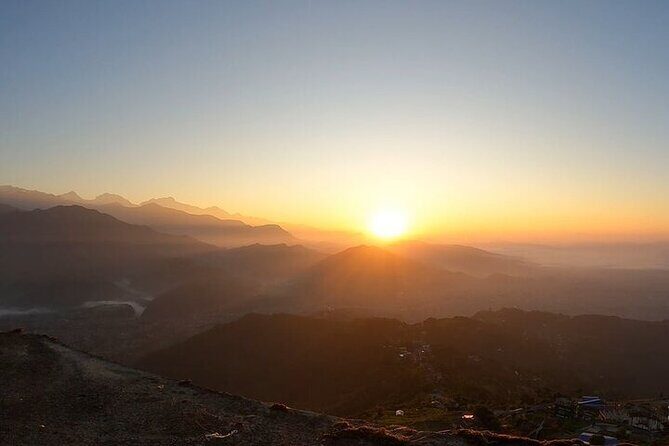
This is your “get the views early” block, and it’s set up well.
Stop 1: Sarangkot hilltop viewpoint
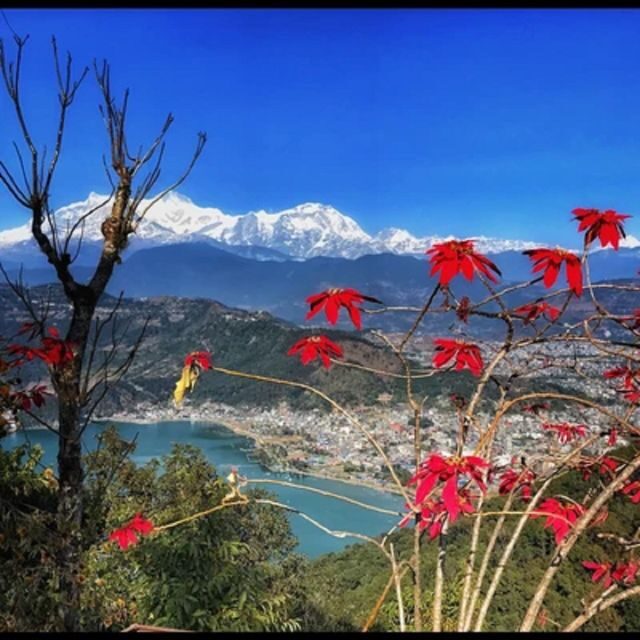
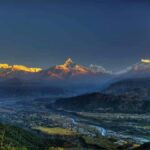
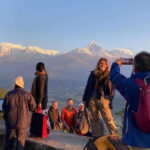
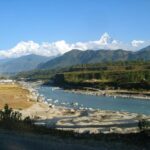
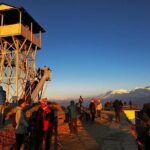
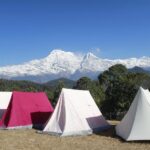
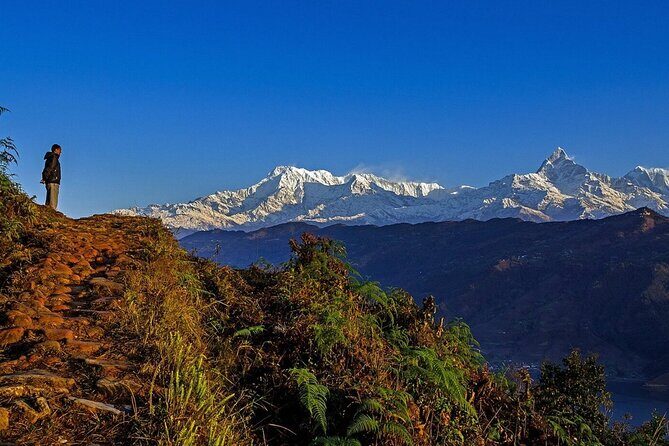
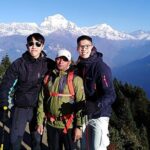
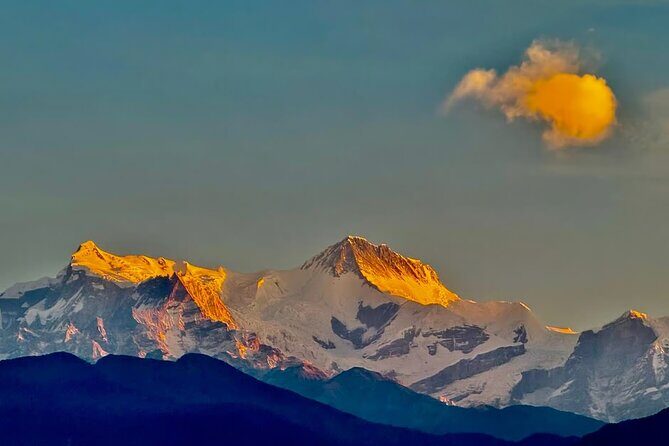
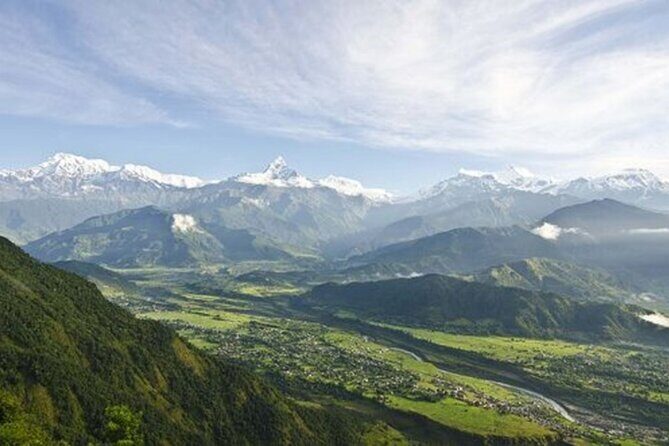
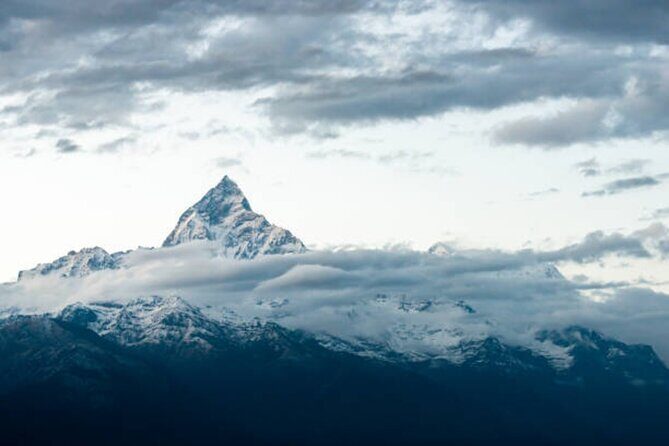
You drive up to the top of Sarangkot Hill for panorama time. Expect the Annapurna mountain range view and a look toward Fewa Lake, plus the wider Pokhara valley view. The route is built for you to see the big postcard-style angles without spending hours hunting them down.
Admission isn’t included here, so plan on a ticket cost if one is required at the time of entry.
Practical tip: if the morning is hazy, don’t panic. Your guide can help you judge whether it’s worth lingering for clearer moments or adjusting timing.
Stop 2: Shree Bindhyabasini Temple
Next comes a Hindu temple on a small hill. You’ll explore the temple area and also enjoy valley and mountain views from the hilltop. The temple access gives you options: you can go to the top with an elevator or stairs.
Admission is free for this stop, which is a nice break after viewpoint tickets.

Stop 3: Matepani Gumba (Buddhist monastery)
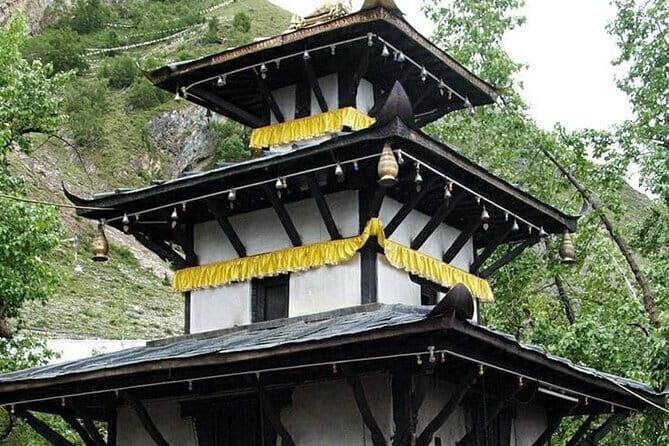
Then you switch traditions. Matepani Gumba is a Buddhist monastery on a small hill, also with excellent views over the mountains and city. Like Bindhyabasini, it’s short on time but strong on atmosphere: you’re stepping into religious spaces that locals use daily, not just photo backdrops.
Admission is free here too.
Why this hill block works
This three-stop sequence does something smart: it stacks viewpoints with cultural context. You’re not just looking at mountains—you’re seeing how people live around them, worship around them, and keep their spiritual sites perched on ridges for both significance and perspective.
Lakeside time: Begnas Lake and Phewa Tal
Pokhara isn’t only about heights. After the hilltop focus, the day shifts to water.
Stop 4: Begnas Lake
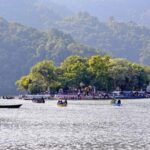
Begnas Lake is about 20 km from Fewa Lake, and it’s presented as a naturally beautiful lake stop. You get around an hour here.
There’s an option you can take if you want: boating for an hour is available for an extra cost. If you love slowing down and you’re not rushing for photos, this is the stop where you can breathe and take it at your pace.
Admission isn’t included, so again, you’ll want to keep a little cash or payment method ready for any entry/activities required.
Stop 5: Phewa Tal (Fewa Lake) quick scenic viewing
After Begnas, you explore Fewa Lake by driving you toward the north lake area for about 30 minutes. It’s not designed to be a long lounge session; it’s a “see more angles of the same main lake” moment that helps you understand Pokhara’s geography quickly.
Admission is free for this stop.
Devi’s Fall and Gupteshwor Mahadev Cave: water with a plot twist
If you’re tired of only looking at scenery, this is where the day gets story-like.
Stop 6: Devi’s Fall
Devi’s Fall is described as an interesting waterfall that falls from below into a gorge. It’s short—about 20 minutes—but it’s visually memorable because of the way the water disappears into the rock. It feels different from a normal waterfall viewpoint.
Admission isn’t included.
Stop 7: Gupteshwor Mahadev Cave
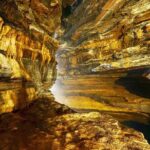
Then comes the cave experience, focused on Shiva. You’ll visit a cave depth noted as 140 meters. The guide-led description includes a key detail: the first 40 meters has a Lord Shiva temple, and at the bottom the water fallen from the waterfall touches.
You’ll spend about 40 minutes here, and admission isn’t included.
What I like about stacking these two stops
They’re both water-related, but in different ways. Devi’s Fall is the sudden, dramatic outside moment. Gupteshwor Mahadev turns it into a moody inside setting where the cave’s depth and the shrine connection change how you remember the water.
If you’re wearing shoes that are fine for uneven ground, this is one day where they’ll earn their keep.
World Peace Pagoda on the hill: the big finishing view
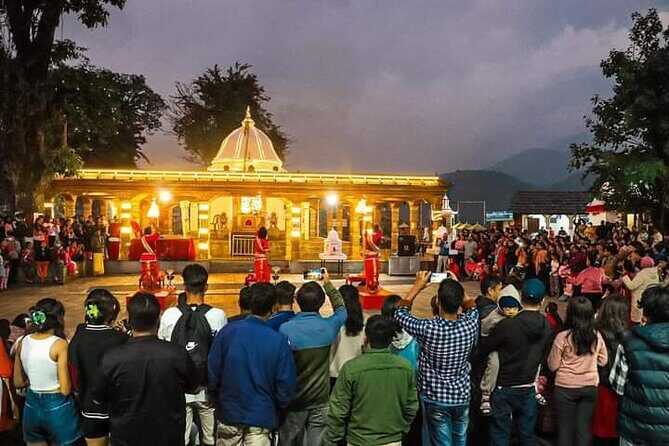
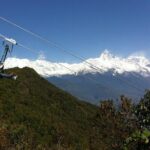
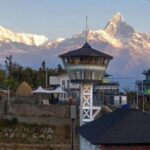
Your final stop is the World Peace Pagoda (World Peace Stupa) on top of a hill. You’ll explore the temple and, from the top, enjoy views of Mt. Annapurna and Fewa Lake in the background. It’s listed for about an hour, which gives you enough time to look around without feeling rushed.
Admission is free for this stop.
Then you drive back to your hotel to end the trip.
This “last high view” format is smart. You’re finishing the day with a calm, scenic payoff rather than trying to cram the best views at the end when you’re tired and the daylight may be fading.
What the guide actually changes (and why Gobinda’s name comes up)
The tour isn’t just transportation. It’s also someone helping you interpret what you’re seeing as you go.
The experience includes learning about Pokhara’s culture and history from your guide, which matters a lot in places like temple and monastery stops. You get less time stuck wondering, and more time actually noticing.
One guide name that shows up in the overall experience is Gobinda, who is described as supportive and extremely careful, and also very spiritual. That kind of guidance can be especially helpful when you’re moving between religious sites and viewpoints, because it keeps you grounded in what’s important rather than treating everything like a checklist.
Even if you don’t get the same guide, the format is consistent: an English-speaking guide who helps the day flow smoothly and gives context along the way.
Timing, weather, and how to plan your day
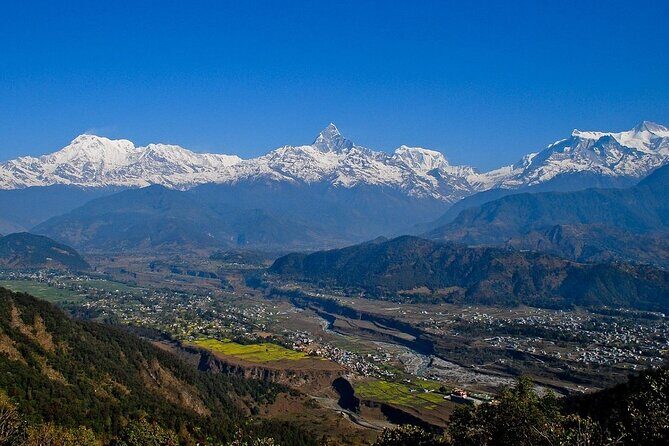
This experience requires good weather. That doesn’t mean you’ll sit around if clouds roll in, but it does mean the “big payoff” views may be limited if the sky is blocked.
Here’s how to think about timing:
- Sarangkot and the World Peace Pagoda are your main clarity tests. If visibility is weak, those are the first stops where the view might feel muted.
- Devi’s Fall and the cave can still be interesting even with less sky visibility because you’re focused on water and stone.
- Temple and monastery stops are less dependent on weather, though being comfortable while walking uphill always helps.
Bring a flexible mindset. If the day looks hazy, your guide can help you make the call on where time is best spent.
Who this Pokhara private car drive is for
This fits a few very specific travel types:
- First-time Pokhara visitors who want a meaningful sampler in one day
- Trekking travelers who either just finished or are about to start a trek and want easy sightseeing without logistical stress
- Families and small groups who value predictable timing and don’t want to coordinate taxis for every leg
- People who care about comfort because the day is built around a private car and a driver who handles the driving, not you
If you’re the type who loves a slow, wandering day with minimal driving, you might find the pace a bit structured. But if you want a well-organized “best of” circuit with local context, this is a solid match.
Should you book this full-day car drive?
Yes, if you want to cover major Pokhara highlights in one shot and you’d rather pay for smooth logistics than spend your day negotiating transport. The combination of hotel pickup in Lakeside, a private car, and an English-speaking guide gives you a clean, low-stress way to see Sarangkot, hilltop religious sites, two lakes, Devi’s Fall, a deep cave, and the World Peace Pagoda.
I’d especially book it if:
- You’re short on time in Pokhara and want the day to feel productive.
- You want cultural and historical context, not just photos.
- You’re okay planning for entrance tickets not included and possible extra costs like boating at Begnas.
If you’d like, tell me your travel dates and whether you’re visiting in the early morning or later in the day. I can suggest a simple strategy to maximize your chances of clear views on Sarangkot and the World Peace Pagoda.
FAQ
How long is the Pokhara full-day car drive?
The tour runs about 7 to 8 hours.
Where does the pickup happen?
You’re picked up from Lakeside area hotels in Pokhara, with round trip hotel drop-off included.
Is this a private tour?
Yes. It’s a private tour, so only your group participates.
What’s included in the price?
A round trip private car, an English-speaking tour guide, bottle of water for each participant, and hotel pickup/drop-off within the Lakeside area are included.
Are entrance fees included?
No. Entrance fees are listed as not included for multiple stops.
Are meals included?
No. Meals and drinks are not included, but they’re available for purchase.
Can I go boating on Begnas Lake?
Boating is available for an extra cost, and you have about an hour at Begnas Lake.
Do I need good weather for this tour?
Yes. This experience requires good weather.
Is the guide language English?
Yes. The tour includes an English-speaking tour guide.