REVIEW · POKHARA
Pokhara: Sarangkot Sunrise And Private Full-Day Tour
Book on GetYourGuide →Operated by Snow Peak Tours and Travels pvt. ltd. · Bookable on GetYourGuide
Sunrise in Sarangkot beats most alarms. I love the Annapurna mountain views that open up right at first light, and I also love how much the guide adds to the day with clear, practical explanations (Chandra in particular gets mentioned for being attentive and informative). One thing to consider: it’s an early start and a full day, so if you hate long mornings, you’ll feel it—and some stops (like Davis Falls) can look a bit different depending on conditions.
The payoff is a smooth, private day plan built around Pokhara’s mix of nature and culture. You get convenient hotel pickup around Lakeside, transport in a private vehicle with a driver, and the option for a local guide in English, Hindi, or Nepali.
If you want to see a lot without constantly re-planning your route, this works well. It’s especially good for first-timers who want the big landmarks plus the small, character-filled spots nearby.
In This Review
- Key Things I’d Book This For
- Sarangkot Sunrise Over the Annapurnas: Why You Start So Early
- Bindabasini Temple to Davis Falls: Sacred Pokhara Meets a Water Mystery
- Bindabasini Temple: Old Pokhara in One Visit
- Davis Falls: Water Disappearing into an Underground Story
- Gupteshwor Mahadev Cave and World Peace Pagoda: Views With a Spiritual Side
- Gupteshwor Mahadev Cave: A Stalactite That Looks Like Shiva
- World Peace Pagoda: A Hilltop Break From the City Noise
- International Mountain Museum: A Practical Stop for Peak-Obsessed People
- Phewa Lake Boat Ride: The Calm Ending Your Legs Will Appreciate
- Private Car + Pickup/Drop-off: How the Logistics Affect Your Mood
- Price and Value for a Private Day in Pokhara
- How to Plan Your Day Around Sunrise, Rain, and Walking
- Who Should Book This Sarangkot Sunrise Full-Day Tour
- Should You Book It?
- FAQ
- How long is the Pokhara Sarangkot Sunrise and full-day tour?
- Where is pickup and drop-off available?
- Do I need to confirm my pickup location?
- Is this tour private?
- What languages are available for the live guide?
- Is food included?
- Are entrance fees included?
- What does the tour include besides sunrise?
- What’s the cancellation policy?
Key Things I’d Book This For
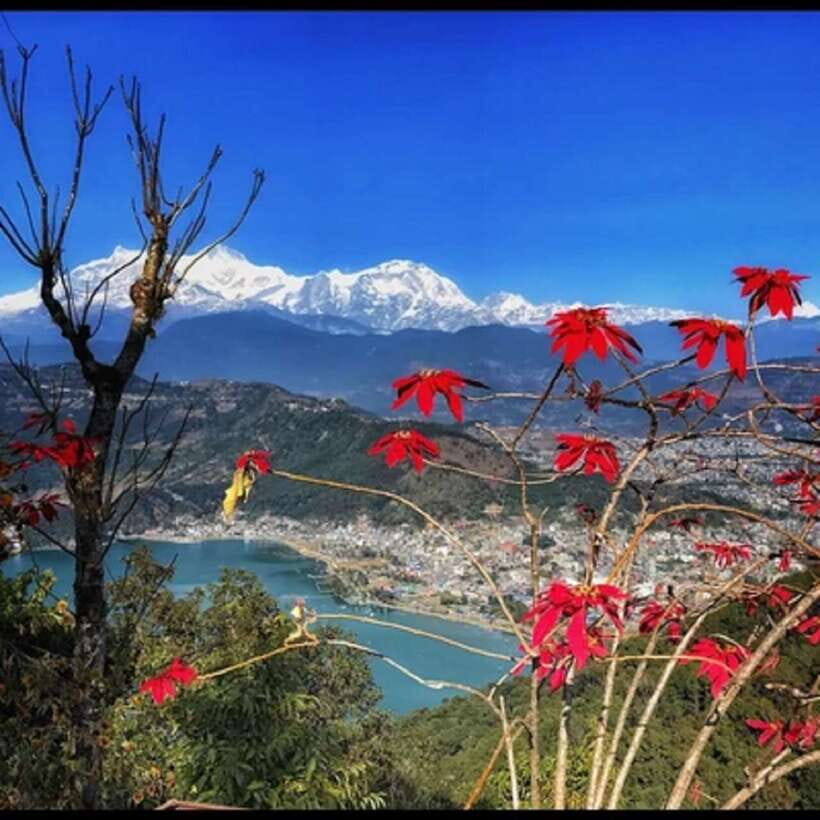
- Sarangkot sunrise viewpoint with the best chance at clear, dramatic Annapurna views
- A guide who explains what you’re looking at, not just a driver who transports you
- Davis Falls + its underground tunnel feel (even when the waterfall flow is modest)
- Gupteshwor Mahadev Cave for a memorable, sacred stop close to the falls
- World Peace Pagoda for sweeping Pokhara views with a calmer pace
- Phewa Lake boat ride to balance the early start and walking-heavy moments
Sarangkot Sunrise Over the Annapurnas: Why You Start So Early
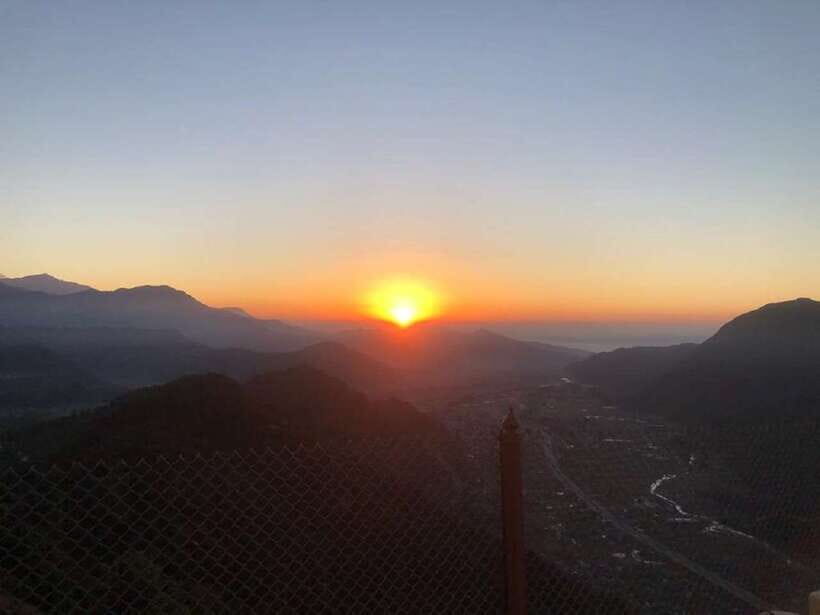
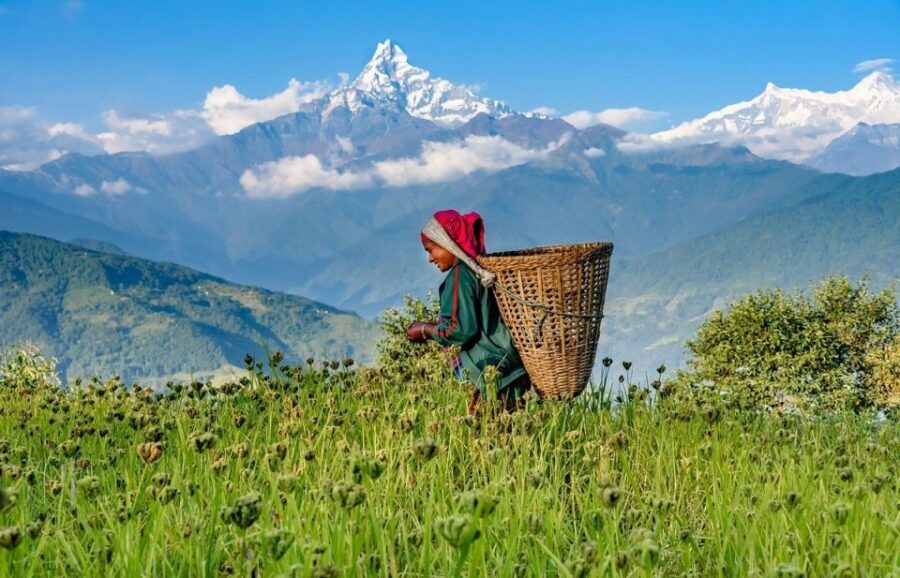
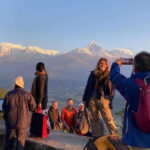
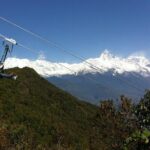
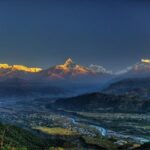
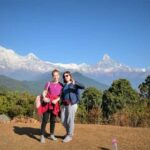
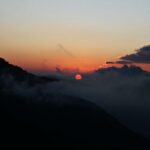
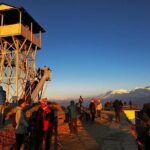
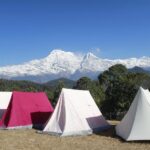
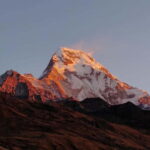
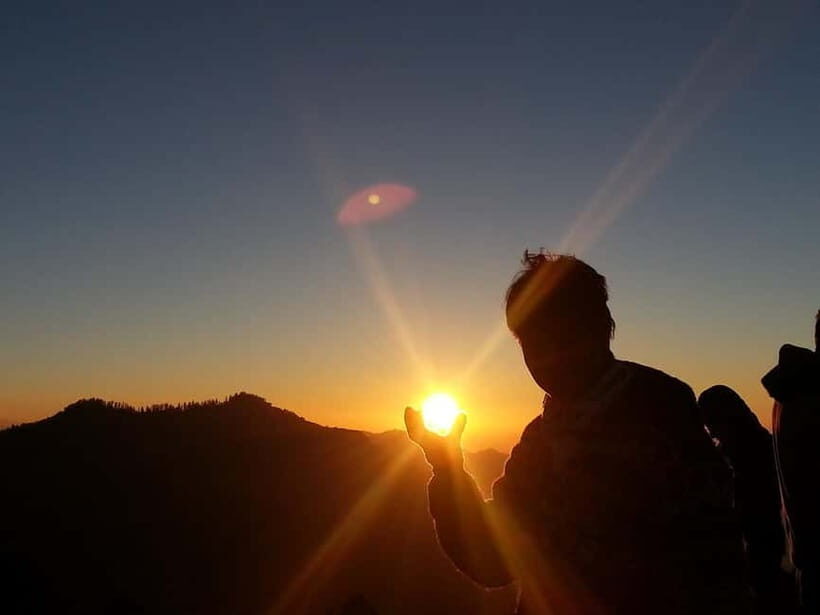
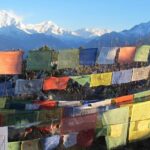
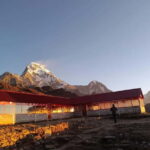
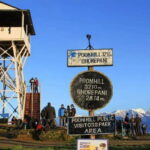
Sarangkot sunrise is the headline because it changes everything. Instead of arriving in Pokhara when the day is already busy, you’re up when the air is crisp and the mountains are still the main character. The tour heads out early with time built in to get to Sarangkot before sunrise, then you settle at a designated viewpoint and watch the sky brighten.
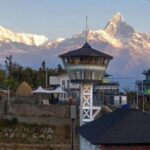
What I like about this style of stop is that it’s not rushed. You’re given about 1.5 hours for sunrise—enough time to adjust your camera settings, find a comfortable spot, and wait for the moment when the first light starts catching the higher peaks. Expect to see the Annapurna range reveal itself gradually, including Mount Machhapuchhre (Fishtail), which people come for again and again.
A practical note: sunrise quality depends on weather and cloud cover. If the skies cooperate, the colors and contrast can be striking. If visibility is limited, you may still enjoy the experience from the hilltop, just with less dramatic mountain detail. That’s not a failure of the tour—it’s how mountain sunrises work.
After sunrise, the plan shifts from “watching” to “wandering.” You get time to explore the Sarangkot area at an easier pace, which helps the morning feel like more than just a photo mission.
Other Sarangkot sunrise tours in Pokhara
Bindabasini Temple to Davis Falls: Sacred Pokhara Meets a Water Mystery
After sunrise, the tour transitions into classic Pokhara sightseeing, but it keeps one foot in the unusual. Two stops in the middle of the day stand out: Bindabasini Temple and Davis Falls (also called Patale Chango).
Bindabasini Temple: Old Pokhara in One Visit
Bindabasini Temple sits right in the city and is dedicated to the goddess Bhagwati. It’s described as one of the oldest temples in Pokhara, so even if you’re not a religious traveler, you’ll likely appreciate the age and local devotion built into the place.
What makes this stop worth it on a private tour is the way it fits your day. It’s close, so you’re not spending your energy trapped in transport. And with a guide, it’s not just looking at architecture—you learn what the temple represents and why locals keep returning to it.
Davis Falls: Water Disappearing into an Underground Story
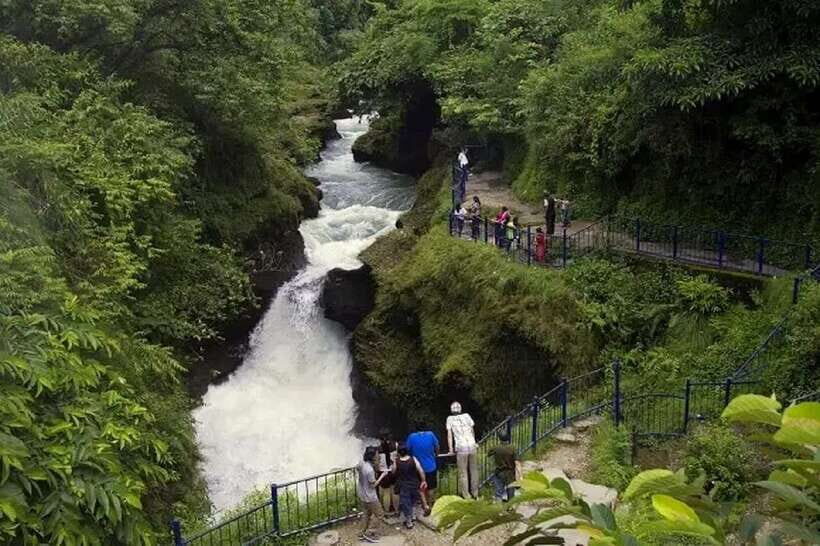
Then comes Davis Falls, famous for being a waterfall that feeds into an underground tunnel system. The mechanics are the appeal here. Davis Falls is linked to Phewa Lake, and the water runs through a kind of disappearing-and-reappearing flow that feels almost cinematic, even before you factor in the legends and local descriptions.
The tour includes time for photos and walking around the area. One consideration I’d flag from real-world experience: the falls can look different depending on water flow. On some days, you may get a powerful waterfall presence; on others, it’s more modest. Also, there can be structures and barriers that limit exactly how you photograph certain angles. You still get the main idea—this is water with a hidden route.
If you like places that feel slightly mysterious, Davis Falls delivers. It’s the kind of stop you remember later because it doesn’t act like a typical waterfall.
Gupteshwor Mahadev Cave and World Peace Pagoda: Views With a Spiritual Side
From Davis Falls, the day keeps a steady rhythm: short drives, a bit of walking, and enough time to shift your attention without feeling exhausted. Two stops balance the day well: Gupteshwor Mahadev Cave and the World Peace Pagoda.
Other private tours in Pokhara
Gupteshwor Mahadev Cave: A Stalactite That Looks Like Shiva
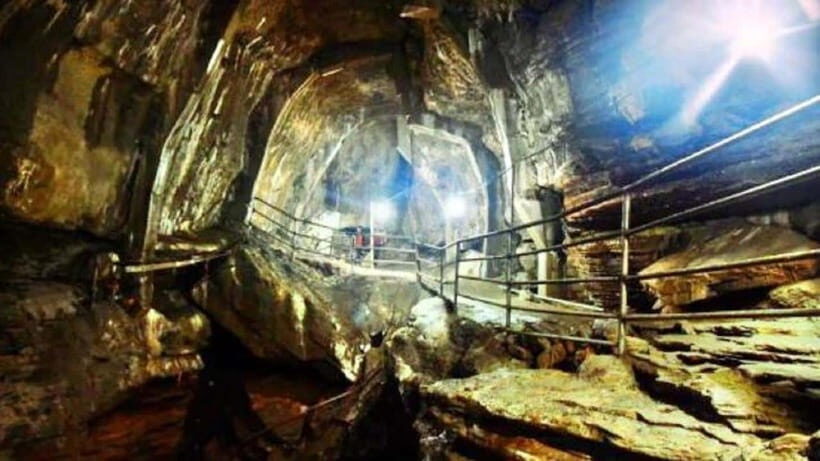
Gupteshwor Mahadev Cave is near the falls and is sacred to Lord Shiva. What you’re looking for here is the cave’s stalagmite that resembles Shiva—so it’s a mix of geography and belief.
This stop is more about experience than distance. You don’t need to be a hardcore hiker to enjoy it, and it’s positioned well in the itinerary: you’ve just seen the open-air water mystery, and now you’re stepping into something darker and quieter.
World Peace Pagoda: A Hilltop Break From the City Noise
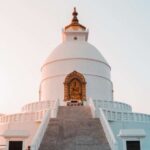
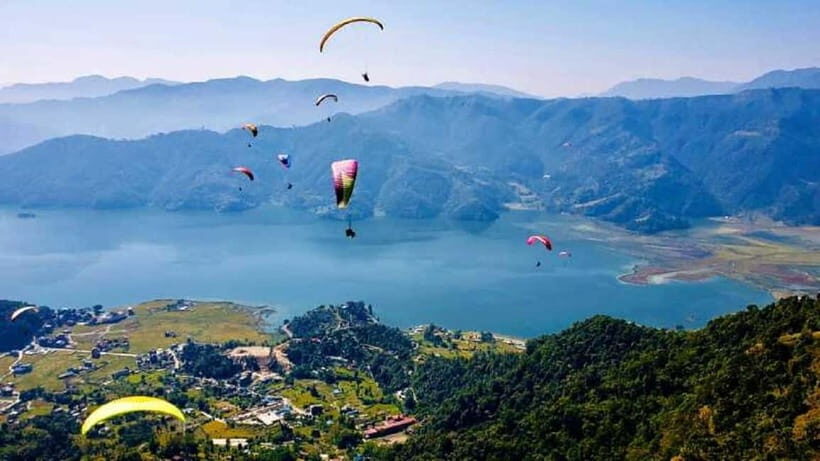
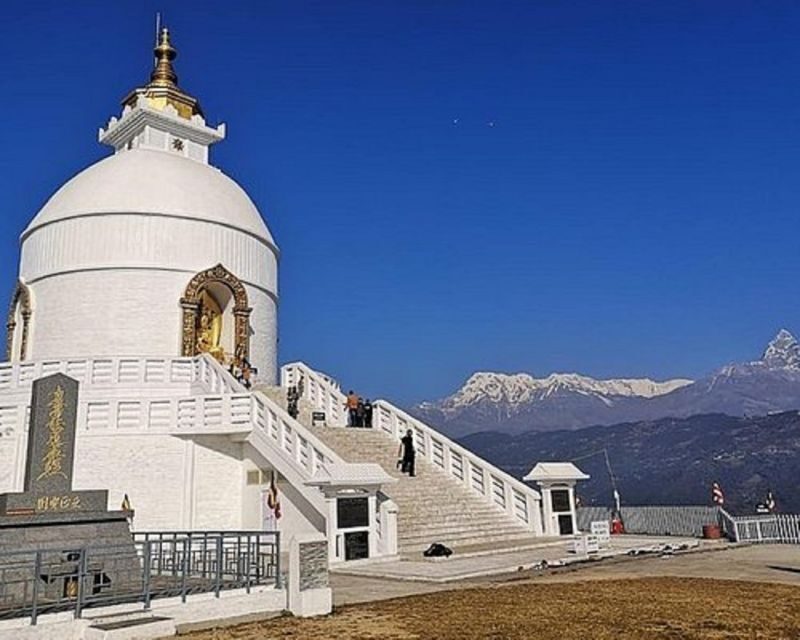
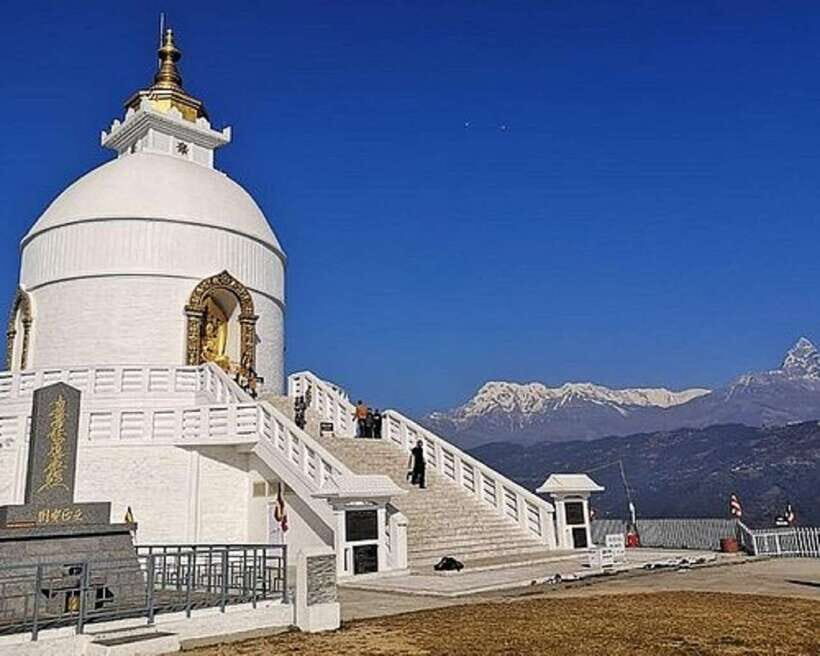
World Peace Pagoda sits on a hilltop overlooking Pokhara. It’s a Buddhist stupa, and the reason it matters for your day is the view. You get panoramic looks over Pokhara and the surrounding mountains, which gives you perspective on how the city sits within its geography.
This is a good place to reset. After caves and falls, the hilltop tends to feel more open and airy. You also get a guided walkthrough, which helps you read what you’re seeing instead of just checking boxes.
If you’re traveling with someone who doesn’t love museums, this pagoda can still satisfy. Views do the heavy lifting.
International Mountain Museum: A Practical Stop for Peak-Obsessed People
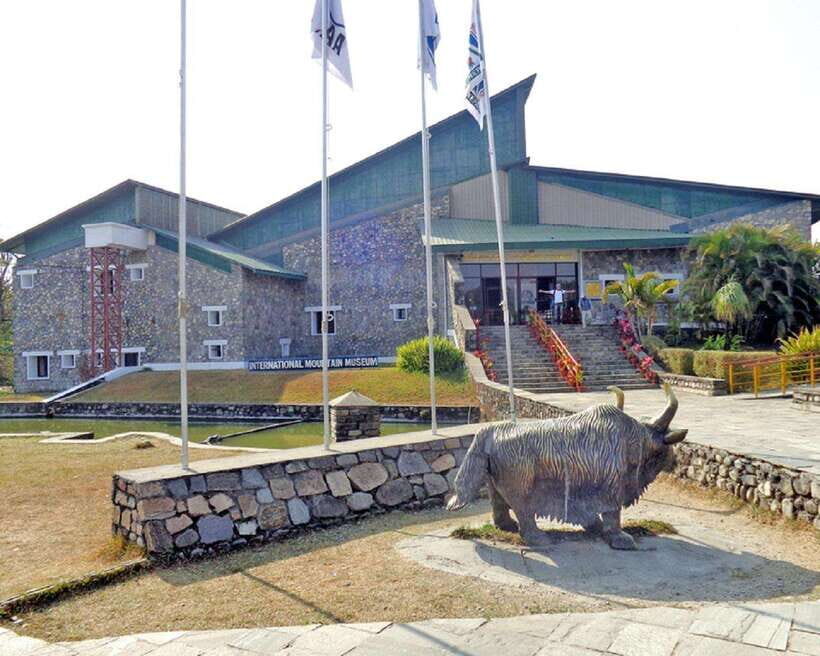
If you care about mountaineering culture, the International Mountain Museum is a smart inclusion. Instead of treating the Himalaya as “just scenery,” it gives you context about the history, culture, and the mountains themselves—especially the idea of how people experience and study these peaks.
The museum stop is scheduled as a longer one (about 2 hours), which is important. It signals that this isn’t meant to be a quick peek. You’ll have time to look at exhibits and let the stories sink in.
Even if you’re not a climbing history nerd, I think this museum helps you enjoy the sunrise more. When you know a bit about the mountains and the culture around them, Mount Machhapuchhre and the broader Annapurna range feel less like random names and more like part of a real human story.
Phewa Lake Boat Ride: The Calm Ending Your Legs Will Appreciate
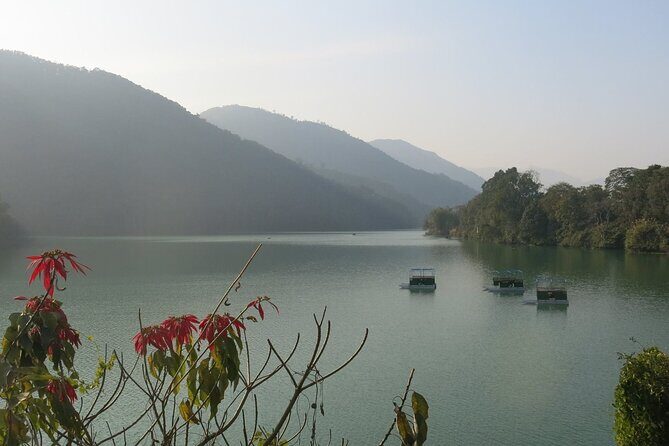
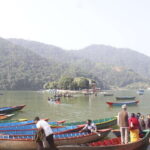
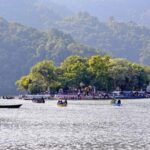
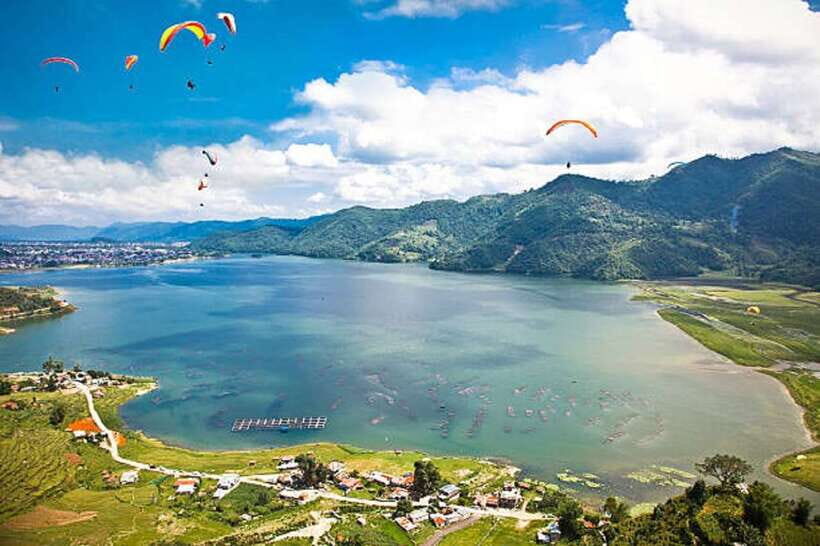
After a full day of viewpoints, temples, and caves, Phewa Lake works as a decompression moment. Phewa Lake is the second-largest lake in Nepal, and it’s one of Pokhara’s signature scenes.
The tour includes time for a visit and then a boat ride on the lake. The goal here is simple: slow down, float, and take in the reflections and atmosphere. This is the sort of activity that helps turn the day from a checklist into an experience.
A practical tip for enjoyment: bring a light layer if you run cold. Lake air can feel cooler, especially if you’re still running on early-morning energy.
If you’re the kind of traveler who gets worn out by packed days, Phewa Lake is your reward. It’s the moment your camera stops working overtime and your mind gets quiet.
Private Car + Pickup/Drop-off: How the Logistics Affect Your Mood
One of the best parts of this tour is that it’s designed for low-friction movement. You’re picked up from Pokhara Lakeside area hotels, and you’ll also be dropped off at hotels in that same area (the provider lists many hotel pickup and drop-off options).
Transport is in a private vehicle with a driver, and the itinerary is structured so you’re not bouncing between far-apart locations without time to reset. For an 8-hour day, that matters. Poor planning is how “short tours” feel like marathons.
Also, pay attention to the guide option. The included details say a full-day private guided tour is included when selected, and a driver alone won’t provide the explanations. In other words, you’ll get the best experience when you choose the guided version, especially since several stops are better understood with context (Bindabasini Temple, Gupteshwor Cave, the museum, and the pagoda).
The reviews back up this point with real examples: guides are often praised for being kind, informative, and making sure you’re comfortable—especially helpful on days with rain. One person specifically mentions the guide Chandra leading the tour well even while it was raining hard.
Price and Value for a Private Day in Pokhara
At $43 per person for an 8-hour private tour, the value depends on what you want out of the day.
Here’s why the price can make sense:
- Private transport with pickup and drop-off around Lakeside saves time and stress.
- You’re hitting multiple major Pokhara sights in one go, including the sunrise portion that requires early timing.
- You have the option of a local guide who can explain what you’re seeing (and that’s often the difference between seeing places and understanding them).
Here’s what can affect cost in the real world:
- Food and drinks aren’t included (unless specified).
- Entrance fees aren’t included for destinations.
- If you choose the version without the guide, you’ll have transport, but you lose the guided explanations.
So my take is simple: this is a good value if you plan to spend on entrances anyway and you care about learning the meaning behind stops. If you just want transportation and photos, you might compare options. But if you want a guided, structured day without headaches, this price sits in a reasonable sweet spot.
How to Plan Your Day Around Sunrise, Rain, and Walking
A few realities of this kind of Pokhara schedule are worth factoring in:
- You’re starting early. Sarangkot sunrise means you likely won’t sleep in. If mornings are your weak spot, prepare for it.
- Some stops include walking. Davis Falls and Gupteshwor Cave both involve getting around on-site. Comfortable shoes help.
- Weather can change your experience. Sunrise is weather-dependent, and rain can affect visibility at the falls and viewpoint areas. Still, the tour seems built to keep going, with guides focused on making you comfortable.
- Not everything is equally photogenic every day. Davis Falls, for example, can look less dramatic on certain days if water flow is lighter, and barriers can limit some angles.
None of this means you shouldn’t go. It just helps you set expectations: you’re paying for a well-run route and a strong chance at sunrise, not a guarantee of perfect conditions.
Who Should Book This Sarangkot Sunrise Full-Day Tour
This tour fits best if you:
- Want the Sarangkot sunrise without arranging separate transport and guessing your timing.
- Prefer a structured day that mixes culture and nature.
- Appreciate a guide who explains temples, caves, and mountain context.
- Stay around Lakeside Pokhara and want easy pickup and return.
It might not be ideal if you:
- Hate early mornings and long days.
- Want lots of free, unscheduled time to wander on your own.
- Expect entrance fees and meals to be fully covered.
If you’re traveling as a couple, with friends, or solo and you want a private pace, the private group setup works nicely. And since the guide language includes English, Hindi, and Nepali, it’s easier to match your comfort level.
Should You Book It?
I’d book it if sunrise is a top priority and you want a day that feels organized: Sarangkot first, then the main Pokhara highlights, finished with a calm Phewa Lake boat ride. The strongest reason is the combination of early mountain views plus guided context at places that otherwise can feel like stops you just pass through.
If you’re budget-focused, double-check what’s included for your specific option (especially whether a guide is included) and plan for entrance fees and meals. If you do that, this tour turns into a practical, high-value way to experience Pokhara in one clean block of time.
FAQ
How long is the Pokhara Sarangkot Sunrise and full-day tour?
It runs for 8 hours.
Where is pickup and drop-off available?
Pickup and drop-off are included for hotels in the Pokhara Lakeside area. You’ll be able to choose from multiple hotel options.
Do I need to confirm my pickup location?
Yes. You should confirm your hotel name with the operator one day before the tour via email or WhatsApp.
Is this tour private?
Yes. It’s a private group tour.
What languages are available for the live guide?
The live tour guide can speak English, Hindi, and Nepali.
Is food included?
No. Food and drinks aren’t included unless specified.
Are entrance fees included?
No. Entrance fees for destinations are not included.
What does the tour include besides sunrise?
It includes stops at Bindabasini Temple, International Mountain Museum, Davis Falls, Gupteshwor Mahadev Cave, World Peace Pagoda, and Phewa Lake, plus a boat ride on the lake.
What’s the cancellation policy?
You can cancel up to 24 hours in advance for a full refund.