REVIEW · POKHARA
Sarangkot Village Coffee Culture and Authentic Local Life Tour
Book on Viator →Operated by Sharing Seeds · Bookable on Viator
One good afternoon can taste like real Nepal. This Sarangkot coffee culture tour mixes a lakeside hike with time in the Sarangkot Pandeli area and nearby small Arabica farms.
I like two things right away: the Phewa Lake views built into the walk, and the farm-to-cup feel of the coffee education. You are not just hearing facts; you’re seeing how organic cherries become coffee.
The one thing to consider is the uphill hiking, so pack for a workout and plan on a moderate fitness level, especially in good weather.
In This Review
- Key highlights you’ll feel right away
- Phewa Lake views plus real coffee farming in Sarangkot
- Price and value: what $60 actually covers
- Getting to the trail: how the day starts near SalesBerry
- Stop 1 near Phewa Lake: meeting point energy and the lake-shore walk
- Stop 2 at Phewa Tal: hiking through village life
- Stop 3 at Pandeli Park, Sarangkot: the view break that makes the climb worth it
- The coffee lesson: organic arabica from farm to the cup
- Sharing Seeds: why the co-op model changes the coffee story
- Lunch, honey, and coffee tastings: what you’ll actually eat
- What the hiking feels like and how to prepare
- Who this tour suits best (and who might want a different option)
- Book it or skip it: my practical recommendation
- FAQ
- FAQ
- How long is the Sarangkot Village Coffee Culture and Authentic Local Life Tour?
- What time does it start, and where does it end?
- Where is the meeting point in Pokhara?
- How many people are in the group?
- What fitness level do I need for the hike?
- What’s included for food and drink?
- What happens if the weather is poor?
Key highlights you’ll feel right away
- Small group size (max 10) so questions don’t get lost in the shuffle
- Phewa Lake scenery from Sarangkot height (~1200m) with breaks built in
- Sharing Seeds co-op focus on organic arabica farming and sustainability training
- Coffee, honey, and local food with tastings when available
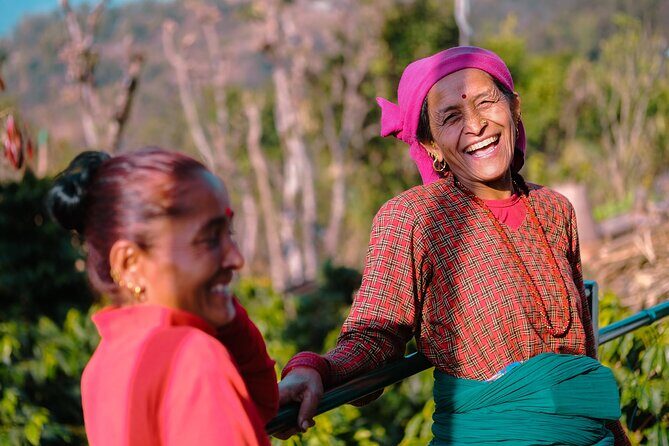
- Women-led community tourism that creates local jobs through the lunch and farming day
Phewa Lake views plus real coffee farming in Sarangkot
This is the kind of Pokhara experience that makes sense if you want more than a scenic drive and a quick photo. You start near the action, then you walk your way toward Sarangkot’s coffee-growing village life, with stops that keep the day interesting.
I especially liked the balance of effort and payoff. The path takes you past rural scenery and village rhythm, and then the day opens up with wide views of Phewa Lake from high ground.
You also get a practical angle on coffee. Instead of abstract talk, you move through the steps from growing to processing and tasting, while learning how the co-op supports farmers who choose organic methods.
Other Sarangkot sunrise tours in Pokhara
Price and value: what $60 actually covers
At $60 per person for about 6 hours, the value comes from what’s built in, not just the destination. You get private transportation, coffee-related tastings when available, and a meal that’s part of the community tourism project.
It also helps that the group is capped at 10 travelers. That matters more than it sounds. Smaller groups keep the tour from turning into a rushed line, so you actually get time to ask how organic farming works and why certain practices are hard in the region.
The big “value” piece is the mission behind the coffee. The co-op’s model includes paying farmers 30% more for their coffee cherries than other collectors in the area, plus training that helps farms operate sustainably. Even if you only care about coffee, that fair-pay detail changes the story you’re taking home.
Getting to the trail: how the day starts near SalesBerry
Your tour meeting point is at SalesBerry Department Store on Chiple Dhunga Rd in Pokhara. The day is scheduled to start at 11:15 am and returns to the same meeting point, so you’re not dealing with complicated end-of-day logistics.
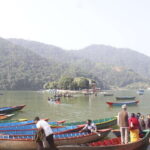
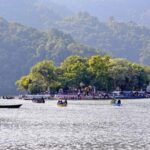
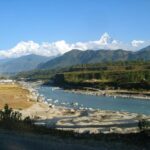
From the start, the plan is to ease you in before the main uphill work. You’ll travel along the shore of Phewa Lake for about 1 hour 30 minutes to reach Khapaudi Village, where the hiking begins in earnest.
If you’re the type who likes to understand the setting, this opening stretch is a good setup. It helps you orient to the lake area, then shifts you into the mountain-side walking part of the day.
Practical note: bring sun protection and water. Even if it looks breezy up high later, the lower sections near the lake can still feel warm while you’re moving.
Stop 1 near Phewa Lake: meeting point energy and the lake-shore walk
The first stop is essentially your launch pad: you meet your guide group at Saleways, then get moving. Right away you’re on a route that uses the lake as a natural “corridor,” which makes the day feel scenic without needing constant views from one single spot.
This section is designed more for arrival than for effort. It gives you time to settle in, meet the group, and get your bearings for the hill climb ahead.
If you’re curious, it also sets the tone for the rest of the tour. The day is clearly about how daily life works around Pokhara’s geography: lake access, uphill farming, and community spaces tied together by short local routes.
Stop 2 at Phewa Tal: hiking through village life
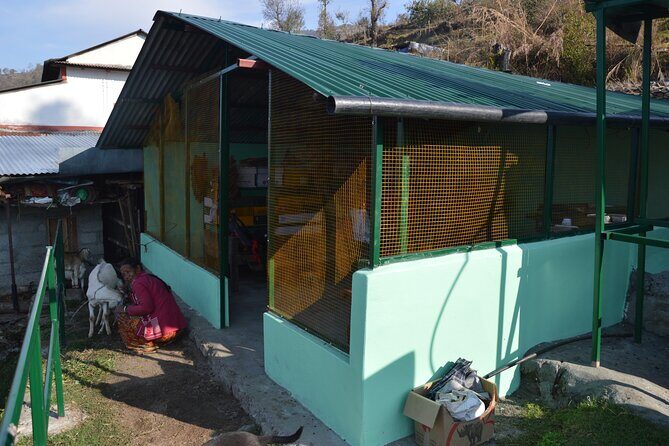
After you reach Khapaudi Village, the tour moves into the walking phase. From here you do an uphill hike for about 2 hours 30 minutes, and this is where you’ll feel the moderate fitness requirement.
You’ll hike side by side with the group and pass through rural areas where village life is visible without being staged. You also get time to interact, which is where the tour stops being only a “coffee stop” and becomes a cultural day.
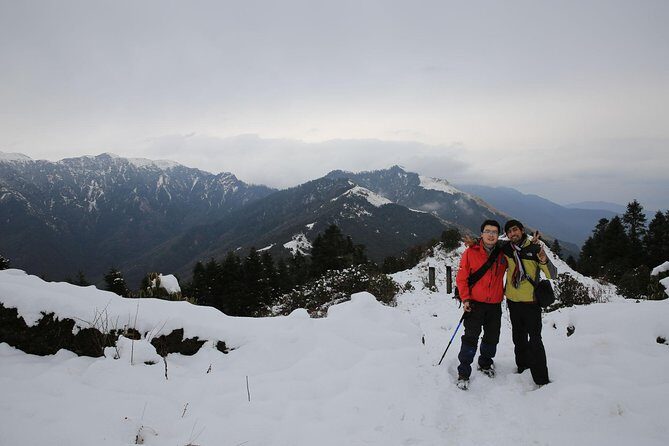
One more detail that stood out in how people described the experience: the day can feel cool and breezy at higher points. If you get cold easily, pack a light layer even if Pokhara at sea level feels warm.
If you have limited mobility, ask early about options. One participant with somewhat limited mobility reported that the team arranged a taxi ride to the farm instead of the hike. That suggests the operators may be flexible when you communicate needs ahead of time.
Other village walks and local-life tours in Pokhara
Stop 3 at Pandeli Park, Sarangkot: the view break that makes the climb worth it
Once you reach the Pandeli Park and Sarangkot area, the pace changes again. This stop is very scenic and acts like a “reset” moment in the itinerary.
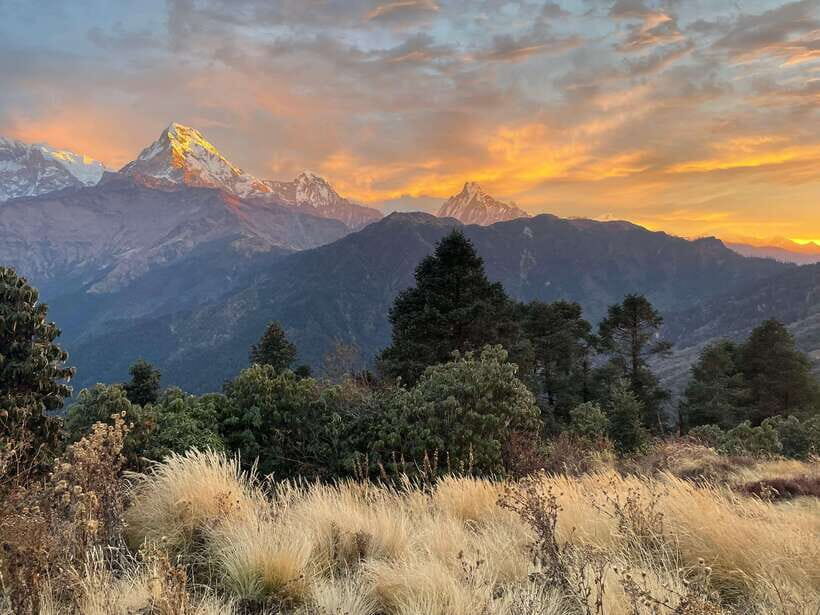
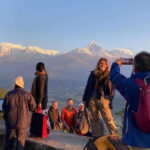
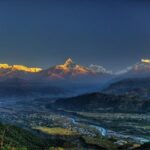
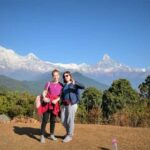
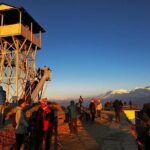
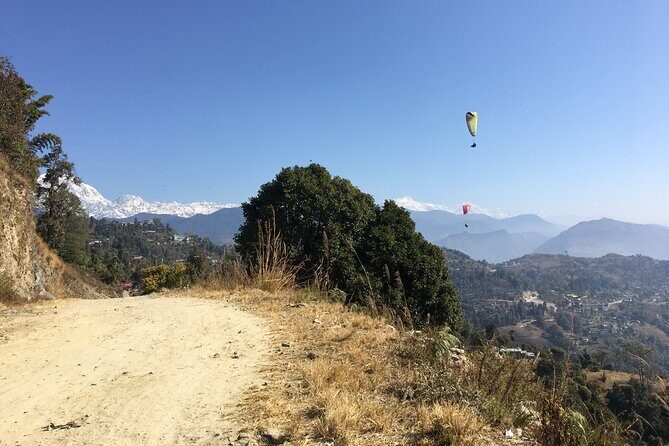
You get one of the best viewpoints over Phewa Lake, especially from around 1200 meters altitude. Reviews repeatedly called the views stunning, and the altitude is a key reason. Even if clouds move in later, the vantage points here tend to make the day feel bigger than your walking time.
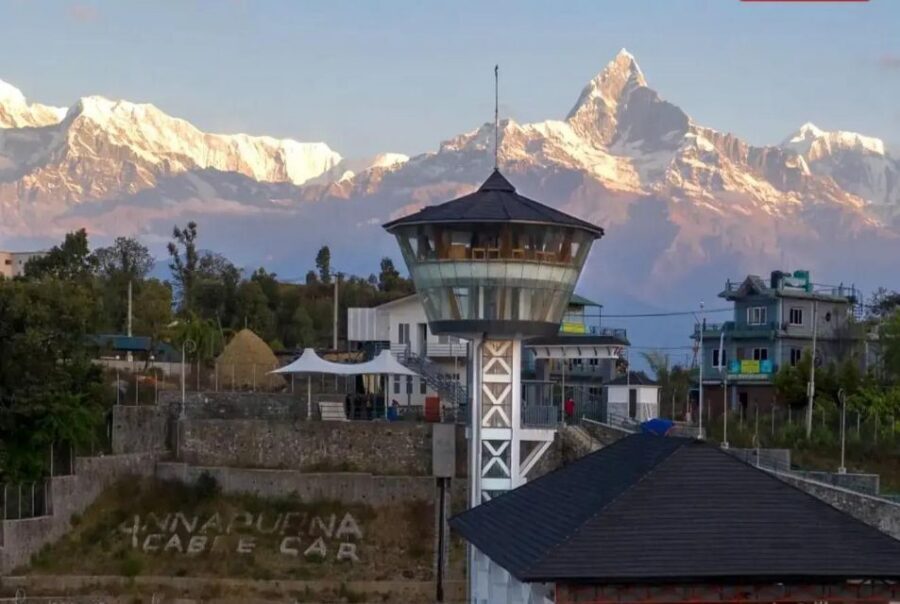
This spot is also connected to the Annapurna trekking region, with this area described as the oldest trek route to that part of Nepal. You do not need to be a trekker to appreciate it, but it adds context: this isn’t just local scenery; it’s part of a long movement of people and paths.
After the view break, you then visit the Pandeli village area. That is where you start seeing coffee and other crops as part of the broader farm rhythm, not as a single product.
The coffee lesson: organic arabica from farm to the cup
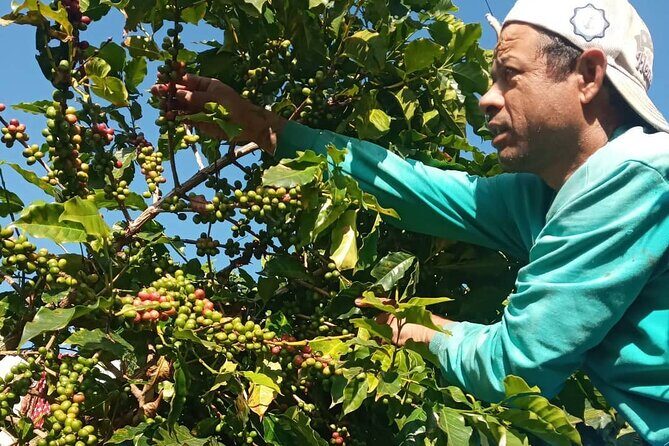
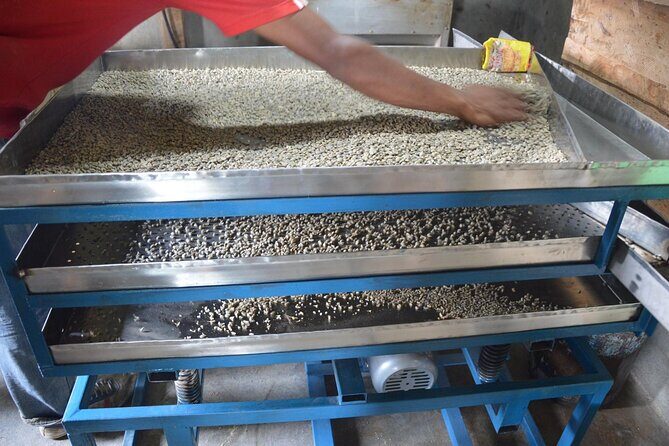
This tour’s main strength is how it explains coffee as a full process. You walk through most stages of organic coffee farming and processing, which helps you understand why a coffee labeled “organic” isn’t just a marketing label.
The focus is on arabica, and the day is built around what small farmers actually do. You learn what organic farming means in practice, and you see how farmers handle the challenges of staying sustainable while keeping quality high.
A name that came up in reviews is Abby, who led explanations that people found clear and detailed. That’s a good sign for you if you like hands-on learning rather than a quick overview.
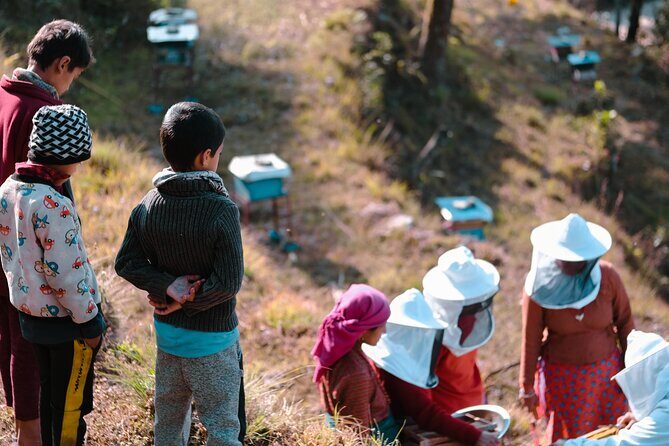
You’ll also get exposure to the wider farm ecosystem. Some descriptions mention beehives, vegetable garden plots, and coffee plants in the same area. That matters because coffee farming is not isolated here; it’s tied to biodiversity and day-to-day choices on the farm.
Sharing Seeds: why the co-op model changes the coffee story
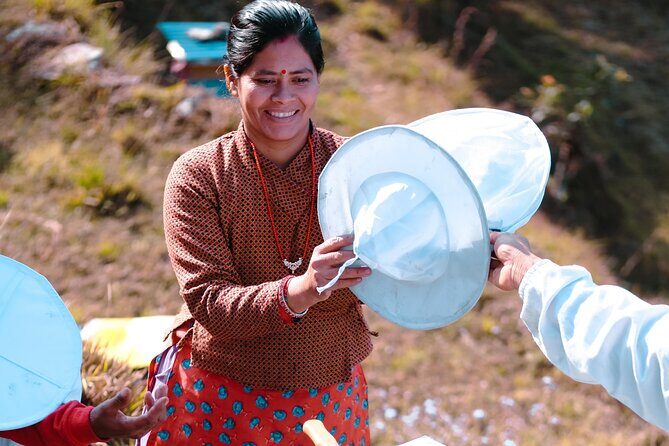
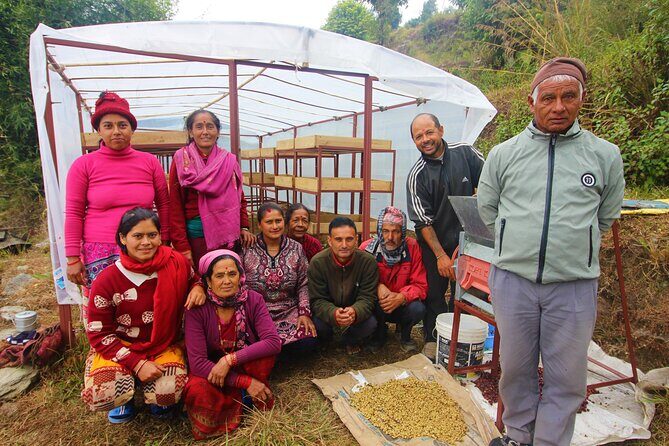
The tour centers on Sharing Seeds, a community-focused non-profit/co-op approach that supports local organic arabica farmers. You’ll spend time learning how training and updated farming knowledge help farmers keep their operations viable.
The standout detail is the pricing and fairness element: the co-op pays farmers 30% more for their coffee cherries compared to other collectors nearby. That’s a huge difference on the ground, because it can shift how farmers invest in organic practices and handle seasonal risks.
This is also where you’ll see the community side of the “coffee culture” theme. Women are empowered through community-based tourism, with local jobs connected directly to the day’s lunch and farm activities. In other words, the tour isn’t just consuming a product; it’s supporting a locally designed income stream.
If you like travel experiences that connect food to people, this part is one of the most meaningful hours of the day.
Lunch, honey, and coffee tastings: what you’ll actually eat
You’ll get organic food prepared by a women group connected to the community tourism project. People described the meal as delicious and traditional, and some called it breakfast, especially when the day runs as a lunch-plus-breakfast style stop after the hike.
You should expect local coffee tasting during the day. The tour includes organic coffee and honey tasting (upon availability), which means you might not get every single tasting every time, but the opportunity is part of the experience.
In practice, that tasting moment is often why people remember the day. When you’ve walked through the farm and the process, the cup doesn’t feel random. It feels like the endpoint of work you just saw.
On top of that, the included extras are small but nice: seasonal fruit and chocolate bars. Those help you keep energy up without needing to buy snacks during the hike.
If you’re a coffee person, ask what’s special about the honey and how it connects to the beehives. If you’re not, focus on the coffee anyway. Either way, the tastings are a low-pressure way to learn what makes the organic approach different.
What the hiking feels like and how to prepare
This is a moderate hiking day, with uphill walking after reaching Khapaudi Village. One key detail from the day’s flow is that you spend a long block in the uphill section before reaching the Sarangkot viewpoint area.
So prepare like you’ll be walking continuously for stretches, not like you’ll stroll on a flat path. Comfortable shoes matter. Bring a small daypack for water and a light layer.
Because the tour depends on good weather, plan to dress in a way that works for sun and wind. Reviews mention a cool breeze, which is common at higher elevations and near lake-weather patterns.
Also consider timing. You start late morning, and the tour runs around 6 hours. That means you’ll want to avoid doing a late breakfast beforehand that sits too heavy during the uphill section. A light meal or snack before you go can help.
Finally, if you have mobility concerns, contact the operator in advance. One participant reported that the team arranged a taxi alternative to reduce hiking strain, which is encouraging if you need adjustments.
Who this tour suits best (and who might want a different option)
This is a great fit if you want authentic local life in Pokhara that actually connects to what you eat. You’ll get a real sense of farming and community tourism, plus a scenic reward at altitude.
It’s also good for coffee lovers who want more than a “coffee tasting class.” The day ties tasting to cultivation and processing steps, and it explains why farmers choose organic.
If you love views, the Sarangkot/Pandeli viewpoint is a big reason to come. The lake views from high ground are a major part of what people come away remembering.
This may be less ideal if you do not enjoy uphill walking. The schedule includes significant uphill hiking time, and the weather requirement adds another layer: you don’t want to book this as a last-minute gamble in poor conditions.
If you’re traveling with knee issues or expect to move slowly, still consider it, but message your needs early. The reported taxi alternative is a useful signal that the team may find practical solutions.
Book it or skip it: my practical recommendation
I’d book this tour if your goal is simple: a Pokhara half-day that blends Sarangkot views, real farming, and a meal tied to the community. At $60, the value is strongest because you’re not just paying for coffee; you’re paying for access to how farmers work and for a model that pays 30% more for cherries.
Skip it if uphill hiking is a no-go for you, even with breaks. Even with beautiful scenery, the day still includes a long climb portion, and the tour requires good weather.
If you do book, come ready to learn and ask questions. The tour works best when you treat the coffee tasting like the final stop of a process you just watched, not like a random sample cup. That mindset makes the entire 6 hours feel connected.
FAQ
FAQ
How long is the Sarangkot Village Coffee Culture and Authentic Local Life Tour?
It runs for about 6 hours.
What time does it start, and where does it end?
It starts at 11:15 am and ends back at the meeting point.
Where is the meeting point in Pokhara?
You meet at SalesBerry Department Store (6XFQ+JV2, Chiple Dhunga Rd, Pokhara 33700, Nepal).
How many people are in the group?
The group is limited to a maximum of 10 travelers.
What fitness level do I need for the hike?
The tour requires moderate physical fitness due to uphill hiking. One review also mentioned a taxi alternative arranged for a participant with limited mobility, so it’s worth sharing your needs when booking.
What’s included for food and drink?
You’ll get an organic lunch prepared by a women group, plus organic coffee and honey tasting upon availability. Seasonal fruits and chocolate bars are also included.
What happens if the weather is poor?
The tour requires good weather. If it’s canceled due to poor weather, you’ll be offered a different date or a full refund.