REVIEW · POKHARA
Private Tour Local Culture and The View of Mohare Danda
Book on Viator →Operated by Nepal Nature Adventure Destination (P) Ltd · Bookable on Viator
Five days and a front-row Himalayan sunrise.
This private Pokhara-based trek is built for local culture and serious mountain views, with off-the-beaten-path trails and community-run lodge stays in the Annapurna region. Instead of funneling money to outside operators, the route is designed so lodge income and local jobs support community upgrades like education, health, and infrastructure.
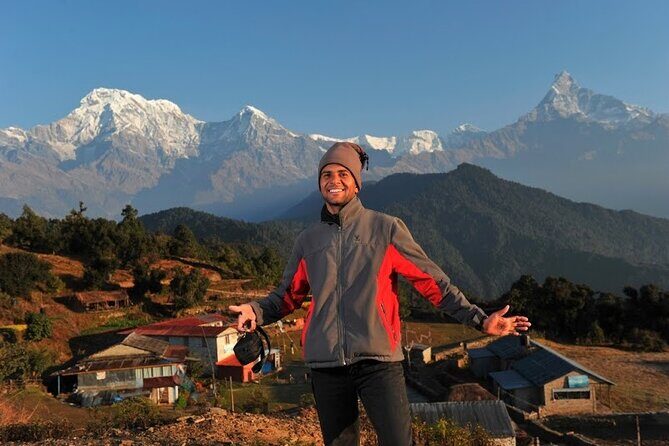
I really like the way this tour connects you to real village life, not just scenery. You also get multiple chances to watch the big ranges come alive, including Dhaulagiri and sunrise viewpoints that look straight toward Annapurna and Manaslu.
One possible drawback: you do need moderate physical fitness, since you’ll be hiking several hours on more than one day, and the experience depends on weather.
In This Review
- Key Things to Know Before You Go
- The Big Idea: Local Money, Big Mountain Views
- Price and Logistics: What $315 Covers (and What Doesn’t)
- Day 1: Kali Gandaki River Drive and the Start Toward Banskharka
- Day 2: Dhaulagiri Views, Local Houses, and Lokta Paper Souvenirs
- Day 3: Sunrise Sessions Over Annapurna, Dhaulagiri, and Manaslu
- Day 4: Kali Daha Lake Reflections, Rhododendron Trails, and the Deep Kali Gandaki Gorge
- Day 5: Holy Kali Gandaki Rituals and the Final River-Side Feeling
- Guides Like Chitra and Lukesh: Safety, Connections, and Real Stories
- What Included Meals Really Mean for Your Day
- Hot Shower Included: The Luxury You Don’t Want to Lose
- What to Pack and How Fit You Need to Be
- Who This Tour Fits Best
- Should You Book This Private Mohare Danda–Area Tour?
- FAQ
- How long is the tour?
- Is this tour private?
- What kind of fitness level do I need?
- What’s included in the price?
- Is pickup offered?
- Do I get access to internet?
- Is a hot shower included?
- Are there any extra costs for cultural programs?
- What happens if weather is bad or the minimum isn’t met?
Key Things to Know Before You Go
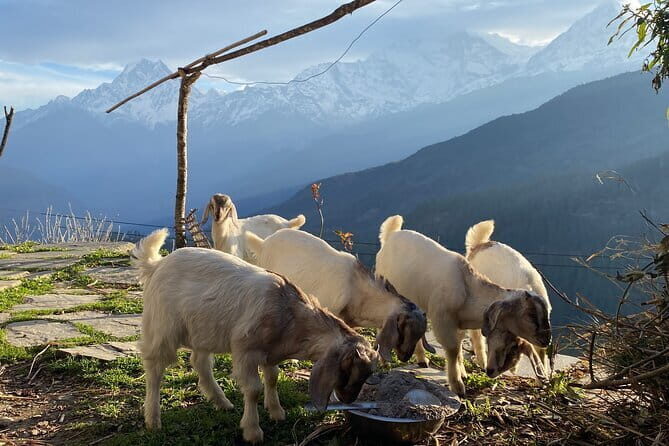
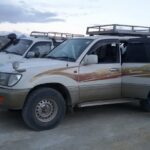
- Private group, private transport: you’re not sharing vehicles with strangers.
- Community-run lodge model: your trekking spend supports locals running accommodations.
- Kali Gandaki culture: you’re traveling along a sacred river tied to Hindu and Buddhist rituals.
- Sunrise viewing built into the days: Annapurna, Dhaulagiri, and Manaslu show up more than once.
- Chitra and Lukesh guide with connections: one group even got car help down when the Mohare Danda section felt too hard.
- Comfort upgrades included: hot shower, plus tea/coffee and multiple meals are part of the package.
The Big Idea: Local Money, Big Mountain Views
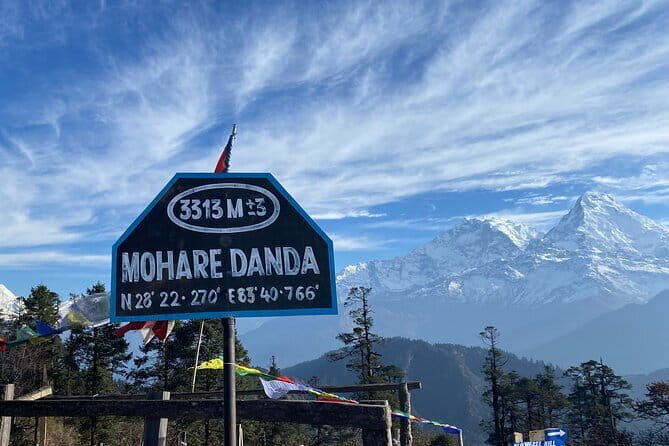
What makes this trek different is the logic behind it. The lodges along the route are run by local communities, which means the financial benefits stay in the trekking area. That matters when you’re tired at the end of the day and you realize your ticket helped support education, health, and infrastructure where people actually live.
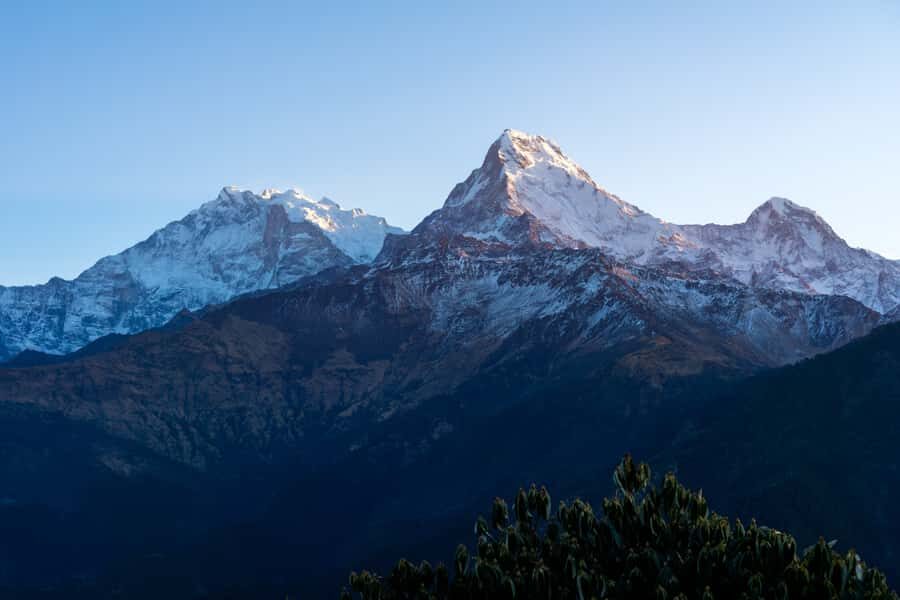
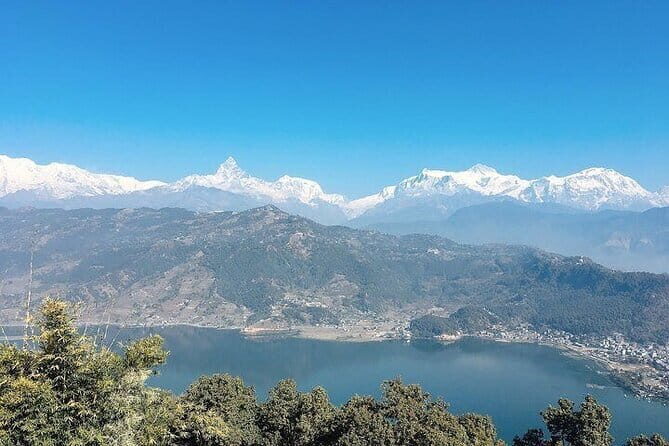
Now layer on the views. You’re not just looking at one peak. You’re chasing the Dhaulagiri range and the skyline angles that line up with Annapurna and Manaslu. Sunrise is a recurring theme, and that’s when the light does that Himalayan magic—cold air, sharp shadows, then color rolling in.
If you're still narrowing it down, here are other tours in Pokhara we've reviewed.
Price and Logistics: What $315 Covers (and What Doesn’t)
At $315 for about 5 days, the value comes from what’s packaged together. You get private transportation in an air-conditioned vehicle, a licensed/certified in-person guide, and local professional porters who handle your luggage between destinations. You also get tea/coffee, hot showers, and a full set of meals: 5 lunches, 4 breakfasts, and 4 dinners.
That’s a lot included for a trek-style experience, especially the porters and the guide. Those two pieces reduce stress. You’re spending your energy on hiking and photo stops, not on figuring logistics while your legs are already bargaining with you.
Not included: wine, alcohol, and soft drinks. Also, there’s an optional cost if you request a traditional cultural program called the Pun Magar Traditional Cultural Program for USD 48 total.
Day 1: Kali Gandaki River Drive and the Start Toward Banskharka
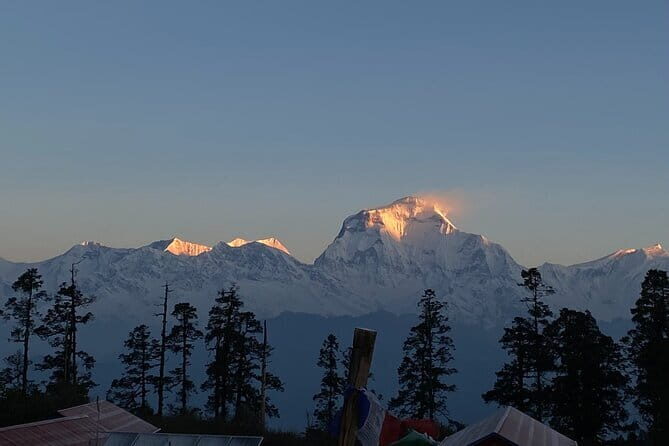
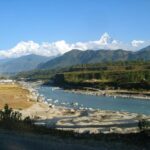
You begin with a drive from Pokhara to Beni along the Kali Gandaki River. This is a useful warm-up day because the river corridor gives you a first sense of the scale of the region. After lunch in Beni, you start hiking toward Banskharka village.
The day’s cultural texture is subtle but real. As you move through areas like Mallaj village, you can see farming land and a Brahmans settlement layout. That kind of detail is easy to miss on tours that only rush between viewpoints. Here, you’re moving slowly enough to notice daily life.
What to expect physically: plan for a steady effort after the drive. There’s no trick—just hiking time, plus the usual Himalayan factors like cooler air and changing footing.
Day 2: Dhaulagiri Views, Local Houses, and Lokta Paper Souvenirs
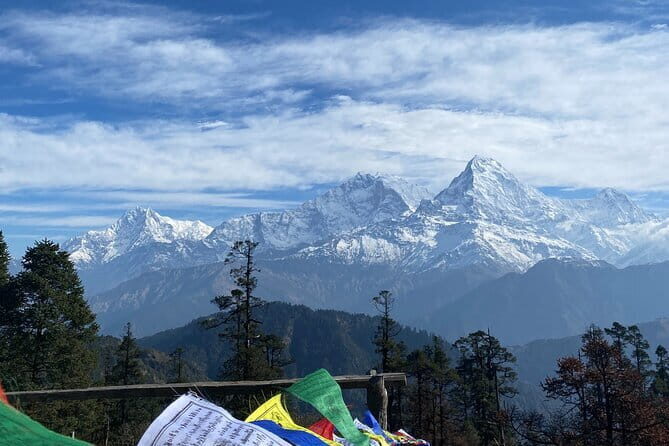
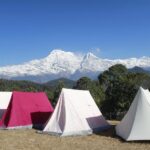
Day 2 is a “look up and stay present” kind of day. You stop for outdoor lunch with views of the Dhaulagiri mountain range. You’ll also see Nepalese traditional houses and farming land.
Then comes one of my favorite kinds of souvenir shopping: practical, local, and tied to place. You can buy handmade Lokta paper and related handicrafts. Lokta paper is made from the bark of the lokta plant, and it’s a great buy because it’s not generic mass-produced “trekking craft.” It’s something you can actually use later, like for cards, journals, or gift wrap.
Potential drawback: lunch with mountain views can make you want to linger. Do it for a few minutes, then reset. If you lose too much time to picture-taking, you’ll feel it later when your body wants consistency.
Day 3: Sunrise Sessions Over Annapurna, Dhaulagiri, and Manaslu
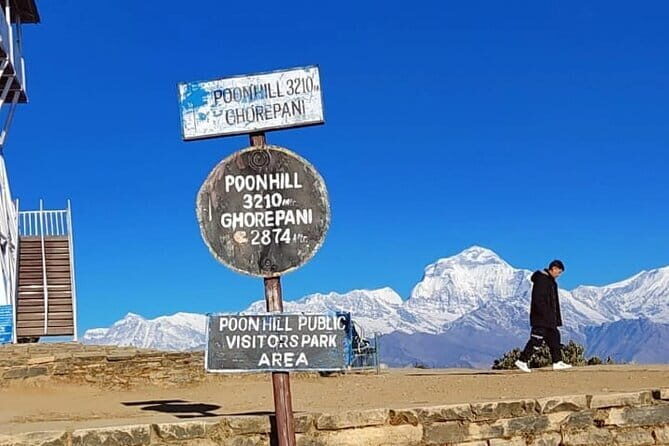
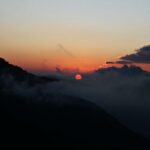
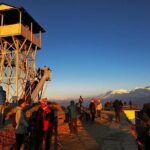
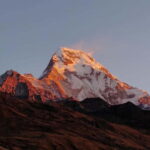
Day 3 is built around sunrise, and you get multiple viewing moments. You’ll watch the Annapurna, Dhaulagiri, and Manaslu ranges unfold in the morning light. There’s also a cozy eating setup with a firewood chimney, which is exactly the kind of comfort that helps when mornings run cold.
You also get something a bit modern for a mountains trip: free internet facility is available. It’s not a reason to plan your trip around social media, but it’s handy for checking on messages, uploading one perfect shot, or getting your bearings.
Later in the day, you’ll have additional stop time for the Dhaulagiri view and then a dedicated look toward Mount Manaslu (8,163 meters). This is when you can really feel the difference between “a peak in the distance” and “a mountain that has its own weather system.”
What you’ll likely remember: sunrise is not just pretty here. It changes the whole geometry of the range. If you want the best photos, give your eyes 30 seconds of adjustment and don’t rely on one single angle.
Other village walks and local-life tours in Pokhara
Day 4: Kali Daha Lake Reflections, Rhododendron Trails, and the Deep Kali Gandaki Gorge
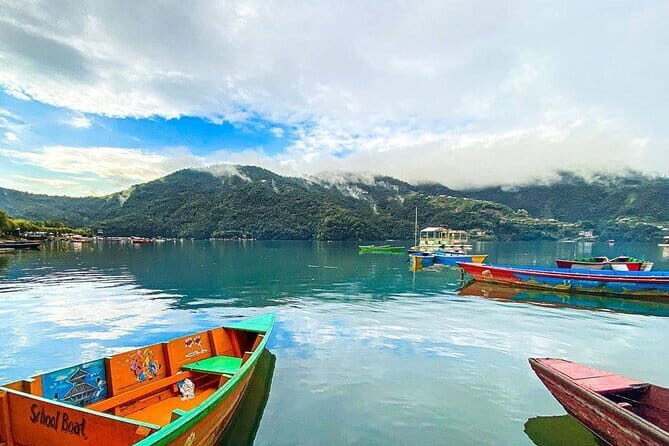
Day 4 centers on Kali Daha Lake, which is described as mirror-like, reflecting the Annapurna mountain range. The sunrise effect is the headline: golden rays across a calm surface, then peaks mirrored back at you like a slow-motion postcard.
Between viewpoints, you’ll also walk through trails lined with rhododendron bushes. In Nepali culture, rhododendron has deep significance, and this is one of those details your guide can point out in plain language while you’re actually seeing the plants in context.
Then you’ll get a big geographic fact tied directly to the Kali Gandaki. The river separates two of the world’s highest mountains, and the gorge is considered the deepest in the world when measured from the riverbed to the tip of Dhaulagiri—about 5.5 kilometers vertical distance. Even if you’re not a science person, this kind of scale makes the whole trek feel more real.
Possible drawback: this is a day that can feel longer on tired legs, since you’re mixing long view moments with trail time. If you’re prone to getting chilled, dress in layers so you’re not fighting your own clothing.
Day 5: Holy Kali Gandaki Rituals and the Final River-Side Feeling
On the last day, you return to the Kali Gandaki River as the focus. The river is considered sacred in Hindu and Buddhist beliefs. Along its banks, you’ll see the kind of religious rituals and ceremonies that happen in real time, not staged for tourists.
Pilgrims often take dips in the holy waters as a form of purification and spiritual cleansing. Even if you’re not participating, it’s a powerful way to end the journey, because the trek isn’t just about views. It’s also about meaning tied to a living landscape.
The result is a strong last impression: after days of sunrise watching and village walking, the sacred river brings the trip back down to earth—spiritual, daily, human.
Guides Like Chitra and Lukesh: Safety, Connections, and Real Stories
The guide team matters a lot on a trek like this, and the names that show up again and again are Chitra and Lukesh. One of the most repeated impressions is how they make people feel safe and taken care of. In heavy weather—rain and hail—your guides’ ability to keep things steady and organized becomes the difference between “rough” and “manageable.”
There’s also a cultural layer to their work. Their connections help translate what you’re seeing, so the village details stop being random and start making sense. One group even described how, when a downhill section near Mohare Danda felt especially arduous, the team arranged cars down the mountain to save time and reduce risk of injury.
That’s not something you should assume on every single day, but it’s a good sign: the guides don’t just follow a route. They solve problems with practical options.
And yes, one detail stuck with people—Chitra’s contagious laugh and spirit. It’s the kind of atmosphere that keeps long days from turning into a slog.
What Included Meals Really Mean for Your Day
Food on trek days can be either a lifesaver or a stressor. Here, you get tea/coffee plus hot showers, and you’re scheduled with multiple meals across the days: 5 lunches, 4 breakfasts, and 4 dinners.
The style of dining also matters. On sunrise days, the setup includes a firewood chimney, which helps you thaw out faster and then get on with the day without that long, cranky “waiting for warmth” feeling.
You should also flag dietary needs when booking. The tour includes dietary accommodation, but you need to say it up front so the team can plan.
Hot Shower Included: The Luxury You Don’t Want to Lose
This tour includes hot shower access, which sounds small until you’re on day three of cold mornings and damp air. It also makes a huge difference for sleep quality. Better sleep equals better energy for hiking and better patience during weather changes.
What to Pack and How Fit You Need to Be
You don’t need ultra-athlete fitness, but you do need moderate physical fitness. That means being comfortable hiking for several hours with changes in altitude and trail conditions.
Practical packing logic:
- Bring layers for cold mornings and warmer afternoons.
- Plan for basic hiking comfort: sturdy footwear and a daypack.
- Expect that luggage is handled by porters between destinations, but you’ll still need small essentials with you on the walk.
Also, this experience requires good weather. If the forecast looks rough, you’ll be waiting on conditions just like everyone else in the mountains.
Who This Tour Fits Best
This is a great fit if you:
- Want a private trek experience rather than a big group shuffle.
- Care about local-run lodges and how money supports community development.
- Like sunrise viewpoints and want repeated chances to see the major ranges.
- Prefer a guide-led trip where safety and context matter.
It might not be ideal if you’re looking for an easy sightseeing walk with minimal hiking. This is a real trek experience, just not a hardcore endurance event.
Should You Book This Private Mohare Danda–Area Tour?
I’d book it if you want a trek that blends three things: mountain payoff, cultural connection, and practical support from guides like Chitra and Lukesh. The price feels fair because meals, transport, and luggage porter help remove a lot of “hidden hassle.”
I’d think twice if you’re close to the edge on physical fitness. The itinerary includes multiple days of hiking, and the experience depends on weather. In that case, you might still go, but you should choose footwear and layers like you mean it and be honest with the team about your limits.
If you want mountain views without turning your trip into a logistics puzzle, this one has a strong balance.
FAQ
How long is the tour?
The tour runs for about 5 days.
Is this tour private?
Yes. It’s listed as a private tour/activity, so only your group participates.
What kind of fitness level do I need?
It’s best for travelers with a moderate physical fitness level.
What’s included in the price?
Included items cover private transportation, an air-conditioned vehicle, licensed/certified in-person guide, local professional porters for luggage transfers, tea/coffee, hot shower, and meals including 5 lunches, 4 breakfasts, and 4 dinners. Dietary needs can be added when booking.
Is pickup offered?
Yes. Pickup is offered as a tour feature, and the package includes private transportation.
Do I get access to internet?
There is free internet facility available during the experience.
Is a hot shower included?
Yes. A hot shower is included.
Are there any extra costs for cultural programs?
Yes. The Pun Magar Traditional Cultural Program costs USD 48 total if clients request it.
What happens if weather is bad or the minimum isn’t met?
This experience requires good weather. If it’s canceled due to poor weather, you’ll be offered a different date or a full refund. If the minimum number of travelers isn’t met, you’ll also be offered a different experience/date or a full refund.