REVIEW · POKHARA
Annapurna Base Camp 7 Days Trek from Pokhara
Book on Viator →Operated by Pokhara Adventure Nepal (PAN) · Bookable on Viator
Teahouse mornings, big peaks, thin air. This 7-day trek is interesting because it swaps scenery and walking styles often, from subtropical patches up into alpine views, then lands you at Annapurna Base Camp (4,130m); I like the Gurung village culture you pass through and the way each day sets up better mountain viewpoints. One consideration: the walking is continuous uphill and downhill, and the altitude climb means you should keep a steady pace and not rush.
I also like how organized it feels for a trek at this altitude. You get hotel pickup and drop-off in Pokhara, transport by sharing bus/jeep, and an English-speaking guide who helps keep the days moving at a realistic rhythm.
That said, this is not a walk for everyone. It is described for people with moderate physical fitness, and it is not recommended for wheelchair users since you’ll be on trekking trails.
In This Review
- Quick hits you’ll care about
- Pokhara to Permits: what this trek is really like on the ground
- Ghandruk start: Gurung villages, viewpoints, and a first taste of the Modi Valley
- Upper Sinuwa day: Chhomrong, Kimrung trails, and a steady effort
- Bamboo and rhododendron to Annapurna Base Camp approach
- Annapurna Sanctuary and the 730m push: Machhapuchare Base Camp to ABC
- Descent to Bamboo: why the easy days still demand care
- Jhinu Danda and Chomrong ridge: bridge moments and the final ridge-to-downhill day
- From Jhinu Danda to Pokhara: suspension bridge, Samrung Khola, and lake-side payoff
- Guide, rooms, and the small details that affect your experience
- How $435 turns into value on a trek like ABC
- Who should book this Annapurna Base Camp trek
- Should you book Pokhara Adventure Nepal for ABC?
- FAQ
- How long is the Annapurna Base Camp trek from Pokhara?
- What is the price per person?
- What’s included in the trek package?
- Do I need a passport copy to join?
- What altitude do you reach on this trek?
- How difficult is it physically?
- Is pickup and transport included from Pokhara?
- Is this trek recommended for wheelchair users?
- Is cancellation free?
Quick hits you’ll care about
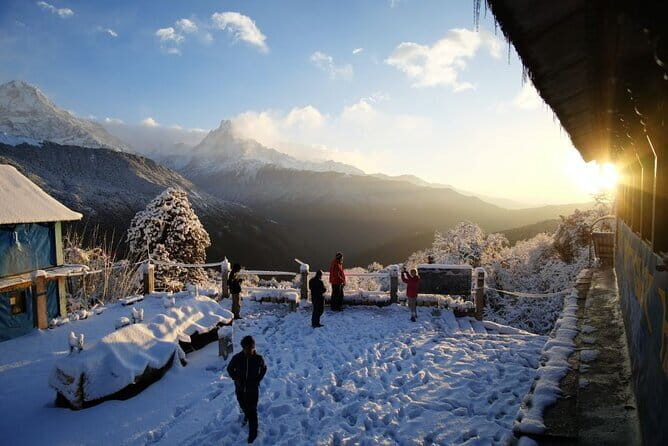
- Ghandruk and Chhomrong: classic Gurung villages with strong mountain viewpoints
- Annapurna Base Camp at 4,130m: the goal and the payoff day
- Forest-to-sanctuary variety: rhododendron, bamboo, and grassy higher paths
- English-speaking guide: reported help from guides like Ram and Krishna
- Guesthouse nights included: simple comfort without needing to plan every stop
Pokhara to Permits: what this trek is really like on the ground
This trek starts in Pokhara, and the early convenience matters. You get hotel pickup and drop-off, plus round-trip transfers using a sharing bus or jeep, so you’re not stuck figuring out local transport on your own right after arriving.
On the paperwork side, you’ll need a passport copy and a passport-size photo before the trek. That’s because your trekking permit and TIMS card are included. For many people, this is the part that feels least fun; having it handled keeps the focus on walking and views.
You also need to be realistic about fitness. The itinerary is built around days that run about 5 to 7 hours of walking. That doesn’t sound huge on paper, but the route includes steep sections, repeated ups and downs, and higher elevation where breathing feels different. If you’re the type who likes to set a steady pace, this format is a good match.
Price-wise, $435 per person can be fair because a lot of the usual “hidden” items are bundled: permits, guide time, and guesthouse accommodation. You still pay for personal expenses, and there’s a note about gratitude, which in practice usually means budgeting something for your guide. The value is best if you want a guided, organized trek rather than self-planning permits, logistics, and timing.
Other Annapurna Base Camp treks reviewed in Pokhara
Ghandruk start: Gurung villages, viewpoints, and a first taste of the Modi Valley
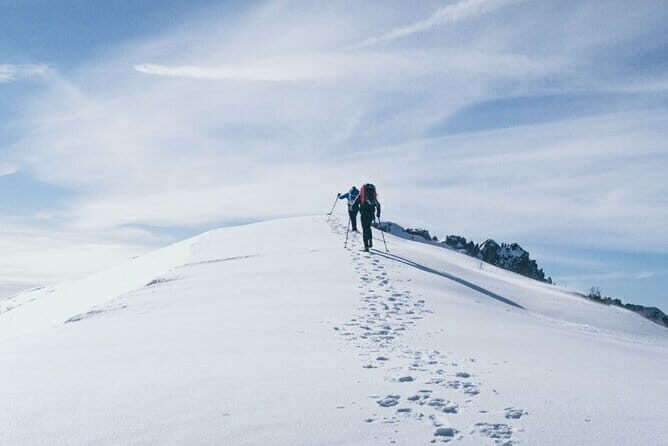
Day 1 is about getting you into the Annapurna region without wasting your trekking day. You drive from Pokhara toward Kyu Mi Danda via Nayapul and Birethati, then you switch to a sharing jeep from Ghandruk. The road is described as unpaved, so expect the ride to be part bumpy, part scenic, part character-building.
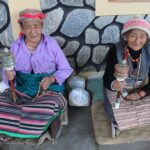
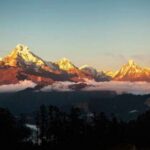
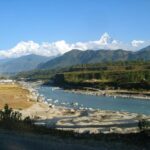
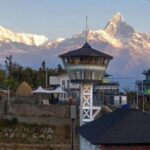
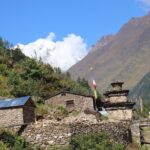
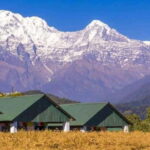
From there, you walk through the Modi River valley and authentic villages. Ghandruk is a major highlight. It’s described as a massive Gurung village and one of the iconic stops in the area. The useful thing about starting here is that you’re not walking through generic scenery. You’re moving through a living community: Gurung customs, museums, and everyday village life, with strong viewpoints of Annapurna South, Hiunchuli, Machhapuchare (Fishtail), Gangapurna, and Annapurna III.
What to watch for on this day:
- You’ll likely feel it in your legs if you start strong. Keep it relaxed.
- If the weather is clear, this is a good day to take photos early, because cloud cover can change later.
The vibe of Ghandruk is also a confidence-builder. You’ll get your bearings, see what mountain time looks like, and sleep at a place that feels firmly inside the Annapurna world.
Upper Sinuwa day: Chhomrong, Kimrung trails, and a steady effort
Day 2 pushes more uphill energy. You head from Ghandruk toward Upper Sinuwa, and the trail is described as fluctuating—meaning it’s not a single long climb, but a series of ups and downs that add up. It’s also called strenuous, and the walking time is about 7 hours (with lunch and tea breaks).
The route passes named sections like Kimrung Danda and the Kimrung River, then moves through Chhomrong village before reaching Sinuwa. This matters because Chhomrong is one of those anchor points on the trek. You get another cultural stop with Gurung life, and you also tend to get strong mountain viewing angles from the ridge-like walking typical of this area.
A practical tip: treat this as your rhythm day. If you go too fast here, you pay for it later. Your goal isn’t to win a race; it’s to arrive with enough energy for the higher, colder walking ahead.
If you’re into both culture and scenery, this is a strong day. The trail gives you a mix of vegetation and village life, and you’ll spend enough time outside to notice how the air changes as you gain height.
Bamboo and rhododendron to Annapurna Base Camp approach
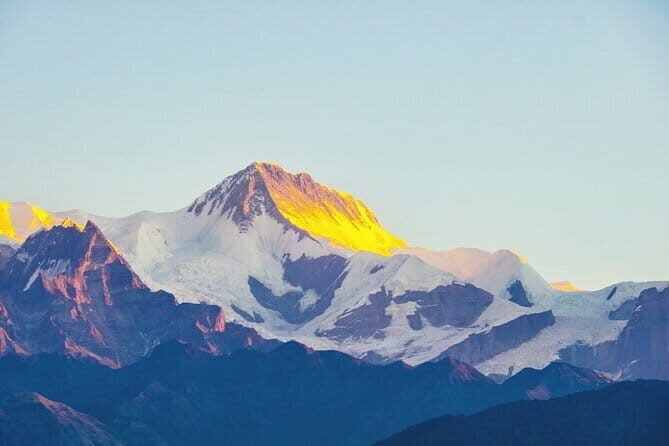
Day 3 is where the trek starts feeling more like a high-altitude walk than a village-to-village hike. The trail goes uphill, the air gets cooler and fresher, and the path winds toward Annapurna Sanctuary.
On paper, Day 3 is about 7 hours. In real life, it can feel longer because the environment changes as you rise. The route is described through bamboo and rhododendron forest, along with places such as Bamboo and Dovan in the walking story. You also stay close to the Modi River valley, which helps explain why the path keeps moving through distinct “zones” instead of feeling flat or repetitive.
This is also a day where you’ll likely start thinking about acclimatization. You may not know what that word means in your body until you’re walking and breathing changes. Don’t interpret that as failure. It’s a normal part of trekking up toward the sanctuary.
What I like about this day is the pacing of scenery:
- Forest walking gives you something to focus on besides altitude anxiety.
- Then you start getting closer to the open, view-heavy parts of the trek.
Annapurna Sanctuary and the 730m push: Machhapuchare Base Camp to ABC
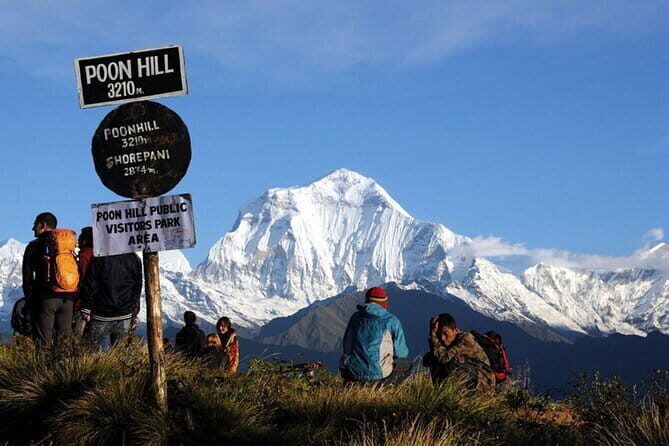
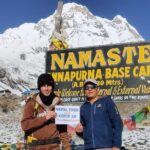
Day 4 is the big “goal day,” but it’s structured in a smart way. The trail goes up toward Machhapuchhre Base Camp (MBC), and MBC sits at about 3,900m. From there, you climb roughly 730m to reach Annapurna Base Camp at 4,130m.
That climb is the hard part, but the reason it works is simple: you don’t jump straight from low village walking to ABC. You step through a staging area and gradually head toward the sanctuary’s heart.
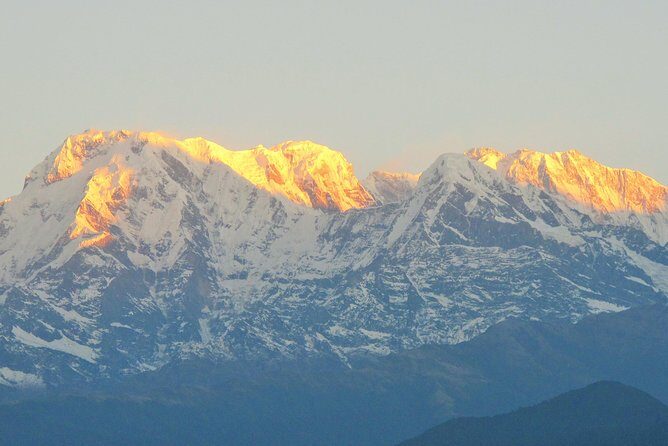
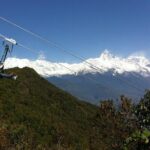
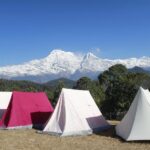
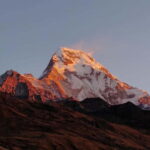
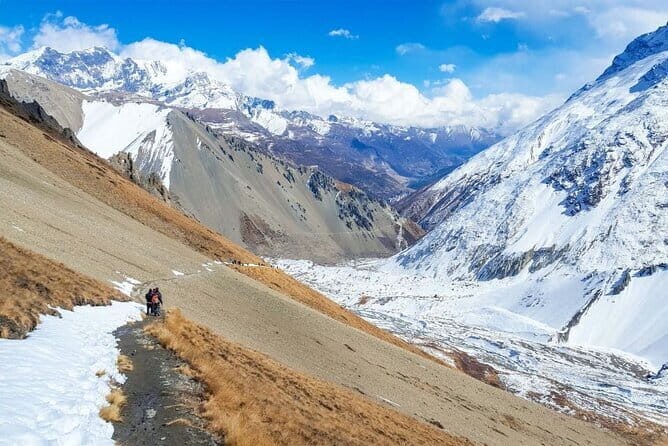
As you move higher, the views become more direct and more dramatic. The trek is described as offering stunning sights of Annapurna peaks that circle the sanctuary, with Annapurna I noted as a key view. The famous peaks you’ll have seen earlier in the region—like Machhapuchare (Fishtail), Annapurna South, and Hiunchuli—start to feel closer and more “real” from the sanctuary area.
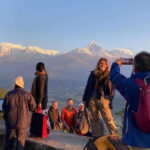
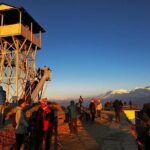
I also like that this day includes a sense of place. Annapurna Base Camp isn’t just a dot on a map. It’s the feeling of being at the base of a massive massif, with a wide open view around you. That’s also where sunrise conversations can start—several people in the available feedback talk about early light and clear mountain views.
One consideration: cold can show up fast at these heights. Even if the day starts mild, you’ll want layers ready for wind and temperature drop.
Other hiking tours in Pokhara
Descent to Bamboo: why the easy days still demand care
Day 5 is about coming down from the base camp area to Bamboo. It’s described as a decent trail, but it’s also a day where you should walk carefully on descent. That’s practical advice you can’t ignore: steep downhills can be tougher on knees than uphill climbing is on your lungs.
The route goes downhill via Deurali, then through Himalaya and Dovan, and back to Bamboo for the overnight stay. The overall walking time is about 6 hours, and the terrain is described as winding, with a mix of ups and downs rather than a straight slide down.
One small win mentioned in the trek notes: you can take a warm hot shower at Baboo in Bamboo. If you care about comfort after a high, cold day, this matters more than it sounds. It’s the difference between feeling human again and feeling like you’re living in hiking mode forever.
Jhinu Danda and Chomrong ridge: bridge moments and the final ridge-to-downhill day
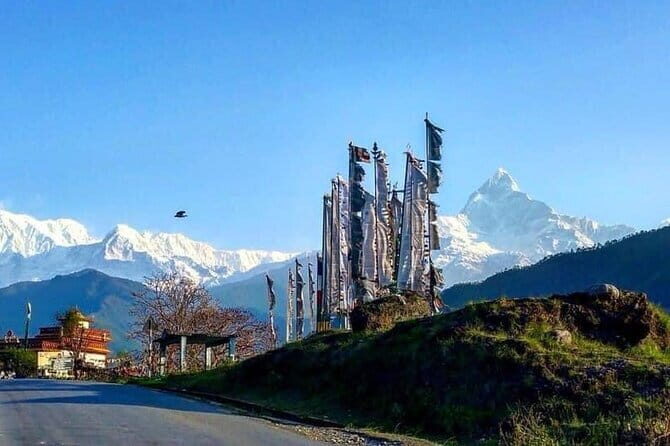
Day 6 is a classic “last big effort” day. You start with a short steep up to KhuldiGhar, then descend within the forest to reach Sinuwa-Danda. After that, you descend to Chomrong Khola and cross a bridge. The description notes a short climb after the bridge before you reach Chhomrong village for lunch.
Then the day continues with another short up to reach the top of the Chomrong ridge. From there, it’s downhill into Jhinu Danda for the overnight stay.
This day is useful for two reasons:
- It brings back village structure and navigation points, which makes the trek feel less like pure wilderness.
- It gives you a final taste of ridge views before you head out toward Pokhara.
If you want photos, this is often where you get your last “wide angle” moments. But also plan for sore legs. You’ll be tired, and the route still includes a few climbs.
From Jhinu Danda to Pokhara: suspension bridge, Samrung Khola, and lake-side payoff
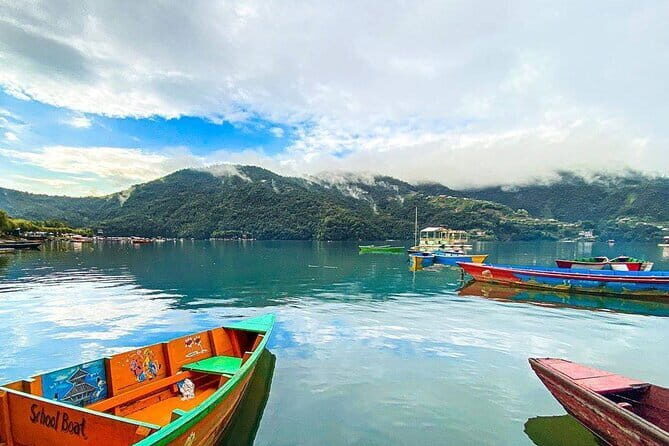
Day 7 is a transition day that ends with Pokhara. You start with a short downhill walk and a long suspension bridge crossing to reach Samrung Khola. Then you catch a local jeep for Pokhara, and the drive takes about 4 hours.
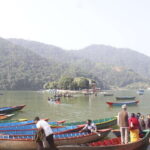
The jeep route goes through Kimrung village, Syauli Bazaar, Birethati Nayapul, Kande, and Naudanda before reaching Pokhara Lakeside. That drive is long enough to let you process what you just did, but not so long that you feel trapped. You end with the comfort of returning to a city.
This day also helps confirm a common pattern of the Annapurna region: you don’t just hike up and stop. You transition from high routes to road routes, with a bridge crossing as the final “trek moment.”
When people talk about being very happy with a company, a lot of it comes down to this last day not turning into chaos. You’ve got transport lined up, and you’re not searching for rides while your body is already tired.
Guide, rooms, and the small details that affect your experience
Your guide is part of what you’re buying here. The trek notes say you’ll have an English-speaking guide. The feedback attached to this experience gives names you may recognize: Ram and Krishna show up as very helpful guides, and that help matters on a route like this where timing and pacing change with weather.
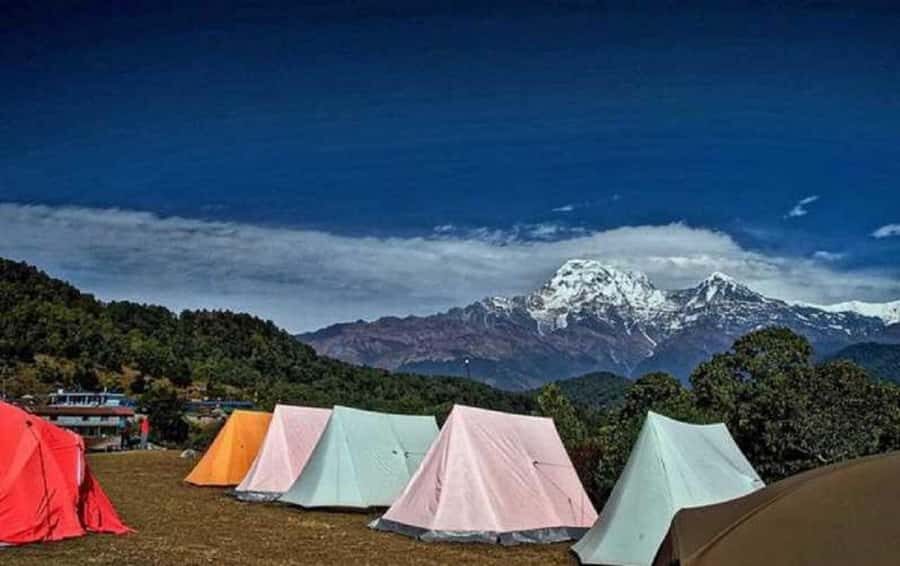
You’ll also stay in guest houses. The included accommodation means you’re not booking your own nights at the last minute. The feedback also mentions nice rooms and good food. I’d treat that as “expect average mountain guesthouse comfort,” not luxury, but it’s a solid sign that the operator is paying attention to where you sleep.
Transportation also gets praise. That’s important because Annapurna treks can start and end with long drives and road changes. When those transfers work smoothly, you start feeling confident instead of stressed.
How $435 turns into value on a trek like ABC
Let’s break down the value in plain terms. Paying $435 for a 7-day Annapurna Base Camp trek can make sense when the package includes:
- Hotel pickup and drop off in Pokhara
- Round trip transfers by sharing bus/jeep
- Trekking permit and TIMS card
- English-speaking trekking guide
- Guesthouse accommodation
- A private trip (your group participates)
A common reason people regret DIY treks is not the trail. It’s the overhead: permits, timing, and trying to coordinate transport when you’re tired. Here, those components are included, which typically saves money and headaches for the kind of traveler who wants the hike to be the main event.
What’s not included matters too. Personal expenses are on you, and the note about gratitude is a reminder to budget for your guide. If you pack wisely, eat thoughtfully, and plan your spending, you’ll likely find the included value holds up.
Also, the listing says group discounts and a mobile ticket. Mobile ticket details aren’t life-changing on a mountain, but they usually signal the operator keeps paperwork and confirmations organized, which helps reduce stress.
Who should book this Annapurna Base Camp trek
This trek fits best if you:
- Want Annapurna Base Camp as the main goal, plus the cultural stops of Gurung villages
- Prefer a guided route with permits handled
- Have moderate fitness and enjoy sustained walking
- Like the idea of forests and villages, not just one “straight line” climb
It’s not a good fit if you:
- Need wheelchair access (it’s not recommended for wheelchair users)
- Want a very easy, low-effort hike (the route is described as strenuous on at least one key day, and the trek includes multiple climbs and descents)
If you’re traveling with friends or family and want a private-group feel, the included private trip format is also appealing.
Should you book Pokhara Adventure Nepal for ABC?
If your priority is a guided Annapurna Base Camp trek that handles permits, transport, and guesthouse stays, I think it’s a strong option to consider. The standout themes from the available feedback are consistent: the guides (including Ram and Krishna) are helpful, the mountain views are clear when conditions cooperate, and the logistics like rooms and transport land well at the end of long days.
My advice is to book with eyes open about effort. This is not a sit-back trek. It’s a full 7 days of walking where altitude and long trails do the work, and your job is to keep a steady pace.
If you’re aiming for ABC with a mix of culture, rhododendron/bamboo forest walking, and a route that returns you to Pokhara smoothly, this one earns a spot on your short list.
FAQ
How long is the Annapurna Base Camp trek from Pokhara?
It runs for about 7 days, with daily walking time generally described around 5–7 hours depending on the day.
What is the price per person?
The price listed is $435.00 per person.
What’s included in the trek package?
Included are hotel pickup and drop off, round trip transfer by sharing bus/jeep, trekking permit and TIMS card, an English speaking trekking guide, guest house accommodation, and a private trip.
Do I need a passport copy to join?
Yes. A passport copy and a passport size photo are required prior to the trek so trekking permits can be made for you.
What altitude do you reach on this trek?
Annapurna Base Camp is at about 4,130 meters. Machhapuchhre Base Camp is noted at around 3,900 meters, with a climb of about 730 meters to ABC.
How difficult is it physically?
The trek is recommended for people with moderate physical fitness. Some days are described as strenuous, and the route includes uphill and downhill walking.
Is pickup and transport included from Pokhara?
Yes. You get hotel pickup and drop off, plus round trip transfers by sharing bus/jeep. On the last day you also take a local jeep back to Pokhara.
Is this trek recommended for wheelchair users?
No. It is not recommended for wheelchair users because it requires walking on trekking trails.
Is cancellation free?
Yes. Free cancellation is offered, and you can cancel up to 24 hours in advance for a full refund.