REVIEW · POKHARA
Annapurna: 2 Days 1 Night Poon Hill Trekking
Book on Viator →Operated by Peak to Peak Tours and Treks Pvt Ltd · Bookable on Viator
Sunrise over the Himalayas in two days.
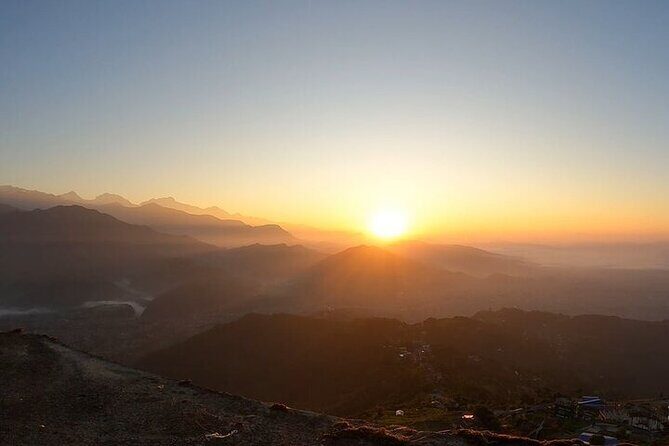
This Annapurna Poon Hill trek is built for people with limited time who still want that early-light, big-mountain feeling—without needing a long multi-day commitment. You’ll walk through forest at the foothills, sleep in a mountain village at Ghorepani, then head up for the classic Poon Hill sunrise panorama.
I like the practical pace and the fact that the core costs are handled for you: TIMS and conservation area permits, guide time, and tea house accommodation are included. I also like that you’re not just chasing a view—your route passes through real village life at the foothills, with chances to see local greenery and wildlife you wouldn’t notice from a bus window.
One consideration: you’ll still be trekking about 8 hours on Day 1, so moderate fitness helps, and you should plan for basic tea house logistics (especially if weather turns). If you hate early mornings, sunrise is still the main event.
In This Review
- Key things to know before you go
- Two Days on the Annapurna Foothills: What You’re Really Buying
- Day 1: Ghorepani and the Walk Through Forest Life
- Day 2: Poon Hill Sunrise and the Panoramic Moment
- Your Guide: The Difference Between a Walk and an Experience
- What’s Included (and Why It Matters for Budgeting)
- Transportation and Timing: How the Short Duration Still Works
- Who This Trek Suits Best (and Who Should Rethink It)
- Value Check: Is $374.81 a Good Deal?
- Weather Reality: What to Expect at Dawn
- Should You Book This 2-Day Poon Hill Trek?
- FAQ
- FAQ
- How long is the Annapurna 2 Days 1 Night Poon Hill trek?
- Where does this trekking experience operate?
- What permits are included?
- Is accommodation included?
- Are meals included?
- Does the tour include a guide?
- Is this a private tour or a group tour?
- What fitness level do I need?
- Are service animals allowed?
- What happens if I cancel close to the start time?
Key things to know before you go
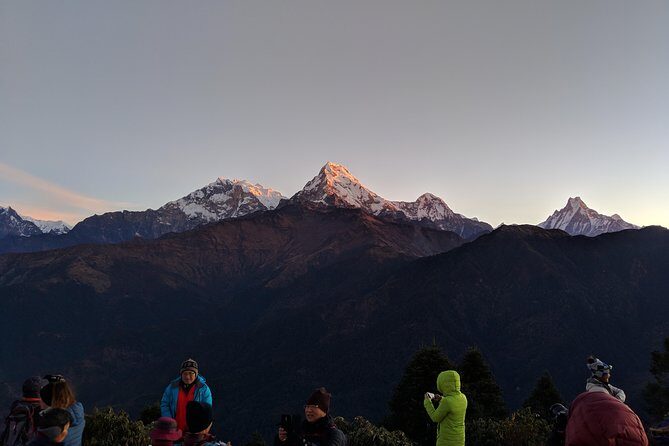
- Two days, one big payoff: sleep at Ghorepani, then walk up for the Poon Hill sunrise view
- Permits handled: TIMS plus Annapurna conservation area permits are included
- Tea house stay included: you’re covered for lodging at Ghorepani, but not meals
- Private, small-group style: it’s a private tour/activity for your group
- Guides matter here: several reviews highlight guides like Milan Babu Rai, Ravi, and Dadi dai
Two Days on the Annapurna Foothills: What You’re Really Buying
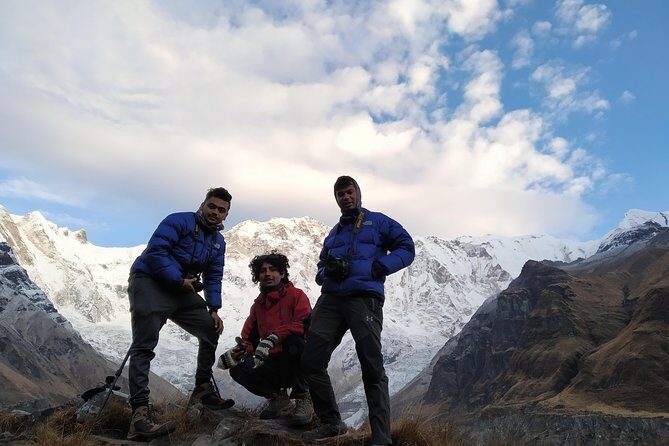
This trek is priced and structured around one simple idea: you get the Himalayas without signing up for a long hardship. At two days (about), the schedule is short enough to fit a quick Nepal plan, yet the experience still includes the pieces that make Poon Hill memorable: walking, forest scenery, a village overnight, and a sunrise viewpoint.
The value is strongest if you like clarity. You know what’s covered: private transportation, all fees and taxes, TIMS and conservation permits, guide expenses, and tea house accommodation at Ghorepani. What’s not covered is also clear: food and beverages, plus optional gratitude, and any rescue costs if something goes wrong. That separation matters because it helps you budget without surprises.
What you’re likely to love most is the rhythm. Day 1 gives you the trekking day and the foothills feel. Day 2 is focused on the top and the sunrise. You won’t spend your whole trip thinking about logistics—your guide role becomes the main support, and the sunrise timing becomes the main deadline.
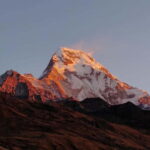
And yes, sunrise is the star. You’re going for the moment when the mountain ranges catch light and the whole view shifts fast. That’s exactly what Poon Hill is known for, and it’s the reason this route works so well for first-timers.
Other Ghorepani and Poon Hill treks in Pokhara
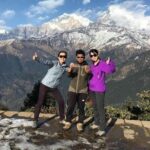
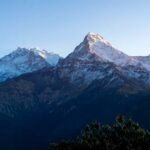
Day 1: Ghorepani and the Walk Through Forest Life
Your Day 1 is centered on reaching Ghorepani, a village at the foothills of the Himalayas where you’ll stay overnight. The trek time listed for Day 1 is about 8 hours, which is long enough to feel like a real hike but not so long that you’d need advanced endurance.
Why this day matters: it’s not only about covering distance. It’s about transitioning from easy-access Nepal into the slow tempo of mountain villages. Even in seasons when the weather can be a little unsettled, the forest route and the village rhythms give the trip its character. One review specifically called out the rainy season: even then, the air cleared at the right time and the mountain feel at dawn was still impressive. You can’t control the weather, but you can control your gear and your attitude—and a good guide helps you read conditions.
A second practical reason Ghorepani is a smart stop: it sets you up for Day 2 without needing to start too late. You don’t have to solve the hardest timing puzzle of a sunrise trek from scratch. You sleep where you’re already positioned near the viewpoint area, and the next morning becomes a focused push for sunrise.
What to watch for on Day 1:
- Start strong, pace smart: 8 hours will feel very different depending on how hard you go in the first hour.
- Weather can change how you feel: in rainy season, paths may be slick and your legs may feel heavier.
- Tea house basics: you’ll have accommodation, but meals aren’t included, so you’ll want cash or payment readiness for food and drinks.
Day 2: Poon Hill Sunrise and the Panoramic Moment
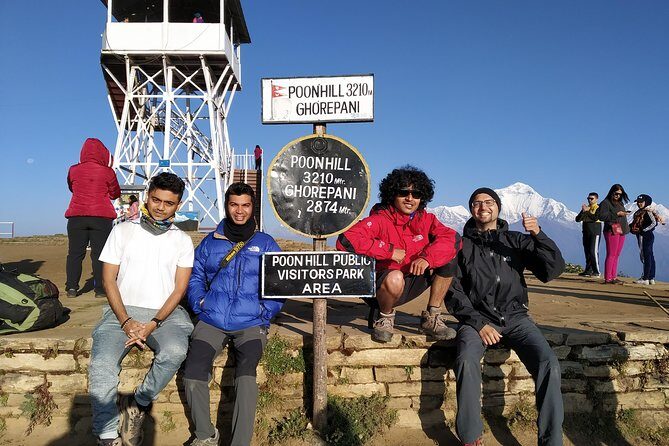
Day 2 is short on paper: the trek to Poon Hill for the sunrise view is listed as about 1 hour. But don’t treat that as a casual stroll. Sunrise treks often involve early start times and cool air, and the short distance can still feel demanding if your body isn’t used to hiking.
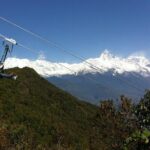
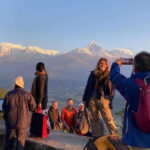
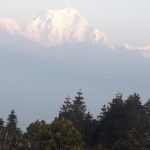
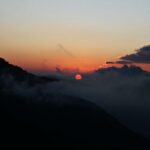
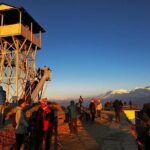
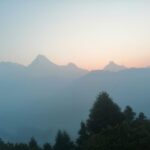
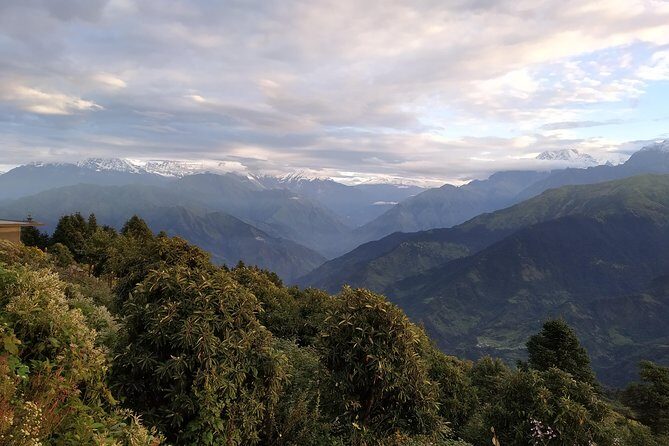
The payoff is the whole reason you picked this trek. At the top, you’re looking for the panoramic view of the Himalayan ranges as the sun lights them up. Reviews consistently highlight the sunrise aspect as the best moment, especially with that wide range of mountain views that makes the whole hike feel worth it.
Another point I like about Poon Hill is that it’s selective. You’re not spending Day 2 dragging your way between viewpoints for hours. You’re going up, you’re taking in the view, and you’re done. That makes it a good choice if you want to come away with a big memory without burning your whole vacation on trails.
Your Guide: The Difference Between a Walk and an Experience
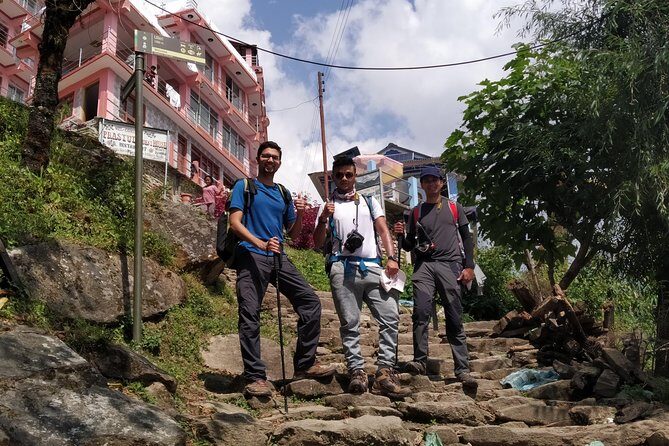
This trek is guide-supported, and the reviews lean hard on the human side of it. Names that come up include Milan Babu Rai, Milan, Ravi, and Dadi dai—with praise for being helpful, calm, and practical.
One review example: a family doing the trek with a small child mentioned that the guide stepped in when the child got tired and carried them at points. That’s the kind of support that turns a stressful situation into a manageable one. Even if you’re not hiking with kids, the same idea applies: good guides help you keep moving, choose the right pace, and handle small issues before they grow.
If you care about communication, this is also where your guide can make the trek feel more connected. You’ll pass through a simple mix of plants, animals, and village life, and a guide can help you notice what you’d otherwise walk right past.
What’s Included (and Why It Matters for Budgeting)
Here’s what you should expect to be covered:
- Private transportation (so you’re not stuck sharing the ride with strangers you didn’t plan for)
- All fees and taxes
- TIMS and Annapurna conservation permits
- All guide expenses
- Accommodation at tea house in Ghorepani
Why I think this matters for you:
- Permits can be confusing to piece together on your own, especially on a short trip. Having them included reduces the risk of scrambling last-minute.
- Guide expenses included usually means your time is structured and supported rather than being a DIY hike with a vague plan.
- Tea house accommodation included protects your biggest overnight variable—where you sleep—so you can focus on trekking.
The clear exclusions:
- Food and beverages are available on purchase
- Optional gratitude
- Rescue cost in an emergency
That last point is common on trekking tours, but it’s still worth thinking about. Your best defense is good planning: moderate fitness, sensible pacing, and not pushing through pain.
Other evening experiences in Pokhara


Transportation and Timing: How the Short Duration Still Works
Because the trek is only 2 days, timing has to be tight—but in a good way. There’s pickup offered from Pokhara, and since you’re using private transportation, your schedule is more predictable than if you were coordinating multiple shuttles yourself.
Group discounts and a mobile ticket are listed as features, which usually means easier communication and fewer paper hassles. For a quick trekking trip, that convenience can matter more than you’d think.
If you’re the type who hates waking up, waiting, and guessing, this structure is a plus. The itinerary is built around two main transitions: Day 1 to Ghorepani, then Day 2 to Poon Hill for sunrise.
Who This Trek Suits Best (and Who Should Rethink It)
This trek is best for:
- People who want the Himalayas but can’t spare a long trek
- First-time hikers who like a guided plan
- Anyone with moderate physical fitness who can handle an 8-hour Day 1 trek
- Families or groups who value supportive guiding (especially given stories of hands-on help)
You might rethink it if:
- You’re looking for a fully restful, no-commitment nature day. Day 1 is still a full trekking day.
- You have very specific medical limitations and want a slower route or more frequent rest structure than what a short trek provides. (The tour calls out moderate fitness, which is your cue to match expectations.)
Value Check: Is $374.81 a Good Deal?
At $374.81 per person, the price can look high at first glance—until you separate what you’re actually paying for.
You’re not just paying for a view. You’re paying for:
- Permits (TIMS + conservation area)
- Guide time and guide expenses
- Tea house lodging at Ghorepani
- Private transportation and included fees/taxes
- A plan that compresses the classic Poon Hill experience into two days
Then add what’s missing: meals and drinks. That’s normal, and it also means you can eat what you want at tea houses instead of being locked into a single menu. Optional gratitude is also standard; you decide what feels right.
So I’d call this a solid value if you want less friction. If you were planning to organize permits, transportation, and lodging yourself, the time savings alone often makes tours worth it on short vacations.
Weather Reality: What to Expect at Dawn
Sunrise treks live or die by conditions. The good news: reviews mention rainy season experiences where the air cleared and the sunrise views still worked out. That suggests the route can still deliver, even when the sky isn’t guaranteed.
The practical takeaway for you:
- Dress in layers so cool dawn doesn’t catch you off guard
- Bring gear for damp conditions if you’re trekking during wetter months
- Accept that mountain weather can change fast, and follow your guide’s call on what to do next
Should You Book This 2-Day Poon Hill Trek?
If you want a fast track to big Himalayan views, this plan makes a lot of sense. The included permits, guide support, and tea house stay make it easier to pull off the classic sunrise moment without turning your trip into a logistics project.
I’d book it if:
- you’re short on time but serious about seeing the mountains at dawn
- you like guided structure and private transportation
- you’re comfortable with moderate hiking and an 8-hour Day 1
I’d pause if:
- you want a longer route with more gradual trail building, or you’re chasing a slow, leisurely pace.
This trek is compact by design. The trade-off is less time on trails overall, not less effort on Day 1.
FAQ
FAQ
How long is the Annapurna 2 Days 1 Night Poon Hill trek?
The tour is listed as 2 days (approx.). Day 1 is about 8 hours, and Day 2 includes about 1 hour to reach Poon Hill for sunrise.
Where does this trekking experience operate?
It’s based in Pokhara, Nepal, with pickup offered.
What permits are included?
The tour includes TIMS and Conservation Area permits.
Is accommodation included?
Yes. You get accommodation at a tea house at Ghorepani.
Are meals included?
No. Food and beverages are available for purchase.
Does the tour include a guide?
Yes. The tour includes all guide expenses, and it’s supported by guides (with names like Milan Babu Rai, Ravi, and Dadi dai mentioned in feedback).
Is this a private tour or a group tour?
It’s a private tour/activity. Only your group participates.
What fitness level do I need?
The tour notes that travelers should have moderate physical fitness.
Are service animals allowed?
Yes. Service animals are allowed.
What happens if I cancel close to the start time?
Cancellation is free, but you can cancel up to 24 hours in advance for a full refund. If you cancel less than 24 hours before, the amount paid is not refunded.