REVIEW · POKHARA
Pokhara: 1 Night 2 Day Chitwan Safari Tour
Book on GetYourGuide →Operated by Crystal Holidays Adventure Pvt Ltd · Bookable on GetYourGuide
Rhinos in two days is the plan. This 1-night, 2-day Chitwan safari from Pokhara is a tight schedule that still finds time for wildlife time in Chitwan National Park and a real cultural evening. I especially love the chance to spot big animals on the jeep safari, and I love how the evening Tharu dance performance gives you context for the people who’ve lived here for generations. If you’re lucky, your English-speaking nature guide is someone like Shankar, the kind of guide who can make animals feel personal and not just random sightings.
One drawback to plan for: you’ll spend a noticeable chunk of time on the tourist bus, since the trip runs on a set departure and return window.
In This Review
- Key things to know before you go
- Chitwan in 48 Hours: What Makes This Mini-Safari Feel Worth It
- From Pokhara to Chitwan: The Tourist Bus Run That Sets the Tone
- Day 1 in Chitwan: Lunch, Lodge Check-In, Then Wildlife Time
- The Jeep Safari Inside Chitwan: How to Get Better Sightings
- Sunset Tour: When the Jungle Gets Louder
- The Guided Nature Walk: Small Wildlife, Big Payoff
- Tharu Culture in the Evening: Why the Dance Program Matters
- Sleeping at a Park Resort: Comfort, Food, and the Reality Check
- Day 2 Back to Pokhara or Kathmandu: What You’ll Actually Do
- Price and Value: Is $129 a Good Deal for Chitwan?
- Wildlife Expectations: What’s Realistic (and What to Do With That)
- Who This Tour Suits Best (and Who Should Think Twice)
- Practical Tips: Make the Schedule Feel Easier
- Should You Book This Chitwan Safari Tour?
- FAQ
- What is included in the Chitwan Safari Tour?
- What time is the pickup on Day 1?
- How do I travel between Pokhara and Chitwan?
- What jungle activities are included?
- Is there a cultural program during the trip?
- What meals are provided during the tour?
- What should I bring, and are any items not allowed?
Key things to know before you go
- 7am hotel pickup to start the Day 1 transfer smoothly
- Jeep safari + guided nature walk + sunset tour inside Chitwan National Park
- Tharu cultural dance performance as part of the evening program
- Resort stay with all meals included (lunch, dinner, breakfast)
- English-speaking nature guide who helps you spot and understand animals
Chitwan in 48 Hours: What Makes This Mini-Safari Feel Worth It
A long safari can be amazing. But sometimes you want the best parts—without burning days. This tour is built for that exact mood: 1 night, 2 days, and a schedule that keeps you moving while still leaving you time to enjoy the place.
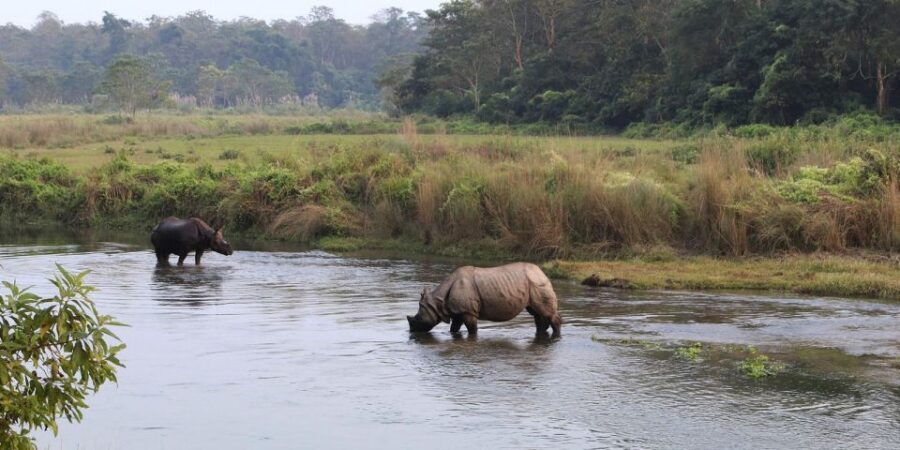
The big selling point is that Chitwan isn’t a zoo. It’s a real protected habitat in Nepal’s Terai region, where animals move and conditions change. That’s why the experience can swing from quiet birdwatching to big-moment wildlife sightings. In one standout case, the guidance and timing helped people spot multiple rhinos, even a baby rhino. Even if your day looks different, the structure is designed to give you repeated chances.
Other Chitwan jungle safari trips from Pokhara


From Pokhara to Chitwan: The Tourist Bus Run That Sets the Tone
Day 1 starts with a hotel pickup at 7am, then a transfer to the tourist bus station. The idea is simple: get you out of town early, so you’re not spending your only full wildlife window sitting around.
You’ll take a round trip by tourist bus (with pickup and drop-off included), and that matters because it keeps the hassle low. No renting, no negotiating, no last-minute uncertainty. Just show up, meet the group, and go.
The trade-off is time. You should expect some hours on the road as the tour moves between Pokhara (or your onward direction) and Chitwan. If you’re the type who gets cranky on buses, bring a good attitude, snacks, and something to pass the time.
Day 1 in Chitwan: Lunch, Lodge Check-In, Then Wildlife Time
After you arrive in Chitwan National Park, you’ll transfer to the resort for check-in. You’ll also get a welcome authentic Nepali lunch, which is a smart way to settle your stomach before you head out for jungle activities.
Then comes the wildlife block. Your itinerary is built around different styles of viewing, so you’re not only relying on one method:
- a jeep safari (best for covering ground and spotting larger animals)
- a guided nature walk (slower pace, more chance for smaller wildlife and birds)
- a sunset tour (often a good time for animal activity)
This combination helps you avoid the all-or-nothing problem. If animals are quiet during one session, you still have other chances before the day ends. That’s especially valuable on a 2-day trip, when you don’t have spare days to wait for the “perfect” conditions.
The Jeep Safari Inside Chitwan: How to Get Better Sightings
You’re going into Chitwan by jeep safari, and that’s not a gimmick. It’s practical. Jeeps let your English-speaking nature guide scan wider areas, and they help you reach spots that would take way longer (or be impossible) on foot.
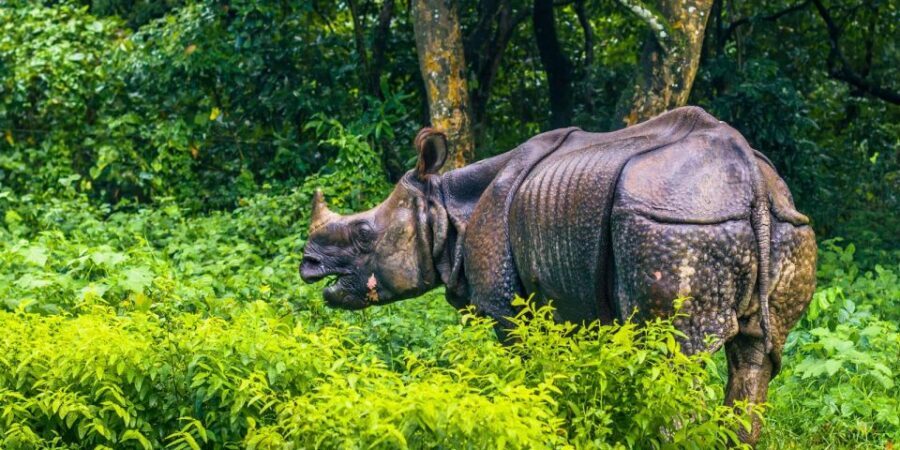
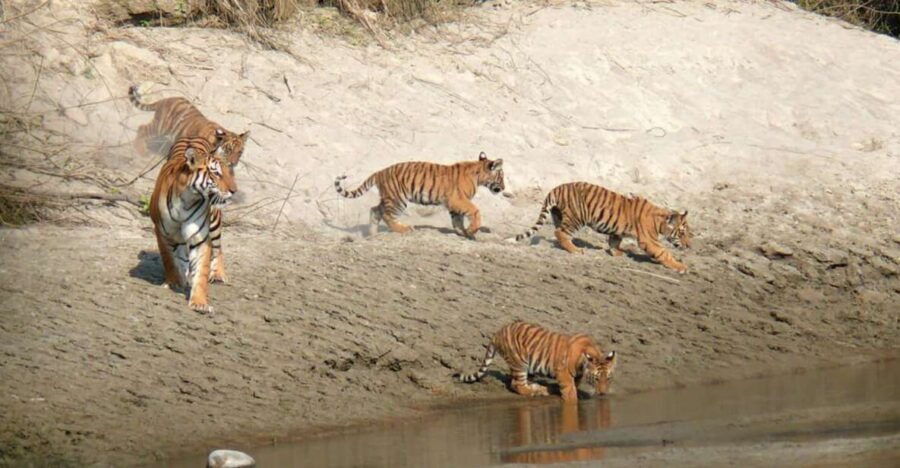
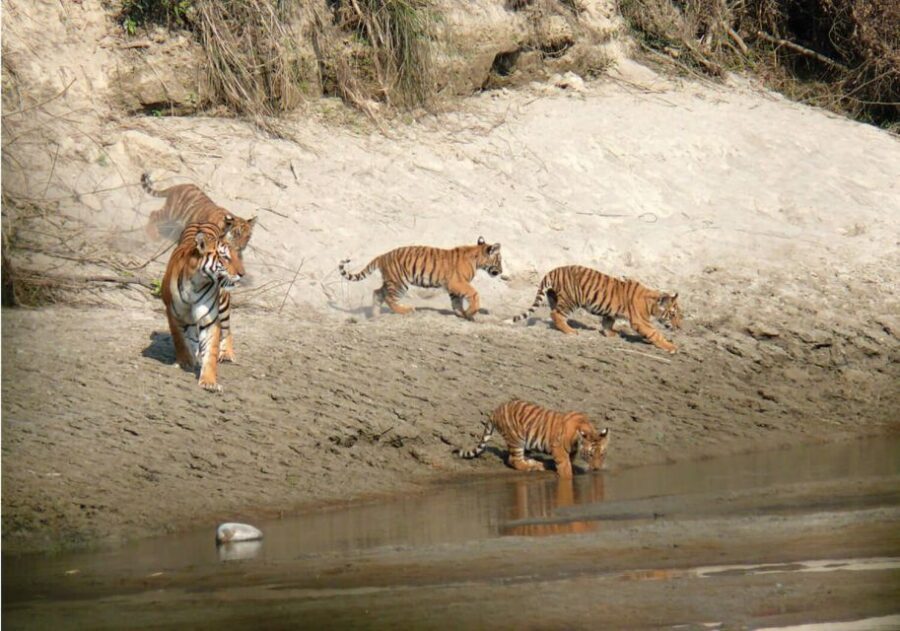
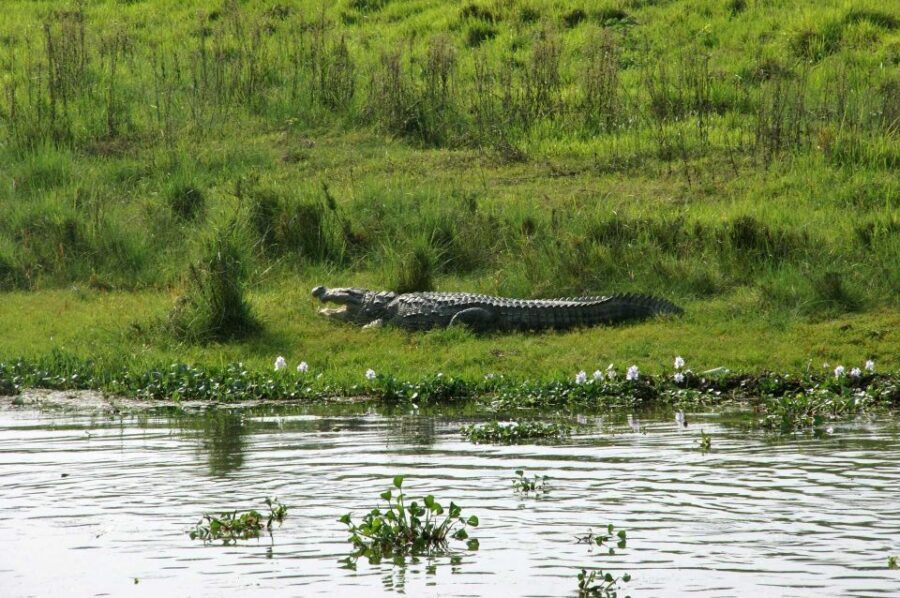
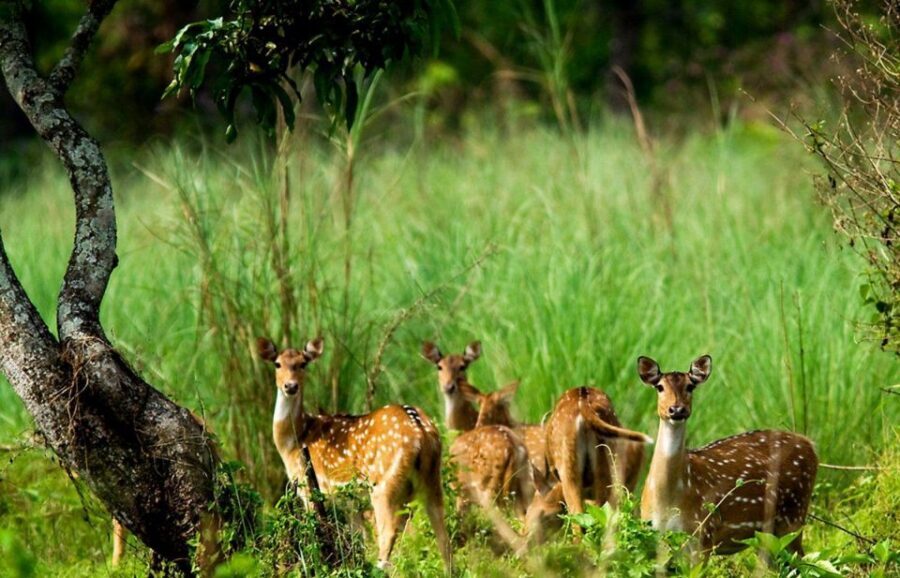
What you can hope for is clearly spelled out: people often come away with sightings like rhinoceros, tigers (not guaranteed, but possible), deer, and lots of bird species. One of the most praised moments people described was multiple rhinos, including a baby—proof that the timing and guidance can line up.
I also like that the guide’s job is not just driving. With an experienced English-speaking nature guide (names like Shankar come up), you’ll get explanations that make what you see more useful. You start noticing tracks, behavior, and habitat clues instead of just scanning for movement.
Sunset Tour: When the Jungle Gets Louder
The sunset tour is your evening wildcard. As light changes, animal behavior can change too, and birds often get more active. Even when the big animals don’t show themselves, sunset can still deliver strong sightings and a strong sense of place.
This is where the Terai setting becomes more than a box on a map. The schedule pushes you to be outside during the hours when nature tends to feel most alive. After the jeep safari and nature walk, it also gives you a nice rhythm: action, slower walking, then a final push before dinner.
Other evening experiences in Pokhara

The Guided Nature Walk: Small Wildlife, Big Payoff
The nature walk is shorter than the jeep portion, but it’s usually one of the most rewarding. Your guide can point out details you’d otherwise miss—bird calls, signs of animals moving, and the way vegetation creates cover.
If you’re the type who likes understanding how places work, this part is for you. Even if you don’t catch a dramatic animal sighting every time, you’ll come away with a clearer picture of how the park supports wildlife.
Wear closed-toe shoes and go in with comfortable clothes. The walk isn’t described as extreme, but jungle terrain can still be uneven. You’ll enjoy the walk more if your feet aren’t constantly thinking about comfort.
Tharu Culture in the Evening: Why the Dance Program Matters
After a full day outdoors, the Tharu cultural program is a smart reset. In the evening, you’ll attend a Tharu dance performance, which introduces you to an indigenous community tied to this region.
I like that it’s not treated like a quick souvenir stop. A cultural evening right after wildlife time creates a more complete story: you’re learning about both the park ecosystem and the people who live alongside it.
This is also one of the moments that can feel different from generic tourism. Dance gives you emotion and rhythm. It also gives you a sense of identity—what this region means beyond wildlife sightings.
Sleeping at a Park Resort: Comfort, Food, and the Reality Check
You’ll overnight in a resort tied to the park experience. That matters because it cuts down logistics. You’re not commuting deep at night, and you’re close enough to keep the schedule smooth.
The best part: people describe the accommodation as peaceful and clean. Meals are included—dinner and breakfast as well as lunch—so you’re not hunting food after a long day.
The balanced note: not every room detail will be perfect. One experience flagged that rooms could use extra attention like deeper cleaning or a fresh coat of paint. That doesn’t mean the stay is bad. It just means you should set expectations realistically and ask what condition your specific room is in when you check in.
Day 2 Back to Pokhara or Kathmandu: What You’ll Actually Do
Day 2 begins with breakfast, then you transfer to the bus station and return by tourist bus to Pokhara or Kathmandu. This is where the tour’s “mini” nature becomes obvious—you don’t hang around Chitwan all morning.
Still, the return ride is part of the experience. The itinerary mentions the highway route passing through scenery along the way. It’s a good time to relax, reflect on what you saw, and let your day-one sightings settle in.
Once you reach your drop-off city, the tour ends. It’s the kind of trip that leaves you with fresh memories instead of travel fatigue stretching across multiple days.
Price and Value: Is $129 a Good Deal for Chitwan?
At $129 per person for a 2-day/1-night tour, this is priced like a budget-friendly safari package. The question is: what are you actually getting?
You’re not just paying for a couple of drives. The price includes:
- national park fees
- hotel pickup and drop-off
- an English-speaking nature guide
- jungle activities (jeep safari, guided nature walk, sunset tour)
- accommodation in a resort
- all meals (lunch, dinner, breakfast)
- round trip tourist bus transfers
When you add that up, it’s the kind of structure that can be worth it if you prefer a ready-made plan. You’re paying for guidance, access, and timing—the three things that make safaris work.
You’re also paying for convenience. For a short trip, that can be the difference between seeing a little and seeing enough to feel like you experienced Chitwan, not just passed by it.
Wildlife Expectations: What’s Realistic (and What to Do With That)
Let’s be honest. A safari can’t guarantee a specific animal. But this itinerary is designed to maximize your odds with multiple viewing styles and set times that often line up with activity.
You have a clear menu of what you might see: rhinoceros, deer, tiger (possible), and many bird species. If rhinos and other large animals are your top goal, the jeep safari and sunset tour are where your best chances tend to cluster.
If you’re more into birds and smaller wildlife, the guided nature walk helps more than you might think. And if you want both, this tour tries to cover your bases in a tight timeframe.
Also, the guide quality matters. The name Shankar comes up because he’s praised for sharing useful park information and making wildlife sightings feel more informed. If you’re a “please explain what I’m looking at” traveler, that’s a big plus.
Who This Tour Suits Best (and Who Should Think Twice)
This tour fits well if you:
- want a quick Chitwan experience without planning every step
- enjoy guided wildlife time in more than one format (jeep + walk + sunset)
- want a cultural stop that happens in the evening, after the outdoor day
- prefer having meals and park fees handled for you
It’s not suitable for people with animal allergies, since wildlife exposure is part of the setting. If that’s you, it’s better to choose a different style of tour where you can control exposure more.
If you’re traveling with mobility needs, the activity info says it’s wheelchair accessible. Still, jungle terrain and vehicle access can vary, so it’s smart to ask the operator what the easiest route through activities looks like for your specific situation.
Practical Tips: Make the Schedule Feel Easier
A short safari is only as good as your energy. Here’s how I’d set you up to enjoy every part without feeling rushed:
- Bring closed-toe shoes for the walk and any bumpy ground you might face.
- Pack comfortable clothes. Jungle days can mean heat and sudden changes in humidity.
- Skip anything you don’t want to think about. There’s enough going on without managing extra gear.
- Know that drones are not allowed, so don’t plan on filming that way.
- If you’re sensitive to timing, be ready for the tour’s set departures. Pickup and transfers are part of the deal.
And if traffic delays happen, the tour operator has shown they can reorganize so you still get to do what’s on the plan. That flexibility matters on Nepal road routes.
Should You Book This Chitwan Safari Tour?
Book it if you want a focused 1-night, 2-day Chitwan National Park experience with guided wildlife time, included meals, and a cultural evening that doesn’t feel like an afterthought. It’s a good value structure for the money because park fees, guide, accommodation, and activities are bundled.
Skip it (or choose carefully) if you hate bus time, need very low animal exposure, or you’re the type who expects a perfectly updated room in every lodge. The safari value comes from the day outside, not from luxury-room perfection.
If your priority is “see wildlife in Chitwan without fuss,” this one is hard to beat.
FAQ
What is included in the Chitwan Safari Tour?
It includes hotel pickup and drop-off, national park fees, round trip transfer by tourist bus, an English speaking nature guide, jungle activities, all meals (lunch, dinner, and breakfast), and accommodation in a resort.
What time is the pickup on Day 1?
Pickup from your hotel is at 7am, and you should wait in the hotel lobby about 10 minutes before the scheduled pickup time.
How do I travel between Pokhara and Chitwan?
The tour includes round trip transfer by tourist bus, with pickup and drop-off handled as part of the package.
What jungle activities are included?
You’ll do a jeep safari, a guided nature walk, and a sunset tour as per the itinerary.
Is there a cultural program during the trip?
Yes. In the evening, you’ll attend a Tharu cultural program with a traditional dance performance.
What meals are provided during the tour?
Lunch on Day 1, dinner on Day 1, and breakfast on Day 2 are included.
What should I bring, and are any items not allowed?
Bring comfortable clothes and closed-toe shoes. Drones are not allowed.