REVIEW · POKHARA
6 days Annapurna Basecamp Trek
Book on Viator →Operated by iTour Nepal Private Day Tours · Bookable on Viator
Annapurna Base Camp feels like a postcard that breathes. I like the sunrise payoff over Annapurna I and the way the trek blends rhododendron forests with Gurung village life, not just mountain scenery. It’s built as a shorter, more straightforward ABC plan with a strong focus on viewpoints and classic crossings.
One thing to plan for: the trip includes breakfasts only. Lunch and dinner are extra, and you’ll also want a moderate fitness level since walking days run long.
The support is real and practical. You get private transportation, a licensed guide (insured), teahouse accommodation, and trekking extras like a duffle bag, sleeping bag, and anti-slip crampons as needed. For first-timers, that combo can make the whole experience feel much less chaotic.
In This Review
- Key highlights at a glance
- From Pokhara To Chhomrong: Starting With Real View Time
- Chhomrong To Annapurna Sanctuary: The Foothill Up-Down That Builds Stamina
- Modi River Valley And Machhapuchchhre: Rhododendron Forest Walking With Peak Drama
- Reaching Annapurna Base Camp: Deurali To The Main Stage
- Sunrise At Base Camp: Why Annapurna I Changes Color
- Heading Back Down: Breakfast Views And The Return To Civilization
- Price and Value: What $450 Really Buys (and What You Still Pay)
- Guides, Group Size, and the Safety Pieces That Matter
- Teahouses, Meals, and How to Stay Comfortable
- Who Should Do This Annapurna Base Camp Trek?
- Should You Book This 6-Day Annapurna Base Camp Trek?
- FAQ
- Is pickup included from Pokhara?
- How long is the Annapurna Base Camp trek?
- What is the price, and what does it include?
- Are lunch and dinner included?
- Is a porter available, and how much is it?
- What kind of lodging do you use during the trek?
- What trekking gear does the tour provide?
- Do I need travel insurance?
- What group size should I expect?
Key highlights at a glance
- Sunrise around Annapurna I (360-degree moments) from base camp, with the famous color shift
- Jhinu Danda suspension bridge: 285 m long and hung about 135 m above the river
- Chhomrong viewpoint area at 2,150 m for close views of Annapurna South and Mt. Fishtail
- Rhododendron forest walking through areas noted for 30+ species
- Modi River valley rhythm: gradual climbs with clear-stream crossings on the way up
- Small-group feel (max 20 people) with a licensed, experienced guide
From Pokhara To Chhomrong: Starting With Real View Time
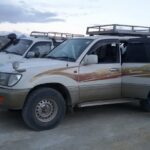
Day 1 is about getting you into trek mode fast, without wasting the whole trip on transfers. You’re in Pokhara, and pickup is offered, then you travel by private vehicle toward the trail area near Jhinu Danda. That drive is described as about 3 hours, which matters because it cuts down on the stop-start travel stress that can drain you before you even start climbing.
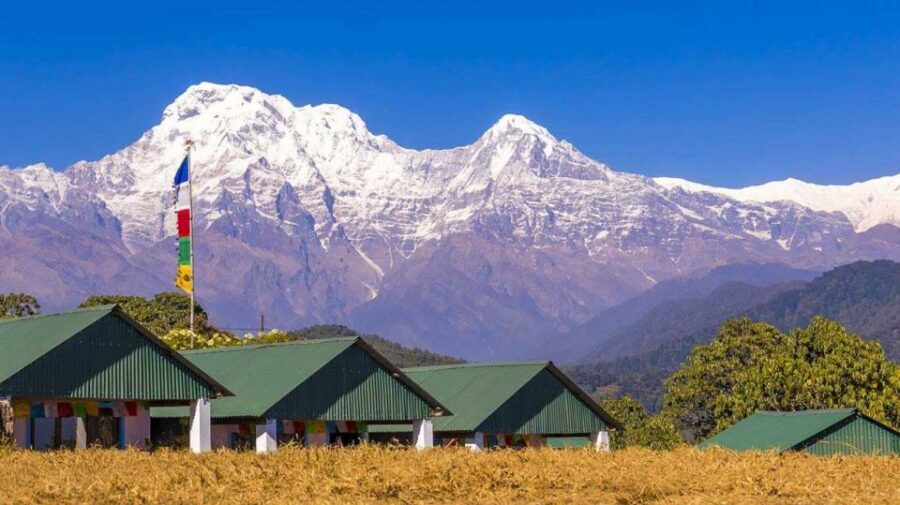
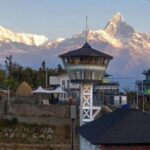
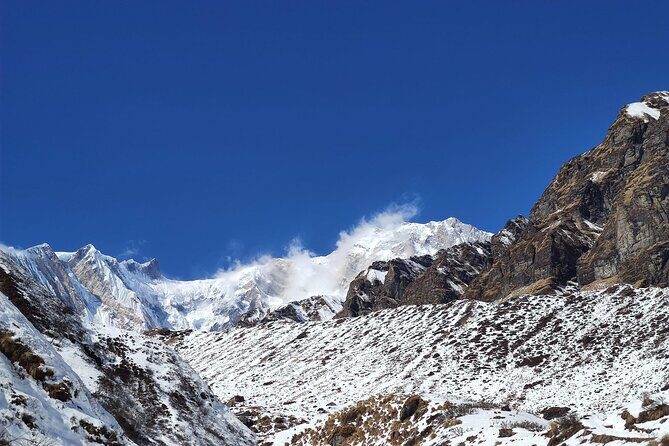
Chhomrong is your first major viewpoint stop. At roughly 2,150 m, it’s positioned as one of the closest lookouts for Annapurna South (7,219 m), Huichuli (6,441 m), and Mt. Fishtail. This is the kind of spot where your camera gets used whether you want it to or not—because the peaks sit close enough to feel personal.
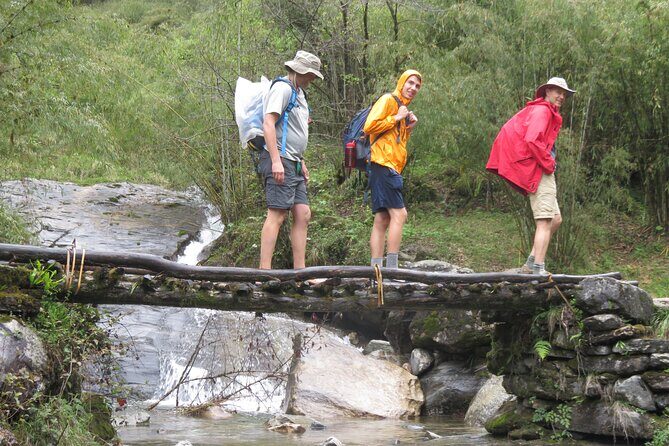
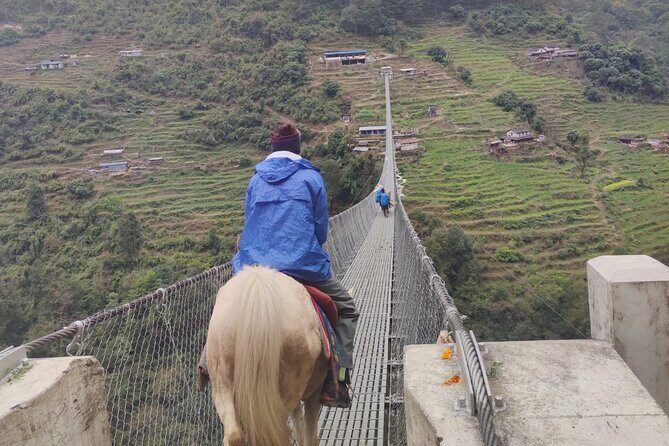
Afterward, Jhinu Danda adds a different kind of wow. The Jhinu Danda suspension bridge stretches 285 m and hangs about 135 m above the Kimrong River. It’s a classic Nepal trekking moment: short enough to handle, dramatic enough to remember, and likely to give your legs a full-body wake-up call.
What to watch for: Day 1 is listed as long on trekking time (about 12 hours total). Even though you’re not doing the highest pass work, it’s still a long day. If you’re even mildly sensitive to altitude, take it calm at the start—don’t race your breath just to prove a point.
Other Annapurna Base Camp treks reviewed in Pokhara
Chhomrong To Annapurna Sanctuary: The Foothill Up-Down That Builds Stamina
Day 2 starts with morning views, including Annapurna South and Mt. Fishtail. Then the walk is described as swinging up and down through the Annapurna foothills before entering the Annapurna Sanctuary.
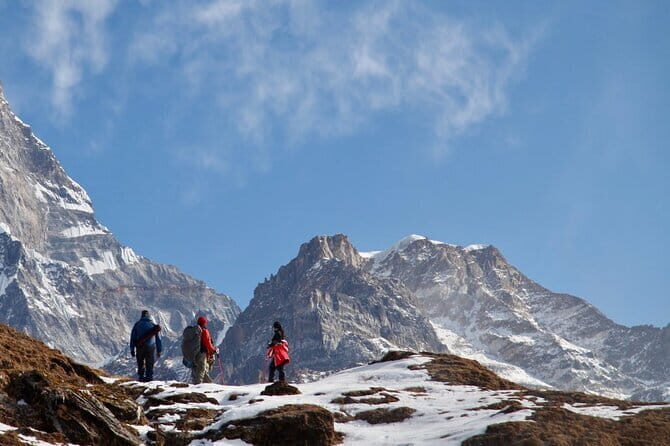
This is one of the smart parts of an ABC route: the foothill terrain gives you time to settle into pacing. You’re not thrown into one brutal climb. Instead, you practice the core trekking skill—steady steps, short rests, and listening to your body.
Why this matters for you: if you’re trying to do a shorter ABC itinerary, your early days have to do more than just “pass time.” This day’s rhythm helps you get used to walking with changing elevation, and it sets you up for the cooler, higher-feeling days ahead.
Possible drawback: even “swing up and down” walking can feel tiring if you pack too much urgency into the early morning. If you tend to overdo it on day starts, keep your pace slow until you’re sure your breathing is comfortable.
Modi River Valley And Machhapuchchhre: Rhododendron Forest Walking With Peak Drama
Day 3 shifts you into a valley that’s described as wedged between Hiunchuli and Mardi Himal, with Dovan in the Modi River valley basin area. The route gradually climbs upstream the Modi River through thick rhododendron forest.
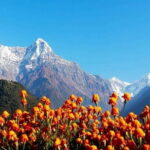
The overview also notes rhododendron varieties—over 30 species. That’s not just a botanical brag. In practical terms, it usually means more shade, more variety in scenery, and a trail that feels less repetitive than “same-sightline, same-views” hikes.
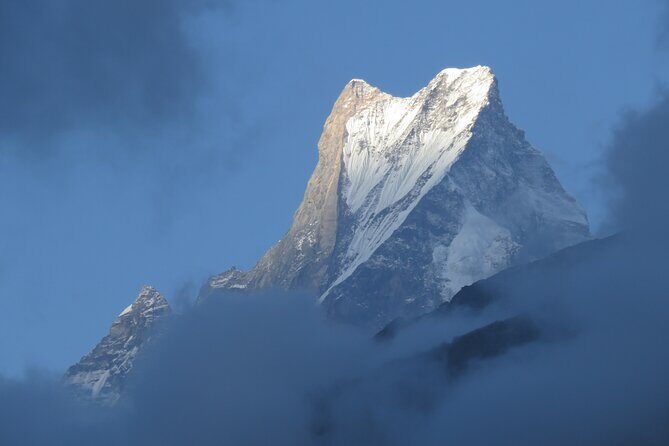
Machhapuchchhre (also called Fishtail) is the headline name for this segment, and the route description links your day to the area around it. You’ll be walking in a way that repeatedly brings the peaks into your field of view rather than leaving them behind.
What you’re likely to feel: day 3 can be emotionally rewarding because the forest gives you a break, and then the air starts to feel more alpine. In good weather, you get that sense that the mountains are getting closer.
Watch for: the trail is described as gradual but still a 12-hour day. Long walks in the forest can trick you into thinking you’re not working hard—then you realize your legs are doing all the heavy lifting.
Reaching Annapurna Base Camp: Deurali To The Main Stage
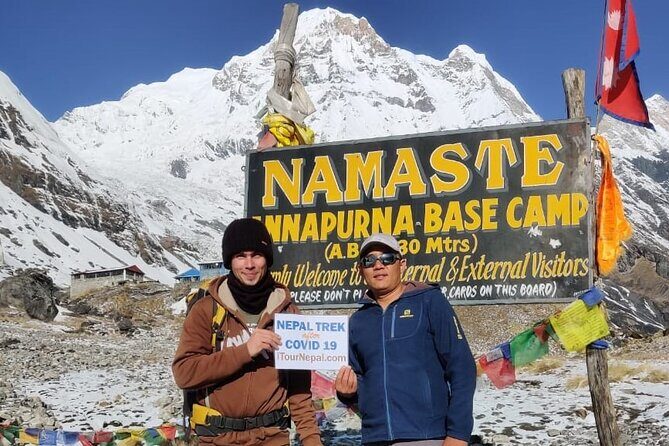
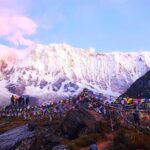
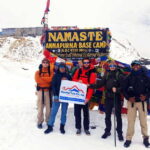
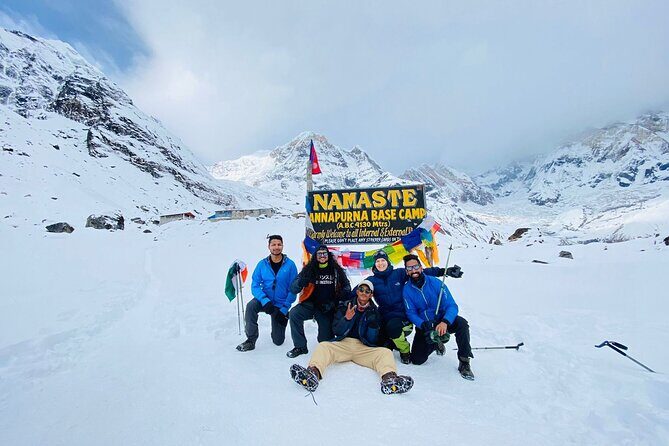
Day 4 is the “arrive and absorb it” day. The walk from Deurali to Annapurna Base Camp is described as scenic with clear, undisturbed views of Mt. Fishtail, Annapurna III, Annapurna South, and Annapurna I.
And the path follows the Modi Khola upstream as you work toward base camp. This part matters because your eyes keep getting rewarded. You’re not just trudging uphill with the scenery postponed until later—you’re getting consistent views as you gain elevation.
Reaching ABC also usually changes your mental state. Up to this point, you’re mostly following the trail and managing effort. Once base camp is near, you start paying attention to details: light, wind, and how the mountains look even when the clouds move.
Practical note: this stop includes an admission ticket. In the package, those fees are handled as part of “all fees and taxes,” so you’re less likely to lose time negotiating small costs on the spot.
Sunrise At Base Camp: Why Annapurna I Changes Color
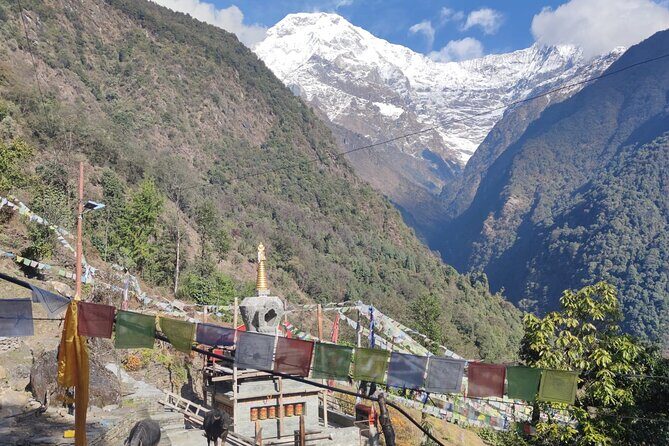
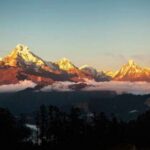
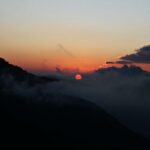
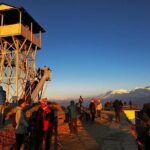
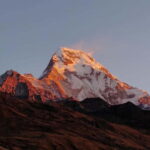
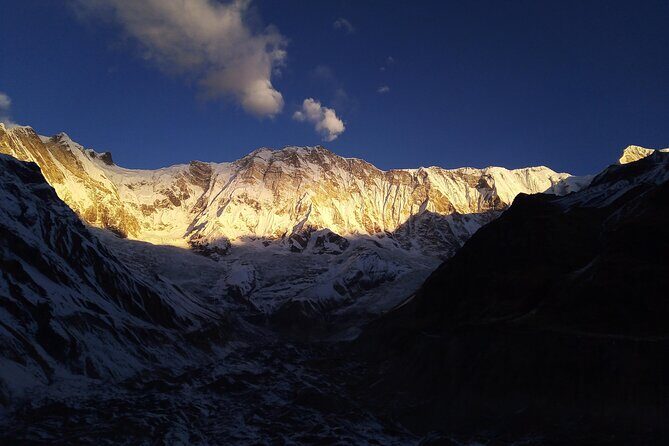
Day 5 is the big sunrise day. You’re set up at Annapurna Base Camp and able to capture the moment when early rays hit the snow peaks in a full 360-degree feel. The itinerary description calls out the popular moment: the color shift of Annapurna I during sunrise.
If you’re wondering why people plan their entire ABC experience around this morning—this is the answer. Sunrise at base camp isn’t just about a pretty sky. It’s when the mountains look most dramatic and most readable. Shadows disappear and reappear fast, and peak detail gets sharper as light hits different faces.
This day is listed as 12 hours, and you also get time described as an easy morning at the base camp area. That’s a useful pacing choice. After four earlier days of walking, you don’t want another “all day hard” schedule layered on top of sunrise effort.
What to consider: sunrise means cold morning conditions. The tour includes anti-slip crampons as required and a sleeping bag, which helps with comfort and safety, but you still need to be ready for early start temperatures. Warm layers and good sleep matter.
Other hiking tours in Pokhara
Heading Back Down: Breakfast Views And The Return To Civilization
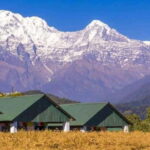
Day 6 is described as coming back to greenery and civilization after deep valley cold weather. You’ll enjoy breakfast with an overview of layers of hills and the Modi River valley.
That’s a nice emotional arc: you move from the closed-in high valley feeling to open views and signs of human life. When you’ve been surrounded by stone, snow air, and thin pathways for days, even the idea of civilization feels like a reward.
It’s also when you’ll notice the body effects more clearly. Long days earlier mean your legs may feel stiff or tired. Keep your pace steady and focus on stable footing, especially on descents.
Price and Value: What $450 Really Buys (and What You Still Pay)
The listed price is $450 per person for about 6 days. The package includes all fees and taxes, private transportation, breakfast for 5 days, teahouse accommodation, a licensed guide (experienced and insured), and trekking support gear like a duffle bag and sleeping bag, plus anti-slip crampons as needed.
Value-wise, the strongest parts are the things that usually cost you time and stress:
- Guide and insured support: you’re not trying to piece together an itinerary while also figuring out altitude logistics.
- Teahouse accommodation: you’re not searching for beds each night.
- Gear support: having a sleeping bag and anti-slip crampons covered can reduce last-minute shopping.
What’s not included is equally important:
- Lunch and dinner are not included.
- Porter service is available for $30/day if you want help carrying your load.
- Your insurance is not included.
- Bottled drinks, coffee from machines, toiletries, Wi‑Fi, and charging gadgets may have small extra charges in teahouses.
So the true trip budget is $450 plus whatever you spend on meals, beverages, and any personal comforts in teahouses. If you’re budget-tight, you’ll want to plan your lunch and dinner spending rather than assuming they’re covered.
One more detail that supports convenience: the tour includes a mobile ticket, and it’s common to see pickup and private transport offered for this route. That kind of structure helps, especially when you’re juggling flight schedules and time in Pokhara.
Guides, Group Size, and the Safety Pieces That Matter
This trek is designed for a maximum group size of 20 people. That’s not tiny, but it’s also not a chaotic crowd. For most hikers, that balance gives you room to move at your own pace while still having team support.
The guide is described as licensed, experienced, and insured. The reviews tied to this operator highlight a service style that focuses on safety and follow-through. Names like Rabi (owner) and guides such as Saroj and Ajaya show up in past feedback for being patient, kind, and communicative. You shouldn’t treat names as a guarantee of who you’ll get, but it does point to the type of guide experience this company aims for.
Also, the tour includes anti-slip crampons as required. That’s a practical safety item for icy patches, steep sections, or cold-weather footing. In a trek like this, small traction problems can become big ones fast.
One drawback to acknowledge: insurance for clients isn’t included. If anything medical happens, you’ll want to be protected. It’s one of those “annoying until you need it” parts of mountain travel.
Teahouses, Meals, and How to Stay Comfortable
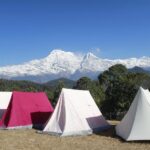
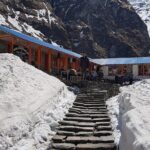
You’ll stay in teahouse accommodation each night. This is the standard setup for ABC treks: simple rooms, shared dining areas, and the chance to warm up with a proper meal between walking hours.
Breakfast is included for five days. Lunch and dinner aren’t, so teahouses become part of your daily budget. Charging and Wi‑Fi can cost extra in teahouses, and bottled drinks, coffee from machine, and toiletries may also have small additional charges.
How to use this info: decide early if you want to travel light and keep spending controlled. If you know you’ll want coffee, hot drinks, or extra snacks, set aside some cash before you start. It’s easier than acting surprised when the menus show up.
The sleeping bag is included, which helps with comfort. That said, teahouses can vary, and cold mornings are part of the ABC rhythm. Your comfort will depend on how you dress and how well you manage heat overnight.
Who Should Do This Annapurna Base Camp Trek?
This is a strong fit for you if:
- you want the classic Annapurna Base Camp experience with sunrise emphasis
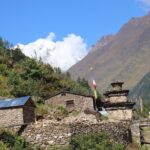
- you like a mix of peak views and everyday Nepal village scenes (Gurung villages are part of the trek’s story)
- you prefer a shorter 6-day format and want a route that keeps things straightforward
It’s also a decent choice if you value structure. The tour handles private transport, guide support, teahouse stays, and included fees.
This might not be the best match if:
- you dislike extra costs for lunch and dinner
- you expect everything to be fully “all-inclusive” in the mountain villages
- you’re not comfortable with long walking days even at a moderate fitness level
If you’re on the fence about carrying your own pack, porter availability at $30/day can be worth considering. It’s the easiest way to reduce physical strain on the hardest days.
Should You Book This 6-Day Annapurna Base Camp Trek?
I’d book it if you want the core ABC moments without turning the trip into a logistics project. The big reasons are the sunrise over Annapurna I, the early viewpoint stops like Chhomrong, and the classic bridge crossing at Jhinu Danda—all in a 6-day schedule with licensed guide support and teahouse accommodation.
Before you hit confirm, do three quick checks:
1) Add lunch and dinner costs to your budget.
2) Make sure you have travel insurance of your own since it’s not included.
3) Be honest about your fitness for long 12-hour days, even if the route is described as shorter and safety-focused.
If your plans are flexible: the operator allows cancellation up to 3 days in advance for a full refund. That’s helpful if you’re waiting on weather or flight timing.
If those points fit your style, this is a solid ABC plan—built for peak views, warm guidance, and the kind of mountain mornings you remember long after you’re back in Pokhara.
FAQ
Is pickup included from Pokhara?
Yes. Pickup is offered, and private transportation is included as part of the experience.
How long is the Annapurna Base Camp trek?
The duration is listed as 6 days (approx.).
What is the price, and what does it include?
It’s $450. The price includes all fees and taxes, private transportation, breakfast for 5 days, teahouse accommodation, a licensed experienced and insured guide, plus a duffle bag and sleeping bag and anti slip crampon as required.
Are lunch and dinner included?
No. Lunch and dinner are not included. Breakfast is included each trekking day listed.
Is a porter available, and how much is it?
Yes. A porter is available for $30 per day if you want help carrying your load.
What kind of lodging do you use during the trek?
You stay in teahouses (teahouse accommodation is included).
What trekking gear does the tour provide?
The tour includes a duffle bag and sleeping bag, and anti slip crampons as required.
Do I need travel insurance?
Yes. Insurance for clients is not included.
What group size should I expect?
The maximum group size is listed as 20 travelers.