REVIEW · POKHARA
4 Days Mardi Himal Base Camp Trekking in Pokhara
Book on Viator →Operated by Crystal Holidays Nepal · Bookable on Viator
Himalayas, minus the crowd crush. This 4-day trek out of Pokhara takes you up toward Mardi Himal Base Camp with experienced local guides and route choices that leave room for quieter views and real village-life moments.
What I love most is the way the plan is built around getting you to the right vantage points without wasting time, plus the guide support that makes the whole thing feel organized and safer when you’re far from home. The one thing to watch is that meals aren’t included, so budget for food while you’re hiking and resting.
In This Review
- Key things I’d highlight before you go
- Mardi Himal in 4 Days: Why This Trek Feels Like Smart Planning
- First Step: Pokhara Pickup and the Ride to Kande
- Day 1: Kande to Australian Camp to Forest Camp
- Day 2: Forest Camp to High Camp Through Rhododendron Forests
- Day 3: The Morning Push to Mardi Himal Base Camp and Back Down
- Day 4: Downhill to Siding Village, Then a Sharing Jeep to Pokhara
- Guide + Permits + Guest Houses: What You’re Actually Paying For
- The $245 Question: Is This Good Value for a 4-Day Base Camp Trek?
- Who This Trek Suits Best (and Who Should Rethink It)
- Practical Tips to Make Your Trek Smoother
- Should You Book This Mardi Himal Base Camp Trek?
- FAQ
- How long is the Mardi Himal Base Camp trek?
- Where does the trek start, and how do I get there from Pokhara?
- Are trekking permits included?
- Will I have a guide, and do they speak English?
- What kind of lodging is included during the trek?
- Is the trek a private trip?
- Are meals included in the trek price?
- Is transportation back to Pokhara included on the last day?
- What is the cancellation policy?
Key things I’d highlight before you go
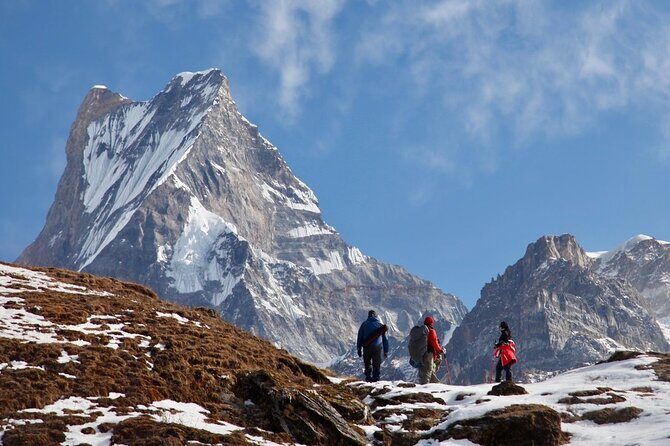
- English-speaking guide + local know-how that helps with trail flow, pacing, and where the best views show up
- Permit handling built in with trekking permit and TIMS included in the package
- A route designed for variety, not just a straight line: Kande, Australian Camp, Forest Camp, then onward
- Early start days on the big scenery blocks, including the morning push to Base Camp
- Downhill return with a jeep ride from Siding Village back to Pokhara, which beats backtracking on foot
Mardi Himal in 4 Days: Why This Trek Feels Like Smart Planning
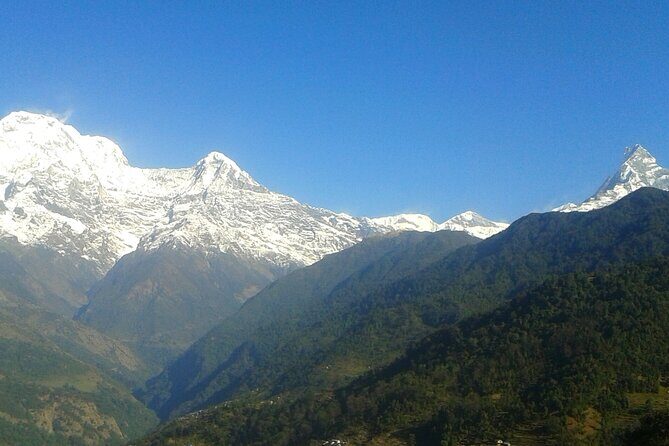
A lot of Nepal treks turn into a long slog of logistics before you even see the mountains. This one is different: you get a clear structure with day hikes that start early, hit the main milestones, then get you back into Pokhara life before you’re exhausted. If you want Himalaya payoff without needing a full-on weeklong grind, this format makes sense.
You’ll also notice the vibe is more about experience than checklists. The route selection is described as covering main highlights while also using lesser-used paths for unique perspectives. That matters because “same photo, same trail, same crowd” gets old fast.
Is this a walk in the park? No. You should have moderate physical fitness. But the daily durations are manageable on paper—about 6 to 9 hours of trekking—so you can focus on steady steps instead of punishing days.
Other Mardi Himal treks reviewed in Pokhara
First Step: Pokhara Pickup and the Ride to Kande
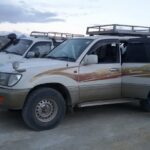
Your day starts with hotel pickup and a private transfer from Pokhara to Kande by car. That’s a big deal because it removes the awkward early-morning puzzle of buses, taxis, and timing. You’re already pointed in the right direction before your boots even hit dirt.
From there, the trek begins at Kande. This is also where the “guided” advantage shows up: you’re not just following a track on your phone. Your guide is there to manage pacing, regrouping, and how you handle trail transitions.
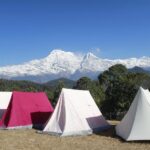
One practical detail: the schedule is built around guest house stays, not camping. That usually means you’ll be trading tent setup for warm meals and a bed at the end of the day (once you’re done hiking, you’ll appreciate that trade).
Day 1: Kande to Australian Camp to Forest Camp
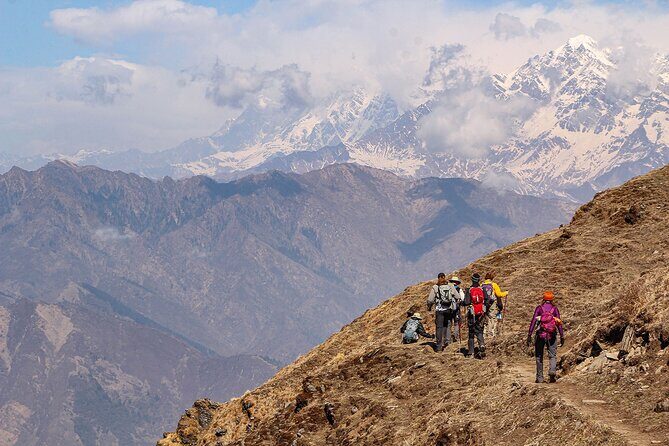
Day 1 is about 6 hours of trekking, starting from Kande and passing through Australian Camp before continuing toward Forest Camp. The route naming here is useful: these aren’t random waypoints. They’re established stops, which typically means there’s infrastructure for a break and for getting through the day without guessing what comes next.
Forest Camp is a key finish because it sets up the next day’s rhythm. You’ll be higher than Pokhara, still not at the top, but settled enough that Day 2 can start early for the big climb.
What to expect on this first day: mostly “get your legs working” trekking, with short breaks that keep you from losing time. It’s a day where good footwear matters more than speed. You’ll be glad you didn’t treat it like a race—day planning works best when you arrive at camp with energy left for views later.
Day 2: Forest Camp to High Camp Through Rhododendron Forests
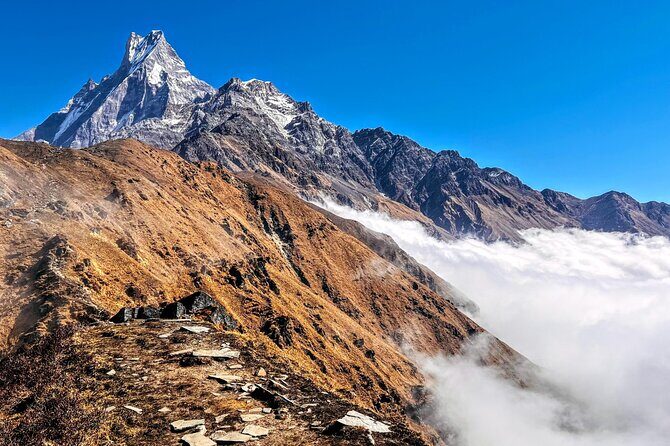
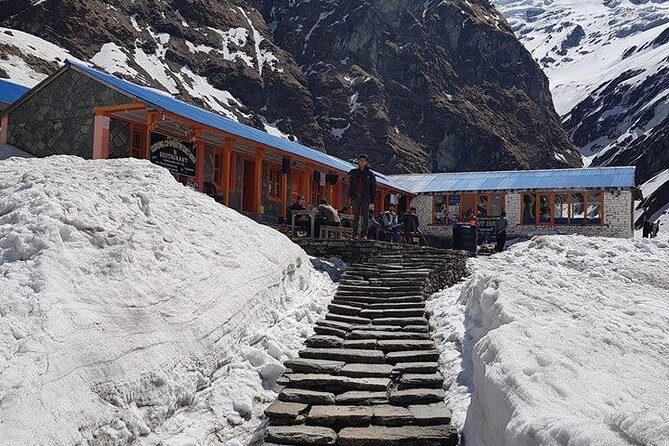
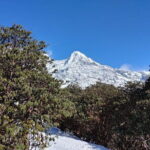
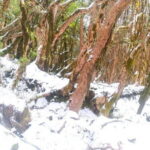
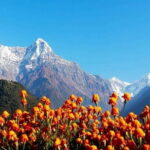
On Day 2, you start early from Forest Camp and head to High Camp, trekking about 6 hours. This is the day where the scenery description becomes specific: rhododendron forests, serene stretches, and stunning mountain views.
Rhododendron forests can mean a cooler-feeling walk with a softer, more natural path feel, compared with bare or rocky sections. It also tends to break up the monotony—your eyes keep finding new shapes instead of staring at the same distance.
High Camp is your goal for the day. You’re not just hiking toward a “dot on a map.” You’re positioning yourself so Day 3 can be a focused morning push toward Base Camp. In other words, Day 2 is about setting you up for the most scenic payoff without turning Day 3 into a disaster-fueled sprint.
Day 3: The Morning Push to Mardi Himal Base Camp and Back Down
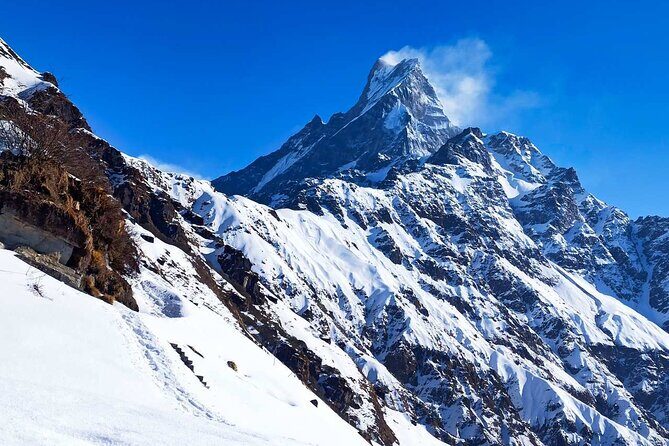
Day 3 is the longest day at about 8 hours, and the plan is built around an early start for Mardi Himal Base Camp. This is the main goal, and the emphasis is on taking time to relish the views and the grandeur of the Himalayas—then returning to the Low Camp afterward.
That “go early, then enjoy” structure is exactly what you want. In mountain trekking, early usually means better light and less chance of the day’s weather turning moody. Even if conditions change, an early start helps you maximize your chances of clear panoramas.
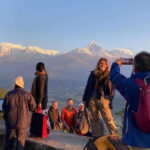
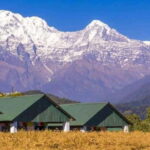
Base Camp here is presented as a place for panoramic vistas. That means you should expect classic “pause and look around” moments—multiple angles, wide views, and a feeling that the days of walking finally snapped into place.
Then comes the other side of good trek planning: you don’t end Day 3 at Base Camp and call it a day. You head back toward Low Camp, which keeps Day 4 realistic. A trek that ends with a long descent on Day 4 is easier to recover from than one that saves everything for the final hours.
Other hiking tours in Pokhara
Day 4: Downhill to Siding Village, Then a Sharing Jeep to Pokhara
Day 4 is about 9 hours, with trekking downhill toward Siding Village, passing through lush forests and enjoying a more serene, “let the day unfold” mood. Then, from Siding Village, the tour arranges a sharing jeep back to Pokhara.
This is one of the best design choices on the whole trek. Downhill days can still be tough on knees, but the overall effort usually feels more manageable than another big ascent. And getting a jeep ride back means you don’t have to grind through the last miles with tired legs.
Siding Village is your launchpad back to the city. Once you’re back in Pokhara, you get a proper finish: shower, laundry if you want, a meal that isn’t part of a trekking routine, and the chance to enjoy the lakeside atmosphere without rushing.
Guide + Permits + Guest Houses: What You’re Actually Paying For
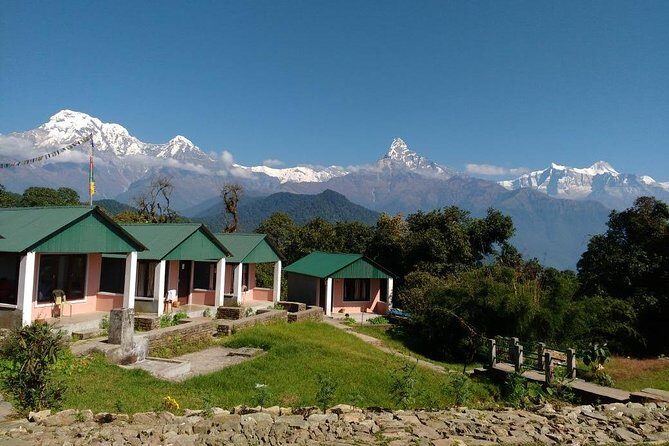
This trek is set up as a guided, permit-handled experience. Included items cover hotel pickup/drop-off, private transport from Pokhara to Kande, trekking permit and TIMS, and an English-speaking trekking guide. You also get guest house accommodations.
Here’s why that bundle matters in real life:
- Permits handled for you means less time chasing documents and fewer chances of last-minute surprises.
- An English-speaking guide keeps things simple if you’re not fluent in local languages, especially for trail decisions and safety talk.
- Guest house lodging means you’re not responsible for camping gear, which usually saves stress and weight.
The tour is also described as private in the sense that only your group participates. That can be a comfort factor if you want a quieter pace and don’t want the feeling of being absorbed into a big mass of people.
And one more point: the tour company highlights cultural immersion and interactions with local communities along the way. That’s part of why guided treks can feel more meaningful than just walking from checkpoint to checkpoint. You’re not only collecting elevation—you’re also picking up context.
The $245 Question: Is This Good Value for a 4-Day Base Camp Trek?
At $245 per person, the price looks modest for what’s included: guide, permits, transport to the trail start, guest house stays, and the return jeep plan. The value calculation here is less about the dollar figure and more about what you’re spared.
If you were to DIY this, you’d spend time on:
- coordinating permits and a guide,
- solving transportation timing from Pokhara to Kande,
- finding lodging at each stage,
- and managing day-by-day trail decisions.
This package bundles most of that together. That’s worth paying for, especially if you’re trekking solo.
What’s not included is the biggest practical cost add-on: all meals, listed at about 3500 NPR per person per day. So your true budget is price + food. If you eat modestly and stick to normal guest house meals, that daily estimate should keep you prepared.
Also consider that this trek’s schedule includes real trekking days—about 6, 6, 8, and 9 hours. When you’re hiking that long, the convenience of not having to plan every meal and every stop becomes part of the value.
Who This Trek Suits Best (and Who Should Rethink It)
This is a strong fit if you:
- want a short trek with a clear end date,
- like having a guide handle the maze of decisions,
- value permits and transport being arranged for you,
- and enjoy mountain views that reward early starts.
It’s also a good choice if you’re traveling alone and you want the reassurance of a reputable setup. One solo traveler specifically called out that she wanted a guide because safety and confidence matter when you’re not hiking with friends.
If you don’t handle long walking days well, or if you struggle with uneven trail footing, you may find the 6–9 hour days tough. The package asks for moderate physical fitness, so be honest with yourself before you commit.
Finally, this trek is best for people who don’t need constant luxury. You’re here for the trail, the views, and the sense of progress each day—not for hotel-style comfort.
Practical Tips to Make Your Trek Smoother
You’ll get the most out of Mardi Himal if you show up prepared. Based on how these days are structured, here are the practical moves that matter most:
- Plan for an early start mindset. When mornings are built for views, you’ll want energy and a calm routine.
- Treat Day 1 as training, not heroics. The longer days come later, so don’t burn out early.
- Budget for meals in advance. With meals not included (about 3500 NPR per day), you’ll feel more relaxed if you’ve already planned that part.
- Bring layers. Mountain weather can change fast, and a rhododendron-forest walk can feel different from exposed viewpoints later.
- Let the guide set the pace. The whole point of having an English-speaking guide and local route knowledge is that you’re not guessing.
Should You Book This Mardi Himal Base Camp Trek?
I think you should book it if you want a guided, well-organized 4-day trek that balances effort with payoff. The inclusion of permits, transport, a guide, and guest house lodging is a real value play. And the trek’s structure—shorter days, an early push to Base Camp, then a jeep-backed return—keeps the experience from turning into a long ordeal.
I’d skip or pause if meals and daily trekking time feel like a stress point for you. The hike is active, and the meal cost is on you. If you’re ready to budget for food and commit to moderate fitness, this is the kind of trek that can feel both rewarding and manageable.
Overall: it’s a solid pick for anyone aiming for Mardi Himal’s big moments without needing a huge time commitment or a DIY approach.
FAQ
How long is the Mardi Himal Base Camp trek?
The trek runs for approximately 4 days.
Where does the trek start, and how do I get there from Pokhara?
You get hotel pickup in Pokhara and travel by private car to Kande, where the trekking begins.
Are trekking permits included?
Yes. The package includes the trekking permit and TIMS.
Will I have a guide, and do they speak English?
Yes. An English-speaking trekking guide is included.
What kind of lodging is included during the trek?
You’ll stay in guest houses during the trek.
Is the trek a private trip?
Yes. It’s set up as a private trip, so only your group participates.
Are meals included in the trek price?
No. All meals are not included, and they are available for purchase (about 3500 NPR per person per day).
Is transportation back to Pokhara included on the last day?
Yes. After trekking to Siding Village on Day 4, a sharing jeep is arranged to take you back to Pokhara.
What is the cancellation policy?
Free cancellation is available up to 24 hours in advance for a full refund. If you cancel less than 24 hours before the start time, you won’t receive a refund.