REVIEW · POKHARA
Pokhara: Full-Day Guided Sightseeing Tour
Book on GetYourGuide →Operated by Breakfree Adventures Pvt. Ltd. · Bookable on GetYourGuide
Sarangkot sunrise is the kind of sight you remember later, and I also loved the big-picture views from the World Peace Pagoda area. This full-day loop stacks Pokhara’s headline attractions into an easy schedule, so you spend your time looking, not figuring out routes. The main drawback is simple: you’ll do a lot in 8 hours, including some steep walking in parts of the day.
In This Review
- A guide who keeps the day moving
- Big sights, with a trade-off
- Key highlights to know before you go
- How this 8-hour Pokhara loop fits together
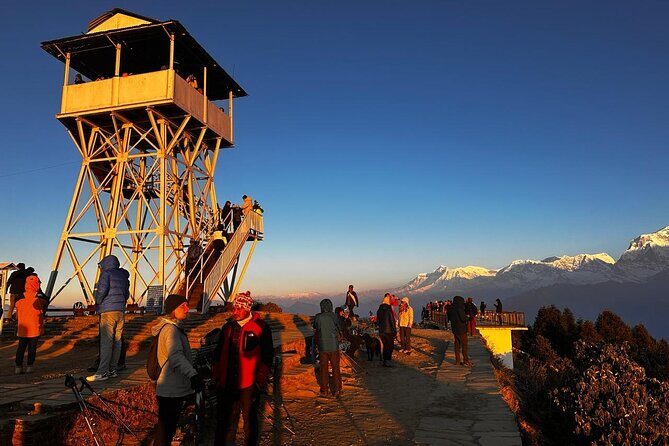
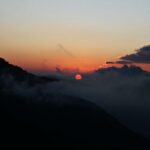
- Sarangkot sunrise: the best reason to wake up early
- Breakfast back at the hotel, then into Pokhara’s core sights
- Devis Fall (Davis Fall) and Gupteshwor Cave: water action and a mood change
- Lord Shiva Temple: a spiritual pause with good viewpoint potential
- World Peace Pagoda: the big viewpoint for Annapurna and Machhapuchhre
- Suspension bridge: your last walk before heading back
- Price and value: when $95 makes sense and when it doesn’t
- Who this tour fits best (and who should consider another plan)
- Practical tips to make the day feel easy
- Should you book the Pokhara full-day guided sightseeing tour?
- FAQ
- How long is the Pokhara Full-Day Guided Sightseeing Tour?
- What does the tour include?
- What are the main sights on the itinerary?
- Are monument entrance fees included?
- Is the tour only for sunrise, or does it include other stops too?
- How big is the group?
- What language is the guide?
- Is transportation included from my hotel?
- Is it a good idea if I’m worried about walking?
- What should I bring?
A guide who keeps the day moving
When the guide is Moti, the tour feels like a friend showing you his home base: chatty when you want it, attentive at the right moments, and good at pointing out what’s worth your time. In a small group (max 15), you’re not lost in the crowd, and the whole day runs on a comfortable pace with a private vehicle.
Big sights, with a trade-off
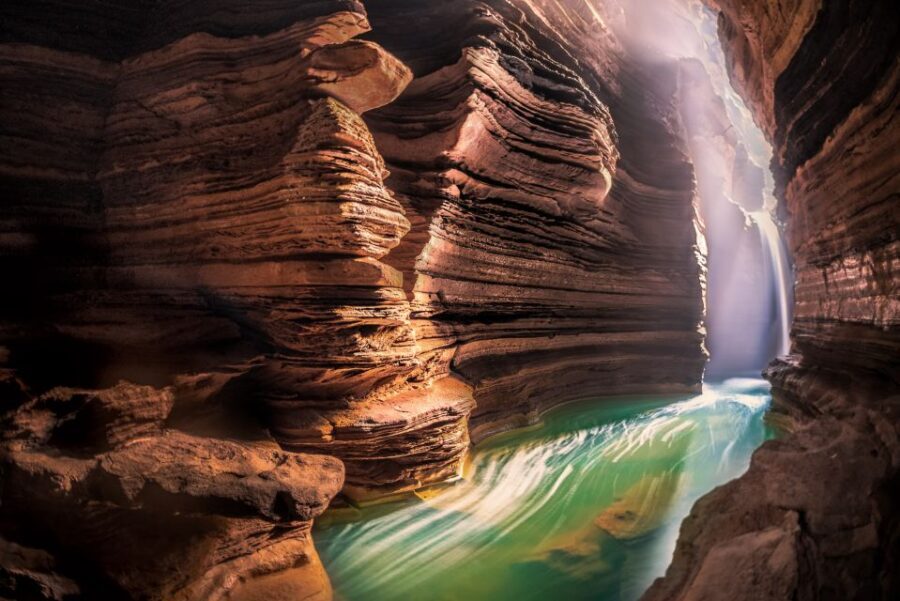
You’ll hit Sarangkot first, then work your way through falls, caves, temples, and viewpoints. That’s great for first-time visitors, but if you’re the type who hates early starts or prefers a slower day, you might feel rushed by the number of stops.
Other Pokhara city sightseeing tours reviewed
Key highlights to know before you go
- Sarangkot Hill sunrise: early drive, then the mountains take the spotlight as the light arrives
- World Peace Pagoda views: a clear, high viewpoint over the Annapurna area and Machhapuchhre sightlines
- Devis/Davis Fall plus Gupteshwor Cave: water, rock, and a change of mood between stops
- Lord Shiva Temple time: a spiritual pause built into the itinerary, not just a photo stop
- Suspension bridge finish: a classic Pokhara “walk and look” moment before heading back
How this 8-hour Pokhara loop fits together
This tour is designed like a relay race across Pokhara. You start with the one thing most people can’t see on their own unless they’re organized early: sunrise from Sarangkot Hill. From there, the day flows downhill into city highlights (falls and cave areas), then back up for viewpoint-style stops (Shiva Temple and World Peace Pagoda), and finally ends with the suspension bridge before you return to your hotel.
The value of this format is that you get a full sampler of Pokhara’s most famous sights without negotiating transport between each one. You’ll ride in a private vehicle, and you’ll have a professional English-speaking guide throughout. For many visitors, that’s the difference between a stressful day and a memorable one.
Sarangkot sunrise: the best reason to wake up early
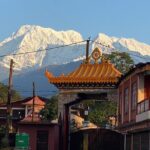
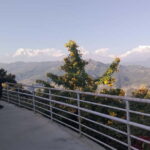
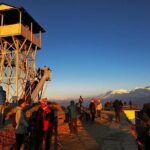
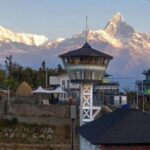
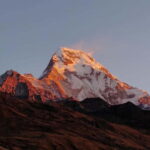
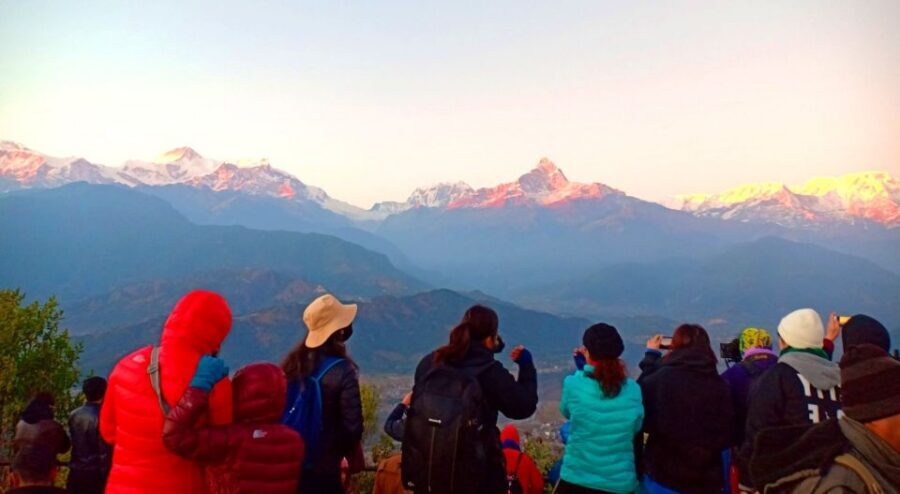
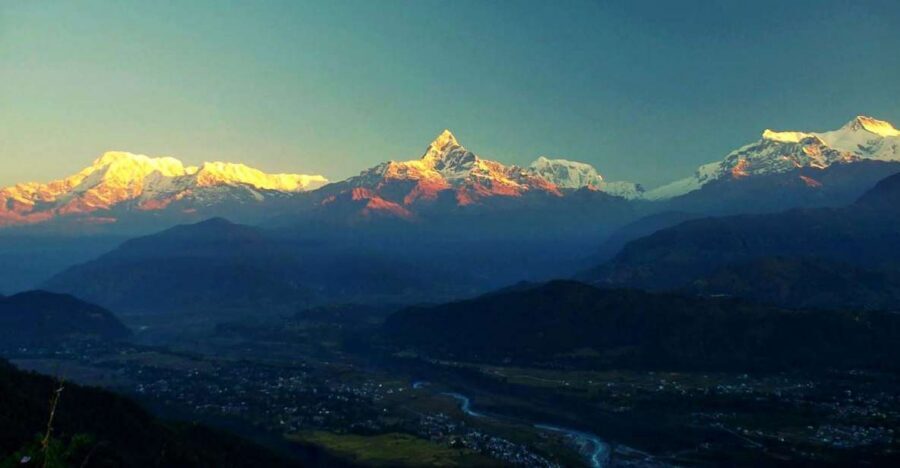
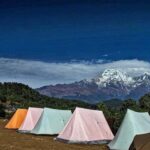
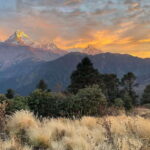
Sarangkot is the headline act, and the timing matters. The tour starts with an early morning drive to the hill so you can catch sunrise views over the Himalayas. In practical terms, it’s not just about seeing light; it’s about seeing the mountains change as the sky brightens.
I like this stop because it sets the tone for everything that comes after. When the peaks first show up, Pokhara stops feeling like a city and starts feeling like a gateway to the Annapurna region. If you’re coming here for the mountains, this is the moment your day should revolve around.
What to consider: it’s early. Also, sunrise viewpoints can involve standing around for a bit, plus getting to and from the viewpoint area requires energy. Wear shoes you can walk in comfortably.
Breakfast back at the hotel, then into Pokhara’s core sights
After sunrise, the tour drives you back to your hotel for breakfast. That matters more than it sounds, because you’ll be out for a full day and you’ll want something in your stomach before the next set of attractions.
Then the sightseeing portion starts with Pokhara’s water-and-rock highlights. The schedule moves through the city in a logical order: you go from the fall area to the cave area, then toward the temple and viewpoint stops later in the day.
This is the part I think works best for first-timers. You get a sense of how Pokhara’s geography shapes what you can see, from flowing water spots to cliffside caves and temples.
Other guided tours in Pokhara


Devis Fall (Davis Fall) and Gupteshwor Cave: water action and a mood change
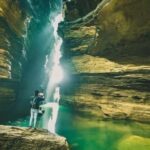
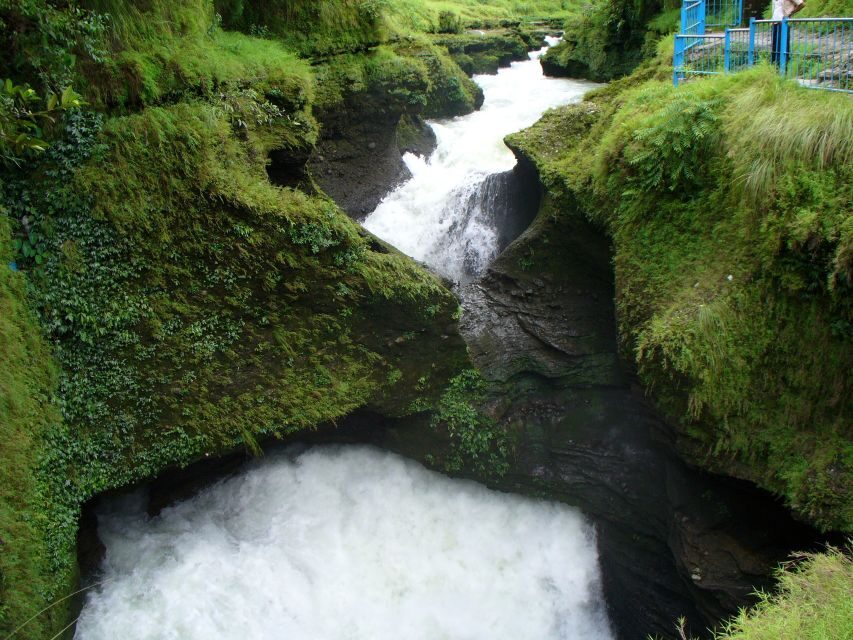
Devis Fall is one of Pokhara’s most recognizable sights. The attraction here is the unusual flow and the way the water moves through the area, so you’ll want time to watch and take in the spectacle rather than rushing for the next photo.
Soon after, you head to Gupteshwor Cave. This stop gives you a totally different feel from the open-air views of the fall. Caves tend to slow the day down a little, because you’ll be standing and moving through an enclosed space where the atmosphere is the point.
The trade-off: one review note that there’s a lot of walking in steep terrain. Even if the tour is structured and guided, you should plan on uneven ground and some climbs. Comfortable footwear is not optional on this day.
Lord Shiva Temple: a spiritual pause with good viewpoint potential
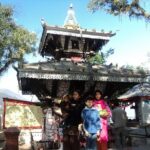
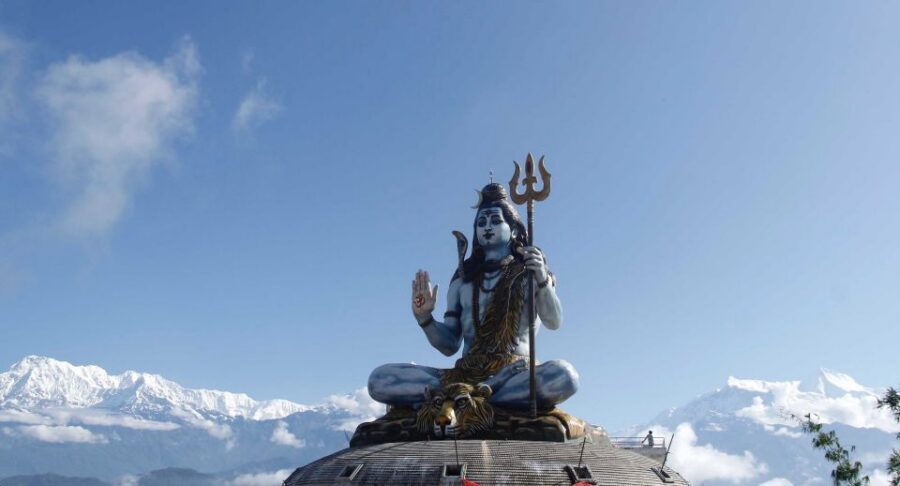
Next comes Lord Shiva’s temple. This stop is longer than a quick roadside photo. You’ll have time to explore the area, look around, and get a feel for the spiritual side of Pokhara that many people miss when they only chase viewpoints.
I appreciate this inclusion because it breaks up the physical rhythm of caves and water stops. It’s also a chance to slow down, look at how local religious sites sit within the wider scenery, and just take a breath before the viewpoint finale.
What to watch for: temple areas can still involve steps or uneven paths. If you’re carrying a day bag and camera gear, keep your footing in mind.
World Peace Pagoda: the big viewpoint for Annapurna and Machhapuchhre
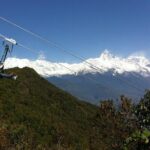
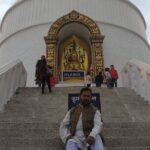
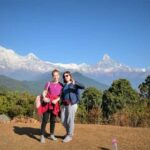
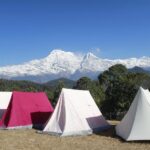
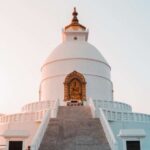
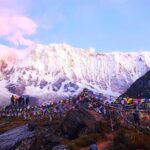
The World Peace Pagoda is one of the best reasons to take this tour. Here, the highlight is the chance to see a majestic mountain view, including sightlines toward Annapurna and Machhapuchhre.
This is where the tour shifts from “sights” to “views.” The pagoda area is designed for looking out, not just passing through. You get the sense you’re seeing Pokhara from above, with the mountains forming the backdrop.
Why this matters for value: on your own, it’s easy to bounce between popular spots and still miss the best angles. With the tour guiding the day’s flow, you arrive at this viewpoint as part of the overall rhythm instead of guessing when you should go.
Suspension bridge: your last walk before heading back
At the end of the day, you’ll visit the suspension bridge. This is a classic Pokhara stop: a short walk and some time to enjoy the setting.
Why I like the way it’s placed late in the itinerary is that it works as a decompression moment. After sunrise, falls, a cave, temples, and big viewpoints, you’re likely ready for something simpler. It’s also a good way to end with a “movement” stop—rather than finishing on another viewpoint where you’re just standing and hoping the light stays right.
Price and value: when $95 makes sense and when it doesn’t
The tour price is $95 per person for an 8-hour day. The value depends heavily on your situation.
If you’re traveling solo, you may feel the cost more sharply. One person raised a fair point that the pricing can feel high when you don’t have another traveler sharing costs. On the other hand, if you’re a couple or a small group, the same structure often feels more reasonable because the transport and guide time are spread out.
What helps the value here is that several things are included: hotel pickup and drop-off, city tours, a professional English guide, a private vehicle, and government taxes/service charges. Not included items are mostly what you’d expect: monument entrance fees, beverages, and optional adventure activities like paragliding or zipline.
My practical take: this is a strong choice if you want a guided “greatest hits” day with minimal hassle. If you’d rather move slowly, skip a couple of stops, or you’re comfortable planning transport between attractions, you might compare costs.
Who this tour fits best (and who should consider another plan)
This tour is best for:
- First-time visitors to Pokhara who want the main sights in one day
- People who prefer structure and an English-speaking guide over DIY routing
- Travelers who care about sunrise and want it handled smoothly (early start, drive, timing)
It may be less ideal if:
- You dislike early mornings and long days
- You’re very sensitive to walking on steep or uneven terrain
- You want a relaxed pace with fewer stops
Because it’s limited to a small group (up to 15) and includes private vehicle transport, it’s usually a comfortable fit for most couples, friends, and solo travelers who want convenience.
Practical tips to make the day feel easy
A guided day still needs your prep. Here’s what I’d do to avoid friction:
- Bring a valid ID or passport, since it’s required
- Wear shoes you trust on steep, uneven ground
- Plan for stairs and short walks at cave and temple areas
- Bring some cash or a payment method for monument entrance fees since they’re not included
- Think ahead about beverages: since beverages aren’t included, you may want to plan on buying water or bringing your own depending on local rules
Also, with sunrise tours, it’s worth arriving ready to move. The biggest difference between a great sunrise day and a tiring one is whether you’re dressed for the early morning and comfortable enough to stay patient.
Should you book the Pokhara full-day guided sightseeing tour?
If you want one solid day that covers Sarangkot sunrise, Pokhara’s major water-and-cave stops, a temple visit, a top viewpoint at World Peace Pagoda, and a final walk at the suspension bridge, then yes, this is a good booking. The included pickup, private vehicle, and English guide take the planning stress off your plate.
If $95 feels steep for you, especially as a solo traveler, compare it with what you’d spend on transport plus paid entry plus paying for a guide—or consider whether you really need every stop. This tour works best when you want the full set, not a “pick two” day.
FAQ
How long is the Pokhara Full-Day Guided Sightseeing Tour?
The tour lasts 8 hours.
What does the tour include?
It includes hotel pickup and drop-off, city tours, a private vehicle, a professional tour guide (English), and government taxes and service charges.
What are the main sights on the itinerary?
You’ll visit Sarangkot Hill for sunrise, World Peace Pagoda, Davis/Devis Fall, Gupteshwor Cave, Lord Shiva’s temple, Pokhara city highlights, and the suspension bridge.
Are monument entrance fees included?
No. Monument entrance fees are not included.
Is the tour only for sunrise, or does it include other stops too?
It includes sunrise from Sarangkot Hill plus several other sightseeing stops throughout the day.
How big is the group?
It’s a small group limited to 15 participants.
What language is the guide?
The tour guide provides English.
Is transportation included from my hotel?
Yes. Pickup and drop-off at your hotel in Pokhara are included.
Is it a good idea if I’m worried about walking?
Be prepared for walking, including steep terrain in parts of the day.
What should I bring?
You should bring a passport or ID card.