REVIEW · POKHARA
Independent Trekking Guide in Pokhara
Book on Viator →Operated by Trekking Guide in Pokhara · Bookable on Viator
A plan that fits your legs changes everything. This private independent trekking guide experience in Pokhara helps you pick the right Annapurna-region trek for your ability and interests, then takes care of the hard stuff like permits, transport, lodging, and food. Two things I really like: the flexible, group-only pace, and the fact the guide brings practical gear (poles, sleeping bag, rain ponchos, head lamp). One thing to consider is that the trek is weather-dependent, so expect reroutes or date changes if conditions turn.
If you want more than just walking, you’ll probably enjoy the guide’s extra angle. In one standout review, a guide named Roshan was praised for going above and beyond, teaching along the way, and looking after the group. The added bonus is that the guide is also a trekking guide trainer and brings photography know-how, so you’re not only earning altitude. The main trade-off: this is a guidance-and-organization service, and the day rate does not automatically include everything like permits and transport unless you book the full package.
In This Review
- Key Points at a Glance
- Pokhara as Your Launchpad: What This Private Guide Really Offers
- Price and What You Actually Pay for: $50 Per Group Per Day
- Starting Point and the 8:00 am Kickoff
- Choosing Your Trek in the Annapurna Region (Without Guessing)
- A Typical Multi-Day Trek Flow (How Your Days Will Feel)
- Tea Houses, Food, and Permits: The Logistics You Don’t Want to Own
- Gear Included: The Stuff That Makes Cold Rain Less Miserable
- Photography Coaching as Part of the Hike
- Porters: Optional, Clear, and Up to 20 kg
- Safety, Fitness Level, and Real Weather
- Who This Private Trek in Pokhara Is Best For
- Booking Smart: How to Decide If This Is Your Best Fit
- FAQ
- Where is pickup offered, and where do treks start?
- What time does the experience start?
- How much does it cost?
- How early do people usually book?
- Does the price include permits, transport, and trekking tickets?
- What gear is included for trekkers?
- Are porters available?
- Is free cancellation available?
Key Points at a Glance
- Private, group-only trekking: your guide works with only your group for a more tailored pace.
- They choose the trek for you: you share your details, and they recommend the best match.
- Permits, food, and tea-house lodging can be arranged: you spend less time on logistics.
- Weather and safety prep matter: the guide comes prepared, including rain gear and lighting.
- Photo coaching is part of the vibe: you get photography explanations tied to what you’re seeing.
- Porters are optional: extra help is available for up to 20 kg per porter (for an extra fee).
Pokhara as Your Launchpad: What This Private Guide Really Offers
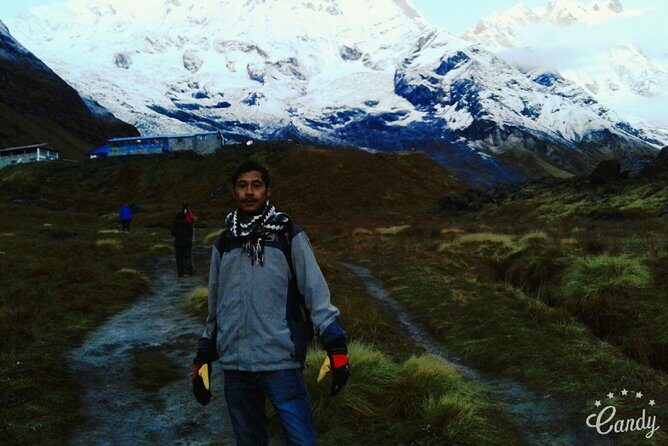
Pokhara is a smart base for trekking in Nepal. It’s the kind of place where you can get your bearings fast, and where hikers commonly organize Annapurna adventures. What makes this experience feel different is that you’re not choosing from a rigid menu. You’re working with an experienced guide who’s willing to recommend the trek that matches your comfort level and what you want to experience—views, culture, a manageable itinerary, or just getting out into the mountains without stress.
The best value here is the removal of friction. Trekking in the Annapurna region involves more than buying a ticket and hitting the trail. You’re dealing with permits, daily lodging at tea houses, food choices that make sense at altitude, and the reality that routes change based on weather, trail conditions, and your group’s day-by-day energy.
This is also set up for real privacy. It’s a private tour/activity, so you’re not stuck merging with strangers who want a different pace. That matters on multi-day hikes where small differences—stopping for photos, moving slowly on the first climbs, taking extra time when someone feels off—can make the day feel calmer or chaotic.
Other guided tours in Pokhara

Price and What You Actually Pay for: $50 Per Group Per Day
Here’s the part you should understand before you book: the price listed is described as payment for one trekking day only, not the whole trek. The guide is priced at $50 per group (up to 8 people). If your trek ends up being 4, 6, or more trekking days, the cost scales with the number of days you book.
That can sound confusing at first, but it can also be fair value if you want control over duration. You’re paying for an expert guide service for the time you’re trekking, while the broader trekking costs can be handled separately depending on what package you choose.
The listing also indicates you can book a full package where guide, porters, foods, accommodations, transport, and trekking permits are included—especially recommended. In other words, you have two routes:
- If you want to manage some logistics yourself, you might choose the day-rate model.
- If you want the “someone else handles it” style, you’d choose the full package approach.
From a traveler’s point of view, I like packages for trekking because they reduce decision fatigue. At altitude, simple choices matter. If you have one less thing to worry about—like where you’ll sleep or whether you’ll get the right permit in time—you can focus on the trail.
Starting Point and the 8:00 am Kickoff
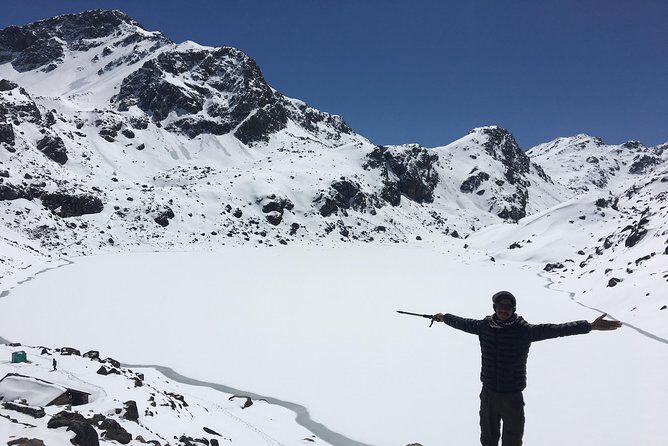
This experience has a start time of 8:00 am. When you’re trekking, timing is everything. Early mornings help you beat heat and give you more stable weather for the first stretch. It also helps the guide coordinate permits, transport, and tea-house bookings for the day.
One useful detail: where you start depends on the trek you choose. For Annapurna Circuit, Langtang & Gosaikunda, pickup is mentioned from Kathmandu. For other treks, start from Pokhara. So when you contact the guide, the first useful question to ask is simply: which trek are you recommending for us, and where do you want the group to begin?
Choosing Your Trek in the Annapurna Region (Without Guessing)
The biggest promise here is straightforward: an experienced guide will help you decide the perfect trek for your group after learning your details. That’s not just “helpful.” It’s practical, because the Annapurna region offers different routes with different demands—some longer, some steeper, some more suited for people who want views without intense daily climbs.
What I’d ask you to do is think honestly about your group:
- Your walking comfort on uneven ground
- Whether you want more days for gradual hiking or fewer days for speed
- Your tolerance for early starts and long stair-like sections
- Your interest level in culture versus big mountain scenery
Then tell the guide. The guide’s job is to turn your answers into a plan. Even the “flexible, bespoke experience” part is valuable because trekking isn’t static. Conditions can shift. If you plan your hike around the idea of being adaptable—rather than insisting on one exact itinerary—you’ll likely enjoy the trip more.
A Typical Multi-Day Trek Flow (How Your Days Will Feel)
Even though the trek duration is listed as about 5 days on average, the key point is that trekking days are your choice. Since the exact route changes based on your selected trek, the best way to plan is to expect a rhythm rather than fixed scenery names.
Here’s the kind of day structure your guide’s planning usually creates:
- Day 1: Setup and first hiking hours
You’ll typically start with getting oriented and transitioning from transport into trekking. The guide arranges permits and transport, then you begin moving toward your first tea-house overnight. The drawback to plan for: your legs may feel heavy at the start, even if you’re fit. First-day hiking often feels harder than it looks on paper.
- Middle days: Village-to-village walking with tea-house breaks
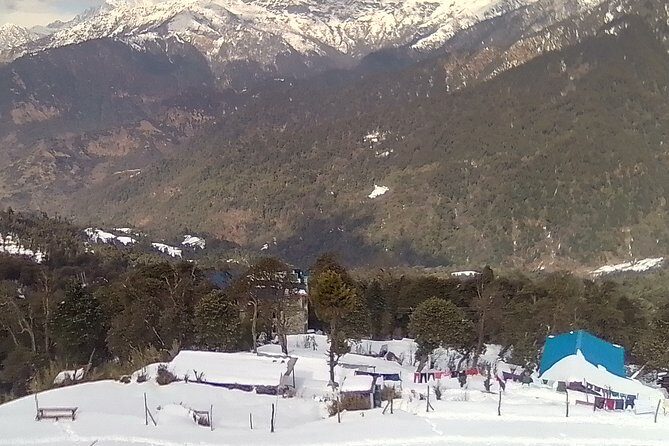
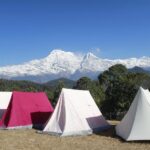
You’ll spend most of the day hiking between stops, with time for rest, views, and food. Tea houses are a practical reality here: you can count on simple meals and a bed, but you’ll also deal with basic facilities and the need to bring layers because mountain weather can swing.
- Last day: Wind-down and return to the base area
By the end, the “hard work” is mostly done, but it’s still easy to underestimate the final hike-out. Your guide will time it so you finish with enough energy to feel good about the day, not crushed by it.
If your group is photogenic, the middle days are where you’ll likely feel the benefit of the guide’s photography angle. You’ll get explanations tied to what you’re seeing, not random facts thrown at you.
Other hiking tours in Pokhara
Tea Houses, Food, and Permits: The Logistics You Don’t Want to Own
One reason this kind of guide service is popular is that trekking logistics can swallow your attention. Here, your guide helps organize treks permit handling, transports, lodging, and food in tea houses.
What tea-house travel usually means for you:
- Meals are predictable, with choices that aim to be energy-friendly for trekkers.
- Lodging is practical, not luxurious.
- You’ll likely share space in ways that feel normal for hikers in the Annapurna region.
The upside is that you don’t have to problem-solve every meal or worry about whether your stop has a bed. The downside is that tea-house trekking is still basic by design. If you expect a hotel experience, you’ll be disappointed. If you expect a place to rest and recover between mountain days, you’ll be comfortable.
Permits are the other big deal. Without getting too technical, permits help keep trekking routes legal and organized. When the guide organizes them for you, it reduces risk and saves time—especially on short timelines.
Gear Included: The Stuff That Makes Cold Rain Less Miserable
This experience is refreshingly practical about packing. The guide provides trekking-support and weather gear, including:
- Trekking poles
- Sleeping bag
- Pair of rain ponchos
- Head lamp
That’s not fluff. Poles help with downhill stability and reduce strain on knees. A sleeping bag can matter because tea houses aren’t designed like Western hotels. Rain ponchos keep you dry without fuss, and a head lamp is key once daylight fades and you’re moving around the tea-house area or starting early the next day.
The guide also brings 8×21 Bushnell binoculars plus a Canon 5D Mark IV DSLR with a wide-angle lens carried by the guide. You won’t be forced to lug your own camera gear to get good views and photo moments. If you like photos, this setup is a real bonus.
Photography Coaching as Part of the Hike
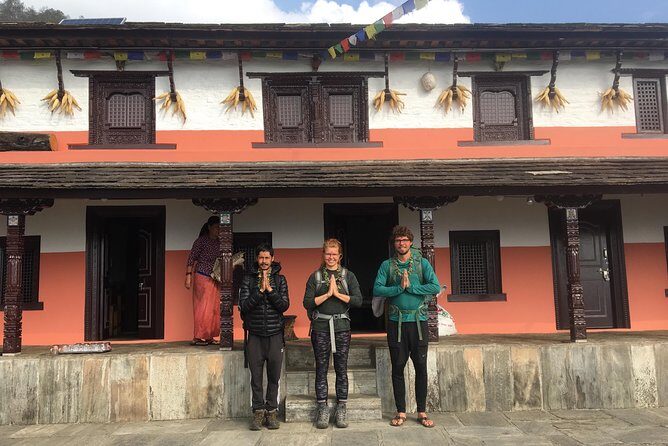
This is one of the more interesting angles of the guide. The guide is also a trekking guide trainer and brings photography expertise from training and professional experience in Nepal. The plan includes offering cool scenery photos along with explanations based on your interest, including natural, cultural, socio-economic, and geographical aspects.
You’ll probably get the most out of this if you say upfront what you want:
- Simple photo guidance for phone or basic cameras
- How to time shots with light and weather
- Understanding what you’re looking at in cultural or geographic terms
And if you’re not a photography person, you can still enjoy it as context. Learning what influences a valley, how people make a living, or why trails run the way they do can make the hike feel less like exercise and more like moving through a living place.
Porters: Optional, Clear, and Up to 20 kg
If you want a lighter load, porters are available for an extra charge of USD 20 per porter per day. The porter support is described as helping up to 20 kg luggage.
This is a good compromise for many groups. You can carry essentials yourself—water, layers, a small day pack—while the heavier bag comes with porter help. That can turn a tough hike into a manageable one, especially if your group includes someone who wants to trek but not suffer from heavy-bag fatigue.
Just remember: porter costs are separate from the base day rate unless you book the full package. Decide early. It’s much easier to choose before you’re already on the trail.
Safety, Fitness Level, and Real Weather
The guide says they prepare to the highest extent possible for safety. They also provide weather-focused gear like rain ponchos and head lamps. Since this experience requires good weather, expect that your plan can shift if conditions are poor.
A moderate physical fitness level is mentioned. That likely means you should be comfortable hiking several hours and walking on uneven terrain. If you’re unsure, ask the guide directly about the trek difficulty they recommend for your group.
Also, this is a private experience for your group only. That can help safety planning because the guide is dealing with a smaller set of needs and can adjust the pace.
Who This Private Trek in Pokhara Is Best For
This setup shines if you fit one of these scenarios:
- You want to trek the Annapurna region but don’t want to guess which route fits your group.
- You value a tailored pace and flexibility instead of being locked into a fixed schedule.
- Your group includes mixed experience levels, and you want one plan that doesn’t leave the slow hikers behind.
- You like photography or want better context for what you’re seeing.
- You prefer an English-speaking professional guide who handles key logistics.
It’s also a solid choice if you travel with a service animal. Service animals are allowed, which can be hard to find in some trekking arrangements.
Booking Smart: How to Decide If This Is Your Best Fit
Should you book this? I’d say yes if you want the benefits of a guided plan without losing control of your day-to-day pace. The guide’s ability to recommend a trek based on your details, arrange permits and tea-house stays, and bring useful gear makes it a strong value—especially compared to scrambling for logistics on your own.
Book it with caution if:
- You’re expecting a luxury travel standard in accommodations (tea houses are basic by nature).
- You’re on a tight schedule during a weather-uncertain period. You might need date changes if weather turns.
- You want a fully fixed itinerary with specific stops and names from day one. Here, the guide chooses the route based on you.
If you do book, send a clear message about your group: fitness, preferred hiking pace, how many total trekking days you want, and whether you want the full package approach. That’s how you get the “bespoke” part to work for you.
FAQ
Where is pickup offered, and where do treks start?
For Annapurna Circuit, Langtang & Gosaikunda, pickup is offered from Kathmandu. Other treks start from Pokhara.
What time does the experience start?
The start time is 8:00 am.
How much does it cost?
It’s listed as $50.00 per group (up to 8). The price is described as payment for 1 day only, not the whole trek.
How early do people usually book?
On average, this is booked 93 days in advance.
Does the price include permits, transport, and trekking tickets?
Not in the listed included items. Permits, tickets, and transportation can be included if you book a full package trek.
What gear is included for trekkers?
The guide provides trekking poles, sleeping bags, rain ponchos, and head lamps.
Are porters available?
Yes. Porters can be arranged for an extra USD 20 per porter/day, and they help with up to 20 kg of luggage.
Is free cancellation available?
Yes. Free cancellation is offered up to 24 hours in advance for a full refund, and the experience requires good weather (a weather cancellation can result in a different date or a full refund).