REVIEW · POKHARA
Pokhara: City Sightseeing Group Budget Bus Tour
Book on GetYourGuide →Operated by Nepal Tour Adventure Pvt Ltd · Bookable on GetYourGuide
One low price, big Pokhara sights. This Pokhara group bus tour strings together the must-sees in a single day, with World Peace Pagoda giving that classic hilltop, panoramic feeling over Pokhara Valley. It also balances viewpoints and caves, so your photos range from white stupas to limestone formations.
I especially like how the day runs with real coordination, including help from the tour team and a guide who can work across Nepali, Hindi, and English. Bonus: the tour director Raj gets a named shout-out for organizing the timing and support before, during, and after.
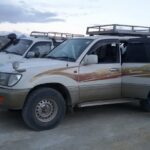
The main consideration is the vehicle: it’s a sharing basic mini-bus, and you might find it less than spotless, including the occasional flies issue.
In This Review
- Key Highlights You’ll Actually Feel in a Day
- Why This One-Day Pokhara Budget Bus Tour Works
- Pickup and the Mini-Bus Rhythm: What the Day Feels Like
- Pumdikot Shiva Statue Stop: A Local Start Before the Big Views
- World Peace Pagoda: The Hilltop View Stop You’ll Remember
- Gupteshwor Mahadev Cave: Limestone Formations and a Sacred Shiva Lingam
- Davis Falls Plus the Cave Circuit: Water Power and Underground Mystery
- Seti River Gorge: Short Stop, Good Angles
- Bindabasini Temple and the Fewa Lake Finish
- Price and Entrance Fees: What You Really Pay
- Who Should Choose This Tour (and Who Should Skip It)
- Quick Tour Tips That Make It Easier
- Should You Book This Pokhara Budget Bus Tour?
- FAQ
- How long is the Pokhara city sightseeing group budget bus tour?
- Where does pickup happen?
- What places are included on this tour?
- Are entrance fees included in the price?
- What is the price of the tour?
- What kind of transportation do you use?
- Is the guide a professional guide?
- What languages does the tour guide speak?
- What should I bring for the tour?
- Is the tour suitable for wheelchair users?
- Is there free cancellation?
Key Highlights You’ll Actually Feel in a Day
- World Peace Pagoda hilltop views with big panorama over Pokhara, Phewa Lake, and the surrounding mountains
- Gupteshwor Mahadev Cave for stalactites and stalagmites plus a sacred Shiva Lingam
- Davis Falls and the nearby cave circuit (Mahendra Cave and Bat Cave) for variety beyond just a waterfall
- Seti River Gorge quick photo time for river views and canyon angles
- Bindabasini Temple in central Pokhara as a calmer cultural stop before finishing at Fewa Lake
Why This One-Day Pokhara Budget Bus Tour Works
If you’re short on time in Pokhara, this tour is built for efficiency. For about $10 per person, you’re not just doing one or two famous sights. You’re packing in a full circuit: a hilltop stupa, two cave experiences with sacred elements, a waterfall that disappears underground, a gorge viewpoint, a central Hindu temple, and a lake finish.
I like the way the route mirrors what Pokhara is actually known for: water, caves, and religious landmarks. That means you’re not spending the day staring at the same kind of view over and over. You’ll shift from open viewpoints (like the pagoda) to enclosed spaces (limestone caves), then back to outdoors at waterfalls, a gorge, and finally the lake.
At this price, the tour is also honest about what you’re getting. Entrance fees are extra, and the transport is a sharing mini-bus rather than something high-end. Still, it’s strong value if your goal is seeing the highlights without planning transport yourself.
Other Pokhara city sightseeing tours reviewed
Pickup and the Mini-Bus Rhythm: What the Day Feels Like
You start in Pokhara, with pickup from any hotel within the Lakeside area. You’ll have a name card, which makes it easier to spot your group when you’re juggling a morning start.
Then it’s mostly about rhythm. There are vehicle segments between stops, with several shorter visits where the timing matters. Expect about 50 minutes early on by bus/coach, plus additional transfers through the day. It’s not a slow sightseeing stroll. It’s more like: get moving, stop, see, move on.
This is where the mini-bus reality comes in. The tour uses a sharing basic transport, and one review flagged that it can feel a bit dirty, including flies. If you’re sensitive, come prepared: closed-toe shoes help around caves, and simple personal comfort items (like wipes or a small hand fan) can save your mood.
Also, you’re walking some, but the tour is still manageable for most average travelers. Just keep in mind the cave stops are enclosed and can involve uneven footing.
Pumdikot Shiva Statue Stop: A Local Start Before the Big Views
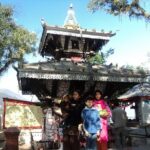
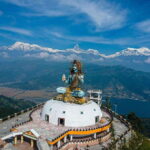
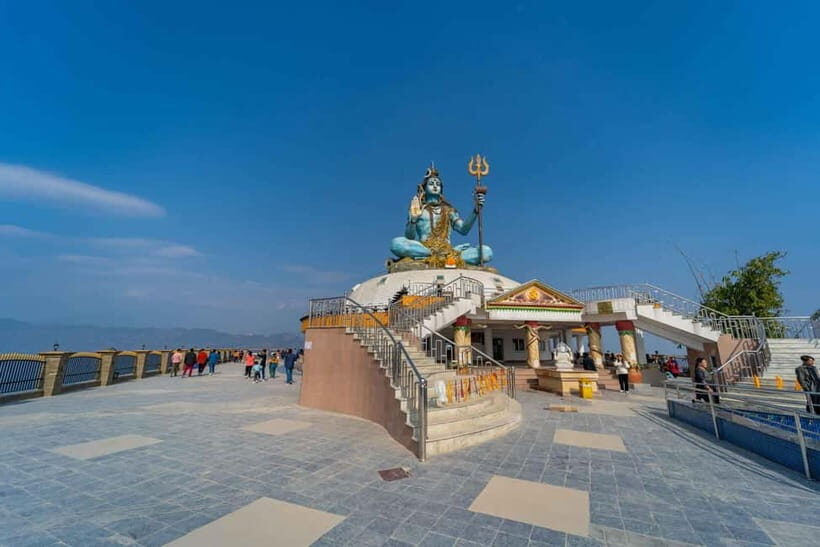
Before the famous Pokhara scenery, the tour heads to Pumdikot Shiva Statue for about 1 hour. This is a solid early grounding stop. It gives you a religious landmark feel before you switch gears into the pagoda and cave circuit.
I like doing something like this first because it helps you understand the tone of the day: Pokhara’s sightseeing isn’t only about scenery. It’s also about spiritual sites and the stories connected to them. Even if you’re not staying long in this specific spot, an early cultural anchor makes the later temple visit at Bindabasini Temple feel less random.
What to watch for: this is a longer stop than some later ones, so plan to wear comfortable clothes and shoes you can rely on. If the weather turns warm, hat and sunscreen you brought will matter here.
World Peace Pagoda: The Hilltop View Stop You’ll Remember
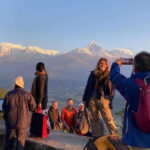
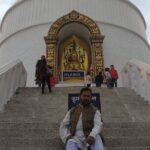
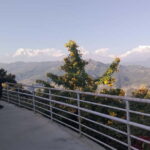
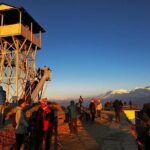
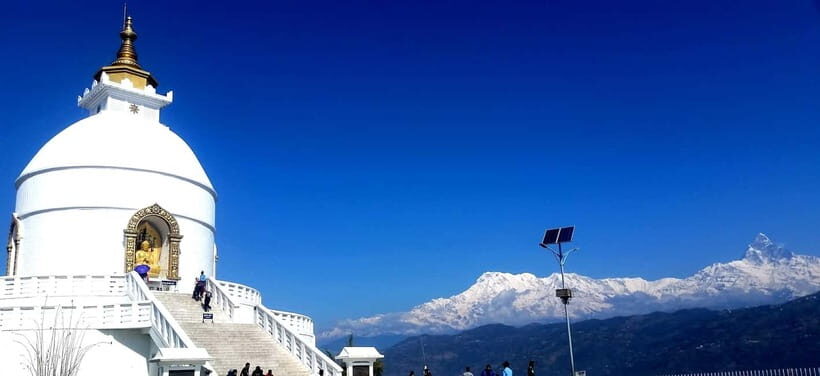
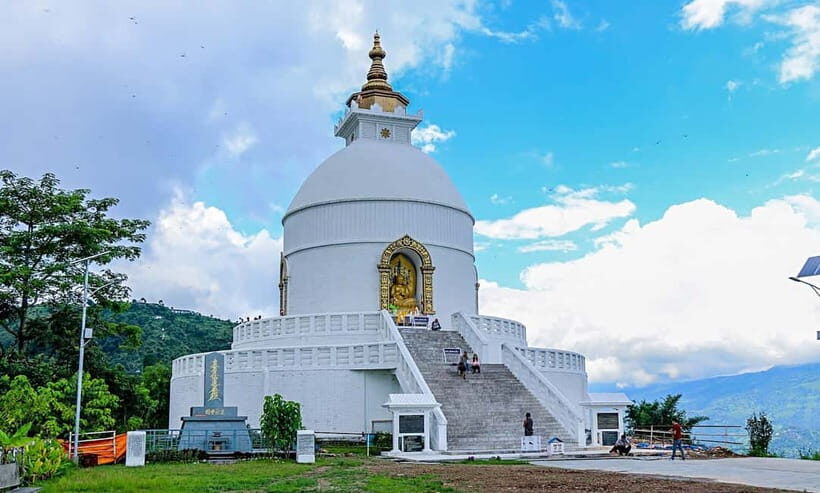
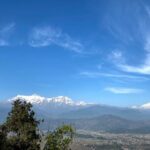
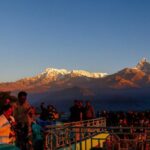
Next up is the World Peace Pagoda for about 55 minutes. This is a towering white stupa on a hilltop, and it’s designed for exactly what you want from Pokhara: a wide, clear view over Pokhara Valley, Phewa Lake, and the surrounding mountains.
I love that this stop is long enough to actually take in the view, not just snap a picture and rush off. If you’re the type who checks weather in the morning, you’ll want to time your expectations here. Clear skies make this part pop. Even on hazier days, the stupa itself is striking, and you still get the sense of elevation.
Camera time matters. Bring your camera plan into this stop, not your cave stops. Indoors shots can be trickier, and your time in caves is better spent looking closely at formations and the sacred features inside.
Gupteshwor Mahadev Cave: Limestone Formations and a Sacred Shiva Lingam
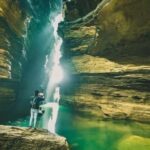
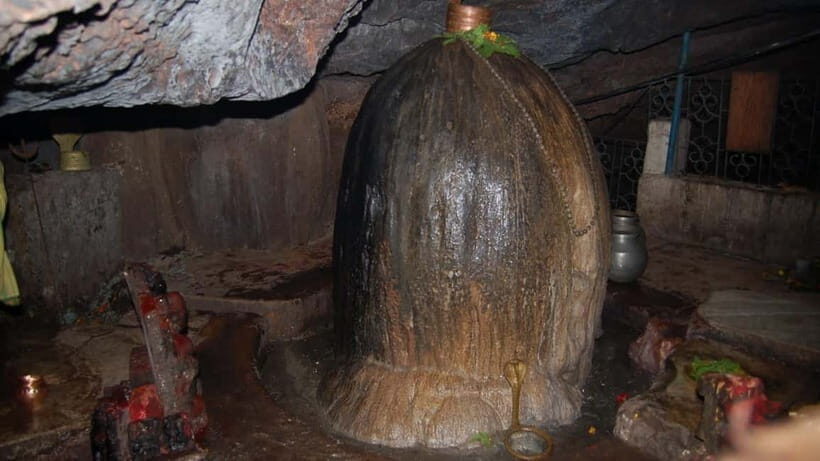
After the pagoda, you head to Gupteshwor Mahadev Cave for about 40 minutes. This is a natural limestone cave near Davis Falls, and it’s one of the most interesting “Pokhara beyond the postcard” stops on the route.
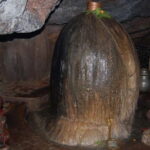
Inside, the tour focuses on stalactites and stalagmites formations. That’s the visual hook. But the other key piece is the sacred Shiva Lingam, which turns the cave from a geology stop into a living religious space.
This is also where the guide’s role helps. You’ll hear context while you’re walking around, and if you’re traveling with language questions, having a guide who can work across Nepali, Hindi, and English is a big advantage. One review specifically noted that bilingual help was useful, which makes a difference when you’re trying to understand what you’re seeing.
Practical note: bring your comfort level for caves. You’ll want comfortable shoes and a steady pace. If you’re not keen on tight indoor spaces, set your mindset before you enter. It’s worth it for the mix of natural formations and the sacred element.
Other city tours we've reviewed in Pokhara
Davis Falls Plus the Cave Circuit: Water Power and Underground Mystery
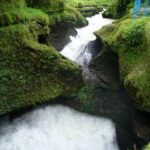
Now the tour shifts into its most dramatic stretch. First is Davis Falls, where the water plunges into an underground cave. You’re there for about 25 minutes, and the stop includes local legend context, not just the view.
What I like about Davis Falls is that it’s easy to understand visually. You can literally see the water disappear. Then the story and the surrounding setting make it feel more than just a waterfall photo.
Right after, you continue to nearby limestone caves:
- Mahendra Cave (about 20 minutes)
- Bat Cave (about 25 minutes)
Mahendra Cave is the larger one, with natural formations you can marvel at. Bat Cave is smaller and is known for the bats living inside. This cave-to-cave shift keeps the day from feeling repetitive, even though everything is physically concentrated around the same area near Davis Falls.
One word of advice: these cave segments are where you’ll appreciate having sunscreen and a water bottle for outside time, because you’ll keep stepping between bright outdoor areas and cooler cave interiors. Also, don’t plan to eat on the bus. Food and drinks aren’t allowed on the vehicle, so keep snacks for before or after the tour if you need them.
Seti River Gorge: Short Stop, Good Angles
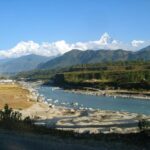
After the cave and waterfall cluster, you go to Seti River Gorge for about 15 minutes. This one is all about quick impact: river views and the canyon-like feel around you.
Because the time is short, treat this as a “get your angles fast” stop. Pick a place you can stand comfortably, snap what you need, and don’t overthink it. You’re not losing out by moving on quickly here; the gorge views are meant to hit quickly and stay with you.
If you’re traveling with a camera, consider focusing on water lines and the dramatic drop-offs. You’ll get better results by waiting for a moment when your shot doesn’t include everyone else’s heads.
Bindabasini Temple and the Fewa Lake Finish
The last cultural stop is Bindabasini Temple in central Pokhara, with about 45 minutes. This temple is Hindu and is described as being in the heart of Pokhara, and the visit includes learning about its history and significance.
I like that this temple is later in the day. By this point, you’ve already seen how religious sites show up in caves and viewpoints. So the temple doesn’t feel like an unrelated add-on. It feels like the day’s theme returning: faith is part of how Pokhara makes sense.
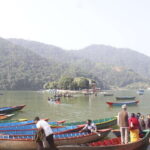
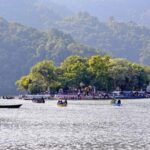
Finally, the tour ends with a visit to Fewa Lake. This is your closing act: a more open, relaxing vibe after caves and waterfalls. It also gives you a chance to reset your feet and take one last look at the lake and surrounding views.
Price and Entrance Fees: What You Really Pay
The headline price is $10 per person, which is hard to beat for a one-day circuit. But don’t forget the key catch: entrance fees are not included, with an approximate estimate of NPR 1000 per person.
So your true budget is the tour price plus about NPR 1000 for admissions. If you’re trying to keep costs controlled, carry cash and budget for those extras early. It’s the difference between a smooth day and scrambling at each stop.
Also factor in meals and personal expenses. Meals aren’t included, so you’ll need your own plan for food, especially since food and drinks aren’t allowed on the bus.
Who Should Choose This Tour (and Who Should Skip It)
This tour makes the most sense if:
- you want major Pokhara sights in one day
- you’re okay with a group pace and short stop times
- you want help with logistics through Lakeside pickup and a local guide
It’s less ideal if you have mobility or health limitations. It’s explicitly not suitable for:
- people with back problems
- people with heart problems
- wheelchair users
If you’re even mildly unsure about your comfort in caves or uneven ground, I’d treat that as a real factor. The itinerary includes multiple cave visits and a gorge stop, and the day involves multiple transfers.
Quick Tour Tips That Make It Easier
Bring:
- comfortable walking shoes
- sunglasses
- a sun hat and sunscreen (the day mixes sun and shade)
- a camera
- water
- comfortable clothes
Know the rules:
- no smoking in the vehicle or indoors
- no alcohol or drugs
- don’t litter
Small but useful tip: if you’re carrying a hat, use it early in the day. The outdoor portions start before you settle into the caves.
Should You Book This Pokhara Budget Bus Tour?
If your goal is value, speed, and a highlight-filled day, I think it’s a smart pick. The best part of this tour is how it ties together World Peace Pagoda, Gupteshwor Mahadev Cave, Davis Falls, the nearby cave circuit, Seti River Gorge, Bindabasini Temple, and a finish at Fewa Lake without making you plan every step.
I’d book it if you:
- like the idea of a well-managed schedule
- want a guide who can handle multiple languages
- can accept a basic mini-bus and extra entrance fees
I’d hesitate if:
- you’re sensitive to bus cleanliness or prefer private transport
- you need longer stop times at fewer places
- you have any health or mobility limitations that make caves and uneven areas risky
FAQ
How long is the Pokhara city sightseeing group budget bus tour?
It runs for 1 day.
Where does pickup happen?
Pickup is included from any hotel within the Lakeside area of Pokhara, using a name card to identify your group.
What places are included on this tour?
The tour includes the World Peace Pagoda, Gupteshwor Mahadev Cave (with a sacred Shiva Lingam), Davis Falls, Mahendra Cave, Bat Cave, Seti River Gorge, Bindabasini Temple, and a visit to Fewa Lake. It also includes Pumdikot Shiva Statue earlier in the day.
Are entrance fees included in the price?
No. Entrance fees are not included, with an approximate cost of NPR 1000 per person.
What is the price of the tour?
The price is listed as $10 per person.
What kind of transportation do you use?
You travel by sharing basic mini-bus, with hotel pickup within the Lakeside area.
Is the guide a professional guide?
The tour includes a local guide to assist you, and it is described as not a professional guide.
What languages does the tour guide speak?
The guide provides support in Nepali, Hindi, and English.
What should I bring for the tour?
Bring comfortable shoes, sunglasses, a sun hat/hat, camera, sunscreen, water, and comfortable clothes.
Is the tour suitable for wheelchair users?
No, it is not suitable for wheelchair users, and it is also not suitable for people with back problems or heart problems.
Is there free cancellation?
Yes. You can cancel up to 24 hours in advance for a full refund.