REVIEW · POKHARA
Day hiking to Dhampus – Astam Village
Book on Viator →Operated by AM Travels and Tours · Bookable on Viator
Annapurna views in one long, friendly day. This Dhampus to Astam day hike is a practical way to swap Pokhara lakeside time for mountain panoramas and real village paths. You’ll start from Phedi, walk through forests and rural settlements, then stop in Dhampus and Astam for classic Annapurna range viewpoints. I especially like the balance of easy-to-follow village trail plus jaw-dropping scenery from two directions, so you don’t feel like you’re doing the same photo spot twice.
One key thing to consider: meals aren’t included, so bring or budget for your own snacks and water.
What makes this trip feel good is how it’s run for a simple half-day rhythm—driving, hiking, viewpoints, then back to Pokhara. Your English-speaking trekking guide helps keep the pace comfortable and the walking meaningful, and in one great example, guide Gobinda Subedi was praised for being kind and helpful. You’ll be back before the afternoon stretches too far, which is ideal if you want something active without losing your whole day.
In This Review
- Key Points at a Glance
- Why This Dhampus–Astam Hike Works So Well From Pokhara
- The Route: From Phedi Up to Dhampus, Then Down via Astam and Hemja
- Dhampus: Gurung Village Time and Big Annapurna Range Views
- Astam and the Homestay Village: Another Viewpoint Angle
- Timing and Early Mornings: How to Get Better Views and Feel Better
- Price and Value: What $66.84 Buys You (and What It Doesn’t)
- Fitness, Pace, and Comfort: What Moderate Really Means Here
- The Guide and Private Setup: Why It Feels Different Than a Crowded Day
- Practical Tips: How to Plan Your Day So It Feels Easy
- Who Should Book This Hike (and Who Might Want a Different Option)
- Should You Book Dhampus–Astam With AM Travel and Tours?
- FAQ
- How long is the Dhampus to Astam day hike?
- Where do you start hiking from?
- What villages do you visit during the hike?
- Is hotel pickup and drop-off included?
- Is there an admission ticket fee for Dhampus or Astam?
- Do I need to arrange transportation myself?
- Is the trip private?
- What fitness level is required?
- Are meals included in the price?
- Is there a time-of-day tip to help in hot months?
Key Points at a Glance
- Dhampus + Astam = two viewpoint hits without a multi-day commitment
- Forest and village hiking instead of only stairs and road walking
- English-speaking guide support that keeps the day stress-free
- Hotel pickup and private vehicle transfers from Pokhara area
- No admission tickets needed for the stops you visit
- Early morning helps, especially in warmer months like June
Why This Dhampus–Astam Hike Works So Well From Pokhara
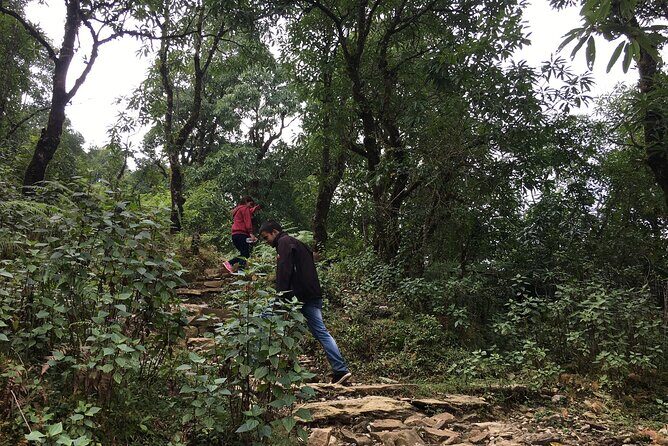
If you only have one day to get serious about Annapurna views, this hike is a strong choice. You’re not trying to chase the “perfect sunrise moment” for a full trek. Instead, you’re stacking two scenic villages into one outing, with transfers built in so you don’t waste time figuring out logistics.
I like that it’s designed around moderate, doable hiking. The whole experience runs about 5 to 6 hours, which makes it a smart way to get moving if you’re mixing travel days with lighter activity. And because it’s a private trip for your group, the day doesn’t feel like a cattle-call procession.
One more thing: the day isn’t only about views. You’ll also spend time around local village life—Dhampus Gurung village and then Astam’s homestay village area—so you get a fuller sense of the region than just a viewpoint stop.
Other Australian Camp and Dhampus hikes in Pokhara
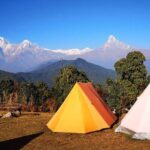
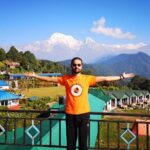
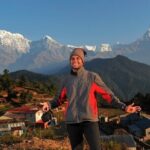
The Route: From Phedi Up to Dhampus, Then Down via Astam and Hemja
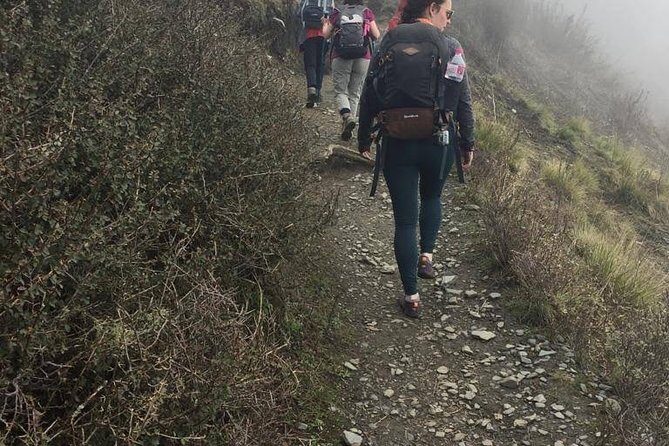
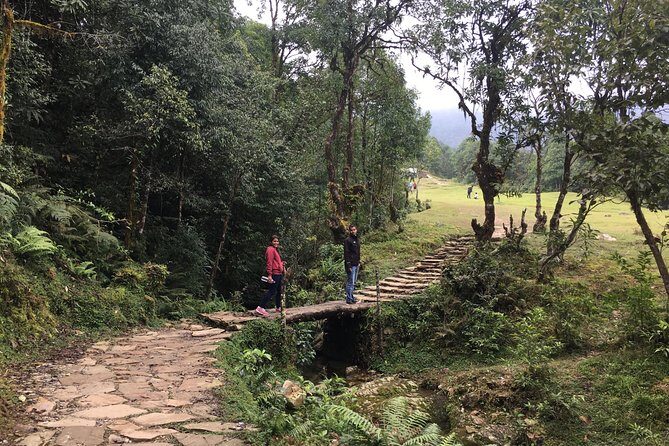
The day starts with a short drive from Lakeside to Phedi—about 30 minutes—before you begin hiking. From there, you head toward Dhampus along a path that passes through forests and villages. It’s not a technical climb in the way high-altitude treks can be, but it still feels like hiking, not a flat stroll.
After Dhampus, you move to Astam by continuing the journey between these village areas. You’ll get your second major scenery stop there, and then you head downhill toward Hemja. From Hemja, you drive back to Pokhara and the trip ends.
That downhill finish matters more than people think. After you’ve been walking and looking at mountains all morning, it’s a relief to know you’ll spend the final stretch descending before you’re fully done. It keeps the day from turning into a long, tiring grind.
Dhampus: Gurung Village Time and Big Annapurna Range Views
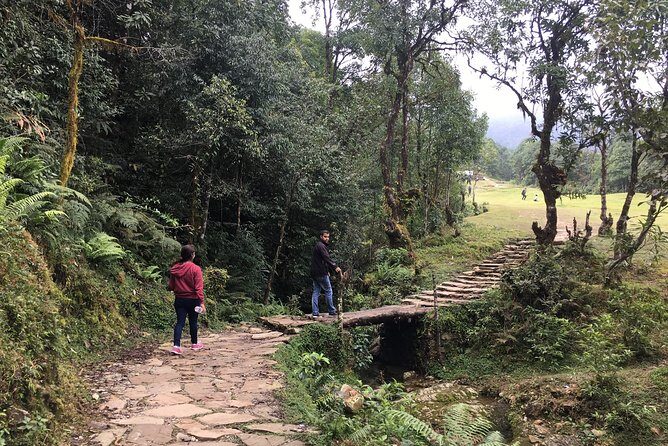
Dhampus is your first major stop, and it sets the tone for the entire day. After starting from Phedi, you’ll hike for about 3 hours to reach the village. Along the way, you go through forests and rural settlements, so the walk has variety instead of one long stretch of the same scenery.
Once you arrive, you’ll explore the Gurung village and get a proper feel for community life in the area. This isn’t just a quick photo stop. You’ll have time to actually look around before you focus on the mountains.
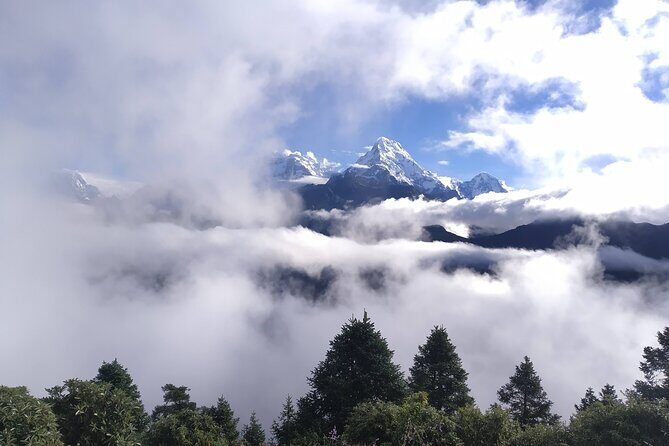
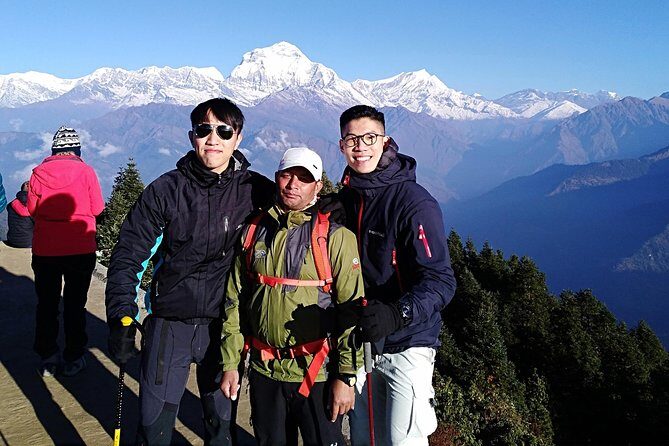
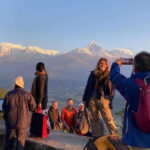
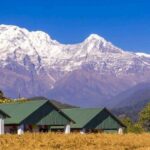
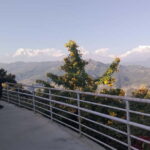
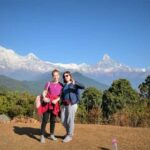
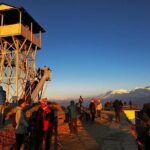
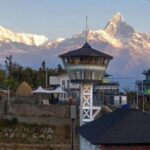
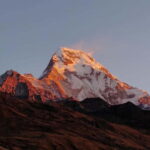
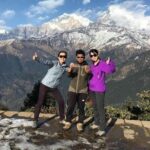
The highlight here is the view of the Annapurna mountain ranges from Dhampus. I like having viewpoints that feel earned. You earn these by hiking through real paths, not by hopping off a bus at a parking lot.
A practical note: the viewpoint quality can depend on cloud cover and the time of day. That’s not something you can fully control, but you can improve your odds by starting early—more on that shortly.
Astam and the Homestay Village: Another Viewpoint Angle
After Dhampus, the next stop is Astam, where you’re aiming for a very similar target: Annapurna views—but from a different place and angle. You’ll spend about 3 hours here, including time at the homestay village area and the viewpoint moments.
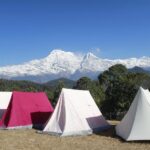
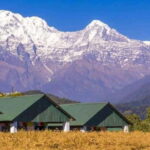
Astam is described as offering a beautiful close-up view of the Annapurna mountains. That “closer” feeling is often what makes a second village stop worthwhile. If your first viewpoint gives you the big sweep, a second stop can bring more detail to what you’re seeing.
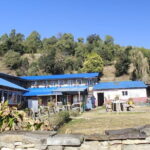
You also visit the homestay village area, which helps keep the day rooted in local life rather than being only about trekking. Even if you’re not staying overnight, you still get the sense of how people live and host visitors here.
After Astam, the plan is to keep descending toward Hemja. Then you drive back to Pokhara, finishing the day. This downhill-to-drives flow is a big part of why the timing feels manageable.
Timing and Early Mornings: How to Get Better Views and Feel Better
Most people underestimate how much timing affects a day hike like this. In warmer months—like June—heat and daily clouds can change the comfort level and even how clear the mountains look.
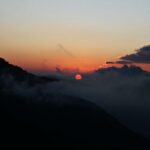
One useful tip from a June 2025 experience: leaving early made a big difference. They set off at 6am and were back in Pokhara just before 1pm. That early start helped avoid high heat and also got ahead of the daily cloud movement.
So if you’re booking this type of hike in summer, try to be ready to move early. It will likely feel easier on your body, and your photos have a better chance of showing mountain detail instead of a gray veil.
Even when you can’t control the weather perfectly, you can control your start time. That’s the easiest “hack” available.
Other hiking tours in Pokhara
Price and Value: What $66.84 Buys You (and What It Doesn’t)
At $66.84 per person, this is priced like a guided, organized village hike—meaning you’re paying for convenience and local support, not just the right to walk on a trail.
Here’s what you get included:
- hotel pickup and drop off
- necessary transfers by private vehicle
- an English-speaking trekking guide
- a private trip (just your group)
- admission tickets are listed as free
Now the part to plan for: meals and personal expenses are not included. The same goes for gratitude, which is optional.
So the real value question is simple: do you want to spend your time hiking, or do you want to spend it arranging transport, interpreting trail directions, and managing the day solo? This tour is built for the first option.
If you’re okay with bringing a snack strategy and water bottle basics, the price-to-effort ratio feels fair. If you’re hoping the hike includes lunch, you’ll want to adjust expectations.
Fitness, Pace, and Comfort: What Moderate Really Means Here
This hike asks for moderate physical fitness. That’s an honest way to describe it: you’ll be walking long enough to feel it, and there will likely be ups and downs typical of village routes.
Some people describe the trek as a bit hard, but still comfortable for them. That matches the feel of a 5 to 6 hour day hike where you can keep a steady pace, take breaks, and enjoy the scenery along the way.
Because the itinerary includes two village stops and then a descent, pacing matters. If you push too hard early, the downhill can still be tiring. If you keep a calm rhythm, the day feels more like an enjoyable hike than a workout punishment.
If you’re unsure, pick your “comfort style”:
- If you can handle a few hours of steady walking, you should be fine.
- If you get exhausted quickly on slopes, you may want to take extra breaks at each village.
The guide is there to help you manage that rhythm. Many people highlight how friendly and helpful the guide experience is, including praise for Gobinda Subedi.
The Guide and Private Setup: Why It Feels Different Than a Crowded Day
This is a private trip/activity, and only your group participates. That matters more than it sounds. A private setup means you’re not trying to hold pace with a bigger group or follow someone else’s comfort level.
You also get an English-speaking trekking guide. That’s a huge quality-of-life factor on rural routes where you want clarity about where you’re going and what you’re seeing. Even if you don’t speak local languages, you’ll have a person who can explain the route and keep the day organized.
In the feedback, guide Gobinda Subedi comes up with praise for kindness and helpfulness. That’s consistent with what you want from a day hike guide: steady support, good communication, and a calm attitude when the trail gets slower due to people or conditions.
Practical Tips: How to Plan Your Day So It Feels Easy
Because meals aren’t included, build your plan around food and hydration. Pack snacks you actually want to eat, not just “healthy” items that turn into trail misery. Also carry enough water for the whole walking period and viewpoint breaks.
Wear shoes you trust. This kind of rural village hike tends to include uneven ground, not smooth city sidewalks. Good grip and comfortable support will keep your day enjoyable instead of annoying.
Bring sun protection. The forest parts help, but there will still be time in open areas around viewpoints. Hat or cap, sunglasses, and sunscreen make the hike feel more relaxed.
And if you care about photos, plan your breaks around the viewpoint moments. You’ll be there long enough to get pictures, but you’ll also want to keep moving so the day doesn’t drag.
Who Should Book This Hike (and Who Might Want a Different Option)
You should book this if:
- you want Annapurna views in one day
- you enjoy village walking and want a cultural feel, not only scenery
- you prefer a guided, organized day with hotel pickup
- you have limited time in Pokhara but still want a real hike
You might want a different option if you:
- need a fully meal-included day
- want a very flat, low-effort walk
- want more hiking time than a 5 to 6 hour outing
That “moderate fitness” label is a good match for most active tourists. If you can manage a day hike, you’ll likely have a good time.
Should You Book Dhampus–Astam With AM Travel and Tours?
My take: yes, if your goal is a time-efficient Annapurna day hike with a guide and simple logistics. The included pickup, private transfer, and English-speaking guide take the stress out of getting from Pokhara to the trail and back.
It’s also a good value setup because admission tickets are free for the stops you visit, and the day is structured around two scenic villages rather than one lonely viewpoint. The biggest downside is also the easiest to fix: meals aren’t included, so you need your own snack and water plan.
If you can go early and keep a steady pace, this is the kind of day that leaves you happy even if you don’t nail perfect weather. You’ll still come away with two village experiences and mountain views that feel worth the effort.
FAQ
How long is the Dhampus to Astam day hike?
The total experience lasts about 5 to 6 hours. Each major section includes around 3 hours at Dhampus and around 3 hours at Astam.
Where do you start hiking from?
You start with a drive of about 30 minutes from Lakeside to Phedi, then begin hiking from Phedi toward Dhampus.
What villages do you visit during the hike?
You visit Dhampus (including the Gurung village area) and Astam (including the homestay village area). After that, you descend toward Hemja.
Is hotel pickup and drop-off included?
Yes. Hotel pickup and drop-off are included.
Is there an admission ticket fee for Dhampus or Astam?
Admission tickets are listed as free.
Do I need to arrange transportation myself?
No. Transfers by private vehicle are included, including the drive segments to start and to return to Pokhara.
Is the trip private?
Yes. This is a private trip/activity, and only your group will participate.
What fitness level is required?
The experience is listed for people with moderate physical fitness.
Are meals included in the price?
No. Meals and personal expenses are not included.
Is there a time-of-day tip to help in hot months?
In June, one shared tip was to leave early morning to avoid high heat and to go before daily clouds move in.