REVIEW · POKHARA
Private Half Day Tour Highlights of Pokhara by Car
Book on Viator →Operated by Saara Tourism Nepal-Kathmandu · Bookable on Viator
Pokhara looks easiest when you have wheels and a local guide. This private half-day by car is built for speed and convenience, with hotel/Airport pickup and entrance fees plus bottled water included so you spend less time figuring things out and more time seeing the highlights. You also get a flexible start window from early morning to early afternoon, which is handy when you want to match your day.
The big thing to consider is that smooth service depends on good communication. A few past issues mentioned late arrivals and at least one English-language hiccup, so you’ll want to confirm your pickup details clearly the day before.
In This Review
- Key highlights you’ll actually feel on the day
- A Half-Day Car Tour That Fits Tight Schedules
- Price and Value: When $80 Per Person Makes Sense
- Pickup and Timing: The One Area to Stay Sharp On
- Stops 1–3: Phewa Tal, Devi’s Fall, and Gupteswor Gupha
- Phewa Tal (Fewa Lake): The Lake That Anchors the View
- Devi’s Fall: When Water Disappears
- Gupteswar Gupha: A Cave Linked to the Water Route
- Stops 4–7: Bindhyabasini Temple, Seti River Gorge, Museum, Peace Pagoda
- Bindhyabasini Temple: An Older Center of Local Faith
- Seti River Gorge: The River With a Surprising Personality
- Pokhara Museum: Culture, Nature, and Adventure in One Hour
- Peace Temple: A Pagoda-Style Viewpoint With a Message
- What Makes This Tour Feel Good (When It Goes Right)
- When It Might Not Be Your Best Fit
- Should You Book This Half-Day Pokhara Highlights Tour?
- FAQ
- What does the tour price include?
- How long is the private half-day tour in Pokhara?
- What stops are included on the itinerary?
- Is pickup available from the hotel or airport?
- Is this tour private?
- What is the cancellation policy?
Key highlights you’ll actually feel on the day
- Doorstep pickup option from your hotel or Pokhara Airport
- Entrance fees and bottled water handled for less hassle
- A driver-guide who explains culture and history as you move between stops
- Flexible start time lets you choose early morning or early afternoon
- A tight, efficient route built for 4–5 hours instead of a full day out
A Half-Day Car Tour That Fits Tight Schedules
Pokhara is spread out, and its best-known sights aren’t all clustered in one walkable area. This tour solves that problem with your own car and guide, so you can do a lot without spending your precious half day on transport logistics.
What I like about this setup is that it feels practical, not rushed-in-a-stupid-way. You get a clear route with defined time at each stop, typically taking about 4 to 5 hours, which works well if you’re juggling paragliding, a lakeside sunset, or getting ready for onward travel.
Other Pokhara highlights and iconic-destination tours
Price and Value: When $80 Per Person Makes Sense
At $80 per person, this isn’t a bargain-basement deal. But it can be good value because several costs are folded in: pickup and drop-off, entrance fees, and bottled water are included, plus an English-speaking driver as your guide.
Also, it’s a private tour. That means you’re not stuck waiting around for other people to finish a viewpoint or shop stop you didn’t ask for. If you’re traveling with a small group, you may also want to ask about group discounts, since that’s listed as a feature.
If your priority is to see as many major highlights as possible without driving yourself, the price starts to look more reasonable fast.
Pickup and Timing: The One Area to Stay Sharp On
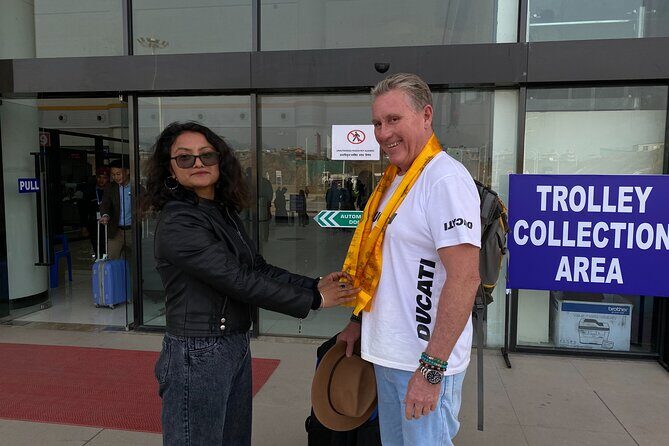
The tour is designed to pick you up from your hotel or from Pokhara Airport, which is a big help if you’re short on time or arriving by air. Confirmation is supposed to come at booking, and you’ll use a mobile ticket.
Still, based on real-world feedback, I’d take one extra step before you rely on anything: confirm your pickup location and timing clearly. If you care about English and explanations, ask what language support you’ll have, and make sure you have a contact method for the day-of.
The flexibility is nice: starting times can be set from early morning to early afternoon. That helps you avoid the worst timing for crowds and lets you plan around your energy level.
Stops 1–3: Phewa Tal, Devi’s Fall, and Gupteswor Gupha
This is where the tour changes from travel to story. In just the first stretch, you move from a classic lake scene to the kind of geological oddity Pokhara is famous for.
Phewa Tal (Fewa Lake): The Lake That Anchors the View
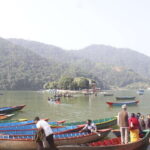
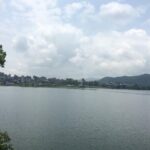
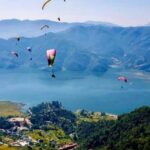
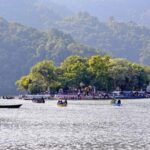
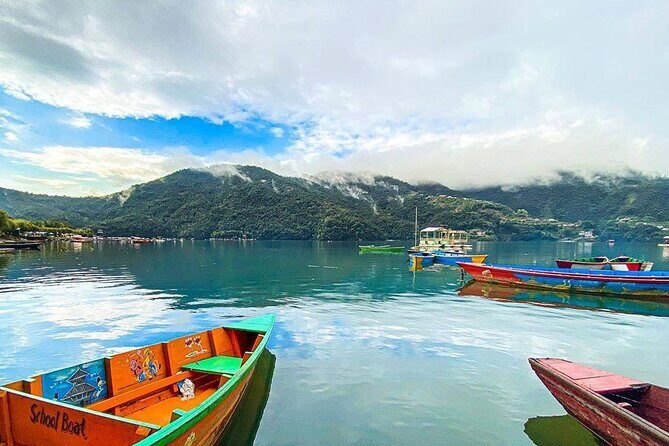
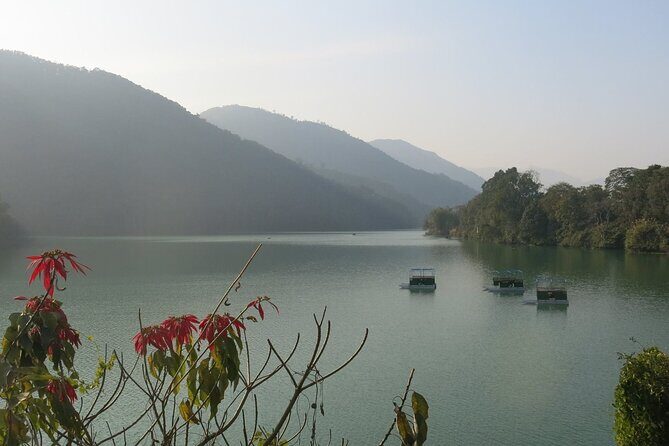
You’ll start at Phewa Tal, a freshwater lake in the south of the Pokhara Valley (also known historically as Baidam Tal). This stop is short—about 30 minutes—but it’s a strong start because it gives you a feel for the city’s geography right away.
Why it’s worth it: you’re not just passing time at water. The lake is a reference point for everything else you’ll see and where you’ll likely spend your evenings later. With only a half day, getting your bearings matters.
A practical note: if you’re sensitive to sun and heat, plan accordingly since lake areas can get exposed. You have bottled water included, which helps.
Other private tours in Pokhara
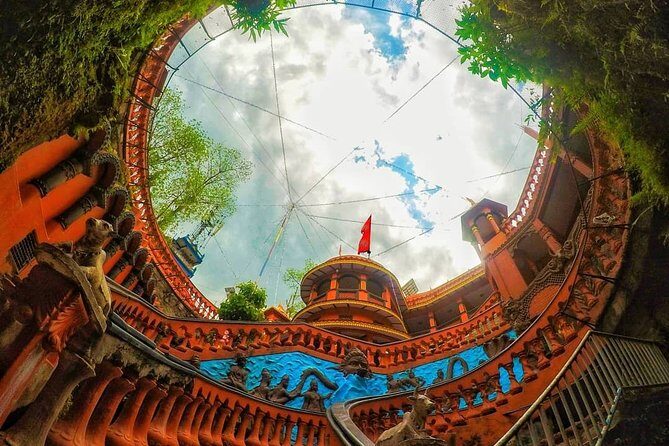
Devi’s Fall: When Water Disappears
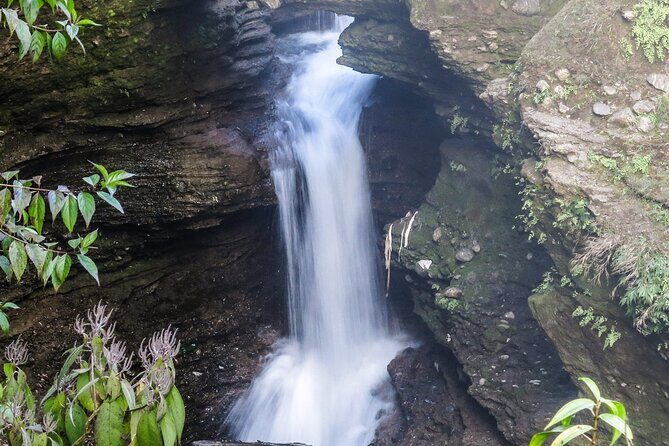
Next is Devi’s Fall. Here, water flows into a tunnel after reaching the bottom, creating a dramatic scene that feels like magic until you realize it’s geology at work. You’ll also get about 30 minutes at this stop, and entrance is included.
The value of this stop in a half-day itinerary is simple: it’s one of Pokhara’s most distinctive sights. Even if you’ve only seen it in photos, it’s the kind of place where your brain connects the weirdness to the region.
Gupteswar Gupha: A Cave Linked to the Water Route
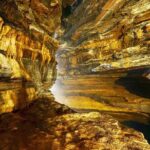
From Devi’s Fall, you move to Gupteswar Gupha (Gupteshwor Mahadev Cave). This is another short stop—around 45 minutes—and it’s positioned opposite Davis Fall, with a direct connection noted: water from Davis Fall is said to pass through this cave system.
What I like about pairing these two: you get the cause-and-effect story. One stop shows the water entering the underground flow, and the next shows a related cave setting. It makes the whole experience feel more connected than two separate photo stops.
If you prefer calm pacing, this is a good time to slow down. Caves can be mentally busy because you’re processing the space, the water flow idea, and the religious associations.
Stops 4–7: Bindhyabasini Temple, Seti River Gorge, Museum, Peace Pagoda
The second half of the tour shifts from water and stone to religion, culture, and viewpoints over the lake-and-mountain world.
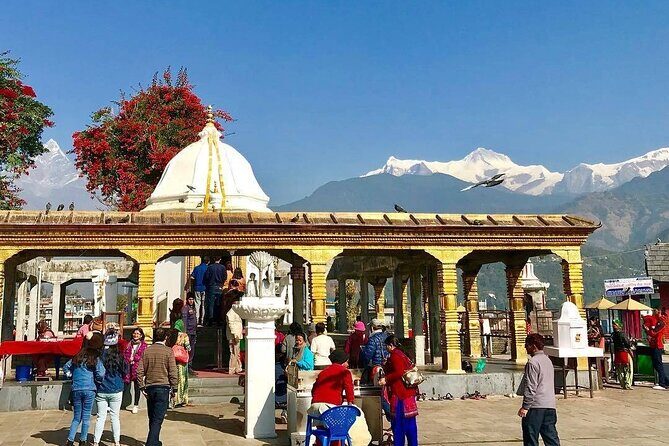
Bindhyabasini Temple: An Older Center of Local Faith
You’ll visit Bindhyabasini Temple, described as the oldest temple in Pokhara, located in Ward No. 2, Miruwa. Expect about 30 minutes, with admission included.
This stop matters because it’s not just a pretty building. It’s a living landmark that attracts local worshippers, including Nepalis from across the region. In a half day, that’s the kind of detail your guide can translate into something meaningful.
It’s also a useful reset. After caves and waterfalls, a temple stop gives you a different rhythm: more stillness, more observation.
Seti River Gorge: The River With a Surprising Personality
Next is Seti River Gorge, linked to the Seti Gandaki River (also called Seti Khola). This is about 30 minutes, and it’s included with admission.
What makes this stop interesting is that it’s described as a white-water river and a major feature of the Pokhara gorges. It’s one of those places where you get a quick look at how the area’s water has shaped the terrain.
In a short tour, you’re not there to do a long hike. You’re there to understand the physical “why” behind Pokhara’s dramatic setting.
Pokhara Museum: Culture, Nature, and Adventure in One Hour
Then you’ll head to Pokhara Museum for about 40 minutes. The museum is positioned as educational, covering Nepal’s nature, culture, and adventure themes.
This stop can be a lifesaver if you want context. When you’ve just toured caves, falls, and temples, it helps to step back and learn how locals frame the region. The museum format is generally easier to handle when you only have a small time block.
If museums aren’t your thing, you’ll still get value as long as you treat it like orientation rather than a full-day exhibit.
Peace Temple: A Pagoda-Style Viewpoint With a Message
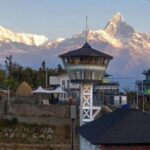
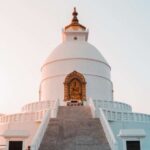
The final stop is Peace Temple, also described as a World Peace Buddha Temple and a pagoda-style monument. You’ll spend about 1 hour, and it includes admission.
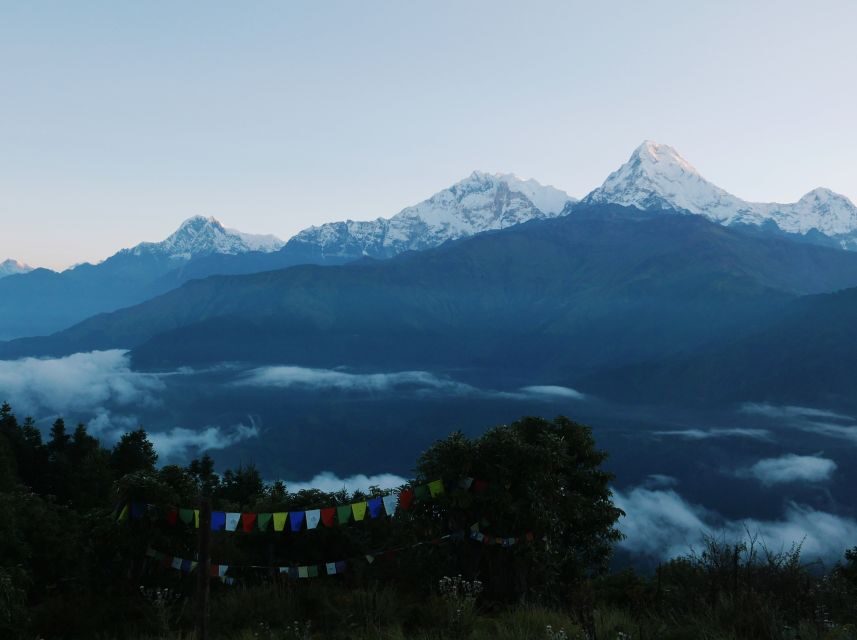
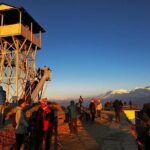
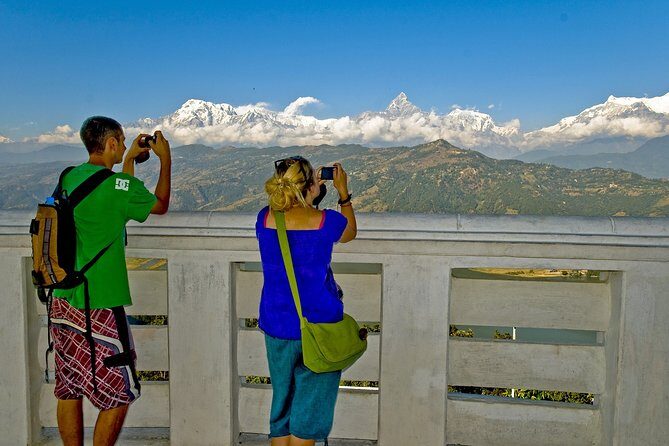
This is your big viewpoint wrap-up: the temple is described as offering stunning mountain and lake views. It’s also a good place for people-watching and for taking photos after a day of driving.
One extra detail from real experiences: if you have concerns about heights, you should say so early. One past traveler mentioned their guide adjusted the route to avoid a height-focused part of the day while still letting them see key sights. That’s a great reminder that private tours can be adaptable when you communicate what you want.
What Makes This Tour Feel Good (When It Goes Right)
This tour’s strongest selling point is the balance between structure and flexibility. You have a set order of seven highlights, with time blocks like 30 minutes at most stops and a longer finish at Peace Temple.
When the guide is strong, you’ll get more than checkmarks. The promise is cultural and historical explanations as you go, and the best versions of this tour are the ones where the driver-guide talks through why each place matters.
You also get practical comfort:
- Pickup and drop-off so you don’t add your own transport stress
- Bottled water included
- Entrance fees included, which cuts down the line-jumping and guessing
When It Might Not Be Your Best Fit
I’d skip this style of tour if you want a slow, deep, hours-long experience at only one or two locations. The plan is efficient by design. If you prefer wandering freely on your own schedule, a private driver without a fixed route might suit you better.
Also, because some feedback points to occasional coordination and English communication issues, this is best for people who can be a little proactive. Confirm pickup details. If you want explanations, ask how your language support will work.
Finally, consider comfort around viewpoints. The route includes a temple with panoramic focus and also caves and gorge areas. If you have mobility limits or strong preferences about avoiding certain terrain, bring that up before you start.
Should You Book This Half-Day Pokhara Highlights Tour?
Book it if:
- You have limited time in Pokhara and want to cover the main classics.
- You don’t want to drive or coordinate taxis between scattered sights.
- You like a guided route that includes entrance fees and a simple time plan.
Skip it or choose something else if:
- You want long stays at fewer places.
- You need ultra-reliable communication for a strict schedule and don’t want to double-check pickup details.
- You dislike the idea of an efficient checklist day and would rather roam on your own.
My practical advice: if you book, do a quick confirmation for pickup time and location, and tell your guide what you want to emphasize (lakes, religion, water features, viewpoints). Private tours work best when you communicate early.
FAQ
What does the tour price include?
The price includes pickup and drop-off, all entrance fees, a driver-guide who speaks English, and bottled water.
How long is the private half-day tour in Pokhara?
The tour runs about 4 to 5 hours.
What stops are included on the itinerary?
The route includes Phewa Tal, Devi’s Fall, Gupteswar Gupha, Bindhyabasini Temple, Seti River Gorge, Pokhara Museum, and Peace Temple.
Is pickup available from the hotel or airport?
Yes. You can be picked up from your hotel or from Pokhara Airport, and you’ll be dropped off afterward.
Is this tour private?
Yes. It’s a private tour, so only your group participates.
What is the cancellation policy?
Free cancellation is available up to 24 hours in advance for a full refund. If you cancel less than 24 hours before the start time, the amount paid is not refunded.
If you want, tell me your travel dates and whether you’re starting early or later in the day, and I’ll suggest the best way to sequence your Pokhara time around this half-day plan.