REVIEW · POKHARA
3 Day Kapuche Glacier Lake Trek with Siklesh from Pokhara
Book on Viator →Operated by AM Travels and Tours · Bookable on Viator
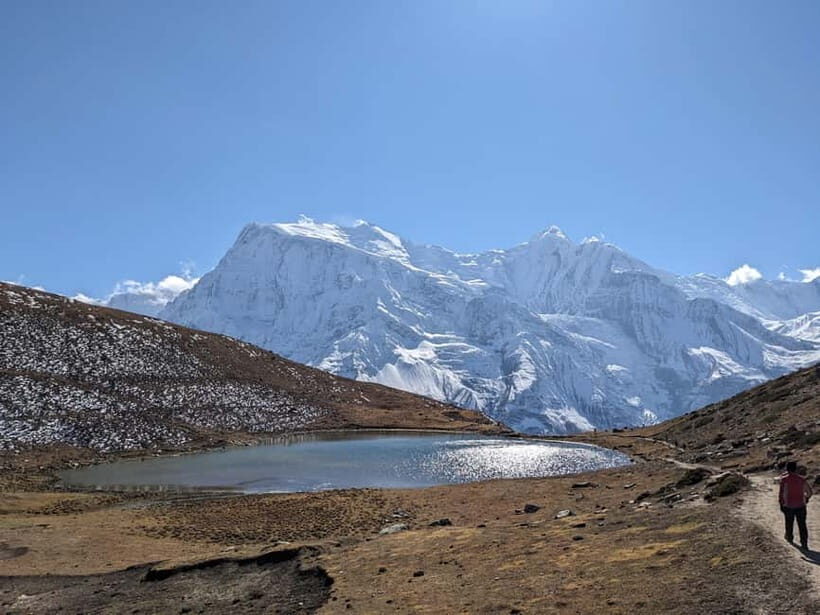
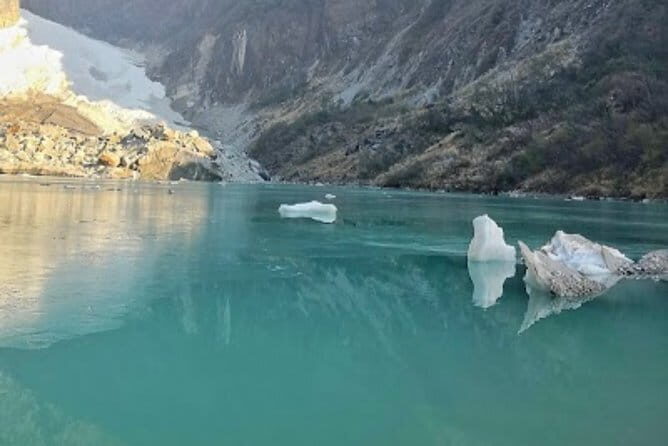
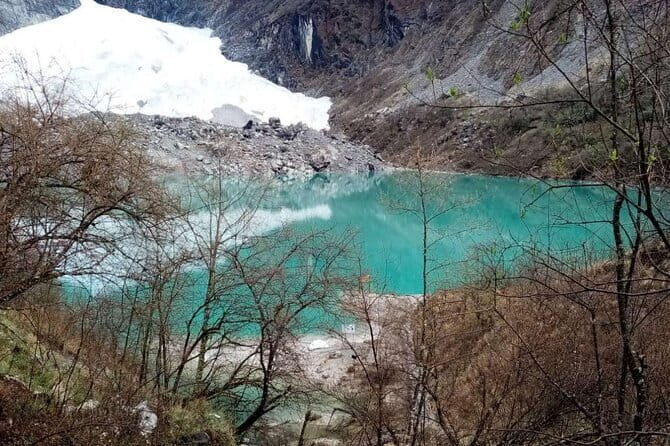
Kapuche Glacier Lake is a quiet place that rewards effort. I like how this trek leads to Kapuche Glacier Lake, described as the lowest glacier lake in Nepal, and I also like the chance to stay in Sikles Village with a real Gurung community feel. One thing to consider: meals are not included, so you’ll want to plan for extra spending on top of the $195 price.
You’ll spend three days moving at a steady trekking pace, with an early start on the main lake day and a return that keeps things interesting. You get hotel pickup and drop-off from Pokhara, plus trekking permits (including the TIMS card) handled for you, so you can focus on the walk instead of paperwork.
In This Review
- Key Highlights You’ll Actually Care About
- Why Kapuche Glacier Lake Feels Worth the Trek From Pokhara
- Sikles Village: Your Gurung Village Base, Not a Transit Stop
- Day 1: Pokhara to Sikles by Jeep, Then a Trek Into Village Life
- Day 2: The Kapuche Day With Early Starts, Forests, Bridges, and River Views
- Day 3: A Slower Morning, Village Atmosphere, and the Ride Back to Pokhara
- Price and Logistics: What $195 Covers (and What to Budget for Meals)
- Guide Quality You’ll Feel on the Trail (Not Just on Paper)
- What This Trek Is Like Day to Day (So You Can Pace Yourself)
- How to Pack Smart for a Glacier Lake Goal (Without Overthinking)
- Who Should Book This Trek With AM Travels and Tours (and Who Might Not)
- Should You Book This Kapuche Glacier Lake Trek?
- FAQ
- How long is the Kapuche Glacier Lake trek from Pokhara?
- What does the $195 per person price include?
- Are meals included in the trek price?
- Do I need a trekking permit and TIMS card?
- Is pickup available from Pokhara?
- What fitness level do I need?
Key Highlights You’ll Actually Care About
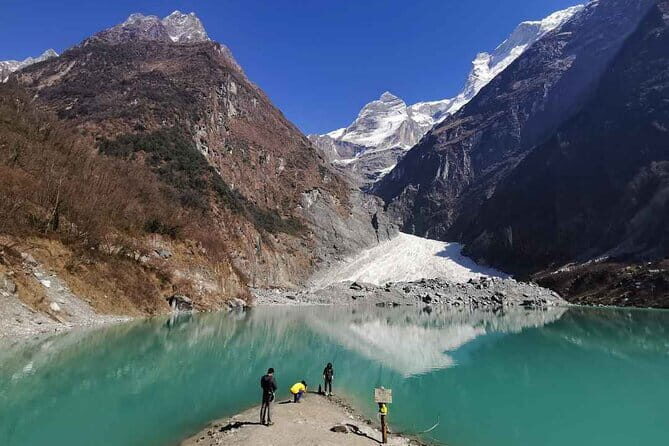
- Lowest glacier lake claim: You’re trekking toward Kapuche, noted as Nepal’s lowest glacier lake.
- Gurung village stay: Sleep in a guesthouse in Sikles and eat Gurung-style meals (available for purchase).
- Early start on Day 2: A faster morning helps you reach the lake area with more daylight.
- Suspension bridges and rivers: The trail includes bridges and river crossings for variety.
- English-speaking guide support: Practical explanations and on-trail help matter on a route like this.
- Private trip, sharing jeep transfers: Only your group trekkes together, but jeep rides may be shared as planned.
Why Kapuche Glacier Lake Feels Worth the Trek From Pokhara
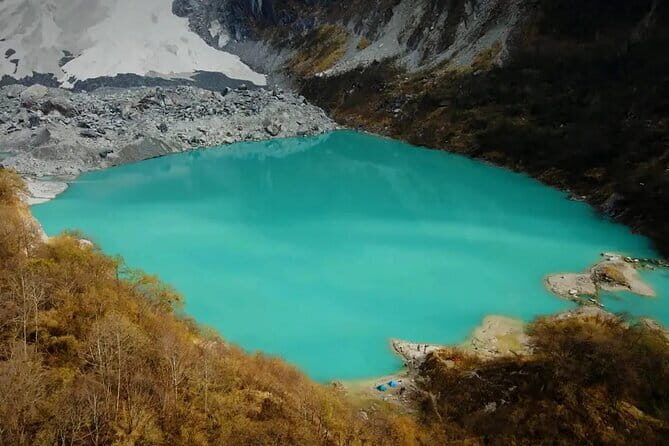
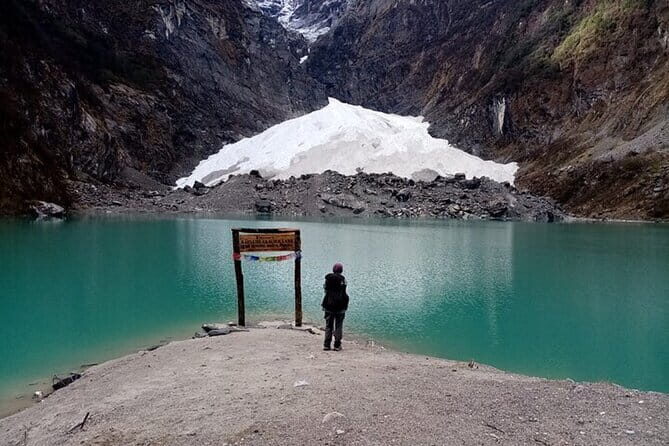
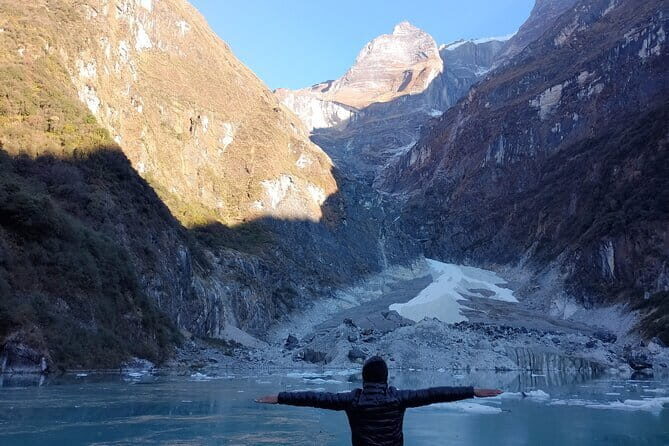
Kapuche Glacier Lake is the kind of destination people chase for a reason: it’s remote enough to feel peaceful, yet close enough to fit into a short trek from Pokhara. This is positioned as an off-the-beaten route, so you’re not spending your time dodging crowds.
I like that the goal is specific and memorable. Glacier lakes are dramatic, but Kapuche’s reputation as the lowest glacier lake in Nepal gives the trek an extra hook beyond just scenic photos.
One practical note: you’ll be traveling back and forth between Pokhara and the trail base, so the value is in doing the full experience instead of treating it like a quick hike.
Other Sikles and Kapuche treks in Pokhara
Sikles Village: Your Gurung Village Base, Not a Transit Stop
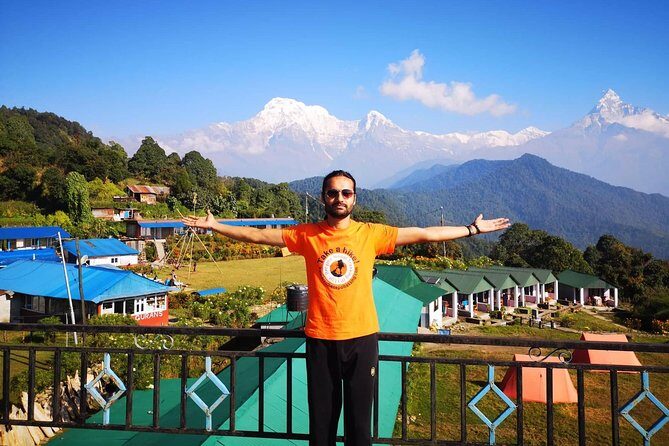
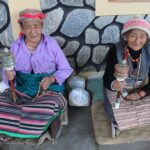
A big part of why this trek works is what happens before and after the lake day. You’re not just walking and sleeping somewhere random—you’re staying in Sikles Village, a Gurung community.
In the description, the focus is on authentic cultural interaction: you’ll get a chance to learn about local daily life and enjoy Gurung cuisine during your stay (meals are available for purchase). For many people, that’s the difference between a trek that feels like exercise and a trek that feels like a trip.
Here’s the balance: you should expect village hospitality and a guesthouse setup rather than hotel comfort. That’s not a problem if you’re there for the experience, but it matters if you’re used to modern amenities.
Day 1: Pokhara to Sikles by Jeep, Then a Trek Into Village Life
Day 1 is a mix of travel and arrival. You’ll leave Pokhara in the morning with a 2–3 hour drive to Sikles, then start trekking toward the village afterward.
This day is about getting your legs ready without exhausting you immediately. It’s long enough to feel like you earned your night’s sleep, but it’s also paced so you can settle in before the main glacier day.
A practical advantage here is that the route is structured for beginners-to-intermediate trekkers with moderate fitness. If you’ve never done a short multi-day trek before, starting with an arrival day usually helps you avoid the classic mistake of going too hard too soon.
Day 2: The Kapuche Day With Early Starts, Forests, Bridges, and River Views
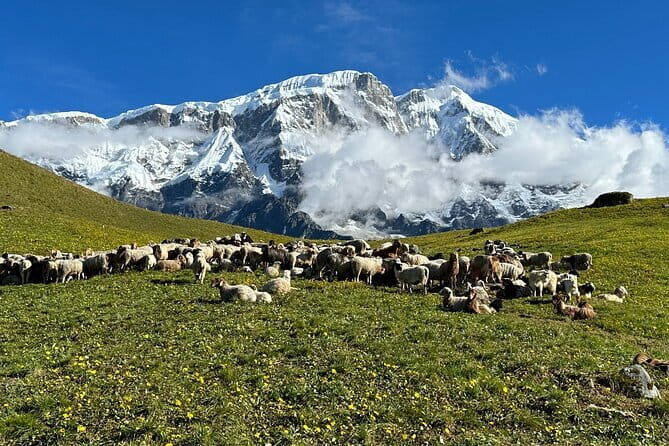
Day 2 is the heart of the trip. You begin with an early start so you can reach Kapuche Glacier Lake with enough daylight to enjoy the area calmly.
The trek itself is described as passing through dense forests, crossing suspension bridges, and following river corridors at times. That combination matters. Pure climbs can get repetitive fast; mixing forest walking, bridge moments, and water-side sections keeps your attention on the trail instead of just your watch.
Then you reach Kapuche Glacier Lake and you’ll have time there before the return. Afterward, you trek back toward Hugu, enjoying different perspectives on the trail compared to your outward route.
By the evening, you rest at the guesthouse in Sikles. That matters because your body has time to recover for the last day’s descent and drive back toward Pokhara.
Day 3: A Slower Morning, Village Atmosphere, and the Ride Back to Pokhara
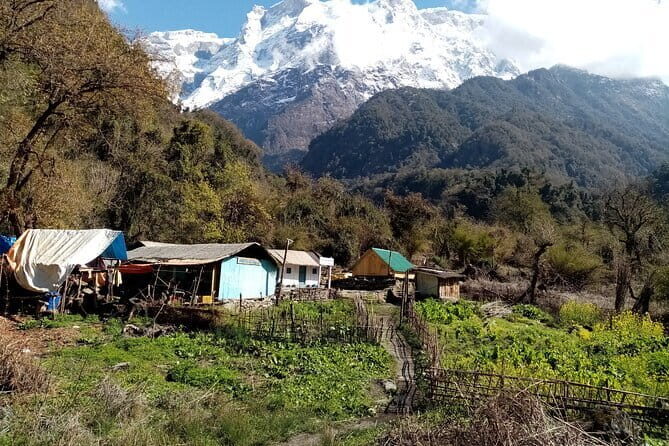
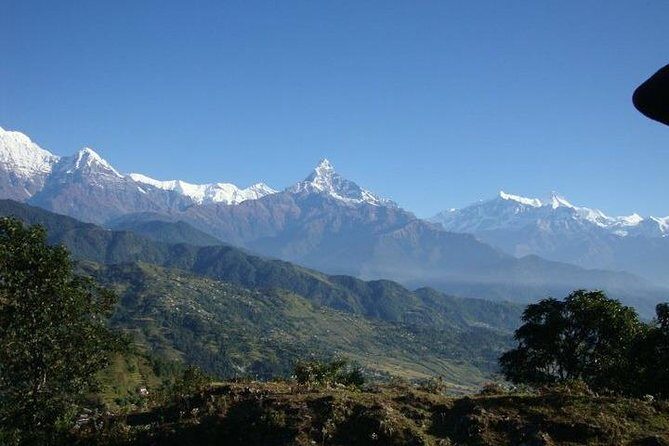
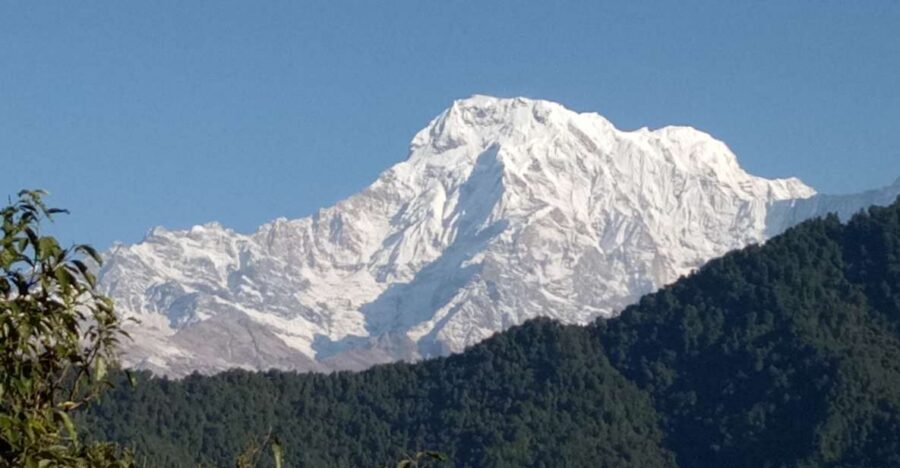
Day 3 is more relaxed than you might expect from a “tough trek” label. You’ll have a leisurely morning with time to enjoy the village atmosphere and mountain views.
Then you’ll begin the descent back to the starting point of the trek. From there, you get picked up for the drive back to Pokhara.
This final day is the payoff for pacing yourself. If you didn’t burn your energy on Day 1, you’ll likely feel good enough to enjoy the last views instead of just counting hours.
Other hiking tours in Pokhara
Price and Logistics: What $195 Covers (and What to Budget for Meals)
The price is $195 per person for roughly three days, and that’s a key point: this isn’t just a guide for a single hike. You’re getting multiple components bundled together.
From what’s included, you can expect:
- Hotel pickup and drop-off in Pokhara
- Trekking permit and TIMS card
- Round-trip sharing jeep transfers as planned
- English-speaking trekking guide
- Guesthouse accommodation in Sikles
- A private trip setup for your group
Then there’s what’s not included: meals. Meals are available for purchase, and the estimate given is about $25 per person per day. That’s a very normal situation for Nepal treks, but it’s still the biggest “surprise” item if you’re budgeting tightly.
So what’s the real value? You’re paying for reduced friction—permits handled, transfers arranged, and an English-speaking guide who can keep you on track. On a route that includes suspension bridges and a glacier-lake goal, that support is worth real money.
Also, the operator notes that this is often booked about 15 days in advance. For short treks with limited time windows, planning ahead helps you get the dates you want.
Guide Quality You’ll Feel on the Trail (Not Just on Paper)
One of the most repeated service points is the guide. People describe the guide as really helpful, with an approach that makes the trek feel easier to manage and more enjoyable overall.
Even without fancy claims, that tells you something practical: you want a guide who can explain what to do, how to move safely, and what to expect next. On a day that includes suspension bridges, forest sections, and river paths, small guidance can prevent fatigue and confusion.
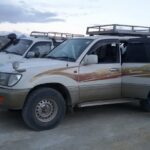
There’s also mention of vehicle condition being impressive. That’s not scenery, but it matters when you’re doing a 2–3 hour drive to the village base and you still want to arrive with enough energy for the trek.
One more point from the overall vibe: this trek is described as a chance to reset your mood. That’s not guaranteed for everyone, but if you want quieter time, slower village rhythms, and a strong reason to focus on one thing at a time, this route tends to deliver.
What This Trek Is Like Day to Day (So You Can Pace Yourself)
Here’s the rhythm you should plan for, using the structure of the days:
- Day 1: drive, then a trek into Sikles. You should aim for steady effort, not speed.
- Day 2: early start, longer trekking day to Kapuche, plus return toward Hugu. Expect more of your day to be spent on movement.
- Day 3: a calmer morning, then descent and ride back.
The itinerary totals suggest a moderate trekking commitment across three days, and the tour states you should have moderate physical fitness. If you can handle a full day of walking without getting wiped out early, you’re probably a good fit.
If you’re new to trekking, my advice is simple: bring layers and protect your feet. Your legs will be fine if your footwear and hydration are good, and those small basics matter more than trying to out-tough the trail.
How to Pack Smart for a Glacier Lake Goal (Without Overthinking)
You don’t have specific gear lists provided here, so I’ll keep this to packing habits that work well for a short multi-day trek with forests, bridges, and early starts.
Start with comfort:
- Footwear with grip for uneven trails and bridge crossings
- A day layer you can remove quickly during changing temperatures
- A light rain layer (weather shifts can happen in Nepal)
Then keep your daily trekking kit practical:
- Water plan for the day (even if you buy on the way, you’ll want a system)
- Sun protection since mornings can be bright
- A small snack stash for energy between stops
Also, remember the meals are for purchase. That means you’ll want a little flexibility in your budget and energy. If you rely only on paid meals, you might feel hungry between sections on the longer day.
Who Should Book This Trek With AM Travels and Tours (and Who Might Not)
This trek makes the most sense if you want:
- An off-the-beaten style route with a serious goal (Kapuche Glacier Lake)
- A cultural component through Sikles Village and Gurung food
- A short three-day format from Pokhara with permits and transfers arranged
It also seems well suited to family groups and friend groups because it’s set up as a private trip for your group. That private feel often helps when you’re traveling with people who have different walking speeds.
On the flip side, you might reconsider if you expect meals included, hotel-level comfort, or a fully luxury travel style. This is a trekking experience with guesthouse nights and food available for purchase.
If you’re dealing with stress and you want a route that naturally slows you down—quiet mornings, a lake goal, and village evenings—this itinerary is the kind of plan that can help you feel like you’re living inside your day instead of rushing through it.
Should You Book This Kapuche Glacier Lake Trek?
I’d book it if you want a short trek that combines a specific nature goal with a real village stay. The combination of Kapuche’s remote feel and the Sikles Gurung base makes this more than a checklist hike.
You should also book if you value support: the English-speaking guide, handled permits/TIMS, and pickup/drop-off reduce stress before you even start walking. And with a moderate fitness requirement, it’s doable for many people who’ve done day hikes and want a step up.
If you hate planning around meals, expect budgeting on top of the $195. If that doesn’t bother you, you’ll likely find the trek’s structure and people-first service style a big part of the value.
FAQ
How long is the Kapuche Glacier Lake trek from Pokhara?
The trek is listed as about 3 days.
What does the $195 per person price include?
It includes hotel pickup and drop-off, trekking permit and TIMS card, round-trip transfer by sharing jeep as per itinerary, an English-speaking trekking guide, guesthouse accommodation, and a private trip setup.
Are meals included in the trek price?
No. Meals are not included, but you can purchase them during the trek (approx. $25 per person per day).
Do I need a trekking permit and TIMS card?
Yes. The tour includes the trekking permit and TIMS card as part of what’s arranged for you.
Is pickup available from Pokhara?
Yes. The experience includes hotel pickup and drop-off in Pokhara, along with jeep transfers as planned.
What fitness level do I need?
You should have a moderate physical fitness level.