REVIEW · POKHARA
Full Day Tibetan Cultural Tour
Book on GetYourGuide →Operated by The Tibetan Encounter Day Tours (P) Ltd · Bookable on GetYourGuide
Prayer wheels and pulse reading in one day. I really like how this trip turns Pokhara into a learning day, with Mr. Thupten Gyatso guiding you through real Tibetan refugee life and Buddhist practice. I also love the practical stop where you can meet a Tibetan doctor and see how traditional diagnosis works, including pulse reading.
The second thing I love is the monastery time: you’ll hear group prayer chanting, learn what common Buddhist signs mean, and have a real conversation with a monk. One thing to think about before you book: it’s a full 8 hours with multiple short walks and a packed rhythm, so it’s not the best choice if you want a slow, unstructured day.
In This Review
- Key Things You’ll Notice on This Tibetan Culture Tour
- 8 Hours in Pokhara: What the Timing and Small Group Feel Like
- Tashiling Tibetan Settlement: First Contact With Daily Life, Tea, and Lunch
- Pema Ts’al Sakya Monastic Institute: Signs, Symbols, and the Logic of Prayer
- Hemja Refugee Camp: Seeing Community Life Close-Up
- Carpet Workshop and Showroom: Hand-Made Work Behind the Patterns
- Meet a Tibetan Doctor: Pulse Reading and Traditional Medicine in Action
- Monasteries, Instruments, and Afternoon Prayer Chanting
- Tibetan Lunch, Momos, Thenthuk, and Tea You’ll Actually Remember
- Price and Value: Is $82 a Good Deal for This Day?
- Who This Tour Fits Best (and Who Should Skip It)
- Should You Book This Tibetan Cultural Tour from Pokhara?
- FAQ
- What is the duration of the Full Day Tibetan Cultural Tour?
- Is pickup included?
- How big is the group?
- What language is the tour guide?
- What are the main places you visit?
- Is the Tibetan doctor consultation included?
- What food do you eat during the day?
- What Tibetan items might I try?
- Is the tour wheelchair accessible?
Key Things You’ll Notice on This Tibetan Culture Tour
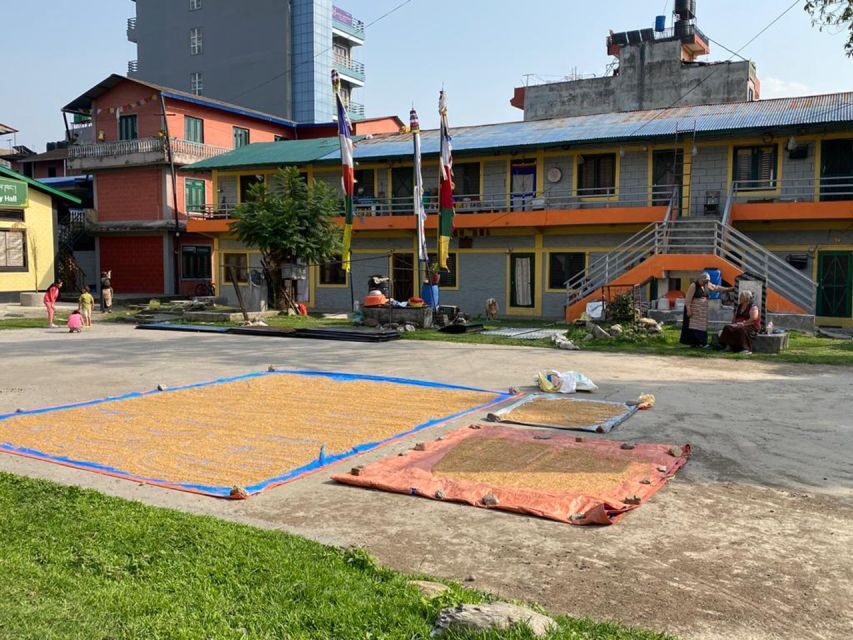
- Two Tibetan refugee settlements near Pokhara to compare how community life and Buddhist traditions continue in exile
- Mr. Thupten Gyatso’s storytelling that connects symbols, daily routine, and survival in Nepal
- Carpet workshop + showroom so you understand the handwork behind Tibetan rug designs
- A Tibetan doctor visit with pulse reading plus the option to buy medicines if you want
- Monastery prayer chanting and instrument sound paired with Q&A with monks
- Salted butter tea, tsampa, and family-home snacks so you taste Tibetan food the way locals do
8 Hours in Pokhara: What the Timing and Small Group Feel Like
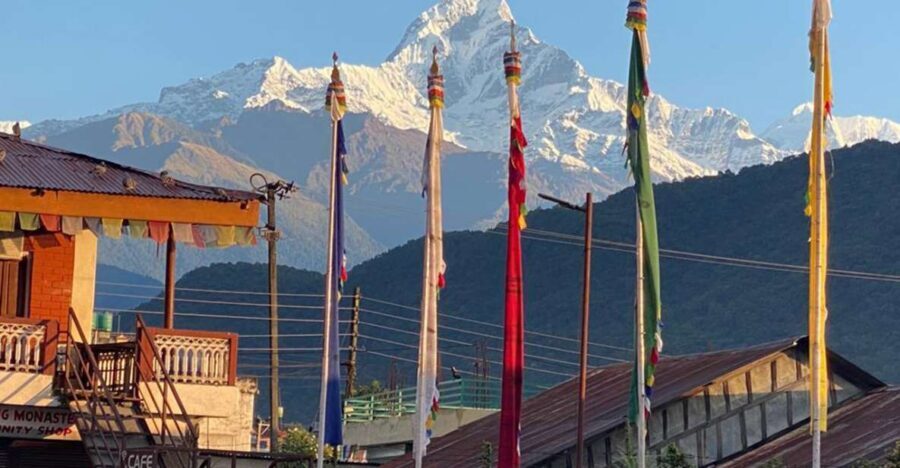
This is an 8-hour small-group tour (limited to 8 people) that starts with a pickup around Lakeside in Pokhara. That matters because the schedule is tight: you’re moving between settlements, monasteries, and workshops, with short stops designed for learning and conversation—not just photos.
The day also has a very clear flow: you begin with Tibetan settlement life, move into monastery learning and group chanting, then circle back through crafts (carpets) and traditional medicine (the doctor), and finish with Tibetan tea and snacks at a local family home. If you like structured experiences where each stop explains the next one, you’ll probably enjoy this format.
One small “gotcha”: if your hotel isn’t in the lakeside area, there’s an additional transportation fee based on location. It’s not a deal-breaker, but check it early so there are no surprises.
Other Tibetan settlement and cultural tours in Pokhara
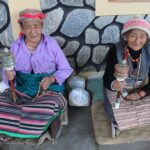
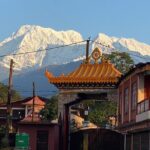
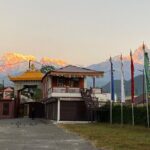
Tashiling Tibetan Settlement: First Contact With Daily Life, Tea, and Lunch
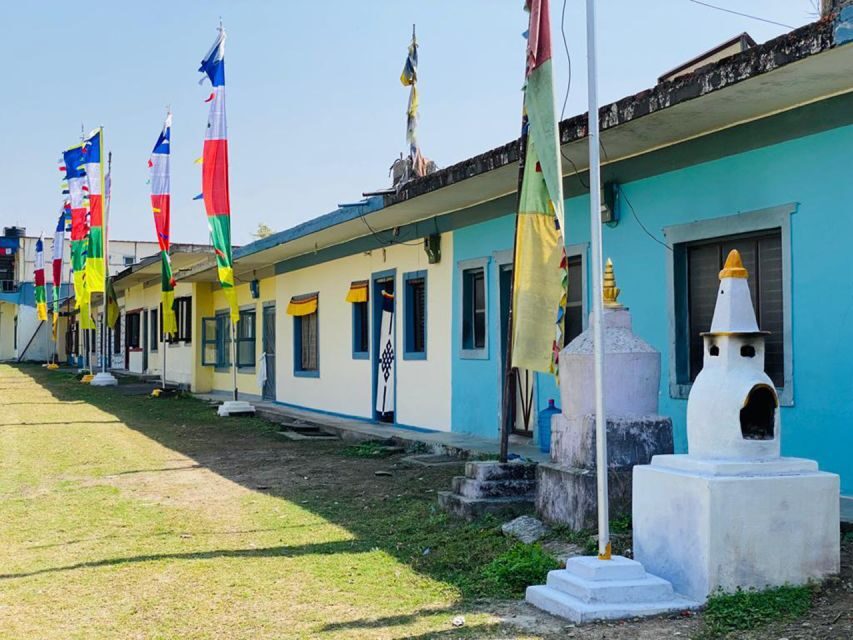
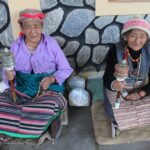
Your first major stop is Tashiling Tibetan settlement. Expect a mix of photo stops and a guided walk, plus a food break (the itinerary includes coffee, tea, and lunch here). This is a great place to get oriented because you’re stepping into the rhythm of Tibetan community life in Nepal—everyday routine, local hospitality, and the kinds of places that make culture feel lived-in rather than staged.
A big part of the value here is how the guide connects what you’re seeing to meaning. You’re not just looking at buildings and people. You’re learning how religious symbols show up in ordinary life, and how a refugee settlement can still function like a community with schools, monastic ties, and shared traditions.
If you’re someone who gets impatient with long “transport + photo stop” days, you’ll likely appreciate that this first stop has both walking time and food.
Pema Ts’al Sakya Monastic Institute: Signs, Symbols, and the Logic of Prayer
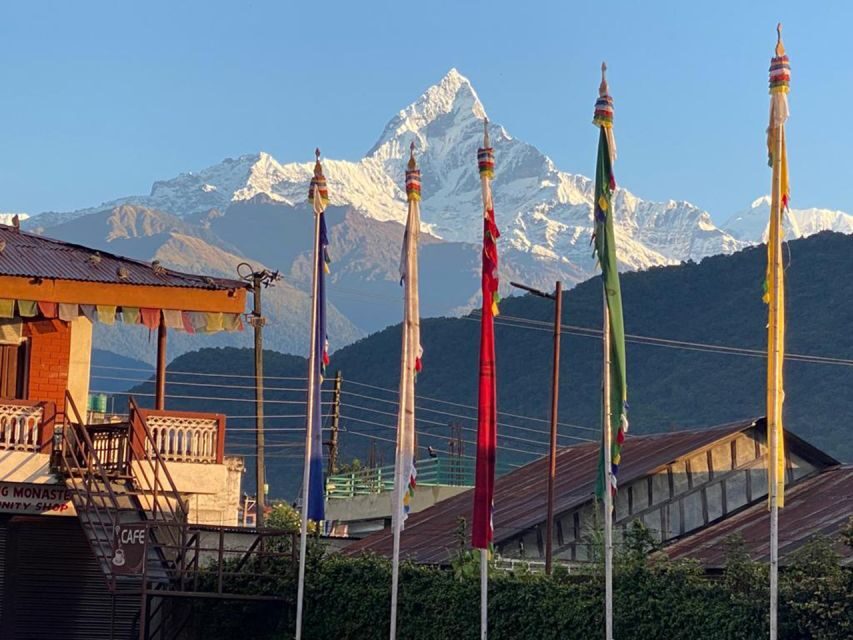
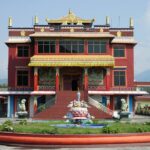
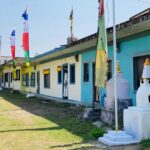
Next you visit Pema Ts’al Sakya Monastic Institute. The focus shifts from settlement life into monastic structure, with sightseeing and guided interpretation. This is one of those stops where your understanding changes quickly, because the guide teaches you what you’re seeing—especially Buddhist signs and symbols that show up in everyday practice.
You’ll likely notice how symbols work like a language. Prayer wheels, prayer flags, and stupas aren’t decorative; they’re part of daily thought and daily action. When you understand the “why,” the place stops looking like just another monastery and starts making sense as a system of belief and routine.
Also, monastery stops are typically calmer than settlements, so you get a mental reset before the next busier phase of the day.
Hemja Refugee Camp: Seeing Community Life Close-Up
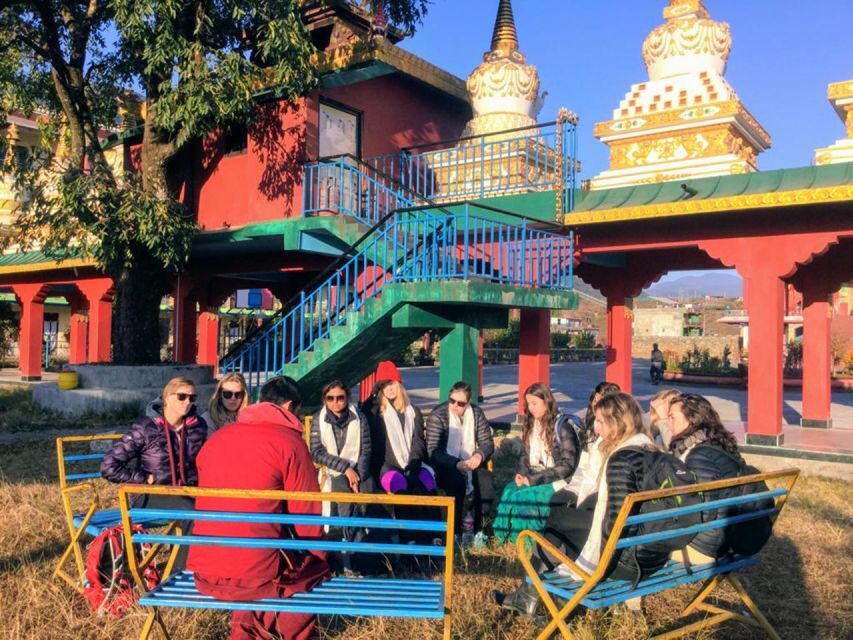
After the institute, you head to the Tibetan Refugee Camp Hemja area for more walking, tea, and local snacks. The day doesn’t turn into one long lecture either. This stop includes food tasting and conversation time, which helps you absorb what settlement life means in real terms.
Hemja is where the emotional weight of the day becomes clearer. Even without any dramatic “tour” style, the camp context explains why people protect language, identity, and Buddhist practice so carefully. This is also the point where you start seeing how refugees rebuild community life in Nepal, step by step.
If you come into this tour expecting a “cute cultural stop,” Hemja gently corrects that. You see the normal texture of life, and you also understand the bigger story behind it.
Carpet Workshop and Showroom: Hand-Made Work Behind the Patterns
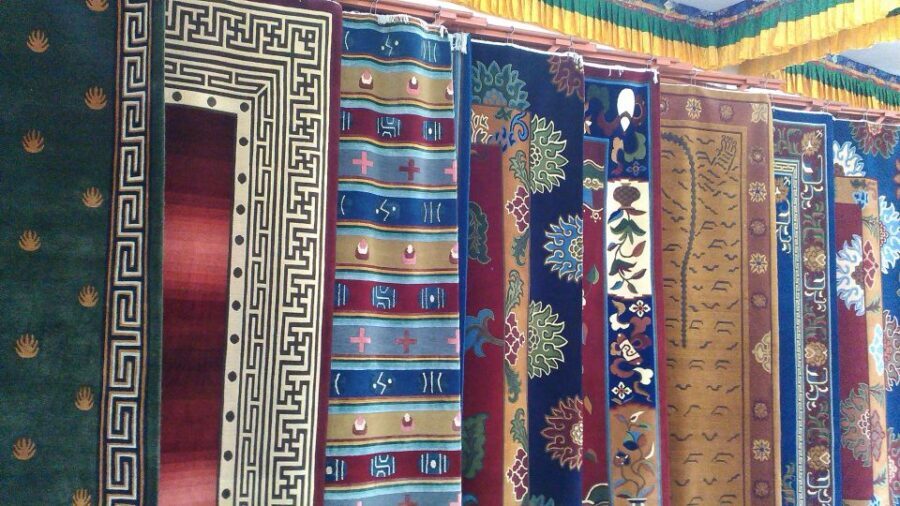
Then comes one of the most practical parts of the tour: Tibetan carpet making, starting with a carpet workshop and continuing into a carpet showroom.
Here’s what I like about this approach: you get the technical part (how carpets are made by hand), then you get the visual part (a showroom full of designs and colors). The workshop gives you the “how,” and the showroom lets you notice differences you’d otherwise miss.
Carpet design in Tibet often carries meaning through color choices and pattern structure. The tour doesn’t just sell rugs; it teaches you how to look. That’s important because otherwise you’re left with pretty pictures and no context. With the workshop explanation in place, you can start asking better questions, like what makes a design distinct and why certain colors show up.
If you enjoy crafts, weaving, or quality materials, this section alone can make the day feel worth it.
Other historical tours in Pokhara
Meet a Tibetan Doctor: Pulse Reading and Traditional Medicine in Action
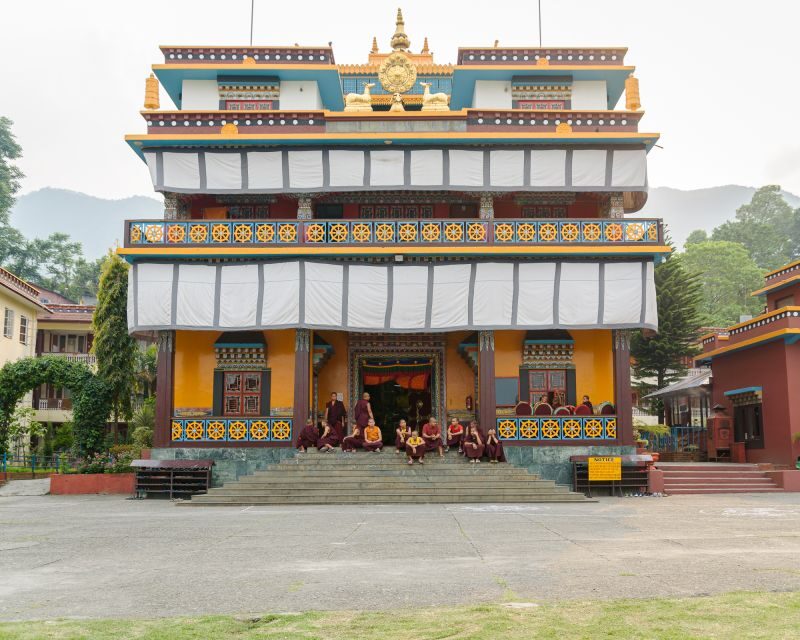
One of the most praised parts of this experience is the medical stop. You’ll visit a Tibetan medical center, and the doctor consultation is included, including pulse reading.
This is not a “massage-and-a-smile” wellness stop. It’s presented as part of the Tibetan medical system: diagnosis starts with the body’s signals, then moves into treatment recommendations. If you’re curious about how traditional systems work, this visit gives you direct access—enough to ask questions and understand the approach.
If you want medicine afterward, you can purchase it separately. That keeps the consultation itself straightforward, but it also means you should be ready for optional add-on costs if you decide to follow the doctor’s advice.
For me, the best value here is that you’re not just hearing about medicine in general. You’re sitting in front of a practitioner and seeing how diagnosis begins.
Monasteries, Instruments, and Afternoon Prayer Chanting
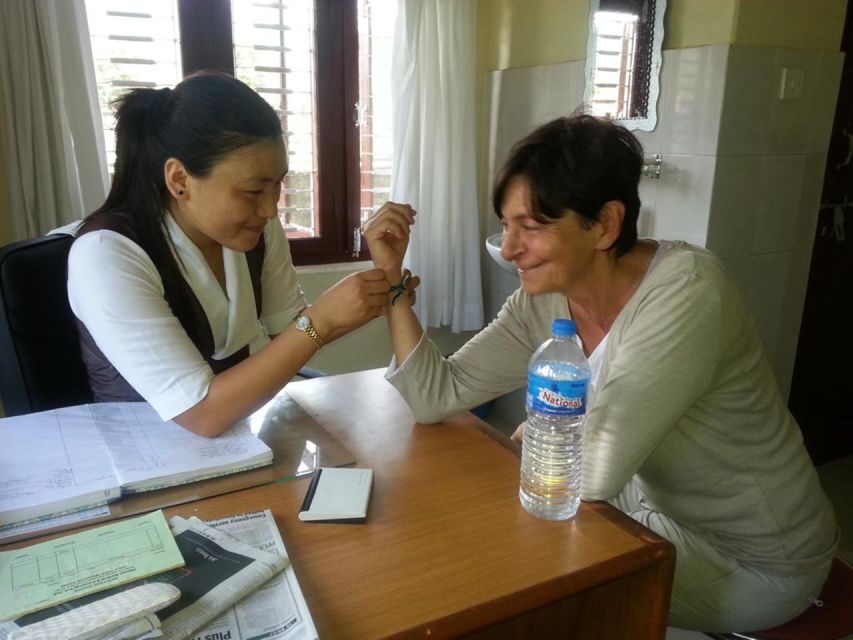
After the medical and craft stops, the day brings you back into monastery time. You’ll visit a monastery to learn about monks’ lives and to understand the significance of Buddhist signs and symbols. You also have the chance to talk with a Buddhist monk, including conversation time that supports real Q&A.
Then comes the centerpiece for religious atmosphere: afternoon group prayer chanting. You’ll hear the sound of different instruments used during the ceremony. That detail matters because it’s not just chanting as a concept; it’s sound as a physical experience in the space.
If you’re worried that chanting might feel like something you can’t understand, don’t. This tour is set up so the guide connects what’s happening with meaning, and you can ask questions rather than simply watch and guess.
This is also a strong moment for anyone who likes learning directly from people rather than reading about them later. The conversation aspect turns a “viewing” into a meeting.
Tibetan Lunch, Momos, Thenthuk, and Tea You’ll Actually Remember
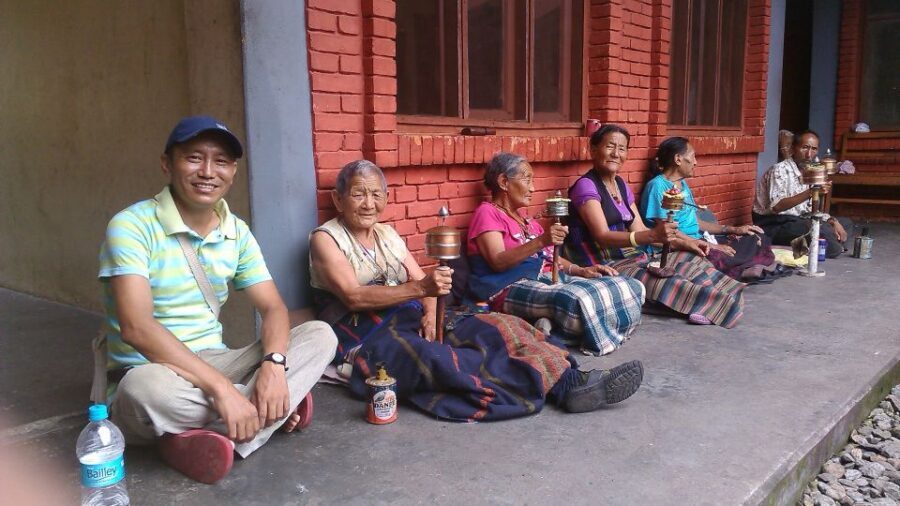
Food is a real part of this itinerary, not an afterthought. You’ll have an afternoon lunch with Tibetan options, including momos and thenthuk (a nourishing soup made with freshly kneaded dough, meat, and vegetables). The tour also notes both vegetarian and non-vegetarian options.
The guide also explains Tibetan cuisine and how it fits daily life in the refugee settlements. That connection makes the meal more than just fuel. You start to understand what people eat and why, and how hospitality works in community spaces.
Then there’s the tea side. You’ll experience authentic Tibetan tea as an afternoon snack at a local Tibetan family home. Expect salted butter tea, tsampa (roasted barley flour), and Tibetan bread with options like honey, butter, and peanut butter.
If you’ve never tried salted butter tea, it can be surprising in the best way. It tastes like tea plus something salty and creamy, and it’s a great example of how Tibetan food supports energy and warmth in daily life.
Price and Value: Is $82 a Good Deal for This Day?
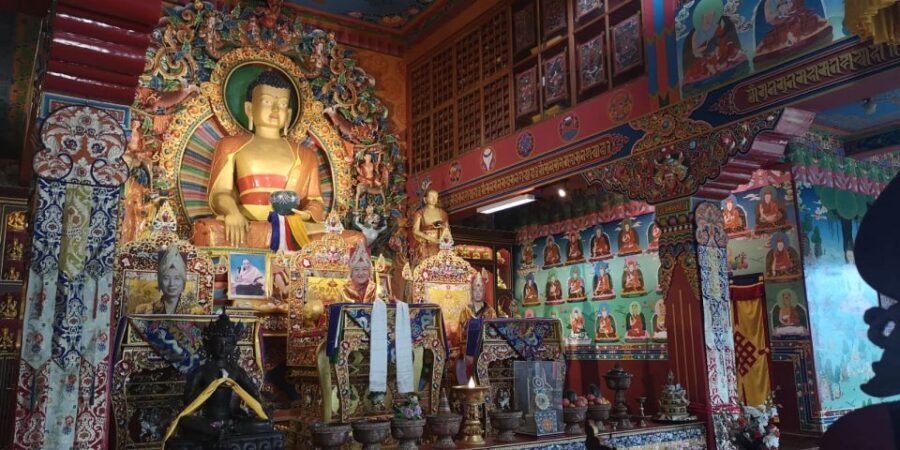
At $82 per person for an 8-hour day, the value depends on what you want from the day.
If your goal is a “just show me the sights” itinerary, $82 can feel high. But if you want a day where you learn from multiple angles—two Tibetan refugee settlements, monastery time with chanting and conversation, carpet making, and a Tibetan doctor consultation with pulse reading—the price starts to make sense.
This tour also includes pickup and drop-off around Lakeside, mineral water, fresh juice, tea, and coffee. And because it’s a small group (max 8), you’re not lost in a crowd during Q&A moments or craft explanations.
The only cost item you should watch is the extra transportation fee if your hotel is outside the lakeside area. If you’re staying central near Lakeside, you’re in the sweet spot.
Who This Tour Fits Best (and Who Should Skip It)
This is a good match if you want a culture-and-people day in Pokhara, with real conversations rather than only looking from a distance. It’s especially suitable for adults and curious travelers who like religion explained with context, crafts taught step by step, and traditional medicine presented as a system with practitioners behind it.
It’s not suitable for wheelchair users, and it’s not meant for children under 2. Also, because it’s an 8-hour schedule with multiple walks and multiple stops, it’s best if you’re okay with a full day plan.
Should You Book This Tibetan Cultural Tour from Pokhara?
I’d book it if you’re the type who wants more than a photo route. The combination is what makes it strong: refugee settlement life, monastery learning with chanting and instrument sound, a guided carpet workshop and showroom, and a doctor consultation with pulse reading. That’s a lot of “real access” for one day.
Skip it if you’re seeking a relaxed day with minimal walking and no structured schedule. Also skip if the idea of visiting a medical consultation doesn’t appeal to you, because that part is a genuine featured stop.
If you’re in Pokhara and you want a day that helps you understand Tibetan culture and community life in Nepal—not just see it—this one is a solid choice.
FAQ
What is the duration of the Full Day Tibetan Cultural Tour?
The tour lasts 8 hours.
Is pickup included?
Pickup and drop-off are included around the Lakeside area in Pokhara. There’s an additional transportation fee if your hotel is outside Lakeside.
How big is the group?
The tour is a small group with a limit of 8 participants.
What language is the tour guide?
The live tour guide speaks English.
What are the main places you visit?
You visit two different Tibetan refugee settlements near Pokhara Valley, a monastery for monk life and Buddhist symbols, a carpet workshop and carpet showroom, and a Tibetan medical center.
Is the Tibetan doctor consultation included?
Yes. The consultation is included and includes pulse reading. If you want medicines, those can be purchased separately.
What food do you eat during the day?
You’ll have Tibetan food for lunch, and you’ll also taste Tibetan snacks and tea. Options include vegetarian and non-vegetarian meals.
What Tibetan items might I try?
The tour includes tasting salted butter tea and tsampa, and it also includes Tibetan lunch items such as momos and thenthuk (as described in the tour information).
Is the tour wheelchair accessible?
No. The tour is not suitable for wheelchair users.