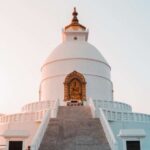
REVIEW · POKHARA
Morning Tibetan cultural tour to Tibetan settlements Pokhara
Book on Viator →Operated by The Tibetan Encounter Day Tours P. Ltd · Bookable on Viator
Tibetan culture starts before sunrise. This morning tour in Pokhara takes you into Tibetan Buddhist spaces and nearby settlements, with Mr. Thupten Gyatso guiding the story of religion, refugee life, and everyday culture. I especially like the small-group feel (up to 15 people, so you can actually ask questions) and the built-in food stop with momos and thukpa for lunch. The main catch is the early 5:30 a.m. departure and the long morning—expect 8 to 9 hours.
You’ll move through multiple sites that are all about symbols, study, and community life: a monastery visit, time with a Tibetan family, and stops at monastic institutes where a young monk is ready to talk. If you’re hoping for a laid-back sightseeing stroll only, you may find the schedule packed and the village portion lasts a while.
On the logistics side, this is one of the easier tours to say yes to. Hotel transfers are included, admission at each stop is free, and you’re covered for different diets (vegetarian, non-vegetarian, and gluten-free). It also runs in all weather, so dress for early hours—not just for midday warmth.
In This Review
- Key things to know before you go
- Why a 5:30 a.m. start works for Tibetan culture in Pokhara
- Your guide, Mr. Thupten Gyatso, and what small-group time buys you
- Jangchub Choeling Tibetan Buddhist Monastery: symbols you’ll understand more clearly
- Tashi Palkhel Tibetan Settlement: breakfast with a Tibetan family
- Pema Ts’al Sakya Monastic Institute: ask a monk, not just read signs
- Shree Gaden Dhargay Ling Monastery: prayer wheels, flags, stupas
- Tashi Ling Tibetan Village: a longer look at daily rhythm and schools
- Food, lunch timing, and dietary options that actually help
- Price and logistics: what $85 buys you in real value
- Who this tour suits best (and who should skip it)
- Should you book the Morning Tibetan Cultural Tour to Tibetan settlements Pokhara?
- FAQ
- What time does the tour start?
- How long is the tour?
- What is the maximum group size?
- Are admission fees included?
- What meals are included, and can you accommodate dietary needs?
- Is hotel pickup or transfers included?
- What is the cancellation policy?
Key things to know before you go
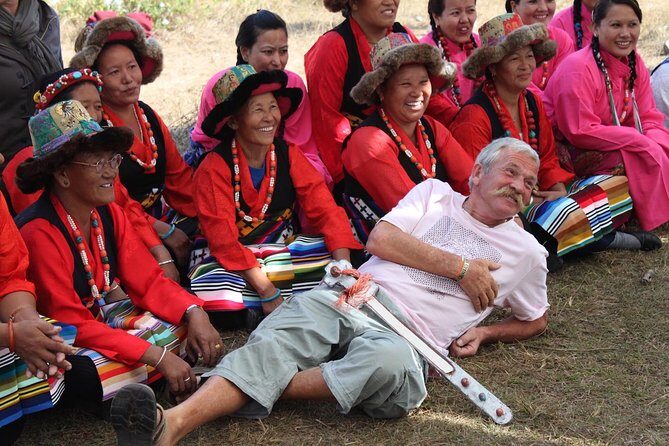
- Up to 15 people means more conversation with Mr. Thupten Gyatso and less waiting around
- Free entry at every listed stop keeps your budget predictable
- Family food time includes a Tibetan breakfast experience at a local home
- Monastery talks you can ask about at the Pema Ts’al Sakya and other sites
- Lunch is part of the plan, including momos and thukpa
- All-weather operation with a long morning schedule (8–9 hours)
Why a 5:30 a.m. start works for Tibetan culture in Pokhara
This tour starts early—05:30 a.m.—and that’s not a random gimmick. Morning light makes monasteries feel quieter and more focused, and it fits the rhythm of religious and community life. You’re not just passing through; you’re meeting people and learning what daily faith looks like, not just what it looks like in photos.
Also, that early start helps with the pacing. With 5 stops spread across monasteries, settlements, and a village area, you’ll want your energy in the first part of the day. If you prefer starting after breakfast, this one may feel like effort. But if you’re the type who enjoys mornings and wants your sightseeing to include real conversations, it’s a smart way to use your limited time in Pokhara.
And yes: you’ll get fed. The tour plan explicitly includes momos and thukpa for lunch, plus a Tibetan home breakfast experience. That matters because a long morning with no meals tends to turn cultural visits into “survive the day” mode. Here, food is built into the flow.
Other Tibetan settlement and cultural tours in Pokhara
Your guide, Mr. Thupten Gyatso, and what small-group time buys you
The tour is led by Mr. Thupten Gyatso, a local Tibetan guide, and that’s a big part of the value. When you’re learning about Tibetan culture and Buddhism, the details matter: what symbols mean, why practices look the way they do, and how tradition continues in contemporary Nepal. Mr. Thupten’s role isn’t just to point at buildings—it’s to connect religion to refugee life and day-to-day living.
Because the group maximum is 15, you’re not stuck listening from the back row. You’ll have time to ask questions, especially at the monastery and institute stops where meeting monks and residents is part of the program. In a bigger crowd, those moments can turn into a quick look and a hurried walk. In a smaller group, you can slow down for the questions that you actually care about.
The tour also uses a mobile ticket, and it includes group discounts if you’re traveling with others. If you’re planning with friends or family, that’s a practical way to lower the per-person cost without giving up the guided experience.
Jangchub Choeling Tibetan Buddhist Monastery: symbols you’ll understand more clearly
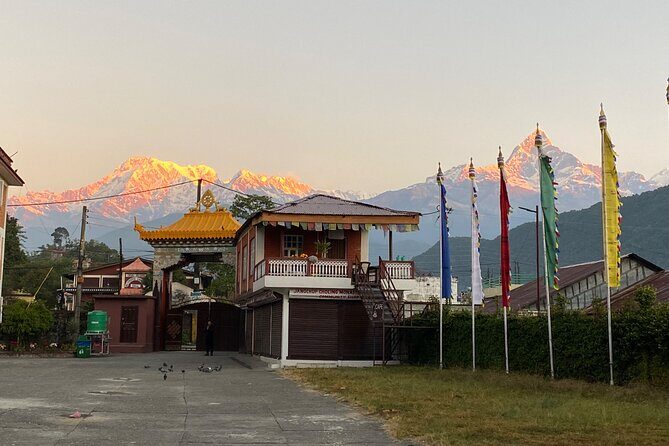
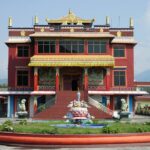
Stop one is Jangchub Choeling Tibetan Buddhist Monastery for about an hour. This is where the tour sets its tone: Buddhist practice isn’t treated as a museum topic. Instead, you get a chance to understand culture and religion as lived systems—beliefs expressed through daily actions, community routines, and visible forms like prayers and sacred spaces.
One of the most useful things you’ll likely notice in a monastery setting is how much “meaning” is built into objects and layout. This tour later turns toward symbols like prayer wheels, prayer flags, and stupas, but starting here helps your brain connect those items to purpose. If you arrive thinking of Buddhism only as teachings, you’ll likely leave seeing how practice shows up physically and socially.
Admission here is listed as free, so you’re not paying extra just to get into the spaces. That helps the tour feel efficient: you’re buying guidance and access, not stacking entrance fees.
Practical tip: monasteries often mean you’ll spend time standing or walking at a calm pace. Wear shoes that can handle uneven ground, and keep a layer handy for early starts, especially because the tour runs in all weather.
Tashi Palkhel Tibetan Settlement: breakfast with a Tibetan family
One of the strongest parts of this experience is stop two at Tashi Palkhel Tibetan Settlement. After the monastery introduction, this home-and-community stop shifts the focus to people: how they live, how they explain their culture, and how food fits into the day.
You get a Tibetan breakfast experience and time visiting a local family. That’s not just a photo moment. A home visit can be the quickest way to learn what outsiders often miss—how traditions show up in ordinary routines. You also get a taste of Tibetan food, which is a friendly entry point into culture. Food conversations tend to flow naturally, and it’s a great way to build context before you move into the monastic sites.
This stop also works well if you care about refugee life in Nepal. The tour overview frames the morning as a way to learn about Tibetan history and contemporary life in Pokhara, so the settlement visit is where that framing becomes real.
One consideration: home visits and family interactions can take time and may involve more walking or waiting than temple-only stops. If you’re tired from the early departure, pace yourself. Bring water if you can, and use your questions early—you’ll likely get better conversations when you’re not rushing.
Pema Ts’al Sakya Monastic Institute: ask a monk, not just read signs
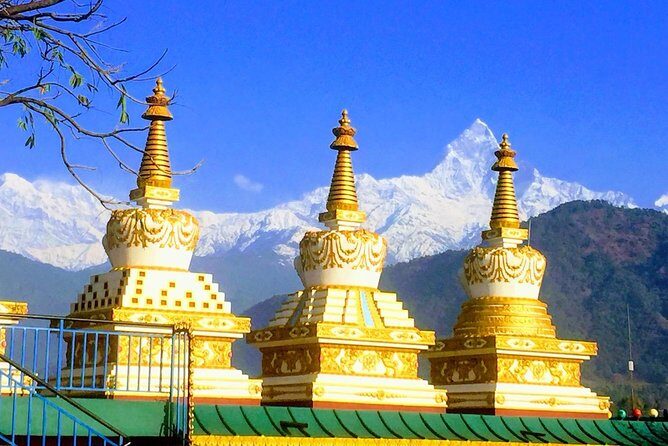
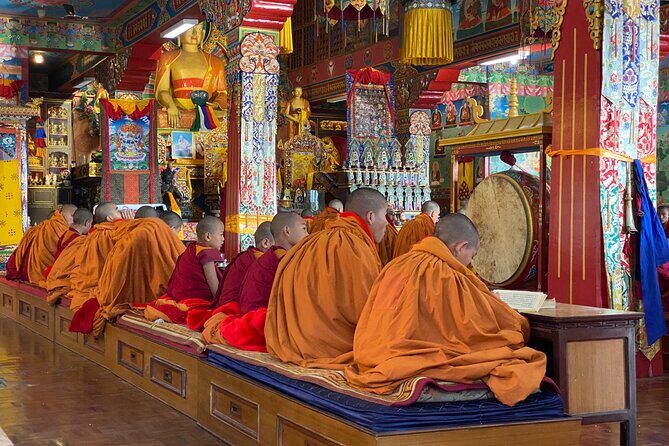
Stop three is Pema Ts’al Sakya Monastic Institute, again for about an hour. Here you’re visiting a Buddhist monastery where you’ll meet with a young monk who’s ready to share insights into monastic life and education.
This is the part of the tour that can turn curiosity into understanding fast. In many places, visitors end up looking at rules and prayer styles without being sure what any of it means. Meeting a monk changes the tone. You can ask questions and hear answers framed by someone living the routine, not someone summarizing it for tourists.
The practical payoff is clarity. Even if you already know a few basics about Tibetan Buddhism, hearing how education and monastic life work in this setting can make the topic feel less abstract. And because it’s on a schedule with other stops, you’re not stuck for hours in one place—your learning is spread across different community settings.
Admission is listed as free, so again, your money goes to the guided experience rather than paying for separate access points.
Tip for your questions: ask about daily study routines, why certain symbols are used, or what visitors often misunderstand. Those are the kinds of questions that tend to get real answers in a structured visit like this.
Other historical tours in Pokhara
Shree Gaden Dhargay Ling Monastery: prayer wheels, flags, stupas

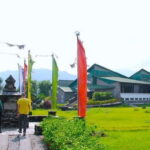
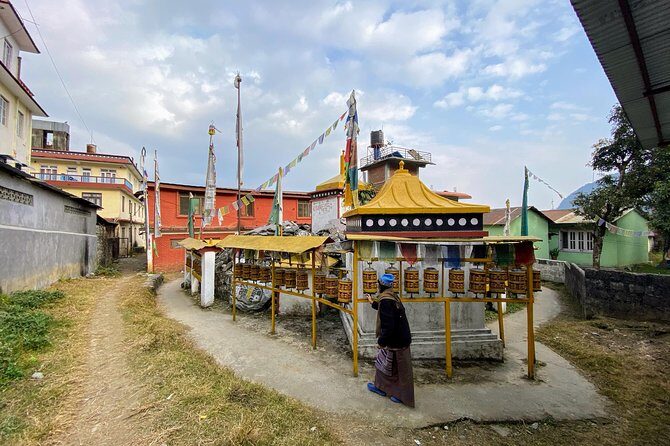
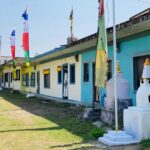
Stop four is Shree Gaden Dhargay Ling Monastery for roughly 45 minutes. This section is designed to make Buddhist signs and symbols more readable in your mind. You’ll learn the meanings of items that are so common in Tibetan Buddhist daily life—things like prayer wheels, prayer flags, and stupas.
This is a smart mid-morning move. After the settlement experience and the institute meeting, symbol-based learning helps you connect the dots. You’ve seen community life; you’ve heard about monastic education; now you’re getting a “translation layer” for what you might otherwise treat as decorative.
Also, because the time here is shorter, it’s easier to stay focused. You don’t need a long attention span to benefit—you just need to stay curious. If you’re the type who normally zooms through religious sites, this stop may slow you down in a good way.
Free admission keeps it low friction. The bigger value is interpretation: understanding what you’re seeing and why locals pay attention to those details every day.
Tashi Ling Tibetan Village: a longer look at daily rhythm and schools
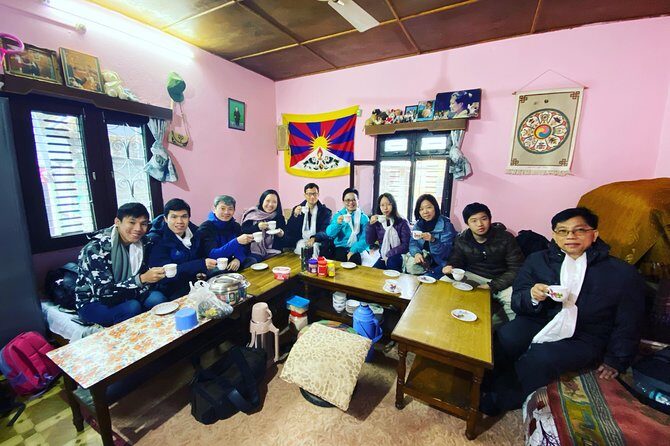
Stop five is Tashi Ling Tibetan Village with about a 4-hour block on the plan. This is the longest stop and it shifts into daily life. You’ll walk around the village to see how people live their day-to-day routines, and you’ll explore Tibetan schools as part of the program.
A longer village segment is good for two reasons. First, it gives time for you to absorb what life looks like without constant “next stop” pressure. Second, schools can be an especially meaningful window into how culture continues across generations—education isn’t just classrooms here; it’s identity, language, and continuity.
The schedule here also suggests a shift from pure viewing into doing: walking around, watching normal activities, and asking questions in a more informal setting. If you enjoy “slow looking” rather than quick photo stops, you’ll probably appreciate this final portion.
The main drawback of a 4-hour village block is physical. Even if the walking is gentle, you’re still in “morning on your feet” territory. Wear comfortable shoes and bring something simple like a light snack if you’re the type who gets hungry between activities—although the tour does include lunch, so you’re not completely on your own.
Food, lunch timing, and dietary options that actually help
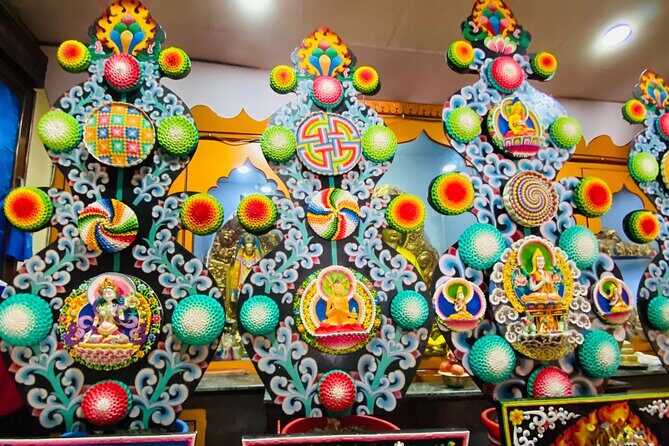
Food is not an afterthought on this tour. Highlights specifically call out momos and thukpa for lunch, and the itinerary includes a Tibetan family breakfast experience. For many culture tours, meals are either vague or require you to hunt something down. Here, eating is part of the schedule.
Dietary flexibility is also stated: the tour serves vegetarian and non-vegetarian food and supports gluten-free needs. That matters because Tibetan food can include ingredients that not everyone tolerates the same way. If you’ve ever had to guess at meals during tours, the explicit options are a relief.
Practical idea: if you have strong dietary needs, you’ll want to communicate them when booking so the team can prepare appropriately. The tour info says you can request gluten-free, so use that advantage early.
Also, because this is a morning tour that lasts 8 to 9 hours, plan to treat meals as anchors. Eat what’s offered, and use the guided meals to ask questions like what you’re eating and when it’s served back home. That turns dinner-table talk into learning.
Price and logistics: what $85 buys you in real value
At $85 per person, this isn’t the cheapest option on Pokhara’s board, but it’s also not an inflated price for what’s included. Here’s why it can feel like good value:
- Long guided coverage (8–9 hours) across multiple meaningful sites
- Hotel transfers included, so you’re not paying for separate transport or wasting time figuring out pickups
- Admissions are free at each listed stop
- Small group size (max 15) keeps the experience personal
- Lunch and key food moments are included, including momos and thukpa
There’s also the timing advantage: it’s typically booked about 32 days in advance on average. If you want a specific date, don’t wait too long, especially during busy seasons.
One more practical point: the tour uses a mobile ticket, which usually means less paperwork stress. And with pickup offered and the itinerary starting at 05:30 a.m., having transfers arranged for you is the difference between enjoying the morning and rushing around.
If you’re doing a tight Pokhara schedule and want one morning that gives both culture and conversation, $85 starts to look reasonable. If you prefer self-guided temples and you’re comfortable figuring out local contacts yourself, then the value depends on how much you want the guide’s interpretation. For many people, the guide is the main product here.
Who this tour suits best (and who should skip it)
This tour fits best if you want culture with context, not culture as a checklist. You’ll likely enjoy it if you:
- care about Tibetan Buddhism and want to understand symbols and education
- like meeting people and seeing how traditions continue in Nepal
- prefer a small group where questions are welcome
- appreciate food that’s part of the cultural story (breakfast and lunch)
It may be less ideal if you:
- hate early starts and long mornings
- prefer only free-time sightseeing with no structured schedule
- want a short, mostly seated experience rather than walking and village time
If you’re traveling as a couple, a friend group, or with anyone who appreciates guided interpretation, this is a strong fit. For solo travelers, the small group can feel welcoming without being crowded.
Should you book the Morning Tibetan Cultural Tour to Tibetan settlements Pokhara?
If you want one morning in Pokhara that connects monasteries, settlements, and real daily life, I’d say this is worth booking. The combination of Mr. Thupten Gyatso’s guidance, multiple religious and community stops, and included food (momos and thukpa, plus breakfast at a Tibetan home) is a rare package. It’s also hard to find many tours that keep admissions free across multiple sites.
The only real reason to hesitate is the early 05:30 a.m. start and the 8–9 hour schedule. If you can handle mornings, you’ll probably leave feeling you learned how Tibetan culture works in contemporary Nepal, not just what it looks like from the outside.
Based on the strong overall rating—5/5 with 100% recommending—this is a good sign that the tour format and guide-centered storytelling land well with most people.
FAQ
What time does the tour start?
The tour departs at 05:30 a.m. in Pokhara.
How long is the tour?
The experience runs about 8 to 9 hours.
What is the maximum group size?
The tour has a maximum of 15 travelers.
Are admission fees included?
Yes. Each listed stop notes admission ticket free.
What meals are included, and can you accommodate dietary needs?
The tour includes lunch with momos and thukpa and also includes a Tibetan breakfast experience with a local family. Vegetarian, non-vegetarian, and gluten-free food options are available.
Is hotel pickup or transfers included?
Yes. Hotel transfers/pickup are offered for your convenience.
What is the cancellation policy?
You can cancel for a full refund up to 24 hours before the experience starts. If you cancel less than 24 hours before, the amount paid is not refunded.