REVIEW · POKHARA
Day Hike at Annapurna Foothills
Book on GetYourGuide →Operated by Alliance Treks & Expedition P. Ltd · Bookable on GetYourGuide
Mountains in half a day, culture on the path. This Annapurna foothills hike is a smart way to taste the region without committing to a multi-day trek, moving from Kande → Australian Camp → Dhampus → Phedi with a professional local guide.
What I like most is how the hike is paced for first-timers (it’s listed easy to moderate, about 5 to 6 hours of walking) and how the guide turns “just a walk” into real context—people in the group talk about stories, translation, and even early timing to catch clearer mountain views. One consideration: you’re still walking a good amount, and it’s not a fit for pregnancy or mobility limits.
Key points to know before you go
- Kande to Australian Camp is the big climb, built around the best mountain payoff.
- Dhampus Village lets you see everyday Gurung culture while you walk and pause.
- The group stays small, capped at 10 people, so it feels more local than crowded.
- Your guide can help with both explanations and practical needs like lunch options in nearby villages.
- You’ll finish with a downhill walk to Phedi, where the vehicle takes you back to Pokhara.
In This Review
- Why the Annapurna foothills work so well in one day
- Pokhara lakeside to Kande: catching mountains before clouds move in
- Kande to Australian Camp: where the uphill turns worth it
- Australian Camp to Dhampus Village: Gurung culture you can actually see
- Dhampus to Phedi: the downhill finish through forest and terraced farmlands
- Your guide is the difference maker: Dipak, Deepak, and Moti
- Price and value: what $98 really covers on a day trek
- What to bring (and how to pack lightly)
- Who should go, and who should skip this day hike
- Should you book this Annapurna foothills day hike?
- FAQ
- How long is the hike?
- What is the difficulty level?
- Where do I start and end?
- Is the guide available in English?
- What’s included in the price?
- Are meals included?
Why the Annapurna foothills work so well in one day
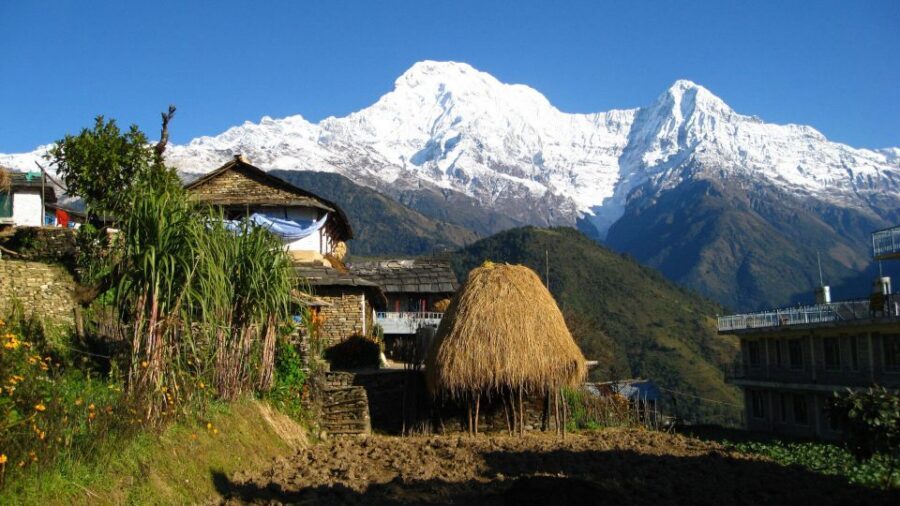
You can’t really appreciate the Annapurna region from a dashboard. The real connection comes from moving through the foothills—thick forest, farm terraces, and villages perched along ridges where the air feels cooler and the views keep changing every few minutes.
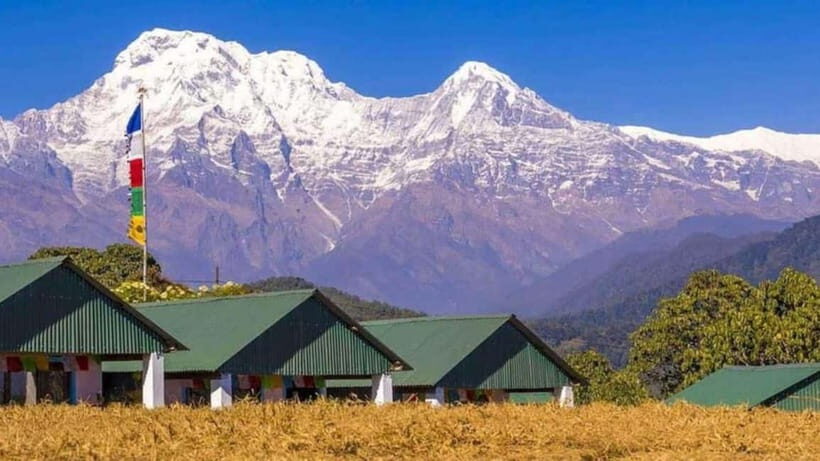
This day hike is designed for that feeling. You get Annapurna scenery and Machhapuchhre (Fishtail) views as part of the day, plus a cultural stop in a Gurung settlement. It’s also a beginner-friendly structure: you’re not being thrown into high altitude complexity, and the walking time is manageable if you’re comfortable with a steady pace.
The best part for me is the “variety for effort” ratio. You climb, you reach a viewpoint, you explore a village, then you descend through farmland and forest. It’s like getting the highlights of the foothills in one continuous storyline, instead of doing just one viewpoint and calling it a day.
Pokhara lakeside to Kande: catching mountains before clouds move in
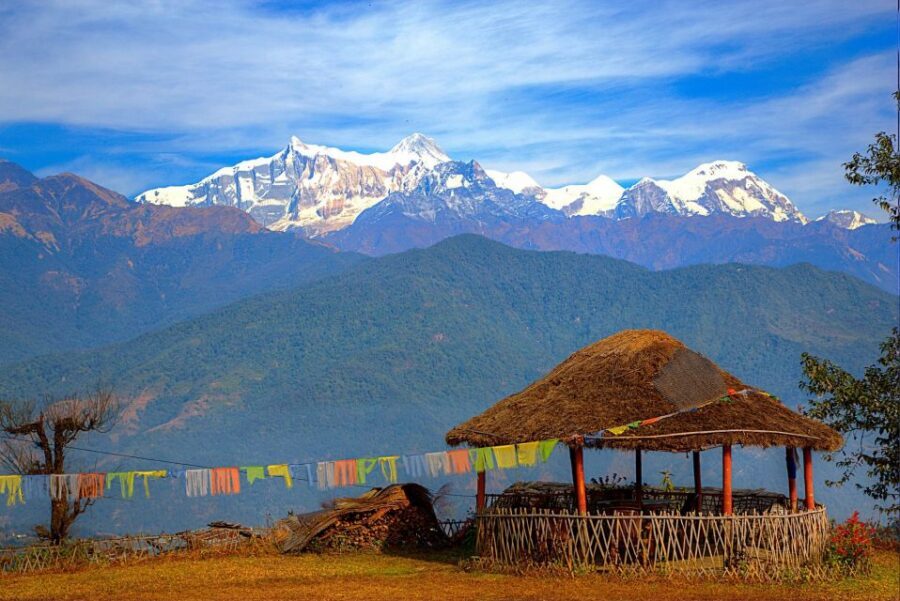
Most people start this trek from the lakeside area of Pokhara, with hotel pickup and drop-off. That matters. Instead of spending your morning hunting transport, you get placed into the plan: a drive up toward Kande, and then the walking begins.
One standout detail from guide experiences: Dipak (spelled different ways in different reports, like Dipak/Deepak) is described as arriving early so you can see the mountains before cloud cover builds. If you hate the idea of paying for views and then watching haze win, this kind of early timing is a big deal.
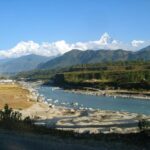
On the ride up, you’ll pass winding roads over the Pokhara Valley with panoramic views of the Annapurna region. Even if you treat the drive as “just getting there,” it helps you mentally shift from city mode to trek mode. You’re already looking at the peaks before you earn them with your legs.
Practical tip: wear your hiking clothes under a layer you can adjust. In the mornings around Pokhara, temperatures can shift quickly once you’re up on the trails.
Other Annapurna foothills day hikes in Pokhara
Kande to Australian Camp: where the uphill turns worth it
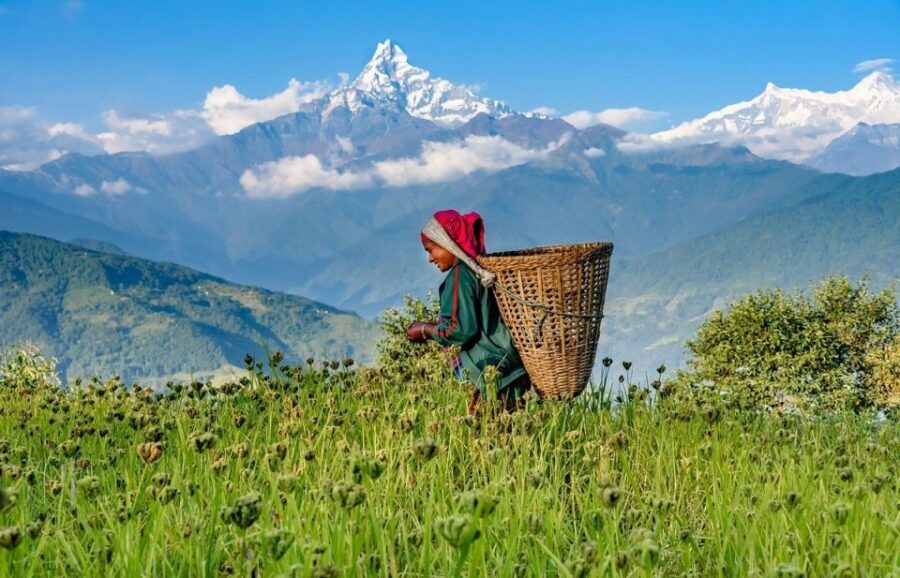
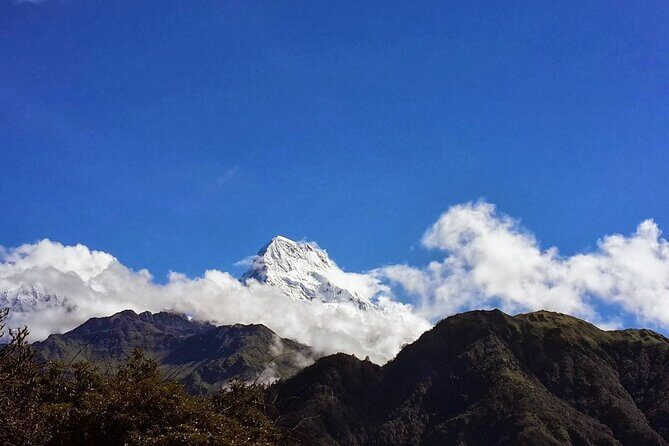
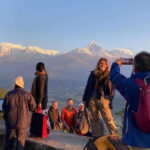
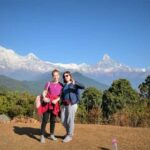
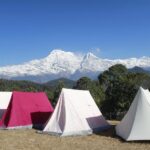
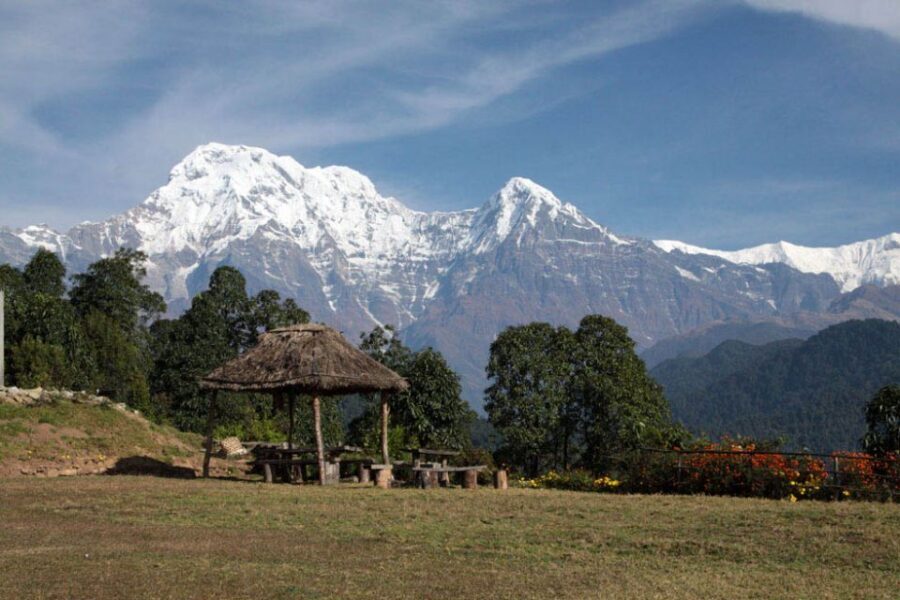
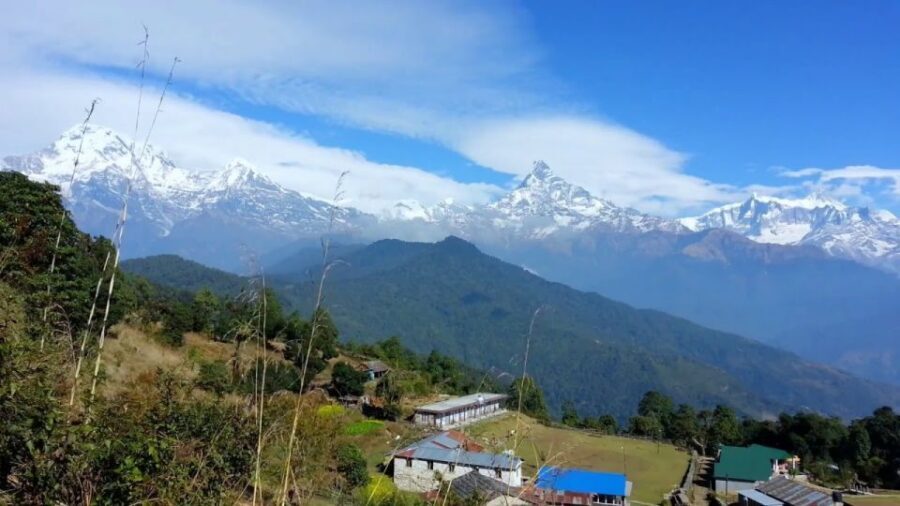
From Kande, the hike to Australian Camp is about 1.5 hours. This is the core climb of the day, and it’s set up for payoff. You’re heading toward viewpoints known for close, dramatic sightlines of Annapurna peaks and Machhapuchhre (Fishtail).
Expect a steady effort through forest and trail paths. The terrain isn’t described as technical, but it’s still a hike—so you’ll feel the incline. Reviews echo that idea: the view makes the uphill climb feel worth it, especially in clear weather. One account notes a pleasant, sunny end-of-December timeframe, which is a reminder that visibility can make or break any mountain day.
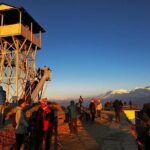
When you reach Australian Camp, slow down. People get excited and rush the photos, but the viewpoint is where your brain finally catches up with the climb. Watch for the way the ridges frame the peaks. Even in a short day, these angles can look very different from one moment to the next.
If you’re new to hiking, this is also a good “confidence builder.” You’re working hard for a defined goal, not wandering without a target.
Australian Camp to Dhampus Village: Gurung culture you can actually see
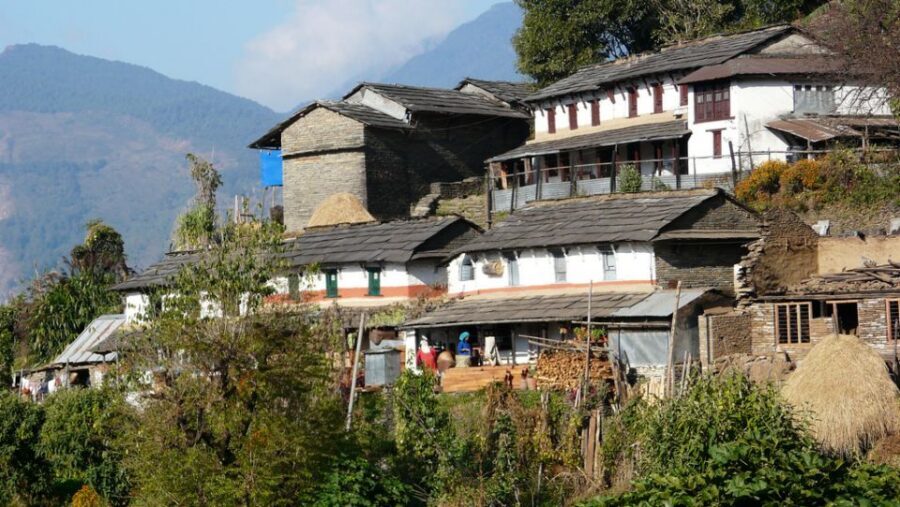
After Australian Camp, the route continues along the ridge and then transitions into a descent toward Dhampus Village, also about 1.5 hours.
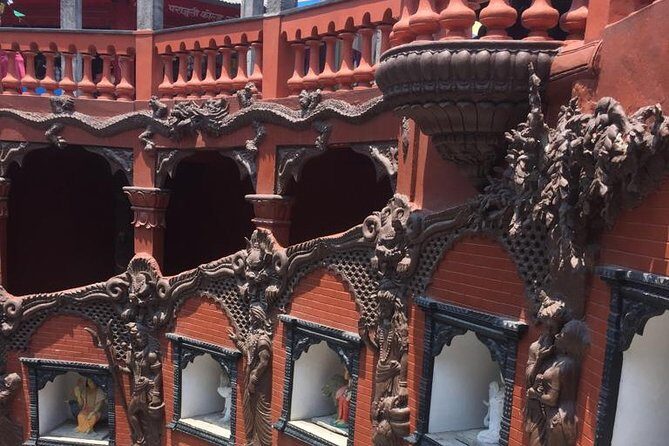
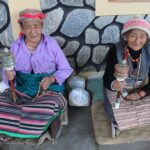
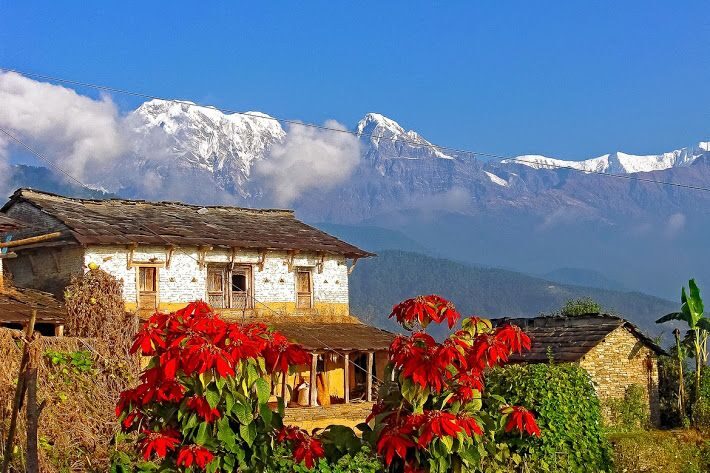
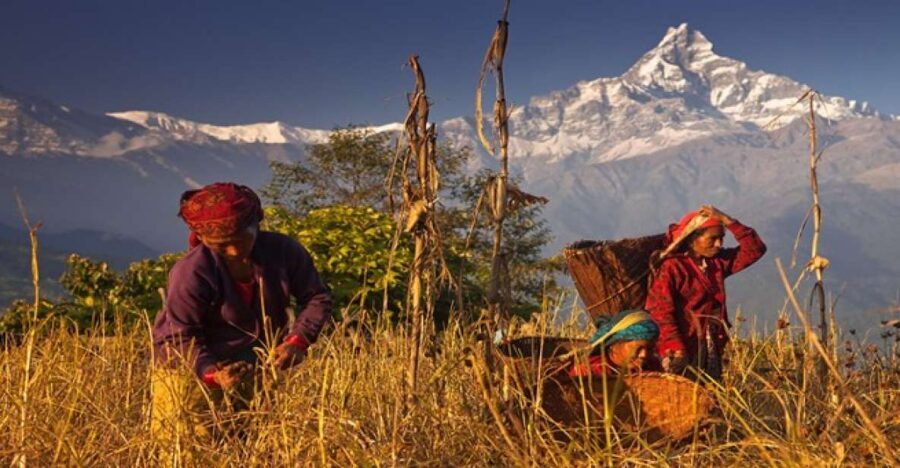
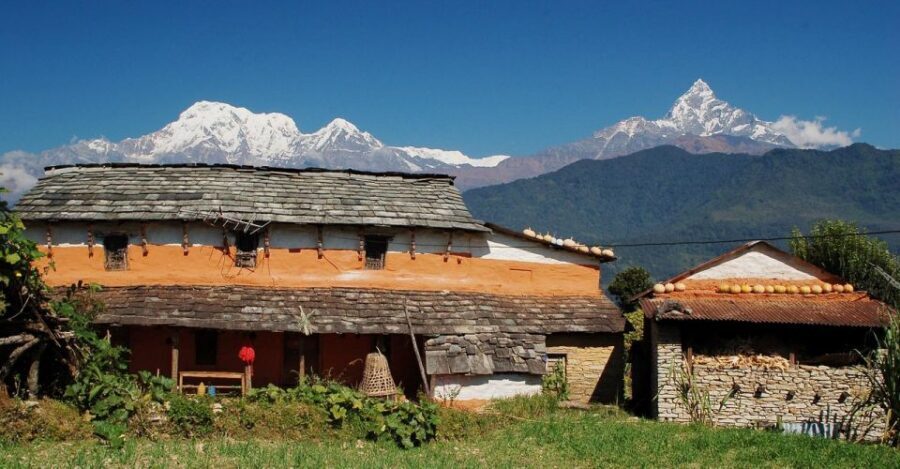
Dhampus is where the day stops being only about views. It’s a traditional Gurung settlement, and you’re there to observe village life and culture. That’s not vague. The walking route brings you through the real rhythms of the area—how people live with the mountains nearby, how the settlement sits in relation to terraced land and trail paths, and how rural Nepal feels when you’re not just speeding past on a bus.
In reviews, guides like Dipak are praised for telling stories and keeping things engaging. Another guide, Moti, is singled out for translating between locals and the group. That kind of human connection changes the village experience from sightseeing to understanding what you’re seeing.
Also, Dhampus tends to feel more grounded than the typical viewpoint stop. You’re moving through a community setting, so you’ll likely find fewer tourist vibes than you might expect from a famous trekking region. One review even describes lunch time with very few other people in the area, which can happen with small groups and good timing.
Consideration: this portion is a descent. If your knees hate downhill walking, take it slower on the slope and use steady foot placement. It’s not described as steep, but it’s still downhill for a sustained stretch.
Dhampus to Phedi: the downhill finish through forest and terraced farmlands
Once you’ve spent time in Dhampus, the day continues downhill to Phedi, roughly 2 hours.
This is where the trail environment shifts again. You walk through lush forest sections and pass terraced farmlands. Even if you’re focused on getting back, this is a satisfying segment because the scenery is less “peak-facing” and more “life on the slopes.” You’ll see how villages and fields connect to the trail system that locals use every day.
The practical payoff is clear: your vehicle waits at Phedi to drive you back to Pokhara, so you’re not ending the day with an awkward scramble for transport.
Photo tip: on the downhill, stop for wide shots only when the trail gives you a safe, stable spot to stand. Most of the action will be around you—views, motion, and the feel of moving through working farmland.
When you arrive back near Pokhara, you’ll likely feel pleasantly tired, not wrecked. That’s the value of a well-structured day hike: enough effort to feel earned, enough pacing that you can still enjoy the rest of your evening.
Your guide is the difference maker: Dipak, Deepak, and Moti
This hike runs on one big ingredient: a guide who can interpret the region. In the feedback, guides are repeatedly praised, not just for logistics, but for how they connect you to what you’re walking through.
Dipak/Deepak is described as:
- Caring and attentive, helping make the day smooth
- Highly story-driven, sharing useful explanations about Pokhara and the mountains
- Practical with timing, including coming earlier to catch clearer mountain views before clouds roll in
- A guide who helps keep the hike engaging for people who might otherwise just count steps
Moti is mentioned in another review for:
- Translation between locals and the visitor, which is huge if you want more than visual sightseeing
- Solid local knowledge about the land
- Helping with a good lunch option in a nearby village area
So what does this mean for you? It means the day is less about following a line and more about having sense made of the line. You’ll understand why the trail goes where it goes, what the viewpoints mean, and what you’re seeing in Gurung village life.
If you’re the type who likes to travel with your eyes open, this guide-led structure is a strong fit.
Other hiking tours in Pokhara
Price and value: what $98 really covers on a day trek
At $98 per person, this isn’t a bargain like an unassisted hike. But it’s also not priced like a full multi-day expedition. The value comes from what’s included.
What you get for that price:
- A professional local guide for the day hike
- A private vehicle transfer from Pokhara to Kande and from Phedi back to Pokhara
- Vehicle-related expenses
- Government taxes as applicable
What’s not included:
- Meals (breakfast, lunch, dinner)
- Personal expenses
For many travelers, the meal gap is the only real extra cost you’ll manage. And because the day includes a village stop, it’s reasonable to expect you’ll want to buy something you can eat locally—guides in reviews also mention helping with lunch arrangements in nearby villages.
If you’re comparing alternatives, think about it this way: you’re paying for (1) guide interpretation, and (2) removing the biggest friction in getting to foothill trails from Pokhara. The cost can feel easier to justify when you remember how time-consuming transfers can be on your own.
Budget thought: if lunch is important to you, set aside money for it since meals aren’t included.
What to bring (and how to pack lightly)
This walk is straightforward, but you’ll enjoy it more if you come prepared. The activity asks for:
- Comfortable shoes
- Comfortable clothes
Also, no luggage or large bags are allowed. That’s not just a rule for convenience. A light pack helps you keep your energy for the walking and keeps the group moving without awkward baggage.
A practical way to handle this:
- Bring a small daypack
- Carry water and a light layer you can adjust
- Keep valuables secure and simple to access for viewpoint stops
Also remember: the hike involves a significant amount of walking, even though the difficulty is listed as easy to moderate.
If you’re unsure what level of fitness counts as enough, use this rule of thumb: if you can comfortably walk for a few hours on uneven paths in the daylight, you’re likely in the right zone.
Who should go, and who should skip this day hike
This is a great match for:
- Nature lovers who want mountains, forests, and farmland scenery in one day
- Culture seekers who value village interaction and context in Dhampus
- First-time hikers who want a guided route with a reasonable time commitment
- People who like a small-group pace with a limit of 10 participants
It’s not a match for:
- Pregnant women
- People with mobility impairments
- People with certain medical conditions, since walking time and uneven terrain are involved
One more consideration: weather. If the mountains are hidden by cloud, you’ll still have a nice walk and village experience, but the main reason people book a foothills day hike is the view. The guide timing—like early movement to catch clearer skies—helps, but you can’t fully control weather.
Should you book this Annapurna foothills day hike?
If you want a focused Annapurna taste with mountain viewpoints plus Gurung village life, I think this is a smart booking. The route makes sense for a single day, the pacing is built for first-timers, and the guide quality seems to be the heart of the experience. When guides like Dipak/Deepak or Moti translate and explain, the day becomes more meaningful than a standard walk with a phone camera.
Book it if:
- You’re based in Pokhara and want an easy plan with hotel pickup and drop-off
- You want Annapurna and Fishtail views without trekking for days
- You’d enjoy walking in forests and terraced areas, then ending with a smooth drive back
Skip or rethink if:
- You’re not comfortable with a few hours of continuous walking
- You have mobility constraints, are pregnant, or have medical concerns that make uneven trails risky
- You’re hoping for a zero-effort sightseeing day
Bottom line: this is a well-structured day hike that trades long duration for real variety. If you show up with comfortable shoes and a flexible attitude, you’ll leave with more than photos—you’ll leave with a clearer sense of how the foothills communities relate to the peaks.
FAQ
How long is the hike?
It’s about 5 to 6 hours of walking as a one-day experience.
What is the difficulty level?
The hike is rated easy to moderate.
Where do I start and end?
You start at the Pokhara Lakeside area, with hotel pickup, and you return to your hotel after the hike.
Is the guide available in English?
Yes, the live tour guide provides English.
What’s included in the price?
The price includes a professional local guide for the day trek, private vehicle transfers between Pokhara and Kande/Phedi, vehicle related expenses, and government taxes.
Are meals included?
No. Breakfast, lunch, and dinner are not included.