REVIEW · POKHARA
Entire Day Pokhara Complete Tour
Book on Viator →Operated by Peak to Peak Tours and Treks Pvt Ltd · Bookable on Viator
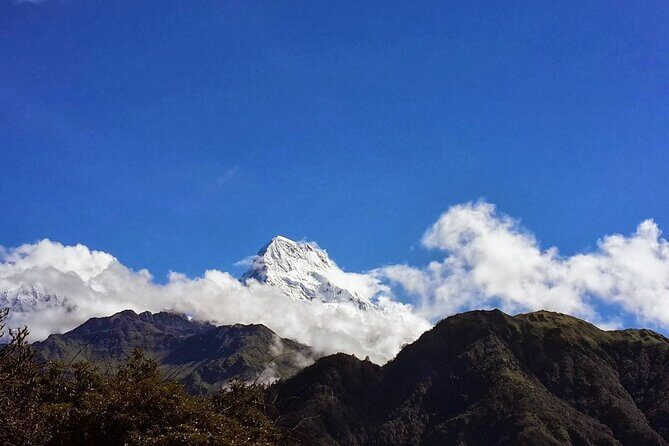
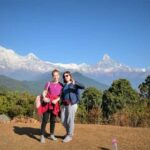
Sunrise over Annapurna starts your Pokhara day. I really liked how this tour strings together Sarangkot sunrise and top Pokhara sights without wasting time, all with a licensed guide such as Gobinda. You also get a built-in favorite-stop payoff at the International Mountain Museum, which goes beyond postcard talk.
One thing to keep in mind: if the morning is cloudy, the sunrise views may not land the way you hope. This is still a great day out, but you’re depending on the weather for the big Annapurna moment.
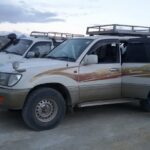
The price feels fair for what’s included: air-conditioned transport, a private setup for your group, and admission fees handled for most stops. Just plan your meals yourself since food and drinks are not included.
In This Review
- Key highlights to know before you go
- The 6–7 hour flow: what “complete” really means in Pokhara
- Sarangkot sunrise: the reason the day starts early
- Phewa Tal and Barahi Temple: lake views with a religious center
- Devi’s Fall: the water story under the city
- Gupteswar Gupha: cave stalagmites and a Shiva temple inside the drama
- International Mountain Museum: the stop that earns time
- Gorkha Museum and the Seti River: history plus how the city was carved
- Peace Stupa access road at sunset: Pokhara’s view from a temple site
- Bindhyabasini temple and Tibetan Refugee Camp: faith and community in one day
- Price and value: what you’re paying for at $114.53 per person
- Who this tour fits best
- Practical tips to make the day smoother
- Should you book the Entire Day Pokhara Complete Tour?
- FAQ
- How long is the Pokhara complete tour?
- Is pickup included?
- What are the main stops during the day?
- Are admission tickets included?
- Is food included?
- Is this tour private?
- What is the cancellation policy?
Key highlights to know before you go
- Gobinda-style guiding: friendly, attentive, and constantly checking that everything’s working for you
- Sarangkot early start: the classic Pokhara vantage aimed at seeing Annapurna range sunrise
- International Mountain Museum time: strong educational stop on Himalayas, history, and inspiration
- Cave and temple pair: Gupteswar Gupha adds ancient Shiva temple context and a dramatic water story
- Peace Stupa sunset viewpoint: a high, temple-dedicated angle over Pokhara valley and Phewa Lake
- Tibetan Refugee Camp cultural visit: a meaningful stop to see how exiled communities built life in Pokhara
The 6–7 hour flow: what “complete” really means in Pokhara
This is a full day built for variety, not for lingering. In about 6 to 7 hours, you’ll cover viewpoints, lakeside culture, caves, museums, river gorge views, and two major faith/culture stops. The big win is that you don’t have to stitch together transport or ticket logistics across half a dozen different areas.
Because it’s a private tour for your group with an air-conditioned vehicle, it also feels calmer than joining a busy public route. The guide keeps the day moving, but you’re not stuck waiting around in the same way you might on a larger group outing.
The pacing is the trade-off. You’ll get real highlights at each stop, but you won’t have a long, slow afternoon anywhere. If you want a “sit and watch the world” day, this might feel a bit scheduled. If you want a smart sampler of Pokhara, it’s a strong match.
A few more Pokhara tours and experiences worth a look
Sarangkot sunrise: the reason the day starts early
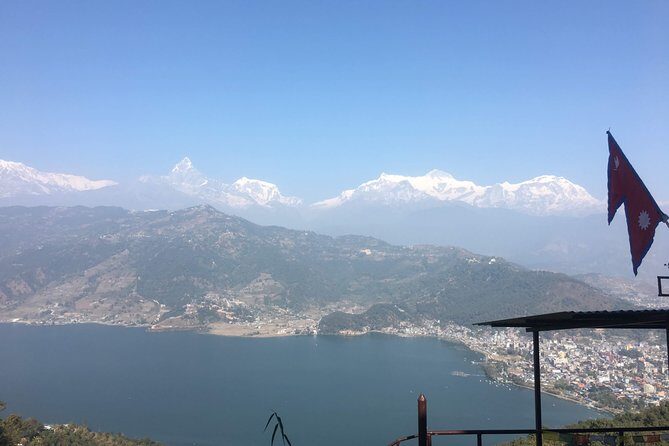
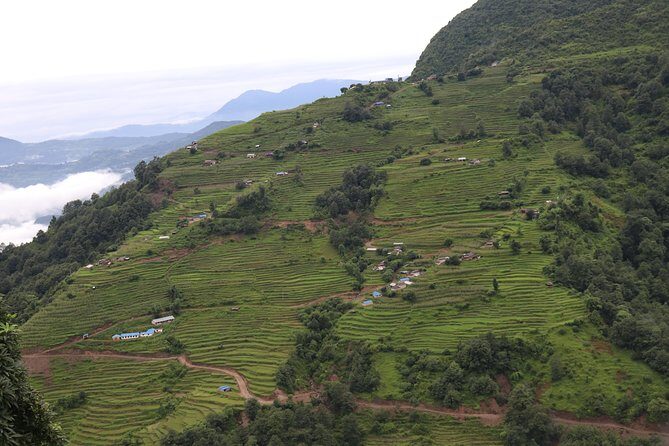
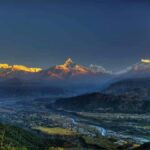
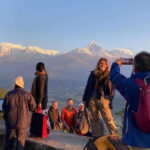
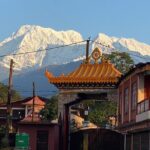
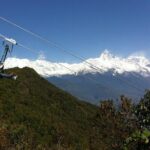
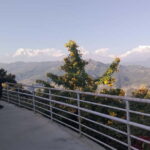
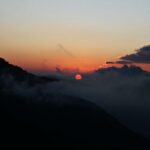
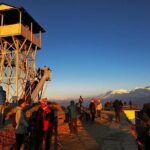
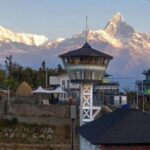
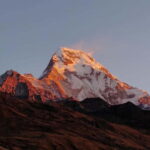
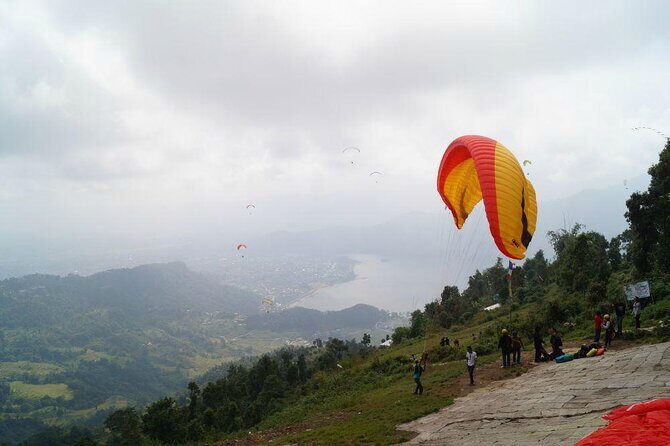
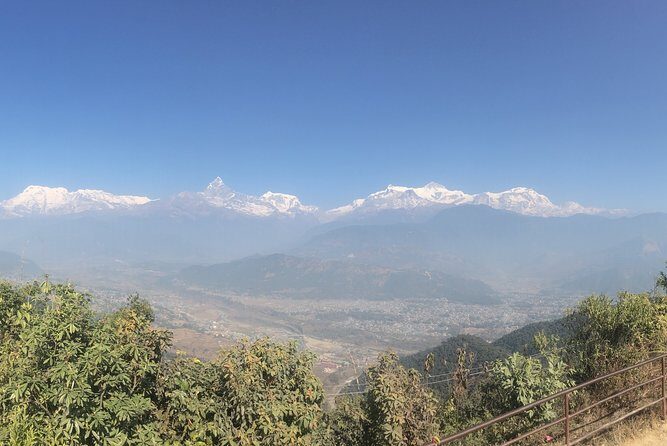
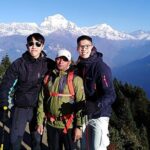
You begin with an early morning trip to Sarangkot, one of Pokhara’s best-known sunrise vantage points. The goal is clear: see the sunrise over the Annapurna Himalayan range and get a panoramic view stretching across Pokhara city.
This stop is timed for atmosphere. Even when the visibility isn’t perfect, the ride up and the viewpoints still give you that sense of being above the city, looking out across the valley. You also get about 1 hour here, which is enough time to settle in and watch the sky shift.
The possible drawback is straightforward: weather. On cloudy mornings, the sunrise can be muted or disappear entirely. That’s not a deal-breaker, but it’s the one part of the itinerary most tied to conditions.
Phewa Tal and Barahi Temple: lake views with a religious center
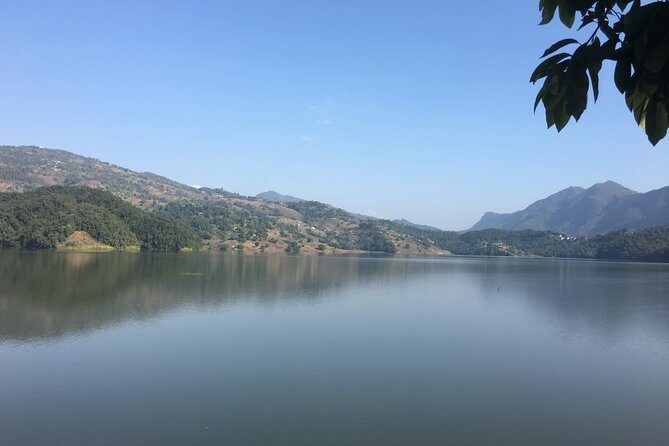
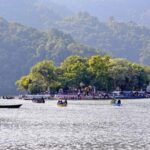
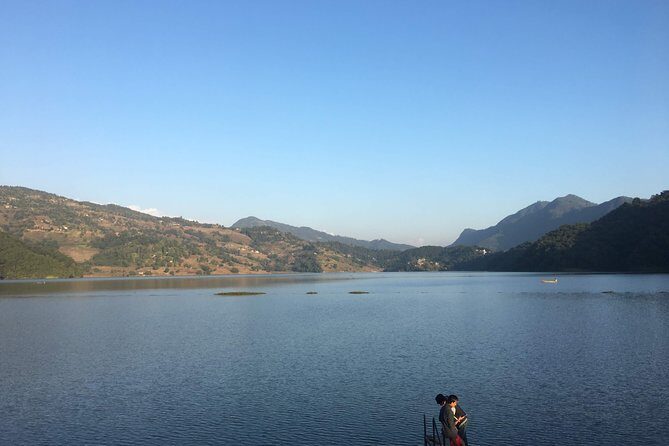
Next up is Phewa Tal, Pokhara’s famous lake. You’ll visit the Barahi Temple and explore the lake’s outskirts for about 30 minutes.
What I like about this stop is how it balances nature and culture. You’re not only looking at scenery. You’re also getting a glimpse of why this lake matters to local religious life, with the Barahi Temple providing a focal point.
This part is also relatively efficient: the time block is short enough that you stay energized, but long enough to actually enjoy being there rather than rushing straight through.
Devi’s Fall: the water story under the city
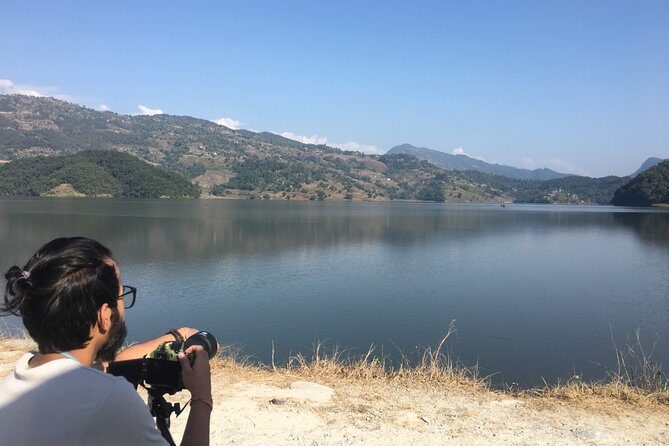
Then you head to Devi’s Fall, where water disappears into an underground cave network beneath Pokhara. You get about 25 minutes here.
This is one of those places where the visuals do the explaining. The name may sound like a simple attraction, but the core experience is the dramatic idea of water flowing into caves. It’s a quick stop, yet it sticks because it feels unusual and a little mysterious—exactly the kind of Pokhara quirk people come for.
Admission is included, so you can treat this like a must-see rather than a decision you have to plan separately.
Gupteswar Gupha: cave stalagmites and a Shiva temple inside the drama
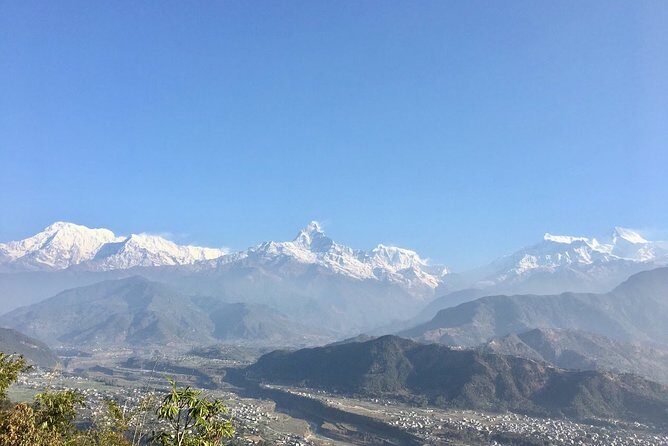
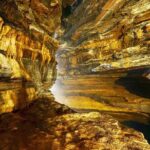
After Devi’s Fall, you’ll visit Gupteswar Gupha, a cave area that combines natural formations with an ancient Shiva temple. It’s about a 30-minute stop, and admission is included.
The special hook here is the naturally forming rock stalagmites. This is not just a tunnel to walk through. You’re walking through a place where the rock shapes help create that “this existed long before us” feeling.
During the fall season, the itinerary notes a chance to go deeper and see the waterfall from inside the cave area from which it flows deeper into the river. Even if you don’t catch the seasonal effect, the mix of cave + temple still gives you a different tone than the earlier lake and waterfall stops.

International Mountain Museum: the stop that earns time
In the middle of the day, you’ll spend about 30 minutes at the International Mountain Museum. This is a major highlight for one simple reason: it connects the Himalayas to people, history, and inspiration, not just peaks.
I especially like this kind of stop on a sightseeing day. When your eyes have been taking in viewpoints all morning, the museum gives your brain a framework. You can then return to the outside views with a better sense of what you’re actually looking at.
From a value perspective, this is also a good use of paid time. Admission is included, and 30 minutes is long enough to pick up the main ideas without dragging the schedule.
Gorkha Museum and the Seti River: history plus how the city was carved
Next you go to the Gorkha Museum, with about 20 minutes on the schedule. The focus is on the Gorkhas—their bravery and how they’re revered around the world.
Even if you’re not a hardcore history person, a museum like this adds meaning to the places you visit. It shifts the day from scenery-only to the human side of Nepal.
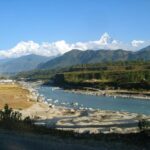
Then you’ll get two connected river stops focused on the Seti River:
- Seti River Gourge (about 15 minutes): a look at how the river flows through gorges and how it formed the area
- Seti Gandaki (Seti River) (about 20 minutes): a vantage point from a high hanging bridge, which the tour describes as common across Nepal
These two segments work well back-to-back. The gorge gives you the bigger shape. The bridge viewpoint gives you a more specific “standing above it” perspective, which is often where photos and scale finally click.
Admission is included for both stops, keeping the day smooth.
Peace Stupa access road at sunset: Pokhara’s view from a temple site
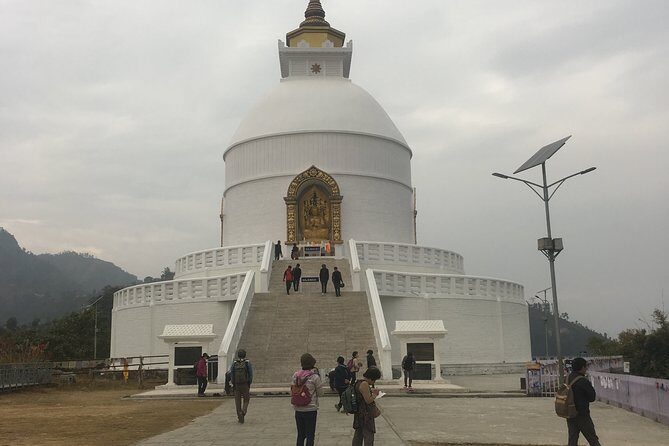
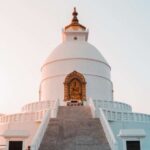
As the day shifts toward evening, you head to the World Peace Stupa Access Road area for a viewpoint tied to the Peace Pagoda and Buddha. You’ll spend about 45 minutes, and this stop is listed as free.
This is your longest stop on the later end of the itinerary, and that’s smart. It gives you space to wait for the light to change and to enjoy the view over the Pokhara valley and Phewa Lake with sunset timing.
Even if the sunset isn’t dramatic, the time here often feels like a proper breather. You’re not only taking pictures—you’re also getting a sense of place, with the temple setting anchoring the viewpoint.
Bindhyabasini temple and Tibetan Refugee Camp: faith and community in one day
The final cultural beats round out the tour in a meaningful way.
First is Bindhyabasini, a temple on a hilltop dedicated to the sacred feminine in Hindu culture. You’ll get about 20 minutes. This stop is listed as free, and it’s designed to show you local sacred rituals and customs in context—short, but direct.
Then you’ll visit the Tibetan Refugee Camp for about 30 minutes. This is a cultural experience focused on Tibetan people who were exiled from their country and made a unique life in Pokhara. It’s another “in between sightseeing stops” moment that can make the day feel more human and less checklist-y.
Both of these are free stops in the itinerary, but they’re not minor add-ons. They shift the day from natural sights and museums into everyday culture.
Price and value: what you’re paying for at $114.53 per person
At $114.53 per person, you’re paying for more than just transportation. Your day includes:
- An air-conditioned vehicle
- All fees and taxes
- Admission tickets for several paid attractions (and free entry stops for others)
- A private tour setup for your group
What makes this good value is the combination: you get entry included on many stops plus guided context, all inside one 6 to 7 hour plan. That reduces the usual scramble of figuring out what costs extra, what sells out, and what’s hard to reach by yourself.
The main cost you’ll add on your own is food and drinks, since those are not included. If you plan a simple meal strategy—eat before the tour, or plan a break point on your own—this price stays easier to justify.
Who this tour fits best
This works especially well if you:
- Want a high-hit-rate Pokhara day without multiple separate bookings
- Like having a guide interpret what you’re seeing (and you want someone steady like Gobinda, who kept checking that things were satisfactory)
- Enjoy both viewpoints and structured learning stops (the International Mountain Museum is a standout)
- Prefer a private-group experience over bigger crowds
It may not be the best fit if you want a slow pace, or if you only care about sunrise photos and nothing else. Cloud cover can change that opening moment.
Practical tips to make the day smoother
A few simple things will help you get more out of the schedule:
- Since food and drinks are not included, plan where you’ll eat on your own so you don’t feel rushed later.
- Use the long mid-to-late viewpoint blocks (especially the Peace Pagoda area) to slow down and enjoy the changing light.
- If sunrise is your top priority, remember the start is early and dependent on weather. Don’t build your whole happiness on a single photo.
Should you book the Entire Day Pokhara Complete Tour?
If you want one day that actually covers Pokhara’s key mix—Sarangkot views, lake culture, cave drama, museum context, river gorges, sunset at Peace Stupa, plus Tibetan and Hindu cultural stops—this tour is a strong pick. The guide quality matters here, and Gobinda’s attentive style was clearly part of the appeal. The International Mountain Museum is also the kind of stop that makes the whole route feel smarter, not just louder.
I’d book it if you’re comfortable with a packed but efficient schedule. I’d hesitate only if you hate early starts or expect sunrise to be guaranteed in every sky.
FAQ
How long is the Pokhara complete tour?
The tour lasts about 6 to 7 hours.
Is pickup included?
Yes. Pickup is offered, and the tour uses an air-conditioned vehicle.
What are the main stops during the day?
You visit Sarangkot, Phewa Tal (including Barahi Temple), Devi’s Fall, Gupteswar Gupha, International Mountain Museum, Gorkha Museum, Seti River Gorge, Seti Gandaki (Seti River), World Peace Stupa access road, Bindhyabasini, and the Tibetan Refugee Camp.
Are admission tickets included?
All fees and taxes are included. Admission tickets are listed as included for several stops, while some stops (such as World Peace Stupa access road, Bindhyabasini, and the Tibetan Refugee Camp) are listed as free.
Is food included?
No. Food and drinks are not included.
Is this tour private?
Yes. It’s private, meaning only your group participates.
What is the cancellation policy?
Free cancellation is available up to 24 hours in advance for a full refund. If you cancel less than 24 hours before the start time, the amount paid is not refunded.