REVIEW · POKHARA
Pokhara Sightseeing By Bus: Day Trip
Book on GetYourGuide →Operated by Dream Noble Adventure Pvt. Ltd. · Bookable on GetYourGuide
Pokhara’s best sights come in one long bus day. This budget Pokhara Valley tour is built like a circuit: you hop on at Lakeside, ride with a mixed group, and spend your hours hitting the classics around Pokhara. It’s an efficient way to see a lot without turning your trip into an expense report.
What I like most is the value. At $19 per person for a full day of sightseeing, you’re paying for transport and access to multiple stops, not an all-day private car. Second, I like the social angle: you’re literally sharing the ride with people from different places, so you get that real “we’re all figuring Pokhara out” energy.
One thing to consider: this can feel more like a bus tour with an assistant than a fully guided, stop-by-stop English lecture. On some days, the explanations may be limited, so you’ll get more out of it if you’re comfortable reading, looking up a bit beforehand, and asking questions when you can.
In This Review
- Key things I’d watch for on this Pokhara bus day
- How the day flows: Lakeside pickup and a shared sightseeing circuit
- The money math: what $19 covers (and what costs extra)
- Stop-by-stop Pokhara Valley hits: viewpoint to temple
- Pumdikot Mahadev View Point
- Bindyabashini Temple
- Mahendra Cave and Seti River Gorge: when the day gets more physical
- Mahendra Cave
- Seti River Gorge
- Peace Stupa and Devis Fall: icons that work well for a bus day
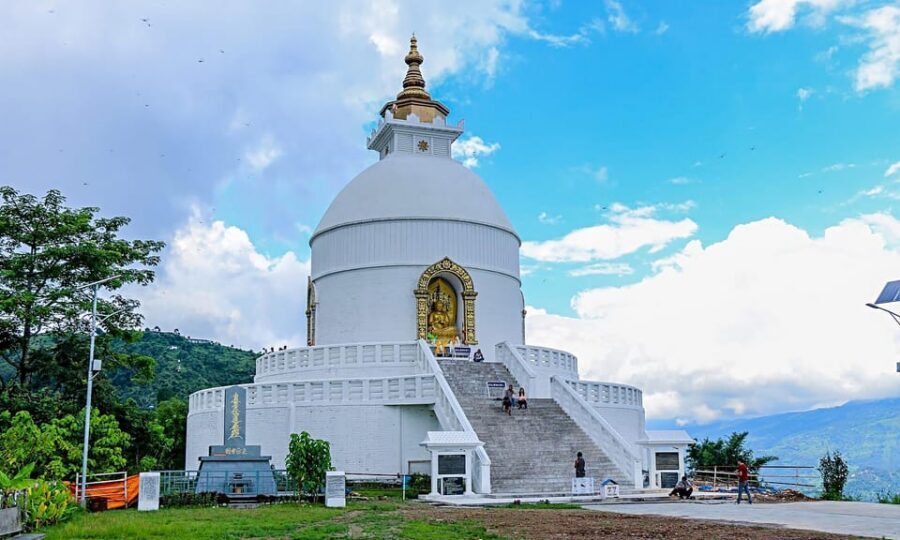
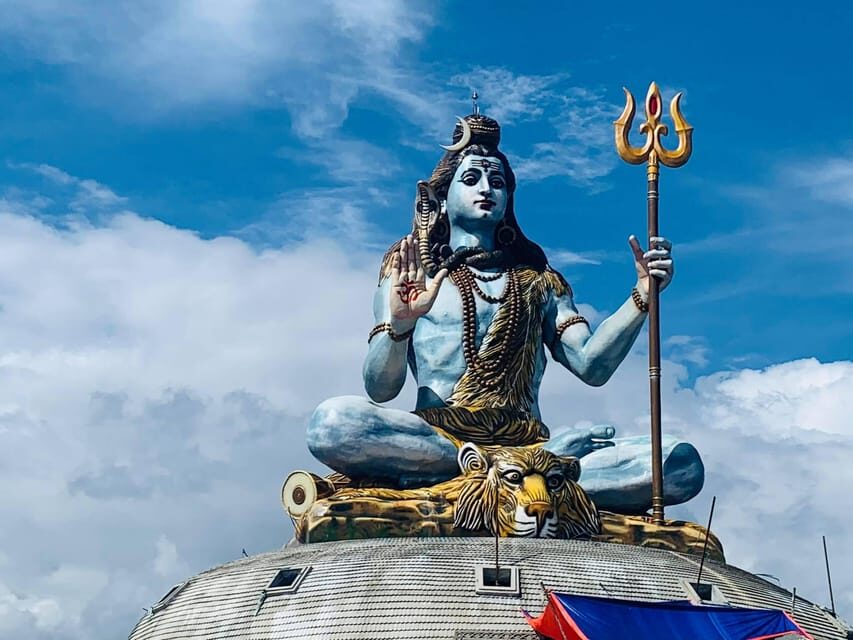
- Peace Stupa
- Devis Fall
- Gupteshwor Mahadev Cave and Fewa Lake: ending on nature and water
- Gupteshwor Mahadev Cave
- Fewa Lake
- The guidance reality: what you might experience on the bus
- Who this Pokhara bus tour is for (and who should skip it)
- Quick practical tips so you get more out of each stop
- Should you book this Pokhara sightseeing bus day?
- FAQ
- FAQ
- What time does the Pokhara tour start?
- How long is the day trip?
- What does the price include?
- What entrance fees should I expect?
- Are meals included?
- What language support do I get?
- Are drones allowed?
- Is the tour wheelchair accessible?
Key things I’d watch for on this Pokhara bus day
- Shared bus vibe with people from around the world, not a quiet private outing
- Early start from Lakeside that gives you most of the day for big sights
- A packed stop list (viewpoint, temple, caves, gorge, stupa, falls, lake) in about 7 hours
- Caves + waterfall + gorge mean you’re not just sightseeing views—you’re seeing real natural features
- English guidance may vary, even though there’s an English host/greeter
- Expect extra costs for monuments/entrance fees (about $10 USD per person) and meals
How the day flows: Lakeside pickup and a shared sightseeing circuit
This is a single-day Pokhara Valley bus trip that’s designed to be easy on your budget and full on sightseeing. You meet your guide at your hotel at 9:40 AM, and pickup is from Lakeside. The day runs for about 7 hours, which is plenty time to see a lot—if you’re comfortable moving at a steady pace.
Because it’s a group tour on a bus, you should expect the normal rhythm: travel time between stops, brief periods at each location, and a “get back on the bus when you’re done” pace. If you like to linger for long photos at one viewpoint, you’ll need to be strategic. Grab your best shots early, then use the remaining time to experience more of the places on the route.
Also, you get help onboard: a local assistant accompanies the bus, and the tour experience runs in English with an English host/greeter. That’s great, but the real-world experience can still vary—more on that below—so come prepared to be an active participant.
Other Pokhara city sightseeing tours reviewed
The money math: what $19 covers (and what costs extra)
Let’s talk value, because this tour is priced for travelers who want to move around without paying premium rates.
Your $19 per person price covers:
- Hotel pickup in Lakeside
- Sightseeing by bus
- Group tour structure
- A normal guide (as listed), plus onboard support
Plan for additional spending:
- Monument fees and entrance fees, roughly $10 USD per person
- Meals, since they’re available for purchase
That extra entrance-cost estimate matters because it’s where your final total will land. Still, even with fees and a meal or two, you’re usually paying far less than a private tour day—especially if your goal is simply to see the main Pokhara highlights in one go.
One small bonus you’ll appreciate: it says you can skip the ticket line. In a day like this, saving time at entrances keeps you from feeling rushed everywhere.
Stop-by-stop Pokhara Valley hits: viewpoint to temple
The tour’s route mixes spiritual sites and nature features, so you get variety without doubling back.
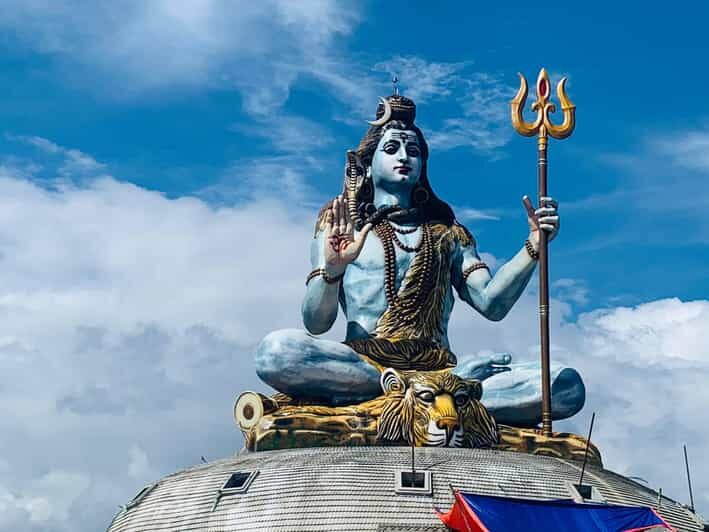
Pumdikot Mahadev View Point
This stop is all about being above it. With “view point” in the name, expect an outlook where you can take in Pokhara from a higher angle. It’s a good early stop because your eyes still feel fresh at the start of the day.
Practical tip: wear comfortable shoes and keep your camera ready. Viewpoints tend to be short visits, so you’ll want to frame your shots quickly.
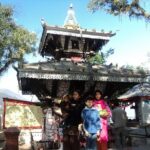
Bindyabashini Temple
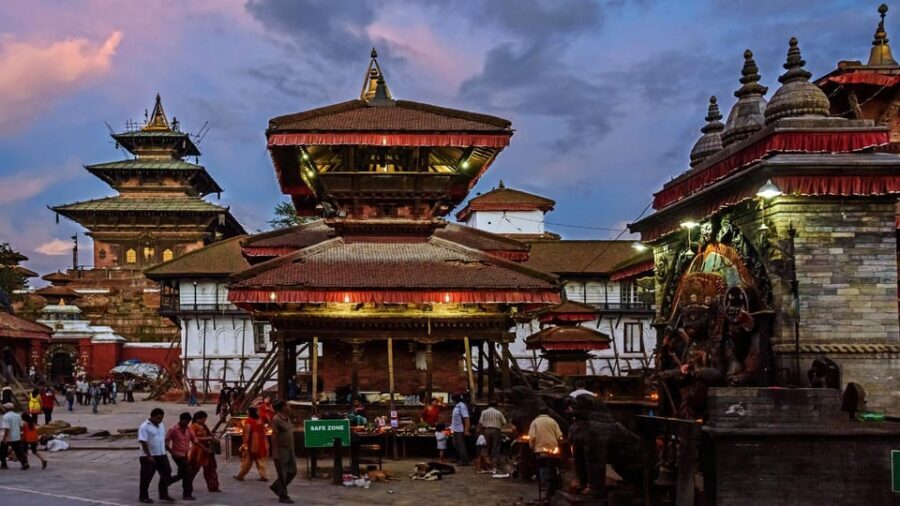
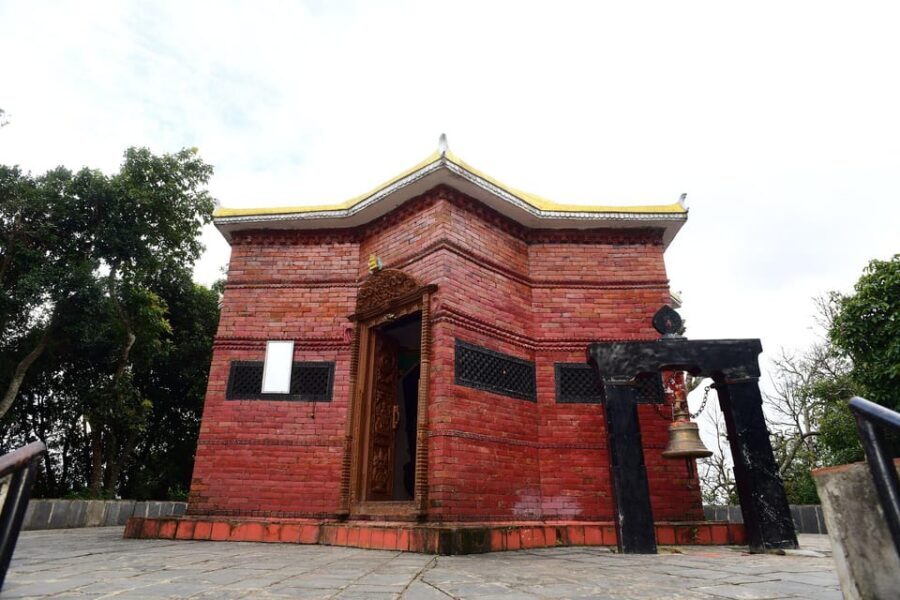
Next up is a temple stop. Even if you’re not chasing religious details, these visits are useful because they show how local life and faith sit in the middle of everyday movement. You’re not just driving past—you’re stepping into a place locals care about.
Drawback to keep in mind: since it’s a busy sightseeing route, the time here may be limited. Treat it like a respectful check-in, not a long sit-down.
A few more Pokhara tours and experiences worth a look
Mahendra Cave and Seti River Gorge: when the day gets more physical
Once you’re through the temple and viewpoints, the route leans harder into natural features.
Mahendra Cave
A cave stop is where the tour becomes more than just “look and go.” Caves often mean uneven ground and cooler, darker interior areas. Bring your camera, but also be ready for a change in tempo—caves slow you down.
If you’re sensitive to enclosed spaces or uneven footing, pace yourself and avoid rushing. This is one of the stops where comfortable travel clothing pays off.
Seti River Gorge
The Seti River Gorge gives you dramatic scenery tied to a river system. “Gorge” basically signals a viewpoint-style stop where you’re taking in a natural cut-through landscape rather than walking miles inland.
Here’s the value: you see how Pokhara isn’t only lakes and waterfalls. It also has serious geology shaping the area.
Peace Stupa and Devis Fall: icons that work well for a bus day
This is where Pokhara starts stacking its famous moments.
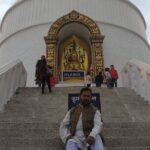
Peace Stupa
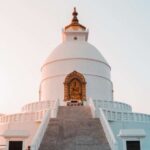
The Peace Stupa is one of the big names on the route. Stupas are built to be calm places, but the tour schedule means you’ll likely be there in a shared, time-limited window. Still, it’s a solid stop because it gives you a spiritual pause between natural highlights.
If you want a better experience, don’t just photograph. Take a minute to stand and watch how people move around the site.
Devis Fall
Devis Fall is the waterfall highlight of the circuit. A fall like this changes your day because it turns the area into a sound-and-sight stop. It’s also one of those locations where you’ll see why Pokhara draws so many nature-focused visitors.
Practical tip: plan for wet areas. Even if you’re not expecting heavy splashes, the ground near falls can be slick. Comfortable clothes help.
Gupteshwor Mahadev Cave and Fewa Lake: ending on nature and water
The final stretch leans back toward caves and the water that defines Pokhara.
Gupteshwor Mahadev Cave
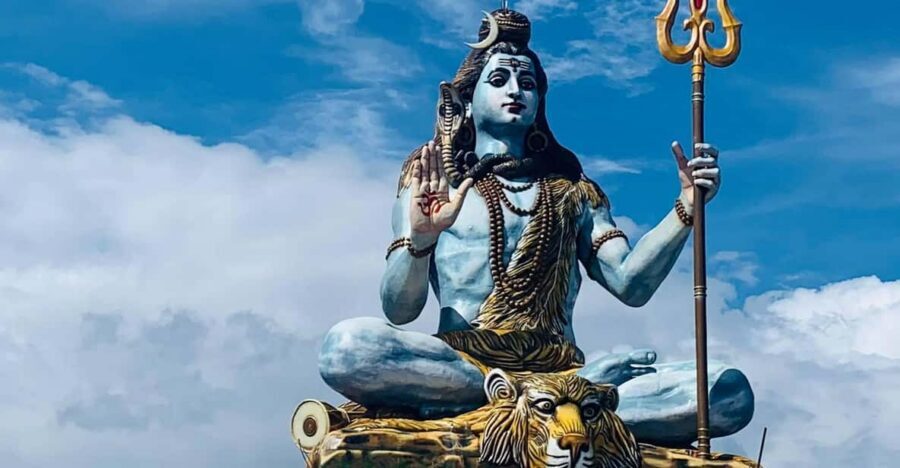
This stop is another cave, tied to Mahadev. Having two cave stops in one day is part of what makes the tour feel packed, but it also makes it memorable. You’ll notice different vibes between caves: one may feel more about the structure and access, while another feels more like a focused visit tied to religious tradition.
Time management matters here. If you want photos, do them early. If you want to just absorb it, don’t rush.
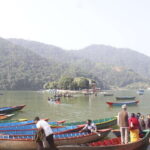
Fewa Lake
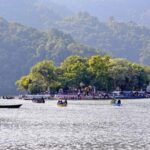
Ending at Fewa Lake is smart because it’s the emotional finish to the day. Even if you don’t do a boat activity (not included here), simply being by the lake helps you close the loop: you’ve been moving through caves, gorge scenery, and stupa vibes, and now you’re back to the calm water scene Pokhara is known for.
If you’re still full of energy, this is often the moment where you can add your own exploration after the tour ends.
The guidance reality: what you might experience on the bus
The tour materials say you’ll have onboard support, and the listing style suggests an English host/greeter. That helps.
But one of the best practical takeaways from real experiences is this: sometimes the bus tour feels like a local bus loop where English explanations are limited. One traveler described it as a local city tour bus without a fully English-speaking tour guide, with explanations being more focused for certain groups. Another traveler said it was handy for reaching each spot, but they wanted more information at the stops.
So here’s my honest advice: treat the assistant as your helper, not your full-time lecturer. Come with curiosity, and don’t wait for perfect commentary. If you ask questions, you’ll usually get something useful—especially for the practical stuff like what you’re seeing and how long to spend where.
Who this Pokhara bus tour is for (and who should skip it)
This tour fits best if:
- You want big sightseeing coverage in one day
- You’re budget-minded and okay paying a few extra entrance fees
- You like meeting people on group days
- You’re comfortable exploring at a natural pace without a detailed script at every stop
You might want to skip it if:
- You need a fully guided, consistent English explanation at every location
- You dislike busy schedules and quick stop times
- You require wheelchair-friendly access, since it’s not suitable for wheelchair users
If you’re traveling solo and you still want a social day without solo pricing, this kind of shared format can be a strong move.
Quick practical tips so you get more out of each stop
- Bring a camera and keep battery power in mind. It’s a lot of photo moments packed into one day.
- Wear comfortable clothes that handle both walking and uneven outdoor spots.
- Bring a bit of cash or payment plan mindset for the entrance fees (~$10 USD per person).
- Be ready to buy food on your own. Meals aren’t included, but they’re available.
- No drones. And keep it clean: no alcohol or drugs allowed.
And yes, expect a packed day. The upside is you’ll leave Pokhara Valley with a folder full of memories from caves, falls, and water.
Should you book this Pokhara sightseeing bus day?
If your main goal is to see the Pokhara Valley highlights efficiently—viewpoints, caves, gorge, Peace Stupa, Devis Fall, Gupteshwor Mahadev Cave, and Fewa Lake—this tour is a solid value. The pricing makes sense for what you get, and the shared bus format can be a fun way to spend a day without isolating.
But if you’re the type who wants a detailed, stop-by-stop English tour narrative every hour, don’t assume you’ll get it. This works best when you’re flexible, curious, and comfortable doing some of the figuring out yourself.
FAQ
FAQ
What time does the Pokhara tour start?
You meet your tour guide at your hotel at 9:40 AM, with pickup from Lakeside.
How long is the day trip?
The duration is about 7 hours.
What does the price include?
It includes hotel pickup in Lakeside, sightseeing by bus, a group tour, and a normal guide (as listed), with a local assistant accompanying the bus.
What entrance fees should I expect?
Monument fees and entrance fees are not included and are approximately $10 USD per person.
Are meals included?
No. Meals are not included, and you can purchase food during the day.
What language support do I get?
English is available, including an English host or greeter.
Are drones allowed?
No, drones are not allowed. Alcohol and drugs are also not allowed.
Is the tour wheelchair accessible?
No, it is not suitable for wheelchair users.