REVIEW · POKHARA
Pokhara: 1-Day World Peace Pagoda and Lord Shiva Statue Trek
Book on GetYourGuide →Operated by Breathe Nepal Trekking · Bookable on GetYourGuide
A quiet lake, then a steady climb, and suddenly the mountains show up. I like the mix of Phewa Lake boating with a real uphill trek to World Peace Pagoda for big viewpoints. One watch-out: if clouds roll in, the Annapurna views can be hit-or-miss—so pack patience.
This is also one of those Pokhara days that feels meaningful, not just scenic. You’ll get both spiritual stops (Barahi Temple and the World Peace Pagoda) and a major sight in town (the over-15-meter Lord Shiva statue). And if you’re lucky enough to have a guide like Roman Paudel, you’ll likely get clear, practical tips—and the energy to keep your pace without rushing.
In This Review
- Key Things to Know Before You Go
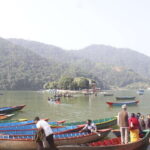
- Phewa Lake First: Boat Ride, Barahi Temple, and Mountain Air
- Climbing to the World Peace Pagoda: Annapurna Views From Ananda Hill
- Pumdikot’s Lord Shiva Statue: The 15-Meter Wow Moment
- Lunch and the Return Walk: How the Day Stays Comfortable
- Timing, Terrain, and Who Will Enjoy This Most
- Price and Value: What $28 Buys in a Pokhara Day
- The Guide Makes the Difference: Roman Paudel’s Practical Tips
- Should You Book This Pokhara Pagoda and Shiva Statue Trek?
- FAQ
- What is the duration of the Pokhara World Peace Pagoda and Lord Shiva Statue trek?
- What does the tour include?
- Are meals included in the price?
- What time is pickup?
- What should I bring for the hike?
- Is this tour suitable for people with mobility impairments?
- How long do you spend at the World Peace Pagoda?
Key Things to Know Before You Go
- Start with calm: A boat ride on Phewa Lake sets the tone before the hiking begins.
- Barahi Temple is the warm-up vibe: You’ll step onto the small island temple mid-lake before heading uphill.
- Ananda Hill altitude helps views: The World Peace Pagoda sits at about 1,100 m, and on clear days you can see far.
- The Shiva statue is the star photo op: It’s over 15 meters tall, and the viewpoint is built for panoramic looking.
- It’s several hours of walking: Comfortable shoes and enough water matter, even if it’s not a hardcore trek.
- Expect clouds sometimes: One good day view usually depends on the sky cooperating.
Phewa Lake First: Boat Ride, Barahi Temple, and Mountain Air
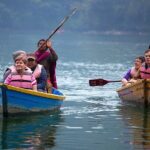
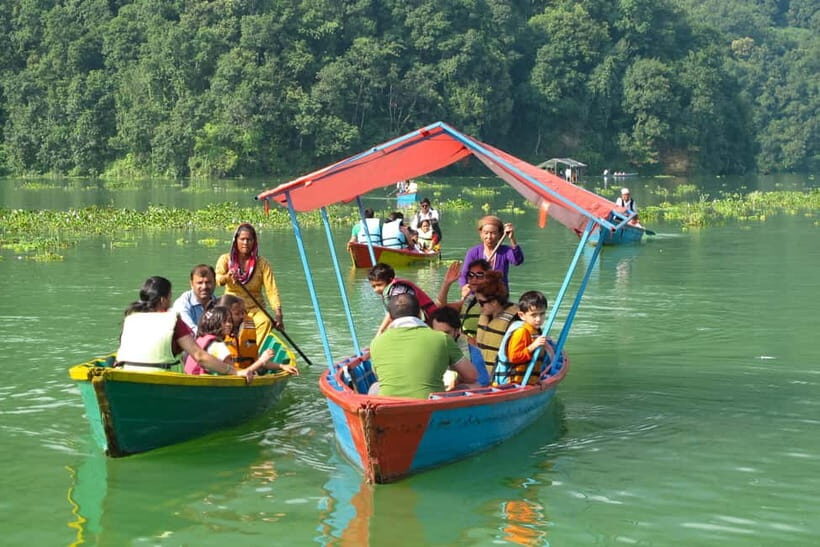
This tour starts in Pokhara with a morning pickup (they collect you from your hotel area in Lakeside at 8:30 AM). Then you move straight to Phewa Lake—where the day feels slower right away. You’ll ride across the water, and the biggest win here is how the lake changes your sense of time. It’s not just transport; it’s a quiet reset.
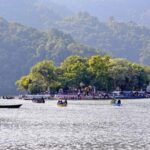
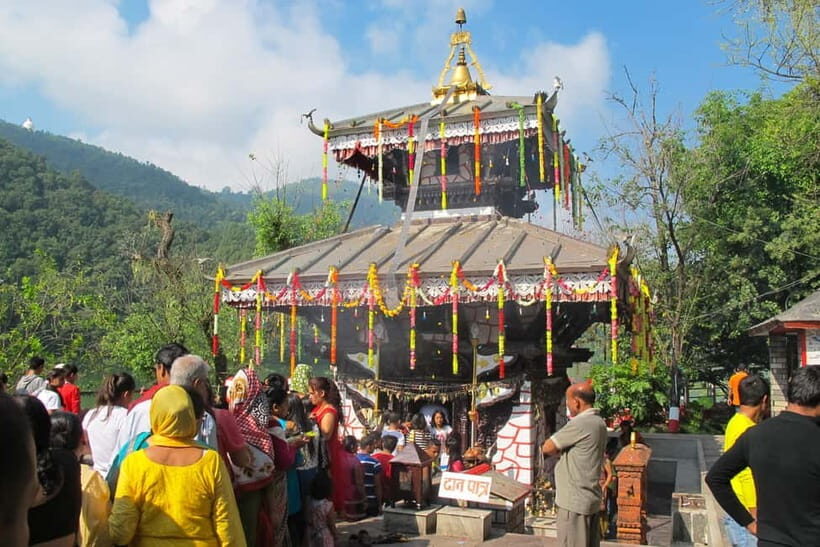
The next highlight is the Barahi Temple, on a small island in the middle of Phewa Lake. Even if you don’t consider yourself a temple person, it’s a solid stop because it’s different from the typical hilltop viewpoints. You’re surrounded by water, boats, and mountain light—then you step into a sacred space with local rhythm.
Two small practical notes help make this part enjoyable. First, bring your camera ready, because reflections on the lake can be surprisingly pretty in morning light. Second, use the boat time to pace yourself for the walk after—you’ll want your legs ready once you’re off the water.
Other World Peace Pagoda tours in Pokhara
Climbing to the World Peace Pagoda: Annapurna Views From Ananda Hill
After Barahi Temple, you’ll cross to the other side of Phewa Lake and start the climb toward the World Peace Pagoda. This is a steady uphill walk—about an hour to reach it—through areas that can feel lush and shaded as you move along. The route matters because it gives you a gradual change: from lake views to hill atmosphere to wide-airmountain sightlines.
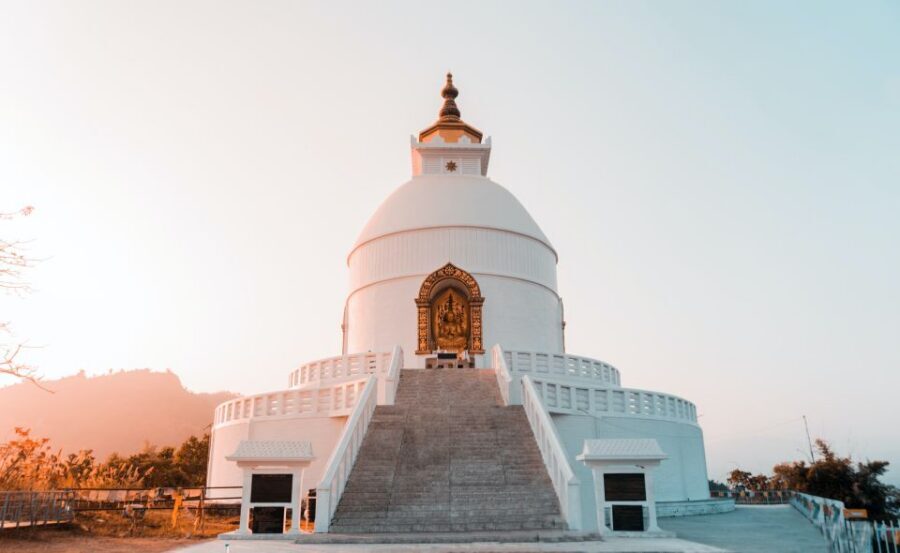
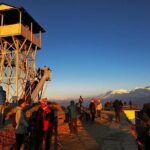
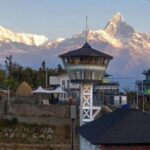
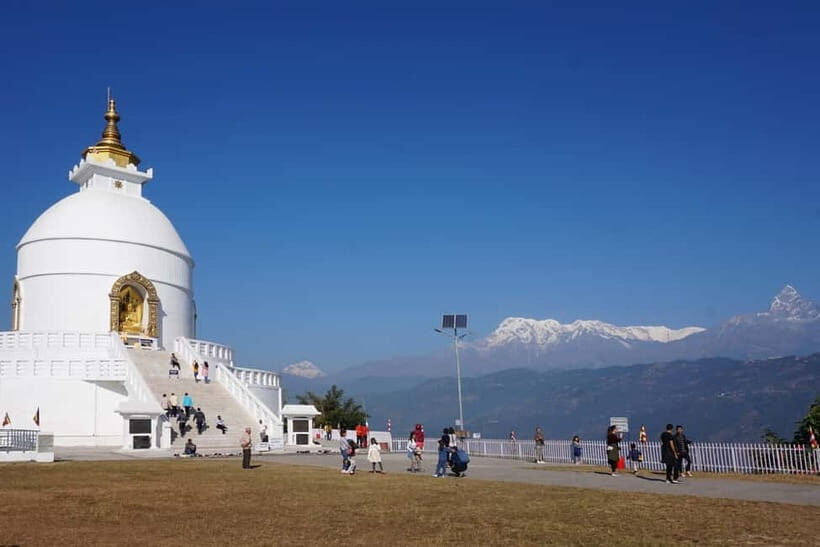
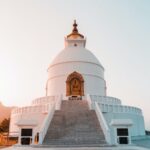
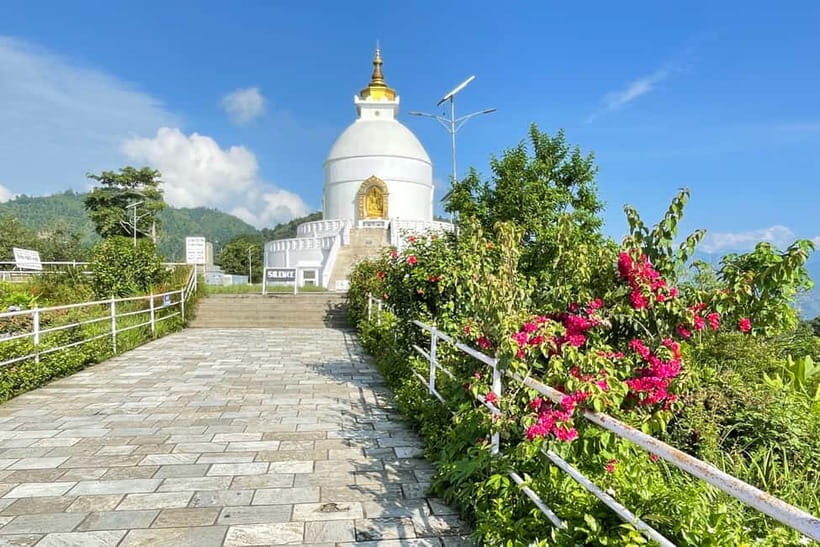
At the top sits the World Peace Pagoda, a Buddhist monument built as a message of peace, non-violence, and compassion. The practical value here is that it’s not just a statue you pass. You’re visiting a viewpoint at elevation (roughly 1,100 m) that also carries a meaning locals take seriously.
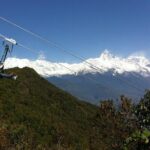
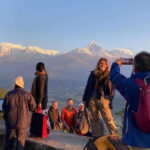
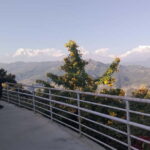
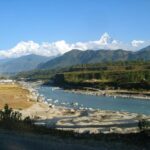
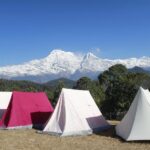
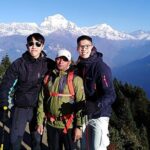
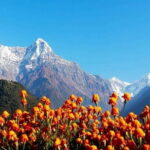
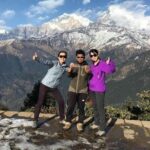
Plan for around 30 minutes to enjoy the pagoda and take in the panorama. On clear days, the view can include the Annapurna massif—specifically Annapurna 1 (8,091 m) and Dhaulagiri (8,167 m)—and the sacred Machhapuchre (6,997 m). If the sky is cloudy on your day, don’t panic. You might still see portions of the peaks or a softer version of the mountains through breaks in the clouds. Either way, the hilltop quiet is real.
One tip I really like: if you get even a small window of clearer sky, slow down and let your eyes adjust. Cloud breaks can shift fast in Pokhara, and the best moment usually lasts longer than you think.
Pumdikot’s Lord Shiva Statue: The 15-Meter Wow Moment
From the pagoda area, the day shifts into the main hike segment. You’ll walk to the Lord Shiva statue, taking roughly 1.5 hours to reach it. Along the way, expect the trail to feel more like “walking work” than sightseeing stroll. That’s normal—this is the part where your comfortable shoes earn their keep.
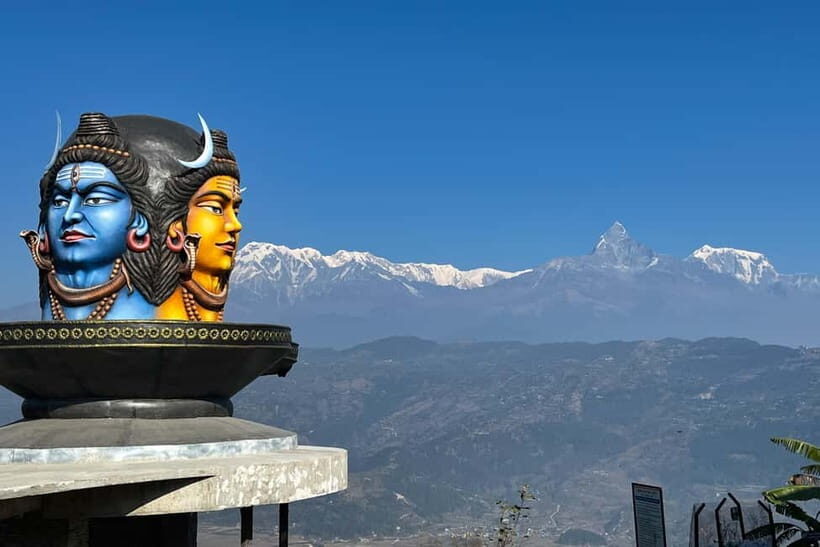
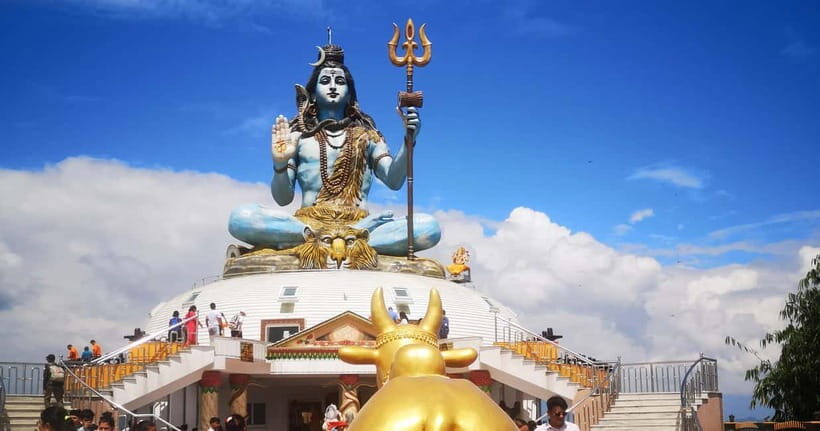
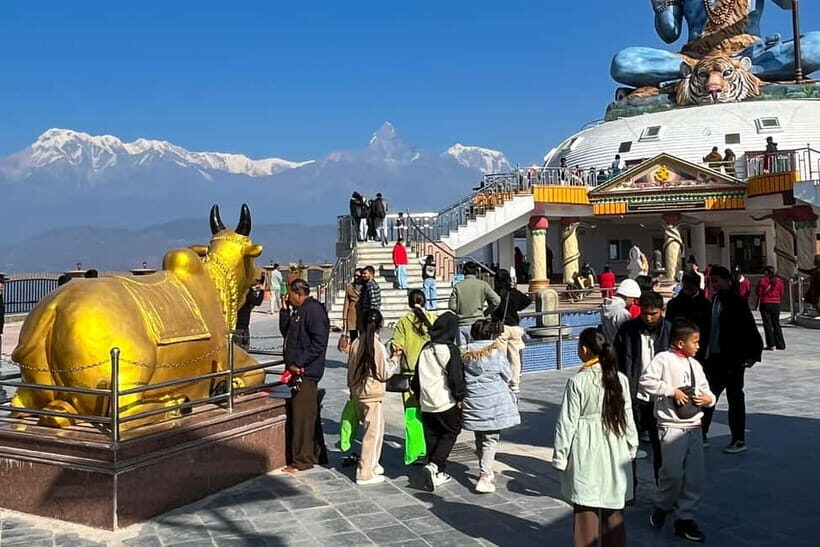
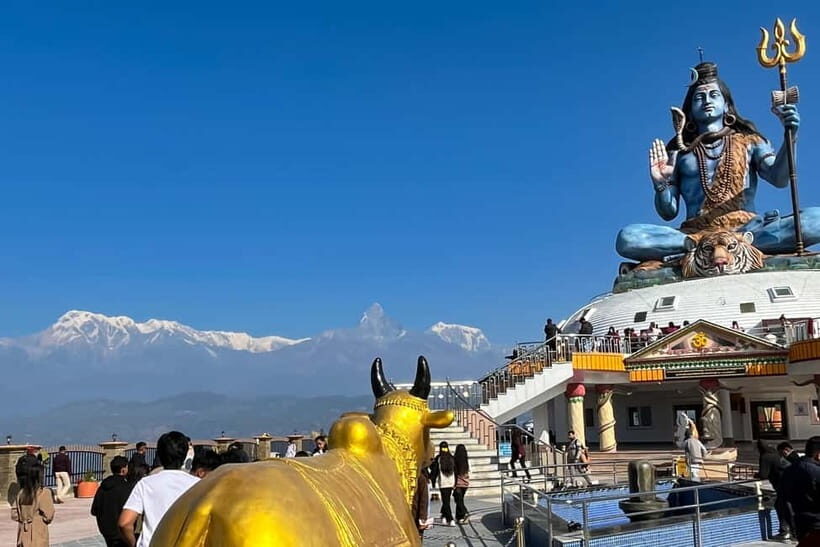
The reward is big: the Lord Shiva statue stands at over 15 meters and is described as the tallest of its kind in Nepal. That height does something important for your experience. Instead of looking up at a small figure, you’re pulled into the scale—then the viewpoint opens behind it.
When you reach the statue area, you’ll get a fresh, wide perspective over Lake Phewa and the Pokhara city view below. On clear days, the Annapurna massif can reappear here too, giving you a second chance at those far peaks from a slightly different angle. It’s one of the reasons this tour feels more complete than a single viewpoint hike—you’re comparing views as you go.
Also, don’t treat this as only a photo stop. Take a few minutes to breathe and actually look. The best views in Pokhara often come when you’re not rushing to capture them.
Lunch and the Return Walk: How the Day Stays Comfortable
After taking in the Shiva statue, you’ll head back toward the World Peace Pagoda for lunch. Lunch isn’t included in the price, but you’ll stop at a local place where you can buy a meal. I like that setup for two reasons: you’re not locked into a pre-set menu, and it gives you a natural pause before the return hiking portion.
Then comes the descent/return section. You’ll continue on a walk to Pokhara Damside (about 1.5 hours), and after that there’s a shorter transfer (around 30 minutes) back toward Lakeside where you’ll be dropped off near your hotel.
This matters for planning. If you eat too fast or skip water, the return can feel longer than it should. Treat lunch as fuel, not just a break. Also, keep sunscreen and water in your bag—Pokhara hills can still surprise you with sun even when the morning starts cool.
Timing, Terrain, and Who Will Enjoy This Most
This is listed as an 8-hour experience, and it feels like it. The walking adds up, with multiple segments and a long day overall. It’s not presented as a gentle stroll, so I’d file it under: “active sightseeing.”
Good news: it’s guided, so you’re not trying to figure out route details mid-day. You’ll have an English-speaking live guide, and since it’s a private group, you usually won’t be stuck behind the slowest person in a crowd.
Main drawback: it’s not suitable for people with mobility impairments. The tour involves several hours of walking and climbs, and the route includes uneven outdoor terrain typical of hillside paths.
So who fits best?
- You’re comfortable walking for hours and want views without committing to a multi-day trek.
- You want a cultural stop that isn’t just a quick photo.
- You’re okay with the sky being unpredictable in the Himalaya region.
Who might not love it?
- You have limited stamina or find uphill walking very difficult.
- You’re looking for a purely flat, low-effort day.
Other hiking tours in Pokhara
Price and Value: What $28 Buys in a Pokhara Day
At $28 per person, this isn’t an expensive day, especially when you look at what’s included. You get hotel pickup, a boat ride on Phewa Lake, visits to the Barahi Temple and World Peace Pagoda, and a hike to the Lord Shiva statue. You also get a taxi transfer from Damside to the Lakeside hotel area after the hike.
What you should expect to pay extra for: drinks and meals. Lunch is available at a local stop, but it’s not included in the price.
Here’s how I think about value: this tour bundles transport + guiding + boat access + two major viewpoints + a temple visit. Those “small costs” usually add up in Pokhara when you try to piece things together on your own. For a short trip, $28 can be a good deal—provided you’re the type who will actually enjoy walking and viewpoints.
The Guide Makes the Difference: Roman Paudel’s Practical Tips
One of the strongest themes from recent experiences is how helpful the guide feels in real time. A guide named Roman Paudel comes up for being amazing, flexible, and very knowledgeable about Pokhara and the sites you visit.
Why that matters: Himalayan views aren’t guaranteed, and a good guide helps you work with the day you get. If clouds block the big peaks from one spot, you can often switch your strategy—like taking advantage of another viewpoint later. In one experience, Roman Paudel suggested a follow-up visit to Sarangkot the next day, and that plan made up for a day with limited mountain visibility.
Even if your guide isn’t Roman, the best approach is the same: use your guide for timing and photo help, not only storytelling. Ask where the best light might be, what to watch for as clouds change, and where to pause for views without feeling rushed.
And yes—being rushed is the enemy of a viewpoint day. The better guides keep you moving, but they also give enough time for photos and short breaks.
Should You Book This Pokhara Pagoda and Shiva Statue Trek?
Book it if you want a single-day Pokhara outing that combines lake calm + cultural stops + real hiking rewards. The boat ride and Barahi Temple add meaning and variety, and the World Peace Pagoda + Shiva statue deliver the kind of panoramic payoff that makes the effort feel worth it.
Skip it (or look for an easier option) if walking uphill for several hours is a struggle for you, or if you need a fully low-activity day.
If you do book, come prepared for weather shifts. Bring water, wear proper shoes, and don’t bet your whole day on perfect Himalayan visibility. Pokhara rewards flexible travelers.
FAQ
What is the duration of the Pokhara World Peace Pagoda and Lord Shiva Statue trek?
The tour runs for about 8 hours.
What does the tour include?
It includes hotel pickup, a boat ride on Phewa Lake, a visit to Barahi Temple, hiking to the World Peace Pagoda, a visit to the Lord Shiva statue, and a taxi transfer from Damside back to the Lakeside hotel area.
Are meals included in the price?
Lunch is not included. You’ll stop at a local place where you can buy your meal, and you’ll also need to budget for drinks.
What time is pickup?
Pickup is from your hotel in the Lakeside area at 8:30 AM. They ask you to be ready and wait in the hotel lobby at least 15 minutes before pickup.
What should I bring for the hike?
Bring comfortable shoes, a hat, a camera, sunscreen, and water.
Is this tour suitable for people with mobility impairments?
No. The tour involves several hours of walking and involves hiking, so it may not be suitable for people with mobility problems.
How long do you spend at the World Peace Pagoda?
Your visit there is about 30 minutes.