REVIEW · POKHARA
Pokhara in 5 Hours: Lake, Museum, Cave, Falls & Pagoda Hill
Book on Viator →Operated by Linkage Tours & Travels · Bookable on Viator
Pokhara can feel like it’s trying to impress you fast—and this route does it with smart pacing. In about 4–5 hours, you hit Phewa Lake, Devi’s Falls, Gupteshwor Cave, and the World Peace Pagoda, plus the International Mountain Museum for context behind the scenery. I like that it’s built around a clear flow and real sights (not just “drive-by” stops), and I also like that the driver cum guide keeps it moving without feeling rushed. The main trade-off: entry fees aren’t included, so your day has a few small add-ons beyond the $40 rate.
Two guides in the reviews stood out—Bidur and Pujan—and both sound like the kind of people who help the sites click into place, not just act as a driver. You get an air-conditioned vehicle, bottled water, and a private setup, which matters when you’re hopping between viewpoints, caves, and waterfalls. One practical consideration: Peace Temple sits up on a hill with lots of steps, so bring comfortable shoes and plan for a bit of effort.
In This Review
- Key highlights to know before you go
- A 4–5 hour Pokhara loop that actually fits a busy day
- Phewa Lake and Barahi Temple: the “Lake Temple” stop you’ll remember
- International Mountain Museum: why it’s worth the hour
- Devi’s Falls: the waterfall that disappears (and why that matters)
- Gupteshwor Mahadev Cave: the water story continues underground
- World Peace Pagoda (Shanti Stupa) on Anadu Hill: panoramic views, lots of stairs
- How the private vehicle + driver cum guide changes the day
- Price and value: $40 makes sense, if you plan for tickets
- Who this tour is best for (and who might want something else)
- Should you book this Pokhara in 5 Hours tour?
- FAQ
- How long is the Pokhara in 5 Hours tour?
- Is pickup included?
- What’s included in the price?
- Are entry tickets included?
- Which sights are included in the itinerary?
- Is this a private tour?
Key highlights to know before you go
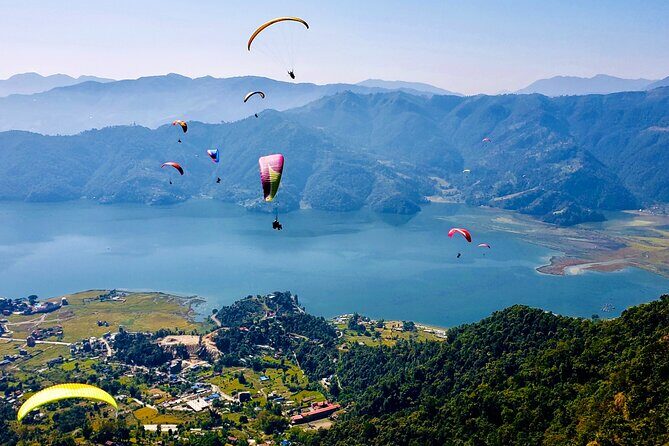
- Phewa Lake’s Barahi Temple: The “Lake Temple” visit is quick, but it anchors the whole day on the water.
- International Mountain Museum: Practical mountaineering history and culture, not just photos.
- Devi’s Falls + Gupteshwor Cave link: Same water story, above and below ground.
- World Peace Pagoda (Shanti Stupa) views: Big Annapurna-range panorama from up on Anadu Hill.
- Private, time-friendly routing: A focused 4–5 hour loop with a personal driver cum guide.
- Free stops inside the tour: Barahi Temple and Peace Temple list free admission, while other sites may have fees.
A 4–5 hour Pokhara loop that actually fits a busy day
This tour is designed for the reality of Pokhara: one day is rarely enough, but you still want the best hits without turning your trip into a checklist marathon. The plan is short—about 4 to 5 hours—yet it covers five major stops, moving from lake and temple, to museum, to two famous water/geology sights, and finally to a hilltop pagoda for wide views.
The private format is the real advantage. Instead of waiting around for a big group or guessing where to stand for photos, you get a driver cum guide who can match the tempo to your pace. You’ll also have bottled water and air-conditioned transport, which is a big deal in Nepal when you’re moving in and out of sun and shade.
Other World Peace Pagoda tours in Pokhara
Phewa Lake and Barahi Temple: the “Lake Temple” stop you’ll remember
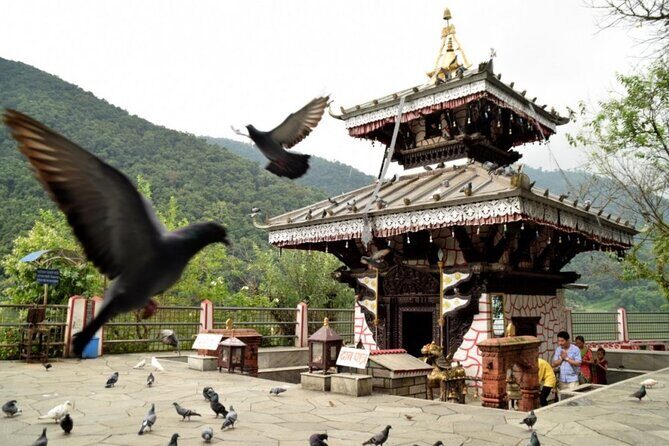
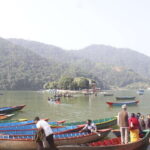
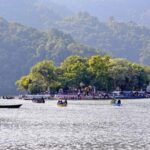
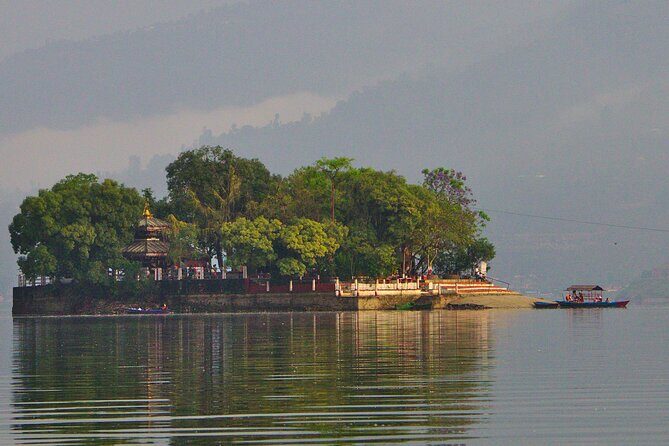
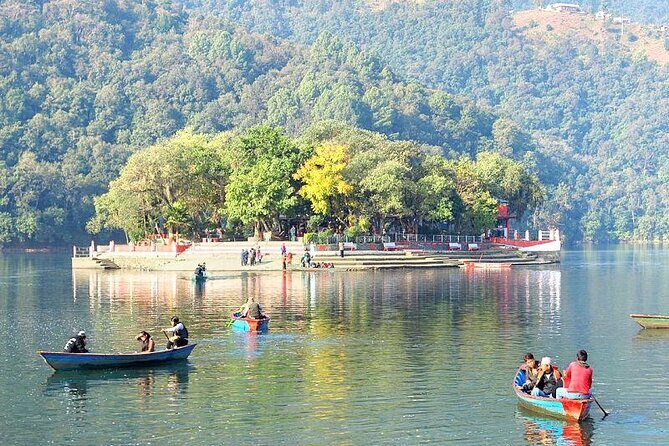
The day starts with Barahi Temple (Tal Barahi Temple), also called the Lake Temple, a Hindu temple dedicated to Durga. This temple is on a small island in the middle of Phewa Lake, which gives it a setting you can’t fake with any land-viewpoint. Even if you’re only there for about 45 minutes, it’s the kind of stop that makes Pokhara feel distinct from everywhere else in Nepal.
What I like about starting here: the lake view sets the tone. It’s calm, scenic, and photogenic—then the rest of the itinerary shifts into museum learning, water features, and hilltop views. If you’re the type who gets overwhelmed by too many “look at this” stops in a row, this opening helps you settle in.
Possible consideration: island temples are close by but still feel like a separate little episode in the middle of your route. Build a bit of patience into your timing and wear shoes you can handle comfortably around temple areas.
International Mountain Museum: why it’s worth the hour
Next up is the International Mountain Museum, where you’ll spend about 1 hour. This stop is easy to overlook if you’re thinking only in terms of views, but it’s one of the best ways to understand what you’re actually seeing around Pokhara and the Annapurna region.
The museum focuses on the history and culture of mountaineering in Nepal, with exhibits that help you connect the dots between the Himalaya as a landscape and the Himalaya as a human story—people, expeditions, and the long tradition of climbing and support work.
Here’s the practical value for you: once you know the mountaineering context, the rest of the day feels sharper. The views stop being just pretty backdrops and start to feel like part of a bigger story. Plus, the museum has mountain views from the terrace, so it’s not “indoor time only.” You get learning plus scenery in the same hour.
Watch-out: the museum admission is listed as not included, so expect an extra ticket cost here.
Devi’s Falls: the waterfall that disappears (and why that matters)
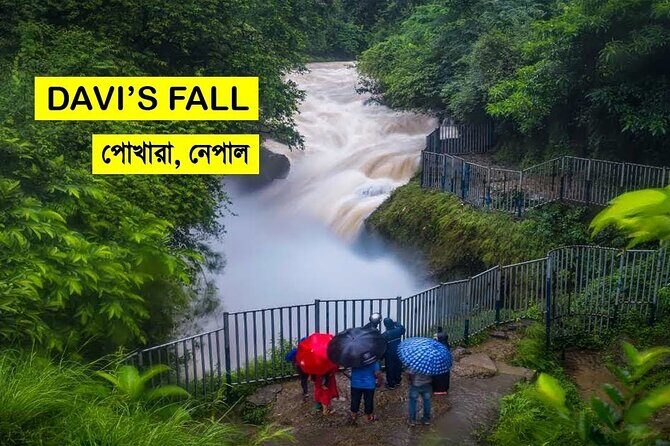
After the museum, you’ll head to Devi’s Fall. It’s famous because the water doesn’t just flow off a ledge—it forms a tunnel after reaching the bottom. The tunnel is described as about 500 feet long and running about 100 feet below ground level.
That detail is why Devi’s Fall feels more interesting than a typical viewpoint waterfall. It’s geology and hydrology on display, plus it’s tied to a nearby story underground—because the water doesn’t stop with the falls.
Timing is about 45 minutes, which is enough to see it, take photos, and understand why people treat this as more than a quick roadside stop.
Possible consideration: this is a water-and-rock setting. It can be slippery around the edges, and conditions can change with rainfall. Wear grippy shoes and keep an eye on footing.
Gupteshwor Mahadev Cave: the water story continues underground
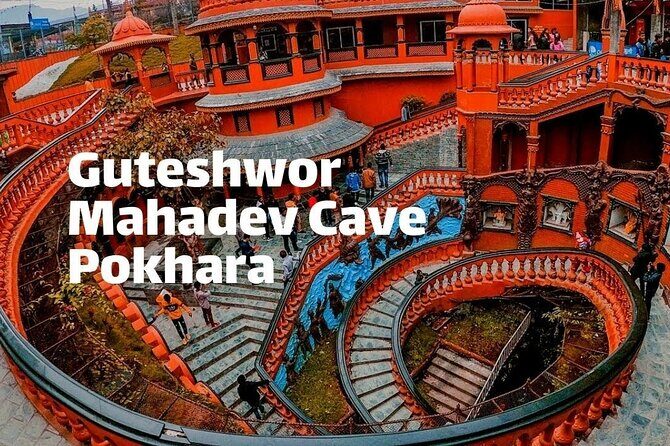
Right after Devi’s Fall, you’ll go to Gupteshwor Mahadev Cave (also spelled Gupteswar Gupha). This cave is located in Pokhara-17, Chhorepatan, and it’s described as being opposite Davis Fall, where the water from Devi’s Fall passes through the cave.
That connection is the payoff. If Devi’s Fall is the “what you see,” Gupteshwor Cave is the “where it goes.” You get the feeling that Pokhara’s features are part of one system, not random attractions grouped on a map.
You’ll likely spend about 45 minutes here. Since cave visits can vary in how crowded or how damp they feel, plan for a slower pace than you’d use in open-air attractions. If you like atmosphere and explanations, this stop tends to deliver.
Watch-out: cave admission is listed as not included. Also, caves often mean cooler, damp air—bring something light if you get cold.
Other museum experiences in Pokhara
World Peace Pagoda (Shanti Stupa) on Anadu Hill: panoramic views, lots of stairs
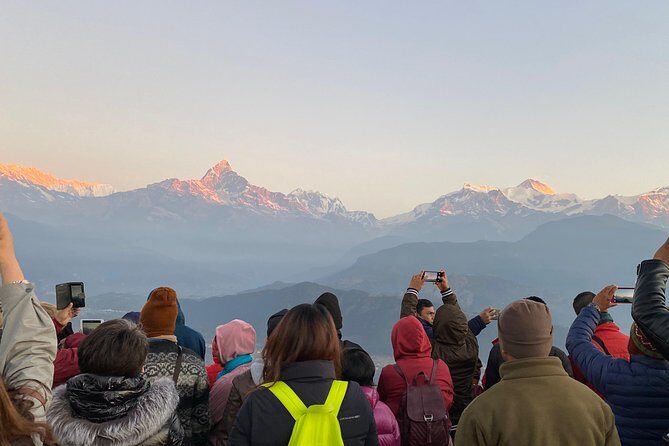
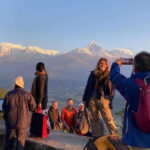
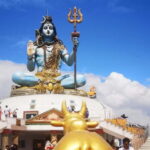
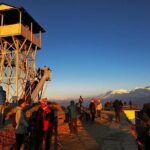
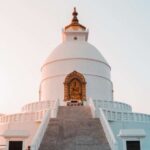
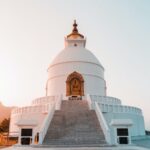
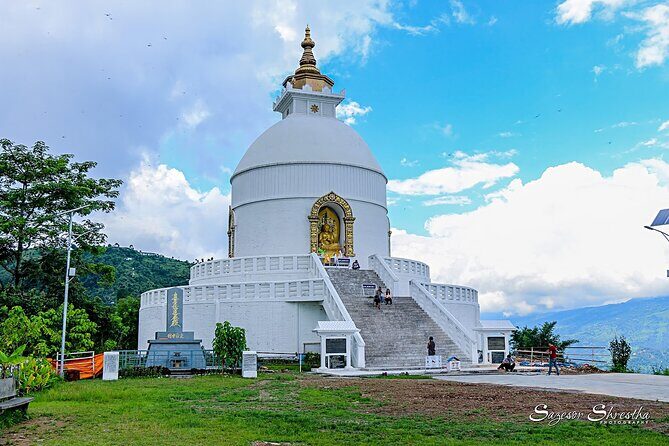
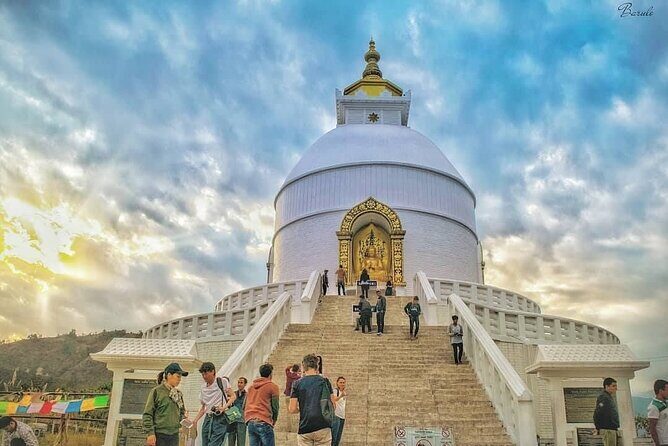
To close the tour, you’ll climb to the World Peace Pagoda, known in Pokhara as the Shanti Stupa. It’s a Buddhist pagoda-style monument on Anadu Hill in Kaski district. The tour framing here is practical: it was built to promote world peace, and from the hill you get panoramic views of the Annapurna Range.
This is the “reward” stop. After museums and water features, you finally get the big view that makes you understand why Pokhara sits at the top of so many short Nepal itineraries.
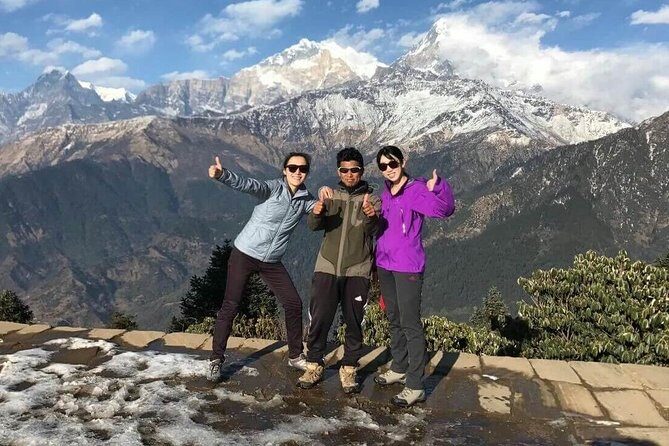
One review mentioned a guest struggling with the 200 steps to reach the Peace Temple, and the guide helped them through it. That lines up with what you should expect: this is not the kind of hilltop you sprint up. Go slow, take breaks, and keep water handy.
Timing is about 45 minutes, and admission is listed as free.
How the private vehicle + driver cum guide changes the day
A lot of tours in Pokhara try to do the same stops, but the private setup changes how it feels. With a private transportation option and a friendly driver cum guide, you can expect fewer delays and more flexible routing when you hit traffic or changing weather.
Two details from the reviews are especially useful if you’re picky about guides:
- Pujan was described as punctual and courteous, and he gave real context (including mountaineering connections in the museum).
- Bidur was praised for helping the day feel like more than a rushed photo walk.
Even if you’re not chasing deep history, these kinds of guides help you aim your time better—where to stand, what to notice, and when to move on.
Price and value: $40 makes sense, if you plan for tickets
At $40 per person, this tour is priced like a practical “high-coverage day.” But here’s the honest math: the tour includes bottled water, air-conditioned vehicle, private transportation, and a driver cum guide. Some stops list free admission (Barahi Temple and Peace Temple), but other key sites—like the International Mountain Museum, Devi’s Fall, and Gupteshwor Cave—are listed as not included for entry tickets.
So for value, treat the $40 as covering the route, transport, and guide time—not as a full “all-in” ticket package.
If you’re budgeting carefully, set aside a little extra for museum and cave/falls entry fees and any personal expenses you want along the way. (And if you plan to tip, build that into your day too.)
Who this tour is best for (and who might want something else)
This one is ideal if you:
- want a tight Pokhara intro without spending your whole day commuting
- like a mix of scenery, a real explanation stop (the museum), and a hands-on water/geology story
- prefer private comfort—especially with an air-conditioned vehicle
It’s also a good fit if you’re dealing with limited time. The 4–5 hour length means you can often still enjoy downtime afterward for lakeside wandering or shopping.
You might choose a different style of tour if you:
- hate stairs and know you’ll struggle with a hill climb (the Peace Temple stop is worth it, but it’s physical)
- want a fully “no extra costs” ticket day (because entries are partly not included)
Should you book this Pokhara in 5 Hours tour?
I’d book it if you want your first Pokhara day to feel focused and meaningful. The mix is strong: lake temple setting for atmosphere, a mountaineering museum for context, then Devi’s Fall and Gupteshwor Cave for the water story, ending with Annapurna-range views from Shanti Stupa.
The only real reason to pause is budgeting for entrance fees and being prepared for the stairs at Peace Temple. If you’re okay with that, this is a smart way to pack in major Pokhara sights without turning it into a rushed blur.
FAQ
How long is the Pokhara in 5 Hours tour?
It runs about 4 to 5 hours (approx.), with each stop timed to keep the day efficient.
Is pickup included?
Yes. Pickup is offered, and you’ll have private transportation with an air-conditioned vehicle.
What’s included in the price?
The tour includes bottled water, an air-conditioned vehicle, private transportation, and a friendly driver cum guide.
Are entry tickets included?
No. Entry tickets are listed as not included. Barahi Temple and Peace Temple list free admission, while other stops may require tickets.
Which sights are included in the itinerary?
You’ll visit Barahi Temple (Lake Temple), the International Mountain Museum, Devi’s Fall, Gupteshwor Mahadev Cave, and the World Peace Pagoda/Shanti Stupa.
Is this a private tour?
Yes. It’s a private tour/activity, and only your group will participate.