REVIEW · POKHARA
Pokhara in 5 Hours: Lake, Museum, Cave, Falls & Pagoda Hill
Book on GetYourGuide →Operated by Linkage Tour & Travel · Bookable on GetYourGuide
Five hours in Pokhara flies by. You get a smart hit list—Phewa Lake boat time, mountain history, major waterfalls, a cave visit, and World Peace Pagoda views—all with a private vehicle and an English-speaking guide.
I especially like two things: the mountaineering-focused stop at the International Mountain Museum, and how the day balances big sights with calmer moments, like the boat cruise to Tal Barahi Temple on Fewa Lake. In the best cases, your guide may be Roshan or Bidur, and you’ll get clear, practical explanations in English.
One thing to consider: entry fees aren’t included, so your total can creep up depending on what you decide to pay at each site. Also, 5 hours is tight—so you’ll want to be ready to move at a steady pace.
In This Review
- Key things that make this Pokhara tour work
- A tight 5-hour Pokhara route that still feels complete
- Phewa Lake and Tal Barahi Temple boat time: the calm start
- International Mountain Museum: more than photos, it’s a story
- Davis Falls: water power with quick, guided context
- Gupteshwor Mahadev Cave: cool air and a more quiet mood
- World Peace Pagoda: a hilltop finish with Annapurna Range views
- Price and logistics: why $45 can still feel like good value
- Guides make the difference: Roshan, Bidur, and clear English
- What this tour suits best (and who should consider a different option)
- Small planning tips so your 5 hours feel easy
- Should you book this 5-hour Pokhara tour?
- FAQ
- What is the duration of this Pokhara tour?
- Where can you be picked up?
- Is the tour private?
- What’s included in the price?
- Are entry fees included?
- What language will the driver/guide speak?
- Is there free cancellation and a pay-later option?
Key things that make this Pokhara tour work
- A true private setup: pick-up options at Lakeside or Pokhara Lakeside plus an air-conditioned vehicle.
- Fewa Lake by boat: Tal Barahi Temple cruise time included, not just a quick photo stop.
- International Mountain Museum: mountaineering history and culture in a focused 1-hour visit.
- Two “water + caves” stops: Davis Falls and Gupteshwor Mahadev Cave add variety in a short day.
- World Peace Pagoda views: Annapurna Range panoramas tied to the monument’s peace message.
- Flexible guidance: guides (like Roshan) are willing to adjust when possible, including adding time for an extra stop.
A tight 5-hour Pokhara route that still feels complete
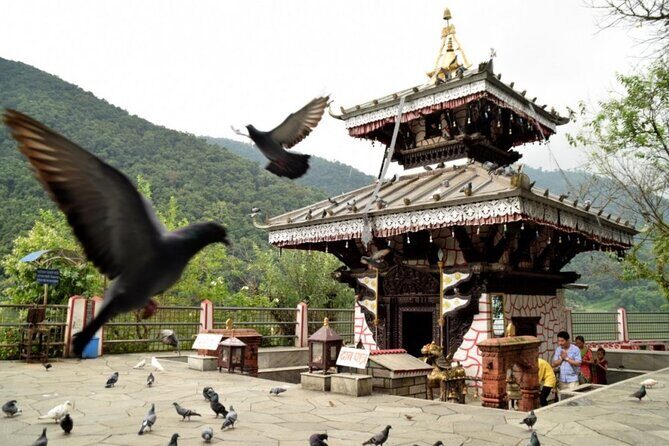
This is the kind of tour that makes sense when you only have half a day in Pokhara but still want the big-name highlights. With a private car, you don’t waste time negotiating rides, and you get a friendly driver cum guide to keep the flow moving.
The best part is the mix. You start with calm water on Fewa Lake, then you jump into Nepal’s climbing story at the International Mountain Museum, and from there it’s off to water, rock, and finally a hilltop monument with wide Annapurna views. It’s not one-note sightseeing.
The pace is purposeful. If you’re the type who likes lingering until your legs protest, you’ll still enjoy it—but you should be mentally ready for a schedule. The upside: you’ll see a lot without feeling like you’re sprinting every minute.
Other World Peace Pagoda tours in Pokhara
Phewa Lake and Tal Barahi Temple boat time: the calm start
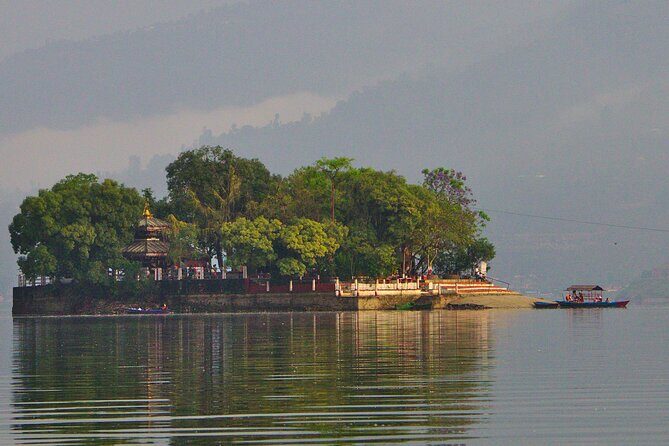
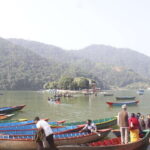
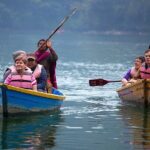
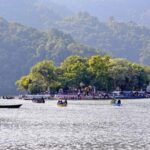
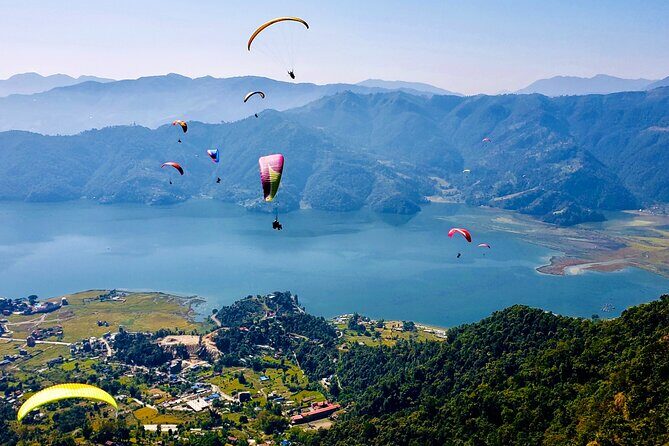
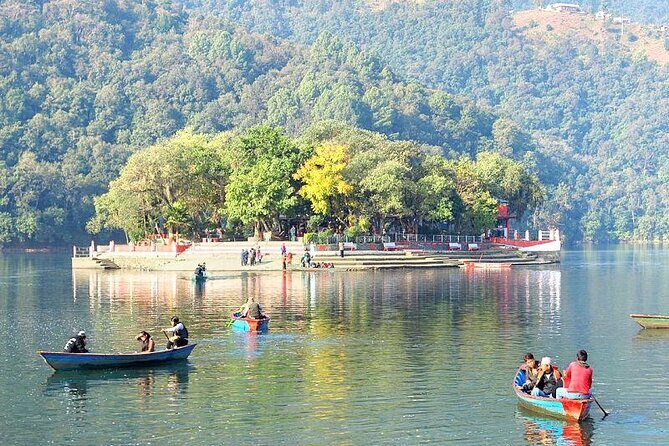
Your day begins at Fewa Lake, and instead of rushing past the water, you get a real boat cruise linked to Tal Barahi Temple. That matters. In Pokhara, a lot of time can get burned on short stops, but a cruise gives you breathing space and a different angle on the shoreline and mountains.
You’ll also get the classic Pokhara moment: Annapurna views reflecting off the water when conditions line up. Even when the sky isn’t perfect, being on the lake changes the whole vibe. It’s softer, cooler, and less “tour bus” energy.
Practical tip: if you’re sensitive to sun, bring a hat or light layer. On the lake, the weather can feel changeable in a way that makes you wish you’d packed something simple.
International Mountain Museum: more than photos, it’s a story
Next comes the International Mountain Museum, and this is where the tour gets interesting in a way most highlight stops don’t. The exhibits focus on the history and culture of mountaineering in Nepal, turning names and dates into a human story about effort, risk, and challenge.
I like museum time on a day like this because it slows everything down for a bit. You’re not just collecting sights; you’re building context. When you later look at the Annapurna region from different angles, it feels more grounded—like you understand what people have been chasing in these mountains.
This is also one of the best spots for an English-speaking guide. More than once, guests have praised guides such as Roshan for giving clear explanations in English, with enough detail to make the exhibits click. If you want to understand Nepal beyond the postcard version, this stop is a strong anchor for the day.
Davis Falls: water power with quick, guided context
Then you head to Davis Falls (often associated with the name Devi’s Fall). This is one of those stops where you’ll get value from having someone explain what you’re looking at and how to see it from the most sensible angles.
In practical terms, it’s a classic Pokhara “don’t miss” moment. It also breaks up the day after the museum, which is heavier on information than motion. A waterfall gives you something physical—sound, spray, and a natural point of focus.
Time check: you’ll spend about 30 minutes with guided time here. That’s not a long sit-down visit, so go in ready to observe, take a few photos, and keep moving. If you treat it like a mini stop rather than a long excursion, you’ll be happy with the pacing.
Gupteshwor Mahadev Cave: cool air and a more quiet mood
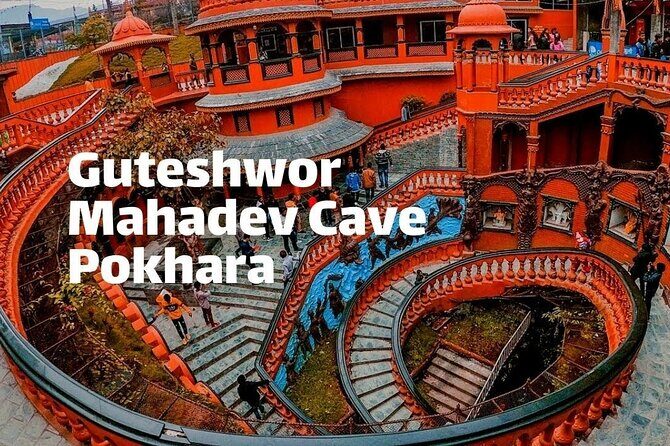
After the falls, the tour shifts into something more mysterious: Gupteshwor Mahadev Cave. This is the “change of environment” stop. Water noise fades, and the mood turns more enclosed and quiet.
You’ll go in with a guided visit for about 30 minutes. That’s long enough to see the cave properly without turning the experience into a rushed stamp. The cave is described as mystical, and that fits the feeling—dim light, stone textures, and a sense of stepping into a different pocket of the city.
Practical note: caves usually mean uneven floors and cooler temperatures than outside. Wear comfortable shoes you can trust, and if you’re sensitive to tight spaces or low light, keep that in mind while you’re deciding how long you want to linger.
Other museum experiences in Pokhara
World Peace Pagoda: a hilltop finish with Annapurna Range views
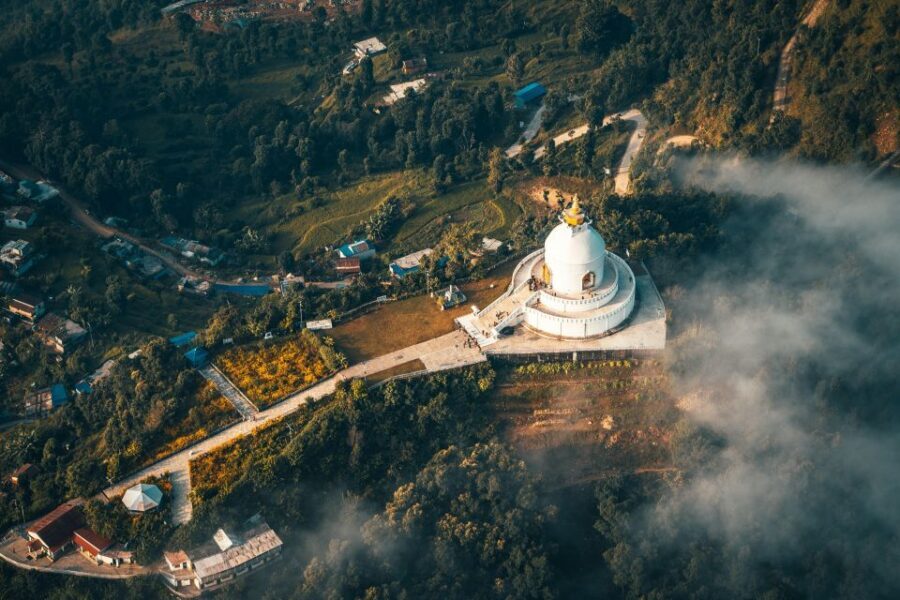
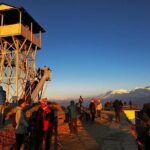
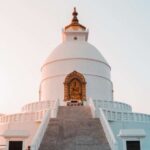
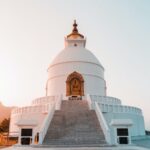
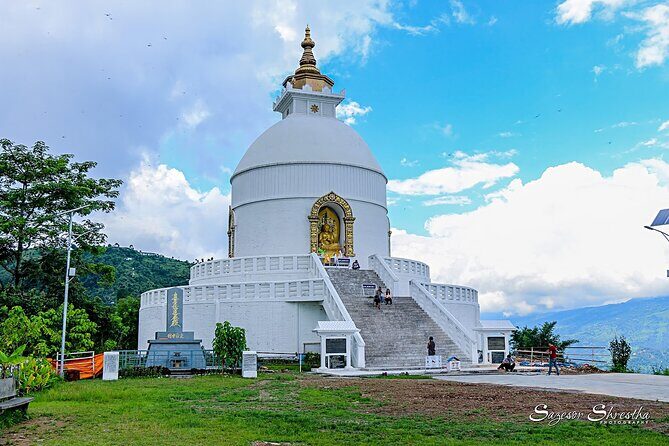
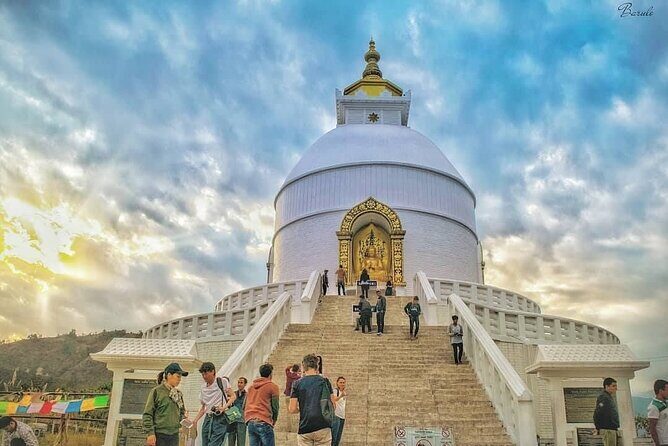
The last major stop is World Peace Pagoda, perched on a hill. The idea here isn’t just a pretty viewpoint. The monument is built to promote global peace, so you’re getting a place with a message, not only a photo spot.
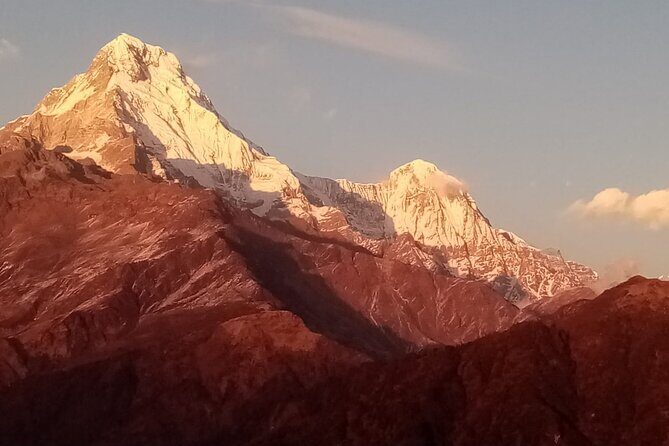
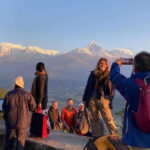
Once you’re up there, you get rewarded with wide Annapurna Range vistas. This is the kind of viewpoint where everything clicks: earlier parts of the tour (lake, museum, falls, cave) all relate back to the mountain region. Your day has a theme now, and the views help you feel it.
Timing matters at the end. If you’re there in clearer conditions, the views can look dramatically better. If clouds roll in, you’ll still get the peace-park atmosphere and a sense of height and calm—just with less mountain sharpness.
Price and logistics: why $45 can still feel like good value
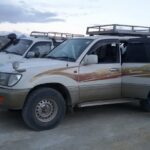
At $45 per person for about 5 hours, this tour is priced like a “do the highlights efficiently” option. You’re getting a private air-conditioned vehicle, plus a friendly driver cum guide in English, and you’re not paying for entry fees in the base price.
That last point is key for value. If you end up paying multiple site fees, your total goes up. But compared to piecing together separate taxis and paying for museum + waterfall + cave entry on your own, the convenience can still make sense—especially if you want someone to guide you through what matters and how long to spend.
The tour also includes a boat cruise tied to Tal Barahi Temple, which is a meaningful add. It’s not just a drive-by. That’s the kind of inclusion that can easily justify the cost if you were planning to do it anyway.
Pickup is straightforward: Lakeside or Pokhara Lakeside. Drop-off options are similar (Pokhara Lakeside or Lakeside), so you’re likely to end the day where you can continue exploring without a long return ride.
Guides make the difference: Roshan, Bidur, and clear English
A big reason people rate this tour highly is the human factor. One guest highlighted Roshan for detailed information and excellent English. Another praised Bidur as professional and dedicated, with smooth hotel pick-up and a finished drop-off when the day ended.
You also see the same theme in smaller details: clean, new-looking car service, punctual presence, and an efficient plan. That stuff sounds basic, but in practice it keeps the day comfortable and reduces stress. In Pokhara, that peace of mind is worth real money.
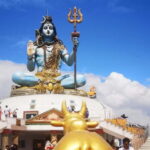
One more nice touch: flexibility. There’s an example where extra time for a Shiva temple stop was arranged, and the trip was extended to about 7 hours with a drive up to Sarangkot for a great view over the lake and mountains. That doesn’t mean every day will work the same way, but it tells you the team isn’t stuck in a rigid script.
What this tour suits best (and who should consider a different option)
This tour is a great fit if you:
- Want to see classic Pokhara sights in a single half-day
- Prefer a private setup instead of sharing a vehicle
- Care about understanding Nepal a bit more, not only taking pictures
- Like a mix of water, culture, caves, and viewpoints
It may be less ideal if you:
- Want to spend lots of time at just one site
- Prefer slow, unstructured wandering
- Don’t like feeling “guided by the clock”
For most first-timers, though, this hits the sweet spot: enough variety to feel like you toured Pokhara, enough structure to keep you from wasting time, and enough guidance to make the stops feel connected.
Small planning tips so your 5 hours feel easy
A few practical things will help:
- Entry fees aren’t included, so expect some extra cost once you’re there.
- The day includes a boat ride and a cave, so wear shoes you’re comfortable using on uneven ground.
- Bring something for sun and light rain. Weather can shift quickly around lakes and hills.
- If you want extra stops (like a temple addition or an extended view drive), ask early so the schedule can adjust.
Also, because pickup options are at Lakeside / Pokhara Lakeside, confirm which one matches your accommodation. It saves time and makes the morning smoother.
Should you book this 5-hour Pokhara tour?
If you’re short on time but still want the must-sees—Phewa Lake, the International Mountain Museum, a major waterfall, Gupteshwor Mahadev Cave, and the hilltop World Peace Pagoda—I’d say yes. The private vehicle and English guidance add real value, and the included boat cruise gives you a reason to pick this over a simple “drive-and-stop” option.
I’d only hesitate if you hate structured pacing or if you already plan to visit these places separately (especially the museum and the boat portion). But for a first Pokhara day, this tour is a solid, efficient way to get the feel of the region without turning your schedule into chaos.
FAQ
What is the duration of this Pokhara tour?
The tour runs for 5 hours.
Where can you be picked up?
Pickup is available at Lakeside or Pokhara Lakeside.
Is the tour private?
Yes, it’s a private group experience.
What’s included in the price?
Included are an air-conditioned vehicle, private transportation, and a friendly driver cum guide.
Are entry fees included?
No. Entry fees are not included, so you’ll pay those separately on site.
What language will the driver/guide speak?
The driver is listed as English-speaking.
Is there free cancellation and a pay-later option?
Yes. You can cancel up to 24 hours in advance for a full refund, and you can reserve now and pay later.