REVIEW · POKHARA
Pokhara: Day Hiking from Sarangkot to World Peace Stupa from Lakeside
Book on Viator →Operated by Couch Adventure Nepal (CAN) · Bookable on Viator
Pokhara wakes up early, and so does this hike. You’ll start with Sarangkot sunrise over the Annapurna range, then spend the morning working your way toward the World Peace Stupa for wide-open valley views. The mix is smart: a half-day taste of mountain hiking without committing to a long trek, plus a couple of Pokhara classics later in the day.
Two things I’d prioritize if you’re considering this: first, the day is built around views that are worth the early alarm, and second, you get real local context from an English-speaking trekking guide who keeps things practical. One consideration: the trails can be steep and hard on knees, and weather can blur the mountain view when clouds or rain roll in.
In This Review
- Key Highlights You’ll Feel on the Trail
- Why This Sarangkot to Peace Stupa Day Hike Works So Well
- Price and Logistics: What You’re Actually Paying For
- Your Morning Starts at 5am: Pickup, Drive, and Sunrise Timing
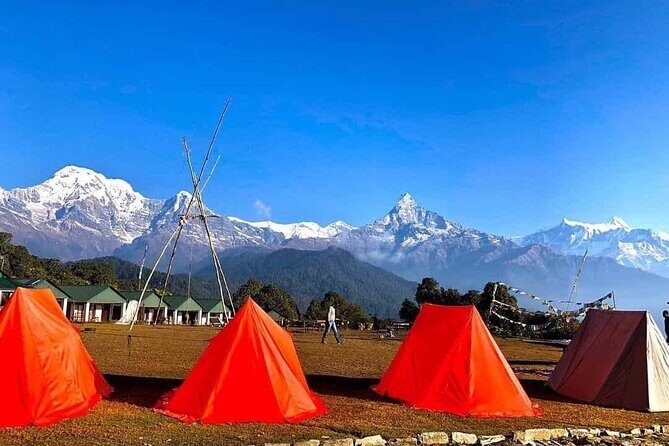
- Sarangkot Sunrise: The Viewpoint That Sets the Tone
- Hiking Toward the World Peace Stupa: Villages, Forest, and Real Climb
- Crossing Fewa Lake by Boat: A Small Detail That Changes the Day
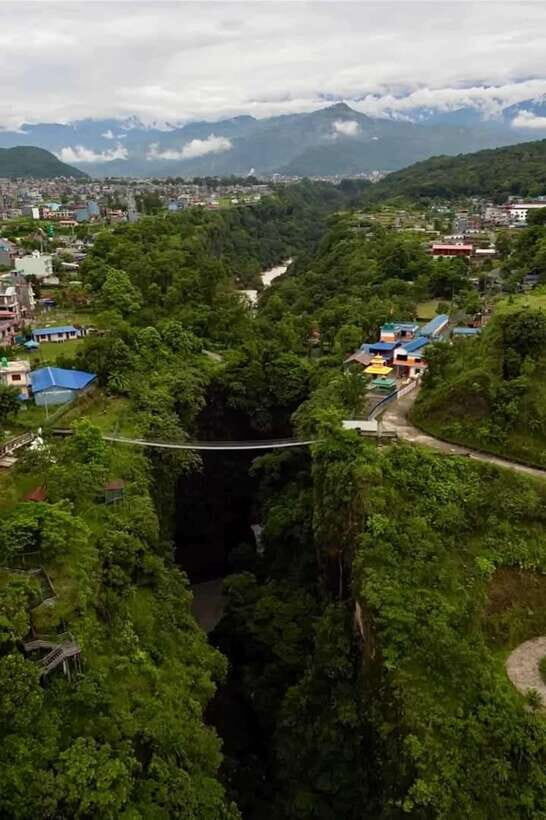
- Devi’s Fall and Gupteswar Gupha: Water Disappearing Into Stone
- Getting Back to Lakeside: Finish Strong, Don’t Rush Dinner
- Who This Day Hike Is Best For (And Who Should Skip It)
- Weather Reality: Plan for Clouds, Still Get Value
- Should You Book This Sarangkot to World Peace Stupa Hike?
- FAQ
- How long is the hike from Sarangkot to the World Peace Stupa plus the rest of the stops?
- What time does the tour start, and where is pickup?
- Is the tour private or shared with other groups?
- What’s included with the tour price?
- Are meals included?
- Are entrance fees for Devi’s Fall and the cave included?
- Is there free cancellation?
Key Highlights You’ll Feel on the Trail
- 5am Sarangkot departure so you have the best chance at sunrise timing
- Steep, active hiking through hills, villages, and forests (bring a steady pace)
- Rowing boat across Fewa Lake for a change of rhythm, not just walking
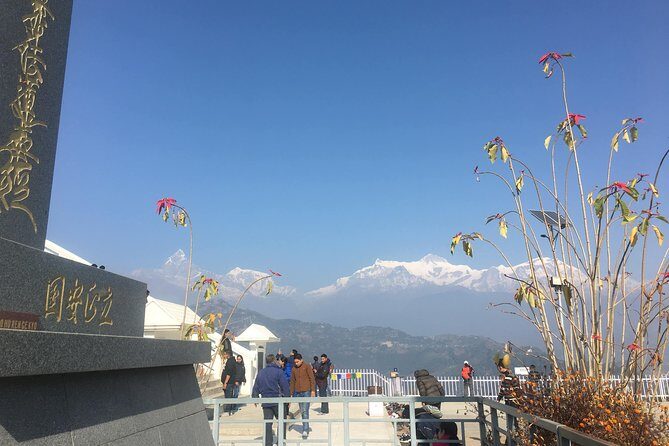
- World Peace Stupa climb with panoramic views over Pokhara and the Annapurna range
- Devi’s Fall + Gupteswar Gupha caves in one smooth add-on block
- Hotel pickup/drop-off in Lakeside for an easier start and finish
Why This Sarangkot to Peace Stupa Day Hike Works So Well
This is the kind of Pokhara day plan that makes sense if you want mountain scenery but don’t want the logistics (or fatigue) of a multi-day trek. The route is designed to get you from a classic viewpoint to a serious lookout, with a physical component in the middle that still fits in about 5–6 hours.
What I like most is how the day keeps you moving between different “Pokhara moods.” You get the early stillness at Sarangkot, the human scale of walking through villages and farmland, and then the big sense of altitude once you’re climbing to the stupa. By the time you reach Devi’s Fall and Gupteswar Gupha, the pace shifts again into sightseeing and short cave exploration.
If you’re the type who enjoys a plan with a bit of sweat—and you don’t mind starting early—you’ll probably love it. If your idea of hiking is mostly flat, this will feel more like an effort than an easy stroll.
Other Sarangkot sunrise tours in Pokhara
Price and Logistics: What You’re Actually Paying For
At $130, you’re not just paying for a guide and a few stops. You’re paying for a package that includes:
- English-speaking trekking guide
- Hotel pickup/drop-off within Lakeside area of Pokhara
- Bottle of water for each
- Entrance fees to Sarangkot
- Rowing boat across Fewa Lake
- Private trip (only your group)
That’s meaningful because it removes the annoying add-ons that can add up fast in Nepal. The parts that aren’t included are also clearly defined: meals, and entrance fees at Devi’s Fall and the caves (Mahadev Cave / Gupteswar Gupha). If you budget for food locally and accept that cave fees are extra, the $130 starts to look pretty fair for the time, early start, and guided effort.
You should also know this is a private tour, and the itinerary can be customized to fit your needs. That’s useful if you want a slower pace on the steeper sections or want a bit more time at one viewpoint and less at another.
Your Morning Starts at 5am: Pickup, Drive, and Sunrise Timing
The day begins with pickup from your hotel in the Lakeside area, then a drive of about 40 minutes to Sarangkot. You’ll be at the viewpoint for sunrise, which is the main reason this trip is scheduled so early.
Two practical tips:
- Wear layers you can handle when the air is cool at dawn, because mornings in Pokhara can feel chilly before the sun climbs.
- Plan to be a little patient with conditions. Even with a strong plan, clouds and rain can soften the mountain view.
One review-worthy detail I’ve heard consistently through the experience is how guides handle imperfect weather. If you don’t get a crisp Himalaya panorama at sunrise, you still have the morning hike and the stupa views later as a solid payoff. In other words: the day doesn’t collapse if sunrise isn’t perfect.
Sarangkot Sunrise: The Viewpoint That Sets the Tone
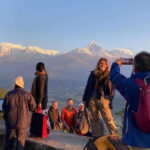
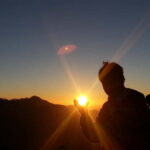
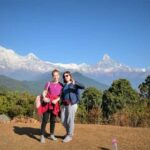
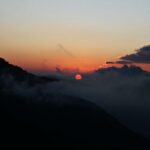
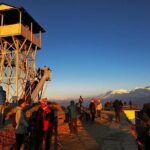
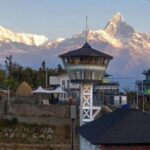
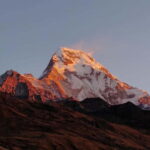
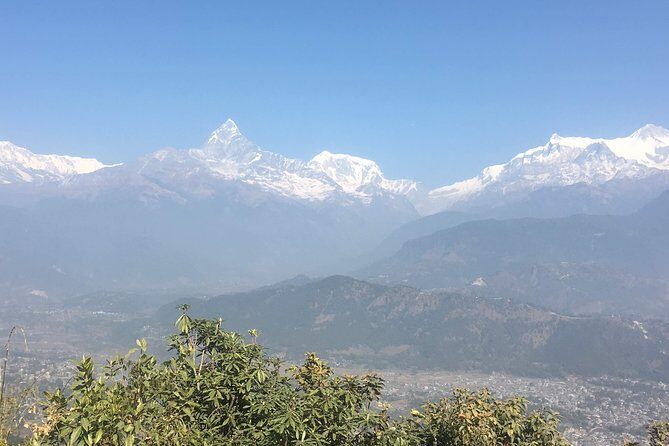
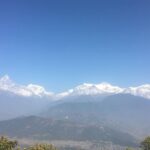
Sarangkot is famous for sunrise because of the sightline toward the Annapurna mountain ranges. After the drive, you’ll have time to enjoy the early light before starting your trek.
This is also where the tone changes from transportation to effort. Once you begin hiking, you’ll be on uneven terrain with steep sections. That matters because you’ll want your energy early, and you’ll want to move carefully when the slope steepens.
If you’ve had knee issues in the past, this is the moment to go slow. The good news: guides can pace you well and offer support. One account you can take seriously is that a guide (Shambhu was named) didn’t talk too much—just kept things appropriately paced. That kind of calm, “let’s get you through safely” focus is often what helps on steep descents.
Hiking Toward the World Peace Stupa: Villages, Forest, and Real Climb
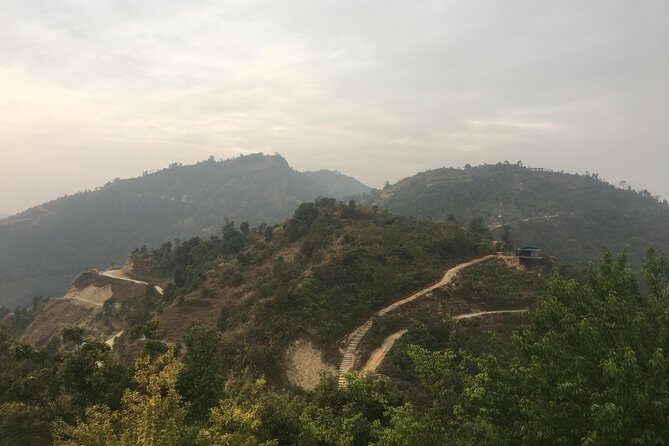
After Sarangkot, the route moves you through hilly trails where you’ll pass villages and farmland before reaching Fewa Lake. Then you cross the lake by rowing boat, which breaks up the walking and gives your legs a chance to reset.
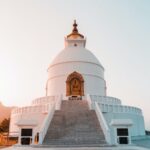
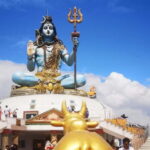
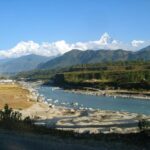
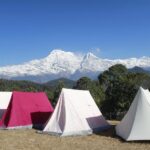
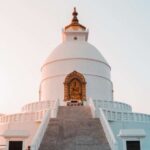
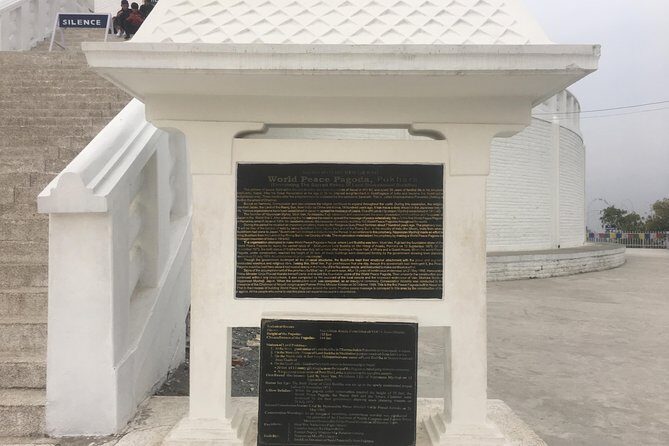
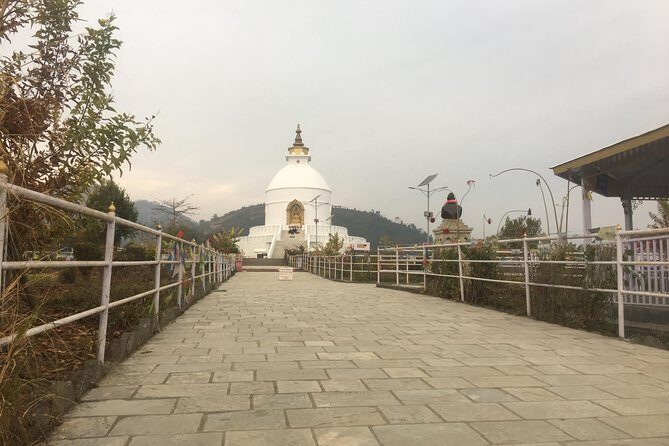
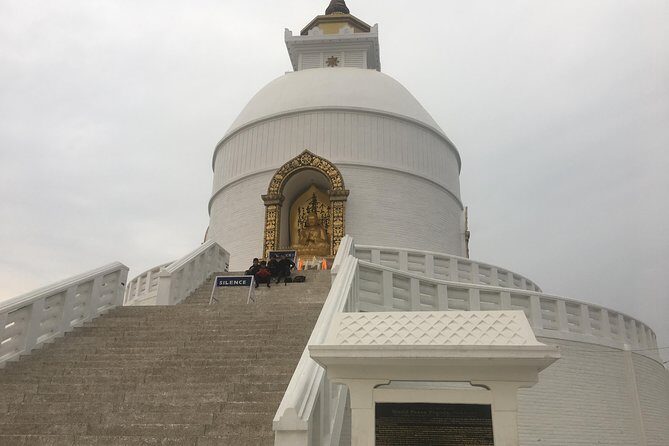
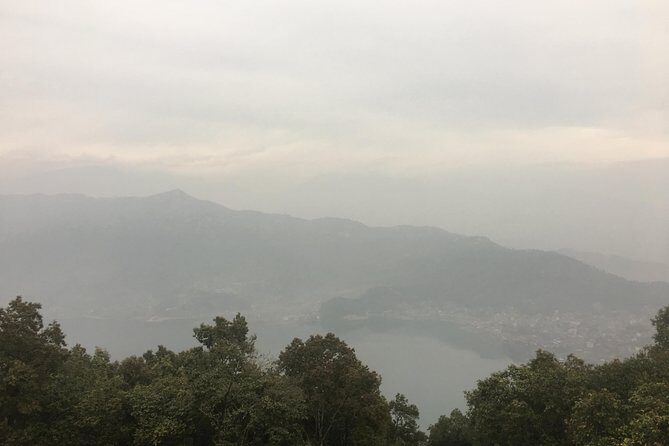
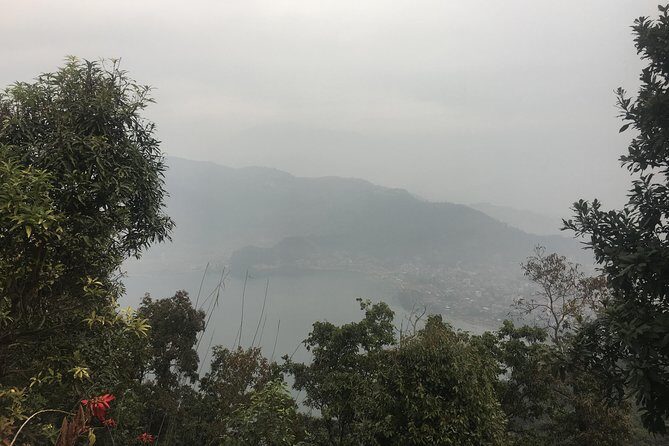
From there, the hike turns into an ascent through village and forest toward the World Peace Stupa. This is the part that delivers the big rewards: when you reach the top, you get views across the Pokhara valley, the Annapurna ranges, and the green hills surrounding you.
A balanced way to think about it:
- You’re earning these views with effort, because the climb is steep.
- You’ll likely feel your heart rate rise, especially if you’re carrying a daypack.
- The guide makes the biggest difference here—not because they’re performing magic, but because they help you keep a sustainable pace.
If you want photos, build in a few short stops. Don’t rush; steep trails can make you grab a shot and then immediately regret it when your footing gets slippery.
Other Phewa Lake and Lakeside tours in Pokhara
Crossing Fewa Lake by Boat: A Small Detail That Changes the Day
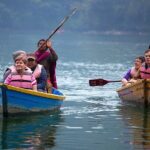
The rowing boat across Fewa Lake might sound like a nice extra, but it’s actually a smart design choice. Instead of walking continuously, you get a rhythmic shift. That matters because the day has steep sections, and any pause—especially one that isn’t just standing still—helps you finish stronger.
It also makes the route feel more like a Pokhara experience rather than a single-point excursion. Lake crossing is part of the local geography here, so you’re seeing the area the way locals would think about it: hills, water, and the life between.
Devi’s Fall and Gupteswar Gupha: Water Disappearing Into Stone
After the stupa section, the tour continues to Devi’s Fall and then into cave exploration at Mahadev Cave / Gupteswar Gupha. This part is shorter—think quick sightseeing—so you’re not starting a second big hike.
Devi’s Fall is worth your time because it’s a strange, memorable natural feature. Then you transition to Gupteswar Gupha, which adds a spiritual and historical layer.
Here are the concrete cave details you should know:
- A Hindu temple of Lord Shiva sits at about 40 meters depth.
- As you go further, the cave extends for roughly 100 meters until you reach a point connected with a river fed by the water from Devi’s Fall.
That information helps you understand what you’re walking into: it’s not just a dark corridor. It’s a place where you can connect the visible waterfall mystery above to the underground path below. Wear shoes with good grip, because caves often mean uneven stone and damp surfaces.
Entrance fees for Devi’s Fall and the caves are not included, so you’ll want to be ready to pay on the day.
Getting Back to Lakeside: Finish Strong, Don’t Rush Dinner
After the cave visit, you’ll drive back to Lakeside. The overall day plan keeps you moving, so when you return, your energy will likely be in “cool down mode.”
This is also when I’d plan food carefully:
- Meals aren’t included, so eat somewhere convenient near your hotel or the lakeside strip.
- If you’re hungry, don’t try to “wait it out.” A steep hike plus a cave stop can make your appetite show up fast.
If you’re still feeling good, you can keep the day going on your own. But if your legs feel it, you’ll probably be happier doing something low-key—hot shower, laundry if needed, and an early night.
Who This Day Hike Is Best For (And Who Should Skip It)
This trip is best for active travelers who don’t mind steep trails. If you’re moderately fit and comfortable with uneven paths, you’ll likely find the route manageable, especially with a guide adjusting pace.
It’s also a good match if you want:
- A taste of Himalayan hiking without a long trek
- Early-day views (sunrise at Sarangkot is the hook)
- A blend of hiking + sightseeing in one compact plan
- The convenience of pickup and drop-off in Lakeside
You might skip it if:
- Your knees or ankles struggle on steep descents
- You’re looking for a mostly flat walk
- You need a late start, because 5am is non-negotiable for sunrise timing
Weather Reality: Plan for Clouds, Still Get Value
Pokhara weather can be unpredictable. Even if sunrise conditions aren’t perfect, the tour still has multiple view moments and a full sightseeing sequence to keep your day worthwhile.
Here’s how to think about it without stressing:
- Sunrise view can be hit or miss depending on clouds.
- The hike and stupa portion are still a key payoff, and you’ll get broader valley views when visibility allows.
- Devi’s Fall and the caves are more consistent, because they don’t rely on the mountains being visible.
So if the sky is dramatic (cloudy or rainy), treat that as part of the day, not failure. The structure of the experience keeps you from feeling like you only came for one photo.
Should You Book This Sarangkot to World Peace Stupa Hike?
Book it if you want an early, active Pokhara morning that combines sunrise, steep hiking, and a big payoff viewpoint, with a second block of sights afterward. The value improves if you like having logistics handled: pickup, guiding, boat crossing, and key entrance fees are taken care of.
I’d skip it if you want an easy walk, you’re not comfortable with steep sections, or you’re trying to maximize mountain visibility only. The hike is the deal here—not guaranteed clear skies.
If you do book, go with a simple strategy: wear proper shoes for steep trails and caves, bring layers for dawn, and pace yourself on the descent. That way you’ll enjoy the views when they arrive, instead of fighting the terrain all day.
FAQ
How long is the hike from Sarangkot to the World Peace Stupa plus the rest of the stops?
It’s listed as about 5 to 6 hours total.
What time does the tour start, and where is pickup?
Pickup from a Lakeside hotel area happens around 5am, followed by a drive of about 40 minutes to Sarangkot.
Is the tour private or shared with other groups?
This is a private tour/activity, so only your group participates.
What’s included with the tour price?
Included are an English speaking trekking guide, hotel pickup and drop off within Lakeside area, a bottle of water for each, entrance fees to Sarangkot, a rowing boat to cross Fewa Lake, and the private trip.
Are meals included?
No. Meals and drinks are not included and are available for purchase.
Are entrance fees for Devi’s Fall and the cave included?
No. Entrance fees for Devi’s Fall and the cave are not included.
Is there free cancellation?
Yes, free cancellation is available. You can cancel up to 24 hours in advance for a full refund.