REVIEW · POKHARA
Round The Phewa
Book on Viator →Operated by Cycle Tours & Travel · Bookable on Viator
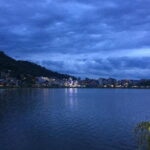
Phewa Lake by bike is pure escape. You’ll pedal new mountain bikes on some of the best single-track around the lake, with jaw-drop views of the Annapurna Range as you work up and down the terrain. I like that the whole thing is built as an active sightseeing loop, and I really appreciate the complimentary fresh juice after the ride.
This isn’t a casual cruise. You’ll want moderate physical fitness and good balance, because the route includes uphill effort and technically tricky, hair-raising downhill sections—plus the tour depends on good weather.
In This Review
- Key highlights I’d plan around
- Round the Phewa: why this ride feels different in Pokhara
- New mountain bikes, a female guide, and a nice post-ride touch
- Where you start: Cycle Tours & travel near downtown Pokhara
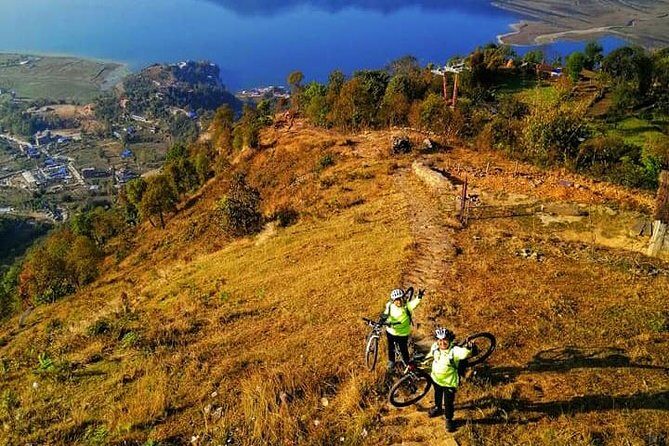
- Phewa Lake single-track: the view factor and the technical factor
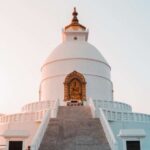
- World Peace Pagoda: a calm pause above the lake
- Devi’s Fall and the Tibetan Refugee Camp: culture between climbs
- Suspension and wooden bridges, boat views, and water buffalo
- Queen Forest, paddy fields, and riverbed riding: what to expect physically
- Why the route mixes landmarks with everyday riding
- Price and value: what $185 includes (and what it doesn’t)
- Weather rules and timing: when the ride can get canceled
- The one big risk: pickup and operator reliability
- Who should book Round the Phewa
- Should you book this bike tour in Pokhara?
- FAQ
- How long is the Round The Phewa bike tour?
- Is pickup included?
- What is included in the price?
- Is lunch included?
- What fitness level do I need?
- What happens if the weather is poor?
Key highlights I’d plan around
- Best single-track around Phewa Lake with forest and river-adjacent riding
- Active sightseeing: World Peace Pagoda, Devi’s Fall, and the Tibetan Refugee Camp
- Classic Pokhara wildlife and daily life: boats, water buffalo, and fieldwork scenes
- Bridges that change the feel of the route: suspension and wooden crossings
- Short, satisfying duration (about 3 to 5 hours) with bike use included
- New bikes + a female guide + post-ride juice for comfort and momentum
Round the Phewa: why this ride feels different in Pokhara
Pokhara has a lot of bike tours that get you from point A to point B. This one is different because the main event is the riding itself—especially the single-track around Phewa Lake. You’re not just seeing the lake from the road. You’re spending real time on narrower paths that pass through Queen Forest, along the river, and through farmland edges.
The other reason I like it: it doesn’t turn into a checklist. It connects views and culture to the act of cycling—so your legs keep working while your eyes keep moving. In a few hours, you’ll go from lake shore scenes to viewpoints, then down into village-and-river terrain where daily life feels close.
That mix is also the main tradeoff. If you’re expecting easygoing flat riding, you’ll feel the climbs and you’ll need to ride with attention on the downhill.
Other Phewa Lake and Lakeside tours in Pokhara
New mountain bikes, a female guide, and a nice post-ride touch
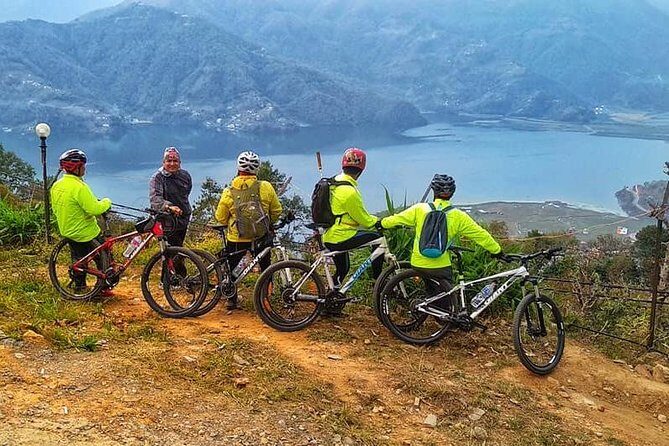
The tour provides use of a bicycle, and the bikes are described as new. That matters more than it sounds. When you’re doing a technical single-track loop, you want a bike that tracks straight on uneven ground and doesn’t feel vague when you pick your line through roots and ruts.
I also like that the guide is female. It’s a small detail, but it can make a trip feel more comfortable right from the start—especially on a ride that blends biking with stops like Devi’s Fall and a refugee camp.
And yes, there’s a simple comfort win: you get a complimentary glass of fresh juice after the trip. Nothing fancy, but after uphill effort, it hits the right spot.
Where you start: Cycle Tours & travel near downtown Pokhara
You meet at Cycle Tours & travel Pokhara 33700, Nepal, and the activity ends back at the same meeting point. Pickup is offered, which is handy in a city like Pokhara where traffic and finding parking can slow you down before the ride even starts.
The tour also uses a mobile ticket, and you should receive confirmation at booking time. It’s near public transportation, so if you’re planning to arrive on your own, it’s set up to be reachable without a complicated last-mile plan.
The biggest practical tip here: because the tour is private, you’re relying on the operator to match your start time. If you want zero stress, make sure you have your confirmation details saved on your phone before you head out.
Phewa Lake single-track: the view factor and the technical factor
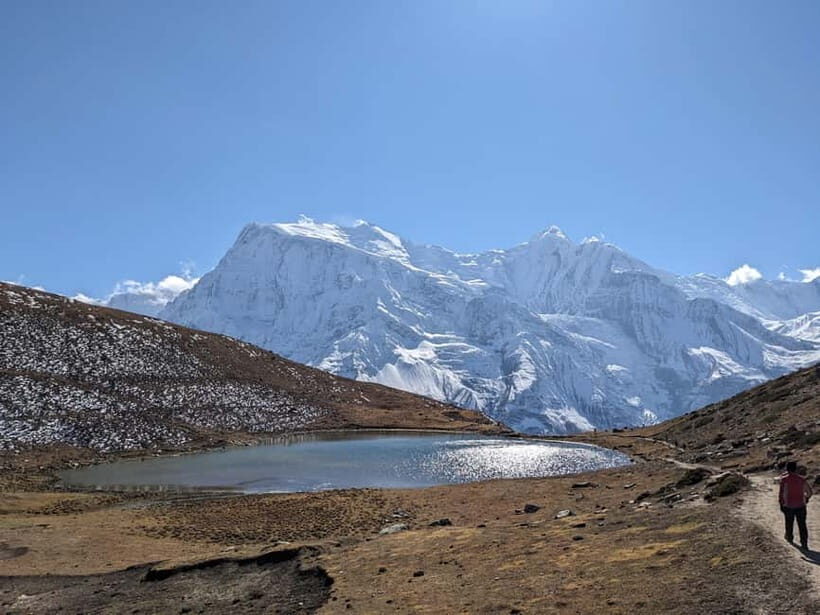
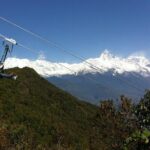
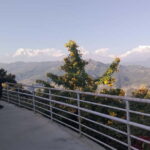
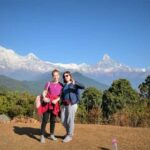
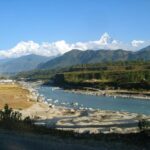
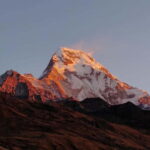
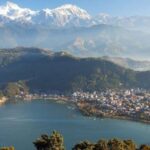
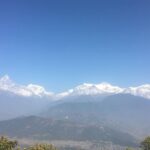
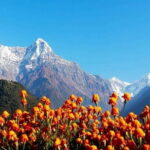
Around Phewa Lake is where this tour earns its reputation. The ride is described as one of the best single-track loops in the area, with superb views of the Annapurna Range and the lake itself.
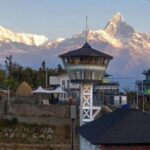
You’ll also pass spots where you might catch the shadow of Mt Fishtail on the water. That kind of visual detail is why single-track matters: you move slower than on a road, so you actually have time to register the mountain silhouettes, reflections, and changing angles as the trail curves.
Now the technical side. This route includes:
- uphill sections that can get your heart rate up
- downhill segments that feel thrilling because they’re fast and narrow
- stretches that flow when you’re on the right line
The ride is described as both physically and technically challenging, with hair-raising downhill and high heart-rate uphill. Translation: go in ready to work, but also ready to ride smart. If you over-brake downhill or hesitate through narrow sections, it can get tense fast.
World Peace Pagoda: a calm pause above the lake
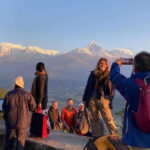
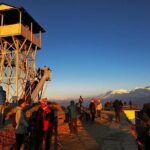
One of the scheduled stops is the World Peace Pagoda. This is the kind of place that works well in a biking day because it gives you a visual reset. After moving through forest and uneven ground, you’ll appreciate the slower moment for photos and for checking the bigger picture of where you are on the lake.
Even if you don’t spend a long time here, it helps break the day into chapters. You’ll have the energy spike from riding, then the perspective moment where you can look out and see how the lake sits under the mountains.
A practical consideration: viewpoints usually mean some time standing and walking on irregular ground. If you’ve been riding hard uphill, plan to breathe, stretch your legs a bit, and don’t treat this stop like a casual bathroom break.
Devi’s Fall and the Tibetan Refugee Camp: culture between climbs
After the pagoda, the route includes two key stops: Devi’s Fall and the Tibetan Refugee Camp.
Devi’s Fall is part of the reason people come to Pokhara, and adding it into an active bike day makes sense. You get a change of pace—from legs-on-the-trail to sightseeing—without losing the momentum of the loop.
Then there’s the Tibetan Refugee Camp, which adds real human context to the scenery. I like when bike tours don’t only show mountains; they also show how people live here. A camp stop also tends to slow your thinking down, which can be a good mental balance right after more adrenaline-style riding.
The practical takeaway: you’ll likely want comfortable shoes for short walks around these stops. The biking part is what you planned for, but the sightseeing stops still require basic mobility.
Suspension and wooden bridges, boat views, and water buffalo
Once you shift back toward the loop, you’ll ride through some memorable “local texture” moments. The route includes:
- suspension and wooden bridges
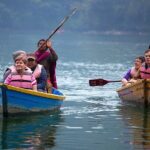
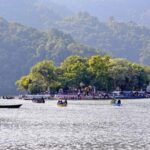
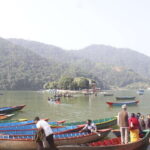
- places where you can view boats
- scenes with water buffalo
- passing by people working in fields
These elements matter because they change the ride from scenery to lived-in landscape. Bridges also tend to feel different under tires than on flat roads. You’ll feel the crossing, adjust your balance, and pay attention to footing—especially on wooden sections that can be slick if conditions are damp.
Boat-view moments add variety too. Instead of spending the whole ride thinking about rocks and roots, you get pauses where your brain can catch up and notice the lake’s rhythm.
And the buffalo/fields piece is simply good travel variety. You’re not in a theme park version of Pokhara. You’re moving alongside the real routine of the area.
Queen Forest, paddy fields, and riverbed riding: what to expect physically
The route is described as including single-track through Queen Forest, plus riding through paddy fields and along the river. It also mentions villages and lakeshores, plus a mix of rolling terrain and more technical ground.
Here’s how I’d think about it for your body:
- Uphills: short climbs that can feel steeper than you expect on a narrow trail. Even if they’re not long, they stack up.
- Downhills: faster and more demanding because the trail is narrow. This is where balance and decision-making matter.
- Varied surfaces: forest paths, field edges, and river-adjacent areas usually mean inconsistent footing.
If you’re used to road cycling, you’ll need to adjust. This ride rewards calm control more than brute speed. When it says hair-rising downhill on super flow single track, I read that as: it can be a blast if you’re relaxed and focused, and it can be scary if you fight the bike.
For your comfort, avoid bulky clothing that catches on branches. Light layers also help because the route moves between shaded forest sections and more open lake-adjacent areas.
Why the route mixes landmarks with everyday riding
Some tours treat landmarks like stops you rush through. This one builds the route so the sights and the riding create a single story: viewpoint energy, then lake-and-forest movement, then cultural stops, then back to the working-land scenes around the water.
That matters for value. A lot of “short” tours feel like you barely did anything. Here, the time window of about 3 to 5 hours is used for both cycling and meaningful stops, so you’re not left wishing you had one more hour to enjoy the lake properly.
It also mentions taking different paths than other riders may take. Even without getting hung up on that line, the bigger point is that the ride is set up to feel like a real loop—not just a straight transfer with scenic detours.
Price and value: what $185 includes (and what it doesn’t)
At $185 for a private 3 to 5 hour ride, you’re paying for the combination of:
- a bike provided for the full session
- a guide (the tour specifies a female guide)
- a structured route with multiple named stops
- pickup offered (depending on what’s arranged)
- a complimentary glass of fresh juice after the trip
What’s not included: lunch.
So the value call comes down to how you handle meals and expectations. If you need a full meal right after, plan ahead and eat before the tour. If you’re happy with a short break and then eating later, the juice plus the ride can be enough to tide you over.
Also note: it’s a private tour/activity, meaning it’s designed for your group rather than a big shared schedule. For many people, that’s worth the price even when the riding time is only a few hours—because you’re not stuck waiting for everyone to regroup.
Weather rules and timing: when the ride can get canceled
The tour requires good weather. If it’s canceled due to poor weather, you should be offered a different date or a full refund. Since the loop depends on trails, rain or unsafe conditions can change what’s possible.
What this means for you: check the forecast the day before and the morning of. If you see heavy rain predicted, your best move is to be mentally ready for a date shift.
Timing-wise, the activity runs about 3 to 5 hours. That’s long enough to feel like a real outing, but short enough that changing plans (lunch, photos, nearby activities) is usually still manageable.
The one big risk: pickup and operator reliability
There’s a caution worth taking seriously: at least one booking experience has been described where the operator never showed up or contacted the customer, and refund progress was unclear.
I’m not saying this is the usual situation, but it’s enough that I’d do two simple things:
- Confirm pickup details the day before, and keep the contact method you used for booking handy.
- Save your confirmation info and any messages so you can act fast if something goes off schedule.
If you’re traveling on a tight itinerary, also build in buffer time around the start. A bike tour is great—until you have another commitment immediately after and the pickup doesn’t land.
Who should book Round the Phewa
This is best for you if:
- you like active sightseeing (views plus real riding)
- you’re comfortable with moderate fitness demands
- you want single-track experience, not just easy scenic roads
- you’re okay with a mix of cycling and short walks at stops
It may not be the best fit if you hate downhill work, avoid technical terrain, or need a very relaxed pace. The description makes it clear the ride includes uphill effort and downhill sections that can feel intense.
Should you book this bike tour in Pokhara?
I’d book Round the Phewa if you want a short, high-impact day that combines Phewa Lake single-track, classic Pokhara landmarks, and everyday village scenes—without spending the whole day in traffic or on paved roads. The new bikes, the female guide, and the post-ride fresh juice are small touches, but they add up to a smoother experience.
If you’re considering it, go in prepared for the physical and technical side, and plan your lunch independently since it’s not included. And if your schedule is strict, take a minute to confirm pickup details so you don’t end up waiting around.
If that sounds like your kind of Pokhara day, this loop is an easy yes.
FAQ
How long is the Round The Phewa bike tour?
It runs about 3 to 5 hours, depending on conditions and the pace of the group.
Is pickup included?
Pickup is offered. You should confirm the pickup arrangement when booking.
What is included in the price?
The price includes use of a bicycle. A mobile ticket is also used.
Is lunch included?
No, lunch is not included.
What fitness level do I need?
You should have a moderate physical fitness level, since the route includes uphill effort and technically challenging downhill sections.
What happens if the weather is poor?
The tour requires good weather. If it’s canceled due to poor weather, you’ll be offered a different date or a full refund.