REVIEW · POKHARA
4 Days Mardi Himal Base Camp Trek from Pokhara
Book on Viator →Operated by My Dream Adventure (MDA) · Bookable on Viator
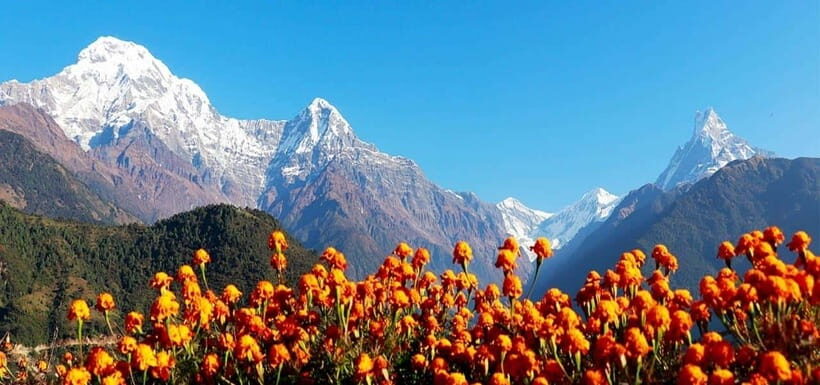
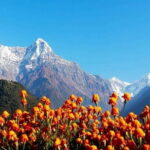
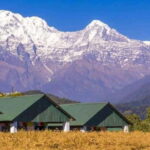
Fishtail Mountain steals the show. This 4-day Mardi Himal Base Camp trek from Pokhara delivers big Machapuchare views, plus a quieter feel than many other Annapurna routes. You’ll move through forest, climb to high camps, and end up in the kind of valley where the mountains look close enough to touch.
I love the mix of steady effort and smart pacing, especially the way the trek uses camp-to-camp altitude steps before that early morning push. I also like the human side: you’ll pass through Gurung and Magar villages and rely on English-speaking guides who keep things organized and friendly, including names like Prakash, Surya, Bikram, Biru, and Krishna mentioned in past trip experiences. One possible drawback: this is still real hiking at elevation, so moderate fitness matters, and mornings can feel cold fast.
For the price, $290 per person, you’re not just buying scenery. You’re paying for permits (including TIMS), a guide, guesthouse stays, and transport that takes the stress out of getting to the trail and back.
In This Review
- Key highlights from this Mardi Himal experience
- Why Mardi Himal Base Camp feels different than the crowded Annapurna routes
- Value check: What $290 covers (and why it’s not a bad deal)
- Pokhara to Forest Camp: the Kande drive and your first trekking day
- High Camp day to 4,000m: dense jungle feel and the push to altitude
- Base Camp morning at 4:00 am: viewpoint, Fishtail views, and the long day
- Low Camp to Siding Village to Pokhara: the payoff comes on the way down
- What the trek really feels like: altitude, timing, and gear basics
- Guides and service: why friendly coordination matters on a short trek
- Guesthouses, comfort, and what “not included” likely means for your budget
- Who should pick this trek (and who should consider a different plan)
- Should you book this 4-day Mardi Himal Base Camp trek from Pokhara?
- FAQ
- What is the duration of the 4 Days Mardi Himal Base Camp trek?
- What does the trek include in the $290 per person price?
- What is not included?
- How high do we go during the trek?
- Is this trek private or shared?
- What fitness level do you need?
- Can I cancel and still get a refund?
Key highlights from this Mardi Himal experience
- Big mountain views without the biggest crowds on the Annapurna side
- Camp-to-camp trekking: Forest Camp (about 2,500m) to High Camp (about 4,000m) to Low Camp (about 3,000m)
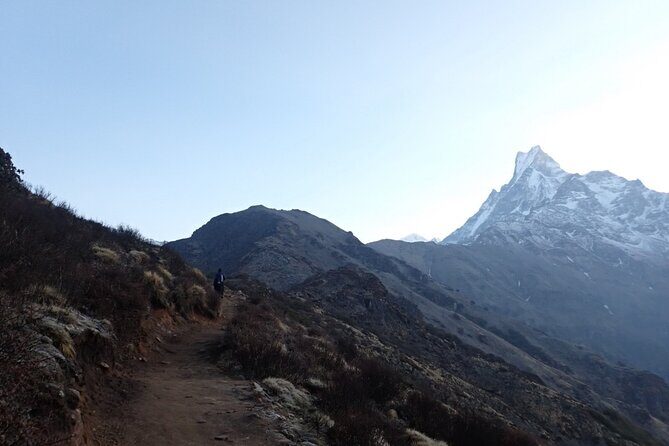
- Early start to a 4,500m viewpoint with classic Fishtail and Annapurna panorama
- Cultural encounters with Gurung and Magar communities along the way
- Guides praised for kindness and coordination, including Prakash, Surya, Bikram, Biru, and Krishna
- Short duration (about 4 days) with guesthouse accommodation, so you’re not living out of a pack for weeks
Why Mardi Himal Base Camp feels different than the crowded Annapurna routes

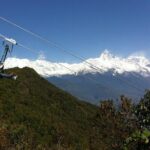
If you’re coming to the Annapurna region for views, you’ll get them on Mardi Himal. The difference is the feel. This route has a reputation for delivering that dramatic Annapurna Massif and Machapuchare presence without the same level of congestion you might see on the most famous trails.
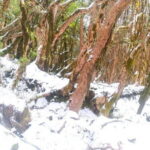
You also get a neat variety of scenery for a short trek. Expect subtropical forests at lower elevations, then the trail shifts toward more alpine meadows and rockier ground as you climb. It’s not just one kind of scenery for four days—it changes as your altitude changes, which keeps the days interesting when your legs start negotiating with gravity.
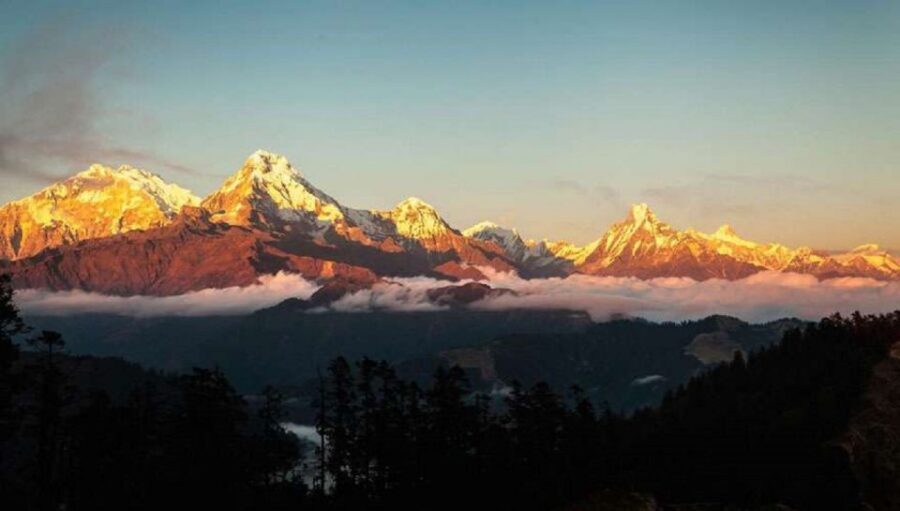
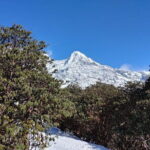
And then there’s the payoff: the early hike toward a viewpoint around 4,500m. This is the moment when the Annapurna range and Machapuchare visuals tend to click into place, especially if you’re traveling in clear weather. Even if clouds roll in sometimes, the route’s design still gives you solid chances at mountain views.
Other Mardi Himal treks reviewed in Pokhara
Value check: What $290 covers (and why it’s not a bad deal)
$290 sounds reasonable for Nepal trekking, but the real question is what’s included. Here, the package covers hotel pickup and drop-off, your trekking permits (including TIMS and the trekking permit), an experienced English-speaking trekking guide, and round-trip sharing jeep transfers. You also get guesthouse accommodation during the trek and the structure of a private trek with only your group.
That matters because trekking “costs” aren’t only the guide fee. Permits can slow you down if you try to handle them last-minute. Transfers can eat time and energy if you’re figuring out routes on your own. And guesthouses aren’t free—so having that covered helps you plan.
Not included: personal expenses and gratitude (optional). Translation: you’ll likely pay for your own extras like snacks, drinks, and anything beyond what the trekking package specifies. But compared to the hassle of arranging everything separately, this is a straightforward way to get on the trail with less friction.
Pokhara to Forest Camp: the Kande drive and your first trekking day
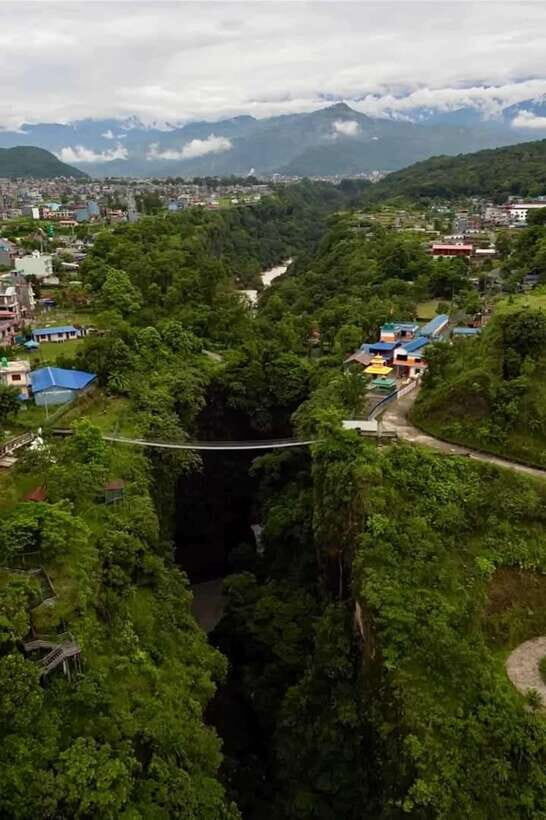
Your trek begins with a morning start from Pokhara, with pickup available. The route uses a drive to Kande (about 1.5 hours), then you connect to the trail toward Forest Camp at roughly 2,500m.
Day 1 is typically your warm-up. You’re going from lake-city normal life into green forest terrain, which helps you adjust both mentally and physically. If you’re easing into trekking, this is a good first day because it’s not the steepest part of the whole journey.
Forest Camp itself is where you begin to feel the Annapurna foothills close around you. The trek through dense forest is also one of the more scenic segments in the early stage—your day is longer on the clock than some people expect, so start hydrated and avoid going out too fast.
Practical note: you’re sleeping at higher elevation by night one. That doesn’t mean panic—just means you should take it easy after dinner and let your body catch up before you try to be a hero.
High Camp day to 4,000m: dense jungle feel and the push to altitude
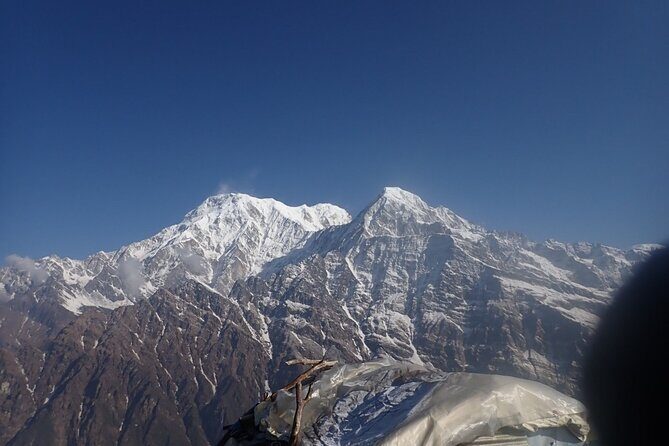
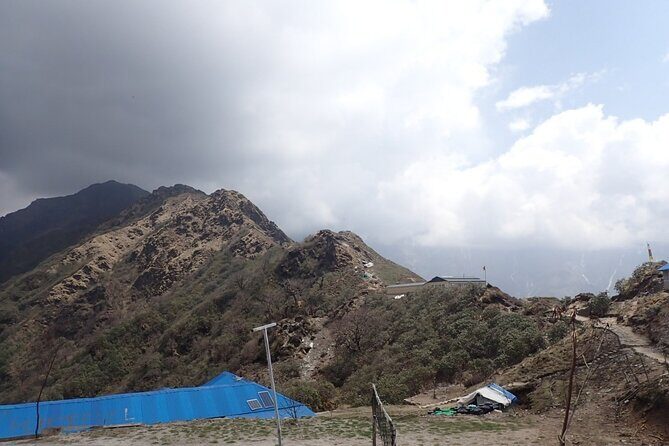
Day 2 is the main climb day, with a trek from Forest Camp to High Camp around 4,000m. The time listed is around 5 hours of trekking, and the path is described as dense jungle with a chance to see wildlife.
This is where your pacing matters most. At 4,000m, you’re already dealing with thinner air. If you go too hard early, you’ll pay for it later. The win here is to keep your steps steady and let your breathing settle into rhythm.
High Camp is a practical overnight. You’re not going to spend the night at the very top of the region, but you are close enough that the next morning’s viewpoint hike makes sense. Think of High Camp as the staging area for the big mountain moment.
One drawback to expect: Day 2 can feel longer than Day 1 because you’re tired and higher. The guide’s job is to keep you moving at a sustainable pace, and the past experiences shared for this operator repeatedly highlight that kind of friendly, helpful support.
Base Camp morning at 4:00 am: viewpoint, Fishtail views, and the long day
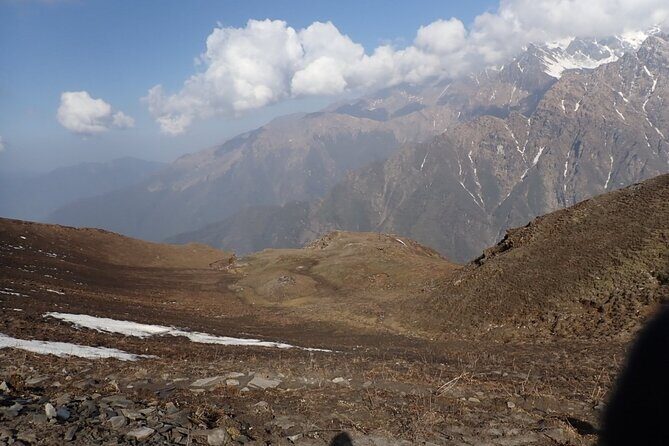
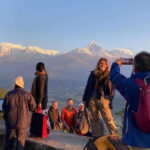
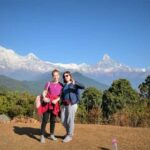
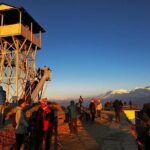
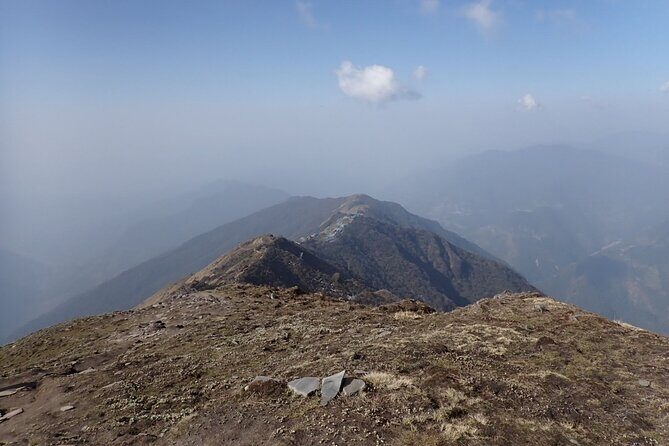
Day 3 is the early one. You rise around 4:00 am, hike toward a 4,500m viewpoint (about a 2-hour climb), and then continue for more views and time around the Mardi Himal Base Camp area. You’ll get classic imagery of Machapuchare (Fishtail) plus the Annapurna range.
This day has a built-in rhythm: early ascent for views, time to take it all in, then moving again. The plan includes extra shuffling between camps, including descending back through camp areas to regroup belongings and continue down to Low Camp around 3,000m.
That matters because a base camp day is often mentally tiring. Even if the technical hiking feels manageable, the start time and repeated transitions can wear you out. The trick is to treat it like a marathon day, not a sprint. Eat when you can. Drink regularly. Pause briefly on the trail whenever your body says it’s time.
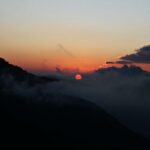
When the weather is clear, this is when Mardi Himal tends to feel worth every step. When clouds are around, you’ll still have a satisfying trek—because you’re not only chasing a photo. You’re moving through changing vegetation zones, ridges, and viewpoints that keep the scenery changing.
Other hiking tours in Pokhara
Low Camp to Siding Village to Pokhara: the payoff comes on the way down
Day 4 is your descent day, from Low Camp around 3,000m down to Siding Village around 1,800m, then a jeep ride back to Pokhara. The hiking time listed is about 4 hours for the descent, which is manageable compared with the climbing days.
Descent can still be hard on your knees and feet, especially if you’re tired from the early morning on Day 3. But it’s usually a relief after higher elevation days. You also get a chance to notice how the vegetation changes as you move lower—returning toward the greener, warmer feel closer to Pokhara.
Siding Village is the transition point. Once you’re there, a jeep takes you back to Pokhara lakeside, which makes the end of the trek feel smooth rather than stranded in a remote spot.
If you’re the type who likes closing the loop with a comfortable finish, this day does that well. You don’t just end at a trailhead—you end back where you can eat a proper meal and rest.
What the trek really feels like: altitude, timing, and gear basics
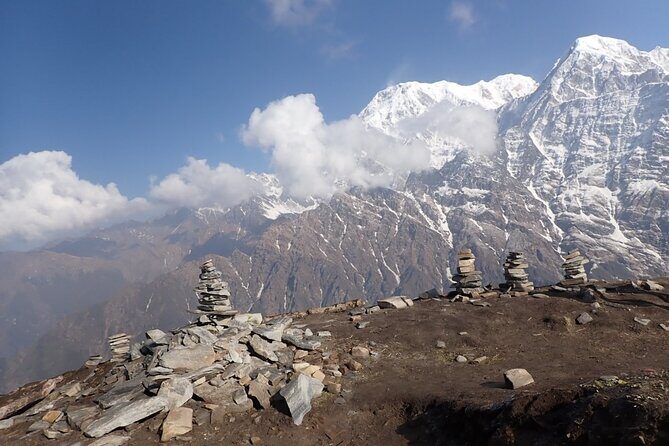
Your highest specified altitude in the plan is the 4,500m viewpoint. You also overnight near 4,000m (High Camp) and sleep again at 3,000m (Low Camp). That’s why the tour calls for moderate physical fitness: it’s not a couch-to-trail fantasy, but it is also not an extreme high-altitude expedition style.
The timing is a key piece of “how it feels.” You start early on Day 3, which means you’ll want to plan your sleep and keep your head clear. Cold mornings are typical at these elevations, and the viewpoint hike can feel extra brisk before the sun fully warms things up.
Gear basics (based on the type of trek described, not on anything fancy): layers for changing temperatures, a warm top for early starts, good trekking shoes, and something to protect from wind. Also pack for sweat control—forest and jungle sections can be humid, then the air turns drier higher up.
If you’re someone who likes to move at your own pace, you can still do that here with a guide. The pace is guided, but the route is flexible enough that you can take a breather without derailing the schedule.
Guides and service: why friendly coordination matters on a short trek
A four-day trek is compact, so small problems can snowball. That’s why the guide quality shows up so clearly in the reviews. Past experiences praised guides like Prakash and Surya for being friendly and helpful, while Bikram, Biru, and Krishna were mentioned for making the trek smooth and memorable, including being patient and tuned to the group’s needs.
For you, that means less stress about the day’s flow: where to go next, when to start, how to manage camp-to-camp movement, and how to keep the rhythm without pushing too hard.
It also matters for families. One review specifically calls out excellent coordination for travelers with young kids. I wouldn’t assume every trek is “easy with kids,” but it does tell you the operator has at least some experience handling different group needs with kindness and organization.
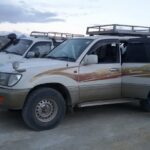
The other service angle you can feel is the comfort drive portion. You’re not hiking from Pokhara right away. You’re using transfers that reduce the chaotic start, which helps you arrive at the trail calmer and ready.
Guesthouses, comfort, and what “not included” likely means for your budget
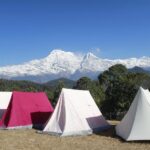
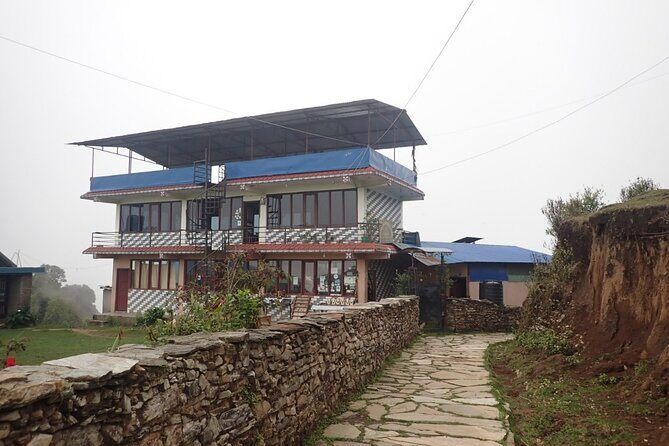
You stay in guesthouses during the trek. That’s a practical middle ground: you don’t need to carry a tent, but you also shouldn’t expect hotel-level comfort at 2,500m and above. Guesthouses usually mean simple rooms, shared spaces, and basic convenience.
Because personal expenses are not included, you’ll want to budget for the extras that pop up during trekking: drinks, snacks, and anything you choose to do beyond what’s included. Most people find this manageable, but it’s better to plan than to discover you forgot a cash buffer.
What I like about having guesthouses included is certainty. In a short trek, uncertainty is the enemy. You want to know you’ll have somewhere to sleep each night while you focus on enjoying the trail and recovery.
If you prefer to travel light, this structure helps. You’re not expected to run logistics yourself, and the guided pace keeps you from overplanning.
Who should pick this trek (and who should consider a different plan)
This trek suits people with moderate physical fitness, especially if you want a four-day option in Nepal that still delivers meaningful altitude experience. If you’re comfortable hiking several hours a day and handling early mornings, you’ll probably love the structure.
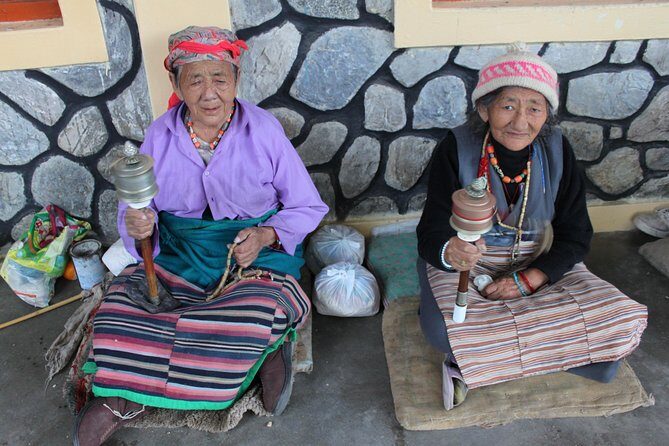
It’s also a good fit if you want culture as part of the trek. You’ll interact with Gurung and Magar communities, which adds texture beyond just mountains and photos. Even if you’re not a “culture tour” person, villages tend to make the days feel more real.
Consider rethinking or planning a slower alternative if you:
- have limited trekking experience
- struggle with early starts and cold mornings
- don’t feel confident at elevation with a climb to around 4,000m overnight and a 4,500m viewpoint hike
The route is demanding enough to be rewarding, but it isn’t designed as a gentle stroll through the clouds.
Should you book this 4-day Mardi Himal Base Camp trek from Pokhara?
If you want major Annapurna-area views, including Machapuchare, in a tight timeline, this is a strong choice. I’d book it if you like straightforward trekking logistics: pickup, permits, a competent English-speaking guide, camp-to-camp days, and guesthouses built into the plan.
I’d think twice if you hate early mornings or you’re unsure about hiking at altitude. The schedule includes a 4:00 am start and a viewpoint hike around 4,500m, and that’s a real commitment.
One smart move before you book: tell the operator your fitness level and any concerns (especially if you’re traveling with kids). The pattern in past feedback suggests guides are set up to support the group—so your best experience comes when they can plan around you.
FAQ
What is the duration of the 4 Days Mardi Himal Base Camp trek?
It’s listed as about 4 days.
What does the trek include in the $290 per person price?
The package includes hotel pickup and drop-off, trekking permit and TIMS, an experienced English-speaking trekking guide, round trip transfer by sharing jeep, accommodation in guest houses, and a private trek.
What is not included?
Personal expenses are not included, and gratitude is optional.
How high do we go during the trek?
The plan includes Forest Camp at about 2,500m, High Camp at about 4,000m, and a viewpoint hike at about 4,500m. Low Camp is about 3,000m, and Siding Village is about 1,800m.
Is this trek private or shared?
It’s a private tour/activity, so only your group participates.
What fitness level do you need?
Travelers should have a moderate physical fitness level.
Can I cancel and still get a refund?
You can cancel up to 3 days in advance for a full refund. If you cancel less than 3 full days before the start time, the amount paid won’t be refunded.