REVIEW · POKHARA
Kathmandu: 9-Day Annapurna Circuit Trek via Thorong La Pass
Book on GetYourGuide →Operated by MTA Trekking Pvt. Ltd. · Bookable on GetYourGuide
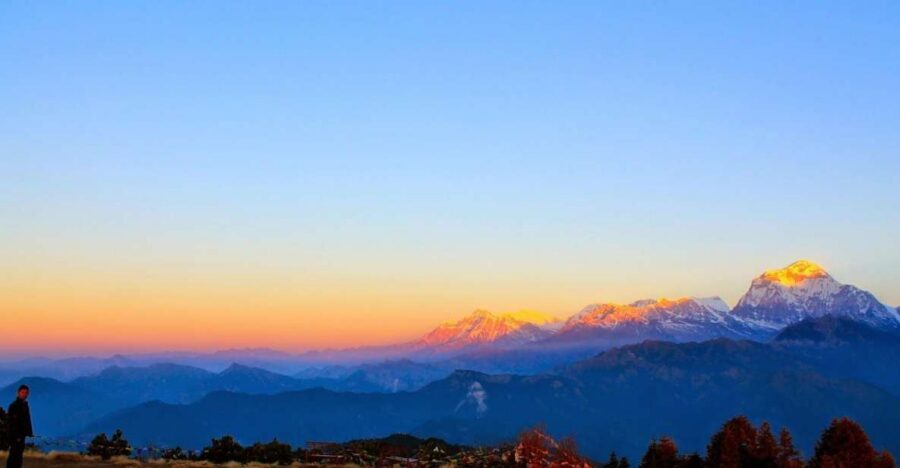
Thorong La Pass is the big moment on this trek. Over 9 days, you move from Kathmandu-area roads to high Himalayan trails, taking in views of Annapurna, Dhaulagiri, and Machapuchare along the way, plus a real sense of life in mountain villages.
I love how the route mixes classic trekking with meaningful stops: Upper Pisang for mountain panoramas, and the Muktinath Temple area for a pilgrimage you can feel. One drawback to plan for is the altitude and cold. Thorong La is tough, teahouses are basic, and nights can get very chilly—bring the right cold-weather gear and be ready for slower days.
In This Review
- Key things that make this trek special
- Thorong La Pass: the main event (and why it feels earned)
- Day 1: Kathmandu to Besisahar and Dharapani by bus and local jeep
- Day 2: Dharapani to Chame through Bhote villages, forests, and first real altitude
- Day 3: Chame to Upper Pisang and the payoff of Bhratang Valley
- Day 4: Upper Pisang to Manang via big views of Annapurna peaks
- Day 5: The Manang acclimatization day at 4,050m (why you should say yes)
- Day 6: Manang to Yak Kharka for a lighter climb and better breathing
- Day 7: Yak Kharka to Thorong Phedi, the base camp phase
- Day 8: Thorong Phedi to Muktinath with the 5,416m crossing
- Day 9: Muktinath to Pokhara by bus and your last stretch of road life
- Teahouses, meals, and the cold reality (pack for it)
- Guides, permits, and the safety work you don’t want to think about
- Value check: what’s included that actually saves your trip
- Best time to go, weather reality, and who should skip
- Should you book this Annapurna Circuit via Thorong La Pass?
- FAQ
- What is the highest point on this trek?
- How long is the Annapurna Circuit trek from start to finish?
- What kind of lodging should I expect on the trail?
- Is acclimatization included in the itinerary?
- What is included in meals during the trek?
- What’s not included in the tour?
Key things that make this trek special
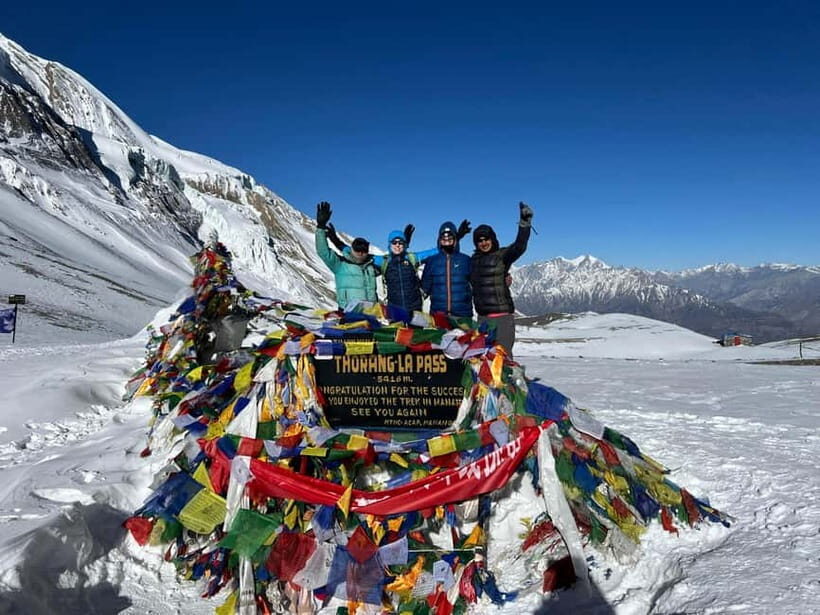
- 5,416m Thorong La Pass: an early start, wide-open views, and the kind of effort that sticks with you
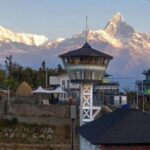
- Upper Pisang: a scenic village stop with standout mountain sightlines
- Manang acclimatization day: time to adjust at altitude instead of rushing
- Teahouse trekking rhythm: simple stays, good energy management, and local food on the trail
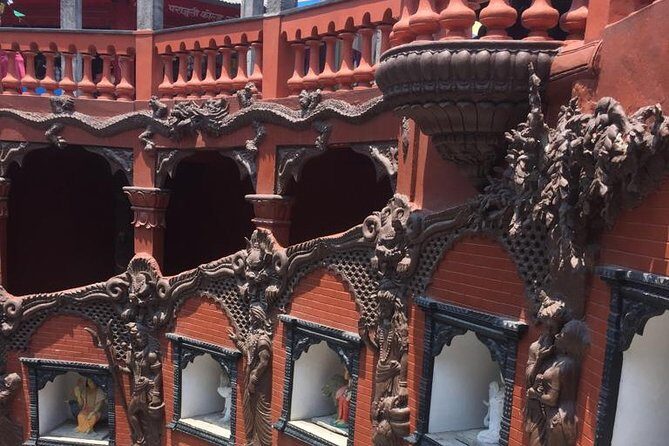
- Muktinath Temple: a sacred stop that adds meaning beyond the hiking
Thorong La Pass: the main event (and why it feels earned)
This Annapurna Circuit route is built around one headline: crossing Thorong La Pass at 5,416m. That number matters because altitude is not a “nice-to-have” on this trek—it’s the whole game. Your body needs time to adjust, and the itinerary does that with gradual climbs plus an acclimatization day in Manang.
The pass day also has a timing logic. You start early, around 4:00 AM, to cross before the winds get rough. That early push is hard, but it’s one of the most practical ways guides can improve the odds of stable trail conditions and better visibility.
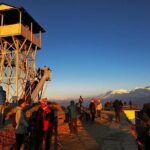
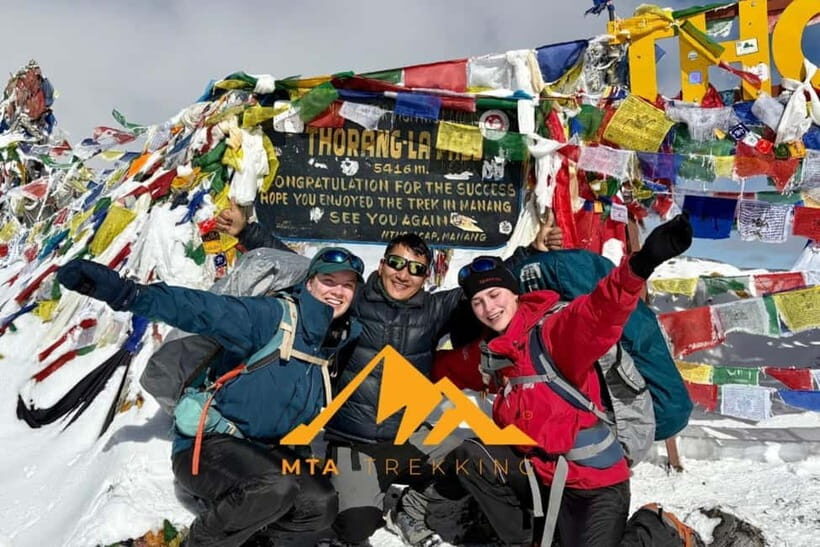
And when you’re on the pass itself, it’s not just the height. It’s the feeling of stepping into a huge, quiet high world where prayer flags move in the wind and the views open wide in every direction.
Other Annapurna Circuit treks reviewed in Pokhara
Day 1: Kathmandu to Besisahar and Dharapani by bus and local jeep
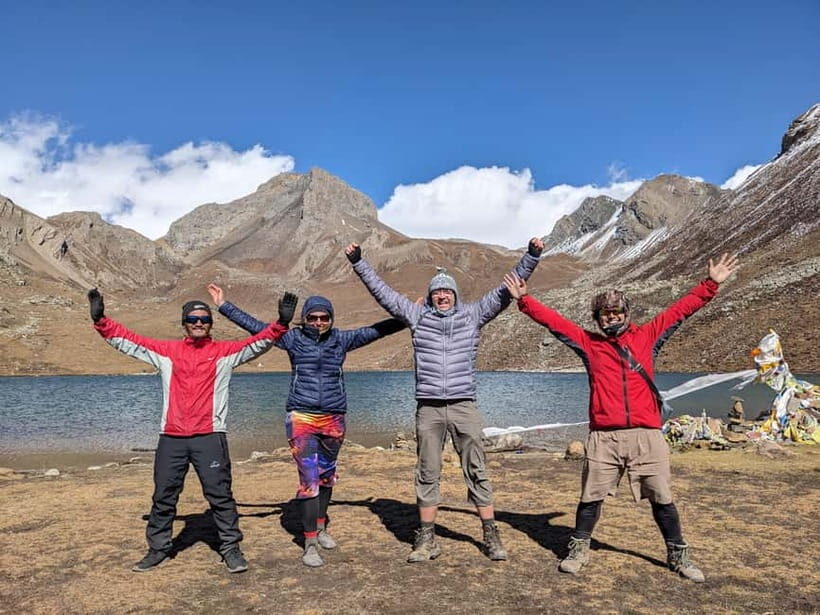
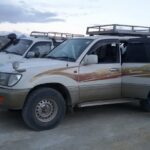
You begin with pickup from your hotel area and an organized transfer day. The plan starts with a bus ride from Kathmandu to Besisahar, then a shared jeep onward to Dharapani. It’s long-ish travel, but it’s a gentle way to ease in before you commit to daily hiking.
What I like about this first day is that it sets your expectations: you’re still low enough to settle in, watch terraces and villages pass by, and spot Himalayan peaks in the distance when the sky cooperates. You end in a teahouse at Dharapani, which matters because it keeps the pacing sane—no late-night chaos before trekking begins.
The only caution: this is a “start early” style program. If you’re sensitive to long drives, treat Day 1 as a recovery day, not a sightseeing day.
Day 2: Dharapani to Chame through Bhote villages, forests, and first real altitude
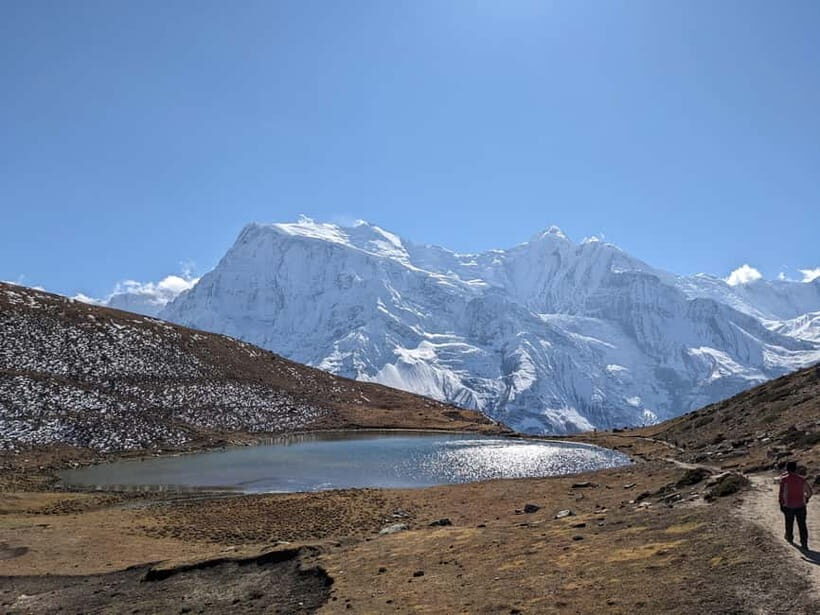
Today is your first true trekking day: about 6 hours and roughly 13 km, climbing from around 2,670m into the Chame area. The trail passes through Bhote villages, then transitions into pine and oak forests, with open views breaking through when the terrain allows.
This day is where you learn the Annapurna Circuit rhythm:
- steady walking hours
- breaks for streams and mountain sightlines
- a gradual shift from lush lower valleys into cooler, higher air
By the time you reach Chame, you should feel the trip click into place. You’re not just traveling anymore; you’re trekking for real. And you’re sleeping at altitude for your next climb.
Teahouse note: expect simple rooms and meals. That’s normal here, but comfort depends heavily on how you manage layers and sleep gear.
Day 3: Chame to Upper Pisang and the payoff of Bhratang Valley
Day 3 is about a steady climb to Upper Pisang (about 5–6 hours, ~15 km, to roughly 3,200m). You’ll go via the Bhratang Valley, and this is one of the most scenic “transition” days on the itinerary.
What you should look for on this day:
- changing vegetation as elevation rises
- more frequent mountain views
- that feeling of walking toward bigger, sharper peaks
Upper Pisang itself is a strong stop because it’s a village with views. You’ll have time to explore, meet locals, and connect to the everyday life around the trail. In the guides’ stories from past trekkers, the best moments often come from these brief exchanges—small talk, greetings, and learning what daily life looks like when your neighbors also live close to the mountains.
The drawback to keep in mind: you’re still going higher every day, so don’t rush the mindset. Slow walking helps you breathe better and keeps morale up.
Day 4: Upper Pisang to Manang via big views of Annapurna peaks
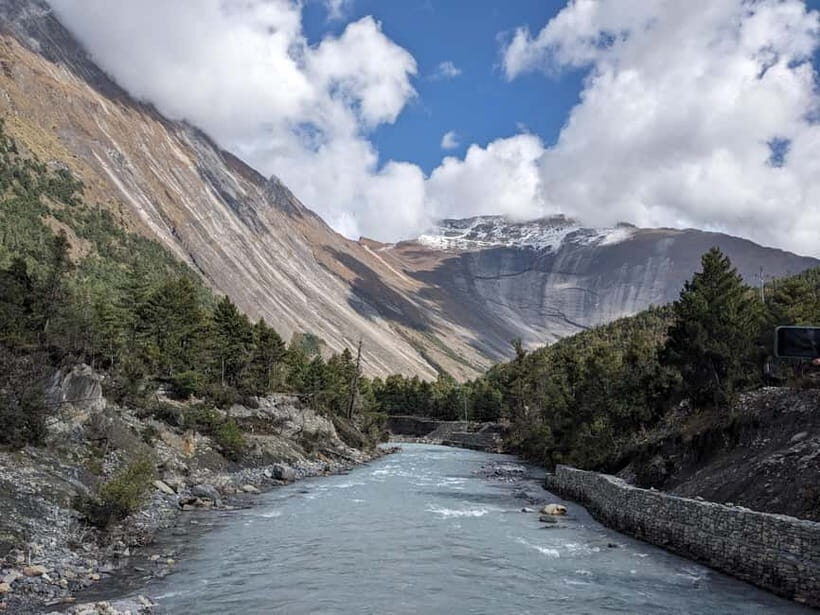
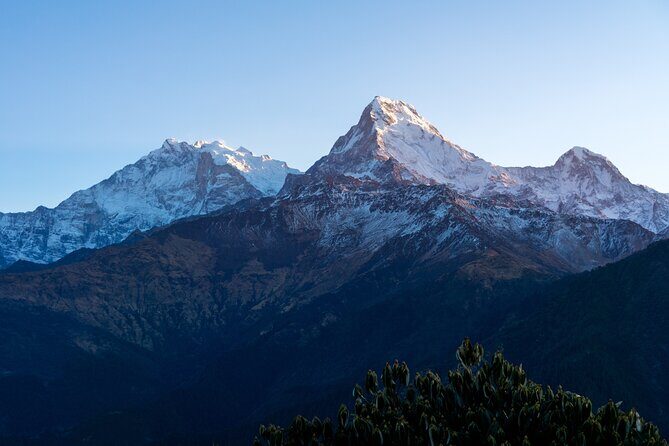
Day 4 climbs further toward Manang (about 5–6 hours, ~16 km, to around 3,540m). The trail continues through forests and valleys, and you get some of the trek’s standout sightlines—views toward Tilicho Peak, plus Annapurna III and Annapurna IV.
This is a day where the scenery is dramatic, but the practical part is your pacing. If you feel fine early, that can trick you into walking faster than your body wants. Manang is coming, and you’ll be grateful if you arrive with energy rather than exhaustion.
You’ll reach Manang and rest at a teahouse. That rest is not passive—it’s strategic. Your next day is built for acclimatization, so Day 4 should set you up to use that time well.
Other hiking tours in Pokhara
Day 5: The Manang acclimatization day at 4,050m (why you should say yes)
Day 5 is the reason many trekkers feel better on the pass later. You’re at about 4,050m, and the plan is rest plus an optional hike if you feel strong.
The optional hike is listed as a trip toward Gangapurna Glacier Lake or nearby icefalls. Even if you keep it shorter than the farthest goal, the point is the same: you move a bit higher or into more exposed terrain, then come back down to sleep—helping your body adjust.
If you’re wondering whether this day matters, think of it like training wheels for altitude. It’s not about “more hiking.” It’s about giving your lungs and legs time to adapt so Thorong La day is safer and less punishing.
One more practical thought: Manang can feel colder and drier than lower areas. Drink water, eat simple meals, and keep your layers ready.
Day 6: Manang to Yak Kharka for a lighter climb and better breathing
Day 6 is shorter by design: about 4 hours and roughly 7 km, moving to Yak Kharka at around 4,050m. That reduced distance matters because you’re not just chasing elevation—you’re preparing for the steepest sections that follow.
You’ll walk through alpine pastures with sweeping views and crisp air. This is also a good day psychologically. When you’ve been climbing, a day that feels “doable” helps your confidence.
Expect teahouse downtime after arrival. Use it to:
- warm up slowly
- eat a solid dinner
- keep an eye on how you’re breathing
If you’re the type who pushes through discomfort, this is the day to practice restraint. Let the itinerary do the work for you.
Day 7: Yak Kharka to Thorong Phedi, the base camp phase
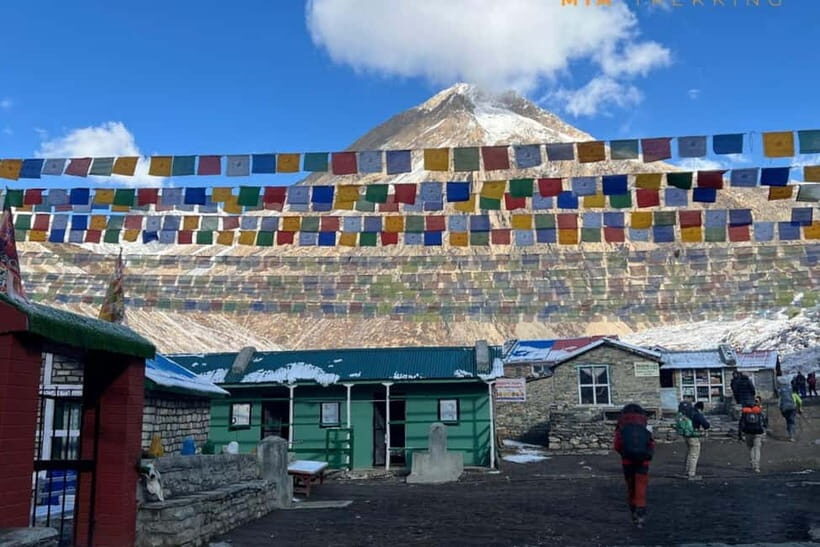
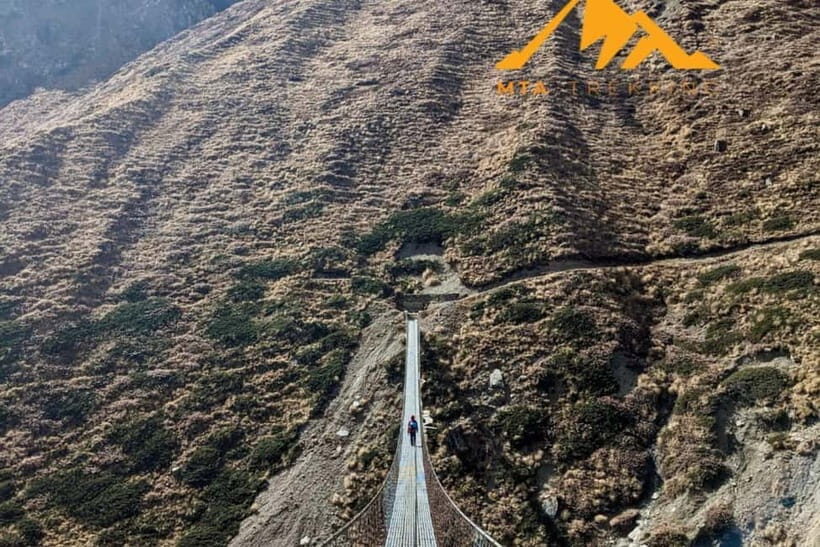
Day 7 takes you to Thorong Phedi (about 4–5 hours, ~6 km, to around 4,450m). The trail includes rocky paths and suspension bridges as you climb toward the pass staging area.
This is where “go slow” becomes real. The elevation gain may not look enormous on paper, but at these heights, your body notices every meter.
The big value of Thorong Phedi is that it’s a true base camp feeling. You settle in, get ready for a very early start, and you sleep with tomorrow in mind.
From past trekkers’ experience, the best mindset here is simple: pack smart, eat enough, and sleep as well as you can. The pass will ask for effort—tomorrow morning is not a time to gamble with your energy.
Day 8: Thorong Phedi to Muktinath with the 5,416m crossing
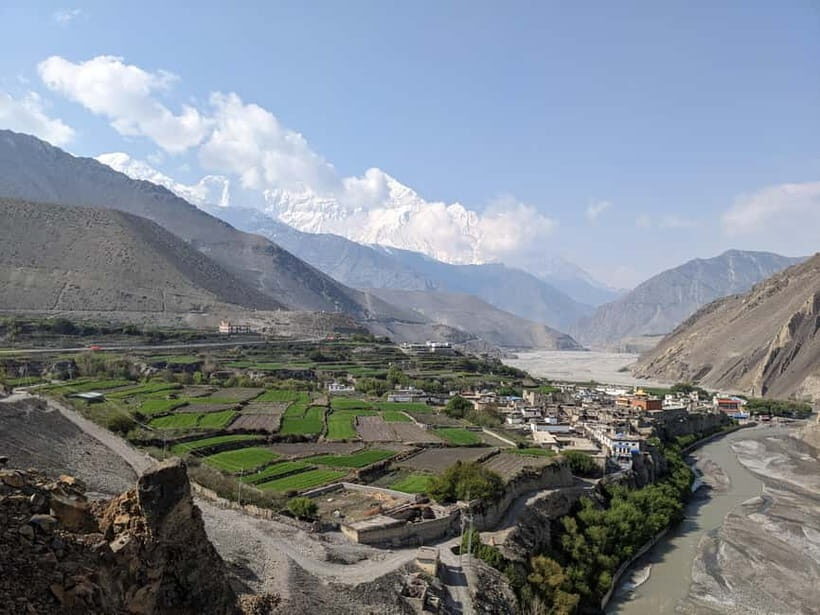
This is the day most people remember forever. You start around 4:00 AM to cross Thorong La Pass (5,416m). The climb is described as challenging, and for good reason: you’re going up at high altitude, often in cold conditions, and your pace has to be careful.
Why early start matters beyond comfort:
- it can help you cross before winds pick up
- it gives you more daylight to descend safely
Once you cross, the reward comes fast—wide Himalayan panoramas and prayer flags at the top. Then it’s time for the long descent toward Muktinath, where you typically arrive around 12:00–1:00 PM. You’ll have lunch and then continue to an overnight stay.
There’s also an optional add-on: Tatopani hot springs to ease sore muscles after the pass. It’s noted that the taxi cost isn’t included (about USD 50), so budget if hot water is your idea of recovery.
One more practical note: descending can feel longer than going up. Your legs may be tired, and the trail demands focus. Take it step by step.
Day 9: Muktinath to Pokhara by bus and your last stretch of road life
After a big altitude day, Day 9 is intentionally more road time. You travel from the Muktinath area to Pokhara by bus for about 5–6 hours (roughly 110 km).
What makes this leg feel special is how different it is from trekking. You trade thin air for something more comfortable. You also get a sense of completion: the trek is done, the group regroups, and you start thinking about food, showers, and sleep quality.
It’s also set up with a strong landing plan: you spend one night in Pokhara at a tourist-standard luxury hotel (Hotel Orchid). Then there’s a farewell dinner with traditional Nepali cuisine in Lakeside, which is a nice way to close the loop after days of tea house meals.
Teahouses, meals, and the cold reality (pack for it)
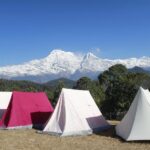
Teahouse trekking is part of the charm, but it’s not “roughing it” in a romantic way. It’s predictable and basic. You’re sleeping for 8 nights in tea houses, and meals are covered during the trek for full-package bookings.
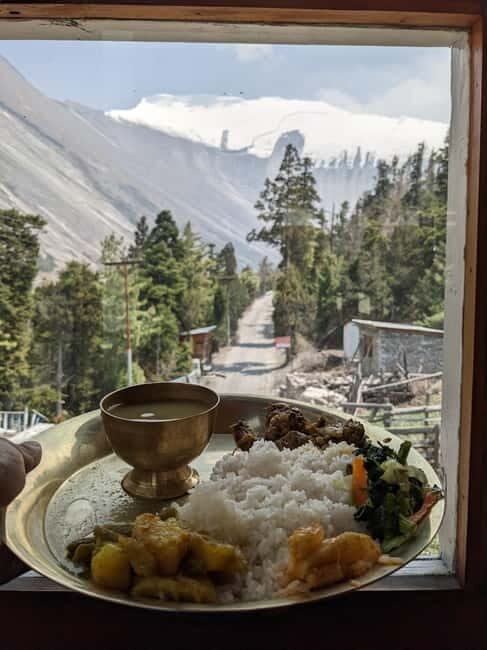
The food is generally tasty, but it can feel similar day to day because menus in remote areas don’t change dramatically. Plan your energy around routine: eat enough carbs, keep meals warm, and avoid turning every day into a search for something different.
Now the cold. Multiple trek notes highlight how cold it gets, especially at higher elevations. Bring a proper sleeping bag and layer up intelligently. Even if your room has a heater, heating is never like home. Your comfort depends on what you bring.
A small but important detail: you’ll likely be recharging batteries less often than you want to. So keep devices limited and plan for power constraints, plus extra costs for personal needs.
Guides, permits, and the safety work you don’t want to think about
A lot of the “invisible value” here is organization. Your trek includes all required permits and paperwork, plus TIMS fees. That means you spend less time dealing with admin and more time focusing on walking and acclimatization.
Your guide is also a major part of the experience. Reviews highlight several guides by name, including Parkash, Sishir, Ramit, Ghanshyam, and Chakra, plus coordination support from Bijay and guidance from Binod. Across these accounts, the common thread is practical care: check-ins, pacing help, and staying mindful of hydration and rest.
One reason people trust good guides on the Annapurna Circuit is simple: they help you read the mountain day-by-day. That includes encouraging acclimatization, offering help when someone is struggling, and building good relationships with locals along the trail. When you’re tired, that kind of support can make the difference between pushing too hard and walking smart.
Also note the guide services include insurance coverage. That’s not the same thing as your own travel and rescue coverage, so you should still make sure your insurance fits high-altitude trekking.
Value check: what’s included that actually saves your trip
You’re not just buying “a route.” You’re getting a bundle of logistics that matters at altitude:
- tea house/lodge accommodation during the trek for 8 nights
- all meals during the trek for full-package bookings (breakfast, lunch, dinner)
- hotel night in Pokhara (Hotel Orchid) plus a farewell dinner
- transportation coordination from Kathmandu to Besisahar by bus, and Besisahar to Dharapani by shared jeep
- luggage storage, which is a real convenience when you’re moving in and out of sleeping locations
- permits, TIMS, and other required paperwork handled for you
The guide and staff setup also reduces risk. When everything is arranged ahead of time, you don’t lose days to paperwork issues or unclear handoffs.
What’s not included is also clear: soft and hard drinks, personal costs like phone and laundry, travel and rescue insurance, and any optional add-ons (like the Tatopani hot springs taxi). If you want a straightforward, low-stress trek, this package format fits.
Best time to go, weather reality, and who should skip
Timing can make or break the Annapurna Circuit. Here’s what the provided guidance recommends:
- Spring (March–May): warmer temps, more flowers, usually clearer skies
- Autumn (Sept–Nov): best visibility, mild temperatures
- Winter (Dec–Feb): cold, possible snow, and trail closures can happen
- Monsoon (June–Aug): heavy rain and slippery trails, not a good idea for this kind of trek
Now the health filter. This trek notes it’s not suitable for:
- children under 7
- pregnant women
- people with altitude sickness
- people with high blood pressure
I’d treat that as a serious checklist. Thorong La at 5,416m isn’t a “try it if you feel like it” altitude. You need to be realistic about your health and your ability to acclimatize.
Should you book this Annapurna Circuit via Thorong La Pass?
Book it if you want a classic high-altitude challenge with real mountain culture. This is for you if you like guided structure, want permits and logistics handled, and you’re motivated by the idea of walking over Thorong La and ending with Muktinath.
Don’t book it if you’re likely to struggle with cold, long days, or high altitude. The itinerary does include acclimatization in Manang and a step-by-step climb, but the pass is still the pass. You need good fitness and an honest self-check.
If you’re the type who appreciates thoughtful pacing, teahouse life, and guides who take safety seriously, this route is a strong choice—especially in spring or autumn when visibility tends to be at its best.
FAQ
What is the highest point on this trek?
Thorong La Pass is the highest point at 5,416 meters.
How long is the Annapurna Circuit trek from start to finish?
The trek is planned for 9 days total.
What kind of lodging should I expect on the trail?
You’ll stay in tea house/lodge accommodation for 8 nights during the trek, with one additional night in Pokhara at a tourist-standard luxury hotel.
Is acclimatization included in the itinerary?
Yes. You have a dedicated acclimatization day in Manang (around 4,050m) with an optional hike if you feel up for it.
What is included in meals during the trek?
For full package bookings, breakfast, lunch, and dinner are included during the trekking portion. Drinks are not included.
What’s not included in the tour?
Not included are soft and hard drinks, travel and rescue insurance, international flights and Nepal visa fee, personal expenses (phone, laundry, bar bills, extra porter needs, bottle water/shower items), and any extra nights in Pokhara/Kathmandu due to changes outside the scheduled itinerary.