REVIEW · POKHARA
Pokhara: Upper Seti River Rafting Day Tour
Book on GetYourGuide →Operated by Rafting Adventure Nepal · Bookable on GetYourGuide
A river ride like this starts with nerve and ends with grins. You’ll hit Class II+/III+ rapids on the Upper Seti, then cross a suspension bridge with colorful religious flags and Annapurna-range views.
I like how the whole thing stays fun and hands-on, not just a photo stop. The water feels crystal-clear, and the team keeps you moving from gear-up to paddling without killing the momentum.
One thing to consider: you need to be comfortable in water. If you’re a non-swimmer, or you have heart/back issues or are pregnant, this isn’t a safe fit for you.
In This Review
- Key highlights worth planning for
- Upper Seti Rapids in Pokhara: the class II+/III+ flavor
- From Pokhara to Hyamja: pickup, drive time, and when you actually raft
- Safety first without killing the fun: gear, kayakers, and your briefing
- Rapids route highlights: suspension bridge, gorges, and those cliff-jump moments
- Timing reality check: what a 4-hour half-day really contains
- Annapurna-range views: how the scenery shows up between the hits
- What to bring (and what to wear) so the wet feels good
- Who this half-day tour fits best (and who should skip it)
- Price and value: what $39 buys you in Pokhara
- Ready to book: should you choose Upper Seti rafting or not?
- FAQ
- FAQ
- How long is the Pokhara Upper Seti River rafting day tour?
- Where is pickup and where do I get dropped off?
- What rapids level should I expect?
- Do I need to know how to swim?
- Is this tour okay for beginners?
- What equipment is included?
- What should I bring with me?
- Is insurance included?
- Can I cancel and get a full refund?
Key highlights worth planning for
- Certified ISO/CE rafting equipment plus a first aid kit on hand
- Safety kayakers riding with the group for extra protection
- Technical, bouncy rapids (Class II+/III+) with unpredictable twists
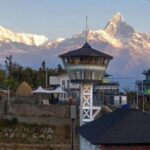
- Suspension bridge crossing with panoramic mountain views and colorful flags
- Up to 1–1.5 hours on the water inside a roughly 4-hour day
Upper Seti Rapids in Pokhara: the class II+/III+ flavor
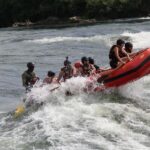
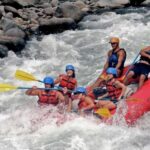
The Upper Seti is the kind of rafting where you stay alert without feeling like you’re in an action-movie simulator. The rapids are rated Class II+ / III+, which usually means you’ll deal with bouncy waves, quick changes in flow, and some moments that require good teamwork.
In plain terms, you’re not just floating downstream. You’ll be paddling, reading the river, and adjusting as the current snaps you off-line for a second. If you’ve rafted before, this still feels like a workout. If you’re new, it’s active and exciting, but the team is set up to guide you through the techniques and safety rules.
And yes, it’s wet. White-water spray is part of the package on this run, so it helps to treat it like the activity’s main feature, not an inconvenience.
Other Seti River rafting tours in Pokhara
From Pokhara to Hyamja: pickup, drive time, and when you actually raft
This is a half-day tour built around getting you on the river without turning your day into a long commute. You can be picked up either at the Rafting Adventure Nepal location or from Pokhara Lakeside, then you’ll head out by coach/bus for about 30 minutes.
Once you’re in the rafting area, there’s time for a short guided orientation and a safety briefing before you suit up. After that, the schedule is designed to keep the energy up—gear goes on, paddles go in your hands, and you’re down on the water pretty quickly.
A detail I like for planning: even though the full experience is around 4 hours, you’re likely to spend roughly 1 to 1.5 hours actually rafting. The rest of the time goes to pickup, transfer, briefing, and switching from land mode to river mode.
Safety first without killing the fun: gear, kayakers, and your briefing
Safety here isn’t just a speech. You get a real system: certified rafting equipment, trained staff, and extra support on the water.
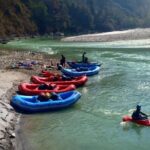
You’ll be provided ISO/CE certified gear, and there’s a first aid kit available. The big safety upgrade is that expert safety kayakers accompany the raft(s). They’re there for quick response if anything goes sideways, and their presence makes the experience feel more controlled even when the rapids get punchy.
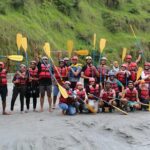
Before you push off, you’ll get an instructor-led safety briefing in English. The goal is to get you comfortable with how the raft moves, what commands mean, and what to do if you end up in the water. The instruction is also part of the fun—once you understand what the team is calling out, the rapids feel less random and more like a challenge you can handle.
One more practical note: you’ll want to listen closely and follow the gear-fit instructions. On bouncy water, a loose strap or awkward fit can be annoying fast.
Rapids route highlights: suspension bridge, gorges, and those cliff-jump moments
The Upper Seti experience mixes action with scenery, and the contrast is what makes it memorable.
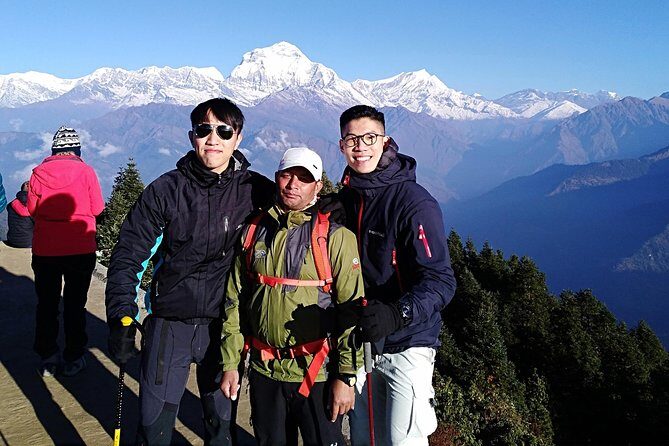
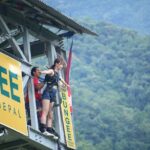
Before you spend all your energy on paddling, you’ll cross a suspension bridge decorated with colorful religious flags. It’s one of those short moments where the river adrenaline drops and you can look up at the mountains. Then you’re back to the task at hand—getting ready for the next push of white water.
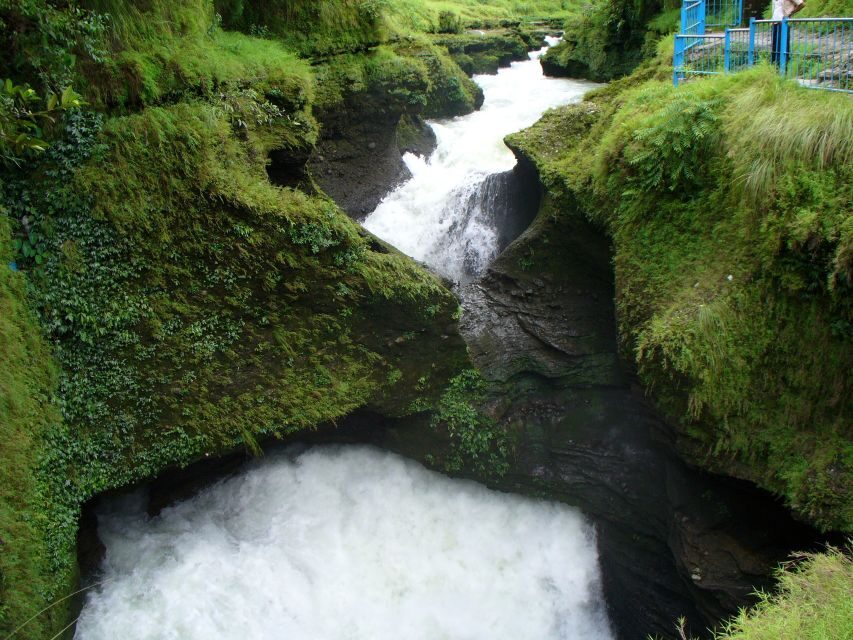
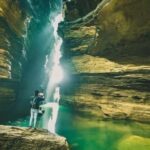
On the river itself, expect gorges and dramatic walls, not flat, boring views. You’ll be navigating the “bouncy” part of the rating—waves that lift the raft, then drop you into the next trough. Add in twists and turns, and it stays technical in a way that feels hands-on.
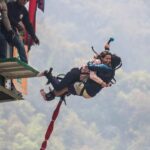
There’s also an opportunity for cliff jumps into the clear water. Not everyone goes for it, and you should not feel pressured. But if you want the full-send photo and the cold-water adrenaline, this is where that moment can happen.
Timing reality check: what a 4-hour half-day really contains
A “4-hour” tour can mean anything from rushed to relaxed, so it helps to know what fills that time.
You’re looking at:
- Pickup around Pokhara Lakeside or at the operator’s meeting point
- A 30-minute coach/bus ride toward the river area
- A safety briefing plus a guided orientation
- Rafting time on the water that often comes out to about 1 to 1.5 hours
- Time to gear up and change back out of wet clothes
So your day won’t be endless. But it’s also not just a quick hop on a raft and done. You’re doing an active water sport, then transitioning back to dry clothes and travel.
If you’re scheduling dinner or paragliding later the same day, build in breathing room. You’ll likely be wet, tired in a good way, and focused on getting warm again afterward.


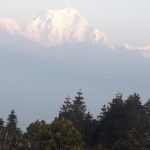
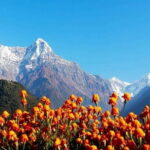
Annapurna-range views: how the scenery shows up between the hits
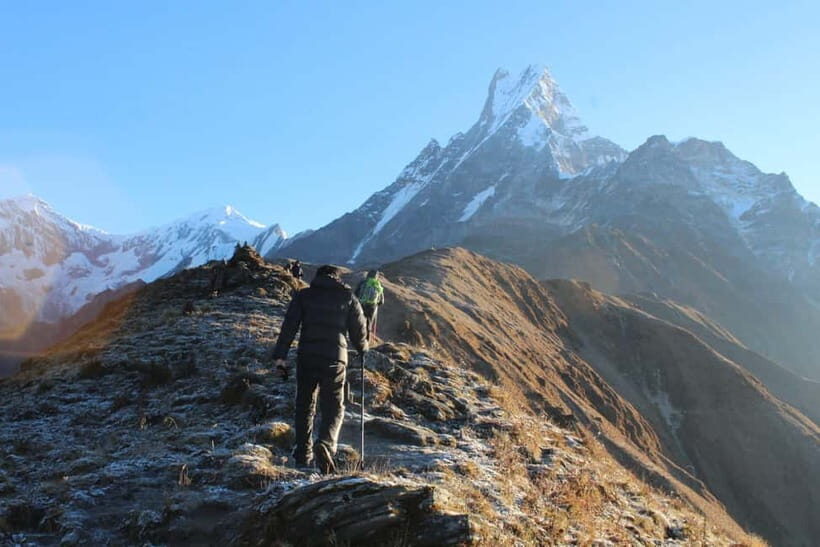
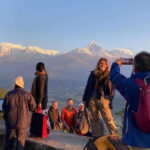
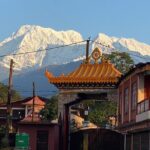
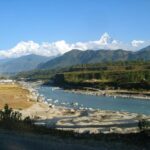
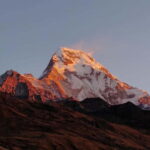
The Annapurna range is part of the draw here, and it’s not just a distant postcard. The river route gives you repeated angles—especially around the bridge crossing and along the gorge sections.
When the rapids get busy, the scenery can feel like it comes in flashes: look up between commands, catch a mountain line as the raft hits calmer water, then get back to paddling. That rhythm is actually nice. You’re not stuck staring at views while missing the point of rafting.
Photo tip: treat the camera like an afterthought for your first minutes on the water. Safety and paddling matter first. If you want usable shots, plan to pull out your phone only when the raft is stable and your guide says it’s okay.
Also, if you’re into souvenirs, there’s a nice bonus described in the experience feedback: you may receive GoPro videos after the trip. If that matters to you, ask about it when you check in.
What to bring (and what to wear) so the wet feels good
This tour is simple, but your packing choices affect your comfort more than you’d think.
Bring:
- Swimwear
- Change of clothes
- Water
- Comfortable clothes you don’t mind getting wet
- Waterproof footwear (you’ll want shoes that can handle slippery river takeoffs and landings)
Leave at home:
- Anything fragile you can’t secure
- Alcohol or drugs (not allowed)
- Anything you won’t want soaked
Clothes-wise, think “quick drying” and “no fuss.” In Nepal weather, you can get sun, then cool air right after you get off the water. A warm layer for afterward is a smart idea, even if it’s not listed as required.
And unless you’re a confident swimmer, don’t assume you’ll jump in to cool off. The experience is designed around rafting as the main activity, with optional moments like cliff jumps for those who want them.
Who this half-day tour fits best (and who should skip it)
This is built for a mix of experience levels. It’s described as suitable for both beginners and experienced rafters, as long as you meet the comfort and safety requirements.
You’ll likely enjoy it if you:
- Are comfortable in water
- Want a half-day of real white-water action (not just a gentle float)
- Like technical paddling challenges with trained guidance
- Want big scenery in a short window
You should not book this if you’re:
- Non-swimmer
- Pregnant
- Dealing with heart problems
- Dealing with back problems
If any of those apply, it’s better to choose a different activity in Pokhara. White water adds physical stress, sudden movements, and a wet environment that’s not worth the risk.
Price and value: what $39 buys you in Pokhara
At $39 per person for about a 4-hour outing, the value depends on whether you like guided adventure with gear handled for you.
What you get for the money:
- Hotel pickup and drop-off around Pokhara Lakeside area
- Professional English-speaking rafting guides
- Safety kayakers with strong river support
- Certified ISO/CE rafting equipment
- River permits handled for you
- First aid kit
- Private group format
What you provide:
- Waterproof footwear
- A change of clothes and swimwear
- Your own insurance (not included)
If you were planning to do this on your own, the equipment, permits, and trained support would be the expensive parts. Even if $39 feels modest, you’re paying for a whole safety and logistics system, not just a raft and a driver.
Ready to book: should you choose Upper Seti rafting or not?
Book it if you want a compact adventure day that’s genuinely active. The mix of Class II+/III+ rapids, the suspension bridge moment, and the short, well-run timing makes it a strong pick for first-time rafters who still want real thrills.
Skip it if you’re not comfortable in water or if any of the safety exclusions apply. Also, if you hate getting wet and don’t want even the option of cliff-jump moments, you may find the experience more irritating than fun.
My final take: this is the kind of Pokhara activity that feels worth doing because it’s short, guided, and high-energy. When you finish, you’ll likely remember the river sounds longer than you remember the drive there.
FAQ
FAQ
How long is the Pokhara Upper Seti River rafting day tour?
It lasts about 4 hours total.
Where is pickup and where do I get dropped off?
Pickup is available from either Rafting Adventure Nepal or around Pokhara Lakeside. Drop-off is available at Pokhara Lakeside and at Rafting Adventure Nepal.
What rapids level should I expect?
The rafting route is described as Class II+ / III+, with technical, bouncy waves and unpredictable twists.
Do I need to know how to swim?
You should be comfortable in water, and it is not suitable for non-swimmers.
Is this tour okay for beginners?
Yes, it’s described as suitable for beginners and also for experienced rafters.
What equipment is included?
You’ll receive certified rafting equipment (ISO/CE certified) and you’ll have access to a first aid kit, with safety kayakers accompanying the raft.
What should I bring with me?
Bring swimwear, a change of clothes, water, and comfortable clothes. You should also bring waterproof footwear for rafting.
Is insurance included?
No. Personal insurance is not included, and it’s recommended you arrange your own coverage.
Can I cancel and get a full refund?
Yes. Free cancellation is available up to 24 hours in advance for a full refund.