REVIEW · POKHARA
Private 4 Day Poon Hill Trek from Pokhara
Book on Viator →Operated by CAN Travels · Bookable on Viator
Poon Hill delivers in a way hard to explain. You get the Annapurna and Dhaulagiri sunrise payoff, plus real village time with Gurung and Magar communities in teahouses. I like that it’s structured but not rushed, and I like that you’re walking with an English-speaking guide who knows the trails and the local stories. The main drawback is simple: it’s an early, sometimes steep trek, and the meals aren’t included, so plan extra daily spending.
This is a private experience from CAN Travels with hotel pickup and drop-off, permits handled, and private car transfers as part of the route. You’ll spend your nights in guest houses along the way, and you’ll finish back in Pokhara with an easy handoff to your hotel.
In This Review
- Quick reasons I’d book this Poon Hill trek
- Poon Hill sunrise beats the usual mountain-tour routine
- Price and logistics: what $240 really buys you
- Getting to the trail: Pokhara to Nayapul without the stress
- Day 1: Tikhedhunga’s first climb feels doable
- Day 2: Ulleri stair power through rhododendron to Ghorepani
- Day 3: the Poon Hill viewpoint at sunrise, then on to Ghandruk
- Day 4: downhills through rhododendron to Naya Pul and back to Pokhara
- Guides who guide well: the names that matter
- Teahouses and meals: what to expect on your nights
- What’s special here: culture, not just altitude math
- Who this trek suits (and who might want to think twice)
- Should you book this private 4-day Poon Hill trek from Pokhara?
- FAQ
- How long is the Poon Hill trek?
- Where do we start and end during the trek?
- Is the sunrise at Poon Hill included?
- What’s included in the trek permits?
- Is an English-speaking guide included?
- Where do we sleep each night?
- Are meals included in the price?
- What is the cancellation policy?
Quick reasons I’d book this Poon Hill trek
- Poon Hill sunrise timing: early hike to catch the best light over Annapurna and Dhaulagiri.
- Teahouse nights in village stops: Tikhedhunga, Ghorepani, then a night in Ghandruk.
- Steep sections are known: Day 2 includes the famous stone staircase to Ulleri.
- Permits are included: trekking permit and TIMS card are part of the package.
- Guide stories, not just directions: you’ll get cultural and trail context as you walk.
- Private setup: only your group participates, with round-trip support around Pokhara.
Poon Hill sunrise beats the usual mountain-tour routine
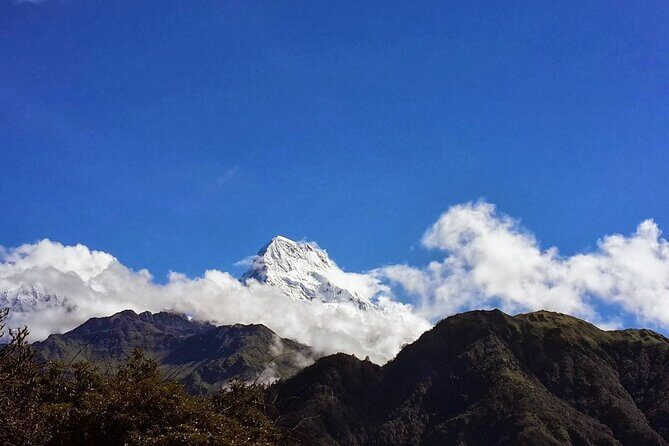
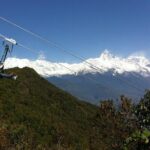
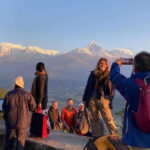
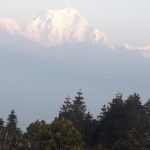
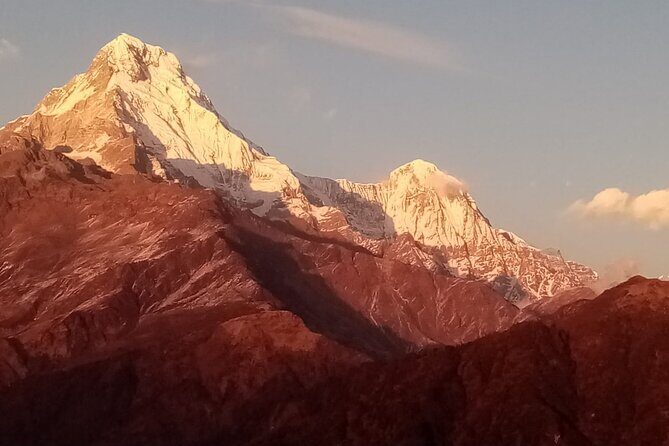
Let’s be honest. A lot of mountain trips sell the same idea: walk up, see a view, go back down. Poon Hill adds a key ingredient: the color show. From the viewpoint you’re aiming for that orange-gold sunrise over the Annapurna and Dhaulagiri ranges, which makes the whole hike feel like it’s pointing at one moment.
What I also like is that the sunrise is paired with a route that keeps unfolding. You’re not just climbing to one photo spot. You’re moving through rhododendron forests, village streets, and terraced farmland, and each day gives a different feel.
Other Ghorepani and Poon Hill treks in Pokhara
Price and logistics: what $240 really buys you
At $240 per person for about 4 days, the value is in what’s covered: hotel pickup/drop-off, an English-speaking trekking guide, the trekking permit and TIMS, and private car transfers as part of the itinerary. You also get your night stays in guest houses.
Meals are the one big add-on. Food runs extra at about US$28 per person per day (paid on purchase). That means your final total depends on how much you eat and drink during tea breaks, but it’s usually easier to plan once you know meals aren’t included.
Private also matters. Even though it’s marketed as a private trek, the price and setup still allow for group discounts if you book with others. And because it’s private, you’re less stuck with the pace of strangers.
Getting to the trail: Pokhara to Nayapul without the stress
You start in Pokhara and move toward the trailhead by bus. The route is straightforward: a shared public bus from Pokhara to Nayapul takes about 1–2 hours. Once you’re at Nayapul, the trekking begins.
On Day 1 you pass through places like Birethanti and Hille, then you start climbing into Tikhedhunga for a first overnight. This is a good way to ease in. You’re not dropped into the hardest climbing immediately, and you get time to adjust before the steep staircase day.
Day 1: Tikhedhunga’s first climb feels doable
Day 1 centers on getting your legs under you. You begin trekking from Nayapul and work your way up toward Tikhedhunga. The walking time is about 6 hours, and the route includes village sections as you ascend.
Why Tikhedhunga works as a first night:
- You’re already in a trekking rhythm by the time you settle in.
- You get your first taste of the local village scale and tea-house life.
- It sets you up for Day 2, where the climbing gets more intense.
A consideration: 6 hours of walking on day one can still feel like a workout if you’re coming from sea-level routines and you’re not used to uphill walking.
Day 2: Ulleri stair power through rhododendron to Ghorepani
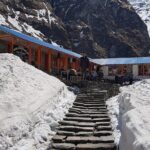
Day 2 is the day most people talk about because it includes the steep stone staircase to Ulleri. After that climb, you continue through rhododendron and oak forests and reach Ghorepani, which sits with panoramic mountain views.
Time on the trail is about 6 hours. Ghorepani is where you’ll sleep, and it’s also the “base” village for what’s coming next. If you’re the type who worries about logistics, this is a good day to lean on your guide. Knowing when to pause, how to handle stairs, and how to manage energy matters here.
The practical drawback: that staircase is not a gentle stroll. If moderate fitness is your limit, pace yourself early and don’t wait until you’re exhausted to take breaks.
Other private tours in Pokhara
Day 3: the Poon Hill viewpoint at sunrise, then on to Ghandruk
This is the day with the big payoff and the long tail end.
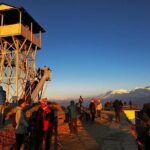
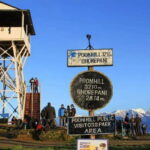
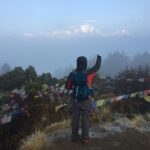
You start with an early morning hike to Poon Hill View Point for sunrise. The early hike is short in clock-time (about 2 hours listed), but it can feel long because you’re moving before the world is fully awake and you’re aiming for a specific moment of light.
From the viewpoint, you’re looking for panoramic views of the Annapurna and Dhaulagiri ranges. After sunrise, you descend back to Ghorepani and then continue trekking onward toward Ghandruk. The Ghorepani to Ghandruk stretch is about 6 hours, and you spend the night in a teahouse in Ghandruk.
Why Ghandruk is a smart finish:
- It’s known for Gurung hospitality, which fits the cultural angle of the trek.
- You get a more village-centered feel after the viewpoint day.
- The teahouse stop makes the route feel like you’re visiting a community, not just passing through.
One thing to plan for: you’re stacking a sunrise mission plus a full walking day. If you tend to burn out, this is where you’ll want your guide to help you manage effort.
Day 4: downhills through rhododendron to Naya Pul and back to Pokhara
Day 4 is a downhill-focused wrap-up. From Ghandruk, you hike to Naya Pul via a scenic route. The listed walking time is about 6 hours, and the direction is downhills as you say goodbye to mountain views.
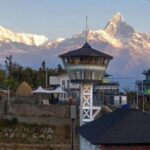
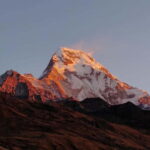
This is also one of the best “last-look” days because you’re still in view territory: Annapurna I, Annapurna South, Dhaulagiri, Fishtail (Machhapuchhre), and Himchuli are specifically called out along the way. You also cross beautiful rhododendron forest sections before reaching Naya Pul.
After the trek, you catch a local bus and drive back to Pokhara. You’ll arrive at Pokhara Lakeside and then get dropped back to your hotel. That final transfer is listed around 1 hour 30 minutes.
Guides who guide well: the names that matter
This trek lives or dies by the guide. The trail is well-known, sure, but what makes it feel smooth is pacing, navigation, and the ability to explain what you’re seeing.
CAN Travels provides an English-speaking trekking guide, and the experience description highlights that the guides are more than trail masters. They share insights into regional history, traditions, and wildlife, which is exactly the kind of context that turns a walk into a story you remember.
If you’re booking this and you get one of these guides, it’s a promising sign: Milan, Biru, Vikram, Amrit, Sham, or Bikram. What stands out across those names is the focus on care and clear communication, so you’re not left guessing how to handle each day.
Teahouses and meals: what to expect on your nights
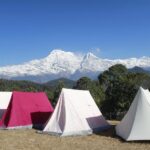
You’ll stay in guest houses during the trek, and at least one night is specifically in a teahouse in Ghandruk. In these villages, teahouse life usually means basic comfort, warm gathering spaces, and the chance to eat with other hikers if you want.
Meals are not included, which is worth saying plainly. The tour offers meals for purchase at about US$28 per person per day. That cost can be totally fine for some people, but if you’re used to cooking your own food or keeping a tight daily budget, you’ll need to plan.
Practical advice that doesn’t require guesswork: treat meal breaks as part of your trekking schedule. On a sunrise day and a long walking day, food timing can affect your energy more than you’d think.
What’s special here: culture, not just altitude math
A lot of treks sell height. This one sells people and rhythm too.
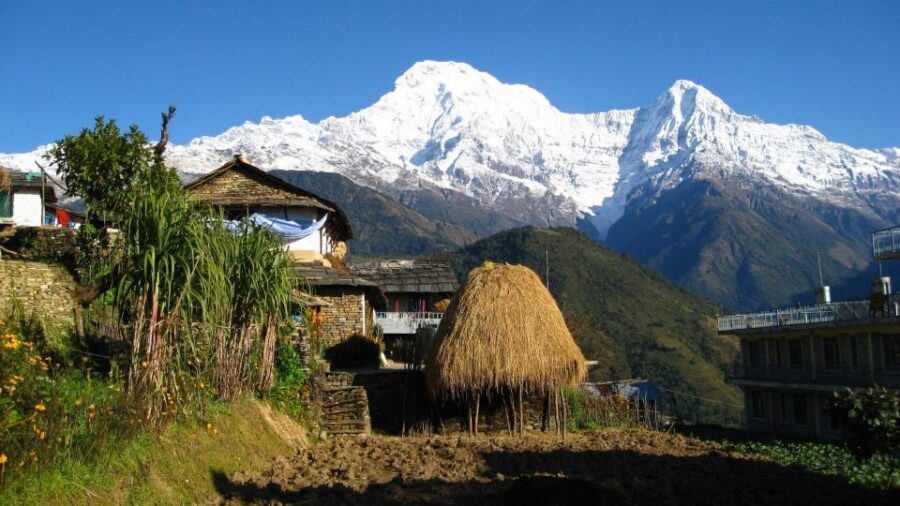
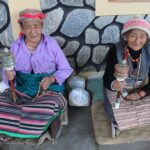
You pass through communities tied to the Gurung and Magar ethnic groups and stay in traditional teahouse-style accommodations. That means the trek feels human-sized. You’ll see daily village life at close range, and you get chances for conversations with locals along the way.
The walking route also gives you the mix of scenery the Annapurna region is famous for: rhododendron forests, terraced farmlands, village paths, and mountain panoramas timed for sunrise and sunset light.
Who this trek suits (and who might want to think twice)
This trek is aimed at people with moderate physical fitness. If you can walk uphill for hours and handle stairs, you’re in the right zone.
It may be less ideal if:
- You struggle with steep climbs like the Ulleri staircase day.
- You hate early starts (sunrise means pre-dawn effort).
- You have a tight budget once you factor in meals (since food is extra).
It’s especially a great fit if you:
- Want a classic Nepal trek without needing a longer time commitment.
- Want a mix of views and culture, not only one viewpoint.
- Prefer a private setup with an English-speaking guide and clear pacing.
Should you book this private 4-day Poon Hill trek from Pokhara?
If you want the Poon Hill sunrise without turning the trip into a DIY project, I’d book it. The $240 price makes sense because it covers the guide, permits, and the big logistics pieces around Pokhara, plus your guest house nights. The route also gives real variety: stair climbs, forest walks, village time, and a Gurung village overnight.
I’d think twice if you’re sensitive to steep stairs or you want meals included in the headline price. Also, if you’re expecting a fully cushy hotel trek, this is teahouse trekking, not resort life.
Overall, this is one of those itineraries that hits the sweet spot: famous views, good pacing, and enough culture to feel like you actually visited the region, not just took a hike through it.
FAQ
How long is the Poon Hill trek?
The trek is listed as 4 days (approx.).
Where do we start and end during the trek?
You start from Pokhara, travel by bus to Nayapul to begin trekking, and at the end you hike to Naya Pul and return to Pokhara Lakeside, where you’re dropped back to your hotel.
Is the sunrise at Poon Hill included?
Yes. Day 3 includes an early morning hike to Poon Hill View Point for sunrise, and the viewpoint admission is included.
What’s included in the trek permits?
The package includes a trekking permit and a TIMS card.
Is an English-speaking guide included?
Yes, you get an English-speaking trekking guide.
Where do we sleep each night?
You stay in guest houses/teahouses along the route, including a teahouse night in Ghandruk.
Are meals included in the price?
No. Meals are not included, and you can purchase them on site (about US$28 per person per day).
What is the cancellation policy?
You can cancel for a full refund up to 24 hours in advance of the experience start time. If you cancel less than 24 hours before, the amount paid is not refunded.