REVIEW · POKHARA
Pokhara to Kathmandu Premium Sofa Bus Ticket
Book on Viator →Operated by New Road Travels and tours pvt ltd · Bookable on Viator
A long road day, made easier. This Pokhara to Kathmandu premium sofa bus ride focuses on comfort and a practical schedule, with views along the river corridor and only a few planned stops. It also avoids the chaotic roadside pickups that can slow down other buses.
I really like the reclining seats for a straight-up rest, and I appreciate that bottled water is provided onboard. For many people, that alone makes the journey feel more controlled and less stressful.
One thing to consider: even with a typical 6-hour drive, the day can stretch to 7–8 hours if there are operational delays or road incidents on the highway.
In This Review
- Key Things I’d Watch for Before You Go
- The Premium Sofa Bus Mindset: Comfort First, Not Chaos
- Seats, Water, and a Bus That Keeps Its Size Under Control
- Timing: The Departure That Tries to Be Precise (But Road Days Rarely Behave)
- The Route Feel: Why the River Corridor Matters
- Stop-by-Stop: Breakfast in Jamune, Lunch in Kurintar, Plus One More Quick Break
- Breakfast stop (Jamune area) — about 20 minutes
- Lunch stop (Kurintar area) — about 30 minutes
- The third stop — quick and highway-based
- What you should bring for these short breaks
- What’s Included (and What You’ll Need to Handle Yourself)
- Group Dynamics: Max 30 Means You Can Actually Settle
- Price and Value: Is $11 a Good Deal?
- Who This Bus Fits Best (And Who Should Be Pickier)
- Should You Book This Premium Sofa Bus From Pokhara?
- FAQ
- What time does the Pokhara to Kathmandu bus start?
- How long is the journey from Pokhara to Kathmandu?
- What’s included with the ticket price?
- Are there food stops during the trip?
- Is this ticket refundable?
- What age range is allowed?
Key Things I’d Watch for Before You Go
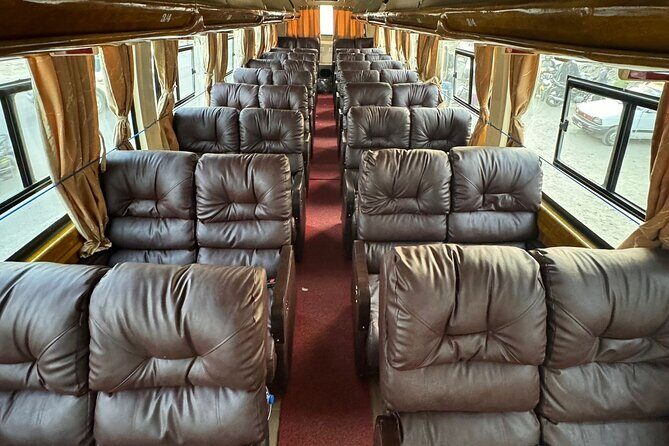
- Reclining “premium sofa” seating makes a big difference on a 6–8 hour road trip
- Bottled water on board saves you from hunting for supplies mid-ride
- Only a few scheduled stops (breakfast and lunch) keeps the route moving
- Small group size (max 30) helps the boarding feel less chaotic
- No roadside waving pickups means less random time loss on the highway
The Premium Sofa Bus Mindset: Comfort First, Not Chaos
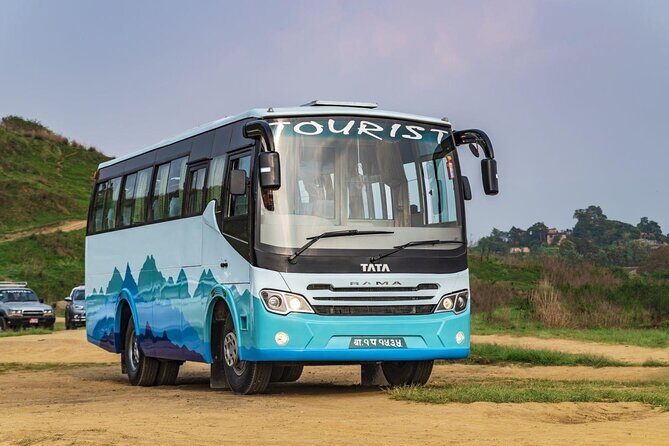
This is an economical way to connect Pokhara and Kathmandu by road without turning your day into a constant game of stop-and-start. The product is simple: you sit, you recline, you get water, and you arrive. That’s exactly what you want on this route, where the drive can feel long even when traffic cooperates.
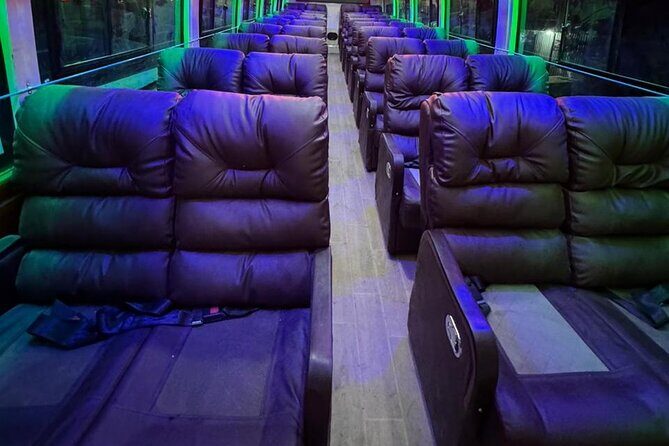
The “premium sofa” part matters. Reclining seats don’t just feel nicer; they help your body handle the jostling and sitting time. If you’re sensitive to long rides, this is the kind of upgrade that can change your whole experience—from tiring to manageable.
Also, this bus style is designed for tourists. That means it doesn’t do the usual highway routine of stopping for every person who flags the vehicle down. Fewer random stops often equals a smoother schedule, even when other vehicles on the same road are doing their own thing.
Other Pokhara-Kathmandu transfer options

Seats, Water, and a Bus That Keeps Its Size Under Control
Let’s talk practical comfort. You’re paying for a seat that reclines, and you’re not guessing about water: bottled water is provided on the bus. That’s a small inclusion that pays off fast, especially if you don’t want to spend time buying drinks at every stop.
Then there’s the group size. Each bus has a maximum of 30 travelers. A smaller headcount can help with line flow at boarding, and it usually means less bumping around when everyone’s trying to stow bags and settle in.
And yes, the bus is built for a wider range of ages: 6–75 are allowed. That doesn’t automatically make it comfortable for everyone, but it signals the ride is structured for general tourist use rather than a narrow party scene.
If you’re traveling with a service animal, that’s allowed too. And since you get a mobile ticket, you’ll want your phone charged and ready to show confirmation.
Timing: The Departure That Tries to Be Precise (But Road Days Rarely Behave)
The scheduled start is 6:45 am. Your day begins early, but it’s also a smart strategy for road travel in Nepal: fewer daytime surprises, fewer traffic bottlenecks, and more daylight for scenery.
The ride time is listed as 6 to 7 hours (approx.), and you should also plan for the realistic possibility of 7–8 hours. The route is on highway, and road incidents can slow everything down. That’s not unique to this company; it’s just how highway travel works.
Here’s my practical advice: arrive a bit early and stay flexible. One reason bus days go sideways is timing assumptions. If something happens at the starting point—staffing, a last-minute vehicle change, or just a late operational start—you don’t want to be standing there at the last second hoping things fix themselves.
The Route Feel: Why the River Corridor Matters
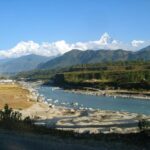
A big reason this bus is popular is the route experience between the two cities. You travel through changing terrain and follow alongside a river corridor for stretches. That means you’ll have regular opportunities to see movement off to the side—sometimes even river rafters if conditions are active.
This is the kind of scenery you get without having to plan extra stops or pay for separate viewpoints. It’s also the sort of view that works well from a reclining seat: you don’t need to get out every 30 minutes just to feel like the trip was worth it.
Also, the plan keeps pickups to a minimum. Fewer highway interruptions usually means less time spent watching the bus get asked to stop. You’ll still see plenty of activity, but the bus keeps its rhythm.
Stop-by-Stop: Breakfast in Jamune, Lunch in Kurintar, Plus One More Quick Break
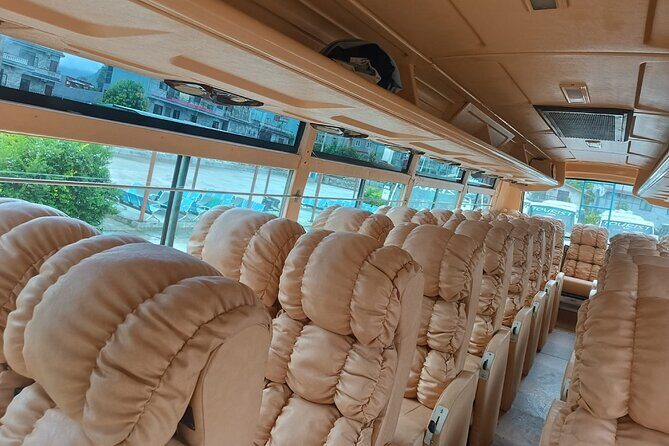
This is where you’ll feel the difference between a comfortable tourist bus and a nonstop cattle-car approach.
The trip makes stops in only 3 places. The two named stops are the ones that matter most:

Breakfast stop (Jamune area) — about 20 minutes
You get a break specifically for breakfast around the Jamune area, and the stop is about 20 minutes. That’s not a sit-down brunch situation. It’s more like: grab food, use the bathroom if needed, and get back on the bus.
The best part is that these stops aren’t just random service stations. This one is described as offering a beautiful riverbank view with food options. In a short time window, that view can make a quick meal feel like a small pause rather than an interruption.
Lunch stop (Kurintar area) — about 30 minutes
Lunch comes later at the Kurintar area, with about 30 minutes available. Again, this is designed for speed, but it’s long enough for a real meal if you’re ready to order promptly and not browse forever.
You’ll get the same general feel here: food that’s intended to be hygienic, plus the advantage of being somewhere with a real view rather than a bare roadside strip.
The third stop — quick and highway-based
The schedule says there are three stop locations total, so expect one additional brief break point beyond breakfast and lunch. The exact purpose and timing aren’t detailed beyond that, so I’d treat it as a short window to handle whatever you need—stretch legs, bathroom check, or just regroup.
My tip: use the breakfast and lunch stops for anything that needs more time (like eating and settling your photos). For the extra stop, don’t plan anything complicated. Think quick and done.
What you should bring for these short breaks
Because the stop times are tight, I recommend:
- Keep a small snack and water plan in case your meal runs slower than expected
- Bring tissues or wipes, because you’re not guaranteed a perfect restroom setup in short stops
- Have some cash and small bills ready, since payment setups can vary at highway spots
What’s Included (and What You’ll Need to Handle Yourself)
Your ticket includes the bus ride from Pokhara to Kathmandu. That’s the core value: transportation, seat comfort, and the onboard basics they mention.
Billed as part of the journey experience: bottled water is provided. That’s not something you should ignore—on long drives, it can easily change whether you’re comfortable or constantly thirsty.
Anything not specifically mentioned is on you. That means you’ll want to handle your own:
- Meals during the breaks (you’ll be choosing and paying based on what’s available)
- Extra drinks beyond the bottled water
- Anything like chargers, entertainment, or personal comfort items
Group Dynamics: Max 30 Means You Can Actually Settle
With max 30 travelers per bus, the overall vibe is usually easier than bigger group departures. You can often find your seat and settle without the crowded chaos that comes with larger vehicles.
Also, fewer random stops (no roadside waving pickups) can help the group stay coordinated. You’re less likely to feel like the day is slipping away because the bus is waiting for people who weren’t part of the plan.
That said, road days can still be messy. If the bus feels delayed at the start, don’t assume it’s personal. This kind of route depends on road conditions and vehicle readiness.
Price and Value: Is $11 a Good Deal?
The ticket is listed at $11.00 per person, which is notably budget-friendly for a long ride with reclining seats. Here’s how I’d judge value in a plain way: you’re paying for a comfortable seat plus basic onboard support (bottled water), and you’re buying an organized, tourist-oriented schedule with limited stops.
If you’re choosing between cheaper buses with worse seating or more frequent interruptions, this is the kind of upgrade that can be worth it even if you don’t get the fanciest experience.
However, price alone shouldn’t override your expectations. The comfort comes from the reclining seats, but seat assignments and the exact feel of the vehicle can vary in real-world operations. If reclining comfort is your top priority, I’d still arrive early and confirm you’re in the right seat category when you board.
Also, the company is described as New Road Travels and tours pvt ltd. With any operator in Nepal’s busy tourist transport ecosystem, I recommend treating communication as part of your job. If something feels off at pickup time, speak up quickly—then watch what happens next.
Who This Bus Fits Best (And Who Should Be Pickier)
This bus is a good match if you want:
- A comfort-first seat on a long road day
- A route experience that includes river views without extra planning
- A schedule with breakfast and lunch stops that don’t consume the whole day
It’s also workable for many age groups since 6–75 are allowed, and the bus is set up for standard tourist travel rather than specialized activities.
It might be less ideal if:
- You’re extremely sensitive to schedule drift and need guaranteed exact departure times
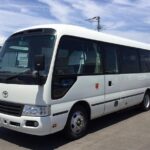
- You’re expecting a perfectly matched vehicle look from any promotional photo
- You need long meal breaks (because breakfast is about 20 minutes and lunch is about 30 minutes)
If you fall into the “schedule sensitive” category, build your day around the possibility of a 7–8 hour travel time rather than treating 6 hours as the only scenario.
Should You Book This Premium Sofa Bus From Pokhara?
I’d book it if you want an easier, more comfortable highway ride and you’re fine with short, practical stops. The inclusion of bottled water, the reclining seats, and the small max 30 group size make it feel like a value option, not just a cheap seat.
But I’d be cautious and smart about it:
- Arrive a little early for the 6:45 am start
- Keep your phone ready since you’ll use a mobile ticket
- Plan meals around 20 minutes for breakfast and 30 minutes for lunch
- Keep your expectations realistic for 6–7 hours on paper, 7–8 hours in the real world
If your priority is a predictable schedule with zero surprises, then bus travel in Nepal may always feel like a gamble. If your priority is comfort and getting there without overcomplicating the day, this is one of the better ways to do it.
FAQ
What time does the Pokhara to Kathmandu bus start?
The start time is listed as 6:45 am.
How long is the journey from Pokhara to Kathmandu?
The duration is about 6 to 7 hours, and the journey can take between 7 and 8 hours depending on conditions.
What’s included with the ticket price?
The ticket includes the bus ride from Pokhara to Kathmandu, and bottled water is provided on the bus.
Are there food stops during the trip?
Yes. The bus makes stops in three places: a breakfast stop in the Jamune area (about 20 minutes) and a lunch stop in the Kurintar area (about 30 minutes).
Is this ticket refundable?
No. The experience is non-refundable and cannot be changed for any reason.
What age range is allowed?
This activity allows ages 6 through 75. Service animals are also allowed.