REVIEW · POKHARA
Pokhara: 9-Day Annapurna Base Camp Trek with Poon Hill
Book on GetYourGuide →Operated by MTA Trekking Pvt. Ltd. · Bookable on GetYourGuide
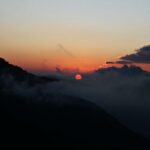
A cold-morning sunrise can change a trek. Here, Poon Hill puts the Annapurna peaks in front of you first, and the day ends with real mountain villages and a proper climb to Annapurna Base Camp. I also like that MTA Trekking handles the paperwork and logistics, so you can focus on walking and eating well. The main drawback is that you’ll deal with lots of stairs and higher altitudes, so you’ll want a steady pace and realistic expectations.
I like the character of this route: you start along the Modi Khola River, pass through rhododendron forests, and spend nights in simple tea houses and lodges where menus usually have enough choice to keep you going. You also get a very practical recovery stop at Jhinu Dada’s natural hot spring, which matters on day-to-day descents.
If you’re hoping for a gentle stroll with minimal vertical, this is probably not your best match. It’s very doable for many people, but it’s still a hiking itinerary with climbs, big views, and the occasional rough weather day.
In This Review
- Key things I’d plan around before you go
- Poon Hill Sunrise and Annapurna Base Camp: the two moments you’ll remember
- Your first day out of Pokhara: Nayapul to Tikhedhunga
- Ulleri stairs to Ghorepani: why this section is a real test (and still fun)
- Poon Hill morning and onward to Tadapani or Chuile
- Chuile to Sinuwa: river confluence day and more quiet hiking
- Deurali (3,200m) to start feeling the altitude for real
- Annapurna Base Camp at 4,130m: the day that earns the hype
- Descend to Bamboo (2,300m): when your legs start telling the truth
- Jhinu Dada hot spring (1,600m): the recovery stop you’ll actually feel
- Back to Pokhara’s Lakeside: finishing with daylight and reflection
- Price and value: what $487 covers, and what you’ll need to budget for
- Guides, guides, and why it matters on a trail like this
- Weather, leeches, and altitude: plan smart, not scary
- Who this Annapurna Base Camp + Poon Hill trek fits best
- Should you book this trek?
- FAQ
- What is the starting point and pickup setup?
- How long is the trek?
- What are the main high points on the route?
- What’s the highest altitude on the trek?
- Is this a group tour?
- What languages are the guides?
- Are permits and taxes included?
- What meals are included?
- What is not included in the price?
- Is cancellation refundable?
- Is travel insurance required?
Key things I’d plan around before you go
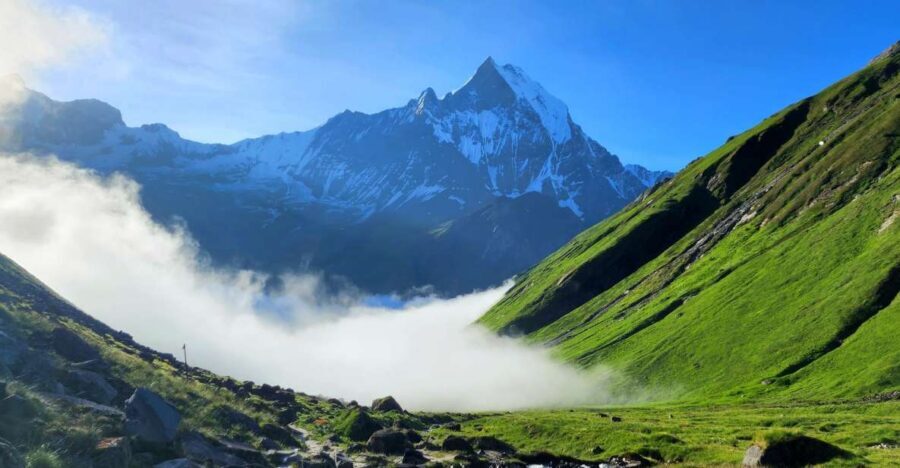
- Poon Hill (3,210m) sunrise: plan for an early start and bring layers; the colors can be worth the wake-up call
- Rhododendron forests and Ulleri stairs: expect steep steps, but they’re broken up by village stops and tea-house breaks
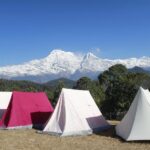
- Teahouse food and lodging options: you’ll sleep in basic comfort, usually with multiple meal choices along the way
- Annapurna Base Camp day at 4,130m: the air feels thinner; pacing matters more than speed
- Jhinu Dada hot springs (1,600m): a real leg-saver on the descent, not just a box to tick
Poon Hill Sunrise and Annapurna Base Camp: the two moments you’ll remember
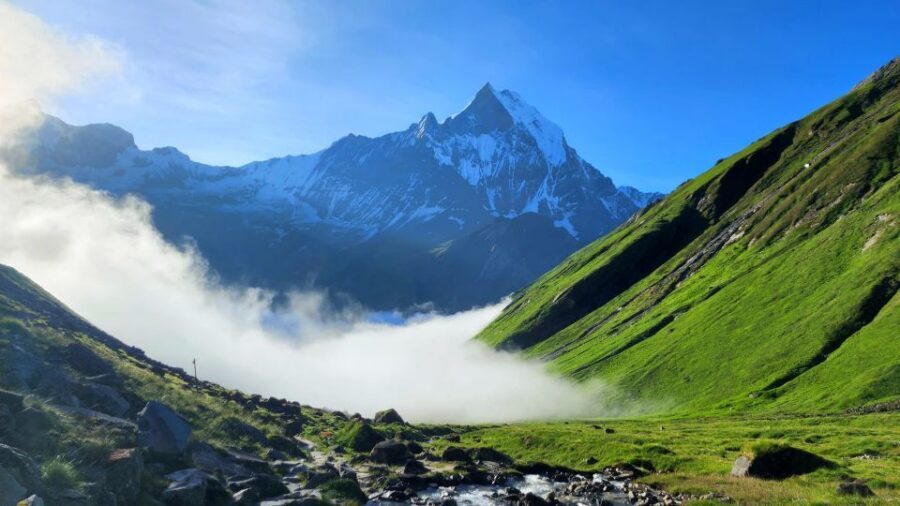
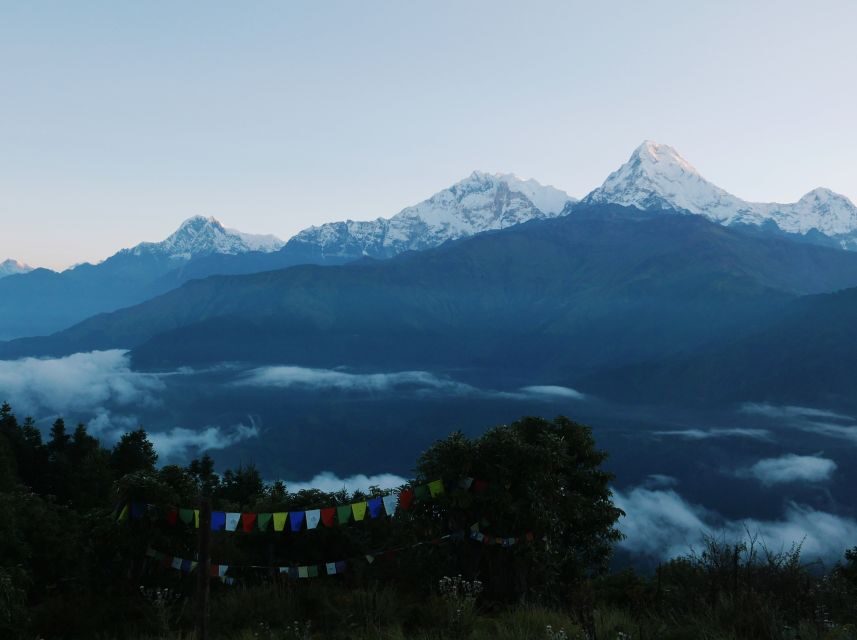
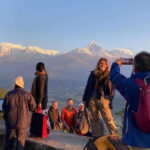
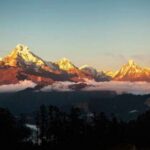
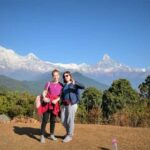
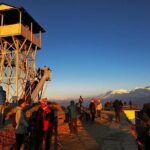
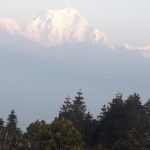
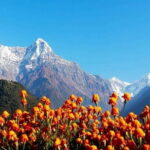
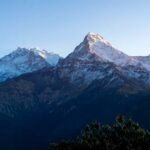
This trek is built around two headline views, and they land at very different times in the journey. Poon Hill is your morning reward: you climb through villages and forests, then wake up high enough to watch the Annapurna range shift from shadow into bright, snowy detail. In the feedback I read, people kept highlighting the orange-red reflections on the snow and the calm feeling of sipping hot drinks while the mountains slowly wake up.
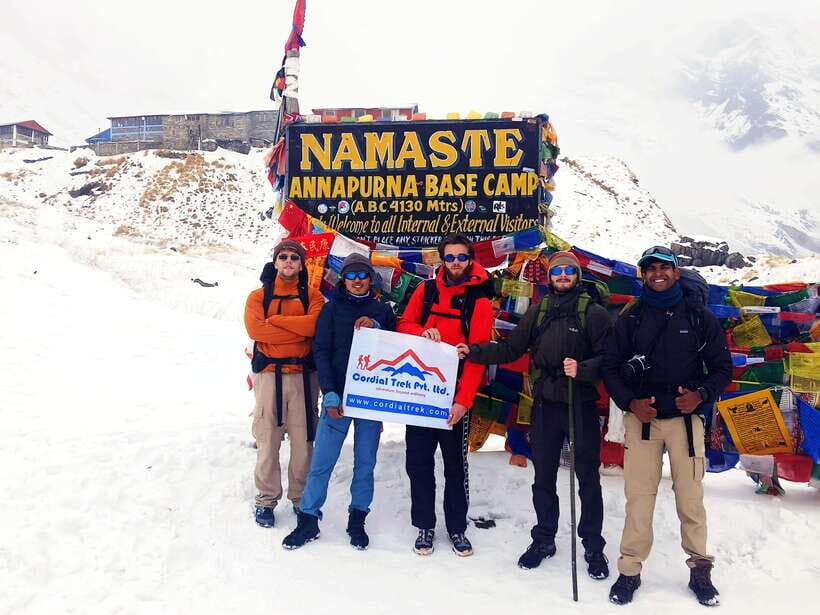
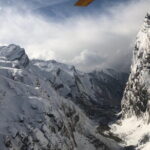
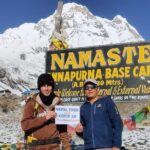
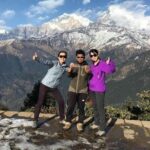
Then comes Annapurna Base Camp, the “arrived” moment. You’ll reach 4,130 meters on day 6, surrounded by snow-capped peaks and glaciers. It’s not a theme park viewpoint. It feels exposed, crisp, and slightly unreal, the kind of place where you’ll suddenly care about every breath you take.
If you’re the type who likes variety, this route gives it to you: sunrise spectacle, forest trekking, cultural village time, and a high-altitude day that feels like the peak of the whole trip.
Other Annapurna Base Camp treks reviewed in Pokhara
Your first day out of Pokhara: Nayapul to Tikhedhunga
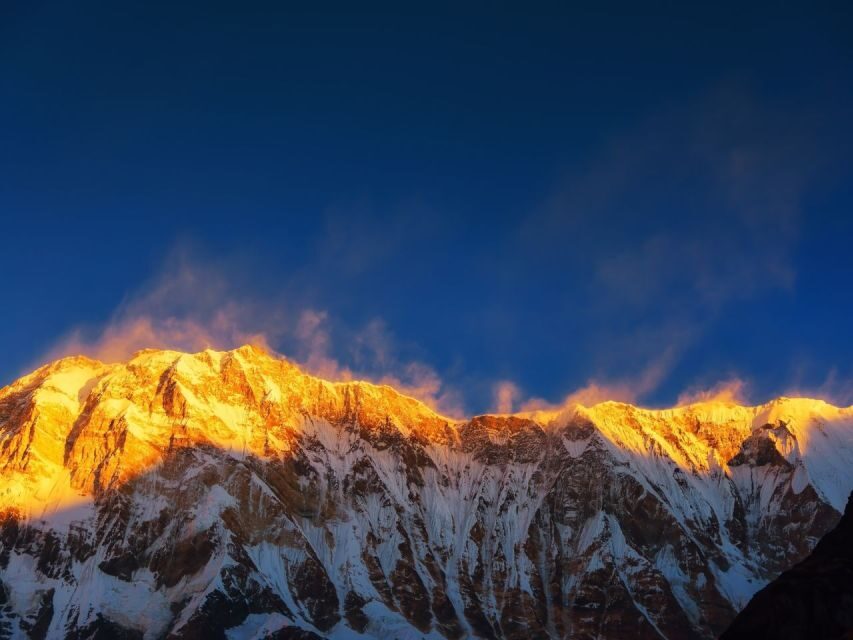
Day 1 starts with an easy win: a 2-hour cab ride from Pokhara to Nayapul. That gets you out of city time and into trail time fast. After that, it’s about 3 hours hiking to Tikhedhunga at 1,570 meters.
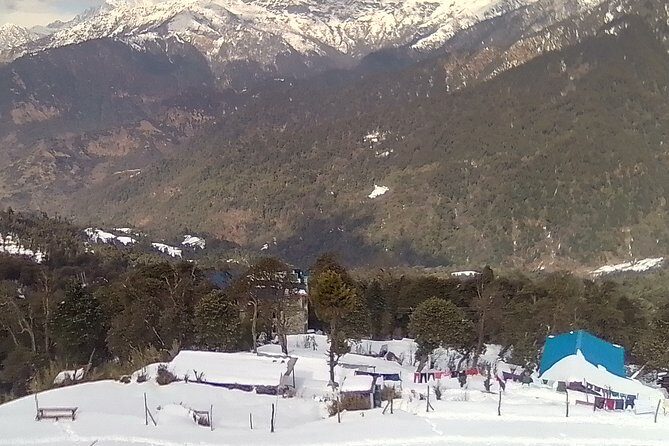
I like this first day because it’s not just logistics. You’ll walk along the Modi Khola River and pass through charming villages and rhododendron forest stretches. That mix matters because it sets expectations: you’re not trudging the entire trek. You’re also moving through communities and vegetation that make the hours feel shorter.
What to watch for: this is the start of your stair rhythm. Even early segments in the Annapurna foothills can add up, so keep your pace controlled. If you sprint on day 1, day 2 will collect the bill.
Ulleri stairs to Ghorepani: why this section is a real test (and still fun)
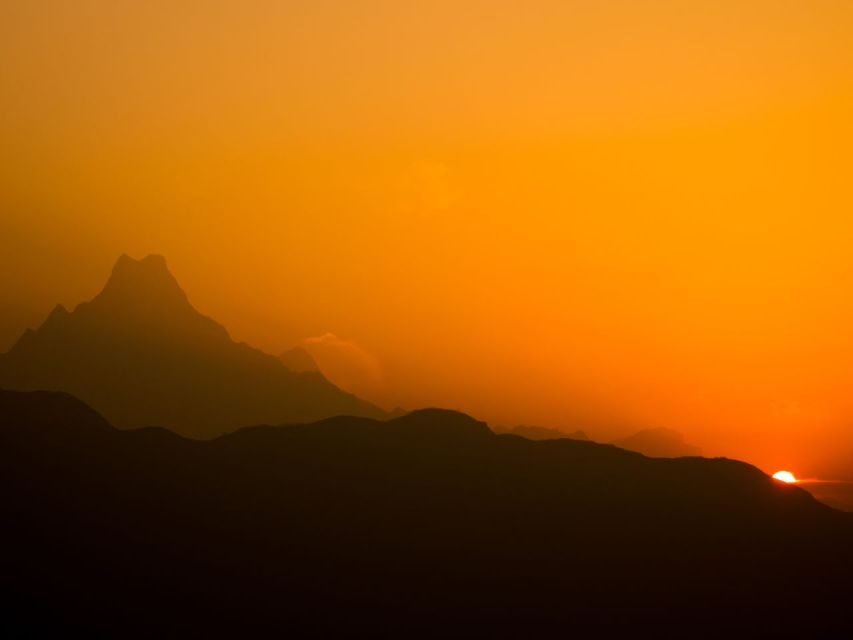
Day 2 is the famous grind in miniature: Tikhedhunga to Ghorepani (2,840m), around 6 hours. The big feature is the climb to Ulleri village with over 3,000 steps, plus rhododendrons that can be blooming depending on the season.
This is one of the most important sections to plan mentally. The steps feel relentless, but they’re also predictable: if you keep moving steadily, you’ll reach Ghorepani and get a restful tea-house night. You’re high enough to feel the air change, but not so high that it overwhelms you.
At Ghorepani, you’ll settle into a friendly tea house for the evening. I like this because it’s where the trek starts to feel “real”: you’re in the hiking zone, sharing space with other trekkers, and everything revolves around the next morning.
Possible drawback here: if you’re prone to knee pain, the step climbing can be irritating. Bring proper footwear and take breaks before you feel cooked. The goal isn’t to suffer. It’s to arrive smiling.
Poon Hill morning and onward to Tadapani or Chuile
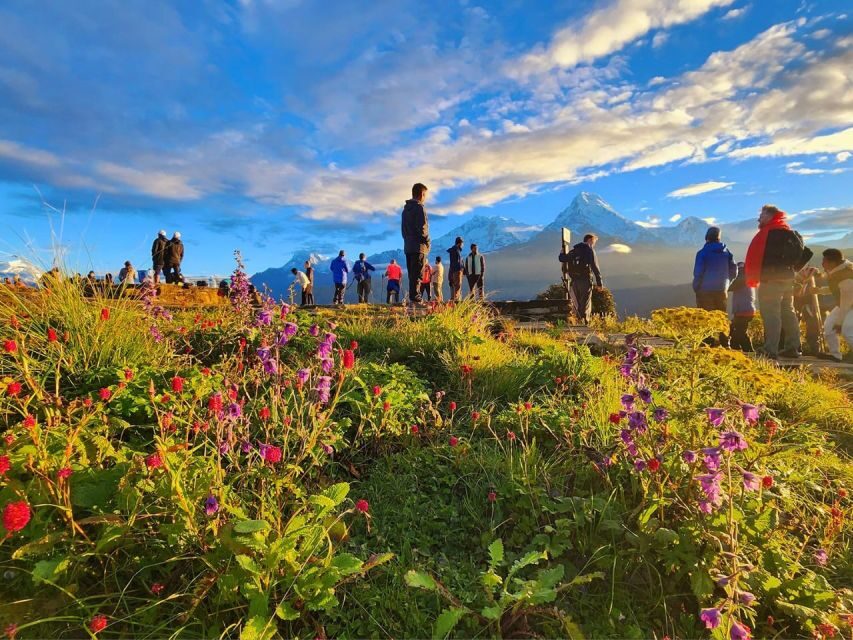
Day 3 is a split-day experience. You’ll face Poon Hill sunrise at 3,210m (about 1 hour for the viewpoint time), then hike onward by forest trails to Tadapani or Chuile at around 2,400 meters. Total trekking time is about 6 hours.
This is where timing becomes everything. You’re going up early for sunrise, so you’ll want to dress in layers that you can manage as temperatures shift. The viewpoint is the payoff, but the rest of the day is what keeps you moving toward your higher camps.
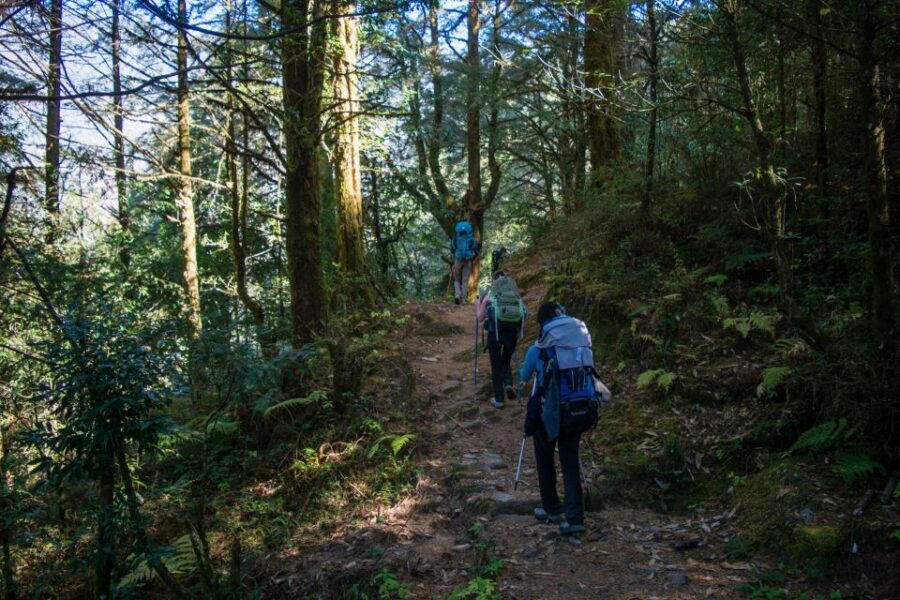
The trail after Poon Hill is described as a forest walk, which I love on busy mountain routes. Open sky views are great, but a wooded section helps you keep steady effort without staring uphill the whole time.
One more practical note: tea houses and lodges at these elevations rely on limited supplies, so it’s smart to eat what’s offered and keep hydration consistent. Don’t save your appetite for later.
Chuile to Sinuwa: river confluence day and more quiet hiking
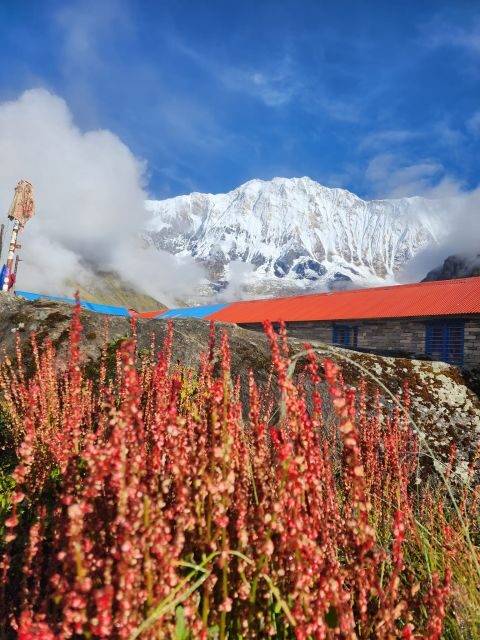
Day 4 covers Chuile to Sinuwa (2,170m) in about 5 hours. It’s a continuation through quieter terrain, including the convergence of the Kumrung and Modi Rivers. That detail matters because it breaks up the trek visually: you’re not always just gaining elevation; you’re moving through where water shapes the valleys.
This is also a “settling” day. You’ve already had the adrenaline of sunrise, and you’re now building toward Deurali and the big base camp push. I like days like this because you can keep your head in the right place: steady steps, good rest, and less worry about the next view.
Drawback to consider: because the trek is adjusting elevations and valley flow, some sections can feel mentally slower. If you treat it like a job, you’ll feel it. If you treat it like “moving through Nepal,” it passes faster.
Other Ghorepani and Poon Hill treks in Pokhara
Deurali (3,200m) to start feeling the altitude for real
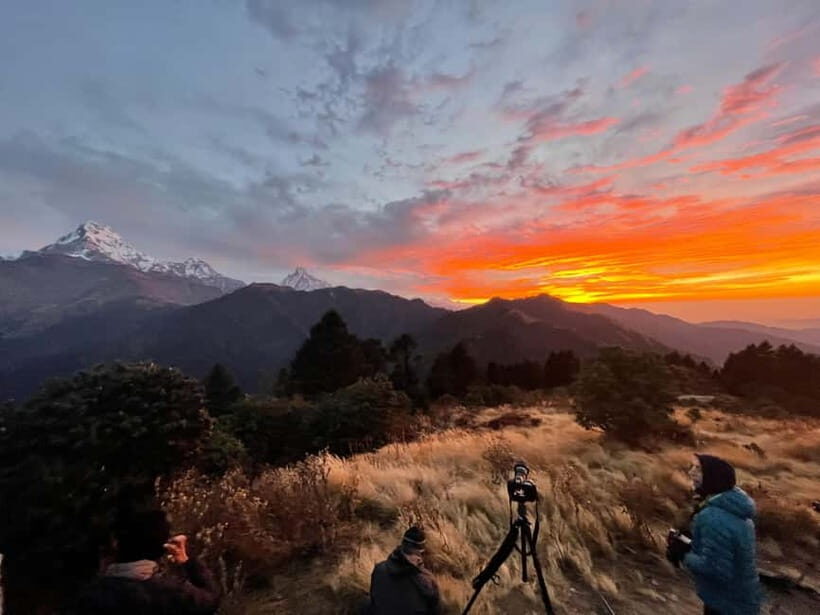
Day 5 is Deurali at 3,200 meters after about 6 hours. The trek is described as lush forests with towering Annapurna and Machhapuchhre mountains in view. For most people, this is when the air gets noticeably drier and cooler, and your body asks for a slower pace.
I find this day important because it sets up your ability to enjoy day 6. If you push too hard now, you’ll pay later at Base Camp elevation. The smarter move is to keep breathing comfortable, even if that means walking slower than you want.
At Deurali, you’ll sleep for the night and rest up. This is also a good day to watch your hydration and keep your energy intake steady. Tea houses can be simple, but they’re designed for hikers, and the rhythm of food plus rest is usually what helps people keep moving safely.
Annapurna Base Camp at 4,130m: the day that earns the hype
Day 6 is the summit of the itinerary: Deurali to Annapurna Base Camp (4,130m), about 6 hours. This is the day you’ve been working toward, with snow-capped peaks and glaciers surrounding you.
I’ll be honest: even when you’re ready, reaching Base Camp feels different from “just another high trail.” The thinner air changes how your body behaves. You might feel your heart working harder. Your pace will likely slow down without you meaning to. That’s normal. Keep it gentle.
What I’d focus on during this day is quality, not speed. Take in the surroundings, pause often, and let your body adjust. You’ll remember the first moment you realize you’re really there.
Possible drawback: altitude sickness is listed as a possibility. Even if it’s rarely happen, it’s still a real consideration at 4,130m. If you start feeling unwell, don’t try to “walk it off.” Let your guide steer you toward the right choice.
Descend to Bamboo (2,300m): when your legs start telling the truth
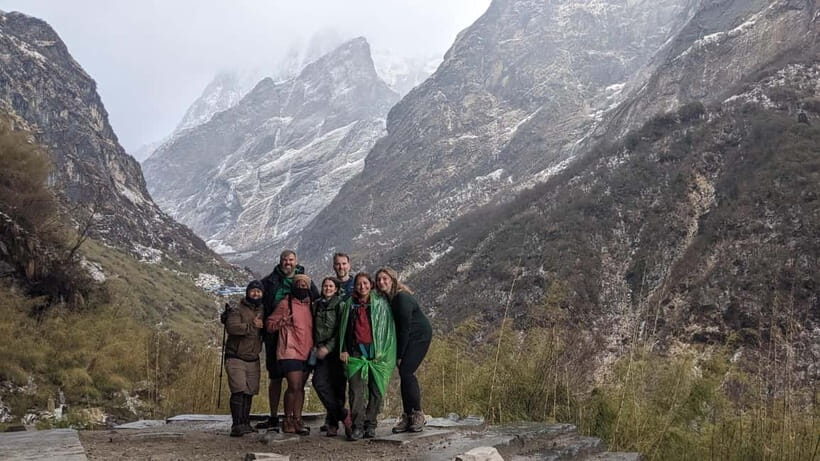
Day 7 is Annapurna Base Camp to Bamboo (2,300m), around 6 hours. The big shift here is psychological: the hardest part is behind you, but now you’re in descent mode.
I like this day because descending can feel better mentally. But physically, your legs have to work in a different way. Your knees and ankles take more stress on downhill steps, and you may feel it if you sprint too fast.
Bamboo is a calmer stop for the night. You’re back at a lower altitude, which usually helps your breathing, and it’s a good place to reset your routine: eat, hydrate, and get sleep.
Jhinu Dada hot spring (1,600m): the recovery stop you’ll actually feel
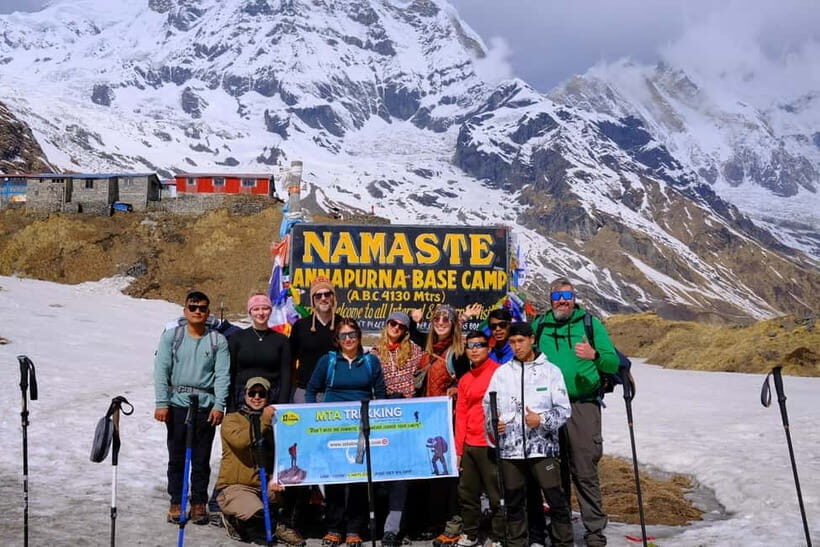
Day 8 takes you from Bamboo to Jhinu Dada hot spring at 1,600m in about 5 hours. This is one of the most practical “reward” moments on the whole trek. Natural hot springs are built for sore muscles, and the timing is smart because your body has already done hard work.
Even if you don’t think of yourself as a “hot spring person,” this stop is useful. After days of stairs and elevation changes, soaking can make tomorrow’s final travel day feel kinder.
A consideration: hot spring areas can be busy depending on season, and water access is usually basic. Wear something you don’t mind getting wet and bring something to cover up between the soak and your next trek segment.
Back to Pokhara’s Lakeside: finishing with daylight and reflection
Day 9 is Jhinu Dada back to Lakeside Pokhara, with about 2 hours of trekking plus a comfortable ride. This last day feels lighter because you’re mostly transitioning out of the trail.
I like finishing this way. You get a small walk, then you’re back to the comfort of a real town. It gives you time to reflect on what you actually did: walked through rhododendron forests, climbed Ulleri’s 3,000+ steps, watched the sunrise at Poon Hill, and reached Base Camp at 4,130 meters.
If you have energy, stroll around Lakeside Pokhara for a meal. You’ll probably notice how quiet your body feels compared to the trail.
Price and value: what $487 covers, and what you’ll need to budget for
The price listed is $487 per person for 9 days, and the value is mostly about removing uncertainty. You’re not just buying a route; you’re buying a system that handles the basics.
Included items are:
- transportation during the trek
- trekking permits and paperwork plus government taxes
- accommodation
- staff expenses during the trek
- meals included only for the full package
What you’re not paying for includes:
- soft and hard drinks
- travel and rescue insurance
- personal expenses (phone calls, laundry, bar bills, battery recharge, porter costs if you choose one, bottle or boiled water, hot shower, etc.)
- gear like trekking poles, sleeping bags, crampons
So the value question becomes: will you be on the meal-inclusive package? If yes, your daily cost feel stays more predictable. If not, you’ll need to budget for meals at tea houses along the way.
Also note you’re doing a private group and have a live guide in English and Hindi. In practical terms, that’s money spent on safety, pacing, and decision-making. A good guide can also reduce wasted time when routes and lodge options shift.
Guides, guides, and why it matters on a trail like this
From the feedback, the experience improves a lot when the guide is strong. People specifically praised guides named Pratiksha and Lalit for caring attention, professionalism, and a calm approach that makes the trek feel safer.
I also noticed a recurring theme: logistics. One person credited MTA Trekking for handling permits, lodge bookings, routes, and timing so there was less stress on the road. Another mentioned that staff helped throughout the trek, not just at check-in.
Then there’s the human side: a porter named Rickson, described as 19 years old and doing his first trek. That kind of dedication shows you the operation isn’t only about the big view. It’s also about the people who keep you moving.
Weather, leeches, and altitude: plan smart, not scary
Nepal can be gorgeous and changeable fast. During monsoon season (June to August), weather can be erratic with heavy rainfall, and you’ll want the right gear and to follow your guide’s advice if trekking then.
Leeches can be an issue on lower trails, especially during monsoon. The practical prevention advice given is to wear long pants tucked into gaiters and use insect repellent.
Altitude is the other planning piece. The info notes altitude sickness is a possibility (rare), and you will reach up to 4,130m at Annapurna Base Camp. That means you should pace conservatively, take rest seriously, and treat symptoms early rather than toughing it out.
If you’re healthy and keep a steady rhythm, this trek is usually a manageable adventure. If you’re already prone to altitude issues, this itinerary isn’t a great match.
Who this Annapurna Base Camp + Poon Hill trek fits best
This trek suits you if:
- you want sunrise views plus a real high-altitude day
- you like tea-house trekking where meals and rest are part of the plan
- you’re comfortable walking 5–6 hours most days and handling stairs
It may not fit you if:
- you’re pregnant
- you have altitude sickness concerns
- you’re over 70
The itinerary is private, with an English/Hindi live guide, so it can work well for couples or small groups that want a calmer experience than big group tours.
Should you book this trek?
Yes, if your priority is the mix of Poon Hill sunrise and reaching Annapurna Base Camp, without having to manage permits or route planning yourself. The added bonus is that the trek includes cultural village time and a recovery stop at Jhinu Dada hot spring, which makes the whole thing feel more complete.
I’d think twice if your knees struggle with steep steps or if you hate altitude exposure. Also check whether you’re on the full package for meals, since that affects daily costs and comfort.
If you go in with steady pacing, good footwear, and realistic energy expectations, this is the kind of trek that leaves you talking about the mountains long after your legs stop complaining.
FAQ
What is the starting point and pickup setup?
Pickup is included from Pokhara. You wait in your hotel lobby about 10 minutes before pickup time, and the driver will hold a sign with your last name.
How long is the trek?
The duration is 9 days.
What are the main high points on the route?
You’ll get sunrise views from Poon Hill, trek through rhododendron forests, visit villages and learn local traditions, and reach Annapurna Base Camp. You’ll also relax at Jhinu Dada natural hot spring.
What’s the highest altitude on the trek?
You reach Annapurna Base Camp at about 4,130 meters. Poon Hill is about 3,210 meters and Deurali is about 3,200 meters.
Is this a group tour?
It’s a private group trek, guided by a live tour guide.
What languages are the guides?
The live tour guide is available in English and Hindi.
Are permits and taxes included?
Yes. The trek includes trekking permits and paperwork, plus government taxes.
What meals are included?
Accommodation is included, and meals are included only for the full package.
What is not included in the price?
Soft and hard drinks, travel and rescue insurance, and personal expenses are not included. Gear such as trekking poles, sleeping bags, and crampons is also not included.
Is cancellation refundable?
The tour offers free cancellation up to 24 hours in advance for a full refund.
Is travel insurance required?
Travel and rescue insurance is listed as not included, so you should plan for it separately.