REVIEW · POKHARA
Kathmandu: 4 Days Pokhara Tour With Himalaya Easy Day Hiking
Book on GetYourGuide →Operated by Linkage Tour & Travel · Bookable on GetYourGuide
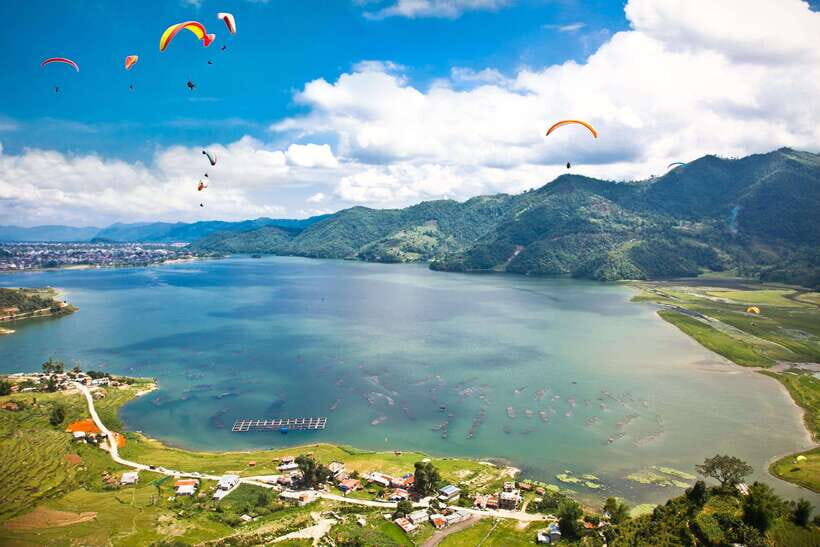
Himalaya views, on a tidy schedule. This short Kathmandu to Pokhara trip mixes comfortable sofa-bus travel with guided sightseeing and one main payoff hike: Australian Camp with big Annapurna panoramas.
I especially like how the plan keeps travel stress low. You get an included two-night Pokhara stay with breakfast, plus a private AC vehicle for the day’s Pokhara sights, so you’re not negotiating transport all day.
One heads-up: the Australian Camp hike involves lots of stairs, so if your knees or calves don’t love climbing, go slow and bring good shoes.
In This Review
- Key Highlights You’ll Care About
- Kathmandu to Pokhara by Sofa Bus: The Real Start of the Trip
- Pokhara Nights and Breakfast: What “2 Nights” Buys You
- Day 2 Morning: Sarangkot Sunrise for Himalaya Views
- Bindabasini Temple: A Quick Cultural Stop That Adds Meaning
- Seti River Gorge and Gupteshwor Cave: Nature With Personality
- Devi’s Fall: The Waterfall You See While the Day Keeps Moving
- Day 3: The Australian Camp Hike for Annapurna Panoramas
- Day 4: Back to Kathmandu on the Sofa Bus
- Price and Value: What $213 Covers (and What You Should Confirm)
- Who This Tour Fits Best (and Who Might Prefer Something Else)
- Small Details That Make This Trip Feel Easier
- FAQ
- FAQ
- How long is the Kathmandu to Pokhara tour?
- What is included in the price?
- Do I need to pay for lunch and dinner?
- Is the guide English-speaking?
- What are the main sights in Pokhara during the sightseeing day?
- Is the Australian Camp hike difficult?
- Should You Book This 4-Day Tour?
Key Highlights You’ll Care About
- Sofa bus Kathmandu–Pokhara: comfortable rides for a long-ish road day
- Sarangkot sunrise setup: an early start aimed at Himalaya views
- Pokhara “big sights” in one sweep: Bindabasini Temple, Seti River Gorge, Gupteshwor Cave, Devi’s Fall
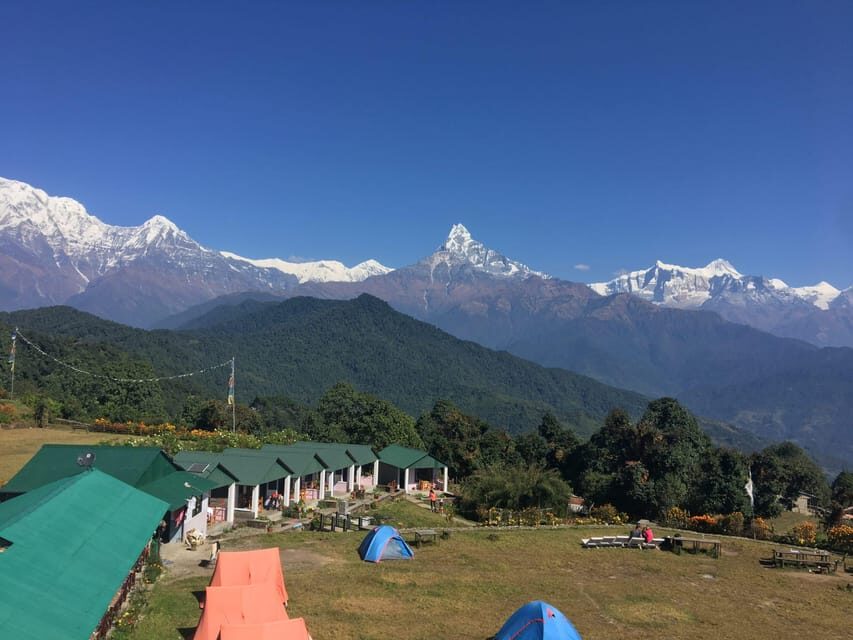
- Australian Camp guided hike: panoramic Annapurna-range views
- Friendly, responsive guiding: one review specifically praised guide Sushi and noted fast answers via WhatsApp
- Safe driving focus: the driver’s driving was called out as safe in a review
Kathmandu to Pokhara by Sofa Bus: The Real Start of the Trip
Most Nepal itineraries feel like they start in the taxi line. This one starts with something more practical: a luxury sofa tourist bus between Kathmandu and Pokhara, and then the same back at the end.
On paper, that sounds like a basic transfer. In real life, road conditions and timing can make or break a short trip. A sofa bus gives you a comfortable seat, and it’s built for long-distance riding. One handy clue from a review: the roads make the sofa bus a smart choice.
Why it matters for you: if you only have four days, you don’t want one of them eaten by tired logistics. This route uses the bus days as part of the trip rhythm—move, arrive, rest, then go sightseeing.
Other hiking tours in Pokhara
Pokhara Nights and Breakfast: What “2 Nights” Buys You
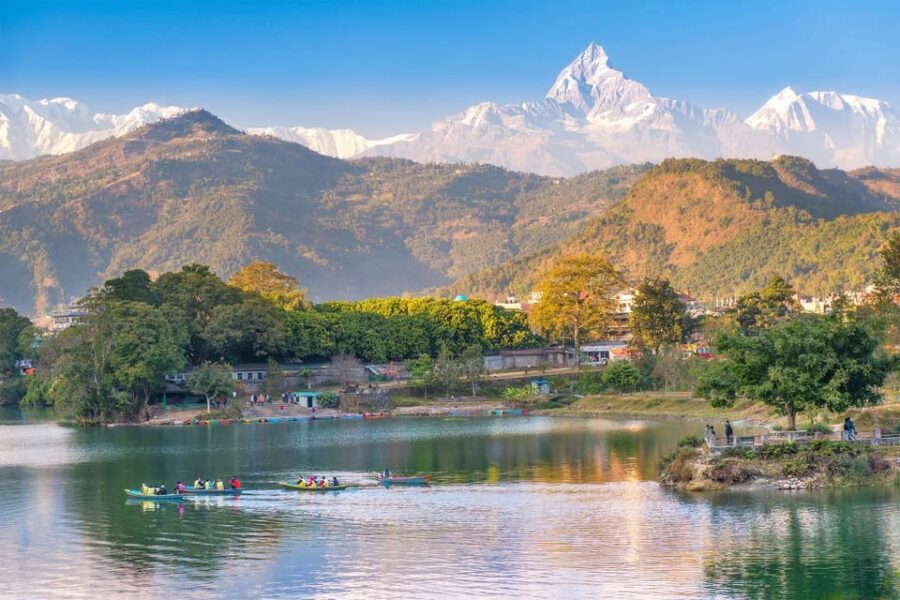
This plan includes 3 night accommodation in Pokhara with breakfast, and it structures the days so you’re not always rushing between check-in, check-out, and activities. That matters because Pokhara is where you’ll do the most walking and stair climbing.
Pokhara mornings and evenings have a way of calming down the day. Even if your schedule feels packed on paper, the reality is you’ll spend more time looking at views and less time solving logistics. You also get hotel pickup for the Kathmandu side, so you’re not scrambling at the start.
A small detail I appreciate: the tour is English-guided, and there’s a real guide involved on the hike day—so you’re not wandering around “hoping” you found the right place at the right time.
Day 2 Morning: Sarangkot Sunrise for Himalaya Views
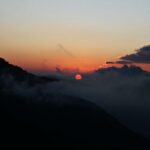
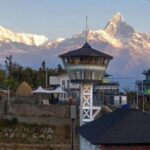
If you’re choosing this trip because of the mountains, you’ll start day two where most people begin when they’re serious about views: Sarangkot.
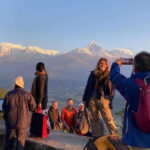
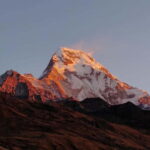
The key idea here is timing. A sunrise tour means you’re up early enough to catch the changing light over the Himalaya. Depending on weather, the view can be clear and dramatic—or partially veiled. You can’t control clouds, but an organized sunrise run gives you the best shot without you having to guess schedules.
Practical tip: wear warm layers. Even in Pokhara, early mornings can feel chilly before the sun warms things up. Comfortable shoes help too, because sunrise viewpoints often mean uneven paths and some stairs.
After the sunrise, the schedule rolls right into temple and canyon-style sights, so you’ll have a full day even if the sunrise isn’t perfect.
Bindabasini Temple: A Quick Cultural Stop That Adds Meaning
After Sarangkot, you’ll visit Bindabasini Temple, described as a popular religious site. For many people, this is the moment where Pokhara stops feeling like a pure scenery stop and becomes a real place locals visit and care about.
Why I like this kind of stop: it gives context. You’re not just photographing waterfalls and caves. You’re seeing the spiritual rhythm of the area, which makes the rest of the day feel more grounded.
What to expect: it’s a temple visit, so dress respectfully and be ready for the slower pace that comes with religious sites—take a minute, look around, and don’t treat it like a fast photo mission.
Seti River Gorge and Gupteshwor Cave: Nature With Personality
Then the day turns into something very Pokhara: steep, dramatic nature scenes.
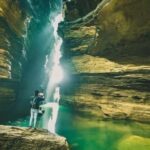
You’ll see Seti River Gorge, known for deep ravines, and then Gupteshwor Cave, a mystical stop that fits naturally after a gorge. The combined effect is neat: the gorge gives you scale and depth, and the cave adds a different kind of atmosphere—cooler, darker, more enclosed.
A balanced expectation: these stops are impressive, but they’re also about walking. Some areas can feel slippery or uneven, especially if there’s any moisture. I’d plan for sturdy footwear and slower steps. This is one of those days where “nice shoes” beat “cute sandals.”
A few more Pokhara tours and experiences worth a look
Devi’s Fall: The Waterfall You See While the Day Keeps Moving
Next up is Devi’s Fall, a stunning waterfall. What I like about including it on this specific itinerary is that it fits the day’s tempo: you’re already seeing water in the gorge, then you get a full-on waterfall moment.
Even if you’ve seen waterfalls elsewhere, this one is worth it because it sits inside Pokhara’s distinct mix of tight viewpoints, rock formations, and city access. It’s the kind of sight that’s easy to fit in, but still feels like you got something memorable.
Day 3: The Australian Camp Hike for Annapurna Panoramas

This is the day that people remember.
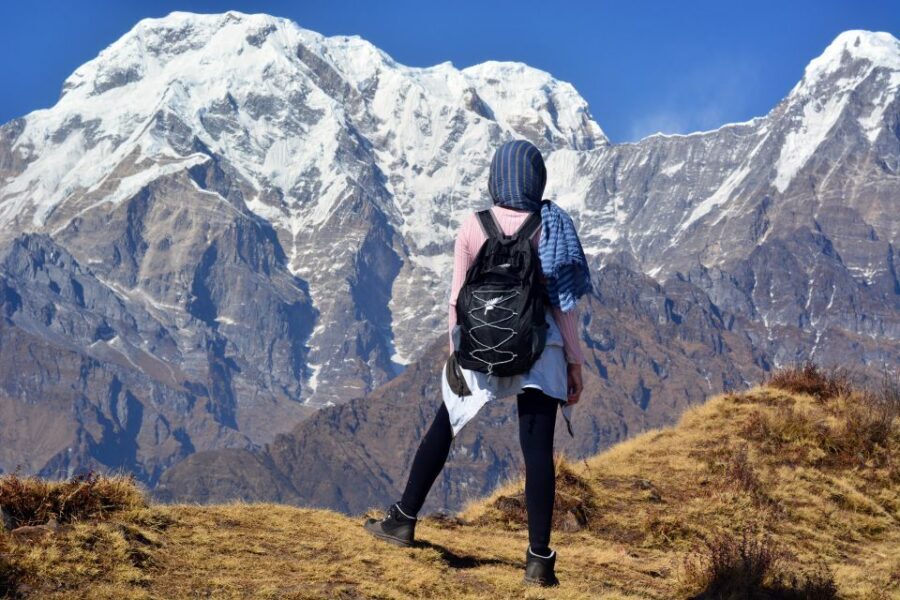
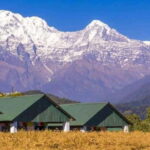
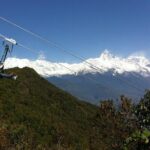
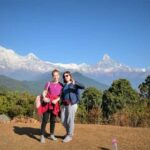
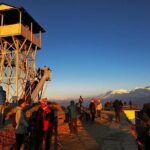
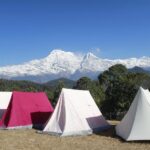
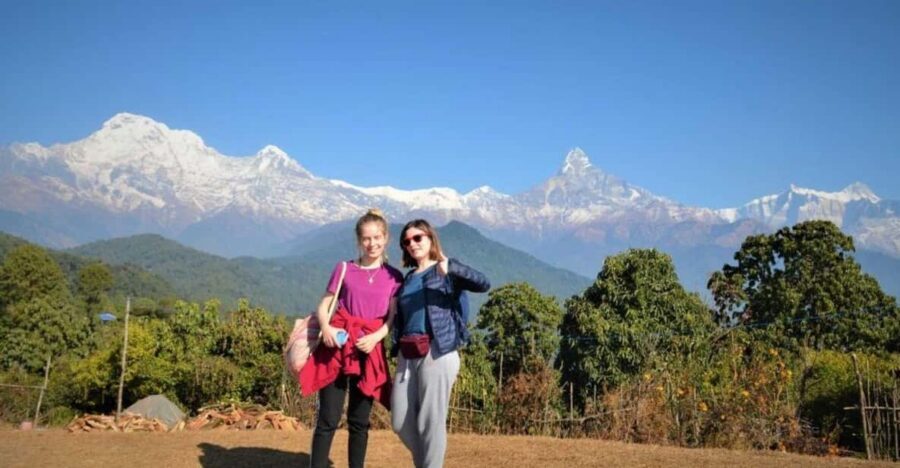
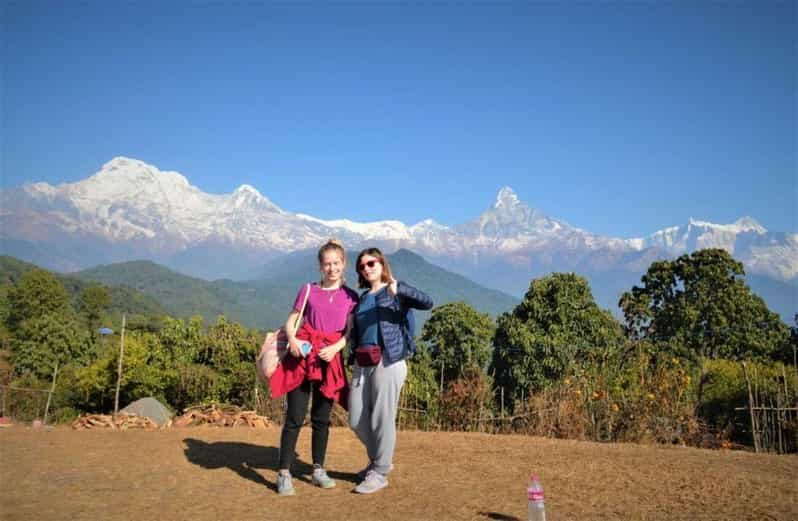
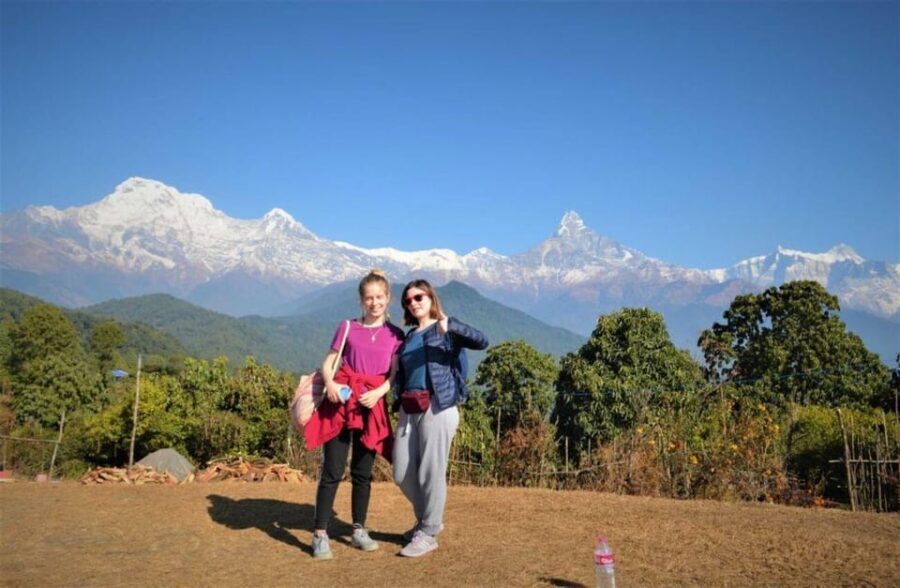
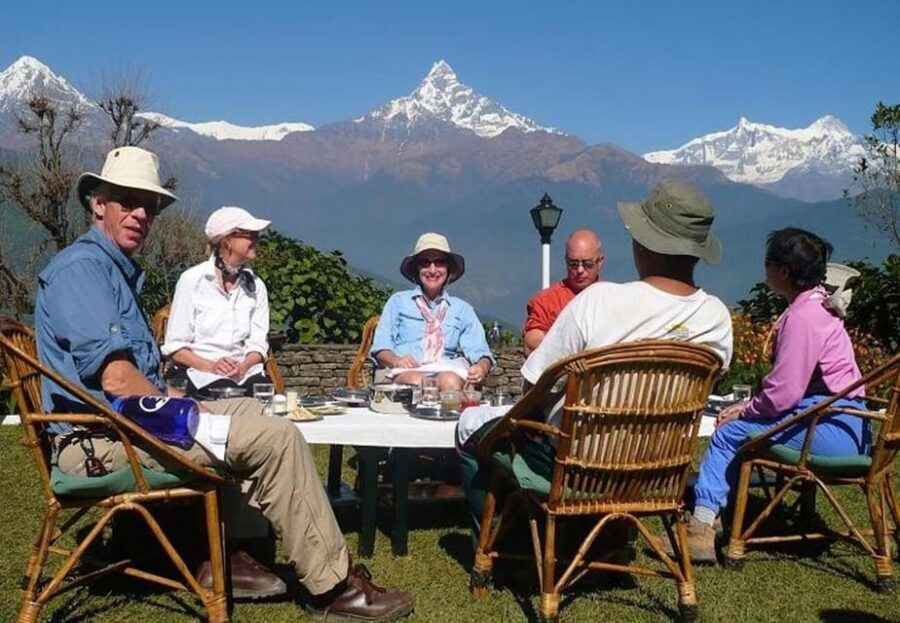
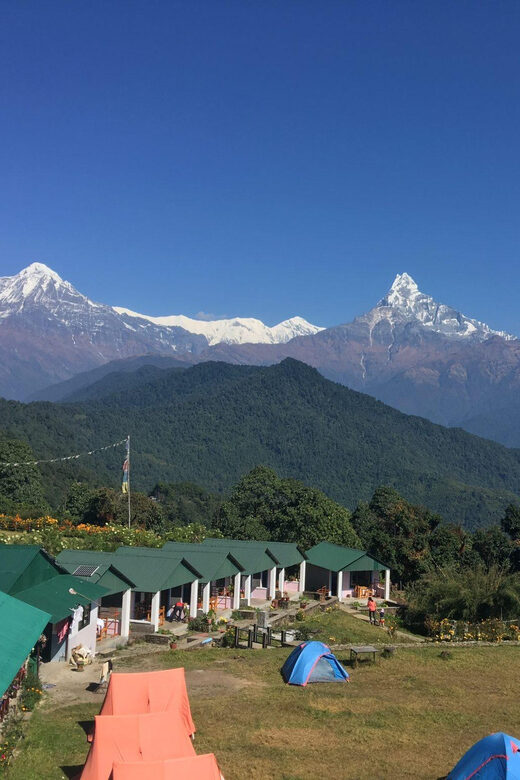
You’ll do a day hike to Australian Camp with a guide, and the payoff is panoramic views of the Annapurna range. Australian Camp is popular for a reason, and you’re going there with someone who knows the route and can help keep you moving at a safe pace.
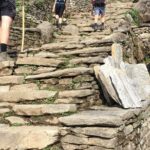
The big consideration isn’t the distance—it’s the stairs. One review specifically pointed out that there are quite a lot of stairs. That doesn’t mean the hike is impossible. It means you should treat it like a cardio-climbing day and plan your effort accordingly.
Practical pacing advice:
- Start slower than you think you need to.
- Take short rests before you’re fully tired.
- Bring water and keep your breathing steady.
What you’ll get if conditions cooperate: wide views over the Annapurna region from a spot that feels built for sightseeing. What you’ll get even if it’s cloudy: a rewarding hike through local paths and viewpoints, still with plenty to see along the way.
Also note: one review praised the trekking as well arranged and credited the guide’s responsibility and consideration—so you’ll likely get a smoother hike day than if you were self-guiding.
Day 4: Back to Kathmandu on the Sofa Bus

After the hike, you’ll head back to Kathmandu by sofa bus. This is a good end-point because it avoids any last-minute mountain transfers.
It also helps you recover. Your day three legs will probably feel the stairs, so having day four as a ride plus check-in energy is a fair trade.
If you like your vacations simple, this is the “no extra decisions” finish: you’re not hunting for transport, you’re not trying to fit one more attraction into a tired schedule. You just go back.
Price and Value: What $213 Covers (and What You Should Confirm)
The price listed is $213 per person for the 4-day package. Here’s where the value comes from:
Included value you’re getting:
- Luxury sofa bus transportation Kathmandu–Pokhara–Kathmandu
- Hotel accommodation in Pokhara (with breakfast)
- Private AC vehicle for Pokhara sightseeing
- English guide for the Australian Camp hike
- All entry fees are stated in the included section
Your likely extra costs:
- Lunch and dinner are not included, so budget for meals each day.
- There’s also a note that says entry fees aren’t included.
Because those two notes conflict, the smartest move is to confirm what’s actually covered for entry fees before you go. That’s one of those small checks that prevents surprise costs.
Even with that caution, the package still looks like good value for the basics. A sofa bus plus a guided hike plus sightseeing transport costs more when booked piece-by-piece.
Who This Tour Fits Best (and Who Might Prefer Something Else)
This itinerary is a good match if you want:
- A short, organized plan with major Pokhara highlights and one signature hike
- English guidance (and real care from the guide is specifically mentioned, including praise for Sushi)
- A mix of culture (Bindabasini Temple) and nature (Seti River Gorge, Gupteshwor Cave, Devi’s Fall)
It may be less ideal if you:
- Have knee or mobility issues and find stair climbing difficult, since Australian Camp includes lots of stairs
- Want a slower pace with fewer packed activities (this trip is efficient, not leisurely)
If your travel style is “see the key things without wasting time,” this one fits.
Small Details That Make This Trip Feel Easier
A few things from the way the trip is handled matter in real life:
- Hotel pickup in Kathmandu: you get picked up from your hotel, which reduces the start-of-day hassle.
- English live guide: easier navigation and better explanations at each stop.
- Trip adaptability based on weather: one review noted that after arriving, the plan was adjusted using a weather forecast in Pokhara. That’s a big deal for sunrise and mountain visibility.
- Communication via WhatsApp: quick responses helped, which is useful when plans shift slightly.
This doesn’t turn it into a luxury tour. It turns it into a well-run tour.
FAQ
FAQ
How long is the Kathmandu to Pokhara tour?
It’s listed as a 4-day experience.
What is included in the price?
The package includes hotel pickup and drop-off, luxury sofa tourist bus transportation between Kathmandu and Pokhara, hotel accommodation in Pokhara with breakfast, private AC vehicle for Pokhara sightseeing, an English guide for the Australian Camp hike, and entry fees (though the notes also mention entry fees as not included, so it’s worth confirming).
Do I need to pay for lunch and dinner?
Yes. Lunch and dinner are not included.
Is the guide English-speaking?
Yes, a live tour guide in English is included.
What are the main sights in Pokhara during the sightseeing day?
You’ll visit Bindabasini Temple, Seti River Gorge, Gupteshwor Cave, and Devi’s Fall, plus a Sarangkot sunrise tour.
Is the Australian Camp hike difficult?
It’s described as having a lot of stairs, so expect stair climbing and go at your own pace.
Should You Book This 4-Day Tour?
I’d book it if you want a tight schedule that still covers the Pokhara essentials and includes a guided hike to the Annapurna-view point at Australian Camp. The sofa bus saves energy, and the combination of temple, gorge, cave, waterfall, and sunrise makes the trip feel more complete than a one-activity itinerary.
I’d hesitate only if stairs are a deal-breaker for you. If you’re okay with climbing and you wear solid shoes, this is an efficient way to get big mountain views and real Pokhara sightseeing in just four days.