REVIEW · POKHARA
4 Day Poon Hill Trek from Pokhara
Book on GetYourGuide →Operated by Peak to Peak Treks · Bookable on GetYourGuide
Poon Hill delivers big mountain views fast. This short trek in Nepal’s Annapurna region mixes village walking, rhododendron forest scenery, and an early sunrise hike to Poon Hill (3,210m) with a guide who keeps things organized day to day. I especially like the English-speaking support and the way the plan builds toward that morning view.
The main trade-off is effort. You’ll be climbing thousands of steps to reach the viewpoint area, and that can feel like a lot if you’re not used to uphill walking.
On the plus side, the trek includes key logistics like permits (including TIMS), private car transfers, and guesthouse accommodation, so you can focus on the trail instead of paperwork and planning.
In This Review
- Key Things I’d Pay Attention To
- Why Poon Hill Fits So Many Trip Plans
- Day 1: Pokhara To Nayapul, Then Tikhedhunga (1,540m)
- What I like about this first day
- What to consider
- Day 2: Tikhedhunga To Ghorepani (2,750m) Through Forest and Steps
- What to expect in real terms
- Day 3: Sunrise to Poon Hill (3,210m), Then Tadapani (2,630m)
- How to think about this day
- Day 4: Tadapani To Ghandruk (1,940m) and Back to Pokhara
- Why I like the way the trek lands
- Price and Logistics: What $272 Really Covers
- Guides, Organization, and Why People Call Out Nir
- What Makes Each Trek Stop Worth It (and What Might Feel Tough)
- Pace, Comfort, and Packing That Actually Matters
- Who Should Book This Trek (and Who Might Want Another Plan)
- Should You Book the 4 Day Poon Hill Trek from Pokhara?
- FAQ
- How long is the Poon Hill trek from Pokhara?
- Where does the trek start and end?
- Is an English-speaking guide included?
- Are trekking permits and the TIMS card included?
- What kind of accommodation is included?
- Are meals included in the price?
- What is the total price per person?
- Are there restrictions on luggage or devices?
- Who is this trek not suitable for?
Key Things I’d Pay Attention To
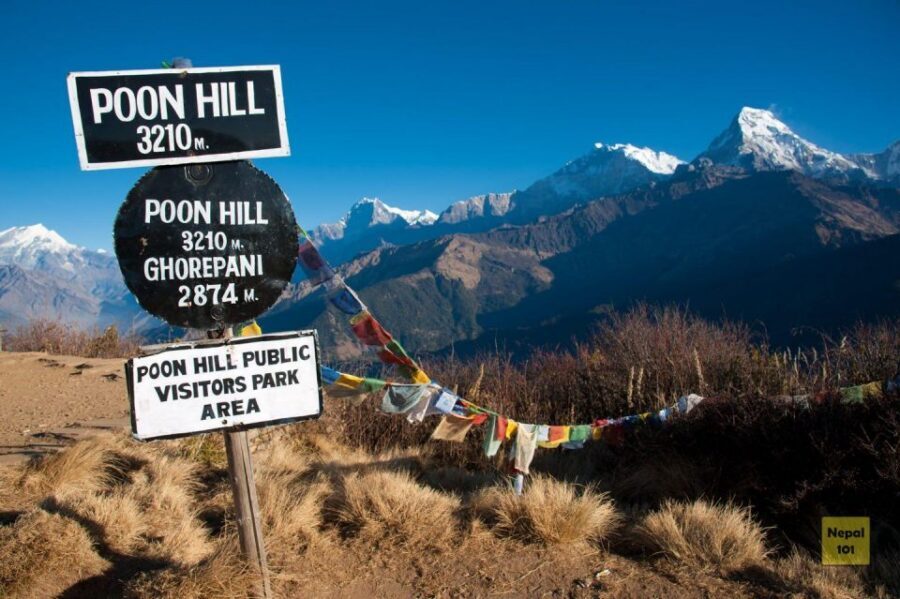
- Poon Hill sunrise timing: early morning hike, then breakfast and an easy handoff back to trekking
- Guide quality (including Nir): attentive, organized, and easy to rely on
- Guesthouse nights in villages: simple stays that keep you close to the trail
- Permits and TIMS included: less hassle in Nepal’s mountain system
- Steep stair sections: Ulleri and later Poon Hill both demand strong legs
- Ghandruk village culture: a calmer landing spot after the viewpoints
Why Poon Hill Fits So Many Trip Plans
If you want Himalayan views without committing to a long multi-week trek, the Poon Hill route is built for you. You’ll be in the Annapurna region quickly, and the daily distances are short enough to feel manageable while still giving you that classic mountain rhythm: walk, stop, look up, repeat.
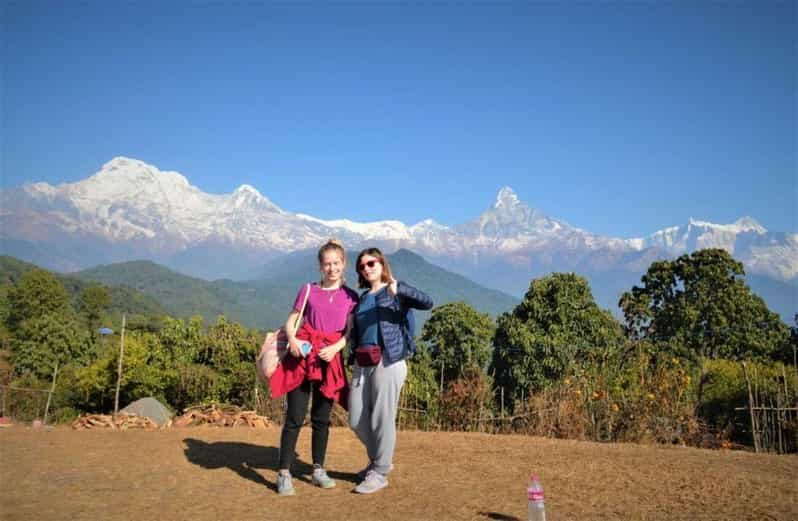
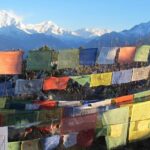
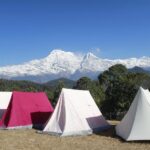
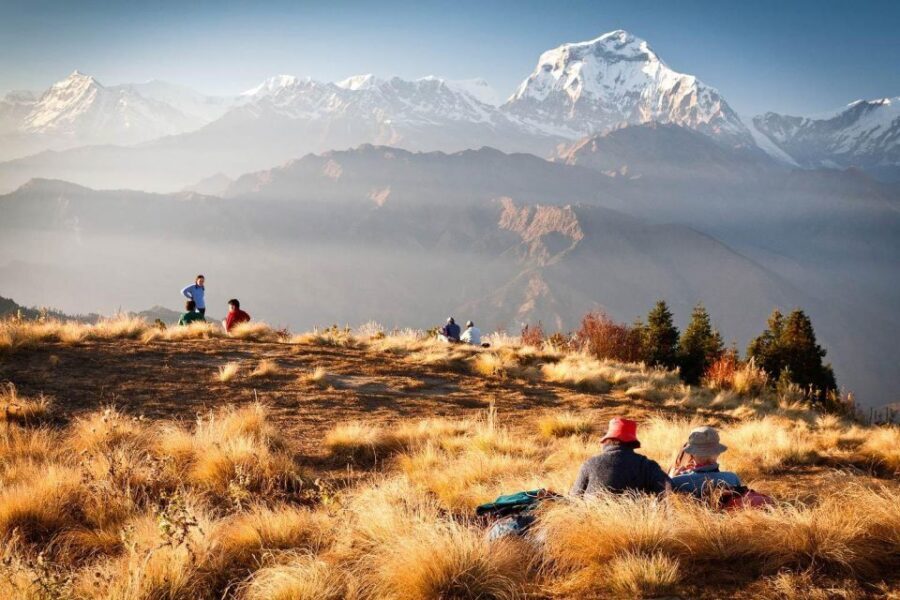
What makes this trek work is the focus. Most days are about getting you to the next village at a higher elevation, but Day 3 is the headline. The early hike to Poon Hill lines up with sunrise over the Annapurna and Dhaulagiri ranges, which is exactly the kind of moment that turns a few days of walking into a trip memory you’ll keep.
Value-wise, the price is most fair when you compare the included “moving parts.” At $272 per person, you’re not just paying for a guide and a path. You’re also getting a private round-trip car between Pokhara and the trek start/end points, guesthouse accommodation, and the trekking permits plus TIMS card handled as part of the package.
Other Ghorepani and Poon Hill treks in Pokhara
Day 1: Pokhara To Nayapul, Then Tikhedhunga (1,540m)
Your trek starts with a car ride from Pokhara to Nayapul, about 1.5 to 2 hours. This is one of those practical details that matters: you lose less time and get to the trail sooner, which helps when you’re only doing a short trek.
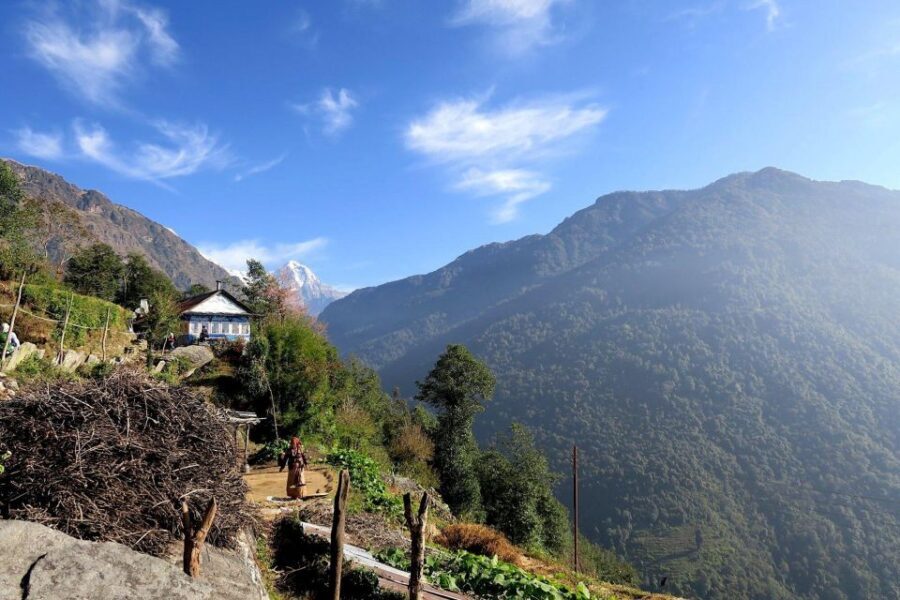
From Nayapul, you begin walking through Birethanti, a large and busy village where life is clearly tied to the trekking season. You’ll head along the Bhurungdi River and start the climb toward Tikhedhunga at 1,540m.
What I like about this first day
- It’s a gentle introduction. The elevation change is noticeable, but it’s not an instant wall.
- You transition from car comfort to real trekking without feeling thrown off.
What to consider
Your day starts early enough for a short drive, so plan for a more “get moving” energy than a slow morning. Wear shoes you’ve already tested, because Day 1 is where feet begin to complain.
You’ll overnight in Tikhedhunga in a guesthouse, which keeps you close to the trail for the next morning.
Day 2: Tikhedhunga To Ghorepani (2,750m) Through Forest and Steps
Day 2 is where the trekking starts to feel more like trekking. You’ll ascend the steep stone staircase to Ulleri village, which is the kind of section that tests stamina in a very straightforward way: step after step, no shortcuts, just keep moving.
After Ulleri, the route continues through rhododendron and oak forests. This is a big part of why the Poon Hill trek is so popular. Even though you’re only a few days out from Pokhara, the trail gives you that hillside forest feel—cooler shaded patches, changing views when you break above the trees, and a natural rhythm that makes the climb easier to manage.
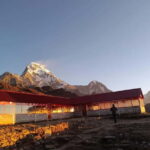
Then you reach Ghorepani at 2,750m, a mountain-facing village known for panoramic views. It’s a good place to settle in because you’re close enough to the viewpoint day that you don’t feel like you’re far from the main event, but high enough to make the sunrise plan meaningful.
Other hiking tours in Pokhara
What to expect in real terms
You’ll be walking most of the day at altitude, and the viewpoint plan tomorrow means you’ll want an early night. Guesthouse lodging is part of the plan, so you can focus on resting rather than searching.
Day 3: Sunrise to Poon Hill (3,210m), Then Tadapani (2,630m)
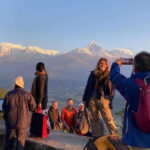
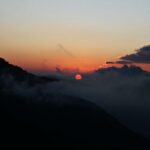
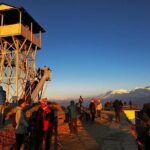
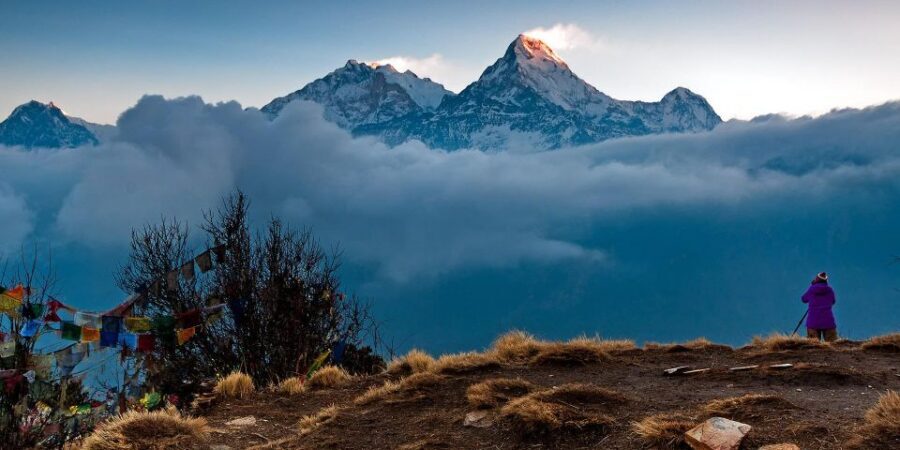
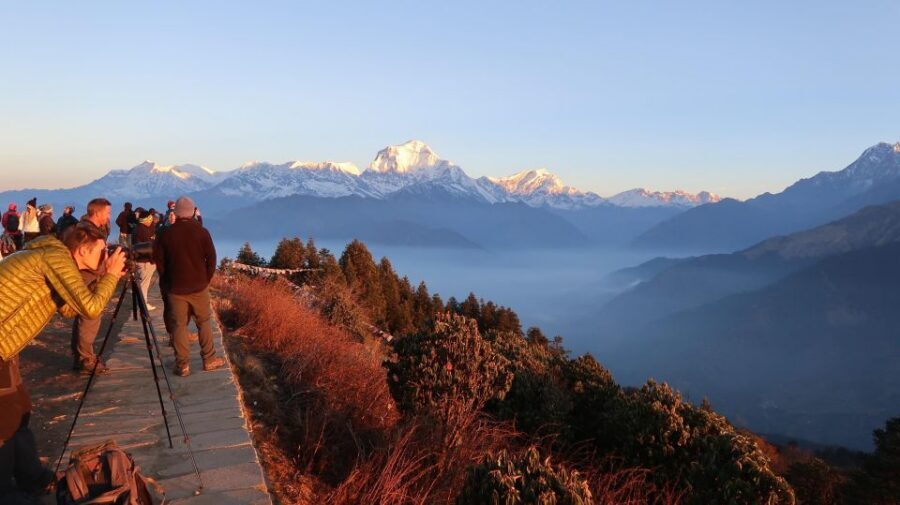
This is the day that earns the trek’s reputation. You’ll do an early morning hike to Poon Hill (3,210m) for sunrise. The view is described as stretching over the Annapurna and Dhaulagiri ranges, and this is why people choose a short trek in the first place. You trade a late start for a payoff that feels like the whole region opens up at once.
After the sunrise hike, you go back to Ghorepani for breakfast, then start trekking again toward Tadapani at 2,630m. The route continues through rhododendron forests, with mountain views along the way.
How to think about this day
- It’s two efforts in one: sunrise hike first, then a normal trek day.
- The guide matters more on this day than you might expect. When timing is tight, a solid, organized guide helps you stay calm and moving.
This is also where I’d pay attention to how the trekking plan is managed. One guide named Nir is specifically noted for being attentive and for keeping everything well organized, which is exactly what you want when you’re waking up early and trying to catch good conditions.
You’ll overnight in Tadapani, which sets up a simpler final day downhill.
Day 4: Tadapani To Ghandruk (1,940m) and Back to Pokhara
Day 4 is your descent and your culture moment. You’ll trek from Tadapani down to Ghandruk (1,940m), descending through forest terrain until you reach the village.
Ghandruk is described as a charming Gurung village, and this is the difference between “just a view trek” and a trek that also feels human. Instead of only walking and sleeping, you get time to explore the village and experience local culture before heading back.
In the afternoon, you’ll drive back to Pokhara, ending the trek with an easy transition back to city comfort.
Why I like the way the trek lands
Most short treks can feel like a sprint—then you’re done. Here, the final day gives you a softer finish: more village atmosphere, less pressure to chase another climb.
Price and Logistics: What $272 Really Covers
Let’s talk value without fluff.
Included in the price:
- Hotel pickup and drop off
- An English-speaking trekking guide (live tour guide is also listed as English and Hindi)
- All trekking permits and the TIMS card
- Round trip transfers by private car
- Guesthouse accommodation
- Private trip
Not included:
- Meals (available on purchase), about 3,500 Rs per person per day
- Gratitude (optional)
So what are you paying for beyond “someone leads you”? You’re paying for the heavy friction points that can eat your time in Nepal: permits/TIMS, transport coordination, and daily guide support. In a short trek, that’s huge. You’re not spending your limited vacation days on logistics.
Where you’ll still spend money: meals. Since meals are priced separately (around 3,500 Rs per person per day), plan your budget accordingly. If you’re a person who tends to eat often and comfortably, you’ll want to keep that daily figure in mind.
Also, since this is a private trip or small groups option, your cost is easier to justify if you value having your schedule and pace respected. If you like strict group timelines, you might still enjoy it, but the package’s value comes from the flexibility of a guided setup.
Guides, Organization, and Why People Call Out Nir
This trek is popular, and popularity can create chaos if the operator runs on luck. The standout theme in the feedback you provided is that the guide is attentive and the days run smoothly.
One guide named Nir is highlighted as wonderful—everything well organized—and that lines up with what matters on a trek like this. Sunrise day depends on timing. Stair sections depend on pacing. Guesthouse days depend on knowing where you’ll stop and what you need when you arrive.
If you care about an experience that feels calm, not stressful, then this is one of the best reasons to choose a guided format here. You’ll get someone who can share in-depth knowledge, not just walk ahead and hope for the best. And you’ll have a real person available in English or Hindi, which helps when you need clarity fast.
What Makes Each Trek Stop Worth It (and What Might Feel Tough)
Rather than treating each day as just “moving to the next place,” think of the stops as roles:
- Tikhedhunga (1,540m): your first overnight that puts you on the climb ladder early. It’s your training day without feeling like training.
- Ghorepani (2,750m): a viewpoint base for the sunrise hike. It’s also your reset point—breakfast after Poon Hill helps the legs recover before Day 3 continues.
- Tadapani (2,630m): a calmer high-altitude village between viewpoint intensity and a final downhill day. Rhododendron forest walking keeps it scenic rather than grind-only.
- Ghandruk (1,940m): culture and community after the big viewing effort. You get something to do beyond trekking.
Now the toughness points:
- Expect steep stair sections, including the Ulleri staircase and the thousands of steps leading up to Poon Hill area.
- Early mornings are part of the package. If you’re not a morning person, you’ll need a practical plan to function.
Pace, Comfort, and Packing That Actually Matters
This trek has a specific kind of “movement.” It’s not marathon distance; it’s vertical effort plus stairs. That means your choices should support your feet and breathing.
Bring:
- Passport or ID card
- Comfortable shoes
- Comfortable clothes
- Passport-sized photo
Plan for restrictions:
- No luggage or large bags
- Drones are not allowed
Also, the trekking includes thousands of steps to Poon Hill, so the kind of shoes you pick matters more than on a flat city walk. If your shoes are not broken in, you’ll feel it.
And because this is a stair-heavy trek, it’s not suitable for pregnant women or wheelchair users.
Who Should Book This Trek (and Who Might Want Another Plan)
Book this if:
- You want a short trek in the Annapurna region with a top highlight: sunrise views from Poon Hill.
- You like the idea of guesthouse nights and village experiences like Ghandruk.
- You value having permits, TIMS, and transport handled, so your time is spent hiking.
Consider a different approach if:
- You know stairs and steep uphill walking are a problem for your body or energy level.
- You need a trek with minimal step climbing.
The sweet spot is travelers who want big scenery without weeks on the trail, and who are comfortable with a stair-heavy itinerary.
Should You Book the 4 Day Poon Hill Trek from Pokhara?
If you want maximum mountain mood in a short window, I’d say yes—especially if you care about organization and guidance. The included permits/TIMS, private transfer, and guesthouse accommodation remove a lot of friction, which makes a short trek feel relaxed instead of logistical.
I’d also feel good about booking if guide support is high on your list. The standout name Nir is described as attentive, and that kind of care matters on sunrise day and in the step-heavy sections.
Only book if you’re ready for the reality check: thousands of steps. If that sounds like something you can handle, this trek is a very workable way to experience the Annapurna viewpoint circuit without a long commitment.
FAQ
How long is the Poon Hill trek from Pokhara?
The duration is listed as 2 to 4 days. You’ll want to check availability for the exact starting schedule.
Where does the trek start and end?
It starts with a drive from Pokhara to Nayapul, then trekking begins. The trek ends with a trek down to Ghandruk and a drive back to Pokhara in the afternoon.
Is an English-speaking guide included?
Yes. The package includes an English speaking trekking guide, and the live tour guide is listed as English and Hindi.
Are trekking permits and the TIMS card included?
Yes. Trekking permits and the TIMS card are included.
What kind of accommodation is included?
Accommodation in guest houses is included during the trek.
Are meals included in the price?
No. Meals are not included. Meals are available for purchase at about 3,500 Rs per person per day.
What is the total price per person?
The price is listed as $272 per person.
Are there restrictions on luggage or devices?
Yes. Luggage or large bags are not allowed, and drones are not allowed.
Who is this trek not suitable for?
It is not suitable for pregnant women or wheelchair users.