REVIEW · POKHARA
Ghorepani Poonhill Private Trek – 2 nights / 3 days
Book on Viator →Operated by Peaceful Nepal · Bookable on Viator
A short trek, big mountain payoff. This Ghorepani Poon Hill private trek packs classic Annapurna scenery into just 2 nights, with a guided route through villages, forests, and stone stairways. I love the way the day plan balances steady hiking with planned viewpoints, and I like that it includes permits plus a licensed English-speaking guide so you’re not hunting paperwork mid-trip. One thing to consider: the early start for sunrise means you’ll be up before dawn, and the step-heavy sections will feel more intense than the short distance sounds.
If you want a “first taste” of the Annapurna region without committing to a long trek, this fits. I also like that you start from Pokhara with pickup to Nayapul, then use simple local transport back, which keeps the logistics clean. A possible drawback is that your day 1 and day 2 walking time can add up (a lot of it uphill), so you’ll want a decent walking base even though this is labeled suitable for most fitness levels.
In This Review
- Key points to know before you go
- Why Ghorepani and Poon Hill work so well for a short trip
- Day 1 from Nayapul to Ulleri/Tikhedhunga: start easy, then stairs appear
- Day 2 to Ghorepani: rhododendron forests and stone stair energy
- Night in the teahouses: simple comfort that keeps you moving
- Day 3 sunrise at Poon Hill: 3,210 m and the early-morning magic
- Getting back to Pokhara: Ulleri-to-Pokhara by bus
- Guides, permits, and why included basics matter on trek days
- Price and value: is $450 fair for a private 3-day trek?
- Who should book this trek (and who should think twice)
- Booking checklist: how to prepare for Poon Hill success
- Should you book the Ghorepani Poon Hill Private Trek?
- FAQ
- What time does the trek start?
- How long is this trek?
- What’s included in the price?
- Do you get pickup in Pokhara?
- Is Poon Hill included for sunrise?
- How do you return to Pokhara at the end?
- What is the cancellation window for a full refund?
Key points to know before you go
- Private trek, small focus: Only your group participates, so the pace and questions feel personal.
- Permits handled: TIMS card and Annapurna Conservation Area Permit are included.
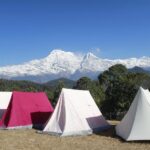
- Teahouse stay is part of the deal: You’ll sleep in the basic guesthouses along the trail.
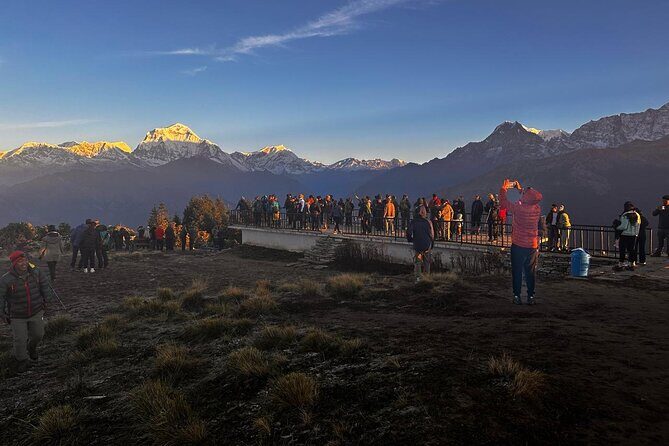
- Sunrise at Poon Hill is the headline: Early hike to a viewpoint at 3,210 m / 10,531 ft.
- Forest plus stone steps: Expect rhododendron scenery and stair-heavy uphill sections.
- Easy Pokhara connection: Pickup to Nayapul, then the return by bus from Ulleri.
Why Ghorepani and Poon Hill work so well for a short trip
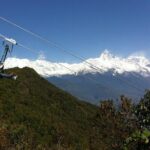
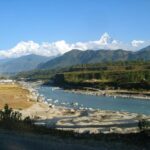
This trek is popular for a reason: it’s short enough to do without huge time off, but the scenery hits the key Annapurna notes—ridgelines, dramatic peaks, and villages that feel lived-in rather than staged.
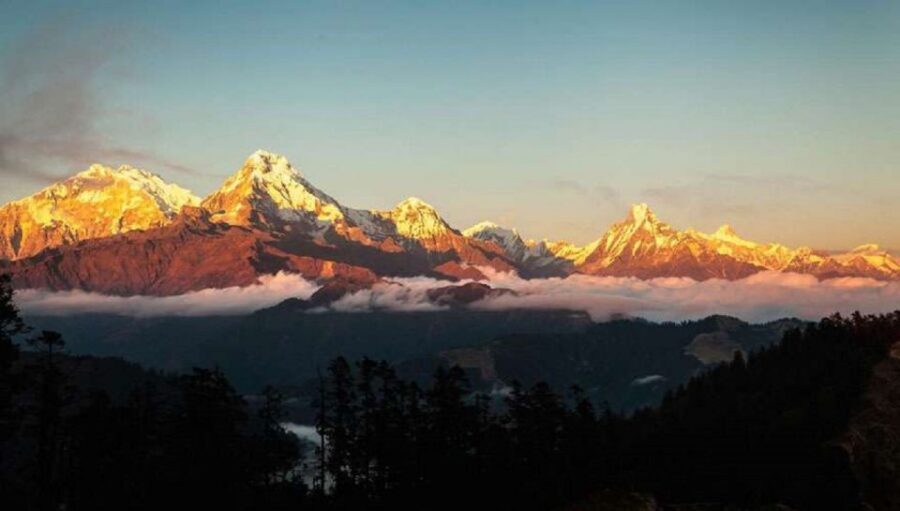
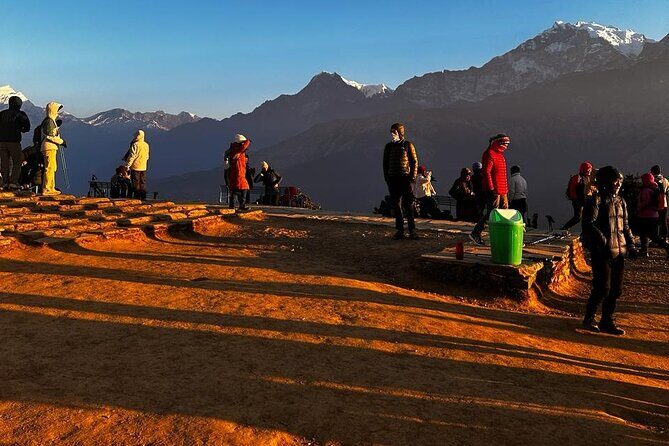
The route is designed around viewpoint timing. You’ll hike to Poon Hill before sunrise so you’re in position for the light change over the Annapurna and Dhaulagiri ranges. That early-morning effort is the main “cost,” and it’s why the payoff feels out of proportion to the schedule.
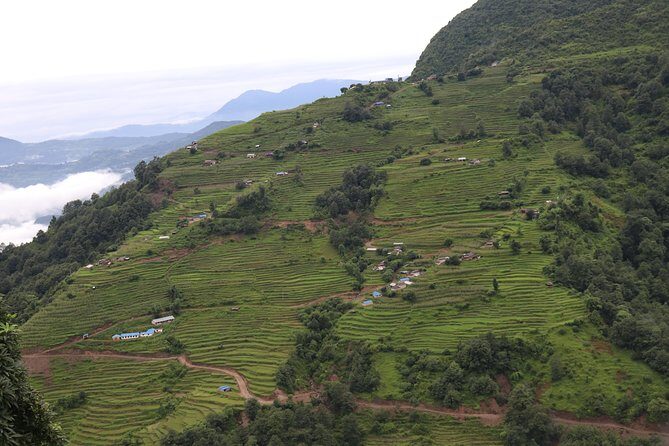
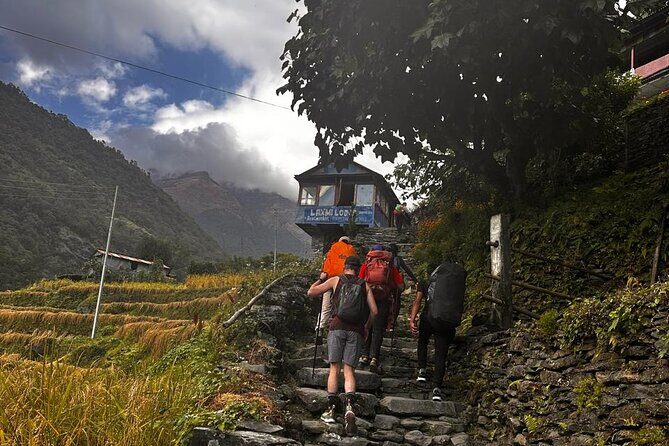
Another big win is the variety of trail feel. Day 1 starts with an easy downhill-to-uphill rhythm out of Nayapul, then later day 2 turns into rhododendron forest walking and stone stair climbs toward Ghorepani. You’re not just walking on autopilot; you’re moving through different textures of the landscape.
Other Ghorepani and Poon Hill treks in Pokhara
Day 1 from Nayapul to Ulleri/Tikhedhunga: start easy, then stairs appear
Day 1 begins in Pokhara with a private vehicle to Nayapul, about 1 to 1.5 hours. The trek officially starts from Nayapul, and the early section is the gentler part—forest paths and walking alongside streams, with gradual lift as you go.
The trail portion from Nayapul to the Tikhedhunga/Ulleri direction is listed at around 2 hours, then the route continues onward toward Ulleri (with another longer stretch that can total roughly 6 hours on this day’s segment plan). Even without the exact step count spelled out, you can expect the kind of uphill grind that comes from switchbacks and stair transitions as you approach the village.
Why it’s worth it: Ulleri/Tikhedhunga-area hiking is where many people feel the classic “Annapurna short trek” rhythm. You get a warm-up through the trees, then the legs learn quickly that this is not a flat stroll.
The practical consideration: pack for comfort on your feet. Stairs and stone steps can make your calves and ankles feel it fast. If you’re used to treadmill cardio, this may feel tougher because your muscles are constantly adjusting to uneven ground.
Day 2 to Ghorepani: rhododendron forests and stone stair energy
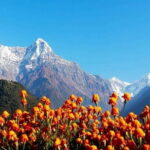
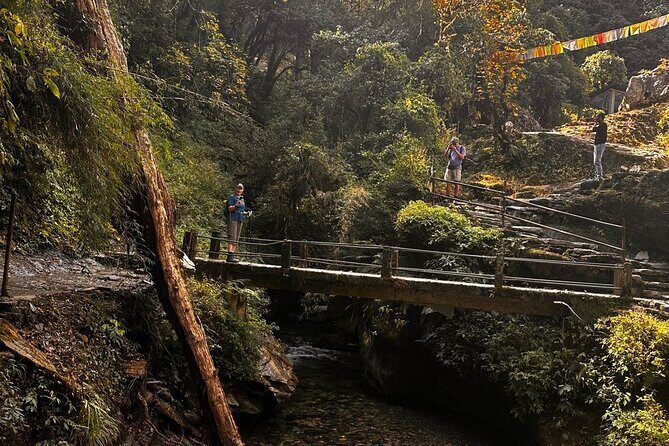
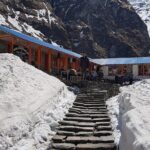
After breakfast, you’ll hike toward Ghorepani. This is the day where the trail character shifts into the stair-and-forest style that people associate with the Annapurna foothills—stone staircases plus rhododendron forests that are especially vivid when in bloom (spring travelers get the best color, but the route is beautiful year-round).
Plan for about 5 hours of trekking time for this section. That duration matters more than distance because your pace is affected by stairs, turns, and breaks for photos. Ghorepani is also where the air can start to feel cooler and thinner compared with the trailhead area, so even if the altitude changes are gradual, your body will notice it.
What you’ll likely appreciate here is the “slow scenery” factor. The rhododendron forest walking gives you repeated small views through branches and along ridgelines rather than one giant open panorama at every step. It’s the kind of hiking where you feel like you’re moving through a landscape, not just to a destination.
The downside to know: stair-heavy days can be mentally tricky. You’ll do better if you keep a steady, unhurried pace and take short breaks rather than trying to rush uphill. If your breathing gets loud, slow down early—don’t wait until you’re already struggling.
Night in the teahouses: simple comfort that keeps you moving
Your itinerary includes teahouse accommodation during the trek, which is exactly what it sounds like: guesthouses run for hikers. These places are not luxury hotels, but they’re practical. You get a bed for the night, and the whole system is built around the reality that trekkers need rest and early starts.
Meals are included too: breakfast (2), lunch (3), and dinner (2). That’s valuable because it reduces decision fatigue. On trek days, you’ll often be juggling hunger, weather, and timing, so having meals built in helps you keep your energy consistent.
What I like about the included meals is that they match the trekking rhythm. Instead of eating only when you feel like it, you’re eating when your body expects food after a morning climb. If you’ve ever bonked on a hike because you waited too long for a snack, you’ll understand why this matters.
One practical note: tea houses along this route can be busy with hikers moving in waves. It’s not a reason to avoid the trek, but it’s a good reminder to be ready for communal spaces and simple routines.
Day 3 sunrise at Poon Hill: 3,210 m and the early-morning magic
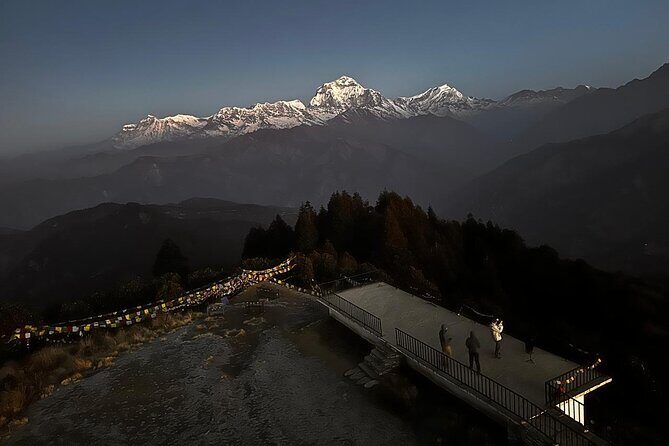
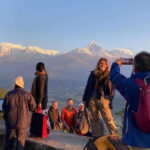
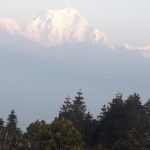
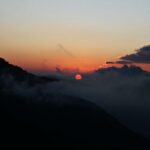
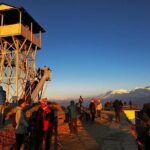
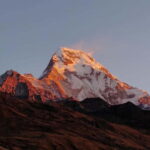
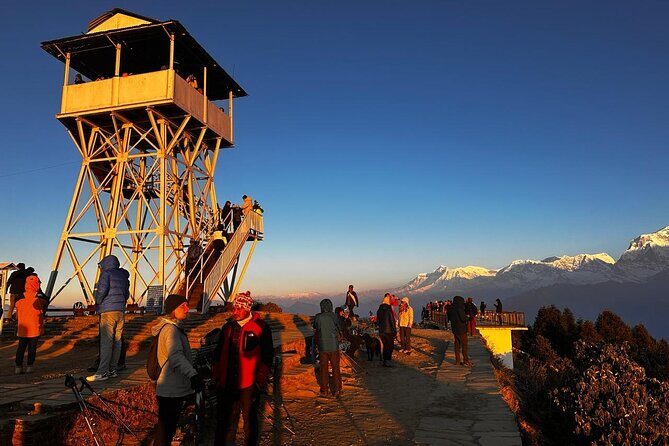
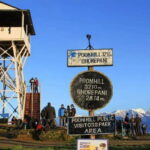
Day 3 is all about the Poon Hill sunrise. You’ll wake up very early (pre-dawn) and hike to the viewpoint, which takes about 45 minutes to 1 hour. Poon Hill sits at 3,210 meters (10,531 feet), and it’s famous for sunrise views over the Annapurna and Dhaulagiri ranges.
This is the moment the trek is built around. You’re trading sleep for sky color changes, and if weather cooperates, the payoff is dramatic. Even when visibility isn’t perfect, the pre-sunrise atmosphere and the layered mountain silhouettes are still a good reward for the effort.
The main drawback is the timing. Pre-dawn starts can make the morning feel like a scramble. If you’re not naturally a morning person, keep your evening prep simple: set out what you need, keep water and layers ready, and don’t plan complicated chores the night before.
Other private tours in Pokhara
Getting back to Pokhara: Ulleri-to-Pokhara by bus
After sunrise and the rest of the day’s hiking, you’ll return toward the Ulleri area. The itinerary then drives back to Pokhara by local bus, taking about 3 hours from Ulleri.
This part keeps your total travel time reasonable. You’re not dealing with private car transfers for the entire trip, which helps keep the cost down without forcing you into an all-day logistics marathon.
A small tip: treat the return bus ride like part of recovery. You’ll likely arrive with tired legs, so hydrate and keep a light snack ready if you’re hungry when you reach Pokhara.
Guides, permits, and why included basics matter on trek days
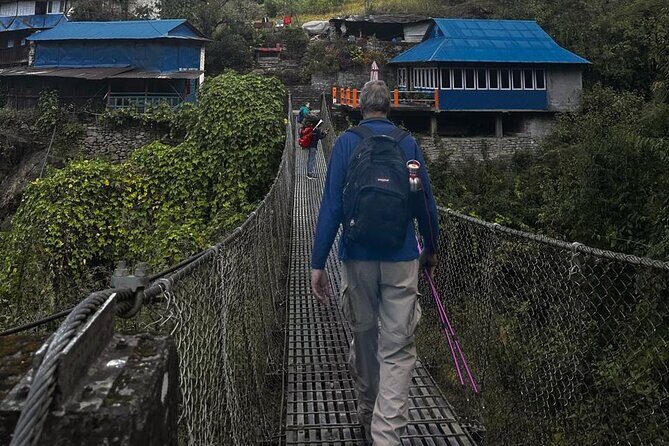
This trek includes a licensed English-speaking guide, plus the trekking permits: TIMS card and the Annapurna Conservation Area Permit. That combination is more important than it sounds.
Permits can be confusing on the ground. When they’re included, you remove uncertainty and spend your energy walking instead of sorting paperwork. A good guide helps with route confidence too, especially on a busy trail where you might see multiple paths and want to know which one follows your plan.
The guide’s role also shows up in how the trek feels day to day. In past outings with this operator, the name Bishnu comes up as a professional guide who makes people feel comfortable and safe, with a relaxed vibe that adds humor and keeps the mood light even when the trail is steep.
If you’re the kind of traveler who wants both clear explanations and someone to check your pace, a guide like that can make the trek feel smoother. You’ll still do the work, but you’re not doing it alone.
Price and value: is $450 fair for a private 3-day trek?
At $450 for a private 2-night / 3-day trek, the value comes from what’s included rather than what’s optional.
You’re paying for:
- Permits (TIMS + Annapurna Conservation Area)
- Teahouse accommodation for 2 nights
- Meals (2 breakfasts, 3 lunches, 2 dinners)
- A licensed English-speaking guide
- Transport from Pokhara to Nayapul by private vehicle and the return from Ulleri to Pokhara by bus
- Pickup is offered, and there’s mobile ticket support
For many people, those inclusions reduce hidden costs. Trek permits plus guide time alone can add up quickly if you try to piece it together independently. Add meals and lodging, and the price starts to make more sense as a package.
Where you might question value is if you already plan to arrange everything yourself and prefer complete freedom on daily pacing. But if you want a clean plan with a guide and food handled, $450 can feel like good math.
Also, this is a private experience. Not everyone wants to share a trail rhythm with strangers, and privacy can be worth real money when you’re paying for comfort and control.
Who should book this trek (and who should think twice)
This trek fits well if you want a short Annapurna experience with a clear payoff: villages, forests, stair sections, and a sunrise viewpoint that’s a known highlight.
It’s a solid choice for:
- First-time trekkers who want the “Himalaya feeling” without a huge time commitment
- People who prefer structured guidance and included permits
- Travelers comfortable with early mornings and some uphill walking
- Small groups who want a private guide experience
It might be less ideal if:
- You hate pre-dawn alarms and want sunrise to happen on your schedule, not someone else’s
- You’re dealing with tight calves or knee issues and stairs are a real problem for you
- You expect luxury accommodations (teahouses are simple by design)
Booking checklist: how to prepare for Poon Hill success
Even with a guide and included meals, your comfort will depend on your prep. Here’s what I’d focus on.
- Footwear for stones and stairs: You want grip and support. Stone steps can be slippery or uneven.
- Layering for pre-dawn: Morning air can feel cold when you set out early.
- A small daypack: For water, snacks, and a light layer you can stash as you warm up.
- Keep your pace steady: Day 1 and day 2 include uphill walking and stair energy, so don’t start too fast.
- Bring basic patience: Teahouses and trail timing run in waves; you’ll feel that rhythm on the ground.
If you’re unsure about what to pack, ask your guide in advance. Guides on this route deal with common issues every season and can steer you toward what matters most for comfort.
Should you book the Ghorepani Poon Hill Private Trek?
If you want a straightforward, guide-led Annapurna taste with sunrise at Poon Hill, this is a strong pick. The included permits, meals, teahouse lodging, and transport remove the biggest friction points that can otherwise turn a “simple trek” into a logistics puzzle.
Book it if you’re excited by early mornings, can handle stair-heavy uphill segments, and want a private pace with a licensed English-speaking guide. I’d skip it if stairs are a dealbreaker for you or if you want a more relaxed itinerary without pre-dawn effort.
FAQ
What time does the trek start?
The start time is listed as 6:00 am.
How long is this trek?
It runs for about 3 days (2 nights and 3 days).
What’s included in the price?
Included are trekking permits (TIMS card and Annapurna Conservation Area Permit), teahouse accommodation, a licensed English-speaking guide, Pokhara to Nayapul by private vehicle, Ulleri to Pokhara by bus, and meals (2 breakfasts, 3 lunches, 2 dinners).
Do you get pickup in Pokhara?
Pickup is offered, and you depart Pokhara for Nayapul by private vehicle on Day 1.
Is Poon Hill included for sunrise?
Yes. You hike to Poon Hill early in the morning (about 45 minutes to 1 hour) to catch sunrise views.
How do you return to Pokhara at the end?
You travel back from Ulleri to Pokhara by local bus, which takes about 3 hours.
What is the cancellation window for a full refund?
You can cancel up to 3 days in advance for a full refund. If you cancel less than 3 full days before the experience start time, the amount paid is not refunded.