REVIEW · POKHARA
From Pokhara: 4-Day Annapurna and Poon Hill Himalayan Trek
Book on GetYourGuide →Operated by Fewa Trail Treks and Expedition Pvt Ltd · Bookable on GetYourGuide
Sunrise on Poon Hill is worth the early alarm. On this 4-day trek, I like how you get a full Annapurna Range viewpoint and a real walk through lower Himalayan forests instead of just rushed sightseeing. The one catch: the route can change after landslides, and you’ll want clear, prompt updates if that happens.
I also like the mix of trekking and recovery time. You’ll sleep in tea houses/guest houses on the way, then finish with a soak at Jhinu hot springs, where the water is considered therapeutic. Just keep in mind the trek isn’t suitable for pregnant women or people with mobility impairments, so choose your pace and comfort level honestly.
If you’re the type who likes good guidance and a straightforward itinerary, this one makes sense. You’re paying for a licensed English-speaking guide, permits, and private transport in and out of Pokhara, while meals stay “on you” (available to buy).
In This Review
- Key highlights on this Annapurna and Poon Hill trek
- From Pokhara to Ulleri: starting strong on day one
- Ghorepani tea houses: where the trek really begins
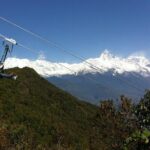
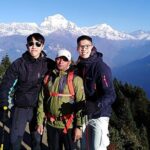
- Poon Hill sunrise: the Annapurna Range moment that drives the trip
- Tadapani to Jhinu: forest trails and the run-up to hot springs
- Ghandruk Gurung village: architecture and living culture after the hike
- Down to Nayapul and back to Pokhara: the last day payoff
- Price and logistics: is $287 per person good value?
- What can go wrong: itinerary changes and weather communication
- Who should book this Annapurna and Poon Hill trek
- Should you book it? My call
- FAQ
- How long is the Annapurna and Poon Hill trek?
- Where does the tour start and end?
- What’s included in the price?
- Are meals included?
- What are the main overnight stops?
- Where do you go for hot springs?
- Do I need a passport?
- Is this trek suitable for everyone?
Key highlights on this Annapurna and Poon Hill trek
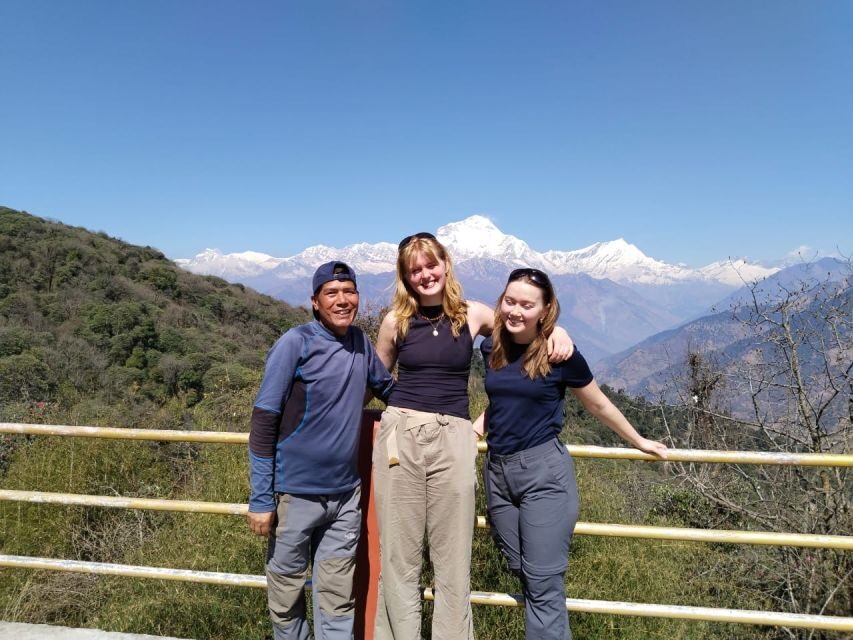
- Poon Hill sunrise with a big, early-morning reward over the Annapurna Range
- Forest hiking in the Himalayan lowlands, plus village scenery along the route
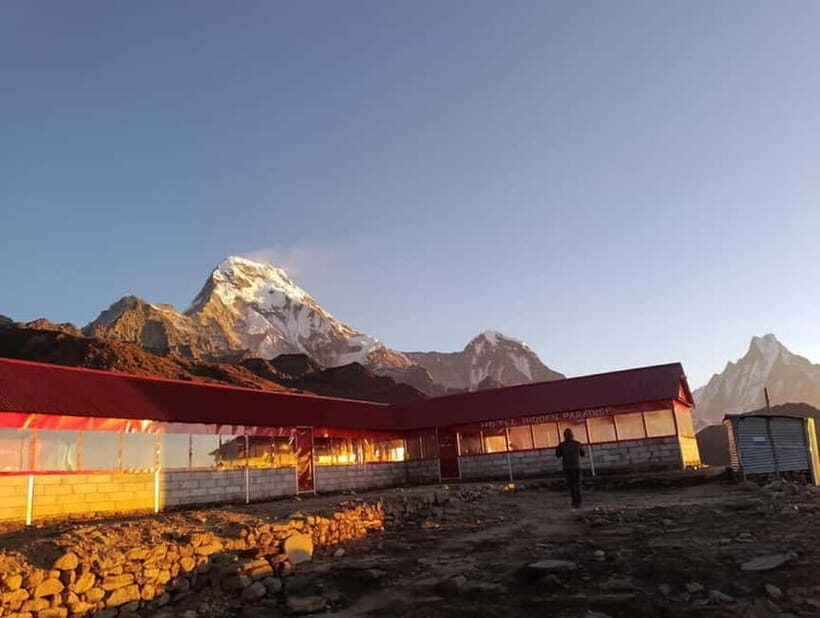
- Tea house nights in Ghorepani, Tadapani, and Ghandruk (real trekking rhythm)
- Jhinu hot springs stop, with a chance to soak your legs and relax
- Ghandruk Gurung village feel, including Gurung-style architecture
- Private guide + permits included, so you spend less time sorting paperwork
From Pokhara to Ulleri: starting strong on day one
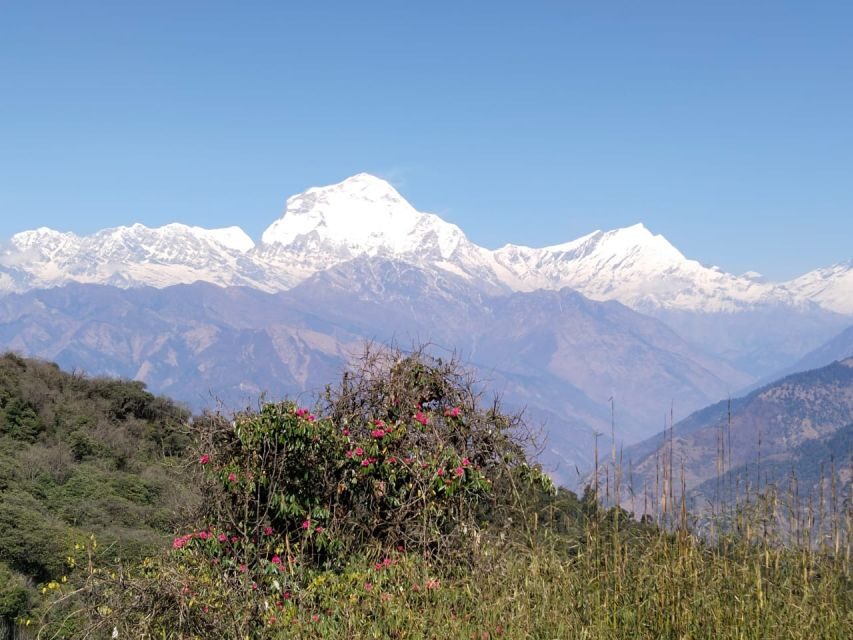
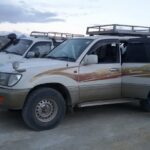
This trek starts in Pokhara with hotel pickup in a private car or jeep. In practice, that matters because you don’t waste your first morning trying to get to the trailhead on your own. You’re picked up early, then you drive toward Ulleri, which puts you in hiking mode faster than trips that start hours later.
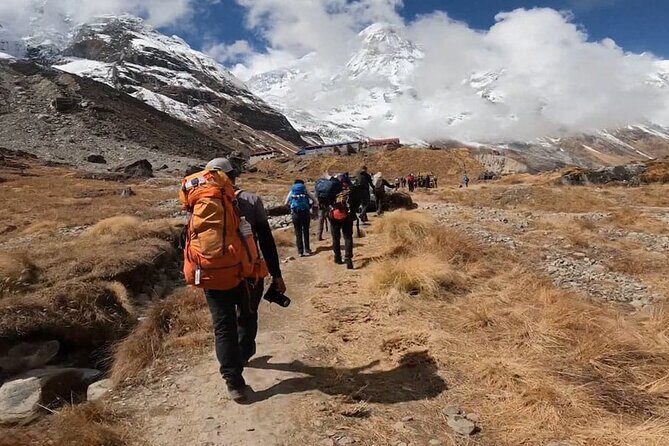
After breakfast, you hike uphill to Ghorepani, with about 5 hours of trekking time on Day 1. Ghorepani is set up for trekkers: you’ll find tea houses or guest houses where you can eat, warm up, and settle in without dragging luggage around all day.
What I like about this first day is the pacing. It’s long enough to get your legs working, but not so long that you’re exhausted before you even reach the main viewpoint area. It’s also a useful acclimation day. You’re moving into higher country, but you’re not going straight into sunrise-climb intensity.
Your takeaway: Day 1 is about getting situated in the Poon Hill region and setting up an early start for the next morning.
Other Ghorepani and Poon Hill treks in Pokhara
Ghorepani tea houses: where the trek really begins
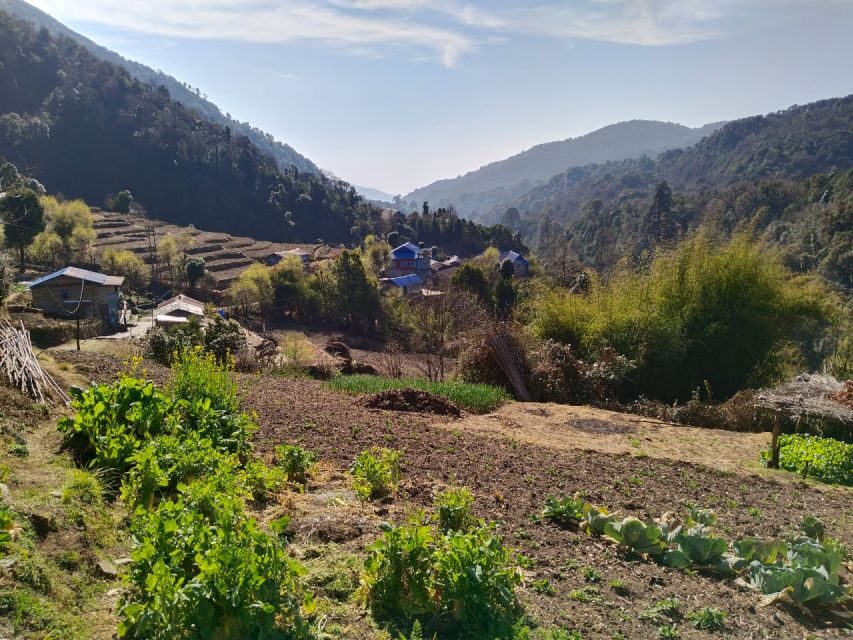
You’ll sleep in Ghorepani on a tea house stay. This is the part of trekking that turns “a tour” into an experience you can feel: small rooms, simple meals, and the constant sound of other hikers coming and going.
You’ll also get a taste of how trek timing works here. The next day starts early for sunrise, so your evening matters. Keep your layers ready, charge your phone, and try to get a decent night of sleep.
One practical note from real-world experience: weather can be a wild card. In one account, a guide named Muku was described as good, but communication around weather forecasts could have been better—more planning, less luck. That doesn’t mean you should expect bad weather. It just means you should ask for the plan and the forecast early, not the night before.
Your takeaway: In Ghorepani, don’t just rest. Prep like tomorrow is the point of the whole trip—because it is.
Poon Hill sunrise: the Annapurna Range moment that drives the trip
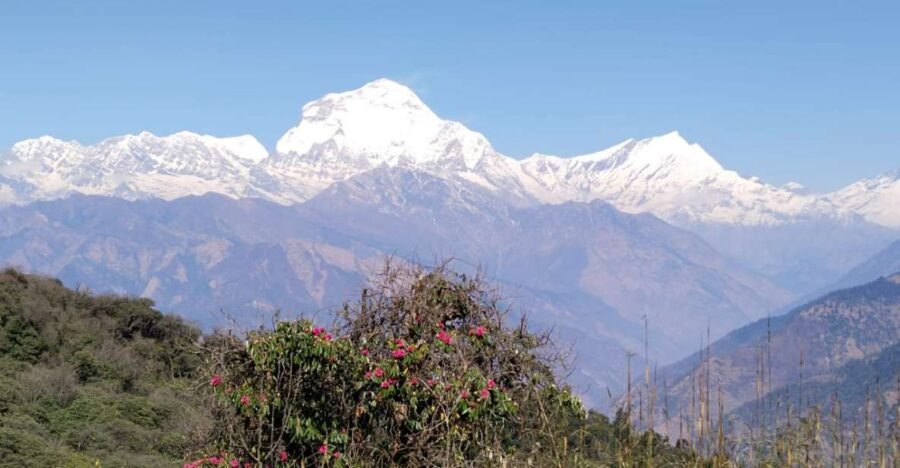
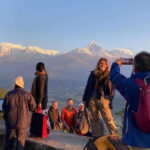
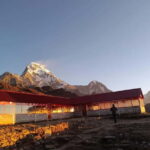
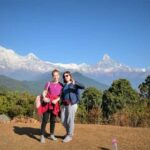
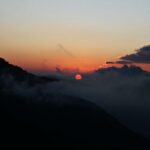
Day 2 is the reason most people pick this trek: the sunrise view from Poon Hill.
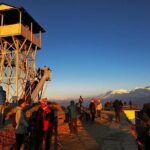
You’ll head out early, then hike up to the top. The schedule notes about 1 hour to reach the Poon Hill viewpoint from where you start on the way up. After that, you get the big panorama: the Annapurna Range laid out in front of you as the light changes.
Here’s why this stop is so valuable, beyond the obvious photos. Sunrise views work because the air is often clearer and the shadows make peaks look sharper. Even if you’ve seen mountains in other places, the Annapurna angles here are a special kind of dramatic. It’s also a short push to reward ratio: you don’t spend all day climbing just to reach a viewpoint for five minutes.
Then you’ll hike back down toward Ghorepani, have breakfast, and continue trekking onward to Tadapani. Day 2 includes roughly 6 hours of trekking time total.
Possible drawback to plan for: sunrise days can be chilly and fast-paced. You’ll want warm layers and decent boots. Also, if clouds roll in, you may not get the exact view you hoped for. The workaround is being ready to move early and trusting your guide’s timing.
Your takeaway: If you want one moment that feels like the whole trek in miniature, make it Poon Hill sunrise.
Tadapani to Jhinu: forest trails and the run-up to hot springs
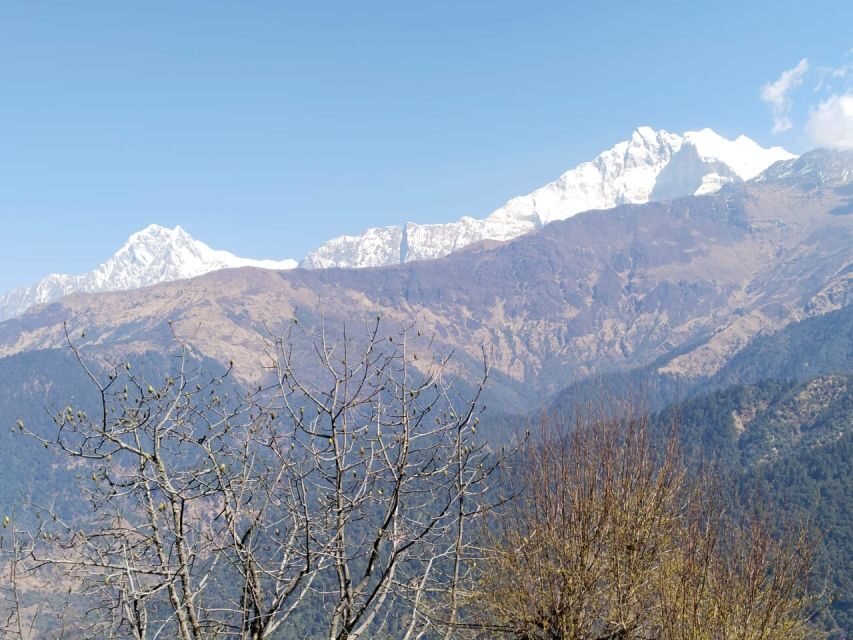
After sunrise and breakfast, the trail takes you toward Tadapani on Day 2. This stretch keeps the experience moving. The route continues through trek country where you’ll see lower-forest walking—more shaded, more grounded, and often a calmer-feeling vibe than the steepest sections.
Then comes Day 3, the day that turns “hike day” into “hike plus recovery.” You’ll trek toward Jhinu for hot springs. The water here is described as therapeutic, and the stop gives your body a break after sustained walking days.
Day 3’s trek time is listed as 6 to 7 hours, but it includes both the hot springs stop and the hike to the next overnight place. After a short stay soaking at Jhinu, you’ll continue toward Ghandruk—a Gurung village known for its architecture and how people adapted to life in the Himalaya.
Why this day matters: hot springs are not just a cute extra. They’re a practical tool. After two trekking days, soaking can help you feel more human before your final descent day.
What to keep realistic: the exact timing and comfort at hot springs depend on conditions and crowds at the time you arrive. Build in some patience. This is a shared experience, not a private spa.
Your takeaway: Day 3 is where you shift from performance (climbing) to restoration (soaking) and cultural payoff (Ghandruk).
Ghandruk Gurung village: architecture and living culture after the hike
You’ll sleep in Ghandruk on Day 3. This is one of the most interesting parts of the overall route because you stop treating the villages as background scenery and start seeing them as communities with distinct local identity.
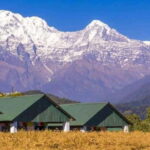
The plan highlights Ghandruk as a strong example of Gurung architecture and the way Gurungs adjusted to living in the Himalayan region. Even if your main goal is views and trekking, this stop changes the feel of the trip. You’re no longer just passing through altitude zones—you’re seeing daily life shaped by mountain realities.
It also helps on a practical level. Villages tend to have a bit more “settled” trekking infrastructure than the smallest stopping points. That makes it easier to relax and reset for Day 4.
One more note on guidance: a private guide is included, and that’s a real advantage here. On these trails, local knowledge often helps you read the route better and understand what you’re looking at around the villages. In one account, a guide named Gobinda was described as kind and making the trip comfortable, which matches how you want a guide to feel on a cultural stop day.
Your takeaway: Ghandruk is your chance to slow down and connect the trek to people, not just peaks.
Other hiking tours in Pokhara
Down to Nayapul and back to Pokhara: the last day payoff
Day 4 is your exit day. You’ll hike down to Nayapul, and then drive back to Pokhara, dropping you off at your hotel. Your tour ends there.
This is usually the part people underestimate. Descents can be harder than you expect, especially after a day with soaking and a day with village walking. Watch your footing and take your time on steeper sections. Good trekking shoes and trekking poles (if you use them) can make a big difference on knee comfort.
The upside: once you hit Nayapul, you’re done with the physical grind. The private car/jeep pickup style that starts your tour also gives you a clean finish—no hunting for transport at the end of a multi-day hike.
Your takeaway: Day 4 is mostly about getting down safely and smoothly, then enjoying Pokhara again like a reward.
Price and logistics: is $287 per person good value?
At $287 per person for a 4-day trek, the value comes from what’s included—not just the route.
Here’s what’s covered:
- Hotel pickup and drop-off in a private car/jeep
- Permits
- Tea house/guest house accommodation
- A licensed English-speaking guide
- Guide expenses
Food and drinks are not included, but you can buy meals along the way.
That inclusion list is why this price can make sense. Permits and a licensed guide aren’t small line items on trekking routes, and private transport saves you time and hassle at both ends. If you tried to “DIY” this trek, you’d likely spend time sorting guides, permits, and timing, even if you paid less for lodging.
Where you should be honest with your budget: meals and drinks can add up over four days. If you don’t want to think about spending daily, plan for that extra amount in advance.
My take on value: For a short 4-day Annapurna/Poon Hill trek with permits and a guide handled for you, this sits in a reasonable zone. The biggest swing factor is guide quality and communication—so take a moment to confirm expectations early.
What can go wrong: itinerary changes and weather communication
This trek is exposed to mountain reality. One account described a significant adjustment after a landslide: the starting point ended up further down the mountain than scheduled, and an item of interest was removed. That led to losing a day.
You can’t control natural disasters. But you can reduce the damage by being proactive:
- Ask how you’ll be informed about any route changes (message, call, when you’ll hear it).
- Ask the guide how they track weather and visibility for Poon Hill.
- If the forecast looks iffy, ask for a realistic backup expectation.
Also remember: the Poon Hill part is about timing. You’ll head out early for sunrise. If your communication is slow, it can turn a once-in-a-lifetime view into frustration. In one described experience, the guide was good, but weather forecast planning could have been stronger—so treat that as a reminder to ask questions early.
Your takeaway: The trek is solid, but good communication is the difference between smooth and stressful.
Who should book this Annapurna and Poon Hill trek
This is a strong fit if you want:
- One famous sunrise moment (Poon Hill) without committing to a long trek
- A guided route through remote villages
- A balance of views, forests, and a practical recovery stop at Jhinu hot springs
- English-speaking support and permits handled
It’s likely not a fit if you:
- Are pregnant
- Have mobility impairments
- Want minimal uphill walking or a fully “easy day” schedule
You’ll also want to be the kind of traveler who can roll with tea house travel style: simple lodging, basic facilities, and a focus on the trail over comfort extras.
Should you book it? My call
Book this trek if your top priority is the Poon Hill sunrise view plus an efficient 4-day route through Annapurna foothills, with Jhinu hot springs as a real recovery bonus. The included guide, permits, and private transport reduce planning friction, and the tea house nights make the days feel connected instead of chopped up.
Don’t book if you need a perfectly fixed itinerary no matter what, or if you can’t handle uphill and downhill trekking days. Also, if clear weather planning matters a lot to you, ask direct questions before you go—so you’re not depending on luck.
If you do book: confirm the plan early, request day-by-day clarity, and pack for cold early mornings. Then show up ready for the kind of sunrise that actually earns the hike.
FAQ
How long is the Annapurna and Poon Hill trek?
The trek lasts 4 days.
Where does the tour start and end?
It starts with pickup from your hotel in Pokhara and ends with a drive back to Pokhara after hiking down to Nayapul.
What’s included in the price?
Included are hotel pickup/drop-off in a private car/jeep, necessary permits, tea house/guest house accommodation, a licensed English-speaking guide, and guide expenses.
Are meals included?
No. Food and drinks are not included, but you can purchase them along the way.
What are the main overnight stops?
You’ll stay overnight in Ghorepani, Tadapani, and Ghandruk.
Where do you go for hot springs?
You’ll trek to Jhinu for a hot springs bath on Day 3.
Do I need a passport?
Yes. You should bring your passport, and a copy is accepted. You also need to provide passport details at least 24 hours before the tour so permits can be prepared.
Is this trek suitable for everyone?
No. It is not suitable for pregnant women or for people with mobility impairments.