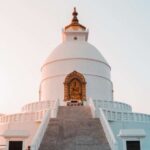
Some places in Pokhara feel quietly mythic.
This private sightseeing loop mixes Gupteswar Gupha caves with the big viewpoint stops around town, plus two museums if you like your Himalaya stories in a more structured way. I also like that you get private transportation the whole way, so you’re not juggling local transit while you bounce between sights. The one drawback to plan for: only part of the admissions are included, so a few stops mean extra cash on site.
This tour is built for a calm, efficient day. You’ll be picked up in Pokhara and taken to a packed list of highlights in about 5 to 6 hours, with short time blocks that keep things moving. If you’re hoping for a guided deep explanation at every stop, this is more of a driver-and-vehicle sightseeing circuit than a full-on narration session.
In This Review
- Key Things I Think You’ll Notice
- The 5-6 Hour Pokhara Circuit: A Practical Overview
- Private Transportation That Changes the Whole Day
- Gupteswar Gupha Caves: Where the Tour Time Actually Feels Worth It
- Devi’s Fall: A Famous Disappearance View (Short Stop, Still Cool)
- Bindhyabasini Temple: Sacred, Historic, and a Viewpoint
- Pokhara Museum: Quick Context for Gorkha Warrior Stories
- World Peace Pagoda: Buddhist Teachings and Big Views
- International Mountain Museum: The Best Longer Stop for Mountain Fans
- Seti Gandaki (Seti River): The Hanging Bridge Moment
- Price and Entrance-Fee Reality: What You’re Really Paying For
- Who This Private Pokhara Tour Fits Best
- Practical Tips to Make the Short Stops Feel Less Rushed
- Should You Book This Private Pokhara Sightseeing Tour?
- FAQ
- How long is the 5 hours Private Pokhara Sightseeing Tour?
- Is pickup included?
- Is this tour private?
- Are entrance fees included?
- What attractions are visited?
- Is food included?
- Does it include transportation the whole way?
- What’s the price per person?
- What is the cancellation policy?
- Are service animals allowed?
Key Things I Think You’ll Notice
- Private car, no hopscotching between sights on public buses or shared taxis.
- Gupteswar Gupha and Bindhyabasini Temple admissions are included, saving you time and money up front.
- Short visits add up: expect quick stops like 10 minutes at several locations, and a longer 30 minutes for the mountain museum.
- Budgets for entrance fees: Devi’s Fall, both museums, and the World Peace Pagoda are not included.
- Seti Gandaki viewpoints give you the best “Pokhara feels like this for a reason” moment.
The 5-6 Hour Pokhara Circuit: A Practical Overview
This is a straightforward private Pokhara sightseeing tour that aims to cover a lot without making your day chaotic. The pacing is built around quick, purposeful stops: you’ll get dropped at each place, have a set amount of time to look around, then move on in the same car.
If you want a low-stress way to see the core highlights—caves, a famous temple, a couple museums, a Buddhist pagoda, and the Seti River area—this format makes sense. It’s also ideal if you’re traveling with people who want comfort over wandering.
Other Pokhara city sightseeing tours reviewed
Private Transportation That Changes the Whole Day
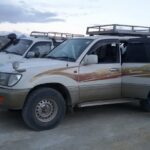
The biggest quality-of-life win here is the private transportation the whole way. You start with pickup from your hotel in Pokhara, then you’re driven directly between stops. That means less waiting around and fewer “where do we go next?” moments.
One more detail that matters for value: this is set up so you’re mainly paying for the vehicle and driver, not a guide-led walkthrough at every stop. That’s why people who just need someone to handle logistics often find it affordable. You’ll still be able to enjoy the sights yourself, but don’t expect a continuous commentary style experience.
Gupteswar Gupha Caves: Where the Tour Time Actually Feels Worth It
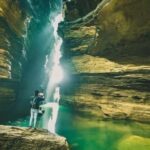
Your first major stop is Gupteswar Gupha, with admission included. You’ll spend about 10 minutes here, which is short, but the caves are the kind of place where even a quick visit can feel memorable.
This stop is centered on exploring the natural cave formations—rock shapes and stalagmites—and getting deeper into the cave system to see how it’s formed. In practical terms, that means you want to enter ready to look, not ready to browse slowly. Use your time to focus on the shapes inside the main viewing areas rather than trying to see everything end-to-end.
What to watch for: caves can be darker and uneven. I’d plan on wearing shoes with good grip and keeping your phone handy but not fumbling. If you’re someone who likes photos, a quick strategy helps: take a few establishing shots near the entry, then move in for the most interesting formations.
Devi’s Fall: A Famous Disappearance View (Short Stop, Still Cool)
After the caves, you’ll head to Devi’s Fall for another short visit of about 10 minutes. Admission is not included for this stop.
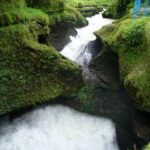
The key idea is that this waterfall is connected to the Gandaki River and famously goes down under the cave areas of Pokhara. Even if you don’t spend long here, it’s one of those scenes that’s easier to understand once you’re actually standing close to where the water vanishes.
The tradeoff: because your time is brief, you’ll want to go straight to the main viewpoint and get your bearings fast. If you’re the type who reads every sign, you may need to skim.
Bindhyabasini Temple: Sacred, Historic, and a Viewpoint
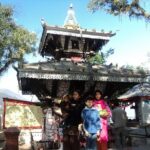
Next up is Bindhyabasini Temple, also with admission included. This stop runs around 10 minutes, and it’s not just a quick temple photo moment. The temple is described as one of the oldest and most sacred in Pokhara, tied to the deity Bindhyabasini, and associated with the courage and strength of women.
The other reason this stop works in a short time is location. The temple sits on top of a view, with sightlines over the old city of Pokhara. That means you’re getting both a cultural stop and a landscape-with-meaning moment, without needing extra travel time.
My practical advice: if you care about the views, go slightly earlier in your visit rather than waiting until the last minute to look around. Temple areas can involve small crowds or movement limits, and your best photo angles are usually not the ones you discover at the end.
Other private tours in Pokhara
Pokhara Museum: Quick Context for Gorkha Warrior Stories
The Pokhara Museum is your next stop for about 10 minutes, and admission is not included. This museum focuses on the history and courage of the famous Gorkha warriors connected to Pokhara.
This is the type of place I suggest if you like a little context layered onto what you’re already seeing around town. In a tight itinerary, the museum won’t replace deeper reading or longer museum time, but it can add meaning to why Pokhara’s story is told the way it is.
Potential drawback: if you’re not interested in military history or don’t like short museum circuits, you may feel the time is rushed. In that case, treat it like a “skim for the essentials” stop.
World Peace Pagoda: Buddhist Teachings and Big Views
You’ll spend about 20 minutes at the World Peace Pagoda. Admission is not included here either.
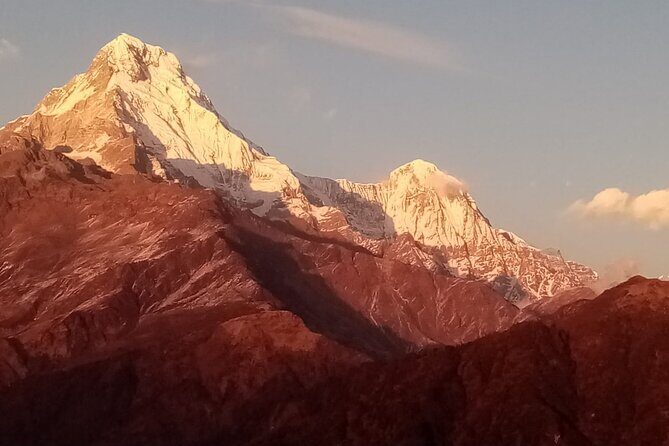
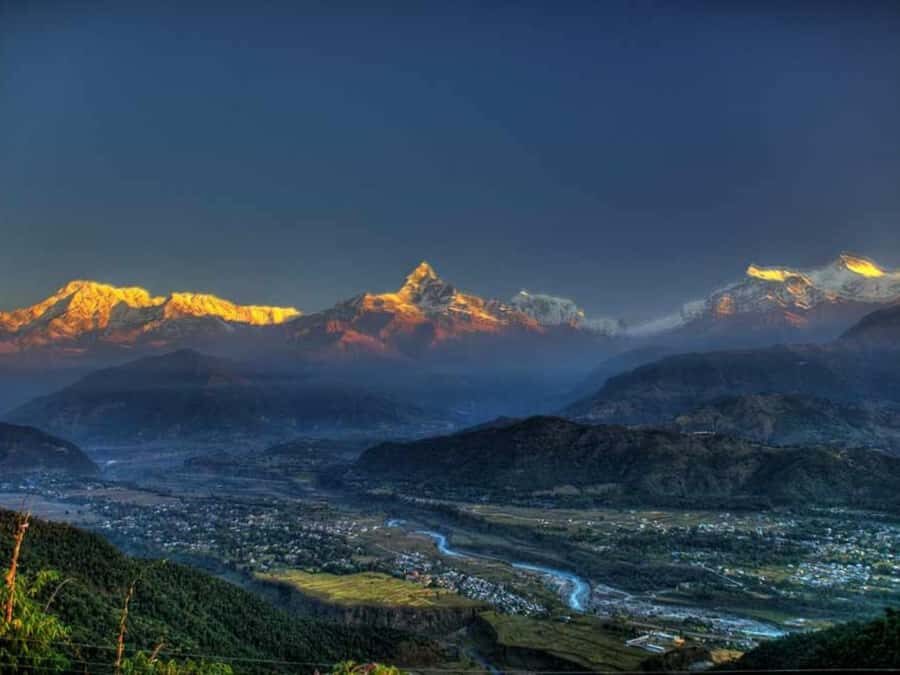
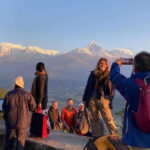
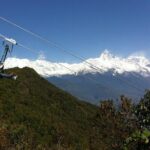
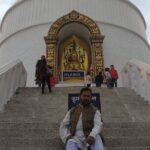
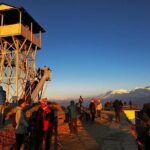
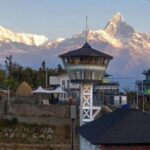
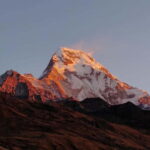
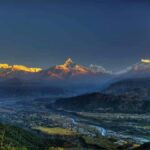
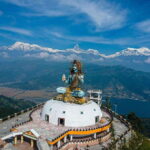
What makes this stop special is its purpose: it’s a Buddhist-style temple dedicated to world peace and the teachings of Buddha. And, just as important for a sightseeing day, it’s positioned for panoramic views of both the Himalayas and the city of Pokhara.
What I like about the pacing: the 20 minutes is long enough to slow down. You can take a moment to observe the space, then shift your attention to the viewpoint. If you’re short on time elsewhere, this is where extra minutes help you feel like you actually paused, not just passed through.
International Mountain Museum: The Best Longer Stop for Mountain Fans
Your longest ticketed visit (about 30 minutes) is the International Mountain Museum. Admission is not included.
This museum is dedicated to mountains and the legends of the Himalayas, aiming to give you an in-depth understanding of the world’s highest mountain ranges. In a 5-6 hour tour, you don’t want a long museum session that eats the whole day. This one seems designed for exactly what you want from a brief stop: enough time to get oriented in the mountain story without turning your entire afternoon into reading.
Who will love this most: you if you’re curious about why the Himalayas inspire such strong stories and identities, and you like museum-style explanations more than guesswork. If you’re not a museum person, you might still find it useful as a grounding point before you’re back outside looking at view after view.
Seti Gandaki (Seti River): The Hanging Bridge Moment
The final stop is Seti Gandaki, with admission included, about 10 minutes. Admission here is listed as included, which is one of the few ticket-covered moments near the end of the day.
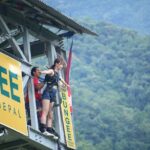
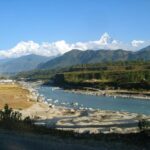
You’ll watch how the Gandaki River flows through gorges of the city, seen from a hanging bridge, and how the river carved valleys over millions of years. That last part is important because it turns what looks like “a river in town” into a story about time and forces shaping the region.
Practical takeaway: treat the river stop like your wrap-up “aha.” Because the tour is fast, this is where your brain starts connecting the dots between caves, falls, temples on hills, and a river system that shaped everything.
Price and Entrance-Fee Reality: What You’re Really Paying For
The price is $70.65 per person for a private 5 to 6 hour tour. Private transportation and all fees and taxes are included, but entrance fees are not included across the board.
Here’s the key budgeting message: Gupteswar Gupha and Bindhyabasini Temple admissions are included, and Seti Gandaki is included too. But you’ll likely pay extra for Devi’s Fall, the Pokhara Museum, the World Peace Pagoda, and the International Mountain Museum.
That’s why the tour can feel like great value when you’re happy to pay a bit at certain stops. It can also feel pricey if you expected every admission to be fully covered. My advice is to plan for entrance fees and carry cash for on-site payments, so you don’t get surprised mid-day.
Where the cost makes sense:
- You want a comfortable private ride in a tight schedule.
- You prefer seeing multiple sites without spending energy coordinating transport.
- You’re okay spending short amounts of time at each place.
Where you might want to rethink it:
- You want a long sit-down visit at museums or religious sites.
- You strongly dislike paying multiple small entrance fees in one day.
Who This Private Pokhara Tour Fits Best
This works well for:
- People who want a driver-first sightseeing day and don’t need a guide narrating every detail.
- Travelers who like a mix of religious sites, viewpoints, and a couple museums.
- Anyone staying in Pokhara who wants a simple loop covering several must-sees in one go.
It may not be ideal if:
- You want lots of time at just one attraction.
- You expect all admissions to be fully included.
- You prefer slow, deep, guided experiences at every stop.
Also, this is described as a private tour where only your group participates. That usually means you get flexibility within the schedule and less friction than shared group logistics.
Practical Tips to Make the Short Stops Feel Less Rushed
Time blocks are small at several stops (often 10 minutes). You’ll enjoy it more if you’re ready when you arrive.
- Keep a simple mindset: your goal is to see the main thing at each stop, not to do “everything.”
- Bring cash for entrance fees that are not included at certain sites.
- Wear shoes that handle uneven ground, especially around caves and hill viewpoints.
- If you care most about views, prioritize when you get to the viewpoints—don’t spend your time waiting until the last minute to look around.
- If you travel with a service animal, the tour allows service animals, so you can plan without special workarounds.
Should You Book This Private Pokhara Sightseeing Tour?
If you want a low-effort way to hit key Pokhara sights in one afternoon, I’d say yes—this is built for that. The private car, the included admissions at Gupteswar Gupha and Bindhyabasini Temple, and the final Seti Gandaki stop make it feel like a real circuit rather than a drive-by.
Just go in with eyes open about value. Bring a little budget for extra entrance fees at Devi’s Fall and the museums, and you’ll likely feel like you got your money’s worth. If you hate surprise costs or you’re a slow museum visitor, you may feel the itinerary moves too fast.
FAQ
How long is the 5 hours Private Pokhara Sightseeing Tour?
It runs about 5 to 6 hours.
Is pickup included?
Yes, pickup from your hotel in Pokhara is offered.
Is this tour private?
Yes. It’s a private tour, so only your group participates.
Are entrance fees included?
Some admissions are included (Gupteswar Gupha and BindhyaBasini Temple, and Seti Gandaki). Other entrance fees are not included, including Devi’s Fall, Pokhara Museum, World Peace Pagoda, and the International Mountain Museum.
What attractions are visited?
The tour includes Gupteswar Gupha, Devi’s Fall, Bindhya Basini Temple, Pokhara Museum, World Peace Pagoda, International Mountain Museum, and Seti Gandaki (Seti River).
Is food included?
No. Food and beverages are not included.
Does it include transportation the whole way?
Yes, private transportation is provided throughout the tour.
What’s the price per person?
The price is $70.65 per person.
What is the cancellation policy?
You can cancel for a full refund up to 24 hours in advance of the experience start time. If you cancel less than 24 hours before, you won’t receive a refund.
Are service animals allowed?
Yes, service animals are allowed.