REVIEW · POKHARA
Seti George and Thrilling Suspension Bridge Tour at Pokhara
Book on GetYourGuide →Operated by Anjil Manjil Travels and Tours · Bookable on GetYourGuide
Seti Gorge feels like another planet. This tour pairs Seti Gorge scenery with a walk across an iconic suspension bridge, so you get both dramatic views and that heart-thumping moment when you step onto the bridge. The turquoise river cutting through a deep, narrow gorge is the star attraction, and you’ll also pass through calm viewpoints and a monastery area for a change of pace. One thing to plan for: the hiking is described as moderate, and the route can include underground cave exploration, so it’s not a fit if you’re claustrophobic or pregnant.
What I like about the setup is the convenience. You’re picked up in Pokhara (Lakeside Center is the starting point), you ride in an AC car, and you get a safety briefing plus refreshments and snacks so you’re not stuck figuring everything out. The time is tight at about 4 hours, so it’s best if you’re the kind of traveler who wants big scenery without a half-day of delays.
In This Review
- Key Points You’ll Care About
- Why This Pokhara Trip Works: Gorge Beauty Plus Bridge Nerves
- Meeting Point and Transfers: Easy Start From Lakeside Center
- Stop 1: Hidden Gem Photo Stop and Guided Walk (About 1 Hour)
- Stop 2: Viewpoint Time With Shopping Options (About 35 Minutes)
- Stop 3: Monastery Area Photo Stop and a 40-Minute Walk
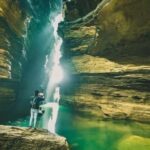
- The Seti Gorge Core: Deep Canyon, Turquoise Water, and Photo Magic
- Crossing the Suspension Bridge: The Moment Your Brain Pays Attention
- What’s Actually Included (And What You’ll Need to Pay For Yourself)
- Timing and Pace: 4 Hours Means You Should Travel Light
- Safety and Comfort: Walking Level, Claustrophobia, and Cave Notes
- Photo Strategy: How to Capture the Gorge, River, and Bridge Without Stress
- Value for Money: Why $13 Feels Reasonable Here
- Who Should Book This Tour (And Who Should Skip It)
- Quick Decision: Should You Book This Seti Gorge and Suspension Bridge Tour?
- FAQ
- How long is the Seti Gorge and suspension bridge tour?
- Where do we meet for the tour in Pokhara?
- What is included in the price?
- Is food included?
- What should I bring?
- Is the tour private?
- Is free cancellation available?
Key Points You’ll Care About
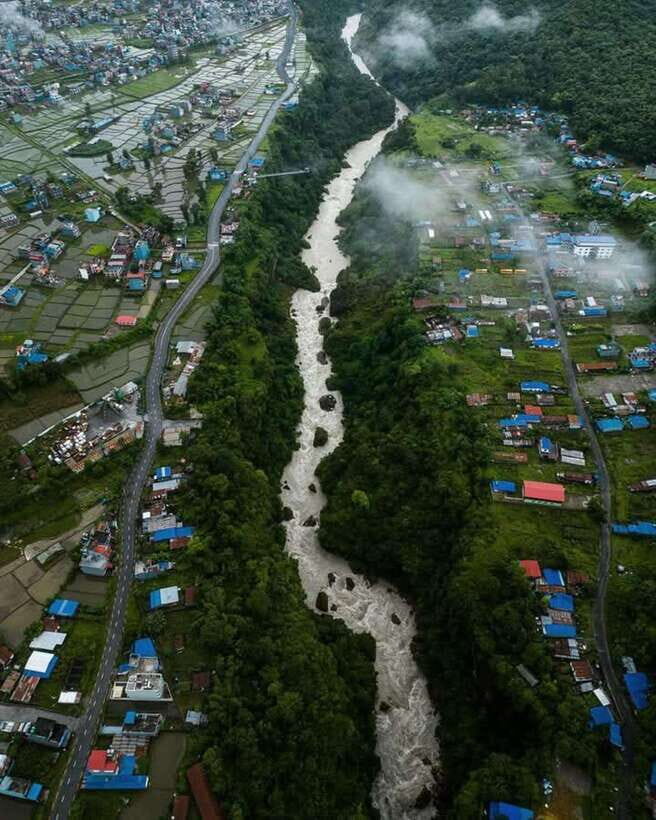
- Seti River gorge views: deep, narrow canyon with photo-worthy turquoise water
- Suspension bridge adrenaline: a classic Pokhara thrill with river-and-valley views below
- Stop-by-stop photo time: built-in photo opportunities at multiple viewpoints
- Comfort matters: moderate walking and some cave-like/underground exploration are mentioned
- Private-group pace: you’re not squeezed into a giant crowd experience
- Good value for $13: pickup, entry fees, and a guided route are included
Why This Pokhara Trip Works: Gorge Beauty Plus Bridge Nerves
Pokhara’s main draw is its mix of calm lakeside life and quick access to big nature. This tour is a neat example of that. In just a few hours, you move from city convenience into a carved canyon where the Seti River has done the heavy lifting over time—creating a gorge that looks too dramatic to be real.
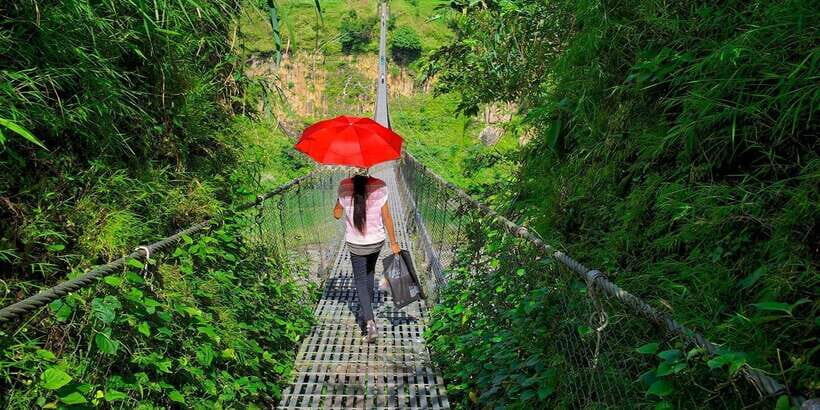
The suspension bridge is the other half of the appeal. You get that classic Nepal bridge feel: open air, a long span, and the water and gorge far below. It’s not a theme-park ride. It’s real walking over a working bridge system, with the river still doing its thing in the canyon. If you’re the type who enjoys photos, you’ll love having the gorge, the bridge, and the surrounding greenery all in the same route.
If you're still narrowing it down, here are other tours in Pokhara we've reviewed.
Meeting Point and Transfers: Easy Start From Lakeside Center
This tour is built around a simple in-town flow. The start point is Lakeside Center, and pickup is available at any hotel inside Pokhara city. That matters, because in Pokhara you can waste time if you have to coordinate transport on your own.
The schedule includes transfers between stops: you’ll ride for about 40 minutes early on, then smaller transfers later (about 25 minutes and 20 minutes) as you hop from viewpoint to viewpoint. So you’re not constantly walking from the moment you step outside the car. You’ll also get guided time at each stop rather than a rushed drive-by.
One practical detail I appreciate: the driver/guide group is described as English, Hindi, and Nepali. That’s helpful in Nepal, where you’ll sometimes feel like you’re guessing what you’re seeing. When you can ask questions in a language you understand, the trip turns into something more than just a series of photo moments.
Stop 1: Hidden Gem Photo Stop and Guided Walk (About 1 Hour)
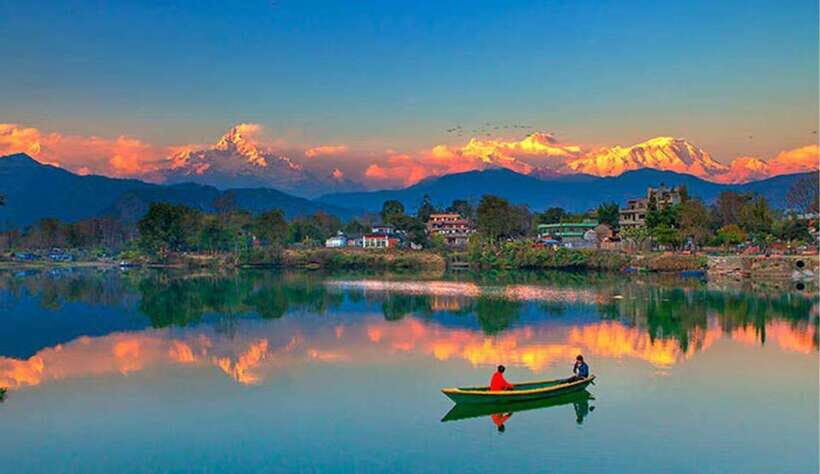
After pickup and a drive, you’ll reach the first scenic stop. The plan includes a photo stop, sightseeing time, a guided visit, and some walking. The vibe here is “get your bearings.” You’re setting up for the gorge and bridge, so the goal is to help you notice what’s coming: the river valley shape, the vegetation, and the way the terrain changes as you move deeper toward the Seti area.
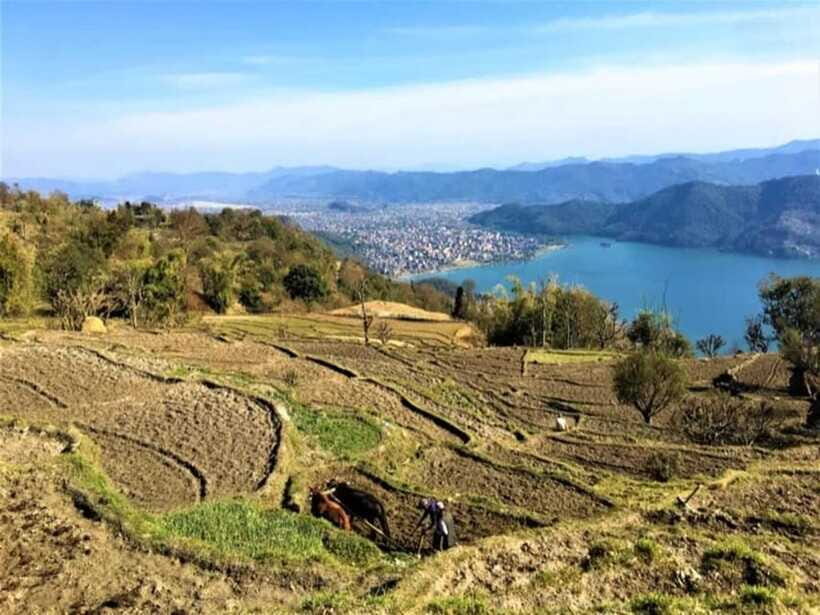
This is also where you’ll usually want to slow down. Take a few minutes to look beyond your phone screen. The gorge is the visual payoff later, but the approach gives you context—lush forests, terraced fields, and that valley feeling that’s so characteristic of Western Nepal.
If you’re taking photos, this first hour helps you get camera settings right. Think about glare, shade, and how strong the contrast will be near the river.
Stop 2: Viewpoint Time With Shopping Options (About 35 Minutes)
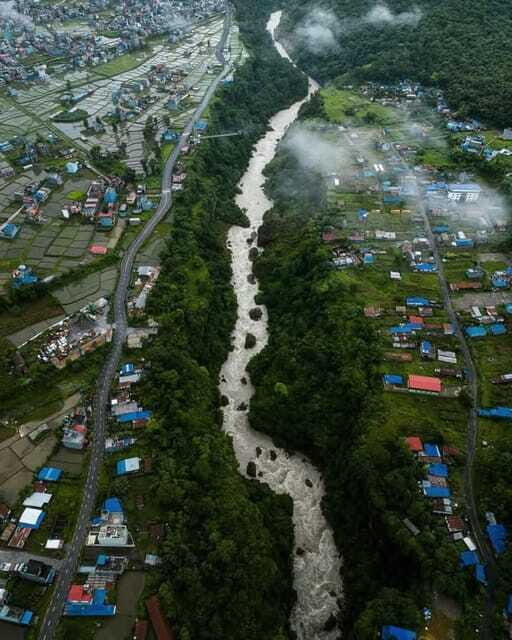
Next comes a viewpoint stop with more guided sightseeing and walking. You’ll have another photo chance, plus time that includes shopping. That’s not a distraction if you treat it like a quick break: look around, pick up a small item if you want, then head back out when the group is ready.
This is one of those practical travel moments that people often skip. Viewpoints are where you learn the layout of the gorge before you’re standing near it. If you can, use this stop to notice:
- where the river runs
- how narrow the canyon feels from a distance
- how the bridge spans the gap
Even without detailed explanations, your brain starts mapping the scene. Later, when you cross the bridge, your sense of height and direction becomes clearer, and that makes the whole experience better.
Stop 3: Monastery Area Photo Stop and a 40-Minute Walk
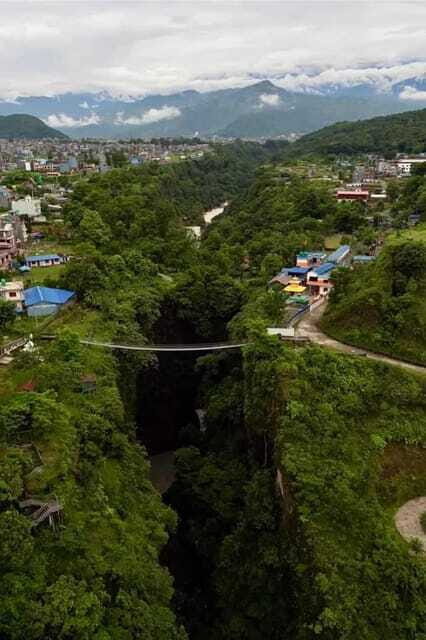
Then you shift again. The schedule includes a monastery photo stop and a guided visit, with a walk involved for about 40 minutes.
Why does this matter? Because it adds balance. After adrenaline and canyon intensity, you get a slower pace with a calmer spiritual setting. It also helps you connect with the local rhythm. In Nepal, religious sites often sit right where everyday life meets dramatic scenery, so it’s a good reminder that this isn’t just a view deck—it’s part of how people live.
You’ll want to be mindful here. Keep movement respectful, and don’t assume every space is a photo stage. If your guide gives instructions, follow them. It’s the small stuff that keeps the experience smooth.
The Seti Gorge Core: Deep Canyon, Turquoise Water, and Photo Magic
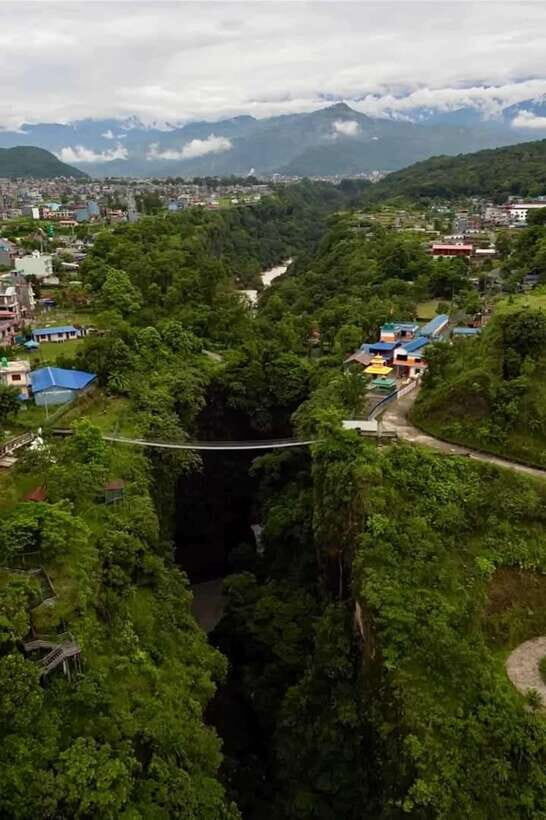
Now we’re in the heart of it: the Seti Gorge. The description emphasizes a deep, narrow canyon carved by the Seti River, with turquoise water and dramatic cliffs. This is where you’ll really start understanding why people come to Pokhara for scenery that feels close and huge at the same time.
A gorge like this can look different every few minutes depending on:
- river movement and water color
- light filtering through trees
- how close you are to the rock walls
You’ll likely do a moderate hike on gorge trails. The good part: you’re not stuck in one viewing spot. You get to move your vantage point, which gives better photos and a stronger sense of scale.
For your camera, this is your priority sequence:
- bridge shots with the gorge as the backdrop
- water shots (turquoise color can change with angle)
- wide shots showing cliffs plus surrounding greenery
- close shots that capture textures—rock edges, vegetation, river lines
If you have limited time, start with wide shots first, then refine. It’s easier to adjust once you’ve captured the bigger picture.
Crossing the Suspension Bridge: The Moment Your Brain Pays Attention
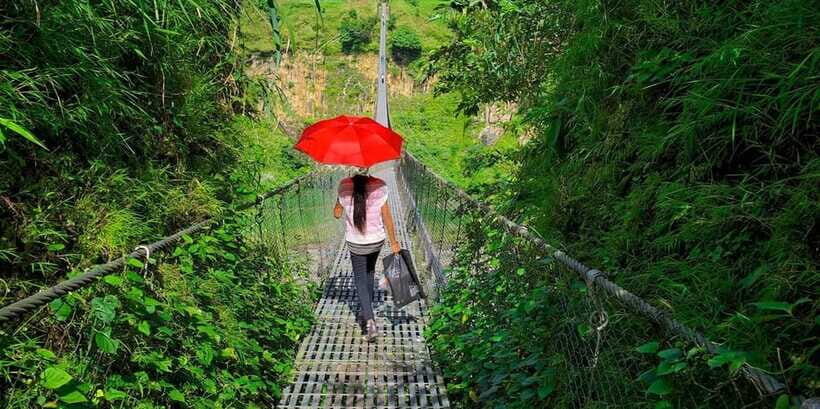
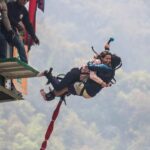
The suspension bridge crossing is the adrenaline center of the tour. The key detail: it’s described as one of Nepal’s iconic suspension bridges, with panoramic views of the valley and the river below.
Here’s the honest way to think about it. You’re not just walking from one side to another. You’re crossing a moving structure above a deep drop. Even if you’re not afraid of heights, your body will notice. You might feel the sway. You might slow down. That’s normal.
This is where the earlier stops actually help. If you already have context for the gorge layout, the bridge becomes part of a story instead of a random thrill. And if your guide is doing the job well, you’ll get safety instructions and guidance so you can focus on the view rather than the mechanics.
Practical tip: if you want photos on the bridge, plan your shot before you step out into the busiest part of the crossing. Keep your hands steady, and don’t rush your position.
What’s Actually Included (And What You’ll Need to Pay For Yourself)
The tour includes a lot of the “annoying logistics,” which is what makes the price feel fair.
Included:
- pickup and drop-off in Pokhara
- transport to and from the starting point
- entrance fees (including the suspension bridge entry fee)
- driver fees and an AC car
- tickets
- an experienced local guide
- refreshments and snacks
- safety briefing and instructions
- photo opportunities during the tour
Not included:
- food
- personal expenses
At $13 per person for a 4-hour experience, the biggest value isn’t just that it’s cheap. It’s that entry fees and transport are handled. In a place where you can easily lose time negotiating rides and paying fees separately, bundling matters. You get more hours spent where you want to be.
Timing and Pace: 4 Hours Means You Should Travel Light
This is a half-day tour, listed as about 4 hours (often up to 4–5 hours). That pace is great if your schedule is tight, but it means you should keep your mindset simple: you’re going to move, stop, walk, take photos, and move again.
You’ll see a lot of short components:
- transfers between stops
- guided time
- walking stretches
- photo breaks
So pack like you’re going on a hike. Don’t bring heavy extras. You’ll be out of the car enough that comfortable movement matters.
Safety and Comfort: Walking Level, Claustrophobia, and Cave Notes
The tour notes a moderate amount of walking, plus you should be prepared for underground exploration in caves. That last part is important. Even if you don’t mind a bit of uneven ground, cave exploration changes the mental game—tight spaces, different air, and fewer easy escape options.
Not suitable for:
- pregnant women
- people with claustrophobia
If you’re on the fence, be honest with yourself. If you know you get uncomfortable in enclosed spaces, skip this one. Also, wear comfortable shoes. You’ll want traction and support, especially if trails are uneven.
The tour also states smoking isn’t allowed. Basic, but it’s worth knowing so you don’t end up looking for designated spots during stops.
Photo Strategy: How to Capture the Gorge, River, and Bridge Without Stress
If you care about photos, this route gives you multiple angles. You’re not stuck with only one view.
To get the best results:
- Bring a camera (and extra memory space)
- Use the viewpoint stops to frame your story before the bridge crossing
- Shoot wide first, then work your way to detail shots
- Expect the river color to shift with angle
The gorge and bridge are your main subjects, but don’t ignore the in-between moments: terraced fields and forest edges around the route help your photos feel grounded and not just like isolated action shots.
And yes, take breaks. Sometimes people rush to the best shot and forget that slowing down is what makes a photo actually interesting.
Value for Money: Why $13 Feels Reasonable Here
Let’s talk about money in a practical way. $13 is the listed price per person for a guided, half-day experience. What you’re getting for that price is the whole structure: pickup/drop-off, an AC car, entry fees, and a guide who manages the route and safety.
If you tried to do this independently, you’d probably spend similar time figuring out transport and paying separate fees, plus you’d lose the efficiency of having photo stops placed where they make sense. You also get refreshments and snacks, which helps because you’re not sure what food options look like once you’re moving through gorge areas.
The only real “cost” on your end is your own flexibility: you’ll want good shoes and water, and you’ll need to handle food outside the package.
Who Should Book This Tour (And Who Should Skip It)
This is a strong fit if you:
- want a high-impact scenery day without a long travel schedule
- enjoy walking and want built-in photo breaks
- like viewpoints and a little cultural stop mixed in
- want the suspension bridge thrill with guidance and safety instructions
It might not be for you if you:
- are sensitive to heights or heavy swaying structures
- don’t tolerate enclosed or underground spaces well
- need a pregnancy-friendly route
- want a mostly seated tour
If you’re traveling solo, a couple, or friends, the private group format can feel calmer than crowded tours. Even on a short schedule, you can move at a comfortable pace.
Quick Decision: Should You Book This Seti Gorge and Suspension Bridge Tour?
I’d book it if you’re in Pokhara for a short stay and you want the classic combo: canyon scenery plus a suspension bridge crossing. The package is priced in a way that feels fair for what’s included, and the half-day duration keeps it from swallowing your entire day.
I’d pass if your comfort zone doesn’t include moderate walking or you’re worried about cave-like sections. For the right person, though, this tour is one of those rare times where the views and the experience both hit in the same 4-hour window.
FAQ
How long is the Seti Gorge and suspension bridge tour?
The duration is listed as about 4 hours (sometimes described as 4–5 hours depending on the day and timing).
Where do we meet for the tour in Pokhara?
The meeting point is Lakeside Center. Pickup is also available from any hotel inside Pokhara city.
What is included in the price?
Pickup and drop-off, entrance fees (including the suspension bridge entry), driver fees, tickets, transport in an AC car, an experienced local guide, refreshments and snacks, and a safety briefing are included.
Is food included?
No. Food and personal expenses are not included.
What should I bring?
Bring comfortable shoes and a camera. The tour also recommends carrying water.
Is the tour private?
Yes, it’s described as a private group.
Is free cancellation available?
Yes. Free cancellation is offered up to 24 hours in advance for a full refund.