REVIEW · POKHARA
2 Iconic Suspension Bridge Tour in Pokhara
Book on GetYourGuide →Operated by Linkage Tour & Travel · Bookable on GetYourGuide
One of Nepal’s best shortcuts to big views starts in Pokhara. This half-day tour takes you across Bhalam Bridge and Damsadi Bridge, so you get two very different swaying crossings plus the scenic drives between them. I like how the bridges are treated as something practical and local, not just a photo stop, and I also like that the walking time is built in so you actually feel the height. The main drawback to consider is simple: if you dislike heights or shaky footing, the bridge walk is part of the deal.
For me, the pull here is the blend of engineering and daily life. You go from river gorge height to long-span crossings, then back through rural roads with time for photos and a break along the way. Just note the tour is about 4 hours, so it’s active and focused rather than slow sightseeing.
In This Review
- Key Things I Think Are Worth Your Time
- A Pokhara Half-Day That Hits the Two-Bridge Sweet Spot
- Getting Picked Up in Pokhara and Starting Toward Bhalam
- Bhalam Bridge: 295 Meters Across the Kali River, 70m Above the Gorge
- PumpHouse Stop: A Break Built Into the Half-Day
- Damsadi Bridge: 90m High Over 276 Meters, Big Kali Gandaki Views
- Why These Bridges Matter Beyond the View
- Photo Stops That Don’t Feel Like Photo Traps
- Price and Value: Is $28 Fair for Two Bridges?
- Who This Tour Is Best For (and Who Should Rethink It)
- Should You Book the 2 Iconic Suspension Bridge Tour?
- FAQ
- How long is the 2 Iconic Suspension Bridge Tour in Pokhara?
- What is the price per person?
- Which bridges are included?
- Where does pickup happen?
- Is this a private tour?
- Is the driver English-speaking?
- Are entry tickets included?
- What are the main stops during the tour?
- What heights and lengths should I expect?
- Is there free cancellation?
Key Things I Think Are Worth Your Time
- Two suspension bridges, two rivers, one packed route: Bhalam first, then Damsadi.
- Walk time is real: you get about 45 minutes of walking and sightseeing at key stops.
- Height you can feel: Bhalam sits 70m above the gorge; Damsadi reaches 90m.
- Local context, not just views: the guide helps explain what these bridges do for communities.
- Photo-friendly pacing: there are scheduled photo stops, plus extra time for views.
A Pokhara Half-Day That Hits the Two-Bridge Sweet Spot
Pokhara is full of things to do, but most of the easy options are either a short drive with quick stops or a long day of travel with tired legs. This tour is built for people who want the best suspension-bridge experience without turning it into an all-day ordeal.
You’re out for about 4 hours, with pickup included from any hotel or the airport in Pokhara (Lakeside). Then you head out along scenic routes toward Bhalam, cross the first bridge, continue onward, and cross Damsadi before returning.
Because it’s a private group in a private car, you also avoid the usual “wait for everyone” slowdown. You still get photo stops and time to walk, but the day stays efficient.
If you're still narrowing it down, here are other tours in Pokhara we've reviewed.
Getting Picked Up in Pokhara and Starting Toward Bhalam
The day starts with pickup, which matters more than it sounds. In Pokhara, it’s easy to lose time figuring out transport on your own. With this tour, you skip that mental load and roll out as a ready-to-go group.
The drive to the first bridge is part of the experience. You’ll be on roads that pass through rural areas and viewpoints along the way, so you’re not stuck staring at a dashboard until you finally reach the bridge.
Your driver is English-speaking, and based on guest feedback, you should expect a guide who talks and helps you connect the dots. One guest noted how Rajit handled both guiding and driving and was great at explaining the suspension bridges and nearby areas. Another guest praised Pujan for being friendly and attentive and for sharing background that makes the whole experience click.
If you’re traveling solo, that matters too. One solo guest said the guide made sure they got good photos, which is a real quality-of-life upgrade when you don’t have a second person to help.
Bhalam Bridge: 295 Meters Across the Kali River, 70m Above the Gorge
Bhalam Bridge is the first big moment. It’s a suspension bridge spanning 295 meters over the Kali River, and it sits roughly 70 meters above the gorge. That height is the whole point here: you’re walking in the open air, with a swaying structure under your feet.
This is where the engineering becomes personal. When you step onto a suspension bridge like this, you don’t just see it—you feel it. The movement gives you a sense of scale that a viewpoint photo simply can’t.
You also get real time here. There’s a scheduled stop on the Bhalam–Pokhara road that includes photo stops, sightseeing, and a walk of about 45 minutes. That’s enough time to take photos from different angles and still not feel rushed while you cross.
What makes Bhalam especially interesting is the mix of river views and surrounding greenery. You’ll be looking toward the Seti River valley as well, so the scene isn’t only “bridge and water.” It’s valley, trees, and that deep gorge feeling that Nepal does so well.
One practical consideration: this stop involves walking on a swaying bridge. If you’re nervous around heights, go slowly and let your breathing settle before you start the crossing.
PumpHouse Stop: A Break Built Into the Half-Day
Between the two bridge crossings, you’ll have a break stop at a PumpHouse area. The tour design keeps the day from feeling like nonstop walking. You get time to reset, grab a breath of air, and take a few more photos from the roadside or viewpoints.
This is also a good moment to refocus on what matters next. Damsadi is taller and longer, so the second crossing builds on the first. The PumpHouse break helps you arrive at Damsadi with energy instead of bounce-and-rush energy.
The schedule includes another walk block of about 45 minutes total across the day’s key sightseeing/walking sections. That means the bridges aren’t just quick “walk across and out” experiences.
Damsadi Bridge: 90m High Over 276 Meters, Big Kali Gandaki Views
After Bhalam, the tour continues toward Damsadi Bridge, near the Fusre River. This is the second iconic suspension crossing and the one that most people remember for its scale.
Damsadi stretches about 276 meters in length and reaches roughly 90 meters above the gorge. In plain terms: it’s longer, higher, and it keeps the bridge feeling in your body for longer than the first crossing.
As you walk across, you’ll get panoramic views of the Kali Gandaki river valley. That’s the kind of scenery that makes people stop talking mid-step. But the best part is that the view ties into why these bridges exist in the first place.
This tour also gives you the cultural side of the bridge. You’ll have time to interact with locals and learn about the bridge’s significance, including how it functions as a connector across difficult terrain. Suspension bridges in Nepal aren’t just tourist attractions. They help people travel, move goods, and stay connected.
Then, once you’ve crossed Damsadi, you start the return drive back to Pokhara. You’ll have time to relax on the scenic route through villages and rural stretches, with the day’s big moments safely behind you.

Why These Bridges Matter Beyond the View
It’s easy to treat suspension bridges as scenic props. This tour doesn’t.
Suspension bridges in Nepal are critical infrastructure. They connect remote villages and communities across deep valleys and rugged terrain where roads can be limited or impossible. They act like lifelines—supporting transportation of goods and helping communities reach essential services.
That includes access to things like healthcare and education, plus everyday social interaction. When you walk across, the distance and height suddenly make more sense. You’re no longer only thinking about how the bridge looks. You’re thinking about what it enables.
And there’s a resilience angle that I always appreciate in Nepal. Bridges like these represent engineering adaptation to a country with extreme geography. The result is both practical and symbolic—people using innovation to overcome terrain, and visitors seeing why that innovation matters.
If you’re the type who likes a view but also likes context, this is one of those experiences where the explanations make the photographs better.
Photo Stops That Don’t Feel Like Photo Traps
Photography is clearly part of the appeal here, and the schedule supports it. You get photo stops on the way to Bhalam, time for sightseeing and walking at Bhalam, and another break/photo moment around the PumpHouse stop before the Damsadi crossing.
The bridge crossings themselves are built for capturing images. At both bridges, the combination of height, river valleys, and the “sway” motion creates dramatic shots that look different from any standard viewpoint.
One thing I like about this tour for photos is pacing. You’re not rushed through. You have time to look, step back for better angles, and then cross. That’s how you get a mix of images: bridge-wide shots, river-focused shots, and close-up details of people on the walkway.
If you’re traveling solo, lean into the fact that the guide may help you with photos. A solo guest specifically called out that there was enough time for the guide to take good pictures.
Price and Value: Is $28 Fair for Two Bridges?
At $28 per person, this tour is priced like a value-focused half-day. The key is what’s included.
You get:
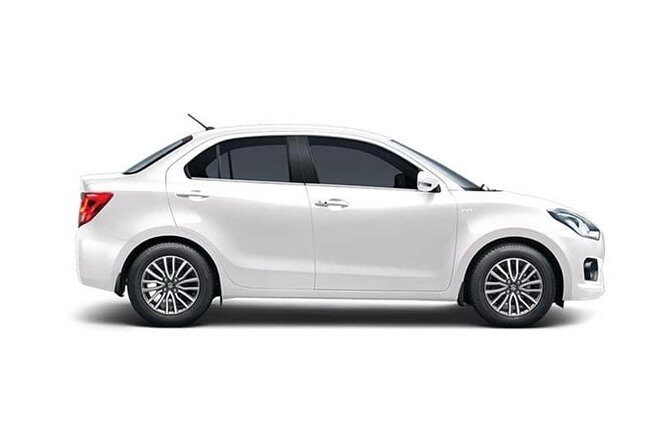
- Private car for the drive
- Mineral water
- A friendly English-speaking driver
- Entry ticket
- Pickup from Pokhara hotels or the airport (Lakeside)
You also get two bridge crossings as part of a 4-hour experience, including meaningful walking time and sightseeing stops.
If you tried to do this on your own, you’d spend money and time sorting transport, and you’d likely lose the helpful guidance that connects the bridges to local life. The guide component is where the tour becomes more than a roadside wander.
So the value case here is simple: for the cost, you buy time, convenience, and context, plus two iconic experiences that would take planning to replicate smoothly.
The main value question is personal. If you love dramatic height and don’t care much about explanations, you might prefer a cheaper DIY option. But if you want both the experience and the story, $28 feels very reasonable.
Who This Tour Is Best For (and Who Should Rethink It)
This tour fits best if you want:
- Two iconic suspension bridges in one half-day
- A private setup with a car and pickup included
- Scenic drives plus time to walk and take photos
- Explanations of bridge significance and local role
It also suits people who don’t want the stress of finding the route, especially if you’d have trouble getting to these bridges by yourself. One guest said they wouldn’t have found it alone, and that the guide made the whole thing straightforward.
Who should rethink it? If you have strong discomfort with heights or any fear of unstable footing, the bridge walking is unavoidable. The tour is designed around crossing, not just looking from a distance.
Should You Book the 2 Iconic Suspension Bridge Tour?
I’d book it if you’re in Pokhara with only half a day and you want something that combines engineering, river-gorge drama, and local meaning. The price is low enough to take seriously, and the private car plus pickup keeps the logistics stress-free.
I’d skip or be cautious if bridge heights make you uneasy. This isn’t a sit-and-watch outing. It includes walking across the suspension bridges and staying out long enough to feel the experience.
If you’re aiming for the kind of Nepal memory you can share with photos and a story, this tour gives you both: two crossings, valley views, and a guide who helps you understand why these bridges matter where they’re built.
FAQ
How long is the 2 Iconic Suspension Bridge Tour in Pokhara?
The tour lasts about 4 hours.
What is the price per person?
It costs $28 per person.
Which bridges are included?
The tour includes Bhalam Bridge and Damsadi Bridge.
Where does pickup happen?
You’ll be picked up from any hotel or the airport in Pokhara (Lakeside).
Is this a private tour?
Yes. It’s a private group tour.
Is the driver English-speaking?
Yes. The driver is listed as English.
Are entry tickets included?
Yes. Entry ticket is included.
What are the main stops during the tour?
You’ll have time for sightseeing and a walk around Bhalam–Pokhara road, a break and photo stop at PumpHouse, and then crossing Damsadi Bridge, before returning to Pokhara.
What heights and lengths should I expect?
Bhalam Bridge spans 295 meters and is about 70 meters above the gorge. Damsadi Bridge is about 276 meters long and about 90 meters high.
Is there free cancellation?
Yes. You can cancel up to 24 hours in advance for a full refund.