REVIEW · POKHARA
3 Days Hiking from Pokhara-Dhampus-Sarangkot
Book on Viator →Operated by Himalayan Social Journey · Bookable on Viator
Short trek, big mountain payoff. In just 3 days, this Dhampus–Sarangkot hike strings together two famous view points—Dhampus and Sarangkot—so you get a lot of Himalayan scenery without committing to a long trek. It also keeps things relaxed in Nepal’s lower Annapurna area, with time to learn local life along the trail.
I especially like how the route is built around sunrise and sunset views from Sarangkot, which makes the uphill feel worth it. I also like that you’re not doing this solo: you get an English-speaking guide, and on this trip the guide’s storytelling really adds context, like what to notice in nature and how local communities live in the area. One thing to consider: this experience really depends on weather, so if clouds roll in, those early views may not be as sharp.
In This Review
- Key Highlights Worth Knowing
- Trek at a Glance: Pokhara’s Short Hike Route
- Why Dhampus and Sarangkot Matter for Your Peak Views
- Day 1: The Early Ride to Phedi and the Australian Camp Overnight
- Day 2: Australian Camp to Sarangkot (5–6 Hours of View-Point Walking)
- Day 3: Sarangkot Down to Pokhara (About 2 Hours) + Optional Last-Minute Choices
- Guide and Group Size: What You Gain from a Small Team
- Tea Houses, Food, and Realistic Comfort on a Short Trek
- Culture Along the Route: Gurung and Local Community Interactions
- Price and Value: Is $200 Good for This 3-Day Trek?
- Who This Trek Fits Best (And Who Might Want Something Else)
- Should You Book This 3-Day Dhampus–Sarangkot Trek?
- FAQ
- How long is the 3 Days Hiking from Pokhara–Dhampus–Sarangkot experience?
- Where does the trek start and how do you get there from Pokhara?
- What walking times should I expect?
- Are accommodations included?
- Is paragliding included?
- What’s included in the tour price?
- How many people are in the group?
- Is free cancellation available?
Key Highlights Worth Knowing
- Dhampus + Sarangkot in only 3 days: two viewpoint hits, without a long expedition.
- Early starts pay off: Sarangkot sunrise is the main event timing.
- Tea-house stays with basics covered: accommodation and breakfast are included on trekking days.
- Private transport from Pokhara: a quick ride to the trailhead helps you start faster.
- Small group limit (max 16): more calm, less crowding on the path.
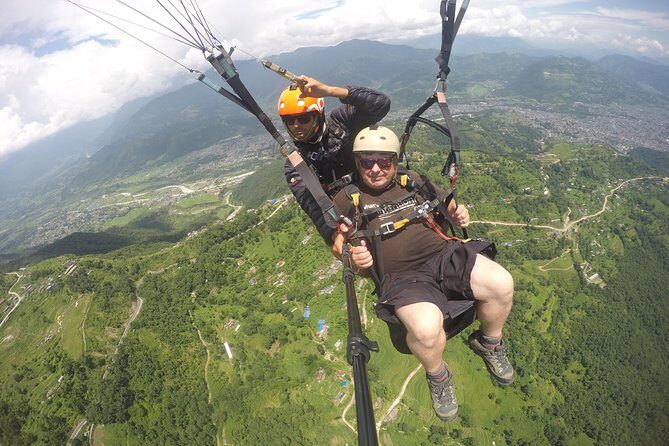
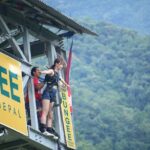
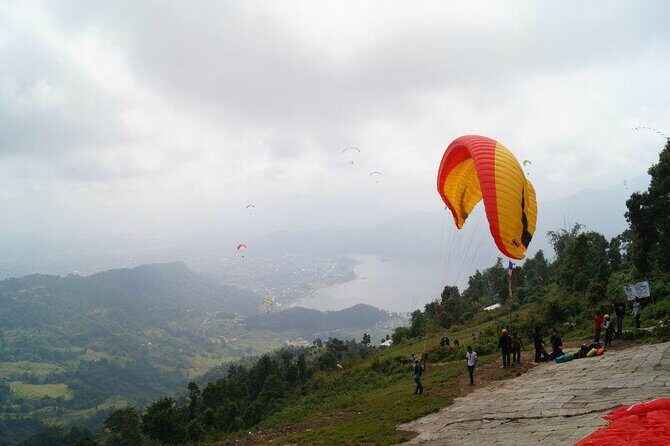
- Optional paragliding at Sarangkot: a fun add-on if conditions and your budget allow.
Trek at a Glance: Pokhara’s Short Hike Route
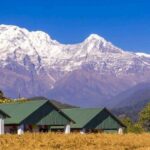
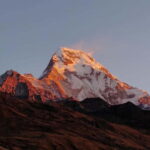
This is a 3-day trek based in Pokhara, Nepal, designed for people who want mountain views and a real walking day or two, but don’t have weeks. It’s described as a mild trail through the hills that sit above the Annapurna region, with big-peak perspectives toward Annapurna, Dhaulagiri, and Manaslu. You’ll get a mix of ridge walking and downhill, with the day lengths framed as manageable segments.
Timing is early. You meet at 6:45 am, and the first ride from Pokhara to the trail start is short—about 30 minutes by private vehicle—before the trek portion begins. The walking distances are laid out clearly: one day includes a 5–6 hour trek to Sarangkot, and the final day is about a 2-hour walk back down toward Pokhara.
Logistically, I like that the trip includes private transportation, an English-speaking guide, and accommodation in tea houses or lodges on trekking days. It also includes breakfast (2 meals total), so you’re not scrambling for food before you start walking. If you prefer planning your day tightly, this itinerary is easy to understand: walk, rest, and chase views.
Other Australian Camp and Dhampus hikes in Pokhara
Why Dhampus and Sarangkot Matter for Your Peak Views
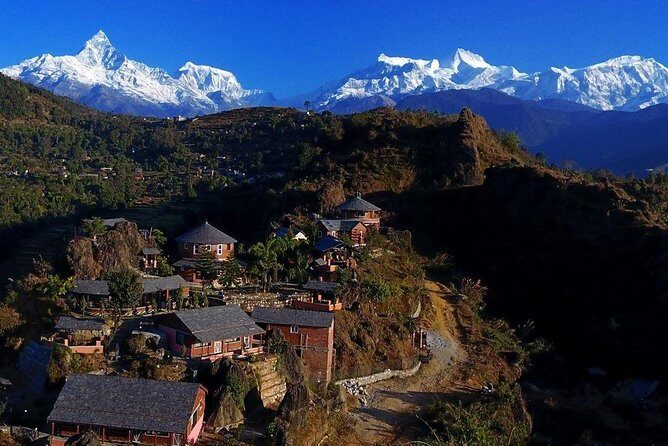
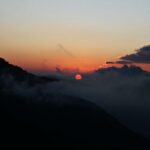
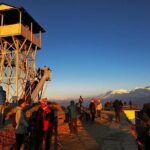
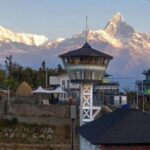
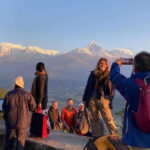
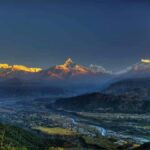
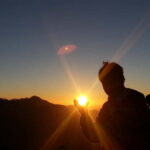
Sarangkot is the headline. It’s a spot famous for watching sunrise and sunset with mountain views, and the itinerary uses that fact to shape your day. Even if you’re not a hardcore “sunrise person,” having a dedicated window in your schedule makes the experience feel purposeful rather than random.
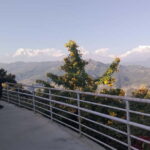
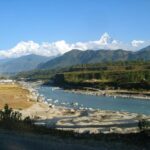
Dhampus is the other key viewpoint mentioned in the route description. The idea here is that you don’t just see one angle of the Himalayas—you get multiple perspectives over the Annapurna lower-hill area. From these viewpoints, you’re positioned to look across a wider region, not just at one single peak.
A small but important note: this hike requires good weather. That matters because Sarangkot’s view quality is what you’re paying time and energy to chase. If it’s misty or rainy, you can still walk and enjoy the cultural side of the route, but don’t expect a guaranteed clear-sky postcard.
Day 1: The Early Ride to Phedi and the Australian Camp Overnight
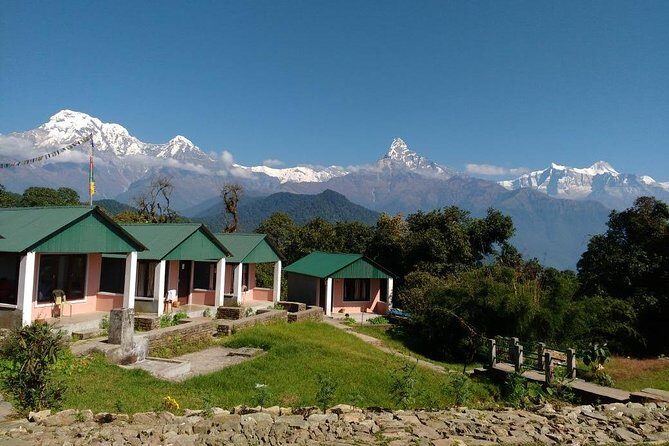
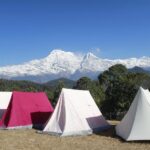
Day 1 starts with an early meet time at 6:45 am. From Pokhara, you take private vehicles to Phedi, and the ride is about 30 minutes, so you’re not spending hours in transit before your boots hit the path. The trek departure point is Phedi, and from there the schedule leads you to Australian Camp for your first night.
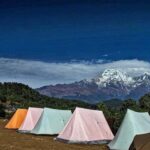
Australian Camp is a practical staging spot. You get a first taste of hill trekking without the pressure of going super far in one go. The goal on day one is to settle in, start building altitude gradually, and get oriented for the next day’s longer walk.
You’ll be sleeping in a tea house or lodge, which is the right kind of comfort for a short trek. And because you’ll have breakfast included on trekking days, you can plan around morning energy instead of figuring out where to eat before you start walking.
Based on what worked for others, I’d expect the stay to be functional rather than fancy: good enough for rest, with basic services like electricity and internet sometimes available depending on the place. One review specifically mentioned Wi‑Fi and electricity working fine, and that the food felt similar to meals in the lowlands—so you’re not signing up for only basic survival fare.
Day 2: Australian Camp to Sarangkot (5–6 Hours of View-Point Walking)
Day 2 is your longer trekking day. The route goes from Australian Camp to Sarangkot in about 5–6 hours of walking. This is the day where you’ll notice the effort—long enough to warm up your body, but not so long that you’re wrecked for the viewpoint portion.
Sarangkot is the big reason to do it. It’s described as a place to see sunrise and sunset, plus sweeping mountain views. That makes the hike feel like more than “just exercise.” You’re walking with a clear payoff in mind.
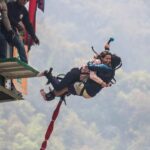
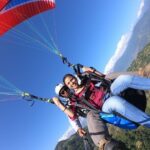
There’s also an optional activity on this part of the experience: paragliding. It’s not included in the price, so treat it as a choose-it-if-you-want option rather than a planned requirement. If you’re interested, the best move is to confirm timing and whether conditions are suitable once you’re at Sarangkot.
Comfort tips for day two: keep your day pack light because you’ll want energy for the viewpoint time. Wear layers—hill weather can shift—and plan for slow moments. One review highlighted that the guide took care with pacing, which matters on a trek like this where you want to arrive in time for the view, not sprint to the finish line.
Day 3: Sarangkot Down to Pokhara (About 2 Hours) + Optional Last-Minute Choices
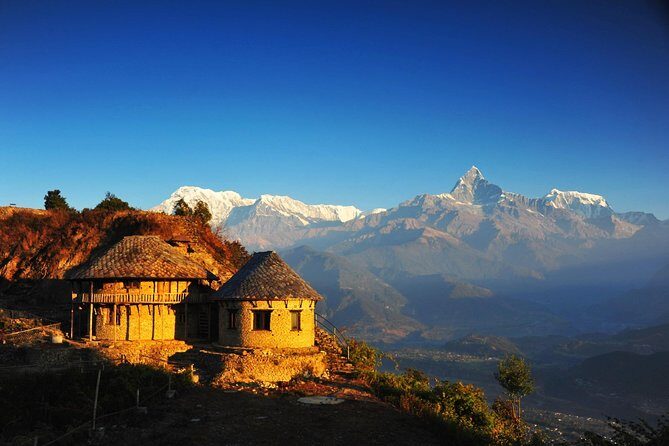
After an early morning breakfast on day three, you trek from Sarangkot to Pokhara, with the walk time listed as about 2 hours. That’s a huge relief if you’re building stamina from day one and day two. It also means the final day is more about finishing smoothly than suffering through miles.
The descent from a viewpoint usually feels faster than the uphill took you, but it can still be hard on knees if you rush. So go easy, take your time, and enjoy the final look back toward the hills.
This is also where weather plays a big role. Because Sarangkot is the “lookout,” if the morning is clear, you’ll likely feel the difference immediately. If it’s not, day three still works as a pleasant walking close to the trek, and you still get the overall experience of moving through Nepal’s lower hill communities.
In terms of on-the-ground comfort, one review noted Wi‑Fi and electricity worked without problems at the accommodation. That doesn’t mean every lodge is identical, but it’s a good sign that your baseline comfort on these nights shouldn’t be a deal-breaker.
Other Sarangkot sunrise tours in Pokhara
Guide and Group Size: What You Gain from a Small Team
This trip keeps group sizes under control, with a maximum of 16 travelers. That’s a big deal on a popular route—fewer people means you can pause without feeling rushed, and you’re less likely to get stuck in a long line at viewpoints.
The guide is another major value point. The experience includes an English-speaking guide, and one reviewer specifically called out Mr. Ganesh Devkota as being especially good at the job—sharing stories about trekking while also explaining culture and details of what’s around you. That combination matters on a short trek like this. When you only have three days, you want your guide to turn a few hours of walking into real understanding.
You’ll likely also appreciate the guide’s attention to pace. Another review mentioned the guide was kind and cared about walking speed, while also explaining nature and animals along the way. Even if you’re not into bird-spotting or plant names, it helps to have someone point out what you’re actually looking at.
Tea Houses, Food, and Realistic Comfort on a Short Trek
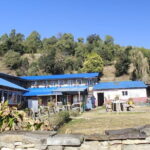
Accommodation is included in tea houses or lodges on the trekking days. For most people, that’s the sweet spot: basic and comfortable enough to recharge, without needing to carry gear for camping.
Breakfast is included (2 breakfasts total). Lunch and dinner are not included, so you should budget extra for meals on the trail days. In day-to-day Nepal trekking life, that usually means you’ll eat at the lodge’s dining area or nearby spots, and the variety depends on the place.
One review made a point about food: they said it was the same as what you’d find in the lowlands, and that helped them feel comfortable rather than “stuck with only trekking snacks.” They also mentioned no problems with Wi‑Fi or electricity, which is comforting if you want to check messages or use navigation apps.
My practical takeaway: on a short trek, your comfort can affect your enjoyment more than you expect. With breakfast covered and tea-house nights provided, you avoid the most annoying planning gaps. Still, pack a small buffer for the meals you’ll cover yourself.
Culture Along the Route: Gurung and Local Community Interactions
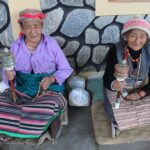
This trek is described as a chance to interact with local Gurung people and other ethnic communities living in the area. In practice, that kind of interaction is often less about scheduled performances and more about everyday conversations—questions answered, stories shared, and small moments that help you understand what you’re walking through.
A guide with a storytelling style helps a lot here. One reviewer credited Mr. Ganesh Devkota with sharing cultural information and trekking experiences, not just logistical directions. That’s the right balance for a short hike: you get the movement and the view, but you also walk away understanding how local life connects to the trail.
If you enjoy chatting and asking thoughtful questions, this is a good route. If you prefer silence and minimal conversation, you’ll still get plenty of quiet walking time—just don’t expect every minute to be “no people, no words.”
Price and Value: Is $200 Good for This 3-Day Trek?
At $200 per person, the price can feel either like a bargain or like a lot, depending on what you’re expecting. Here’s the practical breakdown of what’s included:
- Private transportation
- All fees and taxes
- English-speaking guide
- Accommodation in tea houses or lodges on trekking days
- Breakfast (2)
What’s not included is equally important:
- Lunch and dinner
- Personal expenses
- Optional paragliding
So you’re paying for the key parts that most DIY trekkers struggle to solve cleanly: guide support, lodging on trekking nights, and getting from Pokhara to the start with private vehicle time. For a short 3-day plan, that bundled value usually makes sense—especially if you want to spend your energy on walking and viewpoints rather than scheduling.
Also, because group size is capped at 16, this isn’t the kind of trek where you get swallowed by a huge crowd. That adds real quality when you’re trying to enjoy quiet moments at viewpoint stops.
If your ideal trip includes all meals being covered and no extra purchases, note that lunch and dinner are on you. But if you’re fine eating simply and keeping a small travel budget, $200 is fairly aligned with the work and services included.
Who This Trek Fits Best (And Who Might Want Something Else)
This is a good fit if you:
- have limited time in Pokhara but still want mountain viewpoints
- like the idea of a mild trail rather than a demanding multi-week trek
- want tea-house comfort instead of camping logistics
- enjoy sunrise/sunset scenery and want a route built around it
- appreciate a guide who explains nature and animals plus local culture
It may be less ideal if:
- you only enjoy hiking when weather is guaranteed to be perfect (this trek requires good weather)
- you dislike early starts (the meet time is early, and the schedule is built for sunrise viewing)
- you don’t want to manage extra meals, since lunch and dinner are not included
- you want a long, physically challenging trek with big altitude gains every day (this route is meant to be short and manageable)
The sweet spot is people who want real Himalayan views and real Nepal walking days without turning the trip into a full-time project.
Should You Book This 3-Day Dhampus–Sarangkot Trek?
Yes, I’d book it if your priority is a short plan that still delivers: Dhampus and Sarangkot viewpoints, tea-house nights, a paced guide, and a route that doesn’t drag out logistics. The combination of early viewpoint timing and a reasonable walking schedule is exactly what makes this kind of trek work for limited vacation time.
I’d think twice if clear skies are your non-negotiable, because the experience is weather-dependent. Also, plan for extra meals since only breakfast is included, and treat paragliding as optional.
If you’re arriving in Pokhara with a day or two to spare and you want a hiking experience that feels meaningful without exhausting you, this one is a strong match.
FAQ
How long is the 3 Days Hiking from Pokhara–Dhampus–Sarangkot experience?
It’s listed as 3 days (approx.).
Where does the trek start and how do you get there from Pokhara?
You meet at the start time of 6:45 am. The route includes private vehicle transportation from your Pokhara hotel to Phedi, which takes about 30 minutes.
What walking times should I expect?
The schedule includes a 5–6 hour walk from Australian Camp to Sarangkot, and a 2 hour walk from Sarangkot back to Pokhara on the final day.
Are accommodations included?
Yes. You’ll have accommodation in tea houses or lodge during trekking days.
Is paragliding included?
Paragliding is optional and not included in the price.
What’s included in the tour price?
Included items are private transportation, all fees and taxes, an English speaking guide, tea house/lodge accommodation on trekking days, and breakfast (2).
How many people are in the group?
The maximum group size is 16 travelers.
Is free cancellation available?
Yes, you can cancel for a full refund up to 24 hours in advance of the experience start time.